Geiger-Institute_2-Color-Horiz-Lockup.jpg
 

Summer 2025 Newsletter


NOTE FROM THE EXECUTIVE DIRECTOR

Dear Colleagues and Partners,


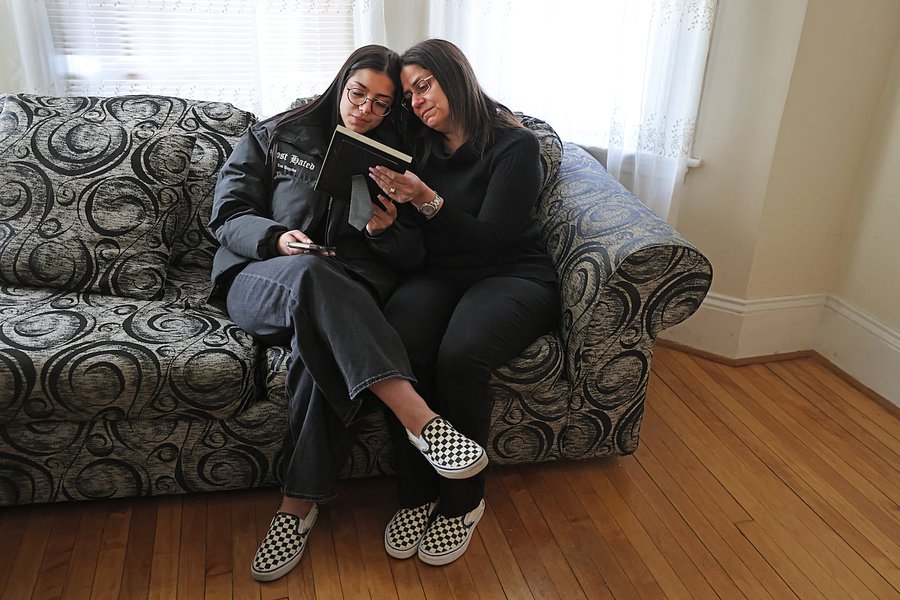
“He wouldn’t have taken her life if he was incarcerated and being held accountable for any of the crimes that he had done to me — or anyone else.”

— Brittany Grimes, Baglini’s ex-wife and survivor of years of abuse


Across the country—and here in Massachusetts—we are losing far too many lives to intimate partner homicide (IPH). These deaths are not random. They are most often preceded by clear, identifiable warning signs. And yet, our systems remain fragmented, our data inconsistent, and our opportunities for early intervention too often missed.


IPH is among the most predictable—and therefore most preventable—forms of homicide. But we cannot prevent what we do not measure. One of the most urgent needs raised by those working in the field—advocates, law enforcement, researchers, and policymakers alike—is the need for better data. Not just to understand what happened after a tragedy, but to prevent the next one.


That’s why we’re developing IMPACT: Improving Measurement, Processes, and Collaboration through Technology.


Launching this fall, IMPACT is a secure, web-based platform that will serve as the digital infrastructure for communities using the Danger Assessment for Law Enforcement (DA-LE) and the Domestic Violence High Risk Team (DVHRT) Model. These proven, life-saving strategies depend on structure, coordination, and consistency to reach their full potential.


IMPACT was built in direct response to what many of you have told us: that data collection is inconsistent, implementation is resource-intensive, and cross-system collaboration is difficult to sustain.


Once launched, IMPACT will enable communities to:

  • Standardize the use of risk assessment and high-risk response
  • Monitor high-risk cases across agencies in real time
  • Analyze trends and disparities in intimate partner homicide
  • Identify where systems are working—and where they’re falling short
  • Access online trainings and implementation resources to build capacity
  • Share community-driven best practices across jurisdictions


This is more than a technological advancement—it’s a transformative step toward closing the data gap that has long hindered our advancement in preventing intimate partner homicide. Because if we’re serious about saving lives, we must be serious about measuring what matters—and building transparent, accountable systems that respond to risk before it becomes tragedy.


We’ll be sharing more as we approach the launch. Thank you for the work you do—and for your continued partnership in building safer, more responsive communities.


With deep gratitude,


Kelly Dunne

Executive Director

Where We Are


In fiscal year 2024, the Geiger Institute provided over 50 trainings to over 1,700 professionals across the country and received requests for training and technical assistance from over 25 jurisdictions.


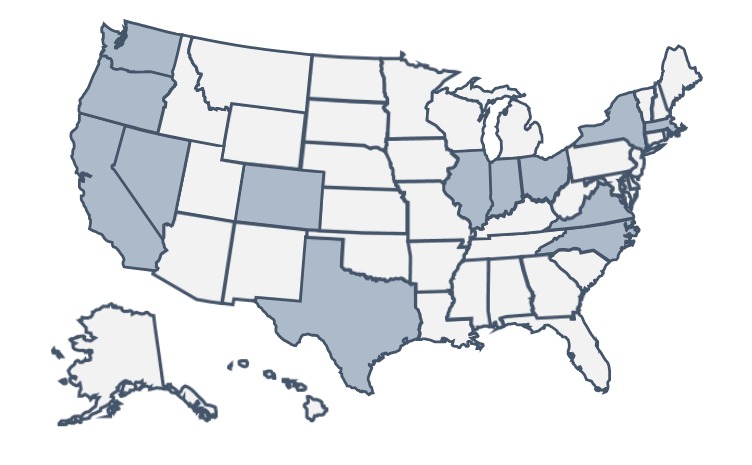
75 police departments across 13 states have implemented the Danger Assessment for Law Enforcement (DA-LE).

Follow Geiger Institute on social media:

Facebook          Instagram          X

'This should never have happened': Murder suspect dodged accountability in earlier cases


“A Globe review of court documents and police records shows a cascade of missed opportunities — owing in part to poor interstate coordination — that allowed Baglini to escape full accountability for his past crimes. Instead, he benefited from a series of lucky breaks, lenient decisions by court officials and prosecutors, and gaps in domestic violence programs.


As happens too often in such cases, officials missed signs of escalating violence.”


Read more from The Boston Globe


Welcome New Staff!


The Geiger Institute is pleased to announce new hires to strengthen its team and advance our nationwide homicide reduction work. We invite you to take a moment and meet our newest team members.

Darren Johnson, J.D. is the Technology Application Integration Specialist at the Geiger Institute. He holds a Juris Doctor and a degree in Information Privacy Law from Maine Law, as well as a Bachelor of Science in Applied Technology from the University of Maine.


At the Institute, Darren leads the technical coordination and integration of IMPACT, the new web-based application designed to advance the Institute’s mission of reducing intimate partner homicide. He collaborates with developers and stakeholders to ensure the system is user-friendly, reliable, and responsive to the needs of frontline users. Darren also plays a key role in quality assurance, user onboarding and training, and translating complex technical information and data into accessible insights.

Brandon Wootan is a Project Specialist at the Geiger Institute, where he partners with communities nationwide to assess existing domestic violence response systems and implement evidence-based strategies to prevent intimate partner homicide.


Brandon brings over a decade of law enforcement experience, including his role as a Detective in the Crimes Against Persons Unit with a municipal police department in Northern Colorado. Brandon co-led a Domestic Violence High Risk Team in Colorado, giving him firsthand insight into the real-world application of the model.


Previously, Brandon worked in the State of Montana, where he also taught as an adjunct instructor at the Montana Law Enforcement Academy. His instruction focused on domestic violence, stalking, strangulation, and sexual assault.

On the Importance of Data


At the Geiger Institute, we believe data is more than numbers—it’s a tool that saves lives. That’s why we emphasize collecting and analyzing Danger Assessment for Law Enforcement (DA-LE) data from the communities we serve. This data helps us ensure the DA-LE is being implemented with fidelity, and it gives us the insight needed to troubleshoot in real time, so no opportunity to intervene is missed.


In one community, we identified that 21% of victims were declining to complete the DA-LE—a notable concern, as best practice standards aim for single-digit decline rates. In response, our partners in law enforcement conducted a thorough review of body-worn camera footage and implemented targeted support for officers involved. Their proactive efforts led to a significant improvement, reducing the decline rate to 10%.


Behind every percentage point is a survivor who was seen, heard, and offered help. Collecting data is, in itself, a homicide prevention strategy. It helps us identify where systems may be falling short and gives communities the evidence they need to secure resources, improve response, and ultimately, protect lives.

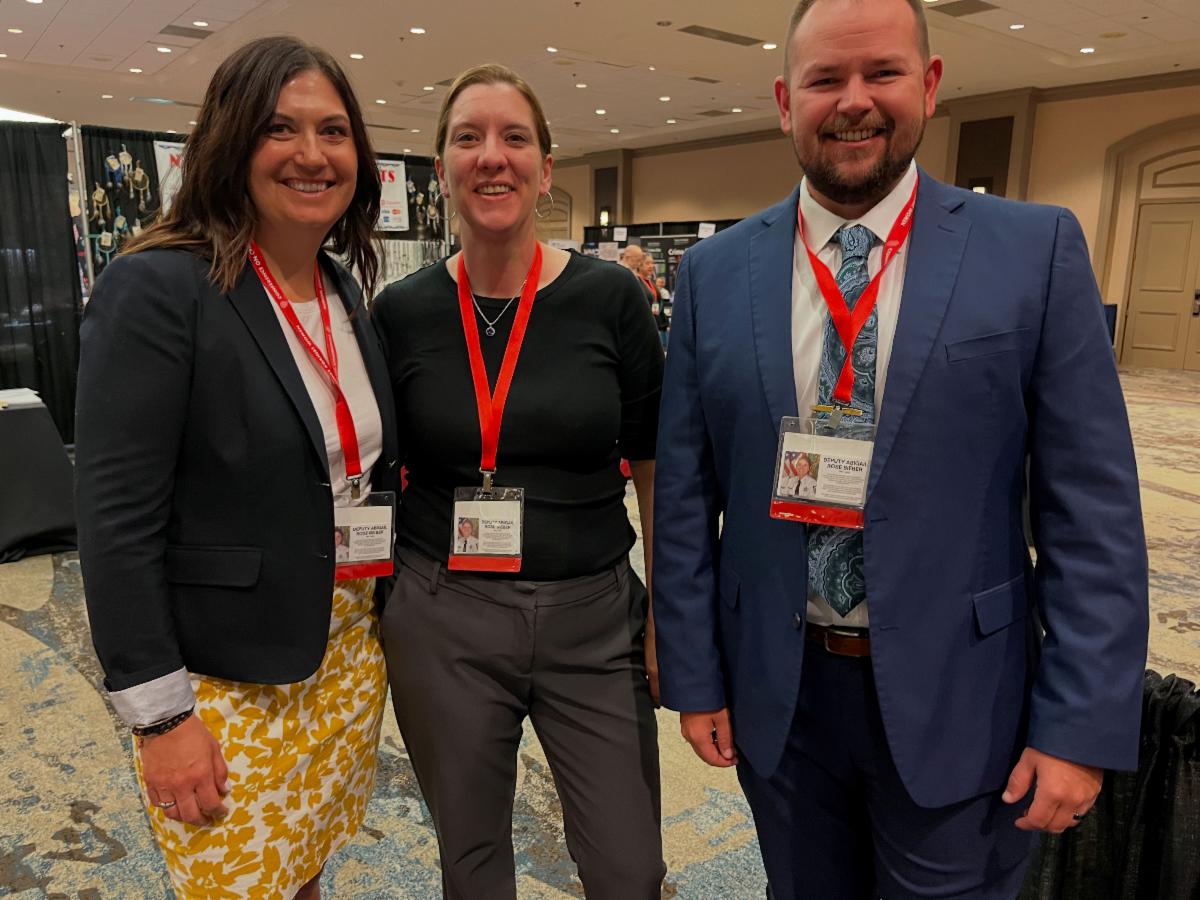
The Geiger Institute team attended and presented with our partners at the annual Conference on Crimes Against Women again this year!

Senior Project Specialist Sarah Galgano presented alongside Stacie Sutter of Crossroads Safehouse in Northern Colorado and Brandon Wootan, now a Project Specialist, on creating successful domestic violence high risk teams (DVHRT).

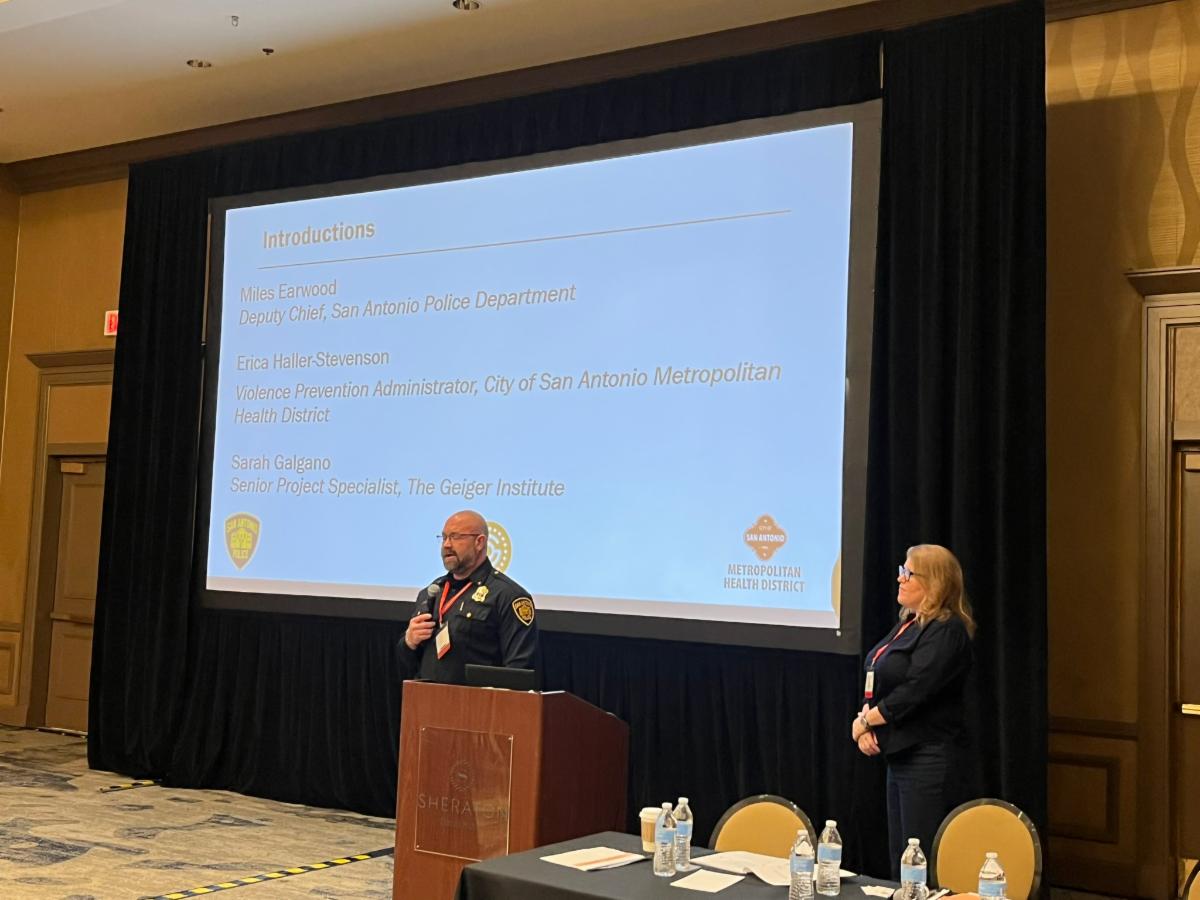
In our team's final presentation, Sarah Galgano presented alongside our partners in San Antonio, Deputy Chief Miles Earwood and Erica Haller-Stevenson of City of San Antonio Metropolitan Health District, sharing lessons learned from piloting the Danger Assessment for Law Enforcement (DA-LE).

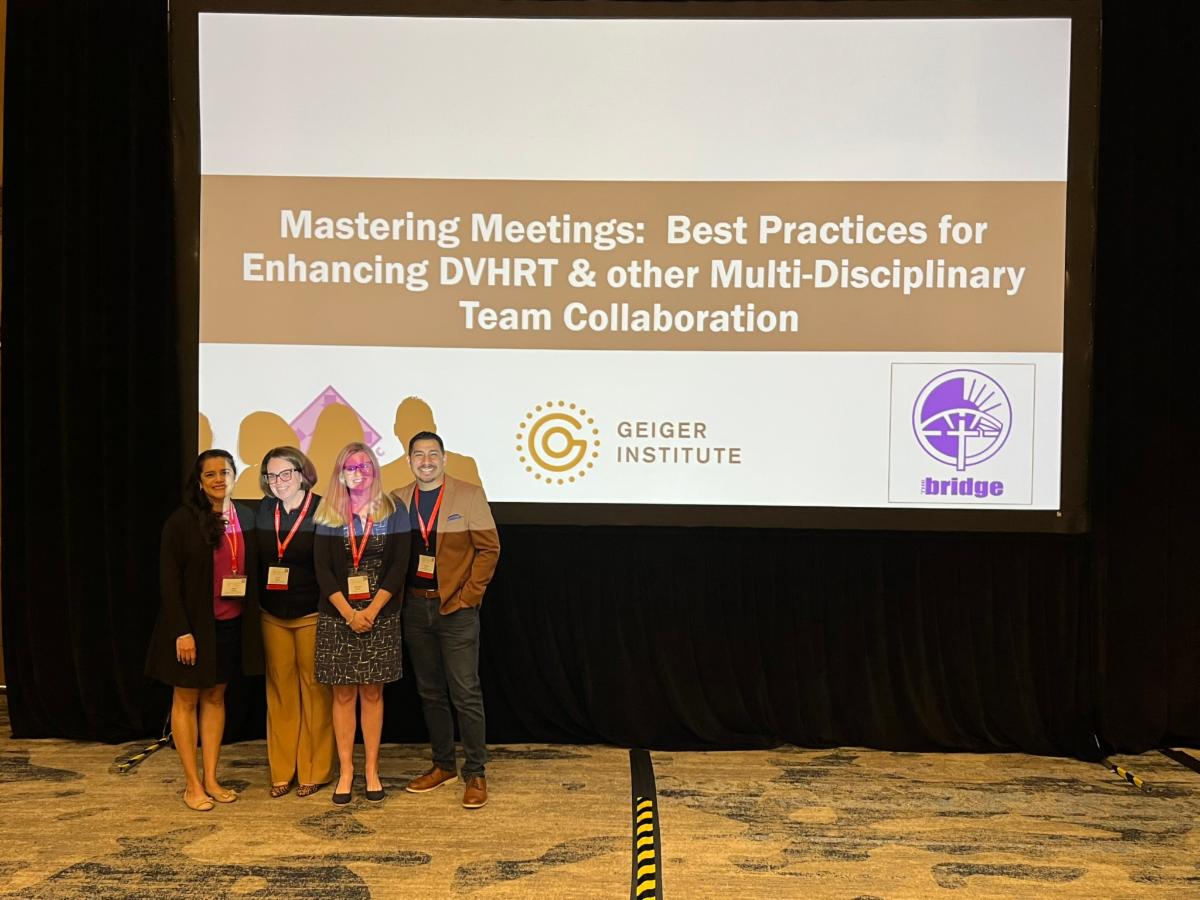
In this session on best practices for enhancing DVHRT, Senior Project Specialist Heather Davies co-presented with Nidia Cantu and Alicia Nuzzie of the Harris County Domestic Violence Coordinating Council, and Stephen Lopez of The Bridge Over Troubled Waters, both in Houston, Texas.

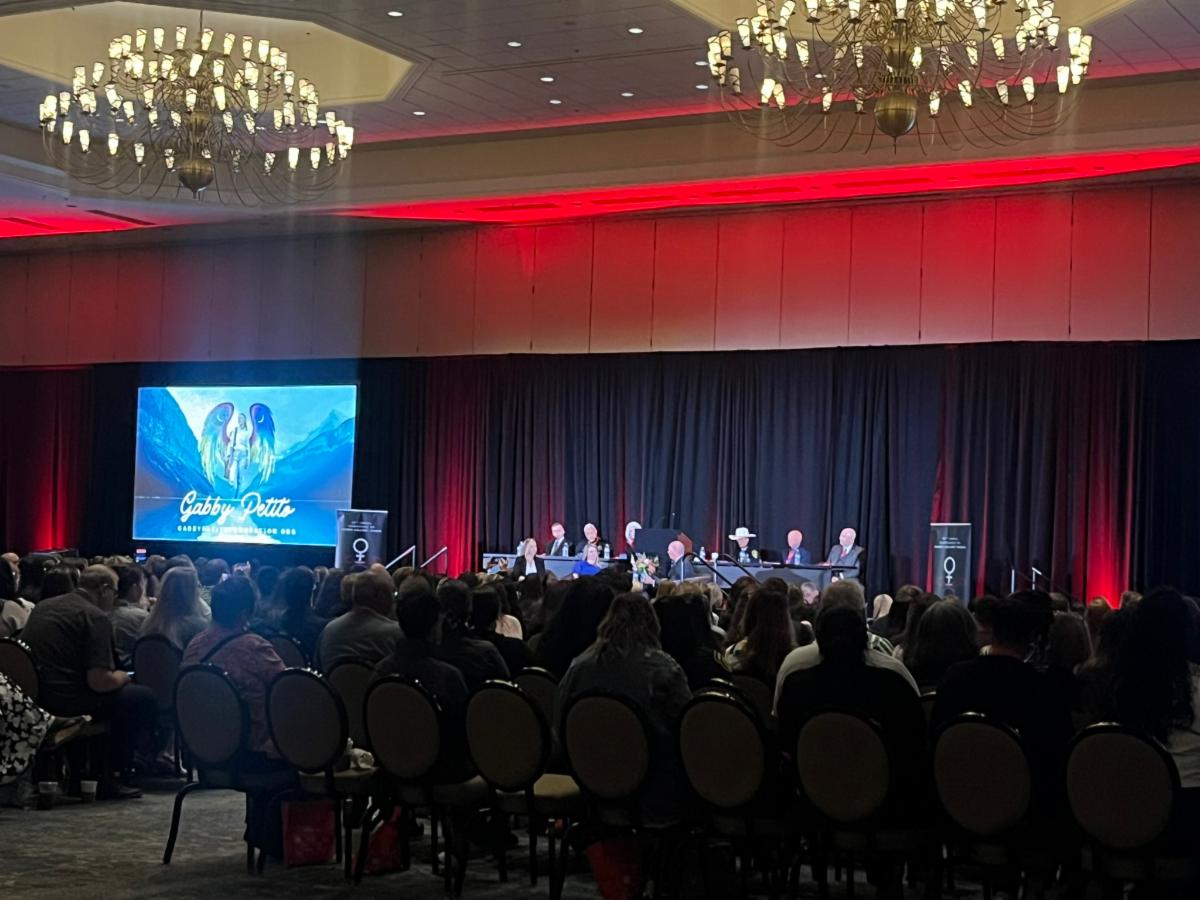
Nichole Schmidt and Tara Petito of the Gabby Petito Foundation gave the keynote address at the 20th Annual Conference on Crimes Against Women.


Schmidt and Petito, the mother and stepmother of Gabby Petito, who was tragically murdered by her boyfriend, have become fierce advocates for domestic violence awareness and the importance of risk assessment.

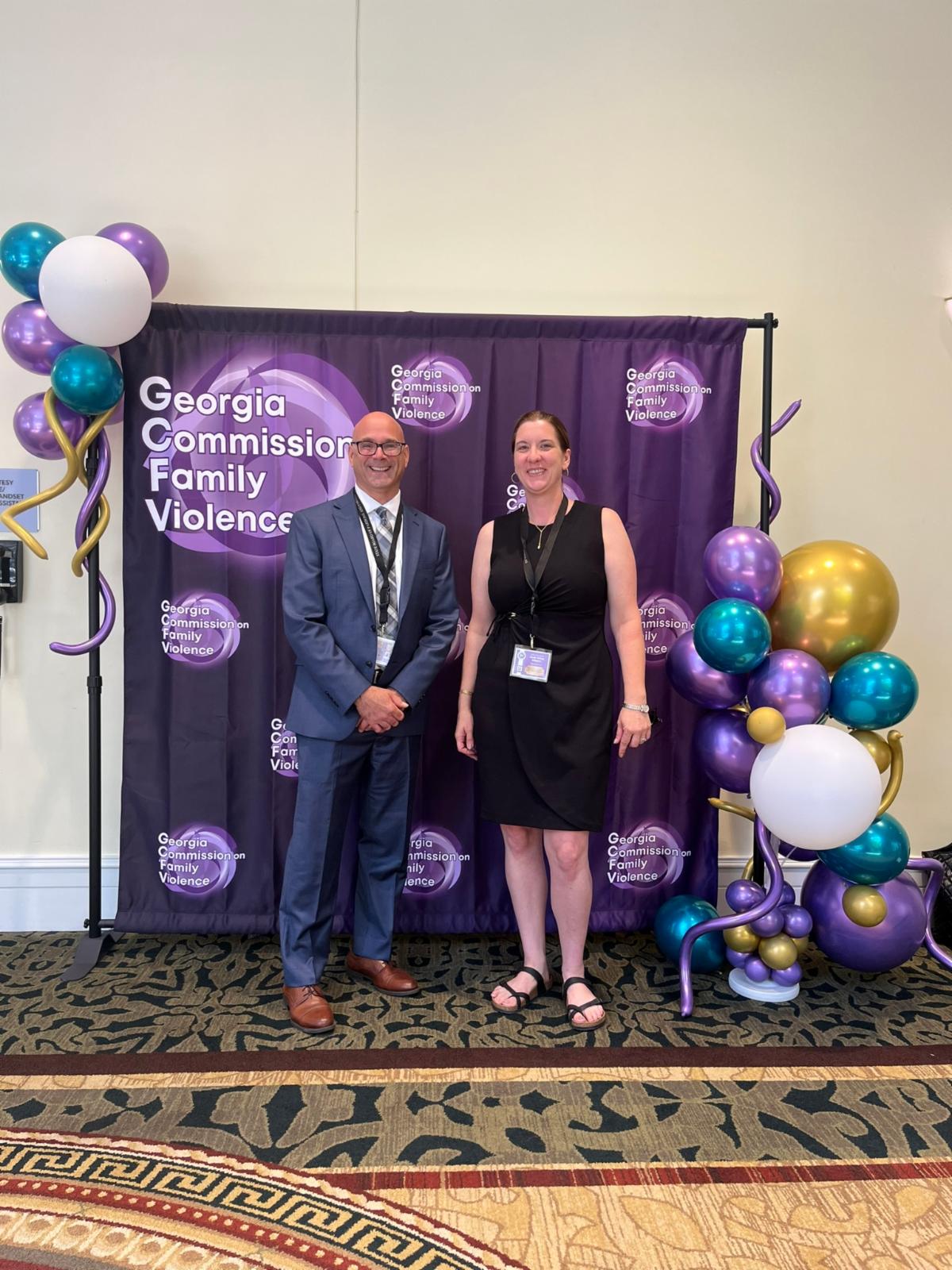
Image: Tim Boehnlein and Sarah Galgano of Geiger Institute in Georgia at the 30th Annual Statewide Family Violence Conference in 2024

Words from the Field


“Why Geiger Institute and why the Danger Assessment for Law Enforcement (DA-LE)?


Because we want to bring DA-LE to Georgia statewide through legislation that requires law enforcement to gather information about a victim’s risk -- information that will help connect victims with services and support prosecution.”


April Ross, Executive Director of the Georgia Commission on Family Violence

 
Pathway leading to a beach, framed by green trees

Partnership Opportunities


Philanthropic support is vital: it is the backbone of our efforts to end domestic violence homicide. Your investment will build safer communities and save lives.


By choosing the Geiger Institute, a leader in reducing domestic violence homicides, we can expand our reach, provide life-saving tools, and implement innovative strategies that protect the most vulnerable in our society.


We offer a range of partnership opportunities, and your support can make a profound impact in these critical areas:


  • Supporting our scaling strategies to increase the nationwide impact of our work and reach more communities.


  • Expanding our technology solutions to innovate and enhance our ability to prevent domestic violence before it leads to tragedy.


  • Funding communities to implement proven homicide reduction strategies that save lives and transform outcomes.


Together, we can create lasting change and safer communities. 


Contact:


Kelly Majewski

kmajewski@jeannegeiger.org

978-255-9165