The Wyoming Health Council works to ensure that all people can access equitable, inclusive, high-quality, and affordable reproductive and sexual health care. | | |
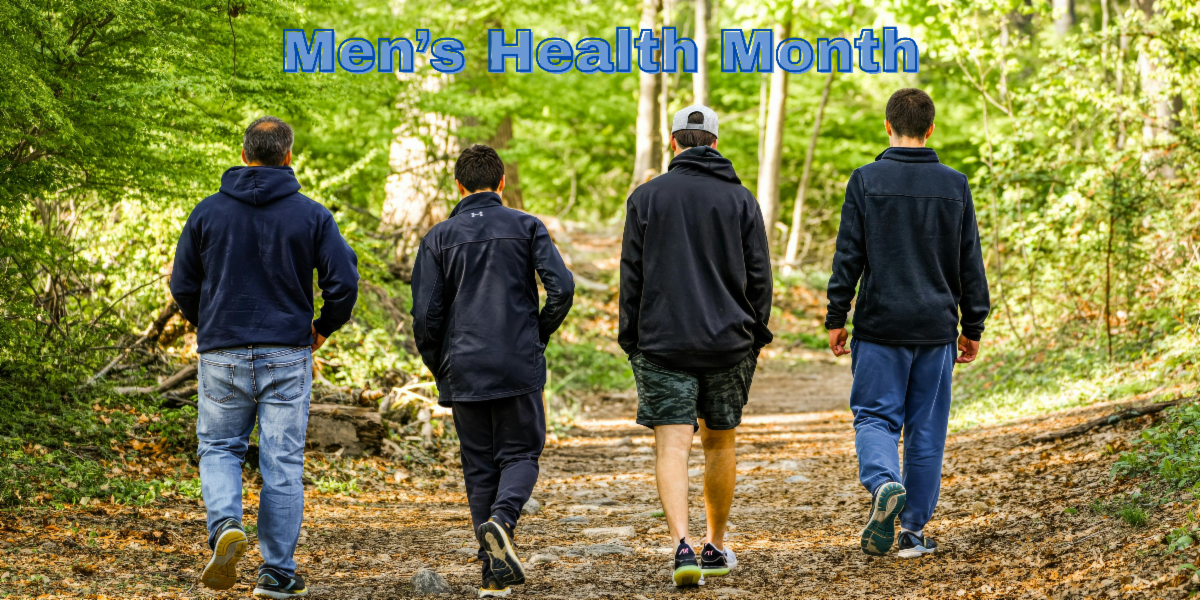
Men’s Health Month is a reminder that taking care of your health is an important part of living a strong, healthy life!
Title X Family Planning Clinics offer confidential, affordable services for men of all ages, including STI testing and treatment, birth control education, annual wellness visits, sexual health education, and referrals for additional care when needed. Preventive care and regular checkups can help men stay healthy, support healthy relationships, and make informed decisions about their reproductive and sexual health.
| | |
"Summer Penis" Isn't a Thing, But Swamp Dick Definitely Is
Contrary to what the internet tells you, summer heat doesn't make your penis bigger. But it does make it smellier.
Apparently, the balmy summer months are a prime season for bizarre dick phenomena.
We learned this last month, when the internet exploded over summer penis, a peculiar occurrence in which your dong allegedly swells up in size during the summer.
After MEL Magazine's Tracy Moore reported on summer penis, many men on social media confirmed the phenomenon, chiming in with their own tales of how their shafts feel and look larger when temps start to soar.
Unfortunately, guys, summer penis isn't a thing — at least, not exactly. While it's possible that gentle heat can help increase blood flow to the penis, thus making it appear slightly larger, sexual health experts say that such effects would be temporary and would likely be so negligible as to be nearly non-existent. Bummer!
| |  | |
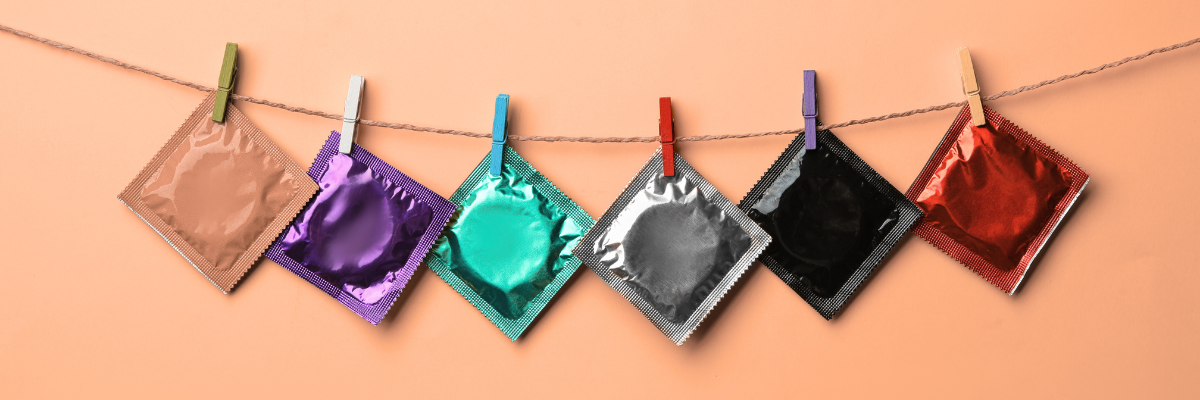
6 Condom Mistakes You’re Definitely Making During Sex
For something so simple, condoms actually come with a lot of room for error. Most people don’t even know they’re making any.
Body + Soul rounded up the most common mistakes according to sexual health experts, and the list covers everything from how you store them to when you put them on. The fixes are easier than the errors, at least. Here’s what to know.
Putting It On Too Late
This is the big one. Sexual Health Victoria medical director Dr. Sara Whitburn says the most common mistake is waiting too long. “Sperm and sexually transmitted infections can be present in pre-ejaculate, so it is important that a condom is placed on the penis before there is any penetrative contact,” she explained to Body + Soul.
Queensland-based sexologist Isiah McKimmie agrees, adding that the penis needs to be fully erect before putting one on. If you lose an erection during sex, replace the condom. If it doesn’t fit properly, it doesn’t protect properly.
Getting the Size Wrong...
| | | |
‘No Cause for Panic’ as Sperm Counts Found To Be Steady
Sperm counts haven’t declined among American men in recent years, new research from Cleveland Clinic finds.
Several high-profile papers had suggested that sperm counts have drastically fallen globally over the past few decades. In contrast, the new data suggests that’s not the case, at least among men in the United States without known infertility.
“We found that at least in men with no known fertility challenges, sperm counts are largely stable and haven't changed significantly in the last few years, which is reassuring news. It doesn't necessarily mean that sperm counts among infertile men aren't worsening, but it does mean that for the average man, there's no cause for panic,” says lead investigator Scott D. Lundy, MD, PhD, Urology Program Director at Cleveland Clinic.
| | |
Why is RFK Jr. so worried about sperm count?
We spoke to experts about Kennedy’s claims about sperm and fertility — including the author of the study he cited.
Secretary of Health and Human Services Robert F. Kennedy Jr. has, historically, been very public about his concerns about what is plaguing the nation’s well-being. His long, complicated history with vaccines is well-documented. So is his long-standing spat with fluoride. Unlike President Donald Trump, he is not a fan of fast food, but he is a big believer in animal protein and raw milk.
And this week, he spoke about another issue vexing him: men’s sperm count.
“The fertility crisis for women began in 2007; for men in 1970. Men had twice the sperm count as our teenagers do today. This is an existential crisis for our country. We had a series of presidents who were trying to discourage childbirth and motherhood in this country. We now have a president who is trying to encourage it,” Kennedy said at a White House event on maternal health Monday.
While many experts agree that sperm counts are likely lower than they were decades ago, it is less clear how much influence a declining sperm count has on the country’s falling birth rate.
| |
Clinician's Guide to Adolescent and Young Adult Male Visits
Partnership For Male Youth has released a “Clinician's Guide to Adolescent and Young Adult Male Visits” Designed specifically for clinicians who see adolescent and young adult (AYA) males ages 12–25, this two-page guide provides practical, evidence-informed support for one of healthcare's most underserved patient populations. This resource aims to assist clinicians through patient interviews, highlighting those questions and discussion points that constitute a productive visit:
| | | |
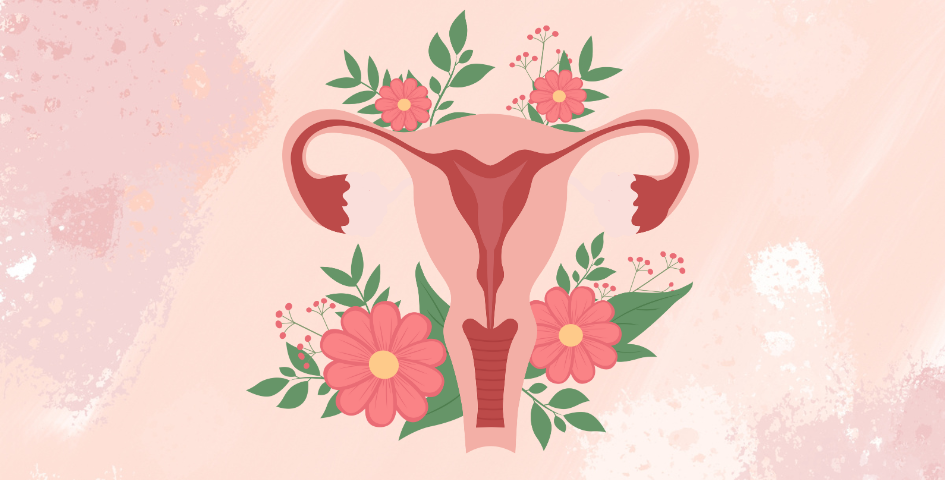
Infertility affects millions of people worldwide and can have a lasting impact on individuals, couples, families, and communities. In fact, an estimated one in six people of reproductive age experience infertility at some point in their lifetime.
During World Infertility Month, we recognize that reproductive health includes access to compassionate, high-quality fertility care and family planning services. Every person has the right to make informed decisions about if, when, and how they build their family, and everyone deserves support, respect, and access to care throughout that journey.
| | |
Does the U.S. Have a Fertility Crisis?
A declining U.S. birth rate reveals questions about whether having kids is affordable and sustainable.
The U.S. fertility rate—the number of children born to women of childbearing age—reached a record low in 2024.
The average American woman between ages 15 and 44 gave birth to less than two children, raising questions about a potentially shrinking population.
But fertility rates don’t tell the whole story of population trends. U.S. births still outpace deaths, for example, so the population is not shrinking. Fertility rates do, however, shed light on pressing issues of affordability, sustainability, and personal agency facing many would-be parents.
| | | |
As U.S. birth rate falls, Trump officials downplay contraception in family planning program
The number of babies born in the United States fell again last year.
According to new data from the Centers for Disease Control and Prevention, there were 3.6 million births in 2025, a 1% decline from 2024. The fertility rate dropped to 53.1 births per 1,000 women ages 15 to 44, down 23% since 2007.
The Trump administration has said it wants to reverse this trend. President Trump has called for "a new baby boom," and aides have solicited proposals from outside advocates and policy groups ranging from baby bonuses to expanded fertility planning. The administration is also proposing to reshape the federal government's only dedicated family planning program: Title X.
| | | |
Common fertility myths that can mislead women’s health choices
By breaking free from myths and seeking timely medical guidance, women can ensure that informed choices shape the future of fertility.
In today’s digital-first world, we swim in an ocean of information about everything, from skincare routines to superfoods and, of course, women’s health. However, when it comes to fertility, clarity often gets lost in the noise. Between social media “advice” and age-old taboos, it’s easy to feel confused or anxious about something as personal as fertility. It’s time to move past the myths while embracing science and giving ourselves the compassion and clarity we deserve.
Despite such phenomenal advances in medical science, fertility remains one of the most misunderstood aspects of women’s well-being. The misinformation passed down through generations or simply spread online can fuel unnecessary worry, feelings of guilt, or self-doubt.
Let’s discuss some of the common modern fertility myths:
| | | |
Restorative Reproductive Medicine
Infertility is unfortunately common among people seeking to start or grow their families, with one in six people of reproductive age affected by infertility globally, according to the World Health Organization.
There are many causes of infertility. Some underlying medical causes can be identified and treated in order to start and grow a family. Sometimes, no specific cause is found, and the infertility is labeled “unexplained.” In many cases, when the goal is to have a baby, the most effective and compassionate approach to care is medical assistance.
Recently, a nonmedical approach called “restorative reproductive medicine” (RRM) has entered fertility discussions. When provided as the primary or only option, RRM can expose patients to needless, painful surgical interventions; limit their access to the full range of evidence-based fertility care interventions; and delay time to pregnancy, while potentially increasing overall costs. RRM is built on two major concepts: the incorrect suggestion that endometriosis is the dominant cause of infertility, and the idea that other causes of infertility can be addressed by fertility awareness and lifestyle changes.
| | | |
Should we share our STI status on dating apps?
There’s a lot that can complicate dating. The rise of dating app fatigue (one in five dating app users say they’ve had a bad experience), dealing with unrequited love, selfish dating culture – to name a few. Now throw having a sexually transmitted infection (STI) into the mix. It really shouldn’t, since one million of us contract an STI every single day and most are curable, but having an STI can complicate dating even further.
Only 28 percent of people with an STI would feel comfortable disclosing their status to a partner. But communicating STI status should be a key part of sex. It’s important, not just for your health but for theirs too, and for helping reduce the very real stigma attached to STIs. One sex-positive dating app, WAX, is on a mission to make STI status sharing a natural part of dating by encouraging those conversations with an integrated test result sharing feature.
| | |
How to Disclose Your STI When Online Dating
After getting diagnosed with a sexually transmitted infection (STI), it’s normal to be nervous about telling new partners. Few of us learned how to talk about STIs in sex education, and as a result, most of us have no idea how to start a conversation about our sexual health. But disclosing your STI doesn’t have to be anxiety-provoking or awkward—instead, it can be an opportunity to build trust with a potential partner and to get to know each other better. Here’s what you should know about disclosing your STI status.
Mention your STI status in your dating profile
Another way to disclose is by listing your STI on your Bumble profile. Including “herpes+” or “HPV+” in the About Me section makes it clear that you’re not ashamed of your STI, and that you’re open to talking about safe sex.
This radical approach to disclosure isn’t for everyone, and you aren’t obligated to share your STI status as soon as you interact with a potential partner. But adding your STI to your dating profile is an easy way to weed out folks for whom your status might be a dealbreaker.
| | Sexual Health: Dental Dams | | |
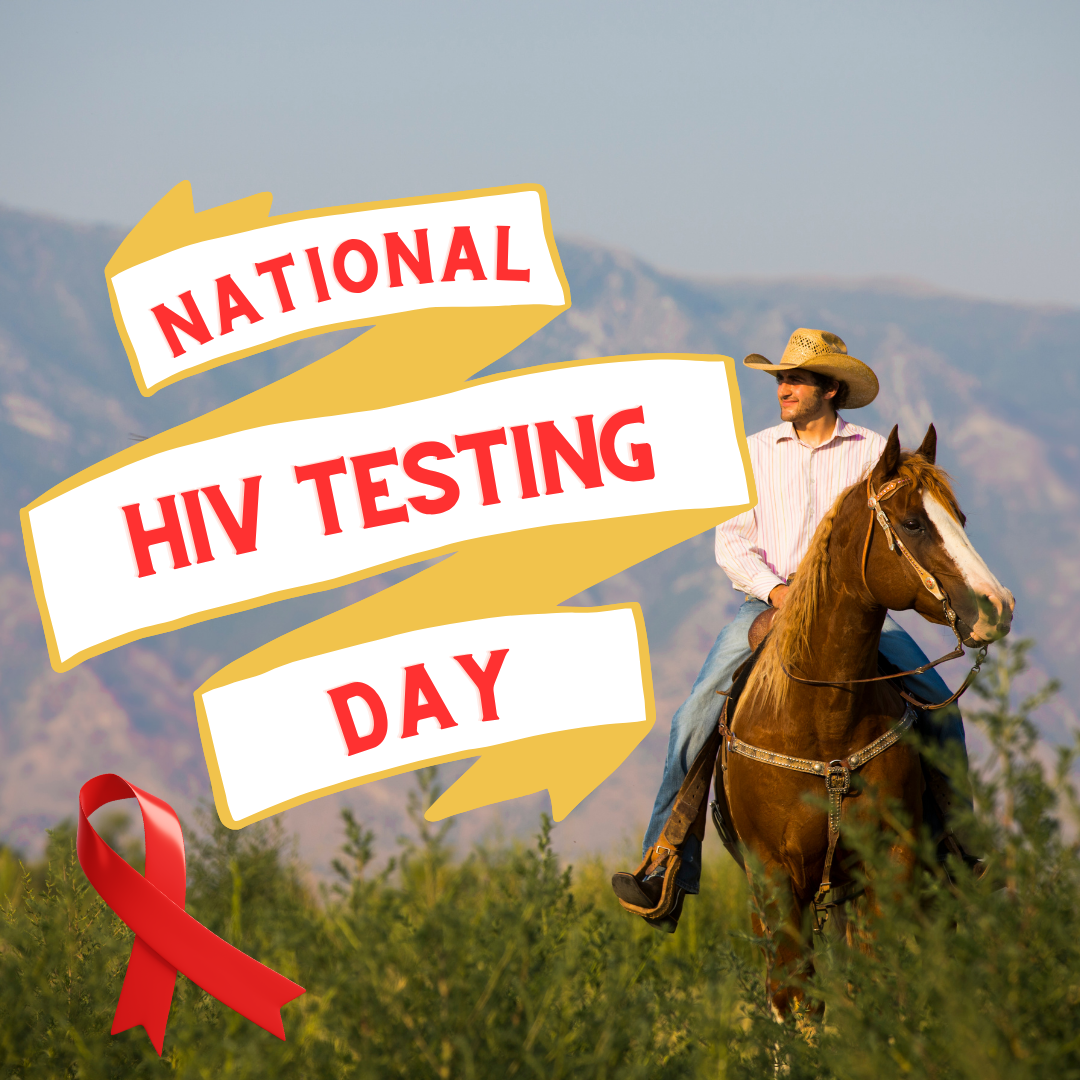
The only way to tell you have HIV is get tested. Testing is recommended at least once for everyone, and may be recommended more often for some. Testing can be quick, easy and confidential—and free.
Why get tested for HIV?
Knowing your HIV status has two important benefits. First, if you are HIV positive, you can get treatment, care and support services as soon as possible. Second, if you know you are infected, you can take precautions to not pass on HIV to others.
Should I get tested for HIV?
If you have never been tested for HIV, you should be tested at least once. The Centers for Disease Control and Prevention (CDC) recommends at least one HIV test for everyone aged 13 to 64 who visits a doctor. CDC also suggests being tested at least once a year if you do things that can transmit HIV infection. These include:
- injecting drugs or steroids with used injection equipment
- having sex with an HIV-infected person
- having more than one sex partner since your last HIV test
- having a sex partner who has had other sex partners since your last HIV test
If you have been tested for HIV and the result is negative and you never do things that might transmit HIV infection, then you and your health care provider can decide whether you need to get tested again. Overall, you should talk to your provider about how often to get tested for HIV.
| | | |
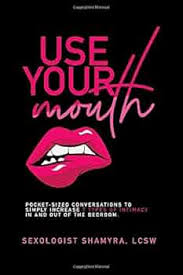
Use Your Mouth: Pocket-sized Conversations to Simply Increase 7 Types of Intimacy in and out of the Bedroom
"This book was created for every person who wants to know how intimacy outside of the bedroom contributes to great sex. It’s also for the person who feels distant from their partner, or has ever said, “It feels like we’re roommates.” It’s for the couple who just got married, for those who are exclusively dating, for those who have been married and are considered veterans, for those who want more intimacy, those who wish to prepare for new relationships, and for anyone who wants more excuses to love their partner better."
| |
All About Love: New Visions
“The word ‘love’ is most often defined as a noun, yet we would all love better if we used it as a verb,” writes bell hooks as she comes out fighting and on fire in All About Love. Provocative and intensely personal, renowned scholar, cultural critic and feminist bell hooks offers a proactive new ethic for a society stricken with lovelessness—not the lack of romance, but the lack of care, compassion, and unity. People are divided, she declares, by society’s failure to provide a model for learning to love.
In this landmark book, bell hooks explores the question “What is love?” Her answers strike at both the mind and heart."
| | |
Welcome to B Brand - Your All-Inclusive Intimate Health Partner
At B Brand, our mission is to empower individuals by providing a comprehensive suite of high-quality, reliable, and trustworthy intimate health products that cater to every aspect of your sexual well-being. We are dedicated to promoting a culture of responsibility, inclusivity, and confidence, ensuring that your intimate moments are enjoyable, safe, and secure.
Our journey began as a company focused on delivering premium quality sexual health products, paired with education and resources to help people make informed decisions. As we grew, we recognized the need to expand our offerings and create a more inclusive brand that caters to everyone. Today, we are proud to introduce B Brand - a one-stop destination for all your intimate health needs.
| | World Sickle Cell Day-June 19th | | |
National Call Your Doctor Day
June 8
It’s National Call Your Doctor Day — a reminder that taking care of your health matters. 💙
Whether you need birth control, STI testing, cancer screenings, pregnancy testing, or just have questions about your reproductive health, Title X Family Planning clinics are here to help.
Making that call today can help you stay healthy for tomorrow. Schedule your preventive care appointment and put your health first! 📞
| | |
National Kissing Day-June 22
15 Reasons to Smooch: How Kissing Benefits Your Health
Has the kissing waned in your relationship? Are you more the “air kiss” than “actual kiss” type when greeting your friends? Do you cringe when you see your aunt coming in for a big kiss at family functions? It may be time to pucker up!
Turns out that kissing — even your family and friends — has loads of mental and physical benefits that make getting your smooch on totally worth it. Here’s what the science says.
| | |
National Hydration Day
June 23
Celebrate Your Sexual Performance…With a Glass of Water
Good sex requires lubrication, inside and outside of your body.
Dehydration can take a few tolls on your body, some that are full-body symptoms and others that relate specifically to sex. Susan Milstein, Ph.D., a sexual health educator in New York City, explained that the most apparent signs of dehydration reduce the odds of anyone having sex.
"When a person is dehydrated, they're often fatigued and irritable," Milstein said. "This can make a person less likely to want to have sex. Dehydration can also cause headaches, which can make it harder to get turned on."
| |
Please consider supporting reproductive and sexual health care in Wyoming!
You can donate directly to us—100% of your contribution goes toward supporting health care access in our state.
| | |
This newsletter was developed (in part) with federal funds from the Office of Population Affairs. For more information on the rules and regulations that apply to our programs, please visit
https://opa.hhs.gov/grant-programs/title-x-service-grants
This project is supported by the Office of Population Affairs (OPA) and the Office of the Assistant Secretary of Health (OASH) of the U.X. Department of Health and Human Services (HHS) as part of a financial assistance award 1 FPHPA 006541-0-00 totaling $978,380 with 100 percent funded by OPA/OASH/HHS. The contents are those of the author and do not necessarily represent the official views of, nor an endorsement, by OPA/OASH/HHS or the U.X. Government.
| |
WYOMING HEALTH COUNCIL
111 S. Durbin, Suite 200
Casper, WY 82601
Call Us: (307) 439-2033
| | | | | |