View as Webpage

The summertime provides many opportunities to strengthen existing relationships, participate in community events, and develop new social connections. This toolkit provides tools, resources and information to help develop and maintain meaningful social connections throughout the summer and beyond.


Strong relationships are an important part of well-being and can help reduce stress, increase life satisfaction and foster a sense of belonging. Social connection can also help reduce the risk of chronic disease and serious health conditions, such as heart disease, dementia, and stroke.


When people have high quality social relationships, they tend to live longer, healthier lives.

A great way to build and strengthen social connections is by getting involved in your community.


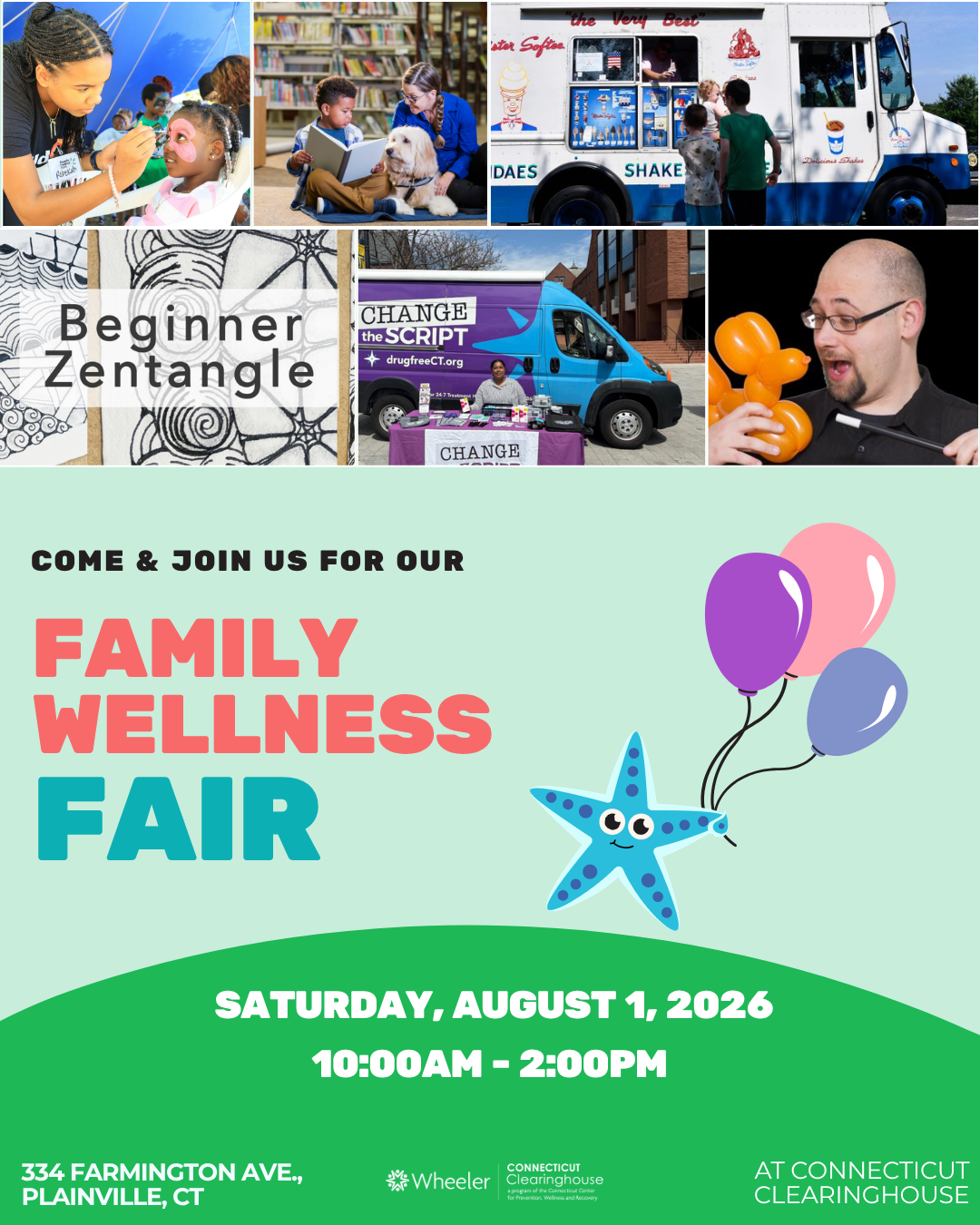
Join us at our upcoming Family Wellness Fair on August 1, from 10:00 AM – 2:00 PM for a day of family-friendly activities, entertainment, and learning opportunities. Activities include:


  • Mental Health Resources
  • Magic Show
  • Clown - Balloon Animals & Face Painting
  • Zentangle Art Classes
  • Ice Cream Truck & Other Refreshments
  • Storybook Reading
  • Therapy Animals
  • Lawn Games


This free event provides meaningful opportunities to build new social connections while promoting wellness for everyone!

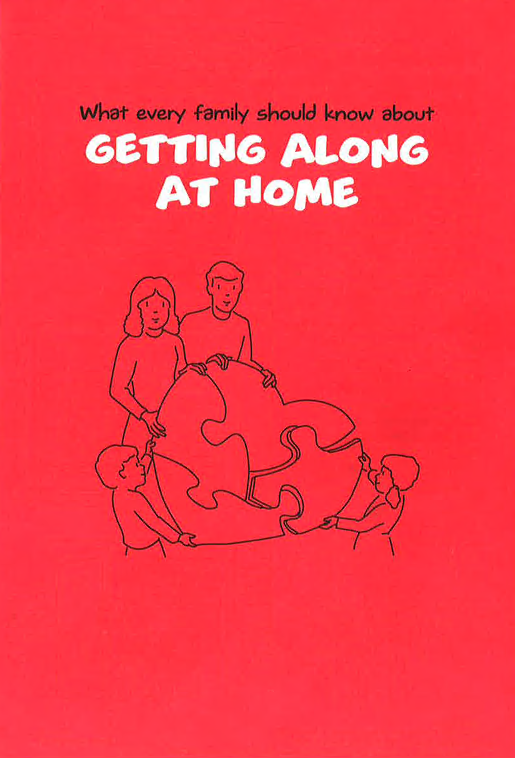
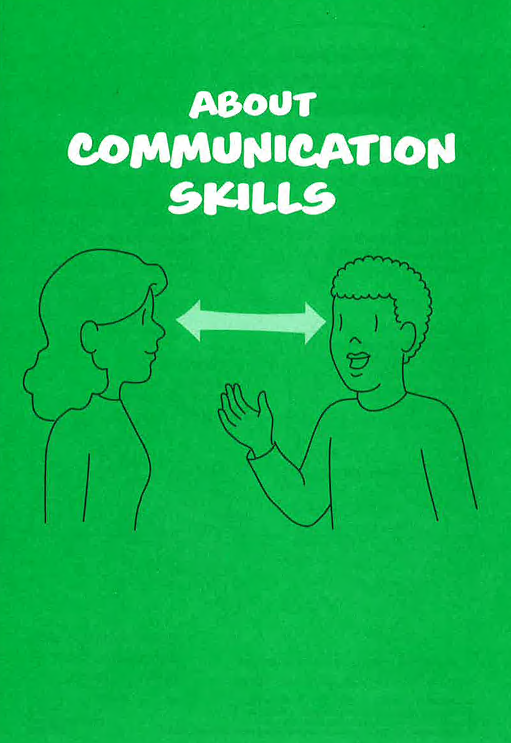
To learn more about the importance of social connection and ways to strengthen healthy relationships, explore the resources below:


Click image to travel to resource webpage.

Resources to Learn More About Social Connection

71WdHda0rTL image

A Little More Social: How Small Choices Create Unexpected Happiness, Health, and Connection


A life-changing message for our lonely age about why we often avoid what makes us happiest-connecting with other people-and how we can build wiser social habits through small and simple acts, from leading behavioral scientist and author of Mindwise.

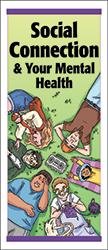
Social Connection & Your Mental Health


Being connected with others is a basic human need, and it’s crucial for both mental and physical health. This pamphlet explains how social connections directly impact well-being and offers simple, practical steps to reduce loneliness and improve overall health—such as joining a club, reaching out to friends and getting involved in community activities.

5970cvr image
5017cvr image

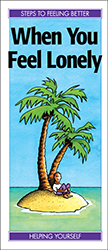
When You Feel Lonely


Studies have shown that people who are lonely may be at a higher risk for illness. But when you are lonely, how do you reach out? The simple steps in this pamphlet can give people the tools they need to reach out and find friends and community.

The Socially Confident Teen


Your essential how-to guide for developing a complete set of social skills. You’ll learn how to identify and cultivate healthy connections, and how to repair them when they’re damaged. You’ll find strategies for applying your newfound skills in any setting—from peers to parents. And finally, you’ll discover how to grow and maintain your social network, and ensure healthy support for yourself as you grow into an independent adult.

717IhMs2TUL image

Additional Resources to Help Strengthen Social Relationships

5498cvr image
5749cvr image

The Connecticut Clearinghouse is a statewide comprehensive library and resource center for information and materials on substance use, mental health, prevention, health promotion, risk reduction, treatment, recovery, wellness, and related topics. We offer materials such as posters, and pamphlets, library books, and DVDs, and provide access to e-books, and streaming media. Our services and resources are available for professionals, students, parents and the general Connecticut public. We are funded by the Connecticut Department of Mental Health and Addiction Services.

To see previous monthly toolkits and newsletters, click here.

Click Here if you would like to update your email address or have a colleague subscribe.

Connecticut Clearinghouse | 860-793-9791 | info@ctclearinghouse.org | ctclearinghouse.org

STAY CONNECTED

Facebook  Instagram
Connecticut Clearinghouse is funded by the Connecticut Department
of Mental Health and Addiction Services.