|
|
The Island View
Monthly Newsletter
August – September 2021
|
|
Dear SML Community,
What a joy it was this summer to bring back researchers to the island after a quiet 2020 season. Supporting research, particularly training undergraduate researchers, is essential to our mission; its value to science is immeasurable. Science at SML is notably focused on building long-term datasets, a critical scientific endeavor for understanding and putting into context the changes we’re seeing in the Gulf of Maine. These changes are afoot as I write this - the waters here are warming at a rate that is faster than 99% of the world’s oceans. Below is a peek into three areas of research that happened at SML this summer:
Marine parasites have been investigated here on Appledore for the better part of 20 years. The tireless Parasite Ecology Team conducted surveys of trematode parasites across the entire Isles of Shoals. You might not think parasites are a cool topic, but as Dr. Carrie Keogh (faculty member and researcher here at SML) has often uttered: “A robust parasite community can serve as an indicator of a healthy intertidal.” I bet you have never thought about parasites as a healthy thing! They sure can be. Below you can read more about the undergraduates who studied Appledore's parasites this summer.
We had two other teams of scientists submerged in the intertidal and subtidal this summer. In the subtidal, Dr. Jarrett Byrnes from UMass-Boston reported that “warming waters have supported a rise in the filter feeders - many sites around the island are black with newly settled mussels. But watch out, it looks like a new batch of small Asterias stars have recruited in as well. It should be an interesting year in the deep!” Preliminary results from this summer’s rocky intertidal transect study also documented change. The intrepid team of undergraduate researchers co-lead by Dr. Kylla Benes, noted a shift in dominant algae species in the lowest zone of the intertidal.
And don’t forget the birds! We welcomed back the Appledore Island Migration Station crew as well as the Gulls of Appledore Team. In addition, SML’s Tern Team over on White Island and Seavey Island saw a record number of terns nesting this summer, including over 115 federally listed Roseate Terns. However, the abundant rain this summer (another aspect of climate change) combined with some persistent predators conspired to drive productivity down. Seabirds, like terns, are notorious for boom-and-bust years and 2021 was certainly reflective of this pattern.
Long-term data is critical to advancing our strategic management for protecting our oceans. SML is committed to supporting these monitoring projects that serve as training for the next generation of marine scientists.
|
|
Jennifer Seavey, Ph.D.
Kingsbury Executive Director
Shoals Marine Laboratory
|
|
|
Reflections from our Parasitology Undergraduate Researchers |
|
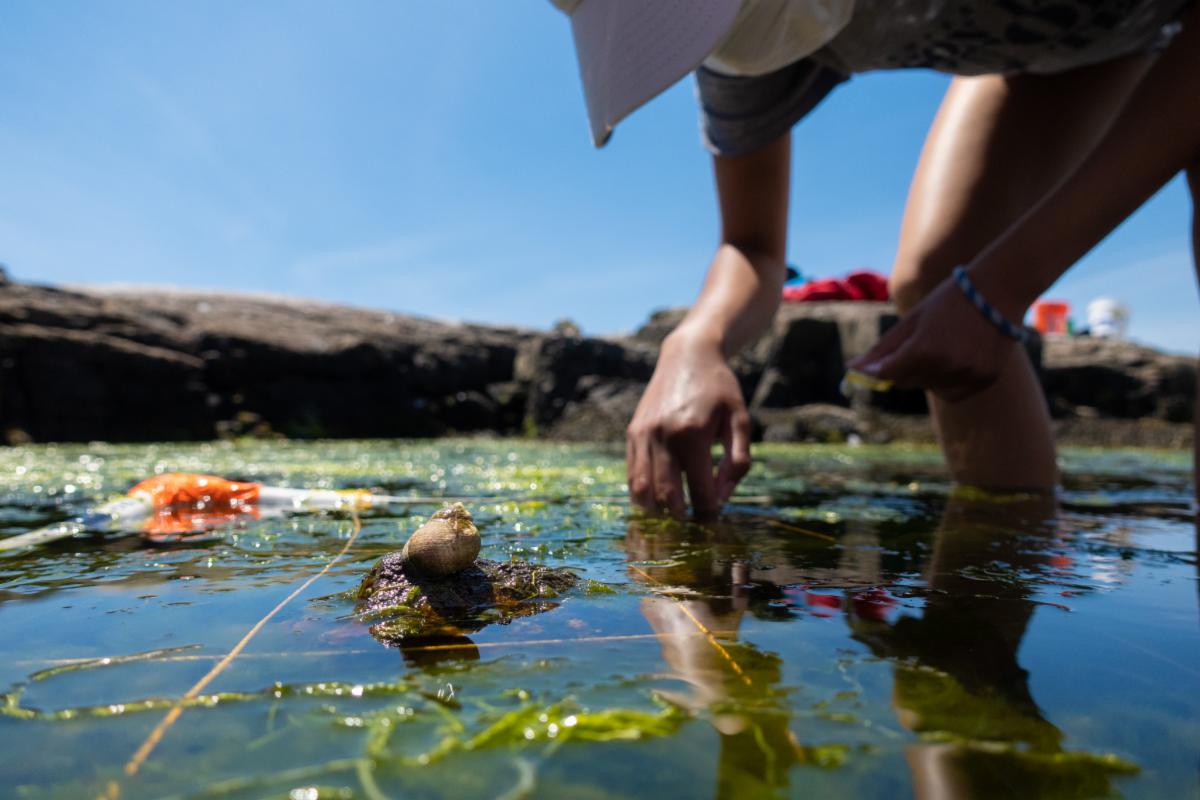
Meet Grace Loonam and Amanda Wolf, undergraduate researchers who studied parasite ecology at SML this summer under the guidance of Dr. April Blakeslee and Dr. Amy Fowler. Their joint research project investigated indicators of trematode (parasite) infection in marine snail hosts. They studied various infection indicators in three snail species that graze through the intertidal surrounding Appledore Island. Below they share some reflections on their internship experience:
|
|
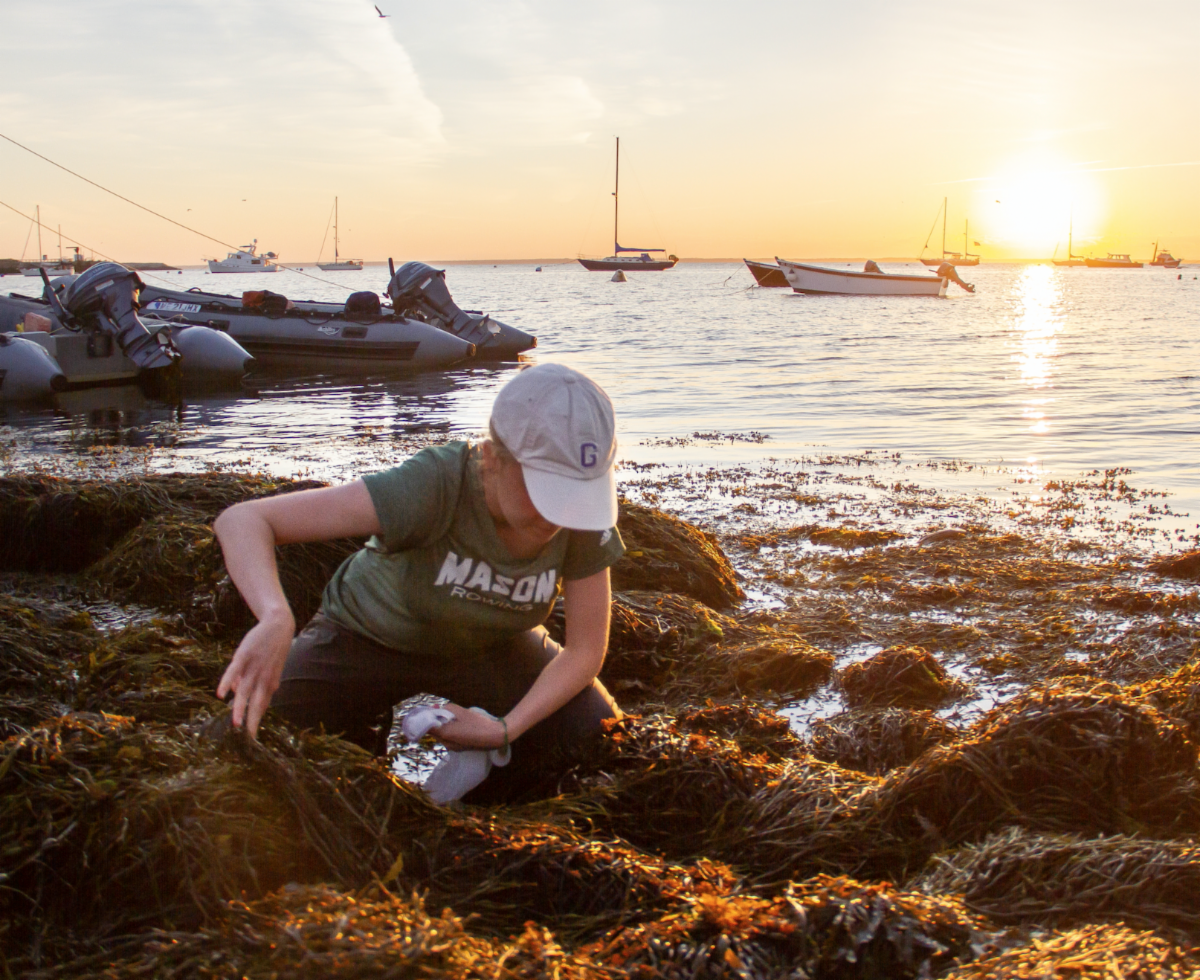
"Working at SML this summer has helped illustrate the day-to-day work of a research scientist, and it’s been exciting to see how my work has generated tangible results and led to further questions I’m interested in studying or called for further sampling in order to assess the trends in question. While a lot of my time has been spent in the field collecting or in the lab dissecting, I’ve learned a lot about being flexible, creative, and efficient while working in this role, and these are skills that I will use in the future as I continue to conduct research.
One of the best parts about being here this summer has been working in the intertidal zone, collecting organisms but also just enjoying watching them move in their habitat, with the colorful algae providing a beautiful landscape under the water. I also loved going on boat rides and exploring the other islands, and learning about all of the life and scenery that the Isles of Shoals has to offer."
- Grace Loonam, George Mason University '22
|
|
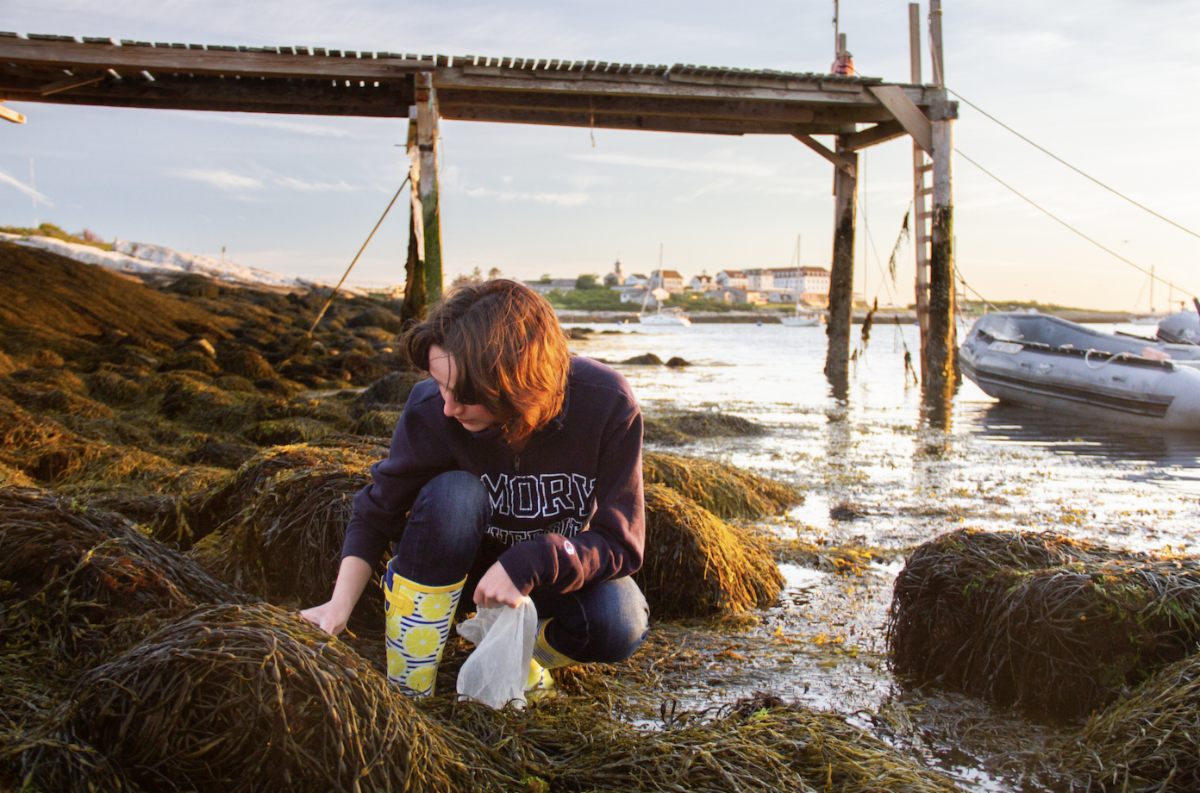
"I am relatively new to STEM, so having the time and resources to independently develop my own experiments has been greatly influential in helping me discover which aspects of the scientific process I enjoy. I have learned how to formulate and revise experimental designs directly tied to my own questions about the environment at large, and my skills in performing experiments with live specimens, data collection, and statistical analysis have all improved. Having never been much of a math person, I was surprised to learn that I enjoy the payoff of running statistical tests at the end of an experiment and visualizing the results.
My favorite part of being an intern at SML is the balance between individual freedom and dependable mentorship that I enjoyed while on the island. I have never been granted this degree of independence during the scientific process, and it taught me how to self-improve my experiment methods. On top of this independence, my mentors and fellow intern were constantly willing to help me work through roadblocks, aid with dissections, and offer support and advice." - Amanda Wolf, Emory University '23
|
|
The Dynamic Intertidal Continues to Change |
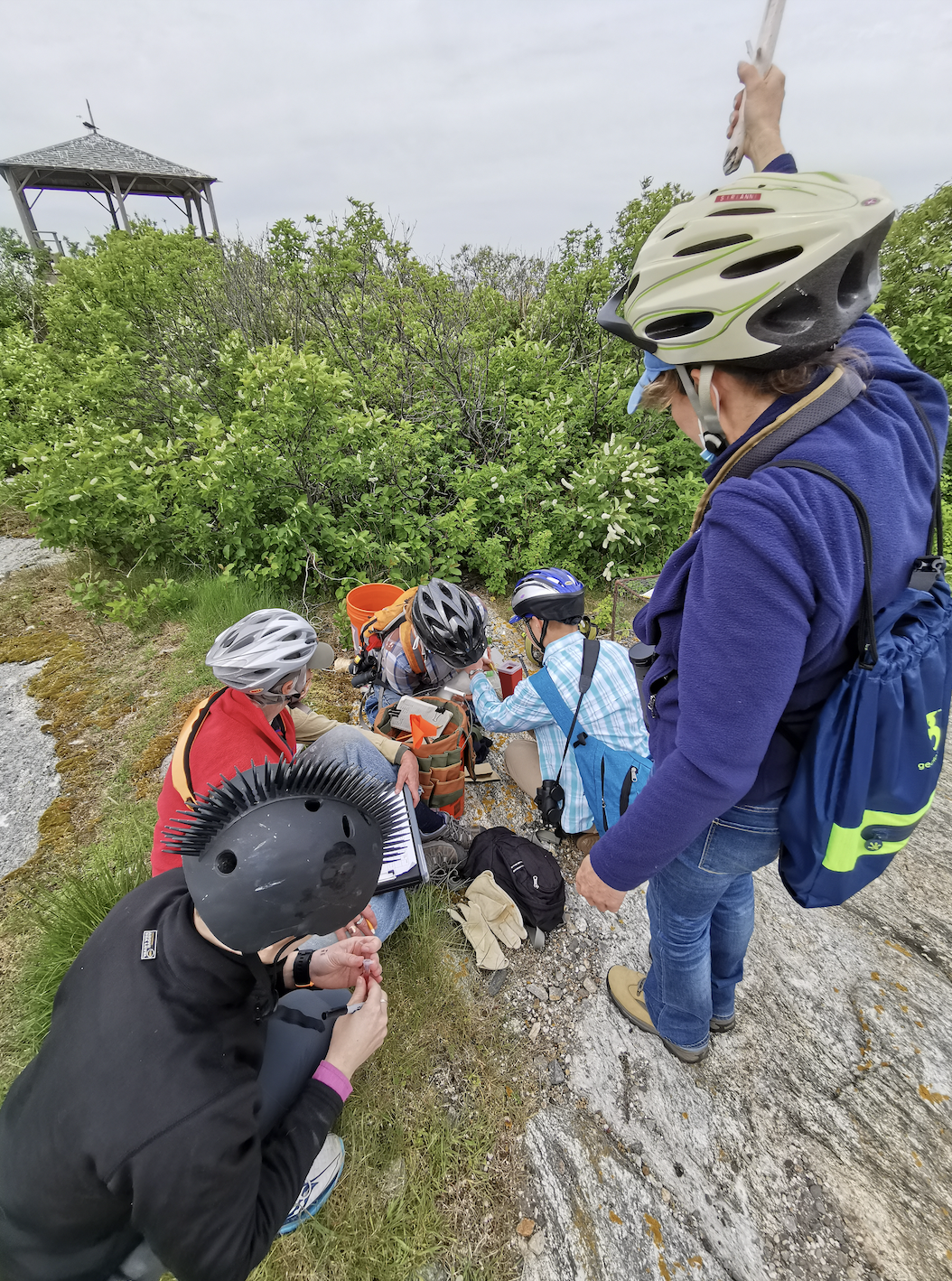
It is no secret the intertidal is a unique and dynamic ecosystem, which is why SML partners with field stations peppered along the New England coastline to monitor changes where the land meets the sea. For decades, Intertidal Ecology Undergraduate Researchers have conducted transect surveys on Appledore's rocky shores to document shifts in species distributions and abundance. This summer, our crew of intertidal researchers discovered an interesting trend! |
|
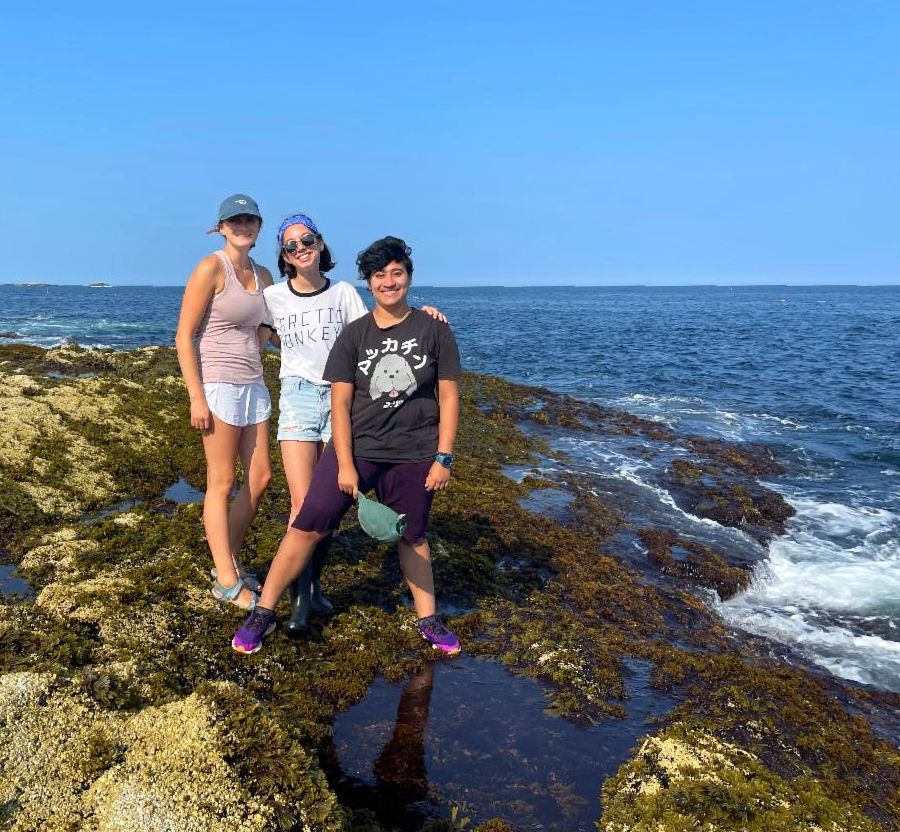
L to R: Ingrid Ackermann, Danielle Danis, & Avni Bhalla |
|
"This summer, we explored how intertidal species' abundances are changing as the Gulf of Maine (GoM) warms to better understand how climate change is impacting the North Atlantic intertidal zone's composition. Using a long-term dataset (1986-2020), we grouped species into three bins by their thermal affinities (average, cool, and warm). We calculated the annual total species abundance in each group and compared these values to corresponding annual GoM temperatures.
The data supported our hypothesis stating the annual species abundances varied by thermal affinity group. Species with a preference for the GoM's historic temperatures (thermal group = average) are declining. Species suited for a warmer environment (thermal affinity = warm) are increasing. Thus, as temperatures continue to rise, we can expect fewer species with a preference for historic temperatures and more species with a warmer thermal affinity. The project highlights the already-measurable impacts of the GoM's warming."
- Ingrid Ackermann, Intertidal Ecology Undergraduate Researcher, Stanford '24
These transects are critical to evaluate the effects of climate change and introduced species in the Gulf of Maine and provide young scientists valuable experience working in a collaborative field setting. To learn more about this long-term study, please click here.
|
|
Appledore Gull Population Assessments Continue |
|
Some of the most common questions our staff received in 2020 and continuing into 2021 surrounded the status of our local celebrities, the Appledore gulls. How are the colonies doing? Are the gulls behaving differently now that humans have returned? Although it's difficult to make scientifically sound conclusions on how behavior in 2021 differed from before, Undergraduate Researcher Dylan Titmuss took a look at variation in aggression between individuals:
"This summer, my data collection focused on categorically assessing the gulls’ levels of aggressive behavior in defense of their nests over the course of the breeding season. Strikingly, their behavior differs quite substantially from bird to bird, and this individual-level variation appears to have been the main factor driving differences in aggression throughout the season. In other words, some gulls were naturally quite calm when their eggs or chicks were approached, while others tended toward extreme defensiveness — and regardless, they were all endearingly unique!"
- Dylan Titmuss, Northeastern University '21
|
|
Project mentors, including Dr. Sarah Courchesne and Mary Everett, returned to Appledore in the spring and fall with a team of dedicated volunteers and Dylan to conduct nest counts and band chicks. To learn more about this important long-term study and the status of our feathered friends, check out Dr. Courchesne's recent presentation with the Portsmouth Public Library – Local History: The Secret Lives of the Gulls of Appledore.
|
|
Sustainability is the Name of the Game |
|
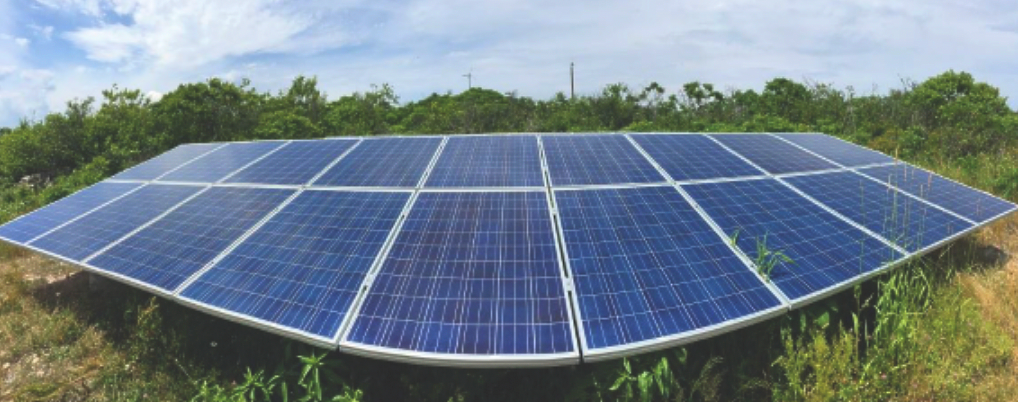
Sustainability and environmental stewardship are core values of Shoals Marine Laboratory. Over the last 50 years, the island laboratory has built an innovative green power grid (utilizing solar and wind energy), water conservation programs, composting initiatives, and more! Our sustainability infrastructure and operating procedures, in combination with our remote island setting, provide an unparalleled opportunity for students of sustainability.
Our month-long sustainability internship program enables engineering students from across the country to work side-by-side with SML staff and a variety of professional engineers to address the engineering challenges encountered when operating and maintaining electrical, drinking water, wastewater management, and saltwater systems on a remote island.
The 2021 interns tackled several interesting projects this summer, including an analysis of the efficiency of SML's newly installed wind turbine, reverse osmosis system, and commercial kitchen walk-in refrigerator/freezer. They recently presented their findings at the 15th Annual Sustainable Engineering Internship Symposium. We are so proud of their hard work which helps to reinforce our efforts to keep our oceans blue and land green. Click here to read an article recently published by New Hampshire Business Review that outlines our sustainable initiatives and green grid.
|
|
|
|
Be sure to follow us on social media |
|
Shoals Marine Laboratory is a joint partnership between
Cornell University and the University of New Hampshire.
|
|
|
|
|
|
|