Living Desert Alliance
Keep our Desert and Community Livable and Thriving
| | |
CSDP Sunrise Survey for Species Protection
Saturday, August 15th
6:00am - 8:00am
Join the Coalition for Sonoran Desert Protection (CSDP) at sunrise for a roadkill species survey along one of our region’s most important wildlife movement corridors and be a part of their effort to protect wildlife.
CSDP and Adam Springer, Resource Management Specialist at the National Park Service, will lead an early‑morning walking survey on Sandario Road, a key stretch of the Tucson Mitigation Corridor and the William Shaw Wildlife Corridor.
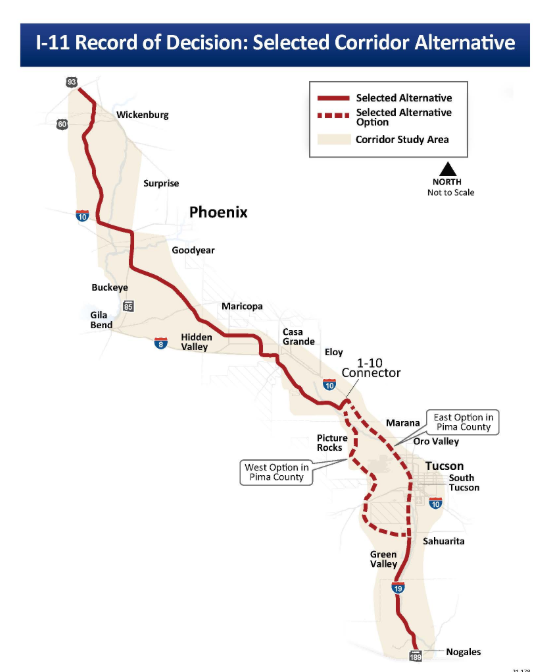
Documenting roadkill hotspots helps to understand how animals and other species move through this landscape—and shows how projects like the proposed I‑11 West Option could intensify pressures on already vulnerable species.
Roughly 10 miles will be covered, with each volunteer walking a 1–2 mile transect on mostly flat ground. Observations will be recorded through iNaturalist, a free community science app. The CSDP asks that you create an account beforehand and review the quick-start materials provided in the event link.
Invite family and friends to join in. Enjoy a desert sunrise, meet fellow conservation‑minded neighbors, and contribute to meaningful data that protects wildlife. Snacks, water, and coffee will be waiting for you.
Click here for event details and to RSVP
| |
Community Standing Strong to Save the Last Cottonwood
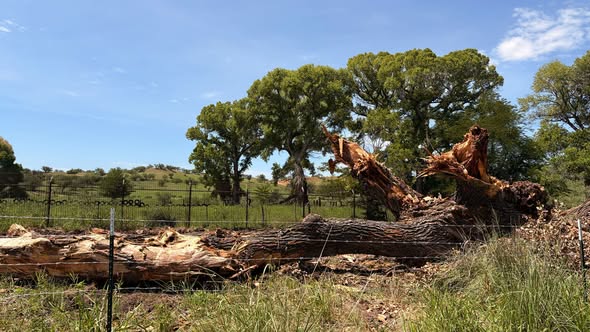
As shared in last week’s LDA July 30th newsletter, three of four cottonwoods—each more than 200 years old—were cut down on July 28–29 near Lochiel in the San Rafael Valley. Their “offense” was casting shade across the international boundary and potentially complicating construction of a second 30‑foot border wall.
This added barrier would create a dead zone between walls and further threaten nearby cultural sites, springs, and wildlife including black bears, porcupines, pronghorn, ocelots, and jaguars.
One cottonwood remains only because activists climbed it earlier in the week and have stayed in the tree for days to prevent its removal.
This stretch of the Valley lies in Congressional District 6, represented by Juan Ciscomani, a member of the Animal Protection Caucus, committed to raising awareness of animal welfare issues.
If you live in District 6 you are encouraged to contact his Tucson office at 1636 N Swan Road, Suite 200, Tucson, 85712, (520) 881‑3588, and urge him to stop this destruction.
Protesters continue their tree sit‑in to halt further wall construction along this remote Arizona corridor.
Click here to read Congresswoman Adelita S. Grijalva’s statement condemning the administration’s destruction of these historic trees.
Note: This information was condensed from an open letter submitted on August 3, 2026 to the Arizona Daily Star, with additional input from Great Old Broads for Wilderness, and Alisa Reznick (KJZZ Phoenix), Photo: KJZZ Phoenix
| | |
Industrial Solar at Robles Junction: What’s at Stake!
The Southern Arizona Open Space Alliance (SAOPA) has alerted us to a proposed industrial‑scale solar field at Robles Junction—an open desert landscape that many residents and conservation groups believe is the wrong location for a project of this size.
Concerns focus on the permanent loss of native habitat, fragmentation of wildlife corridors, and the long‑term transformation of rural open space into an industrial energy zone.
Community members emphasize that open desert is not “empty land,” and that decisions of this magnitude require careful scrutiny, transparent public input, and a serious evaluation of alternative sites.
SAOPA argues that the project would fundamentally alter sensitive habitat and overlook local concerns about rural character and ecological integrity.
Residents and concerned citizens are encouraged to review the maps, attend public meetings, and stay engaged as the proposal moves forward. Understanding the potential impacts—and the long‑term protection of this valuable Southern Arizona environmental gem—is essential to supporting decisions that reflect the best use of this landscape.
Click here to learn more about the SAOPA and how you can become involved.
| | Here's Some Good and Fun News | |
Positive
Environmental Stories
from Around the World
Environmental news often feels negative and overwhelming, (especially with recent developments from the current administration) but, believe it or not, new findings from the Global Awareness Initiative show that 2026 is shaping up to be a year of real progress.
Around the world, forests are being restored, renewable‑energy records are being set, and communities, scientists, and governments are working together in ways that deliver visible results. Major organizations, including the UK’s JNCC, say global biodiversity efforts are gaining momentum.
Challenges remain, but these developments offer clear evidence that solutions are growing, and ecosystems can recover, with hard work and dedication— a reminder that meaningful environmental progress is already underway.
Click here to feel encouraged and
learn of the great things going on all around us.
Image: qukooking.wiki
| | |
Youth Climate Grants Now Available
Attention teachers, students, and community leaders!
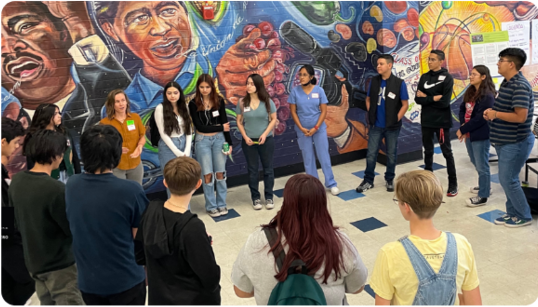
Council Member Kevin Dahl’s July 24th Ward 3 Weekly announced that Tucson is offering $1,000–$5,000 climate action grants for young people ages 15–24, funded through Bloomberg Philanthropies’ Youth Climate Action Fund.
Tucson youth have already played key roles in local climate progress—from shaping the City’s Climate Action Plan to writing the Tucson Unified School District climate plan adopted after student advocacy led by the Arizona Youth Climate Coalition.
If you know young people with ideas to make Tucson cooler, (hey ... we know Tucson's already cool, we're talking temperature here) greener, healthier, or more resilient, the Tucson Climate Action Team is ready to help. Youth‑led teams can receive funding, resources, and guidance to turn their climate ideas into real projects.
Tree planting, climate art, bike‑ride organizing, waste reduction, neighborhood education—or something entirely new—are all eligible. Applications are due October 15, funds will be disbursed November 13, and projects must be completed by April 15, 2027.
Click here for details and to apply.
| | |
WMG's
Rain Garden Care: Sustainable Desert Living Series
Tuesday, August 11th,
5:30 pm to 7:00 pm
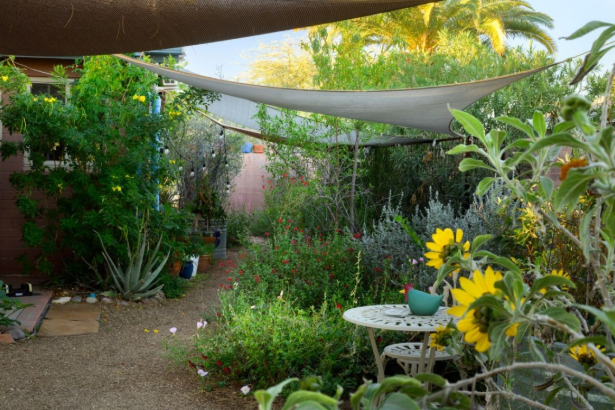
Create a beautiful, water‑smart landscape that brings your yard to life! This season, Watershed Management Group invites you to make the most of monsoon rains by starting or expanding a garden that saves water and attracts pollinators.
In this class, you’ll discover low‑water native plants that support wildlife, burst with color, and help cool your home with natural shade.
Whether you’re hoping to draw in hummingbirds and butterflies or simply want a vibrant, sustainable yard that thrives in our desert climate, you’ll learn how to choose the right trees and plants to build a lively, resilient landscape.
Click here to join in and discover how joyful,
colorful, and water‑smart your desert landscape can be.
| |
STOP I‑11
Yard Signs are Still Available.
Our Desert Needs Every Voice!
The Coalition for Sonoran Desert Protection continues its major STOP I‑11 yard‑sign effort to boost community visibility ahead of the upcoming federal Draft Environmental Impact Statement.
How you can help:
Your yard sign is a visible stand for the future of our desert home.
| | |
Help support our mission to
Keep our Desert and Community
Livable and Thriving.
Your tax-deductible gift helps us protect water resources, assist community partners, and empower members to advocate for our environment.
Donations also fund newsletters, speaker events, and public forums.
Every contribution makes a difference!
Thank you for your support.
| | | | | |