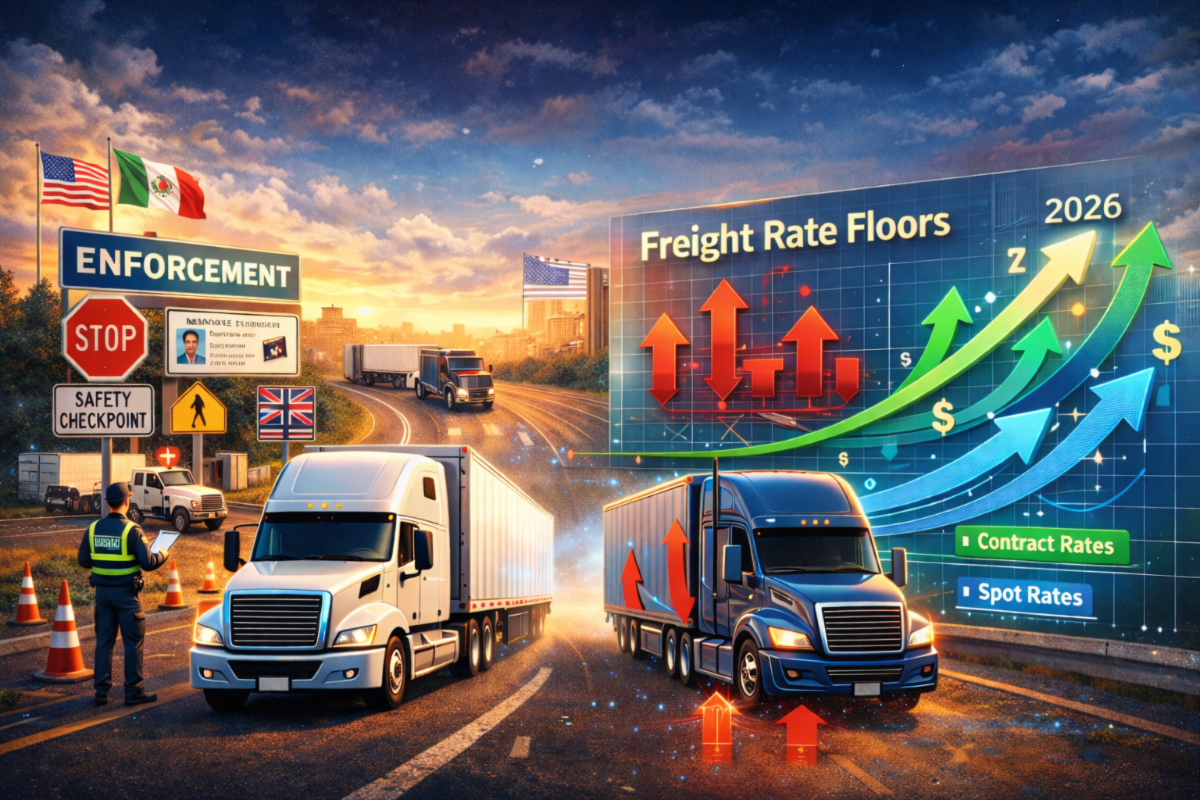
Supply-Side Sparks and Rate Floors: What Morgan Stanley Foresees for Trucking in 2026

As the freight market enters 2026, many carriers, brokers, and shippers remain cautiously optimistic but pragmatic about what lies ahead.  After years of depressed freight demand and soft rates, recent forecasts from Morgan Stanley suggest that supply-side pressures — not demand surges — could be the initial catalyst for market stabilization and gradual rate improvement.  Here’s a closer look at what that means for the trucking industry. FreightWaves

A Slow Demand Environment — But Not Without Hope


For much of 2025, freight volumes and trucking demand failed to rebound in a meaningful way, largely due to macroeconomic headwinds, tariff-related uncertainty, and cautious inventory practices by many shippers.  Although Morgan Stanley doesn’t expect a dramatic demand revival in 2026, data shows some shipper restocking interest, even if modest — with only a small fraction planning full-year inventory expansion.  Global Trade Magazine

BLOGS

The Future of Trucking: Predictions for 2030


The trucking industry stands at the forefront of one of the most profound transformations in modern logistics. Between rapid technological advancements, tightening environmental regulations, and evolving freight demand, the road ahead to 2030 promises a freight ecosystem that looks vastly different from today’s. Here’s a deep dive into the trends, expert forecasts, and regulatory shifts that will define trucking by the end of the decade.


1. A New Era of Autonomy and Hybrid Fleets


One of the most talked-about shifts in trucking is the rise of autonomous vehicle technology. While the industry hasn’t reached full driverless operations yet, it’s rapidly moving through staged autonomy:

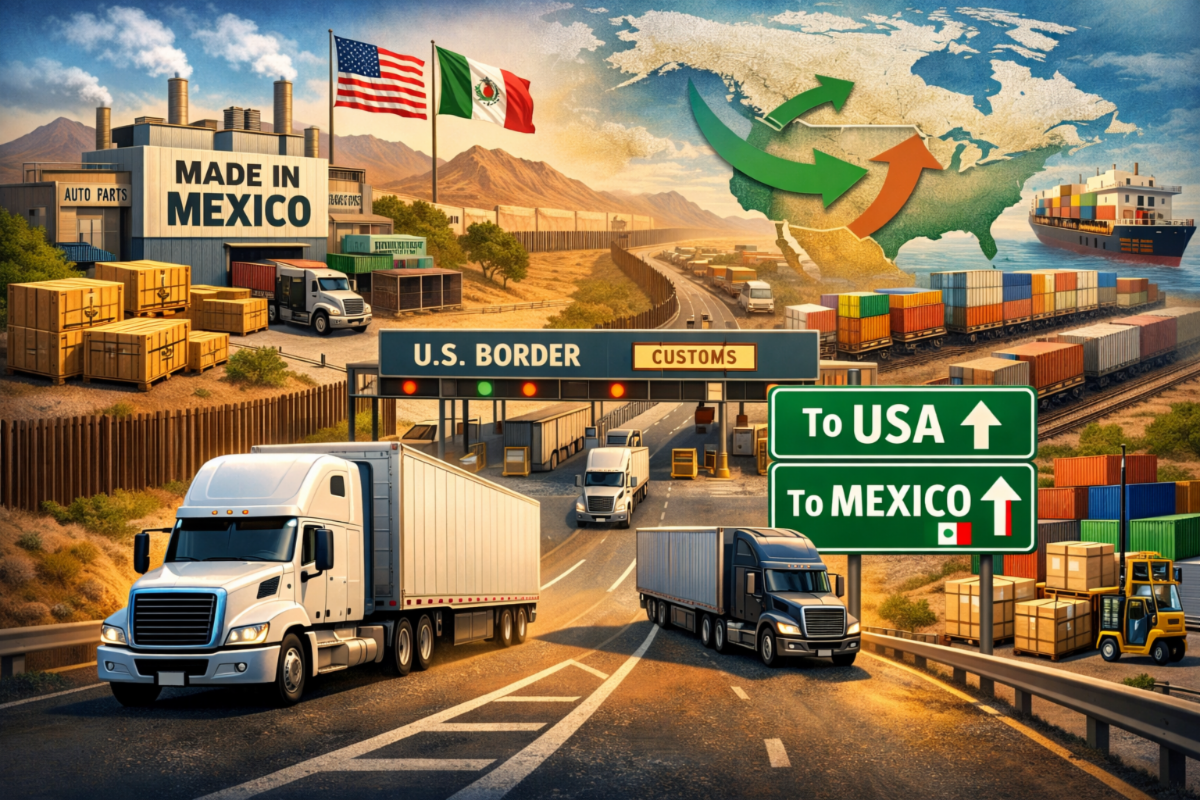
How Nearshoring Is Reshaping North American Trucking Routes


In the wake of global supply chain disruptions and rising concerns about long transit times and cost volatility, many companies are rethinking where they make and source goods. Nearshoring — the strategy of relocating manufacturing closer to end markets — has rapidly moved from trend to structural reality in North America. For the trucking industry, this shift isn’t just a buzzword: it’s fundamentally shaping freight flows, logistics planning, and cross-border trucking routes.


What Is Nearshoring — and Why Now?


Nearshoring involves shifting manufacturing operations nearer to the point of consumption. For U.S. companies, Mexico is the primary beneficiary of this trend due to several clear advantages:

Contact Us:

CustomerService@roadscholar.com

800-542-2301

www.roadscholar.com

 
Facebook  X  YouTube

View as Webpage