Vermont Public Health in Focus

Vermont Public Health in Focus highlights the work of your Health Department, both behind the scenes and in the field, by providing examples of how public health benefits entire communities by supporting the mental, physical, and social well-being of everyone in Vermont. Thank you for standing with us and supporting the work we do. 


In this month’s issue, we’re taking a closer look at how the Health Department helps reduce radon in the homes of Vermonters, how the Rutland Local Health Office is working with its community to improve food access, and what Vermont vaccine recommendations are in the wake of the CDC's changes.


See last month's edition here.

Reducing Radon in the Homes of Vermonters

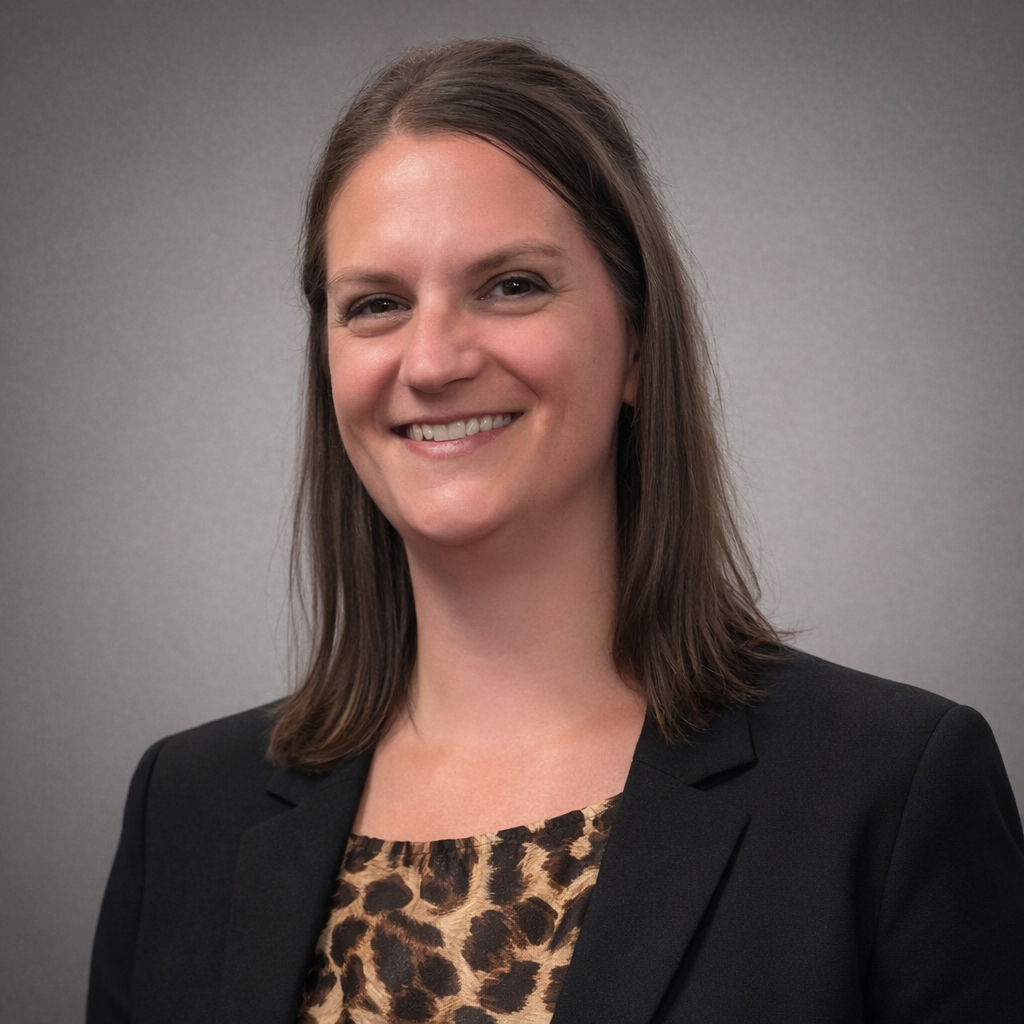
Woman sitting indoors.

Kathy shares the story of how elevated radon in her childhood home has impacted her family.


One in seven homes in Vermont has elevated radon levels. Radon is a naturally occurring gas that you can't see, smell or taste. The bedrock geology in your area can impact your home's radon levels, along with how your home is built and how you operate your home. Too much radon can build up in your home and can increase your risk of lung cancer, especially if you smoke.  


You can test the air in your home for radon by ordering a test kit from the Health Department Lab. Due to reductions in federal funding, test kits are now $25. Our Radon Program also educates people about radon testing, mitigation, building radon-resistant homes, and financial assistance opportunities for fixing a radon problem.

Order your test kit today.

Michelle Thompson


This was written in collaboration with Michelle E. Thompson.


Michelle Thompson is an industrial hygienist in the department’s environmental health division. She enjoys reading, spending time with her family and going on small (but frequent) adventures.


How one Local Health Office is Addressing Food Insecurity


Food insecurity affects families throughout Vermont. Our 12 local health offices play an important role in addressing this challenge by connecting over 10,000 Vermont family memebers to Women, Infants and Children (WIC) food benefits and more. But the work doesn't stop there! Here is one example of how public health often works behind the scenes, through planning, partnerships, and practical tools, to help communities stay healthy and resilient.


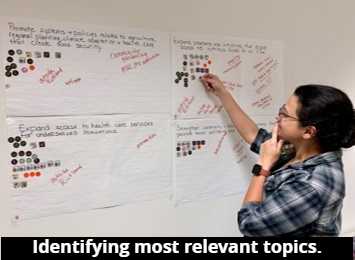
In 2025, the Rutland Local Health Office used the latest State Health Improvement Plan, a five-year roadmap for addressing Vermont’s most important health needs, to identify areas where its work aligned with statewide goals, local needs, and partner efforts, like the Rutland Regional Medical Center’s Community Health Implementation Report. One issue that clearly stood out was food insecurity. 


Working with Farm to Plate and using the Vermont Food Security Roadmap, the team narrowed its focus to a practical goal: helping towns add emergency food planning to their official town plans.  


Over the next year, the Rutland Local Health Office will share local data about food insecurity and create an easy-to-use template that towns can adapt for their plans. The Rutland Local Health Office hopes to keep building strong relationships with local leaders and partners. 

Monika Ganguly-Kiefner


This was written in collaboration with Monika Ganguly-Kiefner.


Monika holds a Master’s in Sustainable Peacebuilding and is the District Director for the Rutland Office of Local Health. Outside of work, Monika enjoys tending her giant garden and chickens, playing with her dogs, and cooking with her husband. 


The Latest in Public Health

Young child smiling

Vermont Vaccine Recommendations Remain Unchanged


Vermont Health Commissioner Rick Hildebrant, MD, provides the following statement on the January 5 update by the U.S. Department of Health and Human Services to the federal Childhood Immunization Schedule:


"In Vermont, vaccine policy will continue to be guided by scientific evidence and informed by trusted medical organizations, including the American Academy of Pediatrics. Vermont will continue to follow its established Childhood Immunization Schedule. As always, we encourage families to consult trusted health care professionals when making decisions about their children’s health, including their pediatrician, school nurse, or local pharmacist. We also urge caution when sharing or acting on unverified or misleading health information."


Visit our website for the Health Department’s recommendations and information.

In the Media

Check out these recent local news stories featuring subject-matter expert interviews and information provided by the Health Department.


Like what you're reading? Subscribe to our mailing list here!

 
Facebook  X  Instagram  LinkedIn  Email  YouTube  Web