View this email in your browser

 
Gaples Institute logo
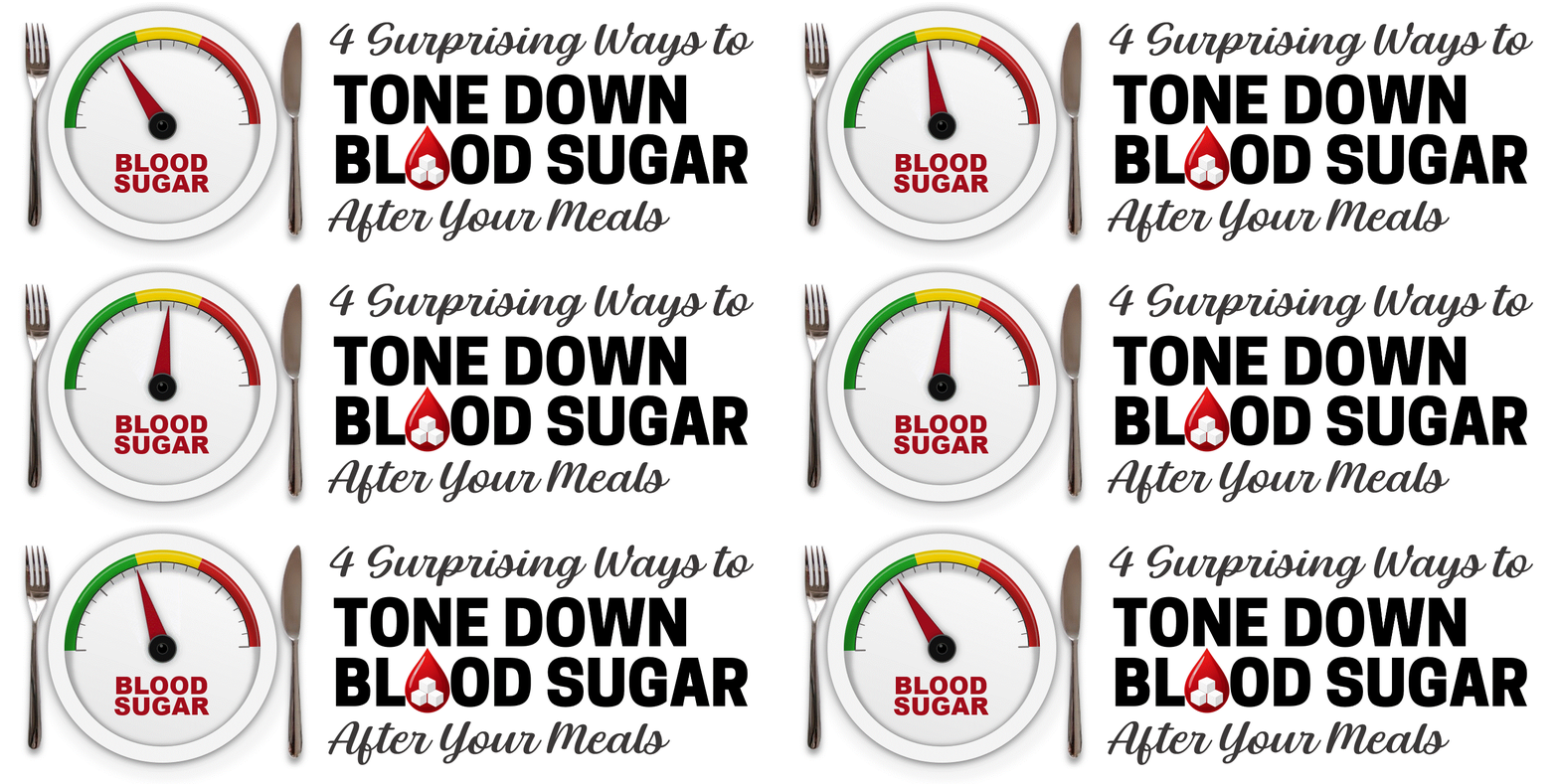
An animated blood-sugar meter with the needle moving into the healthy range, alongside the words "4 Surprising Ways to Tone Down Blood Sugar After Your Meals"

Keeping blood sugar in check is a priority for many of us, and for good reason—half of U.S. adults have either diabetes or prediabetes.

The best plan, of course, is to eat as healthfully (and deliciously) as you can. Cutting back on sugary foods, refined carbohydrates, and highly processed foods is a powerful first step. And boosting your fiber intake with whole foods—especially vegetables, nuts, and whole grains—can slow glucose absorption and help keep your blood sugar steady.


Beyond these foundational habits, here are a few simple and surprising tweaks that can help blunt blood-sugar spikes even more:

 
Glass decanter of red wine vinegar

A Tart Solution


A little vinegar can add flavor and may curb the rise in blood sugar. In some trials, about 2 teaspoons of vinegar taken with a meal containing starch reduced the blood sugar response over the next two hours by about 20%! The acidity of vinegar slows the passage of food through the stomach and suppresses the enzymes that break down carbohydrates.  


Apple cider vinegar is the most studied, although plain and wine vinegars have also shown benefits. Dishes that may lend themselves to adding vinegar include pasta, stews, and rice bowls.

 
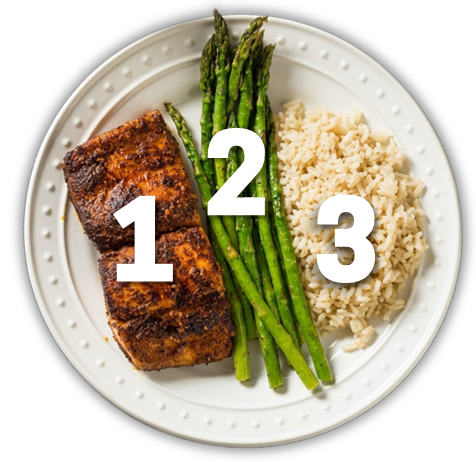
Plate containing salmon, asparagus, and brown rice with the numbers 1, 2, and 3 placed on top of the foods

Same Plate, Different Order


Saving the carbs for the last part of a meal can go a long way toward lowering post-meal sugar spikes. Protein, vegetable, then carb seems to be the best combination, and is linked to a 40% reduction in peak sugar level compared to eating the carb first. 


Tips for putting this into practice:

  • If you choose to partake of the breadbasket, wait until after you’ve had your main course, or at least the salad.
  • For a meal such as fish, rice, and asparagus, eat the rice last—and opt for brown rice if possible, since it has a lower glycemic load than white rice. 
 
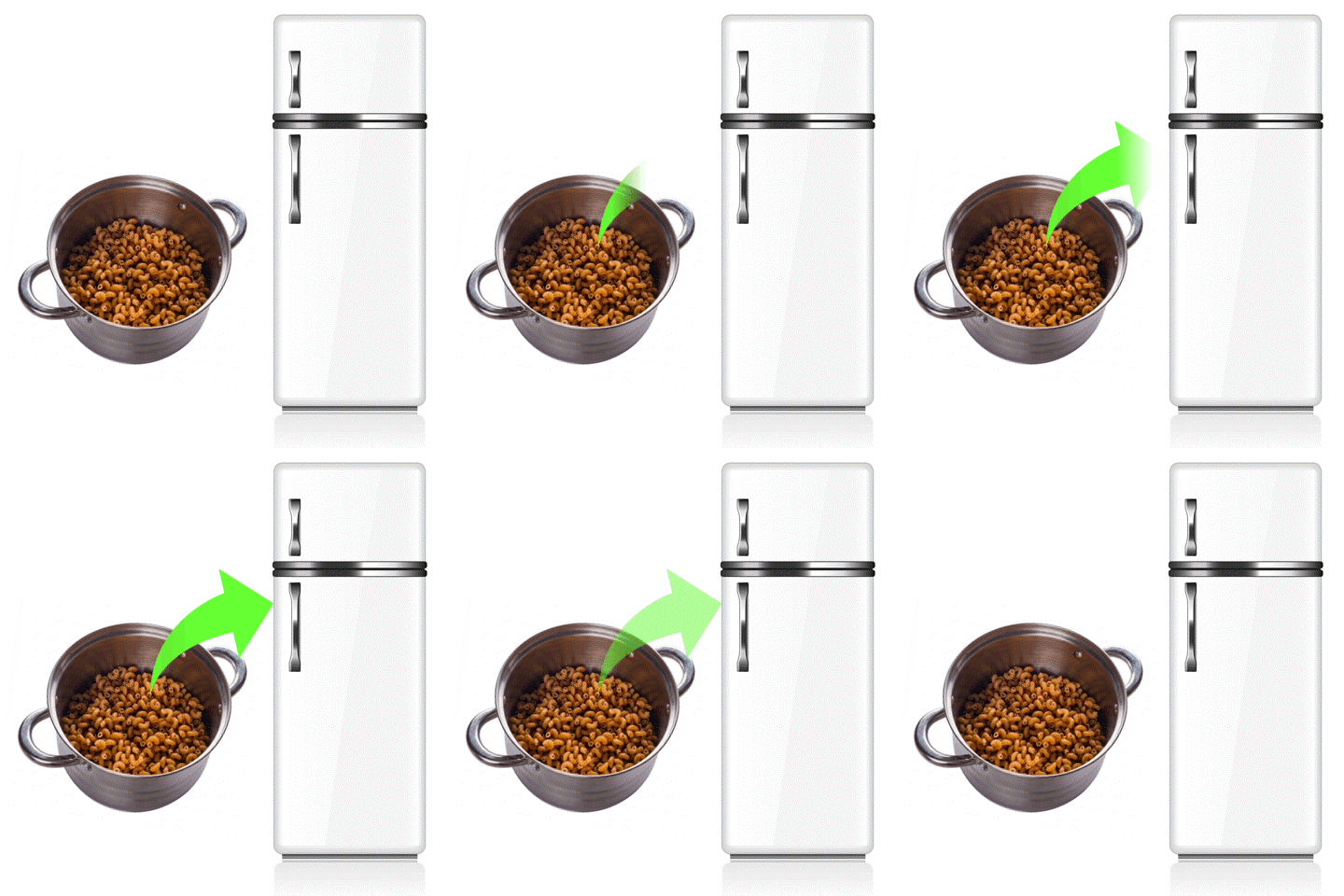
A pot of cooked whole-wheat pasta next to a fridge, with an animated green arrow pointing from the pot to the fridge

Let Your Carbs Chill Out


Your refrigerator and freezer may hold a surprising secret to lower post-meal blood sugar. Cooling cooked starches can partly convert them to “resistant starch,” which slows absorption and can blunt the rise in blood sugar. And reheating your leftovers doesn’t undo the effect.


Researchers found that chilling and then reheating previously cooked pasta was linked to more than a 40% reduction in the amount of sugar released into the bloodstream.  


The same trick works on freezing and thawing bread. One study found this simple step cuts the blood sugar response by more than 25% compared with bread that had never been frozen. And toasting the thawed slice blunted the rise in blood sugar even more.

 
Two pairs of walking feet on a sidewalk with colorful fall leaves strewn around them

Make a Short Stroll Your Final Course


Resist the post-meal couch crash—it turns out your grandparents were right all along to take an after-dinner stroll! The science behind their wisdom? A brief walk after a meal stimulates your legs to take up glucose for energy, helping curb the rise in blood sugar.


Even a 10-minute post-meal walk makes a difference. A 30-minute walk may offer greater benefit, with research showing up to a 25% reduction in peak blood sugar compared with no walking. To get the most benefit, aim to get moving within 30 minutes of finishing your meal.


The Next Step is Yours


For better blood sugar control, nothing takes the place of healthy food choices and moderate portions. But now you have a few more tools to put to work. And whatever the effect on your blood sugar, we bet you’ll enjoy that after-dinner walk!


Hungry for More Details About Carbs, Blood Sugar, and Health?


Our fun, interactive 15-minute learning program on carbohydrates will give you a wealth of information about how your body uses carbs and how to choose the healthiest kinds. No strings attached, no registration required!

Start learning now


Follow us on social media for news and tips on healthy nutrition and lifestyle!

Facebook  LinkedIn


The Gaples Institute logo, alongside the words: "A physician-led educational nonprofit devoted to advancing the role of nutrition and lifestyle in healthcare."

Home | Donate | Contact Us