Welcome to the Dog Days of Summer!
As we enter August, the heart of the summer season is here and with it comes scorching temperatures, intense sun, and the kind of dry conditions that can take a toll on even the healthiest landscapes. At Autumn Tree Lawn and Landscape, we know this time of year can leave many lawns, trees, and plants looking stressed. In this issue, we’ll walk you through the key signs of drought stress to watch for, highlight some of the most active summer pests in our area, and share practical steps you can take to protect your landscape. Whether you’re seeing brown spots in your lawn, wilting leaves on your trees, or just want to make sure your property stays resilient through the heat, we’re here to help keep everything thriving even in the dog days of summer
| |
Young vs. Mature Tree Care
In Colorado’s August heat, both new and mature trees need extra support to stay healthy and resilient. But younger trees especially those planted within the last 1–3 years, are at greatest risk of decline if not given proper care during the hottest part of the season.
Supporting Young Trees: Watering, Mulch, and Root Health
Newly planted trees are particularly vulnerable to heat and drought stress. Deep watering once or twice a week is far more effective than daily shallow watering. Use a slow-release watering method such as a soaker hose or a five-gallon bucket with small holes at the base, ideally applied early in the morning. This allows water to penetrate deep into the soil where roots need it most.
Apply 2-3 inches of mulch around the base of the tree (but never touching the trunk) to retain moisture, regulate soil temperature, and suppress weeds. Avoid fertilizing during the first growing season; your tree's energy should go into establishing roots rather than pushing new growth.
If a young tree dies, You'll see signs of brittle branches, peeling bark, or zero bud activity in spring. We recommend removing it promptly. Leaving a dead tree in place can invite pests and disease. Before replanting, consider whether site conditions such as soil quality, drainage, or sun exposure may have contributed to the tree's failure.
What’s with All the Suckers?
Many property owners are surprised to see shoots (called suckers or volunteers) sprouting from the base of a struggling or recently removed tree. This is common in stressed young trees or when rootstock is more vigorous than the scion (the upper grafted part of the tree). These suckers rob energy from the tree and should be pruned off at the base as soon as they appear. Persistent suckering may be a sign the tree is in serious decline.
Mature Trees: Don’t Neglect the Veterans
Even mature trees can show signs of stress in extended heat. Look for early leaf color changes, canopy thinning, or dying limbs. While these trees may not need weekly watering, a deep soak every few weeks during dry spells can make a big difference. Structural pruning is best done before fall storms, now is a good time to inspect for crossing or weak branches.
Schedule a Tree Checkup
Whether your trees are newly planted or decades old, seasonal attention makes all the difference. August is an ideal time to schedule a tree health assessment with one of our certified arborists. We can identify stress indicators, recommend pruning, and help ensure your trees thrive year-round.
|
| August Pests and Diseases in Colorado | | |
August is a critical month for protecting your trees and shrubs from pests and diseases in Colorado. With hot, dry conditions stressing plants, they’re more vulnerable than ever and some are already showing signs of distress.
Sap: Nature’s Defense Signal
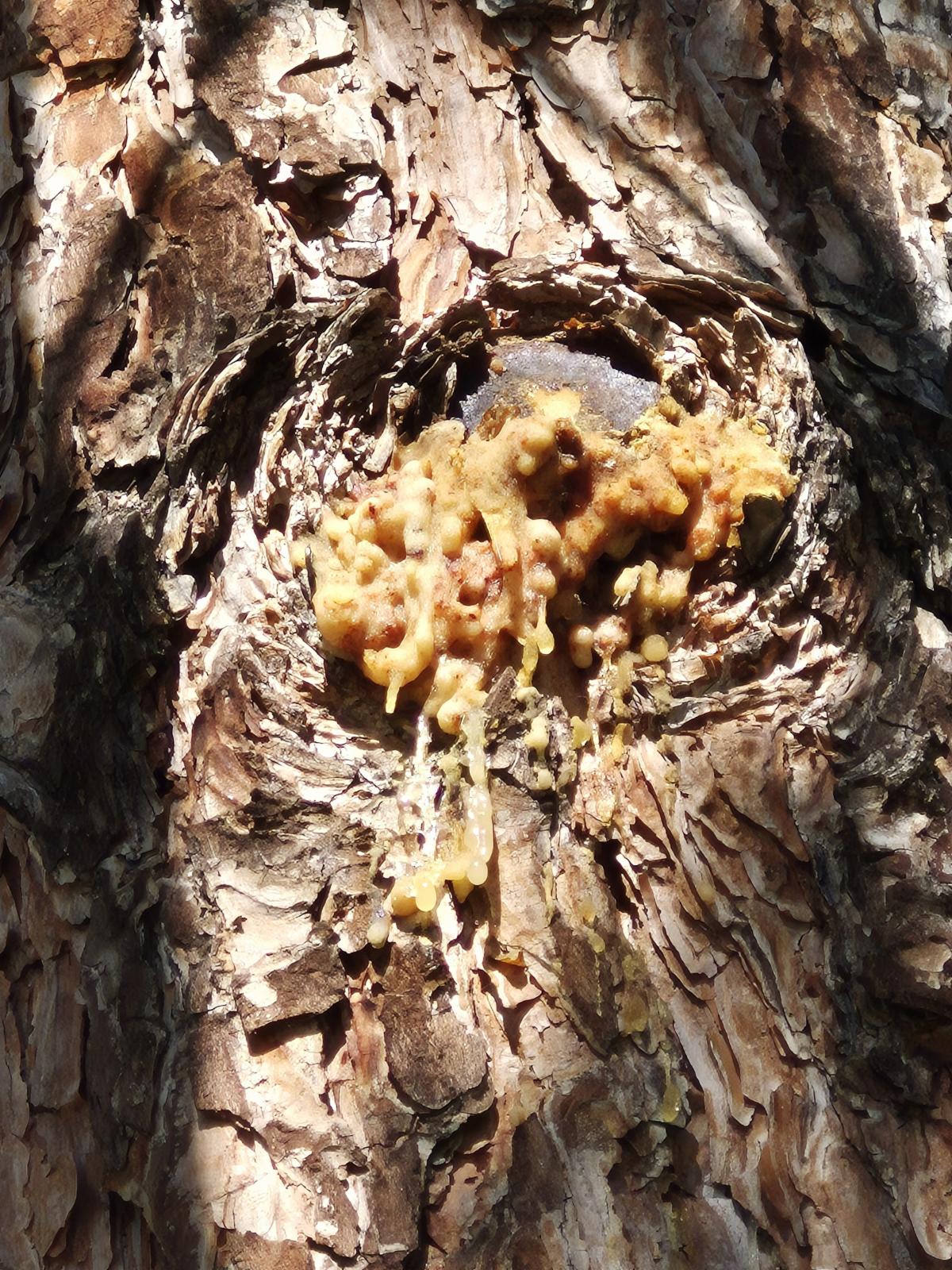
If you’ve recently noticed sap oozing from your tree especially around a fresh cut or damaged area, it’s your tree's defense mechanism.
When a limb is pruned or broken, trees often release sap at the site. This sap acts as a protective barrier, deterring insects and helping seal the wound. However, it also indicates that the tree is vulnerable. Borers like Mountain Pine Beetles, can take advantage of these fresh entry points. In fact, sap pitch tubes (pictured below) are often one of the first visible signs that bark beetles or borers are attacking a conifer.
|
|
Key Threats This Month
- Ips and Mountain Pine Beetles are actively seeking out weakened Pines.
- Spider Mites flourish in hot, dry weather.
- Aphids and Scale Insects continue to target ornamentals, leaving behind sticky honeydew and causing leaf yellowing or stunted growth.
- Fire Blight is affecting pear and crabapple trees, visible as blackened, wilted shoots.
- Leaf Scorch and Powdery Mildew are impacting lilacs, dogwoods, and other shade plants especially in areas with poor air circulation or inconsistent watering.
What We’re Doing to Help
Our Plant Health Care team is actively applying:
- Soil injections to boost tree vigor and deliver nutrients directly to the roots to combat stress.
- Targeted trunk sprays to repel beetles and borers
- Miticides for control of aggressive mite populations
These proactive treatments are timed to intercept pests before populations peak and damage becomes irreversible.
| | Turning Beautiful Gardens Into Lace | | |
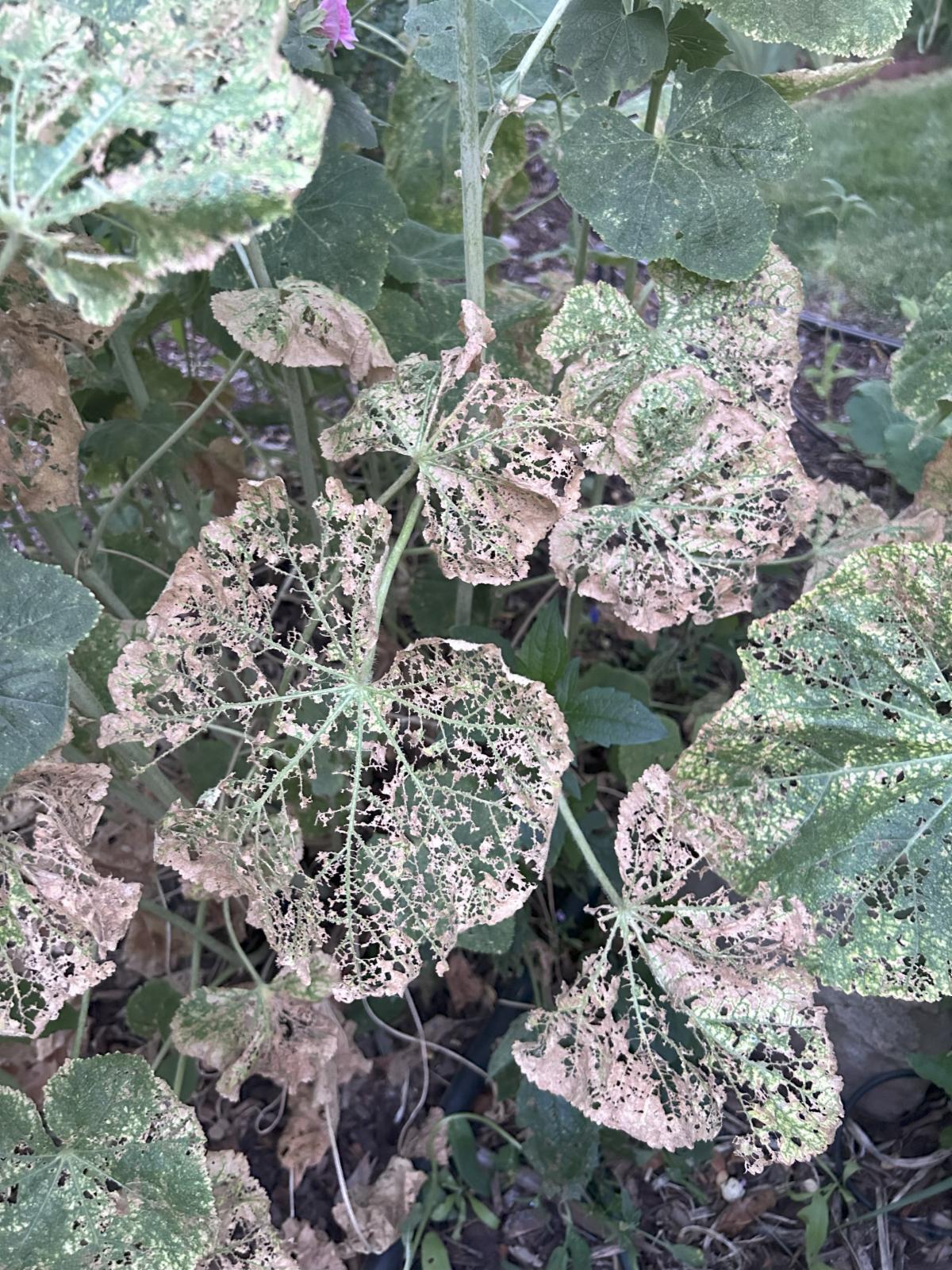
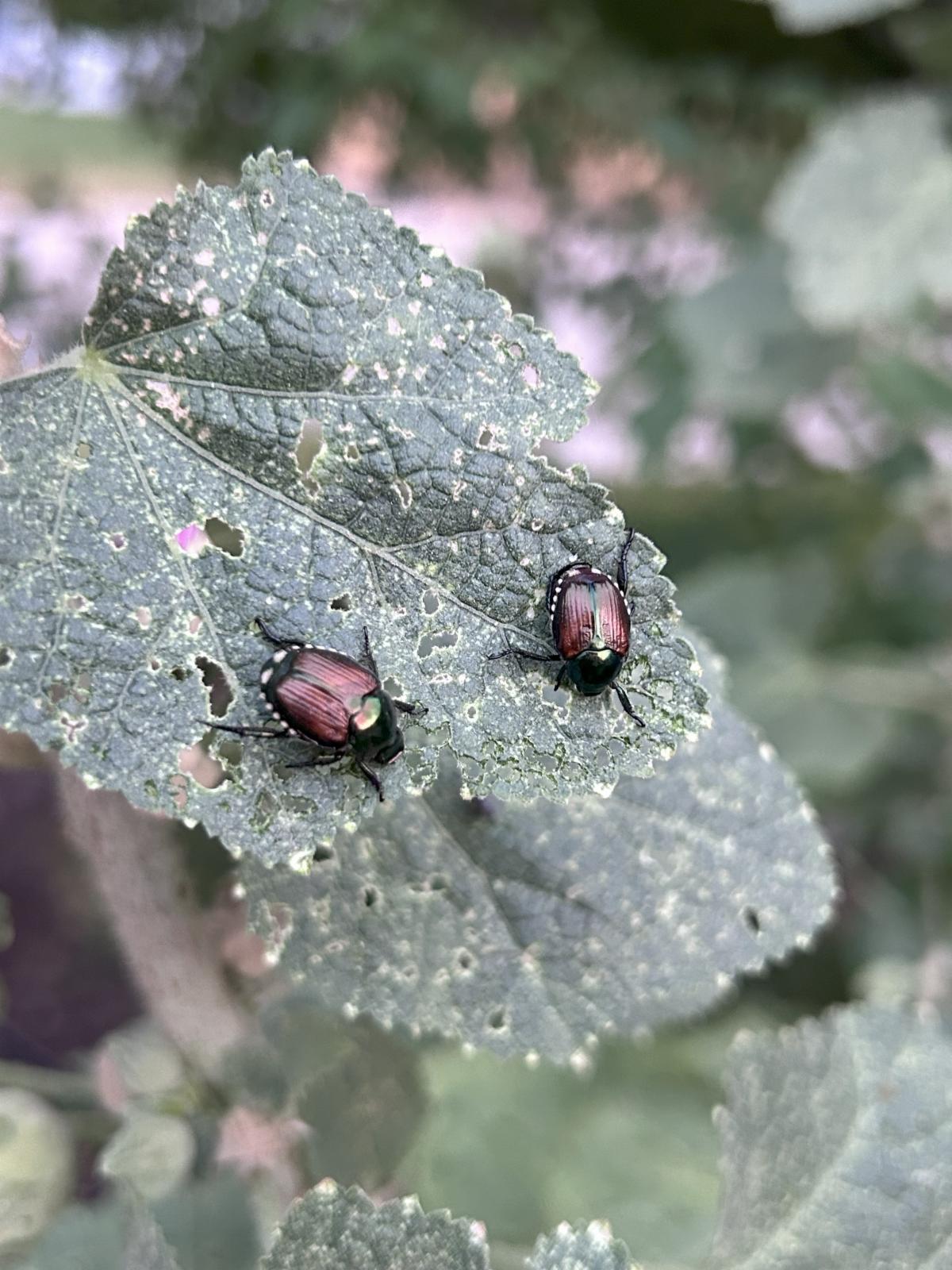
If you’ve walked outside recently to admire your garden only to find your roses, hibiscus, or grapevines looking like delicate lace. Japanese beetles are likely the culprit.
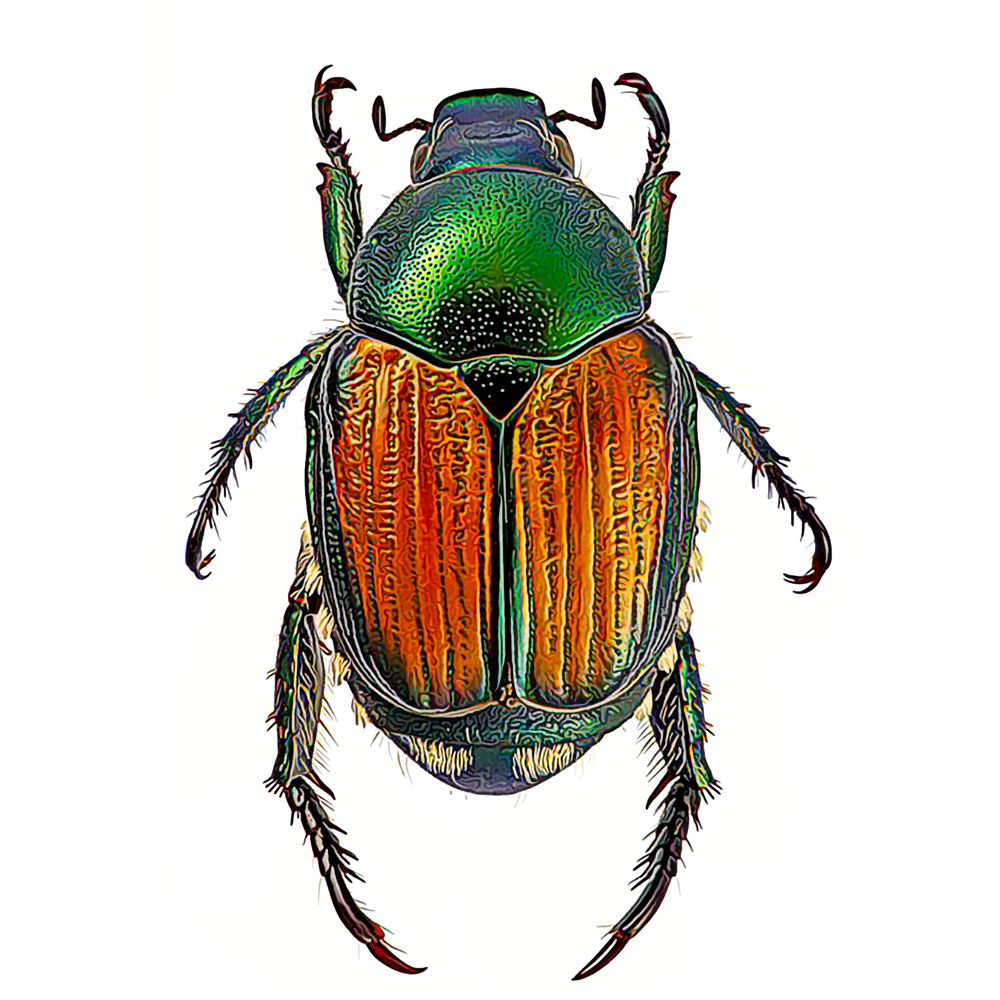
These iridescent green and bronze beetles may be small, but they travel in large numbers and feed with a vengeance. Their favorite menu? The soft tissue between leaf veins, turning your lush, leafy plants into skeletal remains in just days. What starts as a nibble quickly becomes full-blown devastation, especially during peak feeding months like July and August.
But the damage doesn’t stop at the leaves. After feeding, adult beetles burrow into the soil to lay eggs. Those eggs hatch into white grubs that feed on grassroots through late summer and fall damaging lawns from below, before emerging next season to repeat the cycle.
| | |
What Homeowners Can Do
• Consider professional treatment. Autumn Tree offers Acelepryn, a bee-safe, flower-safe option that targets Japanese beetles while protecting pollinators.
• Hand-pick beetles early in the morning and drop them into soapy water.
• Avoid beetle traps, which often attract more beetles to your yard than they remove.
• Monitor your lawn for grub activity, which can cause root damage later in the season.
| | |
Why Is My Lawn Turning Brown?
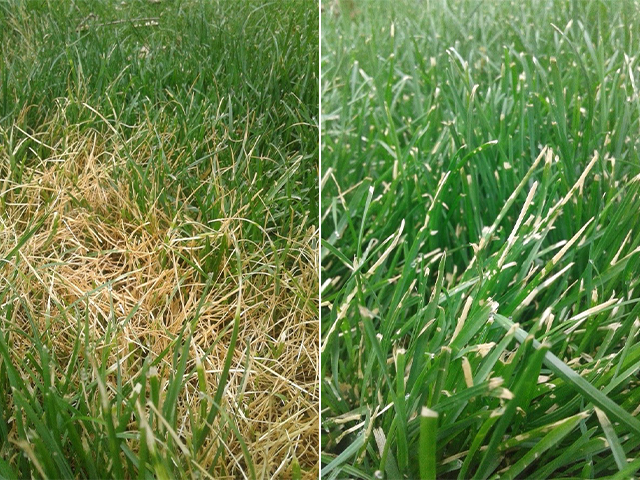
If you’re caring for your lawn with a program and still noticing brown patches this August, don’t worry it’s a common concern across Denver. The hot, dry weather is pushing every lawn to its limit, and even well-maintained turf can show signs of stress. In many cases, brown areas are a result of environmental conditions not poor care, and your lawn can recover with a few key adjustments.
Drought and heat stress are the most common causes. Front Range lawns need 1.5 to 2 inches of water weekly during peak heat, but scattered rain and uneven sprinkler coverage can leave some spots dry. When grass dries out, it may go dormant (a natural survival response). However, repeated cycles of drying and rewatering can stress turf further and even invite diseases like Ascochyta, which almost always shows up in drought-stressed lawns. Remember: no drought stress = no disease. Proper watering, done deeply and infrequently, helps build healthier, deeply rooted turf and keeps disease risk low. Don’t water daily. Spot-water brown areas as needed, and irrigate the rest of the lawn when it truly starts to dry out.
Weeds are another silent competitor. With their deeper roots, they often outcompete grass for moisture and nutrients, especially during dry spells. Our weed control program with spring pre-emergent, summer spot treatments (typically done every 6-8 weeks) and finally winterizer, can help your lawn maintain its strength.
Insect issues like mites, grubs, and billbugs also mimic drought damage. Watch for thinning grass near sidewalks or increased bird activity signs that pests may be feeding below the surface. Our team can inspect and treat as needed.
Pet damage is another frequent cause of small, round dead spots surrounded by lush green grass. Frequent flushing and treatments like Revive can help these areas bounce back.
To support your lawn further, follow these best practices:
- Mow wisely. Use the one-third rule: never remove more than one-third of the grass blade at once. In summer, mowing at a higher height (2.5–3 inches for bluegrass, ryegrass, and fescue) keeps your lawn cooler and reduces stress.
- Avoid mowing during drought. Grass under stress won’t recover easily. Instead, mow the day after a rain or watering.
- Aerate at least once to twice a year. Core cultivation is essential especially in high-traffic or thatchy areas to improve water and nutrient movement to the roots.
- Don’t overwater after rain. Turfgrass performs better slightly dry than constantly soggy. Overwatering limits oxygen to the roots and increases disease risk.
Keep your watering smart, your mower high, and your eye out for trouble spots. And if you’re unsure what’s causing the brown patches, Autumn Tree Lawn and Landscape is here to help with treatments to keep your lawn healthy and resilient all year long.
| |
Don’t Fear Summer Tree Planting
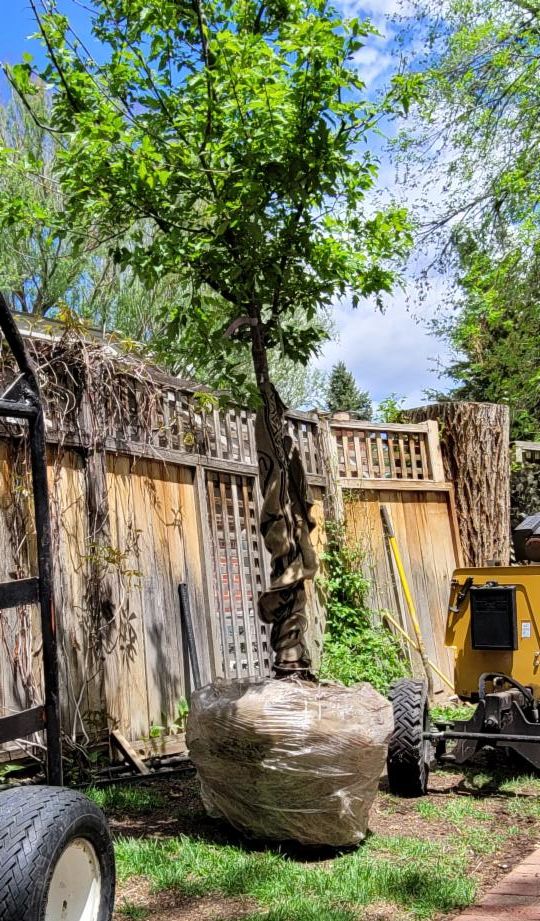
It’s a common concern among Colorado homeowners: Is summer a good time to plant trees? With our state’s scorching sun, dry air, and unpredictable weather, many hesitate, waiting for the cooler, seemingly safer spring or fall months. To be frank summer can be a great time to plant, as long as it’s done properly.
In fact, tree roots grow most actively during the warm season, establishing quickly if they receive the attention they need. With a little extra TLC like consistent watering, mulch to retain moisture, and strategic placement new trees and shrubs can thrive beautifully.
Tips for Successful Summer Planting
-
Choose Healthy Trees: Healthy trees are the foundation of successful planting. All our trees are locally grown and carefully maintained in our on-site nursery. That means no long-haul transport and minimal transplant stress your tree moves from our nursery directly into your yard, giving it the best possible start in your landscape.
-
Water Deeply & Regularly: Newly planted trees require more consistent watering in the summer heat. Aim for deep, slow soaks that reach the entire root zone. This promotes strong, deep-rooted growth rather than shallow surface roots.
-
Use Mulch Wisely: A 2–3 inch layer of organic mulch helps maintain consistent soil temperatures, retain moisture, and suppress weeds. Be sure to keep mulch a few inches away from the trunk to prevent rot and pest issues.
-
Watch for Stress Signs: Even healthy, well-cared-for trees can show signs of stress after planting. Watch for wilting, scorched leaves, or slow growth, these could indicate dehydration or transplant shock. If you're unsure, give us a call.
Autumn Tree Lawn and Landscape has the experience, tools, and expertise to handle tree planting even in the dog days of summer. We provide detailed watering instructions after each planting service so you have the confidence to care for your new tree. Whether you’re adding shade, privacy, or extra beauty, we’re here to help your landscape grow.
|
| |
|
Stay connected
Follow our socials
|
| | | |