Planning for the Future of Sustainability and
Climate Action
| | |
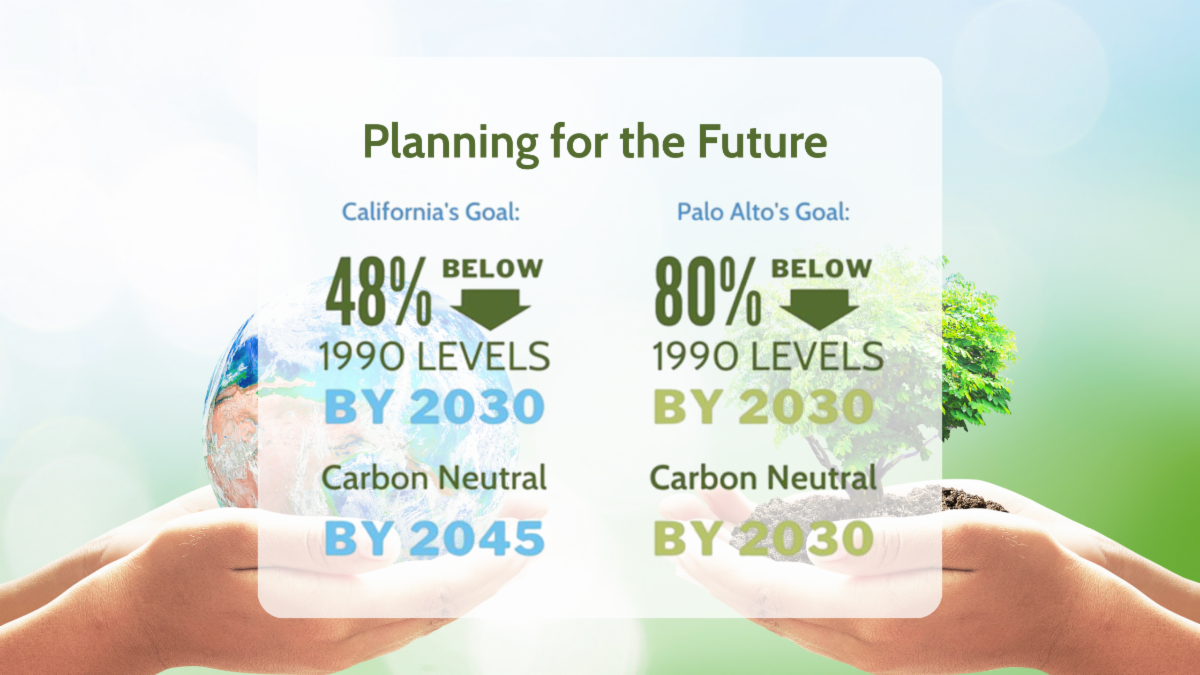
The latest Climate Action Blog shares details about the Palo Alto Sustainability and Climate Action Plan (S/CAP) goals to reduce climate pollution by cutting greenhouse gas emissions 80% by 2030—or "80 x 30"—and carbon neutrality.
Eight key areas contribute to reducing climate pollution and long-term sustainability. Together, these eight areas outline where action is needed to reduce emissions and meet the City’s 80 x 30 goal. As of 2024, Palo Alto cut community-wide emissions by 50.2% since 1990, despite the City's population growing 22% during that same time period.
Learn more and take action: Planning for the Future of Sustainability and Climate Action to Reach Our 80 x 30 Goal.
| | Save the Date: Earth Day Festival | |
Finalizing the 10-Year Vision for
Sustainable Transportation
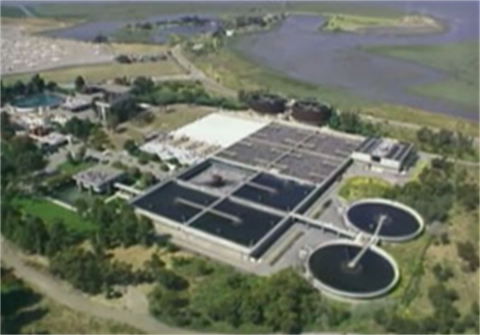
| | | | Palo Alto’s 2026 Bicycle and Pedestrian Transportation Plan (BPTP) Update is entering its final stages. Thanks for engaging with us on this priority initiative! Following the City Council Study Session in December, staff is preparing the Final Plan document, which will be presented to the Pedestrian and Bicycle Advisory Committee (PABAC) this spring and City Council consideration in Summer 2026. | | The Plan focuses on a connected citywide bikeway network, proactively addresses the growth of e-bike use, and better aligns with the City’s broader climate and safety policies, establishing an updated framework for the next decade of local infrastructure. | | Join the Conversation on Biosolids Management | | | | The City and Regional Water Quality Control Plant is updating the Biosolids Facility Plan, outlining the future of biosolids management at the Plant. Biosolids are a byproduct of the wastewater treatment process, which are currently trucked offsite to become fertilizer. This plan examines for other disposal and treatment methods. | |
Native Plants Growing at the Palo Alto
Horizontal Levee Pilot Project
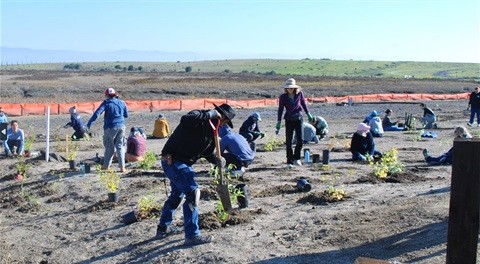
| | This winter, community volunteers and Save The Bay planted over 2,000 native plants representing 35 different species on the new levee. Sometimes called a “living levee,” this nature-based approach to sea level rise adaptation will provide both flood protection and habitat benefits. | | | Using effluent from the Regional Water Quality Control Plant to irrigate the planting, it is the first of its kind to be built on the San Francisco Bay shoreline. The project, a collaboration with the San Francisco Estuary Partnership, will inform future living levee designs in the region. | | Palo Alto Earns A-List Designation from Global Climate Disclosure Organization | | | | |
For the fourth consecutive year, the City of Palo Alto was named to the CDP 2025 A List, recognizing global leadership in environmental transparency, climate action, and resilience planning. This reflects Palo Alto’s continued commitment to meeting the highest standards of local climate leadership.
Read more here: Palo Alto Recognized on Climate Leadership A List
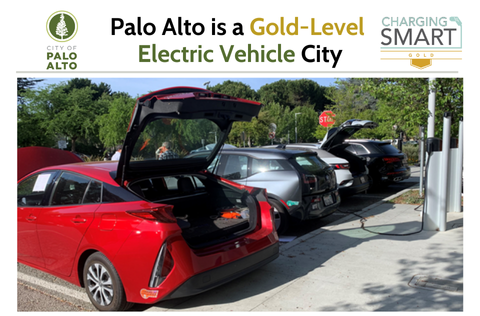
| | In Case You Missed It: Palo Alto Earns Recognition for Electric Vehicle Readiness | | In case you missed it, the City announced in December that Palo Alto earned a gold-level designation from the U.S. Department of Energy’s Charging Smart Program. Palo Alto has made electric vehicle use and charging faster, easier, and more affordable and accessible to all, through its programs supporting residents, businesses, non-profit organizations and visitors. This designation recognizes the City as a leader advancing and expanding efficient EV charging for robust planning, streamlined permitting, community programs, and fleet and infrastructure investments. | |
The City and Canopy Release Urban Forest Resilience
and Health Reports
| | |
The City of Palo Alto and Palo Alto-based community forestry nonprofit Canopy released The Great Oak Count and the annual Young Tree Care Survey, reinforcing a successful model for how cities and community partners can collaborate to grow and steward urban forests. Valuable urban forest data will inform future work plans and tree canopy preservation and regeneration in Palo Alto.
The data reveals that even as many Palo Alto neighborhoods celebrate growth in young plantings, several older and historically treed neighborhoods are showing declines in tree canopy. Together, the two reports illustrate both the fragility and the resilience of Palo Alto’s urban forest.
| | | | |