|
Greetings Dear Reader,
Access to safe food, public health and environmental protection are intricately linked. As communities look to reactivate their downtown spaces and stimulate economic opportunities in geographically centralized locations, their connections and access to local agricultural lands, farmers and fishermen, and affordable, healthy foods are an essential part of the revitalization equation.
Food is deeply tied to decisions on land use, questions of land sovereignty and culture, and priorities for community health and safety. Areas undergoing revitalization after years of neglect or divestment often face challenging questions regarding food security for citizens in need. For example, are local soils and waters safe for gardening and fish consumption? Is training available for safe pesticide application, or are pesticide-free methods practical for small scale farming? Can culturally significant foods be grown and sold locally to strengthen the economy? Can such economic revitalization help stabilize long-term residents without threat of displacement?
Smart growth principles and land use planning strategies can be used to consider these and other questions. In OCR’s work, we explore how communities can improve and ensure ongoing access to safe, fresh and healthy foods. Recognizing the deep and fundamental challenges of food access, we open a conversation with local leaders and health advocates that enables them to build sustainable food systems over time.
EPA’s Local Foods, Local Places program is one such conversation starter. In 2024, we’re glad to partner with the Appalachian Regional Commission and EPA’s Office of Land and Emergency Management to strengthen food system networks in the Appalachian and Mid-Atlantic regions to benefit commerce and the environment.
In this newsletter, we share some of OCR’s recent and ongoing efforts to support communities in building equitable food systems. Exciting funding and technical assistance opportunities that are available now are also described below. Through our collective efforts, we can gain wisdom from our histories, while promoting healthier and more connected communities now.
|  | |
Nigel A. Fields
Director, Office of Community Revitalization
| | | |
|
For Local Communities, The Sky is the Limit
In this new blog post, our colleague John Foster shares about his childhood looking up at the sky and his professional experience working on the ground, as the coordinator of the Local Foods, Local Places program. LFLP provides in-kind technical assistance to communities seeking support as they develop local food systems while boosting downtown or neighborhood revitalization efforts.
| |
|
Successful Smart Growth Network Quarterly Discussion
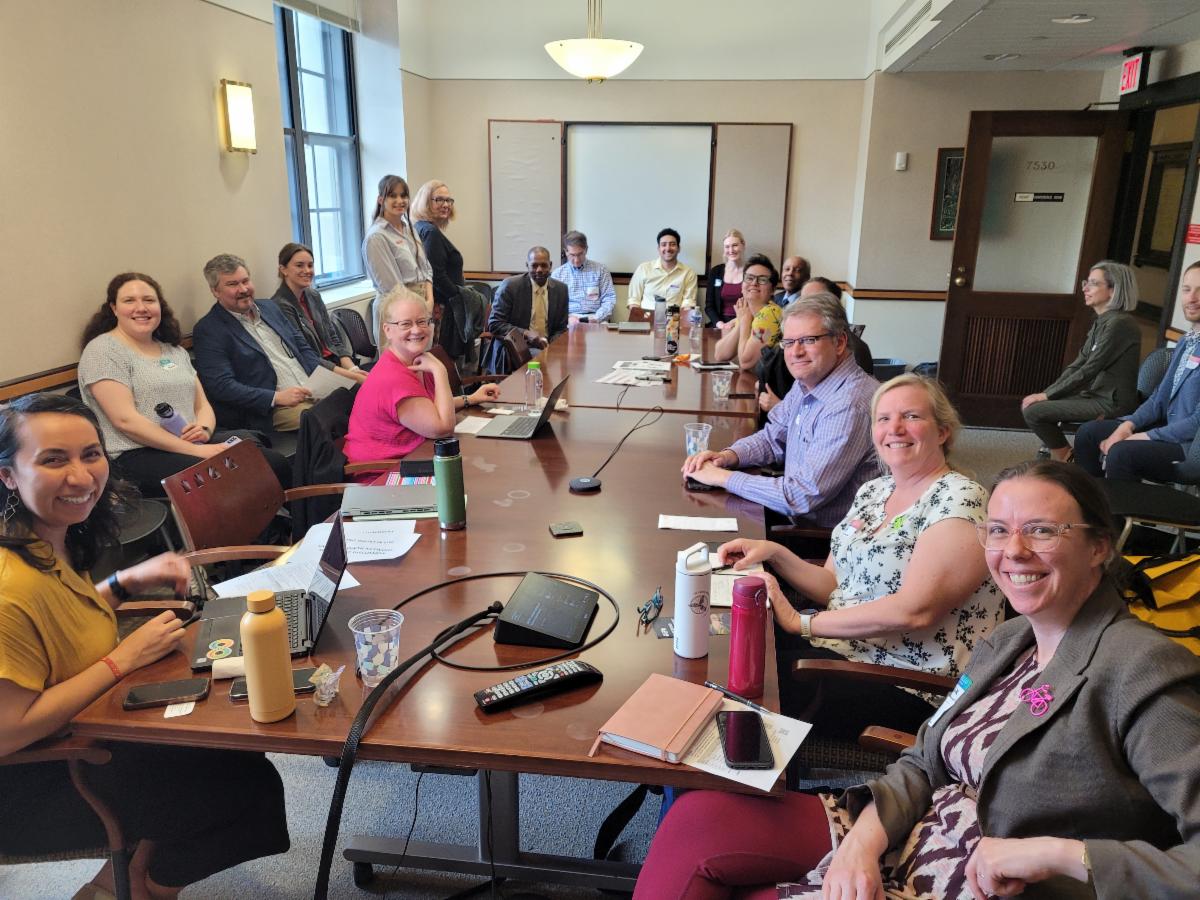
Last month, EPA hosted the Smart Growth Network's Quarterly Discussion on the theme, Capacity Building and Collaboration. Federal speakers from EPA, Department of Transportation and Department of Housing and Urban Development shared about capacity building and funding opportunities from across the U.S. government. After the roundtable, meeting participants used an interactive mapping tool to identify opportunities for collaboration with partners across the United States. Breakout sessions were organized by topic and geography.
| |
Smart Growth America Equity Summit
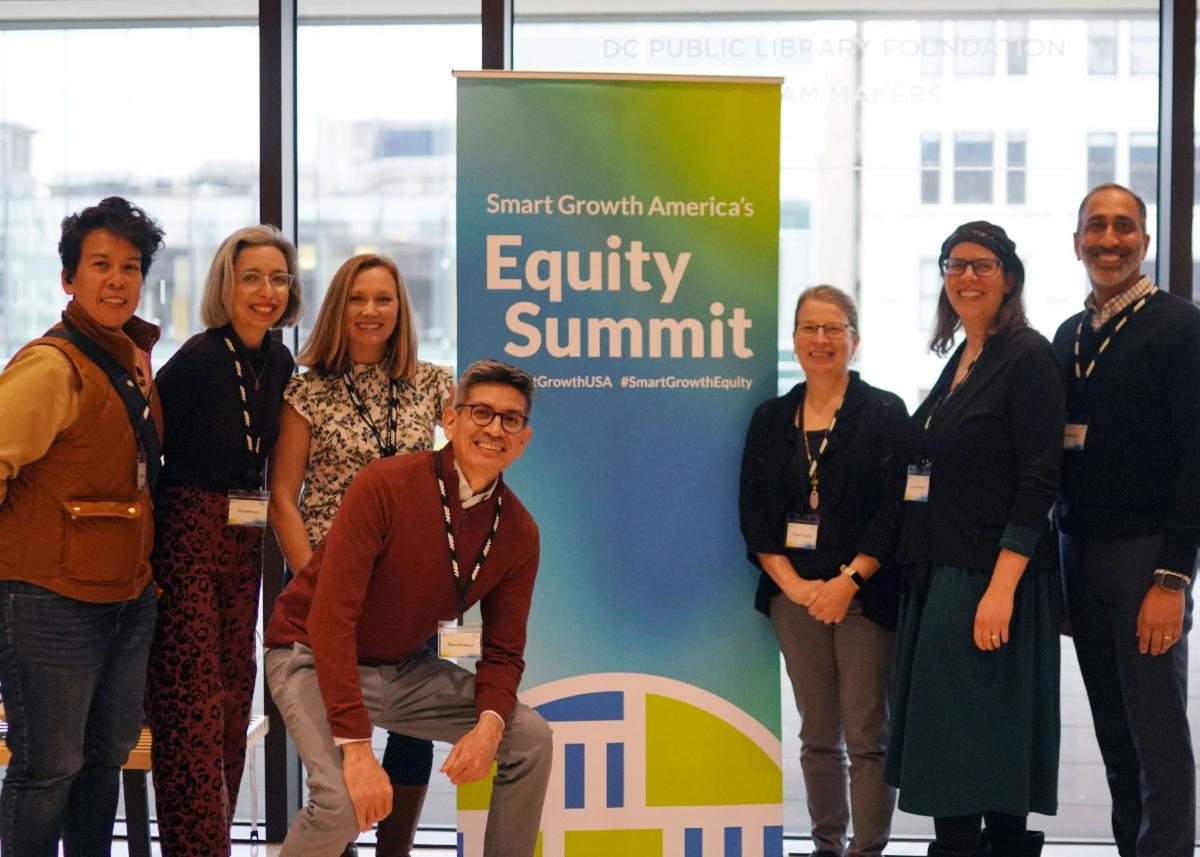
On March 27-28, staff and management from OCR participated in the first in-person Equity Summit, organized by Smart Growth America. The two-day summit included engaging keynote speakers April De Simone (Founder and Managing Principal of Practice of Democracy) and Charles T. Brown (Founder and CEO of Equitable Cities LLC).
Participants learned from hearing panelists present on "Overcoming Structural Barriers," "Lessons from Frontline Advocates and Government Leaders," and "Cultural Organizing as Reclamation and Resistance." OCR staff enjoyed the opportunity to engage with speakers and participants on OCR work, as well as participate in local site tours.
| |
Funding and Technical Assistance Opportunities | |
Safe Streets and Roads for All
The Safe Streets and Roads for All program supports the U.S. Department of Transportation's National Roadway Safety Strategy and its goal of zero roadway deaths. The discretionary program funds regional, local, and Tribal initiatives through grants to prevent roadway deaths and serious injuries.
The SS4A program supports the development of a comprehensive safety action plan (referred to as an “Action Plan”) that identifies the most significant roadway safety concerns in a community and the implementation of projects and strategies to address roadway safety issues. Action Plans are the foundation of the SS4A grant program, and SS4A requires an eligible Action Plan be in place before applying to implement projects and strategies.
The Bipartisan Infrastructure Law established the SS4A program with $5 billion in appropriated funds over 5 years, 2022-2026. The SS4A program funds regional, local and Tribal initiatives through grants to prevent roadway deaths and serious injuries. Over $3 billion is still available for future funding rounds.
The program provides funding for two types of grants: Planning and Demonstration Grants and Implementation Grants. New in FY2024, potential Implementation Grant applicants may submit their Action Plan(s) for pre-application review so that Department of Transportation may affirm their eligibility to apply for an Implementation Grant.
-
April 4, 2024: While the first deadline has passed, DOT expects to announce selected Planning and Demonstration Grant awards in May.
-
May 16, 2024 | 5 PM ET: Sole deadline for Implementation Grants. Second deadline for Planning and Demonstration Grants.
-
August 29, 2024 | 5 PM ET: Third deadline for Planning and Demonstration Grants. Notice of funding opportunity closes.
| |
Pollution Prevention Grant Funding
Pollution Prevention grants provide technical assistance to businesses to help them develop and adopt source reduction practices (also known as “pollution prevention” or “P2”). P2 means reducing or eliminating pollutants from entering any waste stream or otherwise released into the environment prior to recycling, treatment, or disposal. Implementing these approaches can result in reductions in toxic pollutants, the use of water, energy and other raw materials, while also lowering business costs.
EPA announced two notices of funding opportunities for $24 million in P2 grants to support states, U.S. territories and Tribes in providing technical assistance to businesses to develop and adopt P2 practices. These programs which have deadlines on May 17, 2024.
-
Pollution Prevention Grants: Funded through the traditional P2 grants program, this opportunity includes a cost share/match requirement of fifty percent and funding is over a two-year cycle. Individual grant awards are up to $700,000 for the two-year funding period.
EPA’s P2 program currently offers six grant programs. Learn more about other P2 grant programs.
| |
EPA Water Technical Assistance
All communities deserve access to clean, reliable water. Yet too many communities across America face challenges in providing safe drinking water, wastewater and stormwater services to their residents.
EPA's free Water Technical Assistance (or WaterTA) services support communities to identify water challenges, develop plans, build capacity and develop application materials to access water infrastructure funding. WaterTA aims to assist communities with applications for federal funding, quality infrastructure and reliable water services. If your community is facing water infrastructure challenges and could benefit from support, learn more and submit a webform request.
-
Entities Eligible to Receive Services: Local governments/communities, drinking water utilities/systems, wastewater utilities/systems, stormwater utilities/systems, states, Tribes, territories and non-governmental organizations.
-
Application Timeline: Communities will be selected on a rolling basis and there is no deadline to apply.
| |
This Earth Month, we were pleased to share highlights from just a few of our many community partners. See the graphics and text from our April 2024 social media campaign below, and stay tuned to our accounts for more later this year! | |
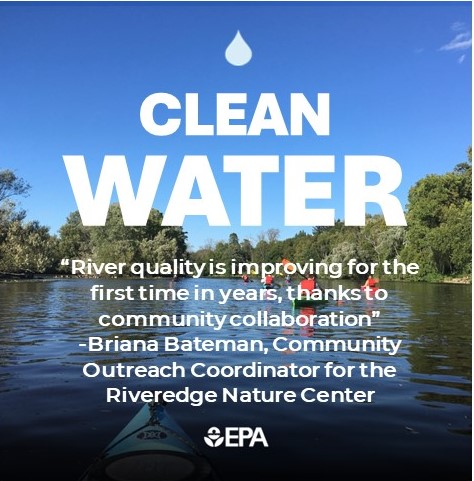
This #EarthMonth, we're appreciating Riveredge Nature Center in Saukville, WI. Supported by EPA's Building Blocks for Sustainable Communities program, their Community Rivers Program helps collaboratively foster positive changes in water quality. 👏 https://riveredgenaturecenter.org
| |  |
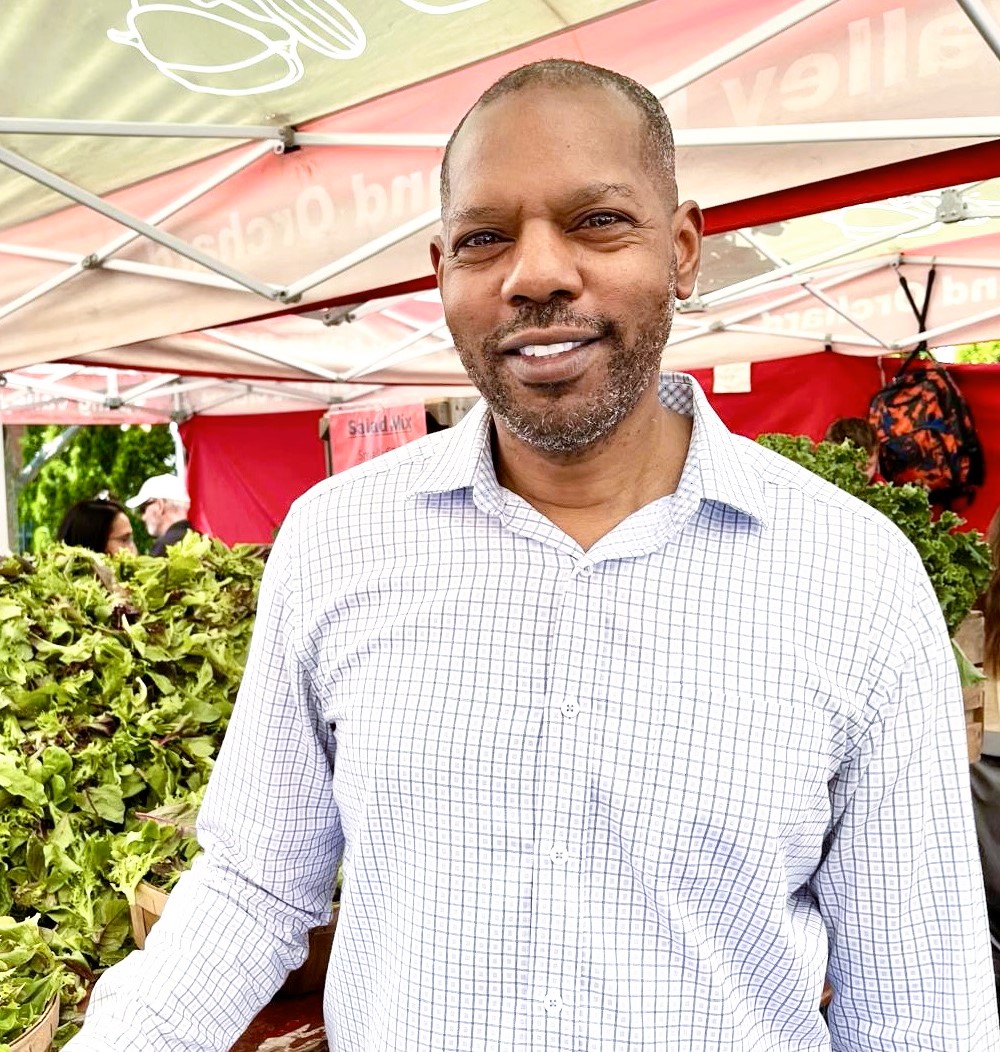
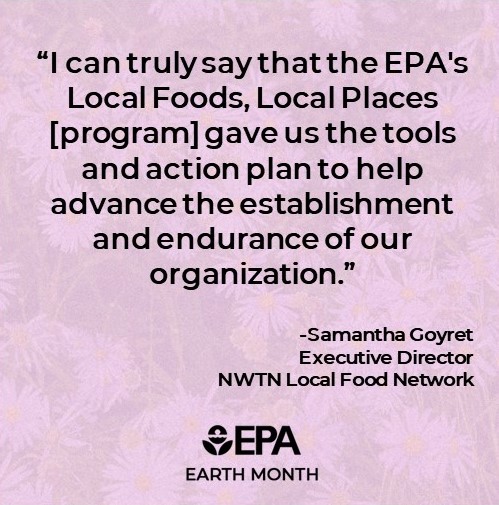
We're shouting out the Northwest TN Local Foods Network for #EarthMonth! After participating in Local Foods, Local Places, the network expanded their environmental work, increasing composting, growing local foods, & educating the public. 👏https://nwtnlfn.org/ | | |
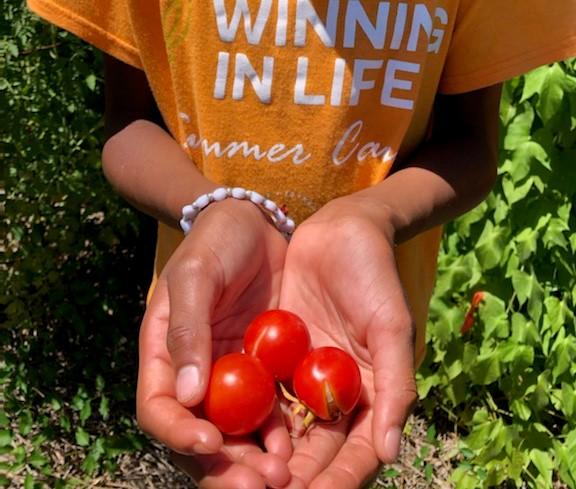
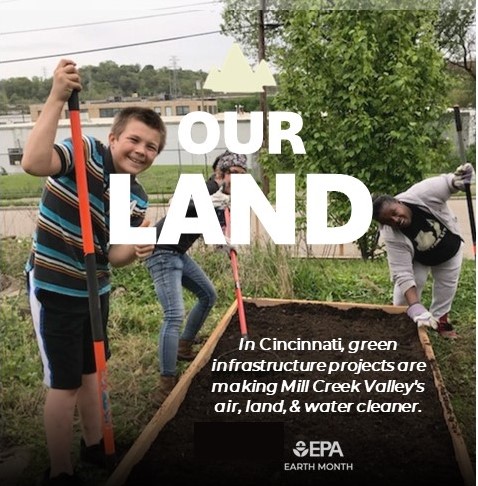
Wrapping up #EarthMonth we recognize Local Foods, Local Places partner, Working in Neighborhoods, making Cincinnati-based Mill Creek Valley's air, land, & water cleaner through green infrastructure projects like community gardens, native species plantings & stormwater swales. https://wincincy.org/ | |
|
|
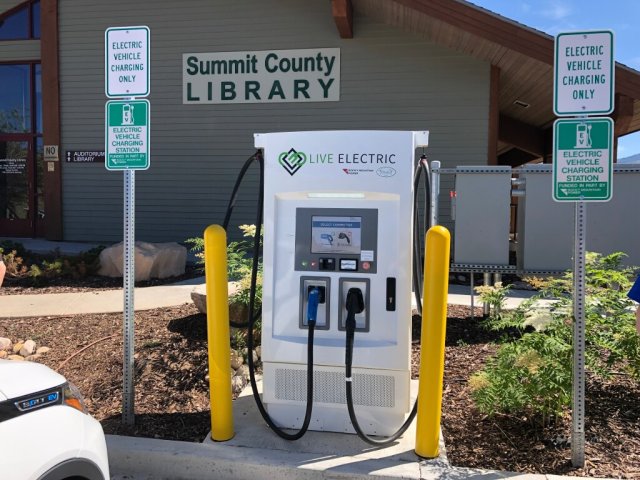
Smart Growth Strategies for Transportation Electrification
Smart growth strategies can help communities guide investments to get the most benefit from transportation electrification. Our new website explains how electrifying transportation can reduce air pollution while providing affordable transportation options that fit into specific community contexts.
The initial phase of our work on this topic provided technical assistance to two communities – Gonzales, Louisiana and Brooklyn Park, Minnesota – to help them plan for transportation electrification in ways that meet multiple community needs.
| |
|
Like our new look?
We're updating some of our communications tools to keep you better informed.
Want to learn more?
Visit our new and improved website at epa.gov/smartgrowth.
Let's keep in touch!
We have plenty of upcoming news, so keep watching this space. If you received this email from a colleague, please subscribe so we can connect with you directly!
| | | | |