PART 2

Artists have always incorporated symbols into their works. Many paintings deploy a symbolic language so that objects and figures represent not just themselves but also ideas and concepts. An understanding of the pictorial language of symbolism can reveal emotions and deeper meanings of the work’s imaginative world.
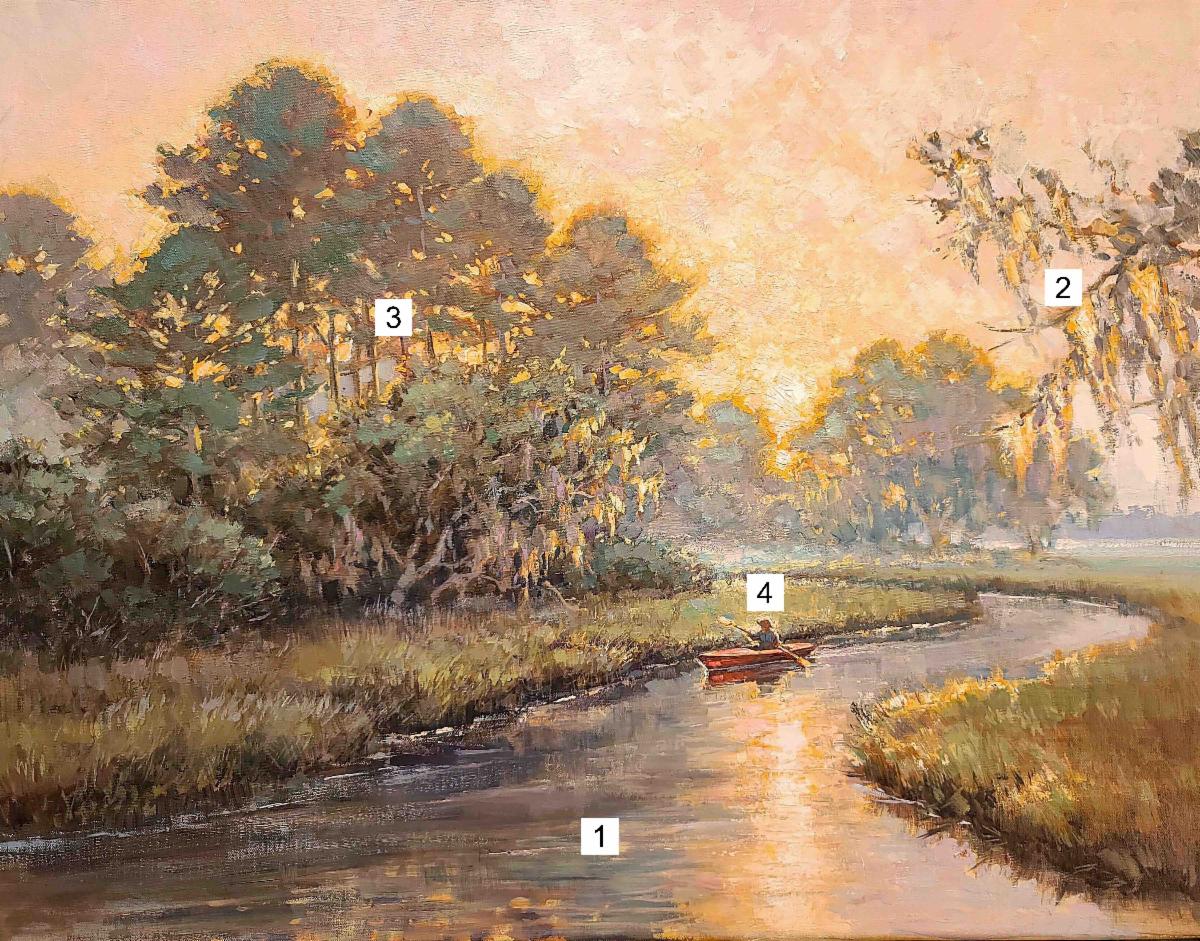
The Chinese concept of a Yin-Yang Landscape has been a major art form since the Tang dynasty (618-907 CE). At a time of political unrest such paintings symbolized the peace and tranquility of our union with nature, and a human figure is often set against the backdrop of earth and water. Each element of the painting is symbolic and the whole signifies order and harmony.
Karen Larson Turner
Paddle at Dawn
18x24
Oil on linen
1 & 2
Yin (passive, cool, feminine) is found wherever there is fluidity and softness. It is symbolized here in the water and graceful sway of the Spanish moss. Yang (active, warm, masculine) is represented as force and light. Here the salt pines piercing the bright sky are Yang.
3
Taoists believe in a mystic sense of cosmic brotherhood that unifies all the elements. As the philosopher Chuang Tzu put it, “Heaven and Earth and I live together, and all things and I are one.” Here, the dominant trees are surrounded by lesser vegetation and the combination of trees, grass, and water symbolize the belief that all elements within nature are related.
4
People are often included in Yin-Yang landscapes. Their size emphasizes the fact that humans are a small part of a vast cosmic creation. The figure is often shown interacting with the landscape to represent the notion that men and women need to follow their wisdom and thoughtfulness or the whole cosmic order is disrupted.

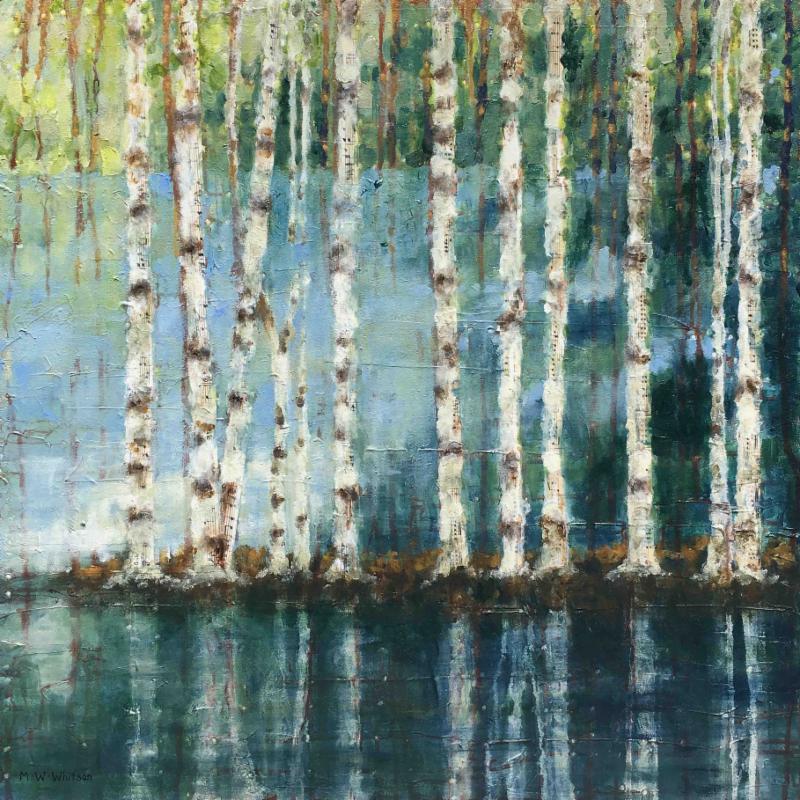
Forests have always gripped the human psyche. They stand vast and mysterious, pulsating with hidden life. Forests were among the first places in the natural world to be associated with spirits and deities. Tree trunks have been likened to the columns in temples and churches, and forest canopies to the sweeping interior architecture of cathedrals; indeed, many places of worship have been built on the site of sacred groves, including Chartes cathedral in France.
Wendy Whitson
Birch Song
30x30
Acrylic and mixed media on canvas
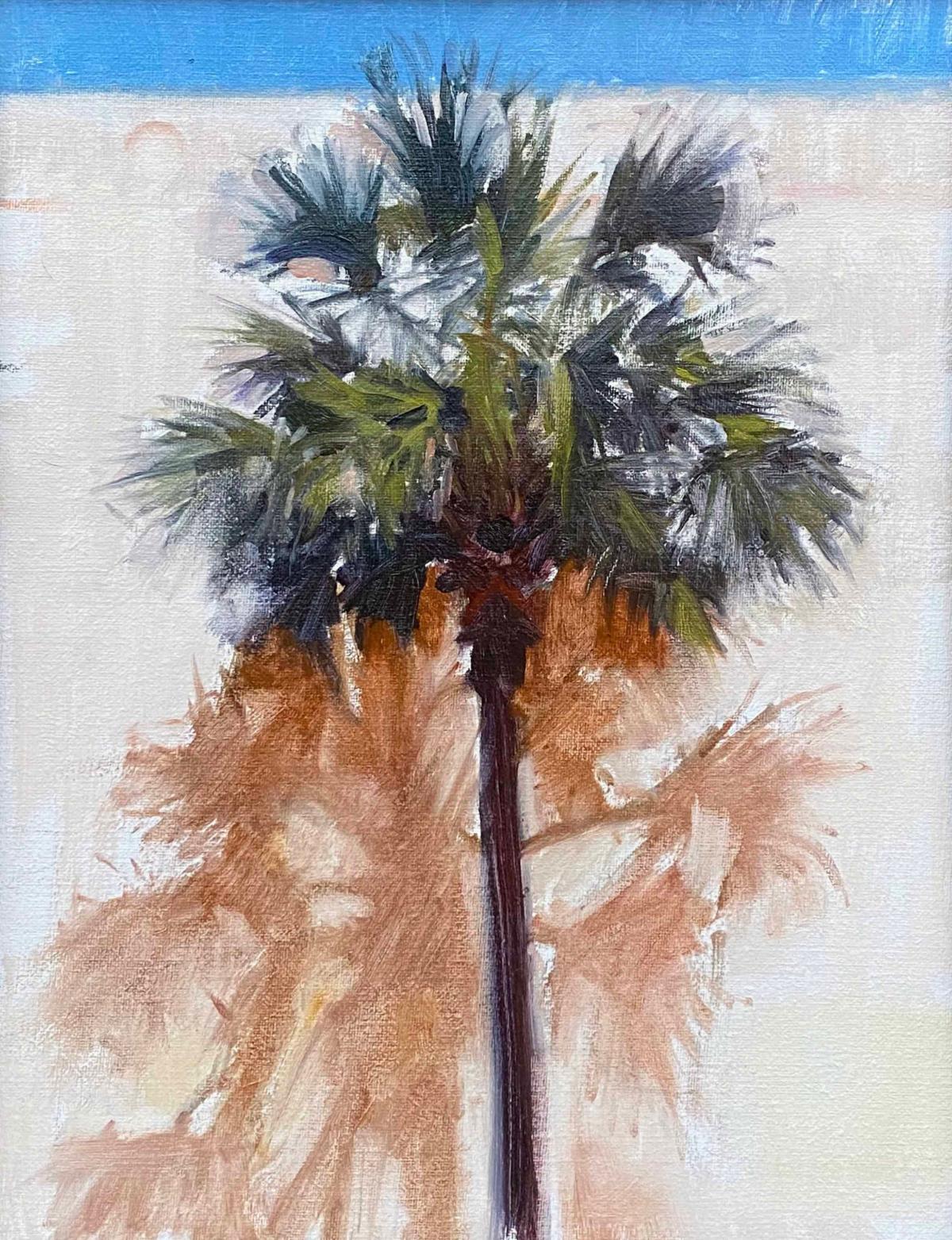
A Tree of Life in Egyptian cultures, the Palm tree is associated with fertility and victory. In Greco-Roman tradition palm fronds were used to hail victors in battle or competitive events. In Christianity this symbolism evolved into victory over death.
Ryan Walker
Southern Shadows
14x11
Oil on board
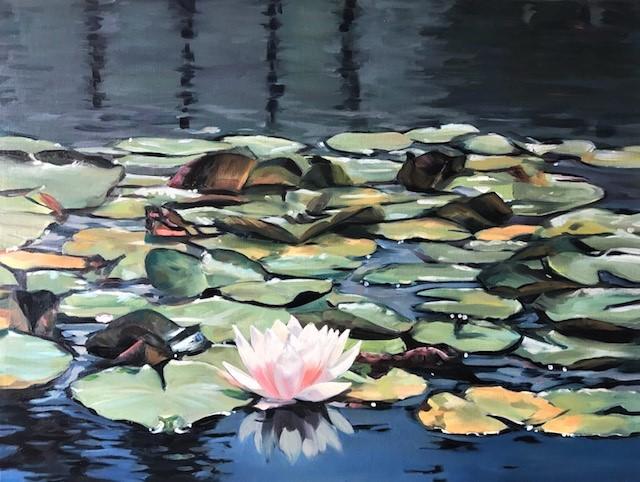
In the Buddhist tradition the lotus flower is a symbol of purity, and its blossom signifies wholesome deeds. It also symbolizes purity and enlightenment because it emerges unsullied from the murky waters.
Sally Tharp
Solo
18x24
Oil on canvas
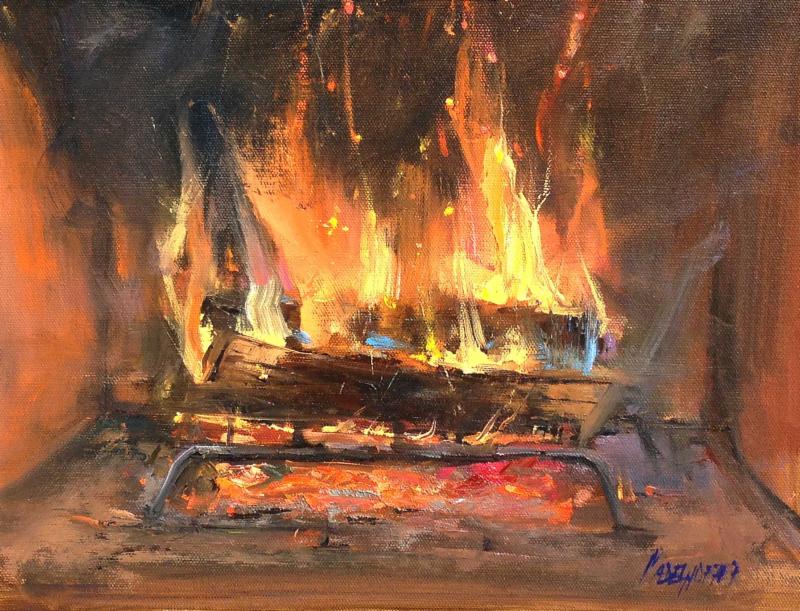
Fire symbolizes purification and regeneration, home, hearth, and divine love.
Debra Nadelhoffer
Winter Warmth
11x14
Oil on canvas
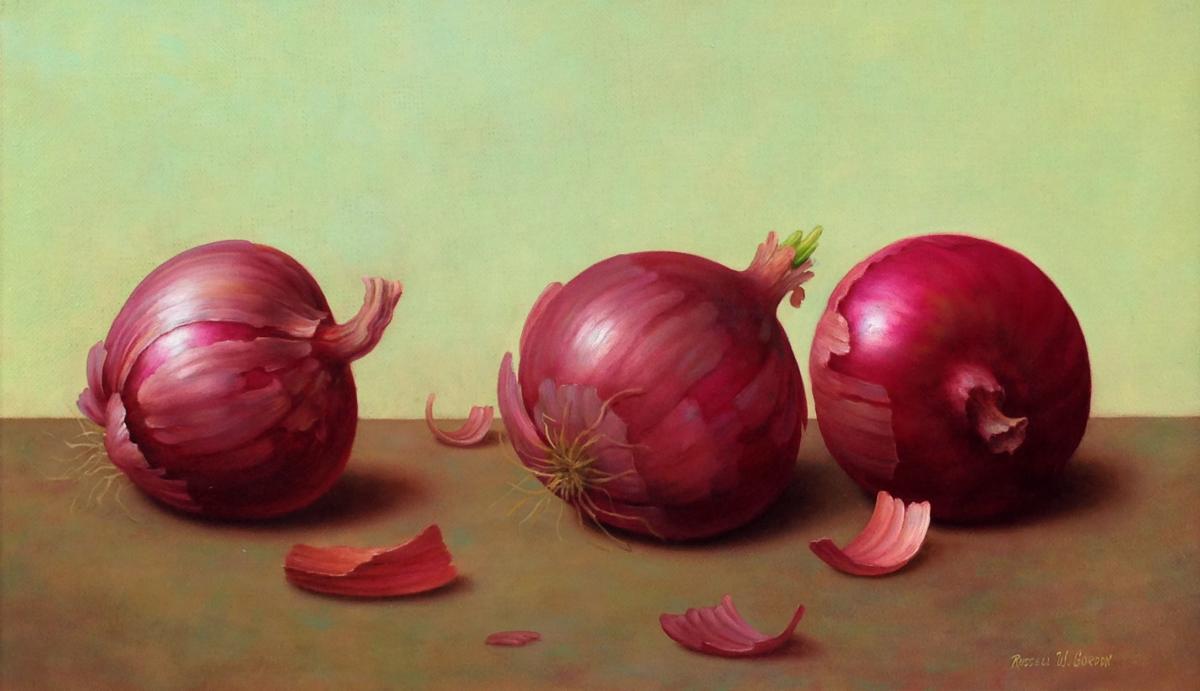
Its inner concentric rings associate the onion with eternity. Peeling away its layers represents revelation.
Russell Gordon
By the Skin of Our Teeth
12x18
Oil on linen
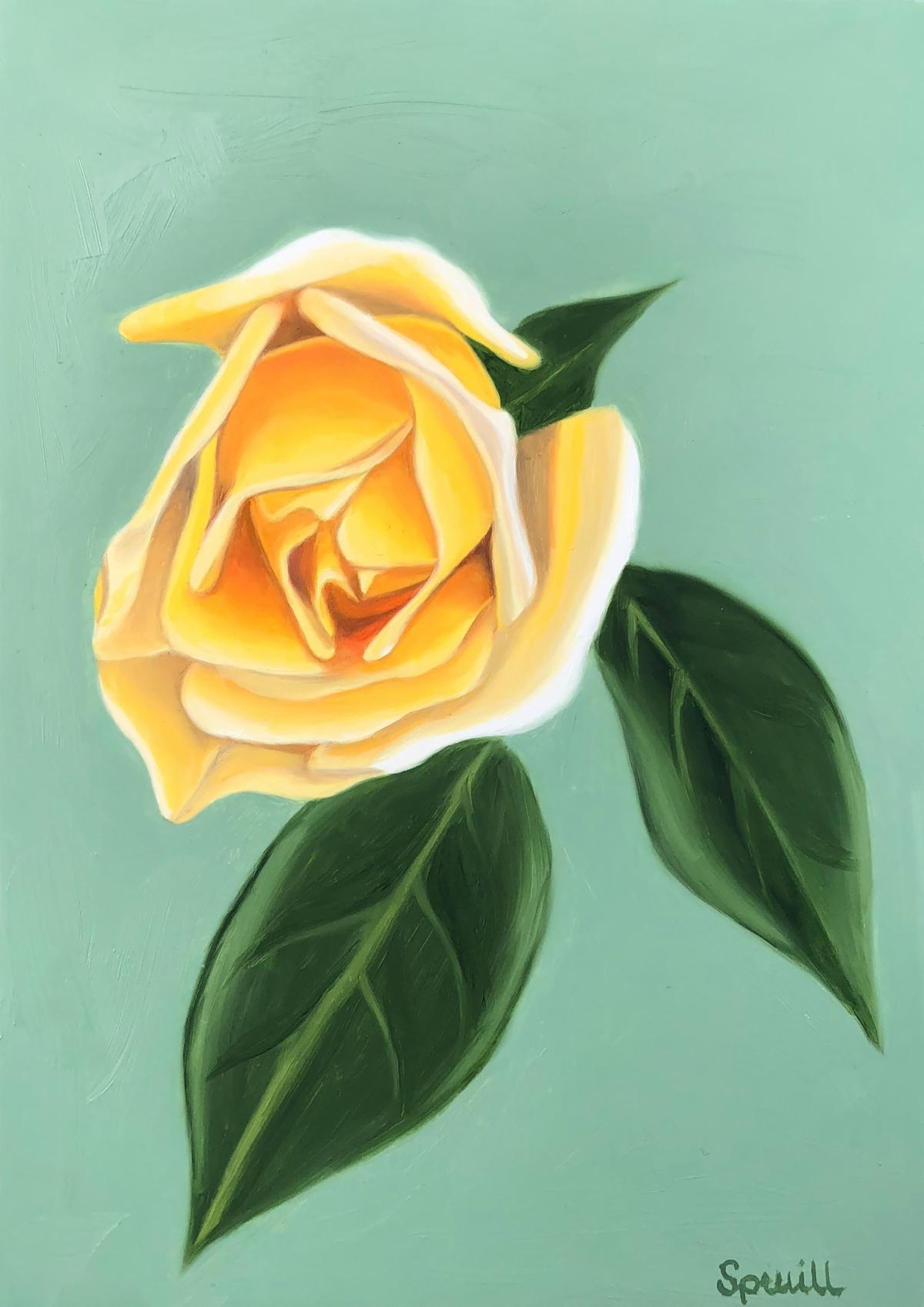
Yellow is associated with gold, brightness, enlightenment, and the Sun. As many spring flowers are yellow, it is also associated with new life. It was once used as a flag color to symbolize quarantine. 
Spruill Hayes
Optimistic
7x5
Oil on board
We would like to thank you for your continued support in these difficult times by offering you 20% off works on the website for the month of May.* This discount will not affect the pay for artists, and they will continue to receive the full amount for each sale.
 
*Excludes items in the Southern Traditions Show, and items purchased before April 3rd.
Wells Gallery
(843)576-1290
kiawah@wellsgallery.com
www.wellsgallery.com