|
Understanding and Engaging
the Natural World
MAY 15 - 17, 2026
Free Event * Registration Required * Space Limited
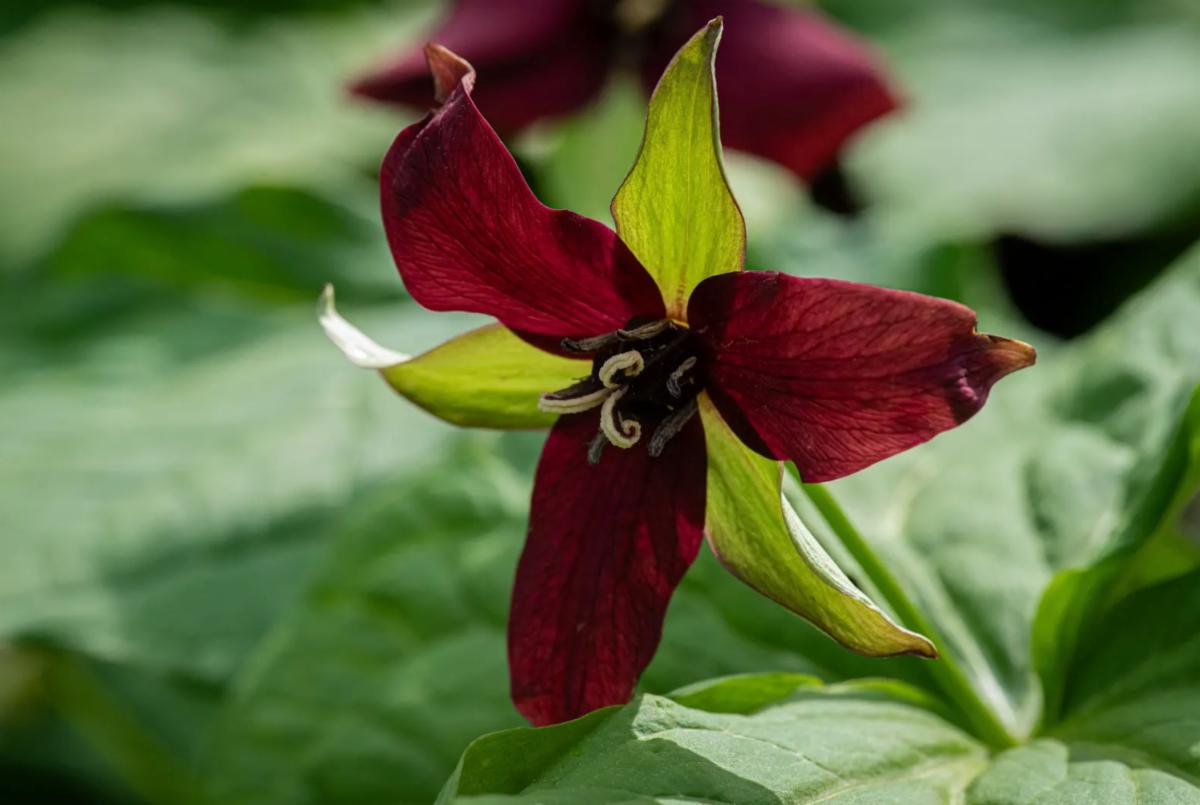
| | Red Trillium (Trillium erectum) Photo credit: Bill Rathfon | | |
FRIDAY, May 15
Wyndham Garden Hotel on Elks Club Road
Boalsburg, PA
| |
7:00 PM
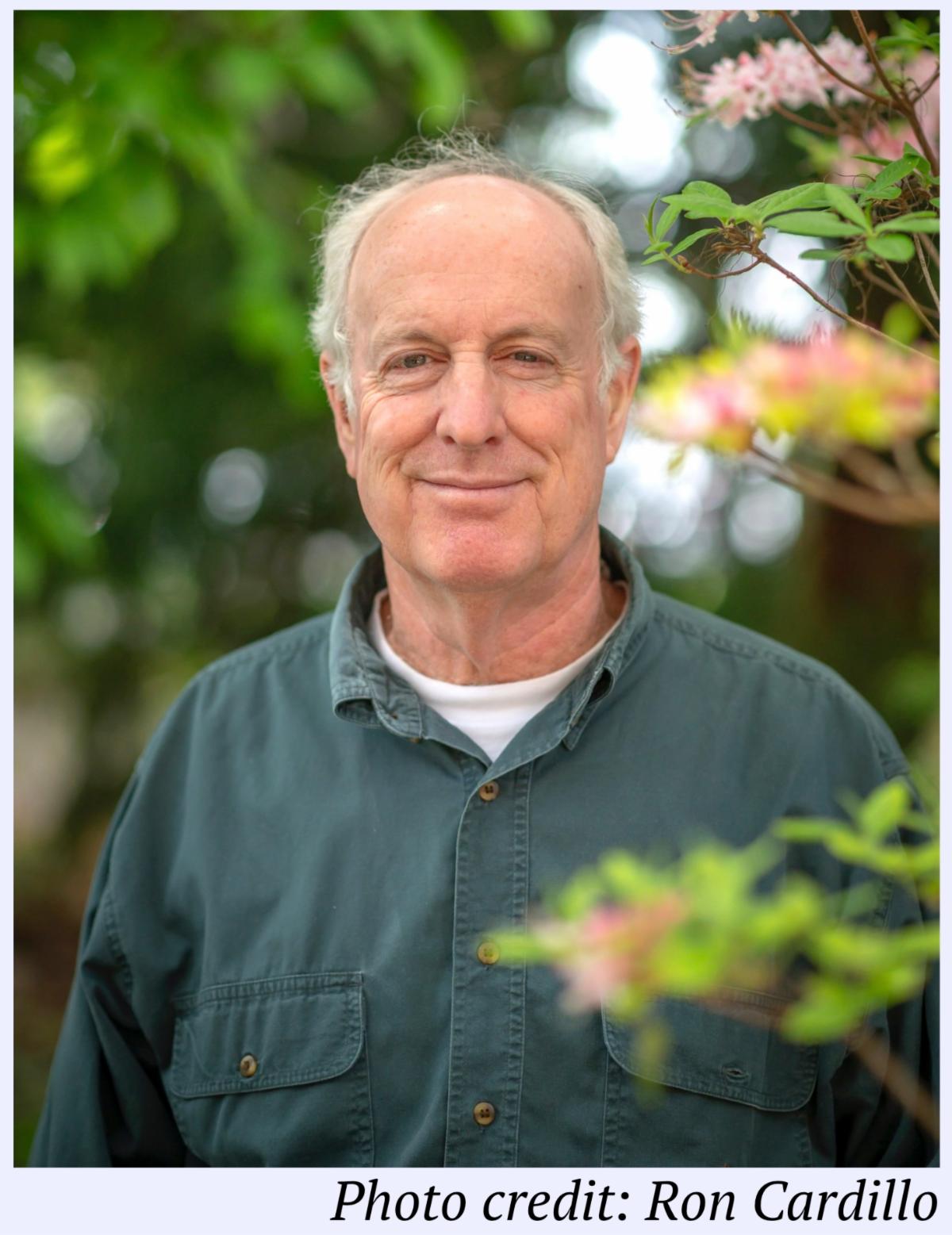
Keynote Talk, "The Nature of Oaks: The Rich Ecology of Our Most Essential Native Trees," by Doug Tallamy, entomologist, ecologist, author of Bringing Nature Home, Nature's Best Hope, co-author of Living Landscape and co-founder of Homegrown National Park. Professor of Agriculture in the Department of Entomology and Wildlife Ecology, University of Delaware
Oaks sustain a complex and fascinating web of life. This entertaining and inspiring talk reveals what is going on with oak trees month by month, highlighting the seasonal cycles of life, death, and renewal. With images of woodpeckers and jays storing acorns for food (thereby planting more oaks), more birds feeding caterpillars to nestlings, and insects and fungi transforming rotting leaves into nutrient-rich soil, Tallamy shows the oak functioning as a keystone native species in your own yard, garden, woodlot, meadow. Practical advice about planting and caring for oaks, along with guidance on the best oak species for our region, will make you want to plant some acorns, yourself.
| | Understanding the Natural Environment | | |
SATURDAY, May 16
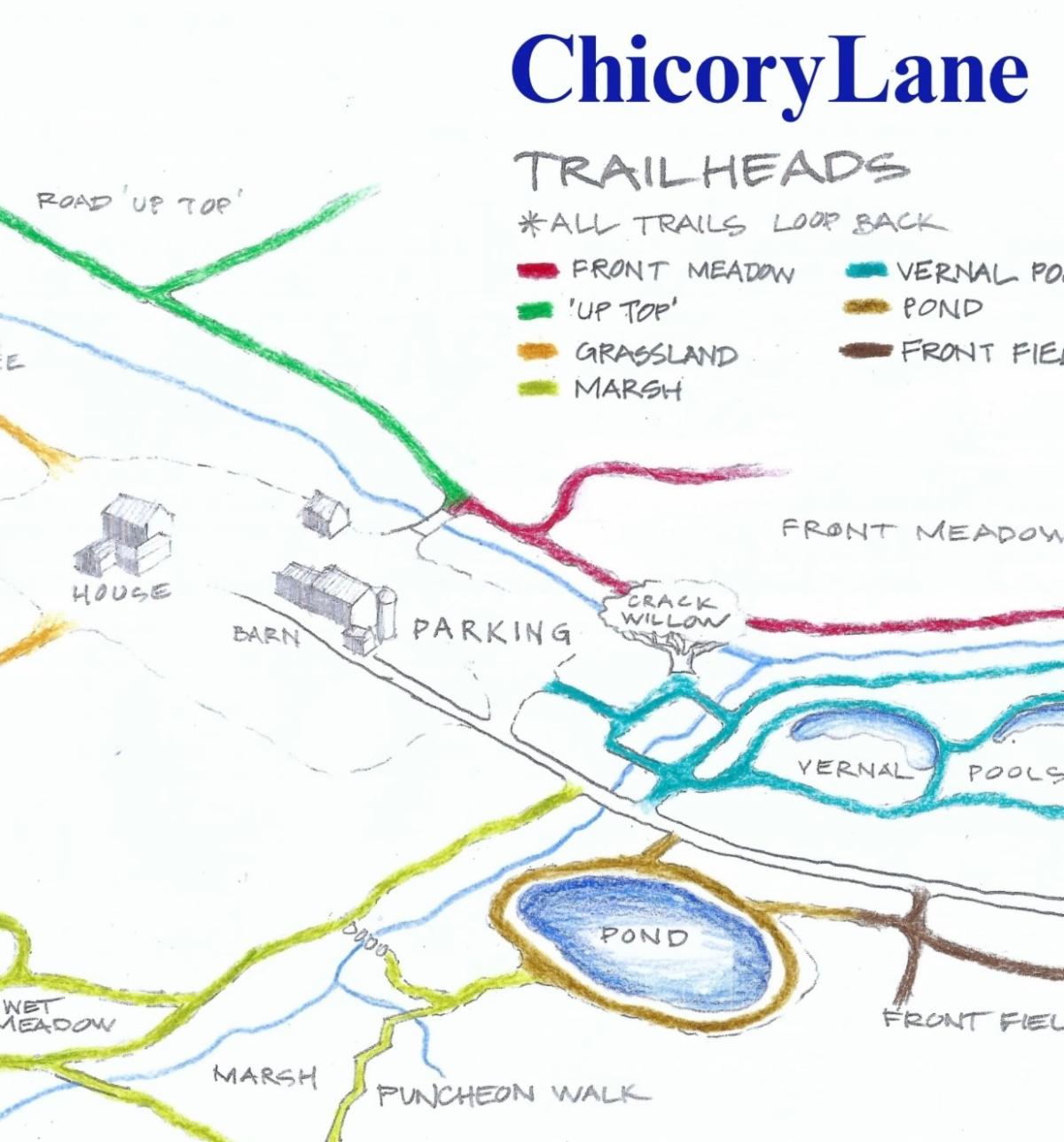
ChicoryLane Reserve
Spring Mills, PA
| | |
8:00 AM
Morning Bird Walk, with Doug Wentzel
Naturalist, PSU Shaver’s Creek Environmental Center
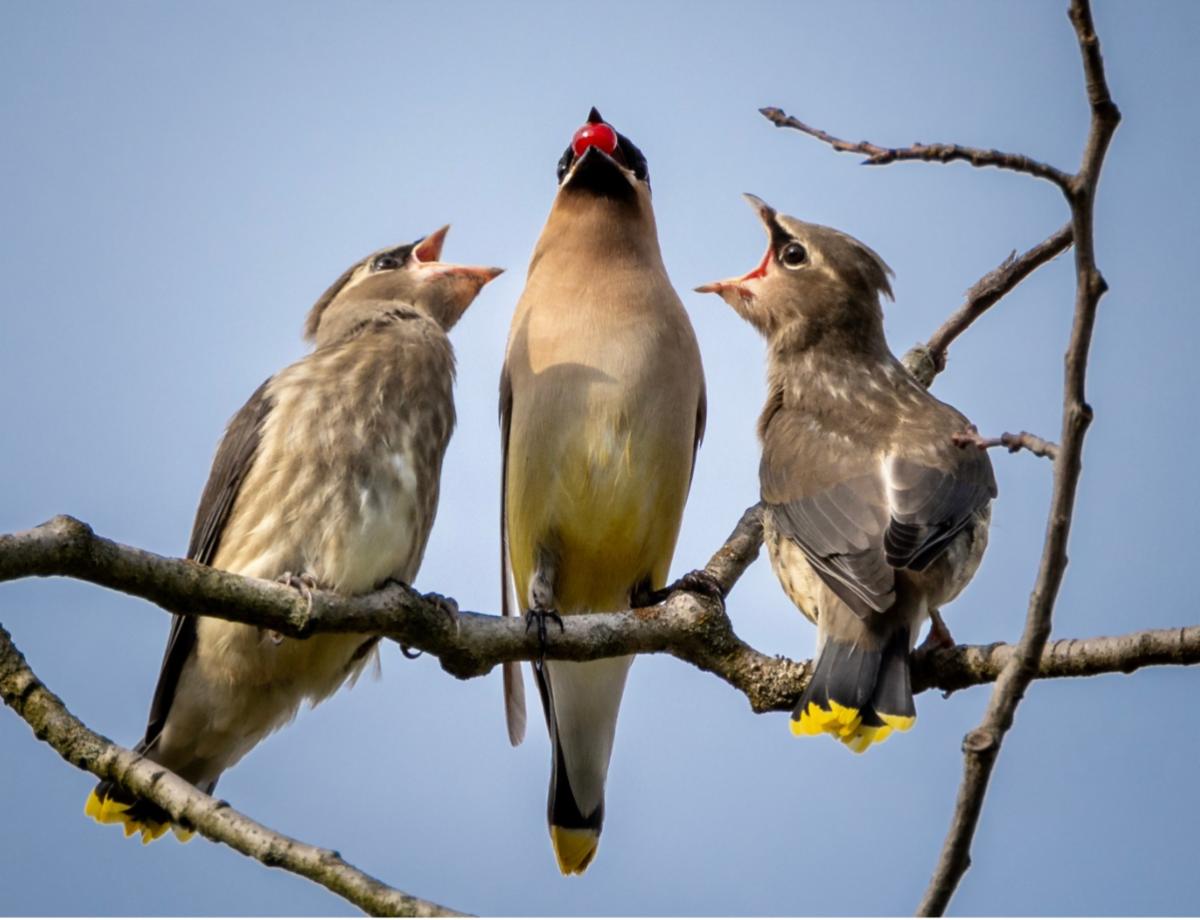
Walking approximately three-quarters of a mile over mowed grass pathways, expert birder Wentzel will stop at varied observation sites. In wetlands, you are likely to see and hear migrating warblers and other travelers. You may go on to an upland reforested area or to a restored prairie grassland where you might see hawks, kestrels, other soaring birds or ground- and grass-nesters including killdeers and sparrows. Photo credit: Jim Cassidy
| | |
10:00 AM
Native Shrub Walk, with Doug Tallamy
(See introduction of Professor Tallamy, above )
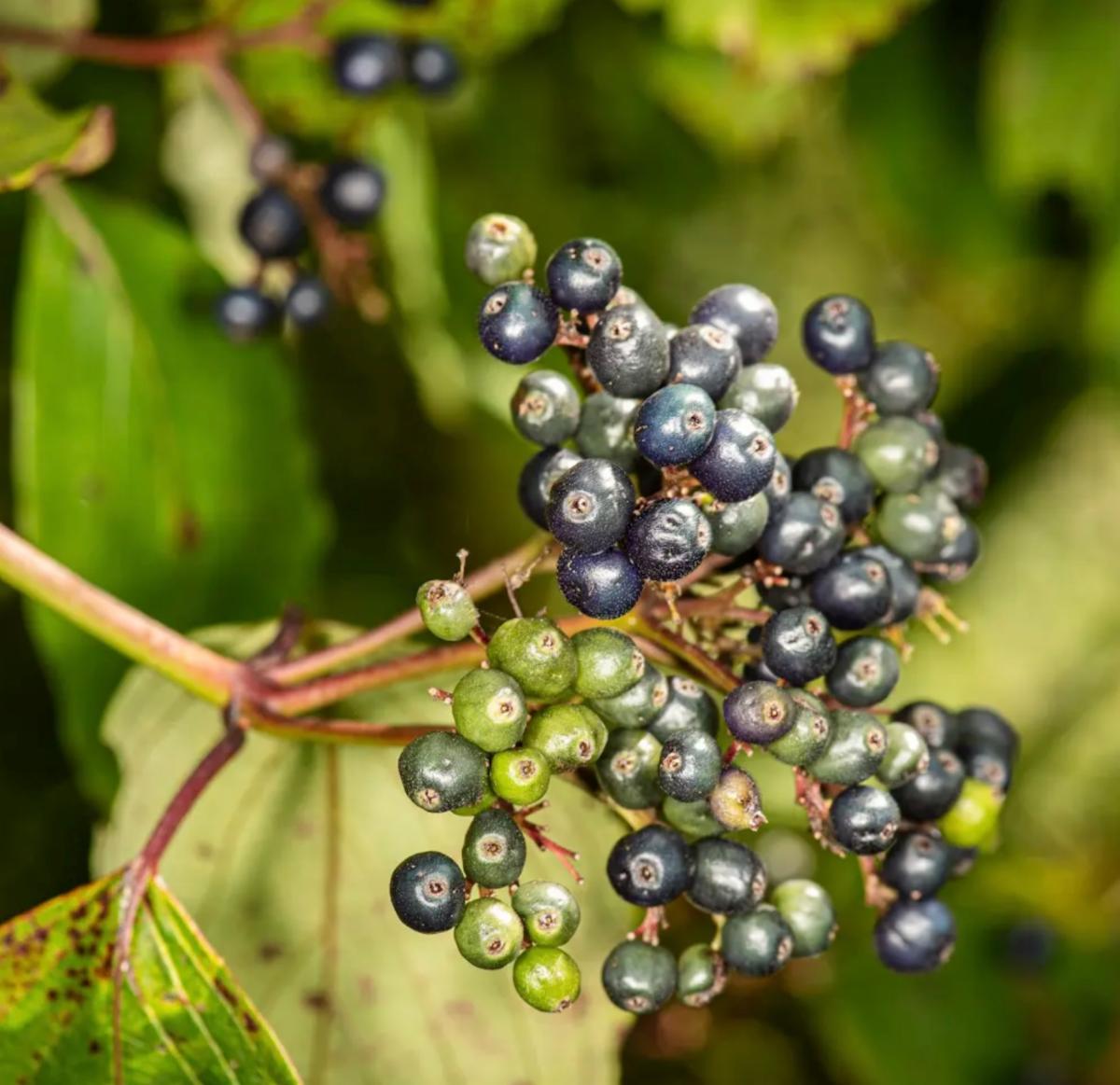
Walking approximately a half mile through a riparian area of wetlands and vernal pools, Tallamy will identify beneficial and not-so-beneficial shrubs. Beneficial how? Wildlife, especially birds, need food sources, nesting materials, and resting places. Native shrubs provide them better than non-natives do, Tallamy will explain. To encourage landscaping and gardening with natives, Tallamy will offer help in identifying beneficial natives by their shapes, colors, sizes, and structures. You will also learn their values for wildlife keyed to useful tables in Tallamy’s The Living Landscape. Photo credit Bill Rathfon
| | |
12:00 Noon
Lunch. You are invited to bring your own lunch, snacks, water available.
Food will be available for purchase.
| | |
1:00 PM (Concurrent Session)
Insect Walk, with Isabella Petitta
Ecologist, Clearwater Conservancy
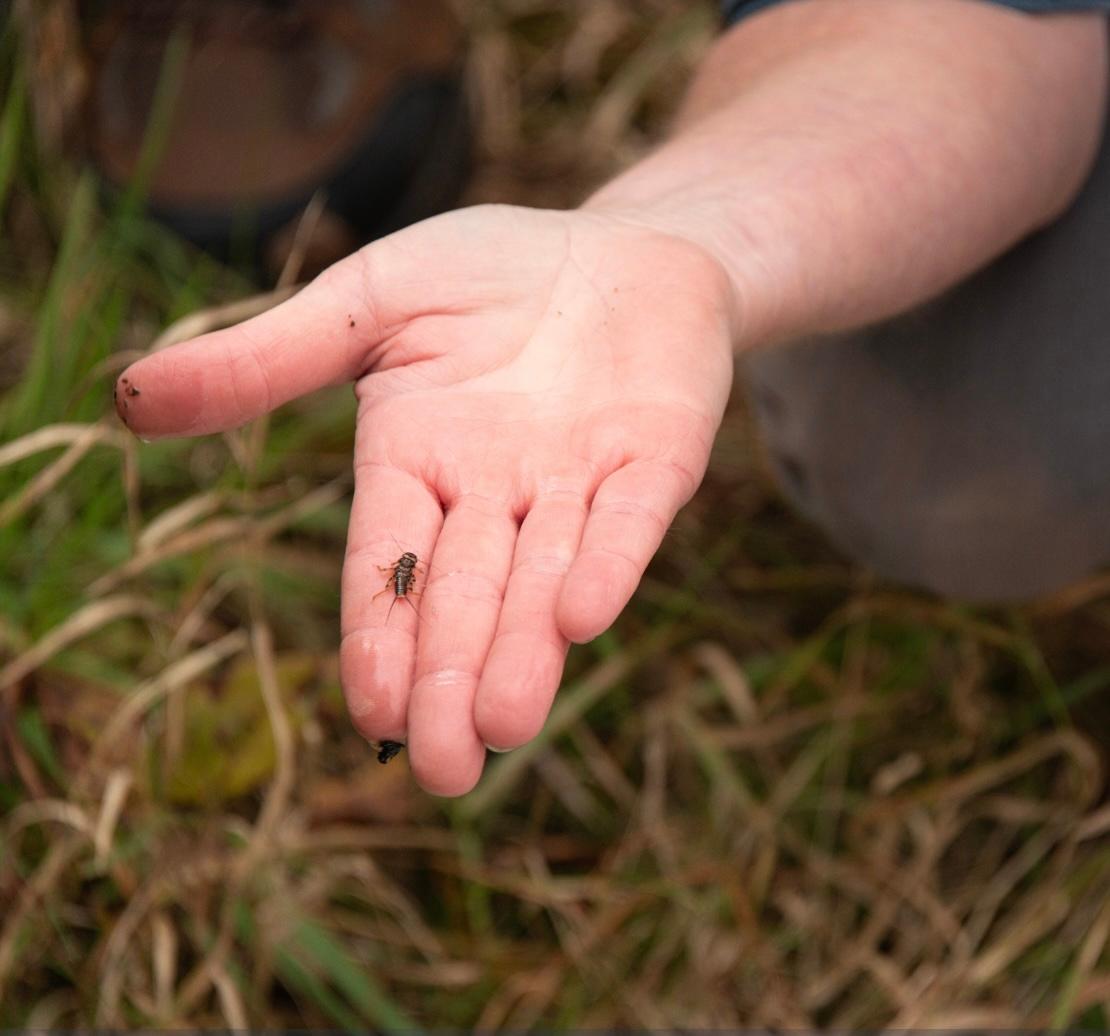
Small wildlife such as insects can go unnoticed in the landscape, yet they have vital ecological functions. Join Isabella for a walk to observe the insects that live within ChicoryLane, with an emphasis on wild pollinators, especially native bees. Others that we might encounter include caterpillars (insect larvae), early butterflies such as swallowtails, beetles, mayflies, ants and wasps. Isabella will explain how human actions influence insect life. Photo credit Bill Rathfon
| | |
1:30 PM (Concurrent Session)
ChicoryLane Foundation and Reserve: Questions, Answers, and Discussion
Foundation directors, volunteers, and staff will answer questions and to talk informally on topics such as:
- why providing long-term protection of land is important
- how you can conserve land as owner or volunteer
- what a conservation easement does
- history of ChicoryLane from forest to farm to conserved land managed by a nonprofit private operating foundation
| |
3:00 PM (Concurrent Session)
Woodcock Daylight Habitat, with Adam Smith
Biologist, US Fish and Wildlife
Adam will lead a daylight walk to terrain where Woodcocks live-- thickets where they roost, wet meadows and shaded areas where they forage for earth worms, and muddy places where we have seen them during daylight hours. You might see a female with chicks scurrying through light brush.
| |
3:00 PM (Concurrent Session)
Native Herbaceous Plant Walk, with James Lesher
ChicoryLane Reserve Land Manager
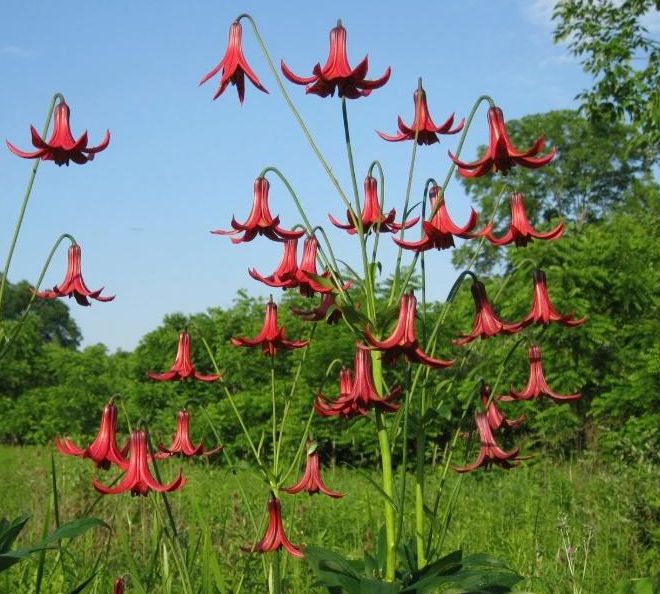
James recalls why he came to work at ChicoryLane and previews what he will show us on his walk. “During a 1993 study of riparian areas along Spring Creek I found a breathtaking, bounded stand of yellow Canada lilies. On my first visit to ChicoryLane in 1997, I discovered red Canada lilies. They became a harbinger for other perennials: year after year I discovered and identified, one after another--spring ephemerals, early summer bloomers, peak season bloomers. Their locations helped us understand the varied ecological environments on site from cool dark north slopes to sunny open wet meadows. The seed bank offered more locations and native species, year after year. We were inspired to enhance the natives by propagating seeds, dividing plants, adding plants, and controlling competing invasives.”
| | Engaging the Natural Landscape | | |
SUNDAY, May 17
ChicoryLane Reserve
Spring Mills, PA
| | |
10:00 AM - 4:00 PM
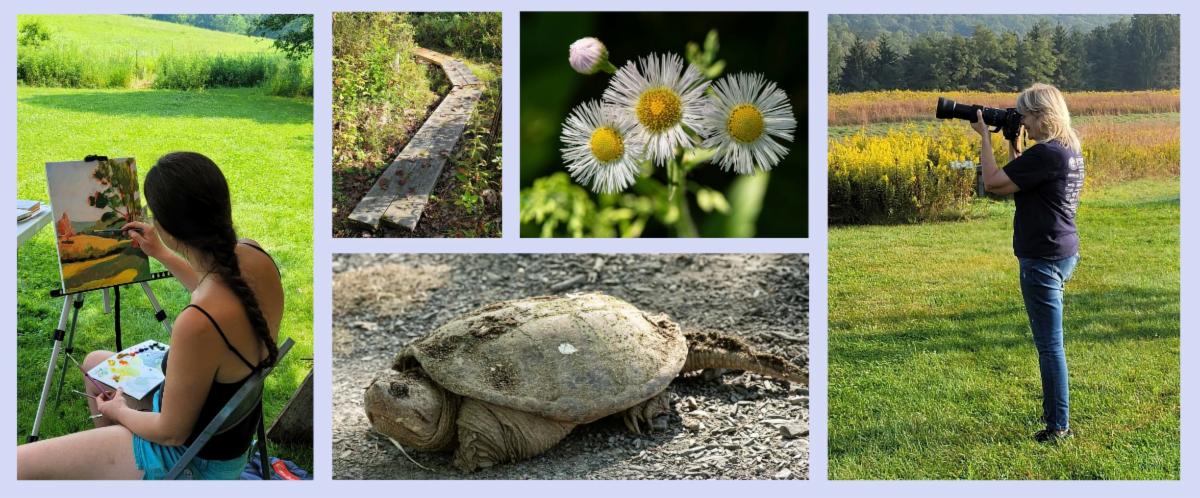
While Saturday’s emphasis is learning, Sunday’s emphasis is engaging – looking or listening closely, observing detail, slowing down, taking the time to watch and hear things happening, let things happen in the setting and in the mind. Painting, drawing, photographing, writing, sitting and observing, contemplation, slow walking are all encouraged but not required. Whatever can lead you away from routine and toward an expanded awareness of the landscape of which you are one part. Bring binoculars, painting or drawing or writing tools if you will need them. Rest and reflect on Aldo Leopold benches along the trails or beside the waterways. Maps, signage, and volunteers will help you find your outdoor space for solitude or quiet group interaction with the land. Photo credit, Field Daisy (Bellis perennis) and snapping turtle (Chelydra serpentina): Bill Rathfon
| | This Symposium schedule, with links to registration, is also available at chicorylane.com | | This event is hosted by ChicoryLane Foundation, a 501(c)(3) nonprofit Private Operating Foundation in Pennsylvania. Its mission is to promote learning, engagement, and ecological enhancement balanced with preservation through collaborative informed stewardship. | | | | |