|
|
|
IN THIS ISSUE
Policy Corner
News Feed
Training & Events
Resources
Job Announcements
| |
|
Policy Corner
Medicaid & CHIP Coverage Protections
| |
As of March 26, 2024, at least 3,396,000 children have lost Medicaid coverage since the unwinding of the COVID-era Medicaid continuous enrollment provision, though the number may be as high as 4.61 million. Many of the disenrollments, especially among children, were a result of system issues and not a loss of eligibility. The unwinding process has highlighted how simplifying and streamlining renewals may dramatically help eligible people stay covered. | |
|
|
On March 27, 2024, the Centers for Medicare & Medicaid Services (CMS) issued a final rule to standardize and improve the enrollment and renewal process to ensure Medicaid and CHIP enrollees can retain coverage. The regulations include eliminating annual and lifetime limits on children's coverage, ending the practice of locking children out of coverage if a family is unable to pay premiums, and eliminating waiting periods.
The regulation will work alongside the federal 12-month continuous eligibility expansion for all children covered by Medicaid and CHIP, effective January 1, 2024. In January 2023, 28 states had partial or no 12-month continuous eligibility policies; this new report estimates that 17 million children in these states could benefit from this policy. However, to be effective, states need to ensure that eligible children are successfully enrolled in Medicaid or CHIP.
CMS is extending the temporary special enrollment period from July 31 to November 30, 2024 to help people no longer eligible for Medicaid or CHIP transition to Marketplace coverage in states using HealthCare.gov.
To learn more about how to ensure children are adequately covered by Medicaid and CHIP, contact innovationsinstitute@uconn.edu.
Resources:
| |
HUD Report on Housing & Human Trafficking
Last month the US Department of Housing and Urban Development released a report assessing the availability and accessibility of housing and services for individuals experiencing homelessness or housing instability who are survivors of human trafficking or at risk of being trafficked.
| |
|
|
Community Corner*
Finding Healing through Horses
| |
Surrounded by prairie grasses, a half-dozen tribal youth clasped hands at the Forward Stride ranch on a muggy morning last summer as part of their recovery from harmful experiences with drugs, alcohol, and incarceration. Twice a week, 82-year-old John Doug Spence, a member of the Gros Ventre tribe and a longtime social worker, guides youth to his Indigenous-centered equine therapy to experience the "healing power of horses." Forward Stride Horse-Centered Activities and Therapies serves Indigenous children and teens in foster care, the juvenile justice system, or in recovery from substance or alcohol dependency through a method closely aligned with their culture and traditional practices. The sessions are among a growing number of equine treatment programs in the area, part of what Spence described as “a movement towards Indigenizing therapy options” for struggling youth on reservations and in foster care. Horses provide a way for indigenous youth to strengthen kinship bonds between animals, their people, and the land they’ve shared, as well to soothe hardships in their lives. Caring for horses also promotes healthy habits and positive relationship skills. “Horses were and still are healing for me, and I’m energized by the way I’m seeing it’s healing for these kids,” remarked Spence. | |
|
*Community Corner features innovative work that transforms child-, youth-, and family-serving systems and services. Send us information about your program or project to be highlighted here by emailing us at TAtelegram@uconn.edu. | | | |
Subscribe to Training Institutes email updates and get details for early registration and the call for presentations. Don't forget to save the dates. | |
| |
|
Innovations CoE Webinar
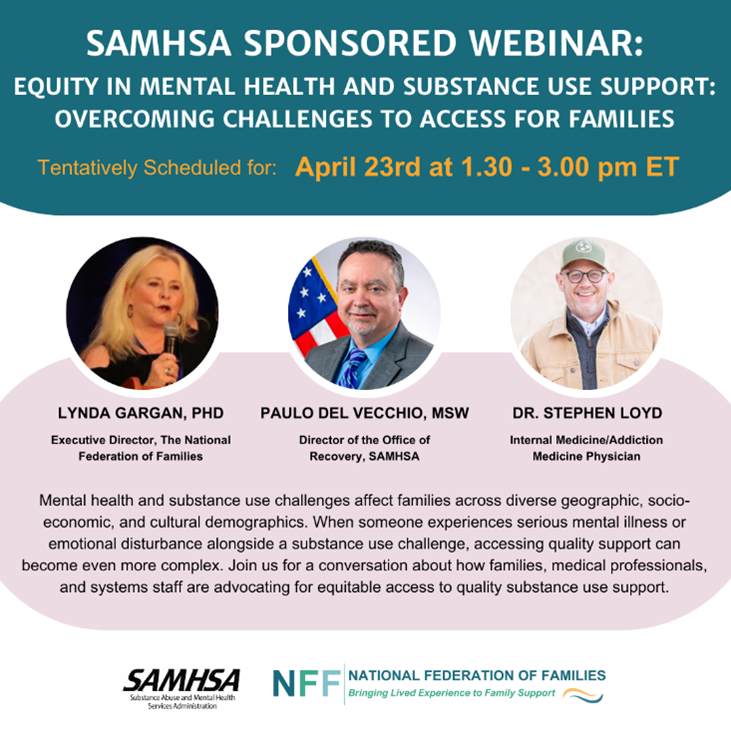
Join our Center of Excellence on LGBTQ+ Behavioral Health Equity for a session highlighting the harms that come from prohibiting access to gender affirming care for transgender youth.
Ethical Practice with Transgender Youth & Families in the Context of Bans on Gender Affirming Care in the U.S.
Register with CECs
Register without CECs
Tuesday, April 9
1:00 – 2:30 PM ET
| | |
|
Upcoming Special Webinar Series
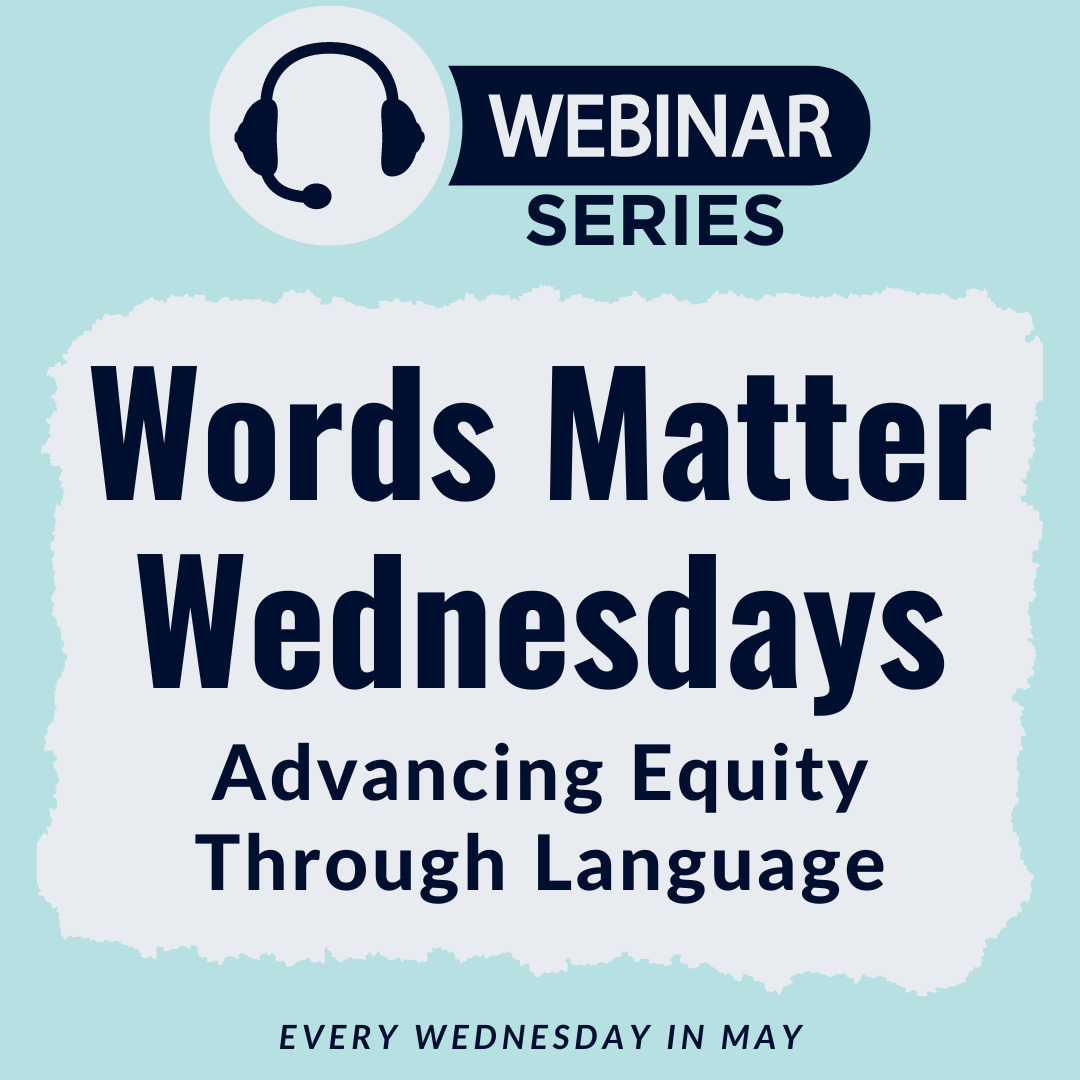
This series from the National Family Support Technical Assistance Center will explore equitable terminology that promotes social justice for populations where language has often been used to shame individuals, patronize, enforce prejudice, or limit visibility. Each session will provide updated language that helps advance equity within their population of focus.
Words Matter Wednesday: Promoting Equity for LGBTQ+ Populations Through Language
Every Wednesday in May
3:00 – 4:00 PM ET
| |
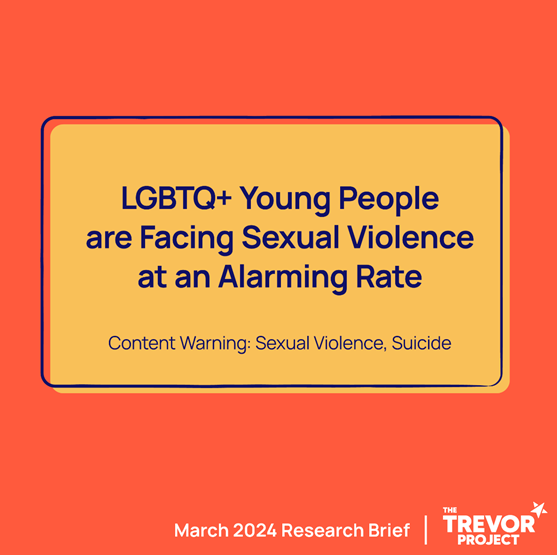
Trevor Project Brief on Sexual Violence
A new Research Brief from the Trevor Project shows that LGBTQ+ young people face sexual violence at higher rates than the general population. The data reveals that sexual violence is also associated with a significantly higher suicide risk among LGBTQ+ young people.
| |
|
|
Do you have a job opportunity you would like to share with the field?
Be sure to indicate any applicant deadlines.
| | | | |