|
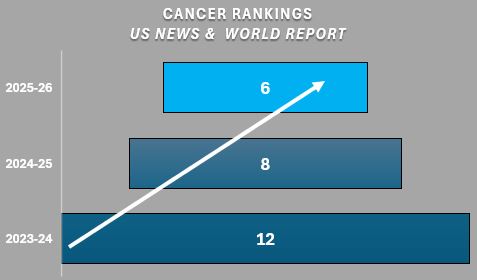
The Mount Sinai Hospital is ranked No. 6 in the nation for Cancer by U.S. News & World Report® for 2025-26.
This is an impressive improvement from No. 8 for 2024-25 and No. 12 for 2023-24.
Read More
| | |
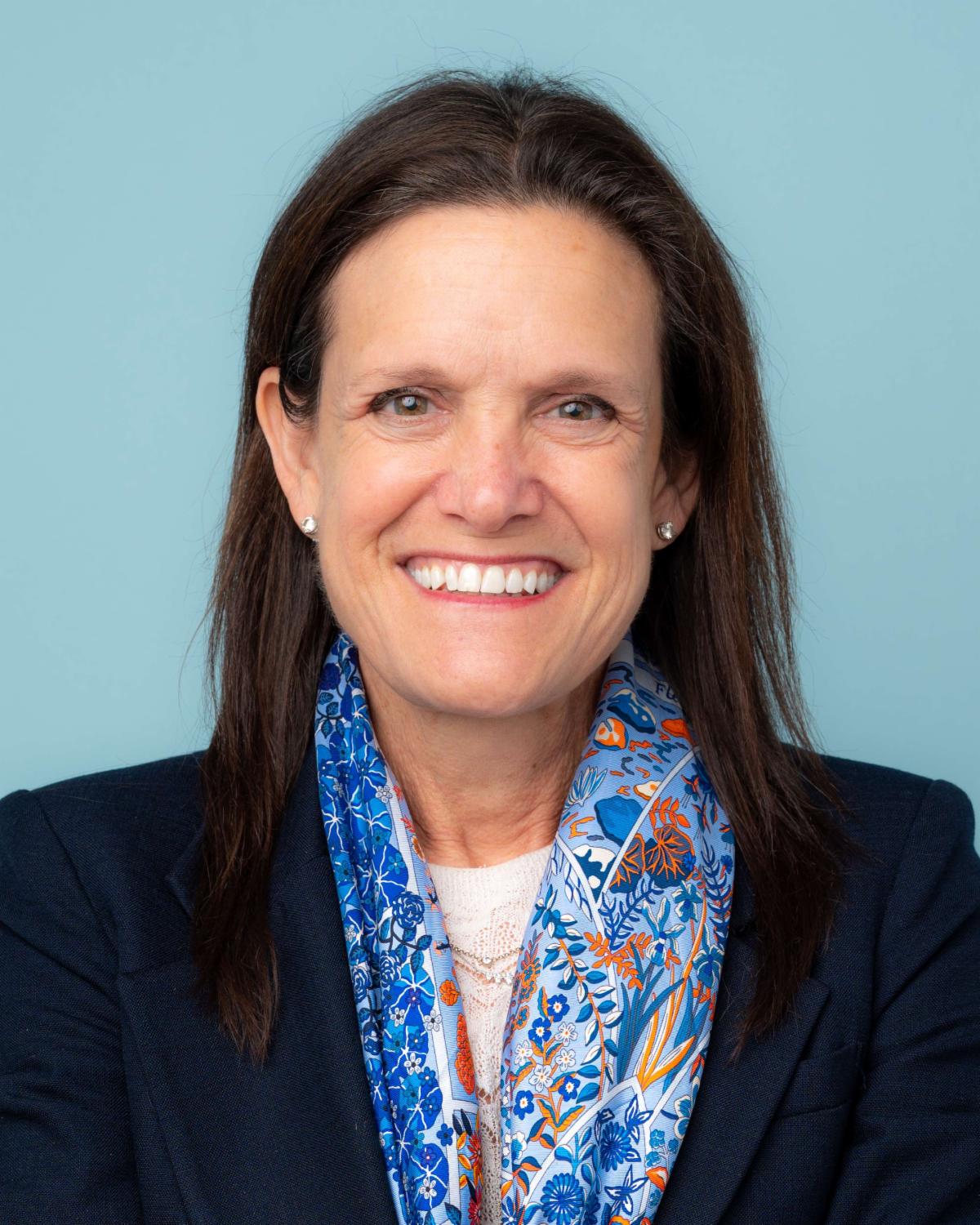
Stephanie Blank, MD, has been appointed Chair of the Gynecologic Oncology Division of the American Board of Obstetrics & Gynecology (ABOG). She will also serve as the Subspecialty Division Chair of the Board of Directors. Dr. Blank has been an OB-GYN Examiner since 2000, a Gynecologic Oncology Examiner since 2015, and has served on the ABOG Gynecologic Oncology Division since 2019.
ABOG Announcement
| | |
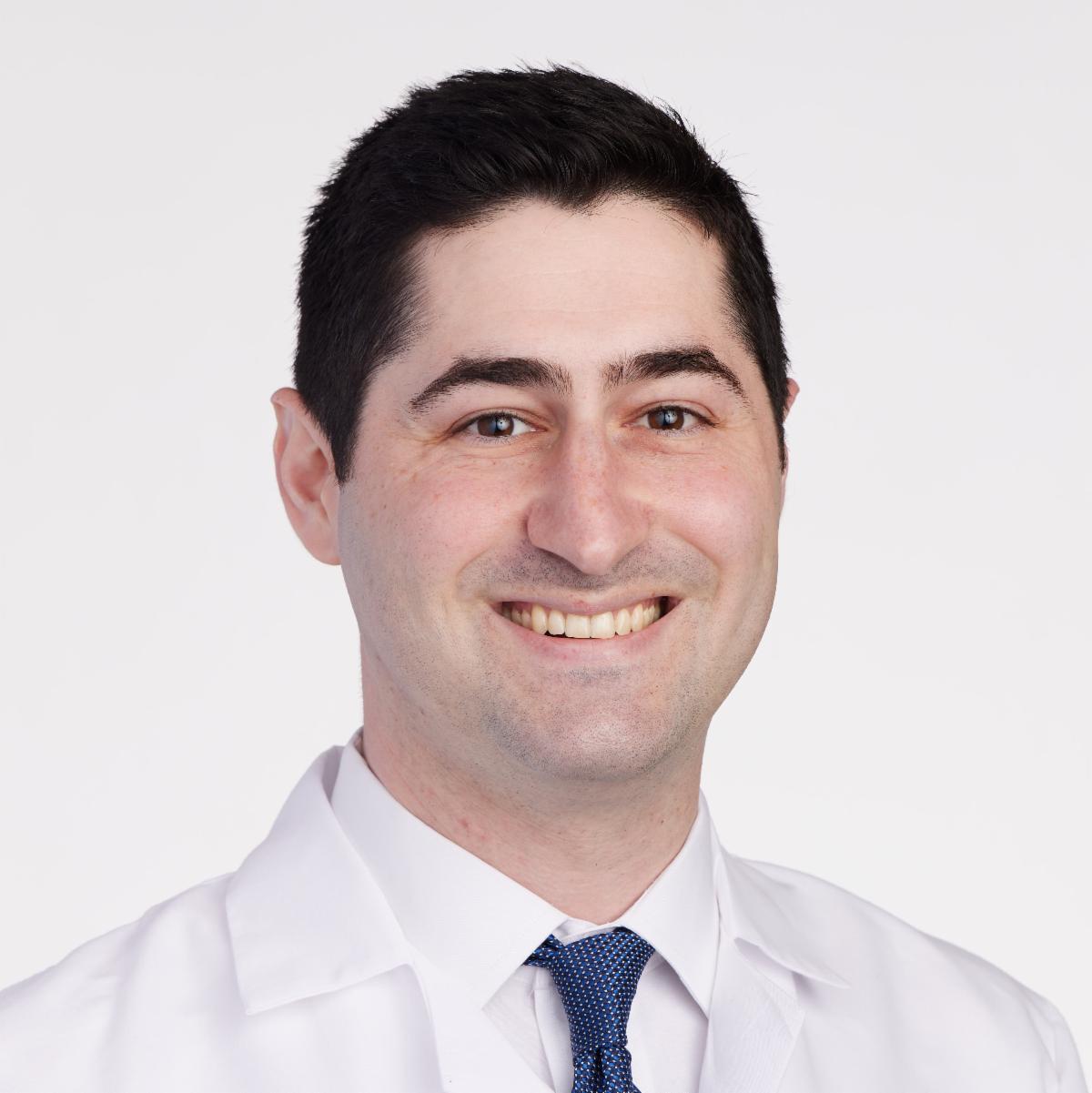
Daniel Nathan, MD, has moved from Instructor to Assistant Professor in the Division of Hematology and Medical Oncology. He sees patients at Mount Sinai-Union Square and the Ruttenberg Treatment Center with a focus on benign hematology, myeloproliferative neoplasms, and clonal hematopoiesis. Dr. Nathan earned his MD with Distinction in Research in Basic/Translational Science from Albert Einstein College of Medicine. He completed residency in Internal Medicine and fellowship in Hematology and Medical Oncology at the Icahn School of Medicine at Mount Sinai. As Instructor during the 2024-2025 academic year, Dr. Nathan was on a T32 grant in Cancer Prevention and Control and then the K12 TCI Paul Calabresi Career Development Award for Clinical Oncology with mentorship by Bridget Marcellino, MD, PhD and Ronald Hoffman, MD.
| | |
Stephen Bohlman, MD, PhD, has joined Mount Sinai as Assistant Professor of Medicine (Hematology and Medical Oncology). He sees patients with genitourinary cancers, particularly prostate and bladder cancers, at the Ruttenberg Treatment Center. Dr. Bohlman completed his Internal Medicine residency at Montefiore Einstein and a Hematology-Oncology fellowship at NYU Langone Health. He earned his MD and a PhD in Cancer Biology from the Icahn School of Medicine at Mount Sinai. Dr. Bohlman’s PhD research, under the mentorship of James Manfredi, PhD, was focused on the mechanisms by which CDK4 and MDM2 gene amplification contributes to tumorigenesis.
| | |
Eric Miller, MD, has joined Mount Sinai as Assistant Professor of Medicine (Hematology and Medical Oncology). He sees patients at the Ruttenberg Treatment with a focus on genitourinary cancers, particularly prostate and bladder cancers. Dr. Miller earned his MD from the University of Arizona College of Medicine. He completed residency in Internal Medicine at Beth Israel Deaconess Medical Center/Harvard Medical School and fellowship in Hematology and Medical Oncology at the Icahn School of Medicine at Mount Sinai. He has been involved in clinical research related to urothelial cancer under the mentorship of Matthew Galsky, MD.
| | |
Jonathan Anker, MD, PhD, has been appointed as Instructor in the Division of Hematology and Medical Oncology. He provides clinical services and conducts research focused on genitourinary medical oncology. Dr. Anker completed his residency in Internal Medicine and fellowship in Hematology and Medical Oncology at the Icahn School of Medicine at Mount Sinai. He earned his MD and a PhD in Life Sciences from Northwestern University. Dr. Anker has been Principal Investigator on multiple grant awards, including a Conquer Cancer Young Investigator Award and a Young Investigator Award from the Bladder Cancer Advocacy Network. His research at Mount Sinai, under the mentorship of Matthew Galsky, MD, and Nina Bhardwaj, MD, PhD, has been related to tumor immunology and immunotherapy for urothelial cancer.
| |
 | | James Manfredi, PhD, is Program Director of a newly awarded P01 from the National Cancer Institute: “Mutant p53 in Tumorigenesis, Invasion, and Metastasis." The P01 research is focused on elucidating the way in which mutation of the tumor suppressor p53 confers oncogenic activity, thereby promoting tumorigenesis and metastasis. The long-term goal is to utilize this knowledge to improve diagnosis and design novel targeted therapies for a wide variety of human cancers. Project leaders are from Mount Sinai, Memorial Sloan Kettering, MIT, and Columbia; the cores are based at Mount Sinai. Dr. Manfredi is the leader of the administrative core and, with Emily Bernstein, PhD, is project leader for “Mechanisms of Transcriptional Regulation by Mutant P53.” Dr. Bernstein is also leader of the core, “Epigenomics of Mutant p53” with the participation of Dan Hasson, PhD. Jian Jin, PhD, is a co-Investigator on another project, “Mechanisms of the Gain-of-functions of p53 mutants and the effects by USP7 PROTAC."
| | |
Cathi Pfleger, PhD, was awarded R21 grant funding from the National Cancer Institute for “A Drosophila Model for Aromatase Inhibitor-induced Musculoskeletal Pain.” Aromatase Inhibitors (AIs) letrozole, anastrozole, and exemestane are used to treat hormone receptor-positive breast cancer. AIs can cause painful and incapacitating side effects prompting patients to discontinue therapy. This project will use Drosophila genetics to identify genetic predisposition to adverse side effects for each AI, enabling clinicians to match patients with a specific AI most likely to be tolerated and will screen therapeutics to identify co-therapies that ease adverse side effects. These efforts will help patients continue AI therapy.
Dr. Pfleger also received a Department of Defense Idea Award for “Drosophila Models of Class 1 and Class 2 Uveal Melanoma for Phenotypic Characterization and Drug Screening.” Uveal melanoma (UM) is the most common primary cancer in the eye. Half of UM patients present with metastatic disease for which there is currently no effective treatment. UM often develops from mutational activation of GNAQ followed by secondary mutations in SF3B1 (Class 1) or loss of BAP1 (Class 2). This project will model these alterations in flies to identify the dysregulation of specific signaling networks and to screen for therapeutics. These studies could lead to effective treatment to reduce mortality from metastatic UM.
| | |
Hanna Irie, MD, PhD, received Twisted Pink’s Metastatic Breast Cancer Impact Award, powered by Conquer Cancer’s EveryGrant®, for her work investigating a new compound that targets cancer stem cells with promising activity against triple negative breast cancer (TNBC) metastases. This collaborative study with E. Premkumar Reddy, PhD, and Isabelle Germano, MD, will test the multi-kinase inhibitor molecule 108600 for efficacy against brain metastases created in mouse models and against cells derived from patient brain metastases. Findings could lead to a new treatment option for patients with TNBC brain metastases and dramatic improvements in TNBC patient outcomes.
Read More
| | |
Cancer Genomics Technology Shared Resource: 2025 Updates
The Cancer Genomics Technology Shared Resource (CGTSR) supports access to state-of-the-art, multi-modal genomic tools to accelerate discovery and meet the most demanding scientific and clinical challenges. Enhancements in 2025 include:
- Expanded expertise in the design, execution and analysis of single cell-resolved whole transcriptome Visium-HD and in situ resolution targeted Xenium platforms to support diverse cancer and non-cancer translational applications
- Validation of Element AVITI24 Teton Cyto-profiling platform, enabling perturbational biology studies that directly link single-cell morphology and staining to high-throughput gene expression
- Validation of Element AVITI platform which delivers moderate-throughput data with enhancement in sequencing accuracy and read length
- Volta Labs Calisto system, providing 24-plex, autonomous droplet-based DNA extraction workflows—well-suited for streamlining sample preparation and expanding accessibility for high-resolution genomics
- Support of PacBio’s SPRQ chemistry on the Revio platform, enabling long-read WGS sequencing from low inputs with greater sequencing output
For more information, contact Robert Sebra, PhD, Director of CGTSR, or Jerry Edward Chipuk, PhD, Associate Director of Shared Resources at The Tisch Cancer Institute.
| | |
Parissa Tabrizian, MD, and Josep Llovet, MD, PhD, with the liver cancer research program—a global leader in advancing liver transplant strategies for hepatocellular carcinoma (HCC)—have launched a new feasibility trial combining Y90 radioembolization with immunotherapy (atezolizumab + bevacizumab) for patients with HCC. The study includes two patient cohorts: those within Milan Criteria with elevated alpha-fetoprotein, and those beyond Milan Criteria eligible for downstaging. This approach aims to reduce transplant waitlist dropout, improve tumor response, and enhance long-term outcomes.
NCT07059494: Atezolizumab and Bevacizumab in Combination with Y^90 Radioembolization for Patients with Hepatocellular Carcinoma for Liver Transplantation
For referrals, contact Dr. Tabrizian at 212-659-8084.
| | |
Mrittika Chattopadhyay, PhD; Edmund Charles Jenkins, PhD; Doris Germain, PhD, and colleague
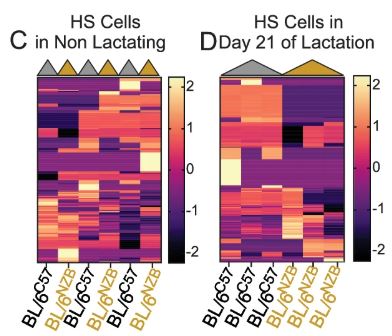
Differential ER Stress Responses During Lactation and Postpartum Outcomes in Mice Depending on Their Mitochondrial Genotype
Nature Communications. 2025 Jul 11. PMID: 40645964
This study addressed the question of why breastfeeding confers protection against breast cancer for some women but not others. Dr. Germain and team studied female mice that had the same basic DNA but different types of mitochondria and found that mitochondrial haplotypes impact the fundamental biology of lactation, resulting in a pro- versus anti-tumorigenic environment. Results show the link of endoplasmic reticulum-stress to the regulation of the cell cycle and p53 and the pivotal role of the duration of the stress into whether the outcome will be pro- versus anti-apoptotic in the physiological setting of lactation. Findings also suggest a potential dietary intervention to reverse the pro-tumorigenic response to lactation into an anti-tumorigenic response.
Press Release
| | |
Adam Kittai, MD, and colleagues
International Consensus Statement on Diagnosis, Evaluation, and Research of Richter Transformation: The ERIC Recommendations
Blood. 2025 Jul 17. PMID: 40239121
Dr. Kittai led an international group of experts to develop consensus recommendations for clinical procedures for and future research on Richter transformation (RT), an aggressive lymphoma that can emerge in patients with chronic lymphocytic leukemia/small lymphocytic lymphoma. Because RT is rare and no effective standard treatment exists, cooperative clinical trials are preferred for making progress in treatment advancements. Continued research on the pathobiology of RT is expected to improve therapeutic options and outcomes.
| | |
Gabriele Campanella, PhD, and colleagues
Real-world Deployment of a Fine-tuned Pathology Foundation Model for Lung Cancer Biomarker Detection
Nature Medicine. 2025 Jul 9. PMID: 40634781
This study represents a successful demonstration of a real-time, clinically validated computational pathology model for detecting mutations in the EGFR gene, which can drive cancer growth, in lung adenocarcinoma. By leveraging the strengths of foundation models and validating the model in a prospective interactive response technology setting, the research team has established a benchmark for clinical-level performance in computational pathology. Insights gained from the study provide a roadmap for the integration of artificial intelligence into clinical pathology and highlight the transformative potential of computational biomarkers for precision oncology.
Press Release
| | Community Voice in Research | | |
The Community Outreach and Engagement (COE) Program at The Tisch Cancer Institute (TCI) aims to mitigate health disparities across the cancer care continuum and lessen the cancer burden in New York City by linking TCI researchers and the communities being served. The COE team has a robust infrastructure that fosters inclusion of the community voice in research. For example, the COE can connect researchers with patients/community advocates/community organizations for collaboration and provide relevant data related to current cancer gaps.
Contact the COE for more information: MountSinaiCOE@mountsinai.org
Watch Video: How are Community Scientist Important to Research?
| | |
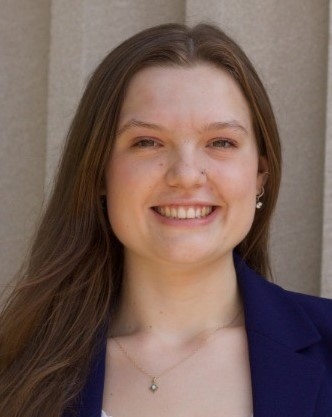
The Chipuk Laboratory hosted Ella Ryan, a rising senior at Barnard College, for Barnard’s Summer Research Institute. Ella presented her summer and senior thesis research—"Evaluating the Impact of BCL-2 Family Therapeutics on Enzalutamide-Induced Metabolic Stress and Apoptotic Sensitivity of Prostate Cancer Epithelial Cells”—on July 30 during the Lida Orzeck '68 Poster Session. She will continue her work focused on cancer cell biology and therapeutic responses with Jerry Edward Chipuk, PhD, during the 2025-26 academic year.
| | |
Do you have news for the next issue of TCI Connections?
Please send to Janet.Aronson@mountsinai.org.
Remember to share breaking news and high impact news that might be appropriate for media coverage with Diego Ortiz Quintero in the Press Office. This may include pending FDA drug/device approvals, studies/trial results being published in high-impact journals, and patient stories. The more lead time you can give Diego, the better—ideally, four weeks or when a paper is accepted by the journal. Embargoes will always be honored and news will only be released with your approval. Contact Diego at diego.ortizquintero@mountsinai.org or 201-572-5703.
| | |
Ramon Parsons, MD, PhD, Director
Janet Aronson , Editor
| | | | |