|
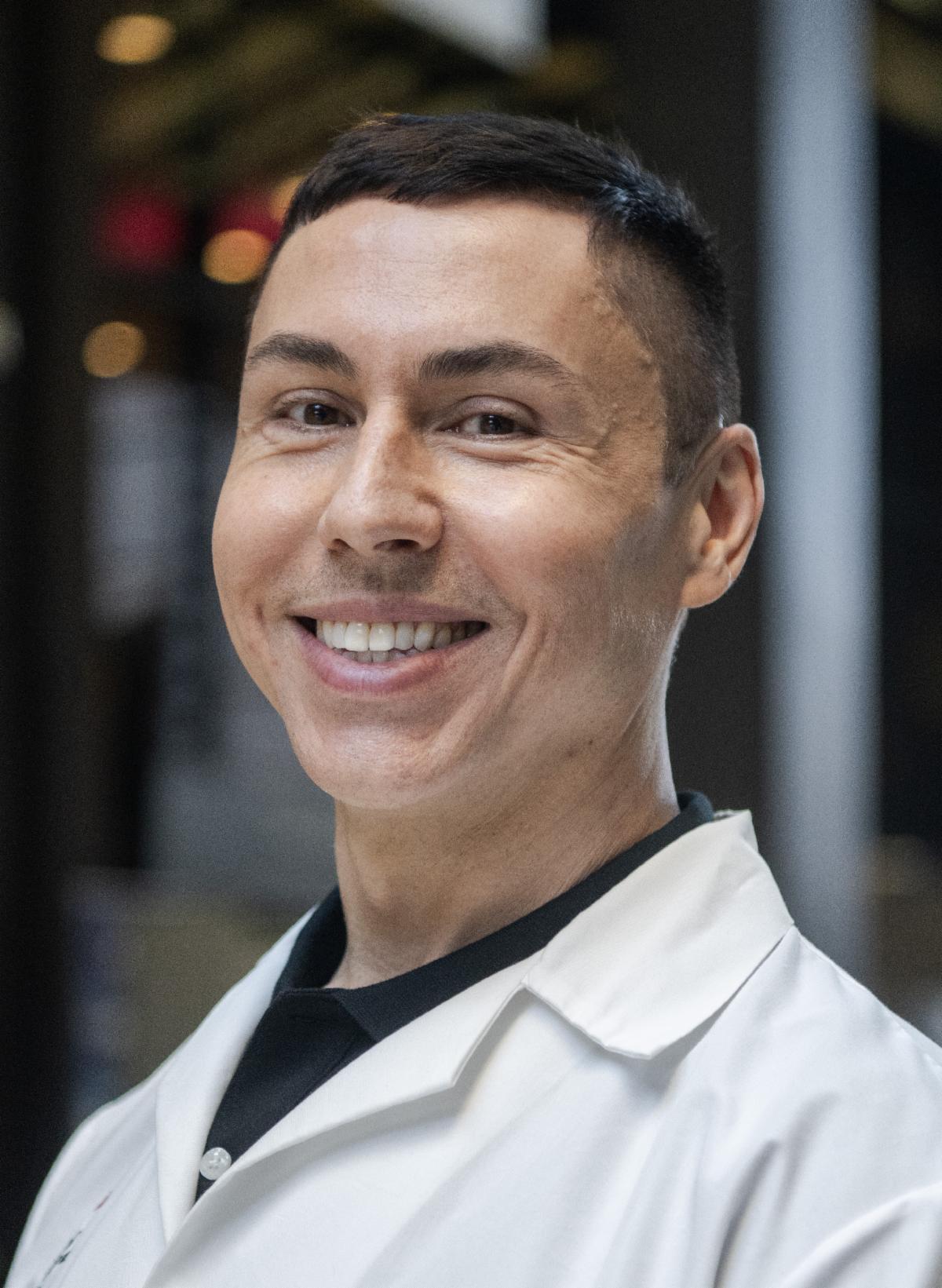
Josep Llovet, MD, PhD, and colleagues
Transarterial chemoembolisation combined with lenvatinib plus pembrolizumab versus dual placebo for unresectable, non-metastatic hepatocellular carcinoma (LEAP-012): a multicentre, randomised, double-blind, phase 3 study
Lancet. 2025 Jan 9. PMID: 39798578
This study, coordinated by Josep M Llovet, MD, PhD, Director of the Mount Sinai Liver Cancer Program, evaluated the addition of lenvatinib and pembrolizumab to transarterial chemoembolization (TACE) for patients with intermediate-stage, unresectable non-metastatic hepatocellular carcinoma. Ever since TACE was established as standard of care 20 years ago, previous attempts to combine it with systemic therapies have failed to deliver clinical benefit. This is the first study to show a statistically significant improvement in progression-free survival using a combination of a tyrosine kinase inhibitor, immunotherapy, and TACE. It addresses an unmet need in this patient population, and the new therapy will be proposed as the new standard of care in the coming Clinical Practice Guidelines.
Press Release
| |
|
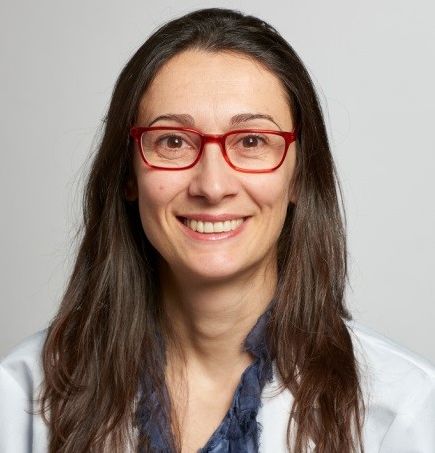
Nadejda Tsankova, MD, PhD, was awarded a five-year R01 grant from the National Institute of Neurological Disorders and Stroke to support her work on anti-invasive therapeutics in glioblastoma tumors. The project, “Harnessing YAP-TEAD Activity as Anti-Invasion Therapeutic in Human Glioblastoma,” is a continuation of her previous R01-funded research investigating the Hippo pathway but with a more translational focus. It advances prior efforts to define glioblastoma migration drivers, towards a clinically relevant goal of repurposing YAP-TEAD inhibitors as anti-invasion therapeutics, by screening for drugs with optimal oral bioavailability and preclinical efficacy and defining rational biomarkers of response across primary and recurrent tumor subtypes. Dr. Tsankova’s research is conducted in collaboration with Raymund Yong, MD (Neurosurgery), Elena Zaslavsky, PhD (Neurology) and Dolores Hambardzumyan, PhD, MBA (Oncological Sciences).
| |
|
Camillia Azimi, PhD, a member of the Merad Lab and Brown Lab, was named a 2024 Hanna Gray Fellow by the Howard Hughes Medical Institute. Dr. Azimi’s research focuses on engineering novel chimeric antigen receptors to reprogram macrophages at the disease site for targeted control of the disease. Her work seeks to expand understanding of macrophage signaling and to modulate macrophage behavior with an aim to develop new approaches in innate immunotherapy.
Awardees are selected for their demonstrated commitment to making foundation discoveries while building an inclusive culture in academic science.
| |
|
2024 TCI Developmental Fund Awardees were announced in December:
The TCI Developmental Fund Awards support translational and/or epidemiological projects that are intra- and inter-collaborations between TCI members.
| |
|
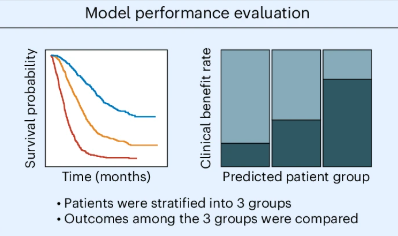
Prediction of checkpoint inhibitor immunotherapy efficacy for cancer using routine blood tests and clinical data
Nature Medicine. 2025 Jan 6. PMID: 39762425
Dr. Chowell and team developed a machine learning system, called SCORPIO, to predict whether patients across diverse cancer types will benefit from immune checkpoint inhibitors (ICIs) without having to use advanced genomic or immunologic assays. In external cohorts, SCORPIO, which relies on routine blood tests and basic clinical data, maintained robust performance in predicting ICI outcomes. It can help prioritize treatment options between ICI, cytotoxic and targeted therapies, assess the risk-benefit ratio of ICI for patients at risk of immune-related adverse events, and guide clinical trial design by selecting or enriching patients more or less likely to benefit from ICIs.
Press Release
| |
|
Jian Jin, PhD; Ramon Parsons, MD, PhD, and colleagues
Harnessing the TAF1 Acetyltransferase for Targeted Acetylation of the Tumor Suppressor p53
Advanced Science. 2024 Dec 24. PMID: 39716936
A research team led by Dr. Jin, Dr. Parsons, and Wei Gu, PhD (Columbia University) demonstrated for the first time that the acetyltransferase TAF-1 can be harnessed for development of Acetylation Targeting Chimera (AceTAC), a new technology for inducing targeted protein acetylation. The team developed MS172, the first TAF-1-recruiting AceTAC of the p53 Y220C mutant, one of the most common p53 hotspot mutants. MS172 effectively acetylated p53Y220C and suppressed proliferation and clonogenicity of cancer cells harboring the p53Y220C mutation with little toxicity in normal cells. This work expands the very limited repertoire of the acetyltransferases that can be leveraged for developing AceTACs and advances the targeted protein acetylation field.
| |
|
Alessia Baccarini, PhD; Brian Brown, PhD, and colleagues
Ovarian cancer-derived IL-4 promotes immunotherapy resistance
Cell. 2024 Dec 26. PMID: 39481380
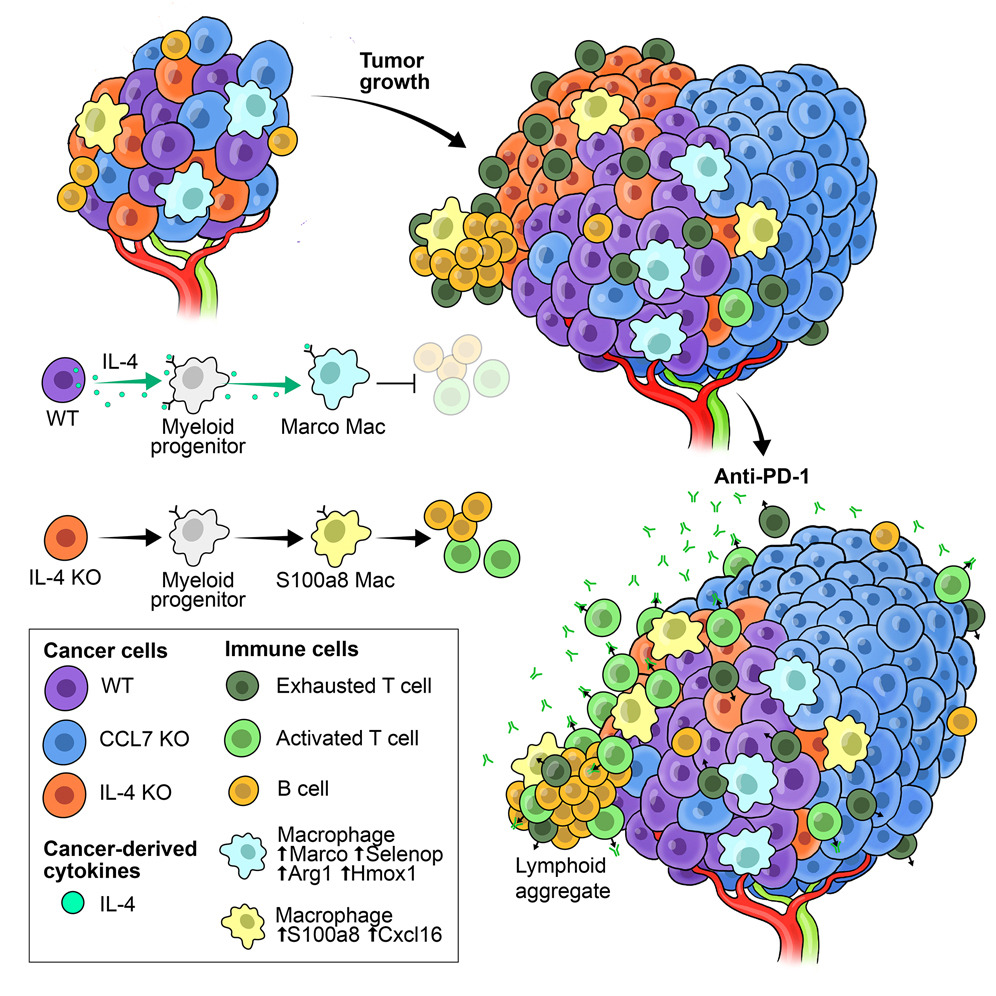
To identify regulators of ovarian cancer immunity, this study employed a spatial functional genomics screen (Perturb-map), focused on receptor/ligands hypothesized to be involved in tumor-macrophage communication. Findings show heterogeneous tumor microenvironments can emerge from localized altered expression of cancer-derived cytokines/chemokines that establish immune-rich and immune-excluded neighborhoods, which drive clone selection and immunotherapy resistance. Findings also demonstrate the potential of targeting IL-4 signaling to enhance ovarian cancer response to immunotherapy.
| |
|
Martina Barcena-Varela, PhD; Amaia Lujambio, PhD, and colleague
Precision models in hepatocellular carcinoma
Nature Reviews Gastroenterology and Hepatology. 2024 Dec 11. PMID: 39663463
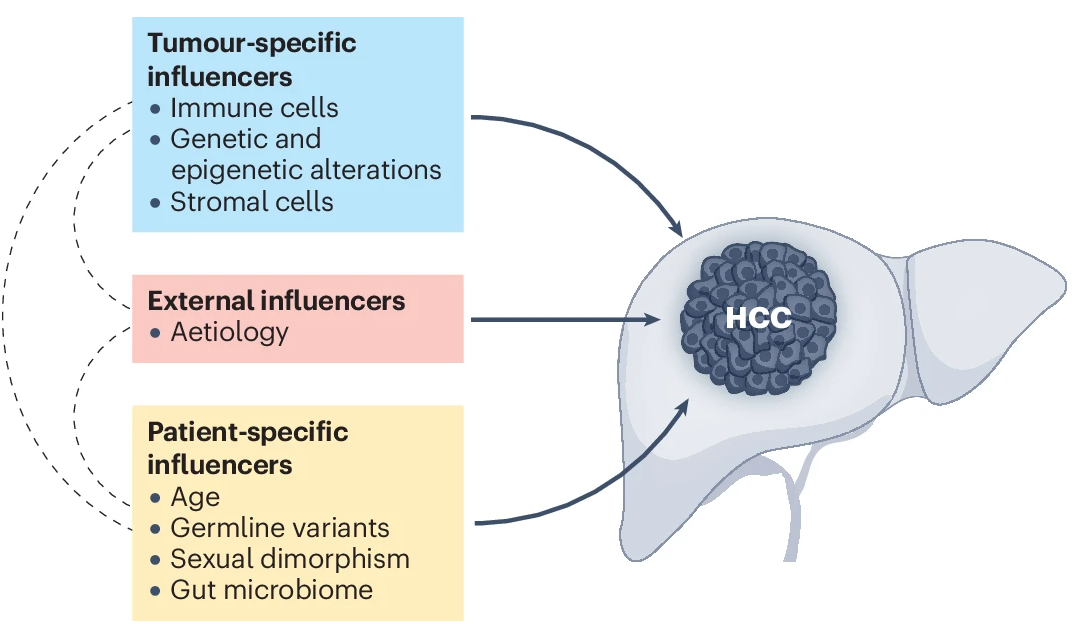
This review describes the most innovative model systems that can be harnessed to identify precision and/or personalized therapies for hepatocellular carcinoma (HCC). It provides examples of how different models have been used to nominate candidate biomarkers, their limitations, and strategies to optimize such models. The review also focuses on understanding how well different preclinical models of HCC recapitulate the distinct factors that contribute to inter-patient heterogeneity, which in turn can influence response to therapy.
| |
|
Triparna Sen, PhD; Yosuke Dotsu, MD, PhD; Virginia Corbett, MD; Utsav Sen, PhD; Philip Mack, PhD; Fred R. Hirsch, MD, PhD, and colleagues
Pulmonary neuroendocrine neoplasms: the molecular landscape, therapeutic challenges, and diagnosis and management strategies
The Lancet Oncology. 2025 Jan. PMID: 39756451
This review explores the epidemiology, diagnosis, and staging of lung neuroendocrine neoplasms to date, and the evolving molecular landscape and biomarkers. The authors outline the various clinical outcomes, therapeutic challenges, diagnosis and management strategies, ongoing clinical trials, and future directions.
| |
|
Sacha Gnjatic, PhD, and colleagues
The Society for Immunotherapy of Cancer Perspective on Tissue-Based Technologies for Immuno-Oncology Biomarker Discovery and Application
Clinical Cancer Research. 2024 Dec 3. PMID: 39625818
The Society for Immunotherapy of Cancer Biomarkers Committee summarizes important advances in biomarker technologies that support reliable classification of patient response, resistance and toxicity related to immuno-oncology care. The main technologies covered are advances in multiplex tissue staining, including proteomic profiling and transcriptomics techniques. Subsections provide a historic overview highlighting principles and details of techniques, their key metrics and ease of interpretation, limitations and recent technical improvements, and dependencies or adaptabilities for coupling to other technologies. The report highlights ongoing or completed trials utilizing the technologies and demonstrates how some provide seminal immune-oncology biomarker discoveries that may soon influence routine therapeutic regimens.
| |
|
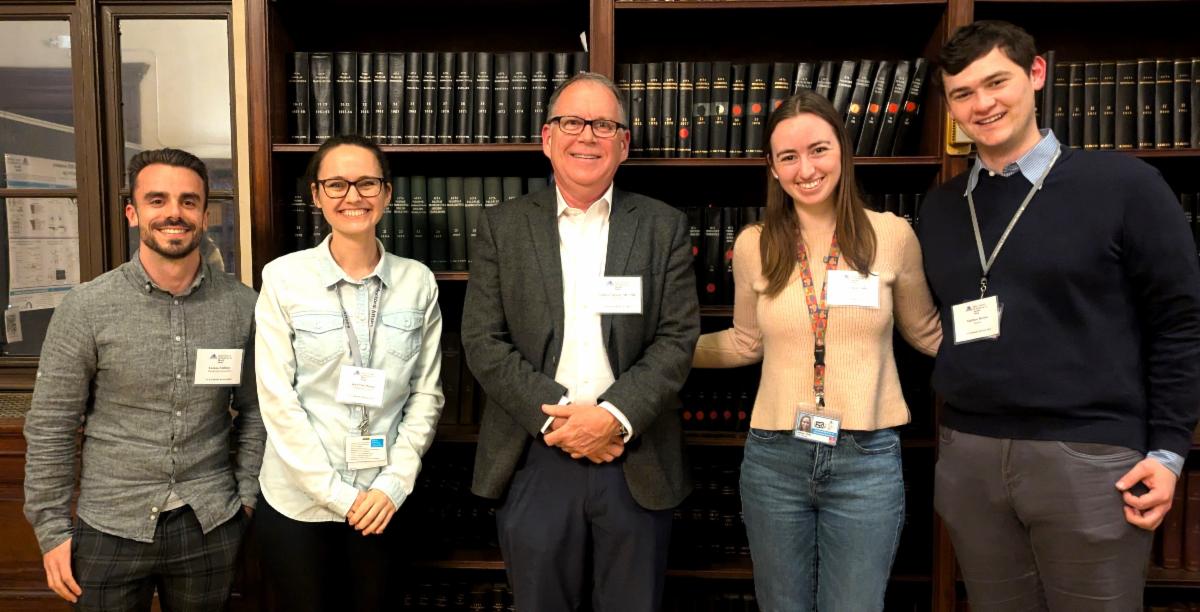
Poster award winners from the TCI Scientific Retreat, held December 6, are, from left to right (with Dr. Ramon Parsons, center), Anthony Lozano, PhD; Ana Orive-Ramos, PhD; Ashley Reid Cahn (PhD student); Matthew Brown (PhD student)
Winners not pictured: Ruben Fernandez-Rodriguez, PhD; Swarnima Singh, PhD
Winning Posters:
- Anthony Lozano, PhD (Amaia Lujambio, PhD, mentor): "MASH Selects Against Immunogenic Hepatocellular Carcinoma." Poster #34
- Ana Orive-Ramos, PhD (Poulikos Poulikakos, PhD, mentor): "Exploiting Conformation Selectivity of MAPK Inhibitors to Design RAS-mutant Selective Therapy." Poster #05
- Ashley Reid Cahn (Nicolas Vabret, PhD, and Nina Bhardwaj, MD, PhD, mentors): "Epigenetic Therapy Boosts mRNA LNP Cancer Vaccine Efficacy Through Viral Mimicry Signaling." Poster #36
- Matthew Brown (Nina Bhardwaj, MD, PhD, mentor): "Identifying Targets of Precancerous Neoantigen-specific T Cell Surveillance in Patients With Lynch Syndrome and Immune Suppression Programs Supporting Colorectal Cancer Progression." Poster #31
- Ruben Fernandez-Rodriguez, PhD (Mihaela Skobe, PhD, mentor: "Vascular Endothelial Growth Factor-C (VEGF-C) Enhances Anti-tumor Effects of Oncolytic Viral Therapy Leading to Tumor Eradication and Long-term Survival in Mouse Melanoma." Poster #11
- Swarnima Singh, PhD (Igor Bado, PhD, mentor): "Multi-faceted Role of CD83+ Macrophages in Promoting Multi-organ Metastasis in Breast." Poster #27
Poster abstracts can be found in the Scientific Retreat Program.
| |
|
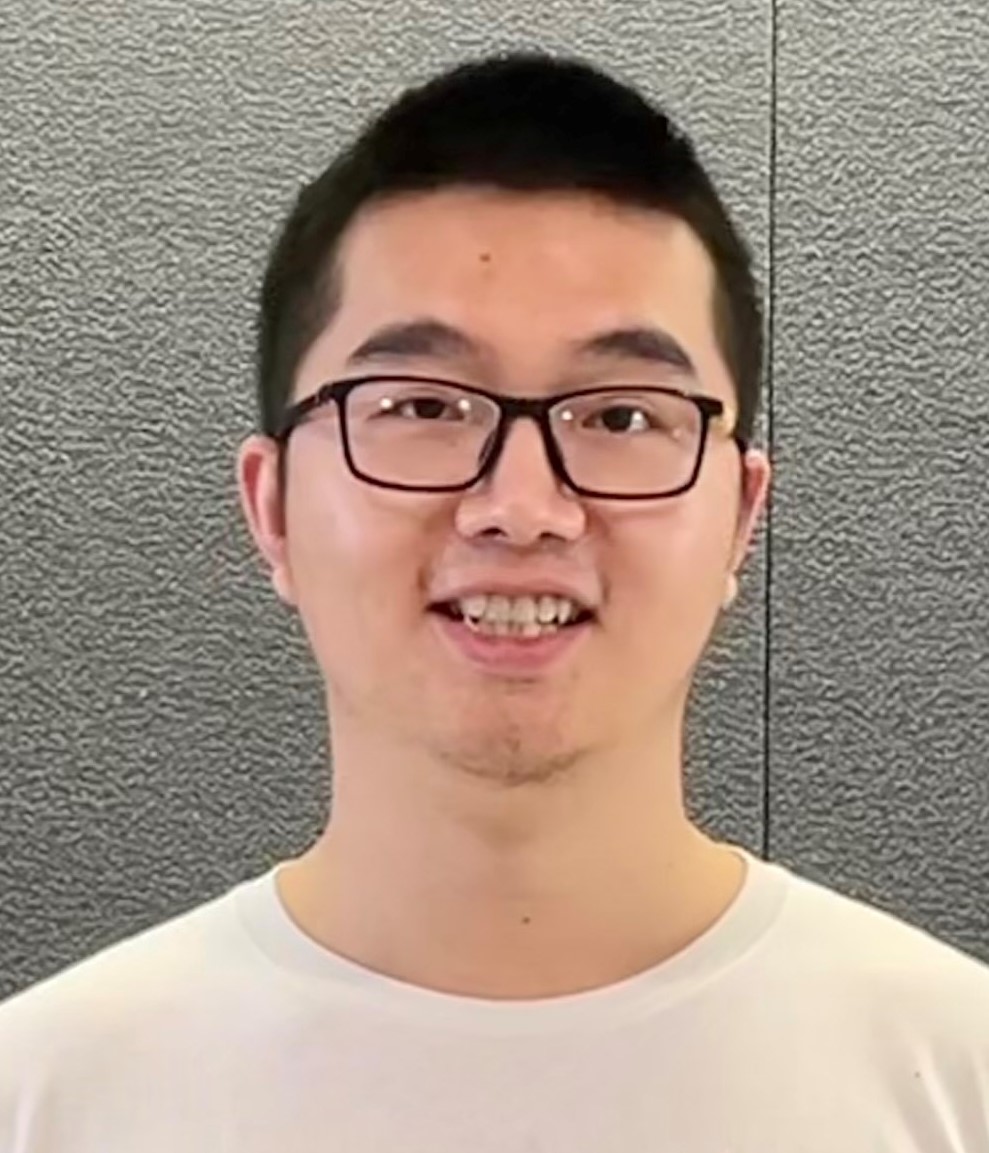
Yiyang Chen, MS, a member of the Chipuk Lab, successfully defended his PhD in the Cancer Biology multidisciplinary training area at the Graduate School of Biomedical Sciences. His degree will be conferred on January 30.
The goal of Yiyang’s project, “Targeting the BAX Actuating Funnel Potentiates membrane Permeabilization and Apoptosis,” is to determine how a mitochondria-produced lipid aldehyde interacts with BAX and impacts its activation. Efforts have led to the discovery of a previously understudied regulatory region of BAX, as well as the development of the first-in-class practical small molecule that targets this site, significantly potentiating BAX activation and promoting apoptosis. Yiyang is mentored by Jerry Edward Chipuk, PhD.
| |
|
Do you have news for the next issue of TCI Connections?
Please send to Janet.Aronson@mountsinai.org.
Remember to share breaking news and high impact news that might be appropriate for media coverage with Diego Ortiz Quintero in the Press Office. This may include pending FDA drug/device approvals, studies/trial results being published in high-impact journals, and patient stories. The more lead time you can give Diego, the better—ideally, four weeks or when a paper is accepted by the journal. Embargoes will always be honored and news will only be released with your approval. Contact Diego at deigo.ortizquintero@mountsinai.org or 201-572-5703.
| | |
Ramon Parsons, MD, PhD, Director
Janet Aronson , Editor
| | | | |