New Research Collaboration | | |
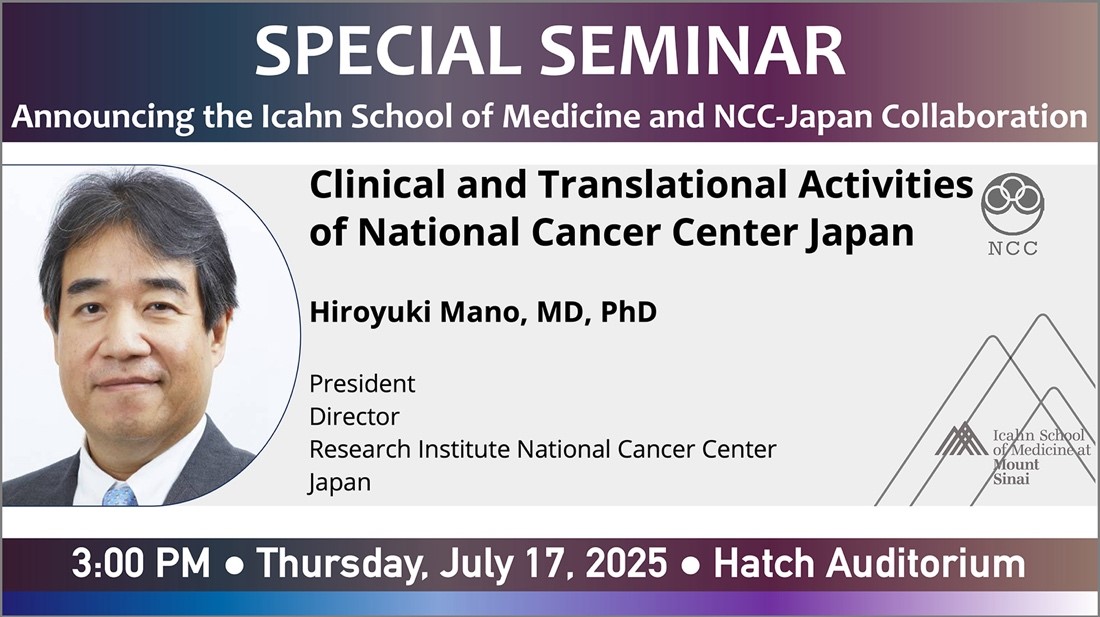
The Icahn School of Medicine at Mount Sinai and the National Cancer Center (NCC) Japan, is entering into an agreement to foster research collaborations and the exchange of postdoctoral fellows between the two institutions. To highlight this new partnership, Hiroyuki Mano, MD, PhD, President of NCC Japan, will give a special seminar titled “Clinical and Translational Activities of National Cancer Center Japan” on July 17 at 3 pm in the Hatch Auditorium.
For more information, contact Sacha Gnjatic, PhD.
| | |
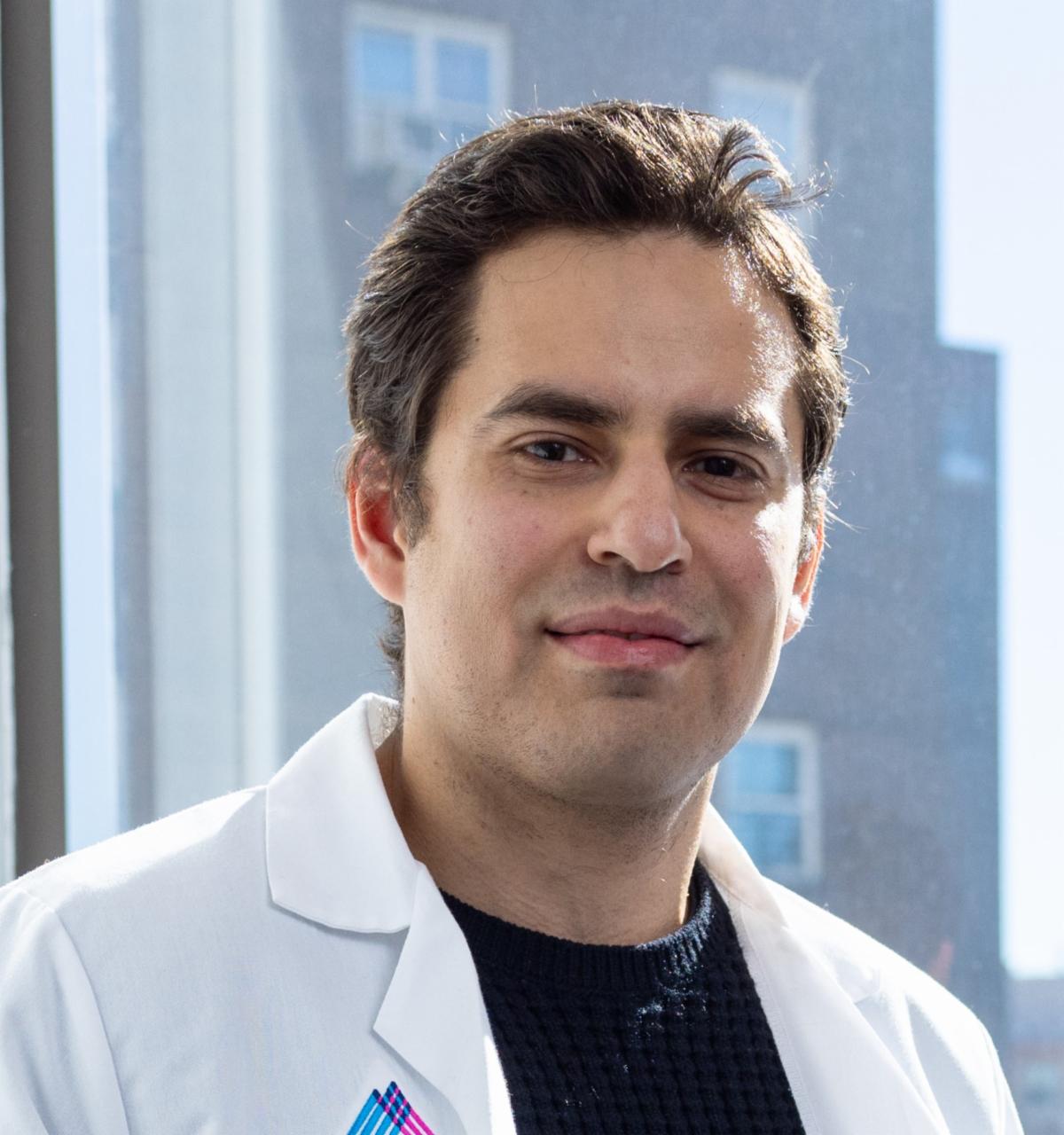
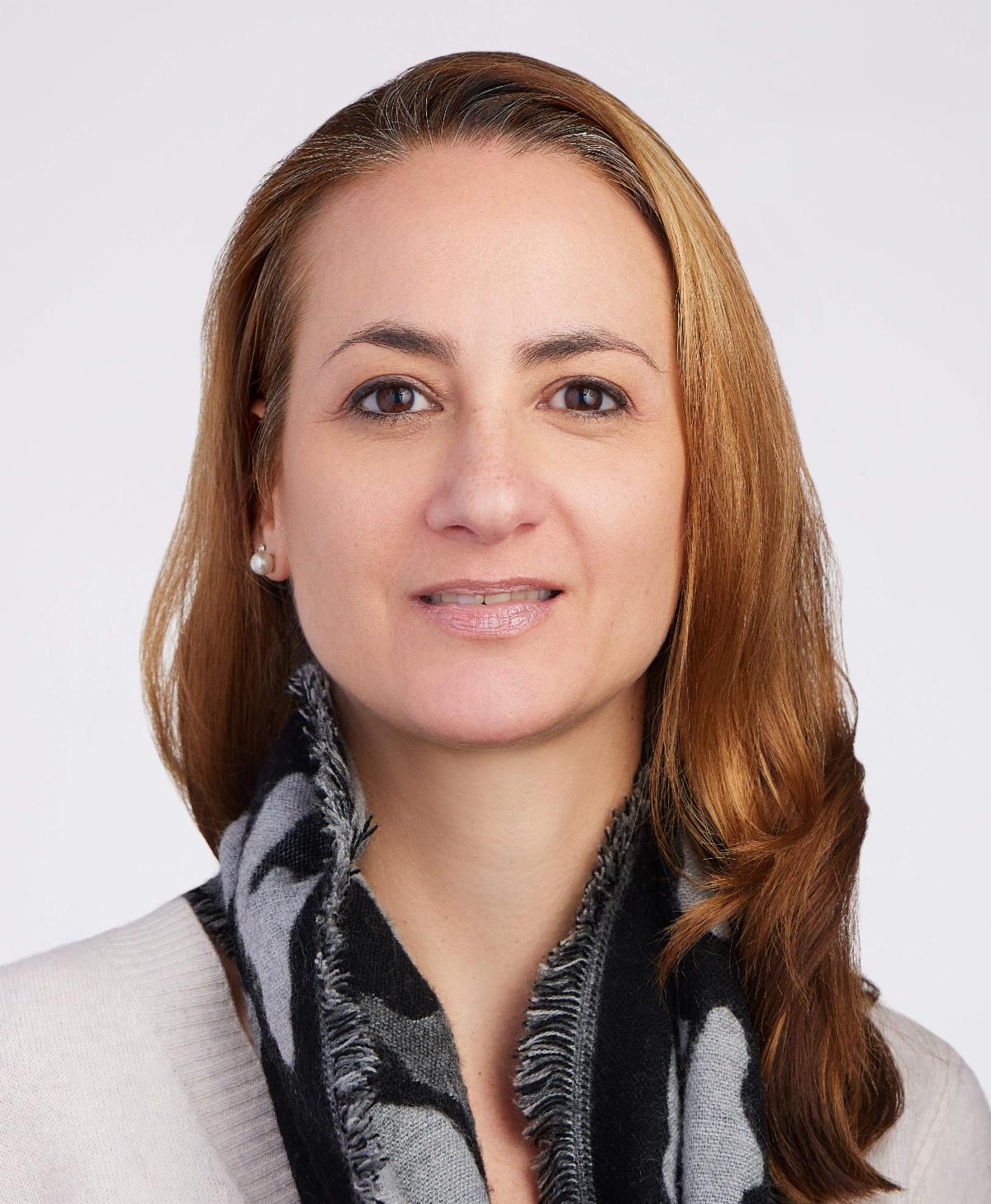
Diego Chowell, PhD, received the 2025 Dr. Harold and Golden Lamport Research Award (a Mount Sinai Special Award). The award recognizes Assistant Professors within the first five years of their appointment who demonstrate exceptional potential for making significant research contributions.
| | |
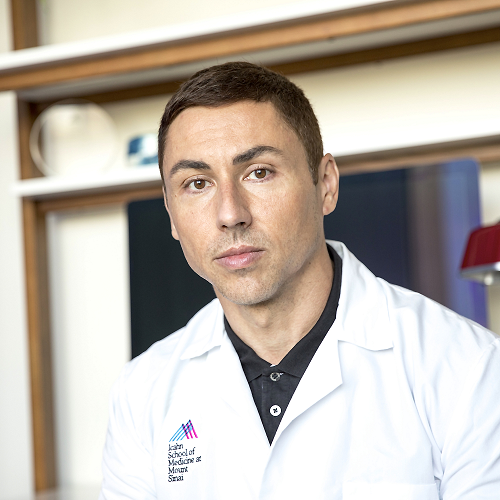
Jerry Edward Chipuk, PhD, was awarded the Lifetime Achievement Award from the International Cell Death Society at the annual meeting hosted by the National University of Singapore Yong Loo Lin School of Medicine. Dr. Chipuk’s award lecture was titled “Precisely 1.5-2 Billion Years of Mitochondrial Control in Cell Death Decisions.” Dr. Chipuk is a member of the society’s Board of Directors.
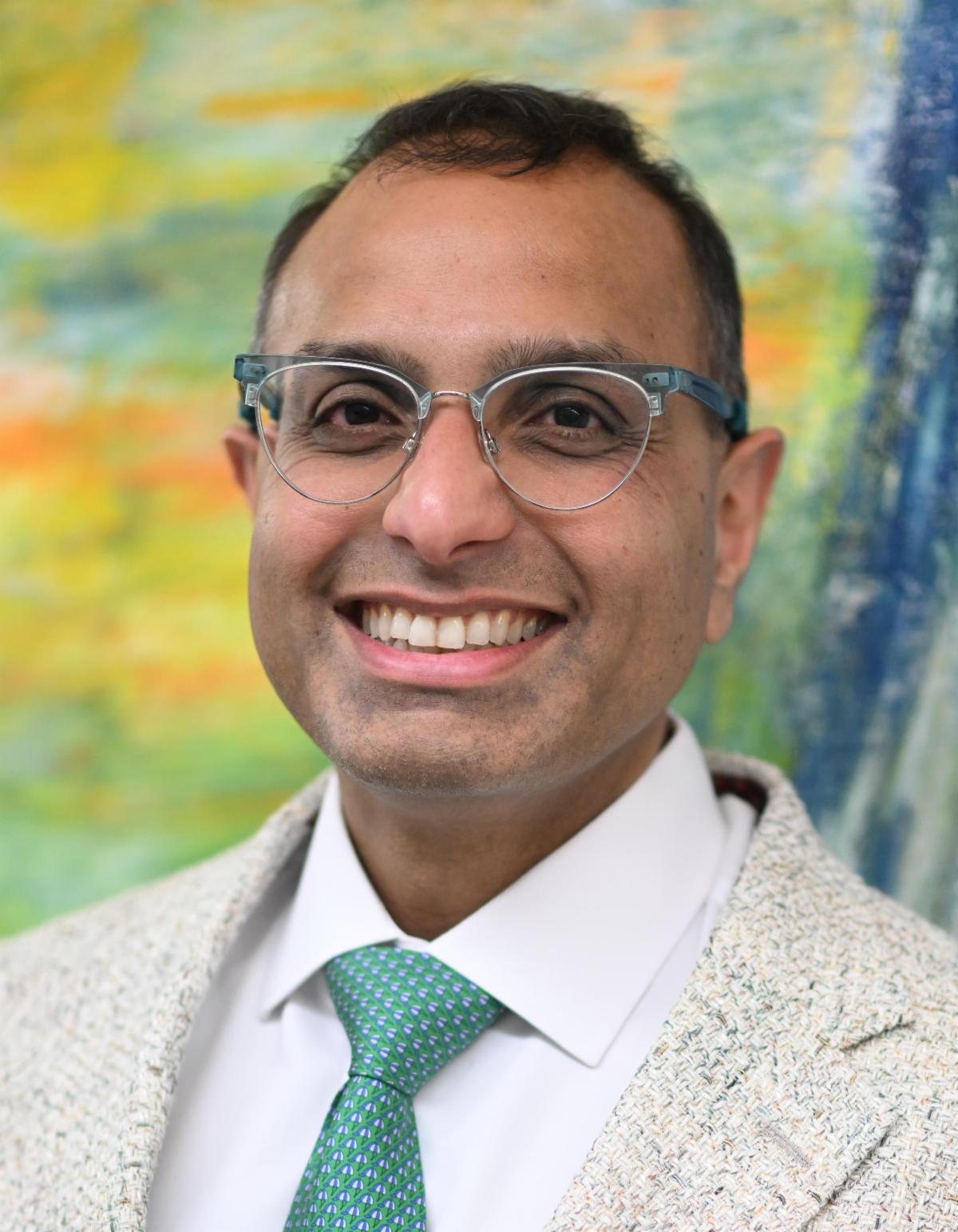
| | Jian Jin, PhD, and Samir Parekh, MD, were awarded R01 grant funding from the National Cancer Institute for “Developing Lysine Methyltransferase SETD8 Selective Inhibitors for Treating Multiple Myeloma.” SETD8, a lysine methyltransferase, is overexpressed in multiple myeloma and its high expression levels correlate to poor survival. The research team led by Dr. Jin and Dr. Parekh has generated promising preliminary findings, including the discovery of first-in-class SETD8 selective small-molecule inhibitors. In this newly funded project, the team will optimize and develop these inhibitors into potential therapeutics. | | |
Emily Bernstein, PhD, received the 2025 Merryl and James Tisch in honor of Debra Black - Established Investigator Award from the Melanoma Research Alliance for “Epigenetic Control of Melanoma Inflammatory CAFs.” Dr. Bernstein and team will focus on the role of ARID2 in metastasis using brain-tropic human melanoma cells in animal models. They will investigate the genes and pathways that allow these cells to metastasize to the brain with the goal of improving understanding of brain metastasis and informing future treatment.
| | Dr. Bernstein was named Vice Chair of the Department of Oncological Sciences in March. | | |
Eirini Papapetrou, MD, PhD, received an EvansMDS Discovery Research Grant for “Role of the Type I Interferon Pathway in the Clonal Fitness of TET2-mutant Cells.” The overall goal is to delineate the role of cell-autonomous type I interferon induction by TET2 mutations in the clonal advantage of clonal hematopoiesis stem cells. This project is related to Dr. Papapetrou’s previously funded research. EvansMDS is the primary medical funding initiative of the Edward P. Evans Foundation; it is dedicated to finding cures for myelodysplastic syndromes.
| | |
The Microscopy and Advanced Bioimaging Core (MABC) has added a Lambda Server, a computational powerhouse, to its image analysis infrastructure. With 1.5TB of RAM, 192 processing cores, and dual Nvidia L40S GPUs (48GB each), the Lambda Server is optimized for large-scale deconvolution, machine learning, and high-dimensional analysis. It complements MABC’s broad suite of computational resources, including the Acquifer HIVE system and a dedicated Linux workstation designed for high-throughput 3D analysis.
For more information, contact Deanna L. Benson, PhD, MABC Director.
| | |
A new Dean’s CoRE featuring cryo-electron microscopy—the Cryo-EM CoRE Facility—is now operational and ready to support structural analysis projects. Directed by Aneel Aggarwal, PhD, and Daniel Wacker, PhD, the facility offers state-of-the-art resources for high-resolution biology:
- Vitrobot™ Mark IV for automated grid freezing
- 200kV Thermo Scientific™ Glacios™ 2 Cryo-TEM equipped with Flacon 4i direct electron detector for data collection, ideally suited for single particle analysis in drug discovery and mechanistic studies
Rampradeep Samiappan, PhD, Core Scientist, has more than 10 years of electron microscopy experience and is available to answer questions: rampradeep.samiappan@mssm.edu.
The Cryo-EM CoRE Facility is supported in part by a NIH S10 High End Instrumentation Grant (Dr. Aggarwal, Principal Investigator).
| | |
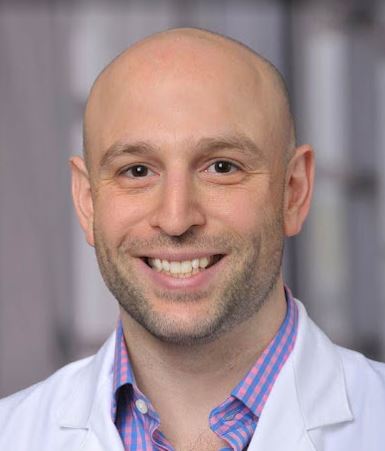
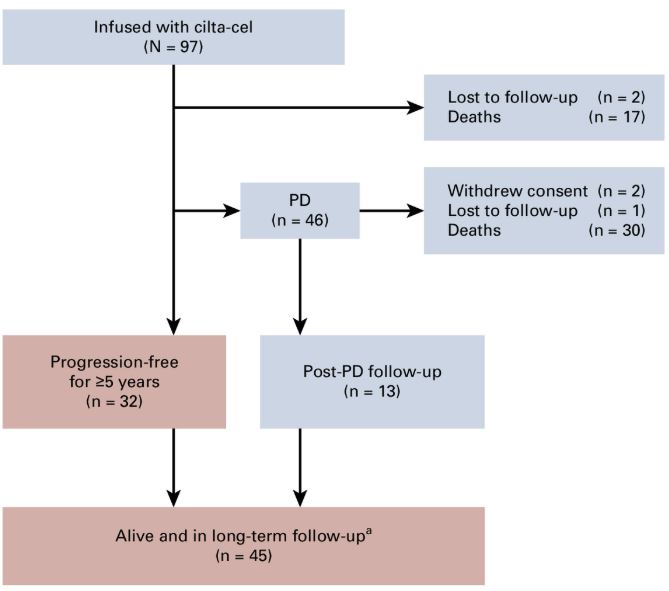
Adam Kittai, MD, Assistant Director of Lymphoma Clinical Research, and Chronic Lymphocytic Leukemia (CLL) Clinical Research Leader, is heading a new clinical trial for Richter transformation, an aggressive cancer that sometimes develops in patients with CLL. The trial—one of only two like it in the United States—tests a combination treatment of CAR T-cell therapy with zanubrutinib, a BTK inhibitor. "We’re excited about this trial because it may improve survival for people with this rare disease,” said Dr. Kittai. “And we can get patients started quickly, which is important because Richter transformation can get worse fast.”
Zanubrutinib and Lisocabtagene Maraleucel for the Treatment of Richter's Syndrome
NCT05873712
For referrals, contact Dr. Kittai or call 212-241-6756.
Press Release
| | |
Jian Jin, PhD, and colleagues
Discovery of an LSD1 PROTAC degrader
Proceedings of the National Academy of Sciences of the United States of America. 2025 May 20. PMID: 40366693
A research team led by Dr. Jian Jin and Dr. Yang Shi (with the Ludwig Institute for Cancer Research, University of Oxford) discovered the first-in-class LSD1 small-molecule degrader, MS9117, which potently and selectively degraded LSD1, a well-known lysine demethylase that is overexpressed in various cancers including acute myeloid leukemia (AML). Findings showed that MS9117 effectively targeted both catalytic and noncatalytic oncogenic functions of LSD1 and displayed superior antiproliferative effects in AML cells, compared to LSD1 catalytic inhibitors.
| | |
Hongyan Zou, MD, PhD; Roland Friedel, PhD, and colleagues
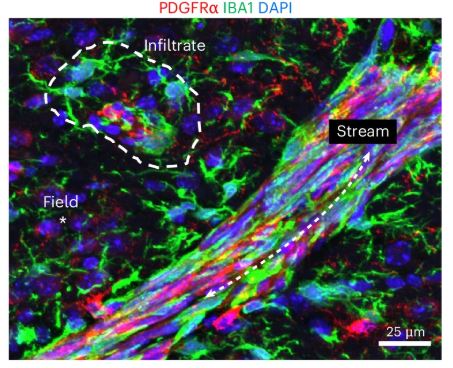
Glioblastoma shift from bulk to infiltrative growth is guided by plexin-B2-mediated microglia alignment in invasive niches
Nature Cancer. 2025 May 29. PMID: 40442367
Glioblastoma (GBM) lethality stems from uncontrolled growth and infiltration. Using an immunocompetent murine model, Dr. Friedel and colleagues mapped GBM invasion and tumor-associated microglia and macrophage (TAM) interactions. They show that microglia are mobilized ahead of invasion, transforming morphologically and functionally-first forming glial nets around tumor infiltrates and then organizing into 'oncostreams' guiding collective migration. The data provide a deeper understanding of the microanatomy and molecular structure of GBM invasion niches and how GBM co-opts TAMs and axon guidance pathways to organize invasion front for wide dissemination. Understanding these mechanisms opens new strategies for therapeutic opportunities.
| | |
Josep Llovet, MD, PhD
Role of novel immunotherapy combinations in the management of advanced-stage hepatocellular carcinoma
Nature Reviews Clinical Oncology. 2025 Jun 30. PMID: 40588495
Dr. Llovet provides a review of therapeutic approaches for the management of hepatocellular carcinoma (HCC), with a focus on immune-checkpoint inhibitors. Currently, anti-PD-(L)-1 antibodies combined with bevacizumab or anti-CTLA4 antibodies are the standard of care for advanced HCC. Positive results from phase III studies comparing combination therapies with single-TKI regimens studies have been reported. The near future will likely be dominated by triplet therapies, biomarker-driven studies, and novel treatments.
| |
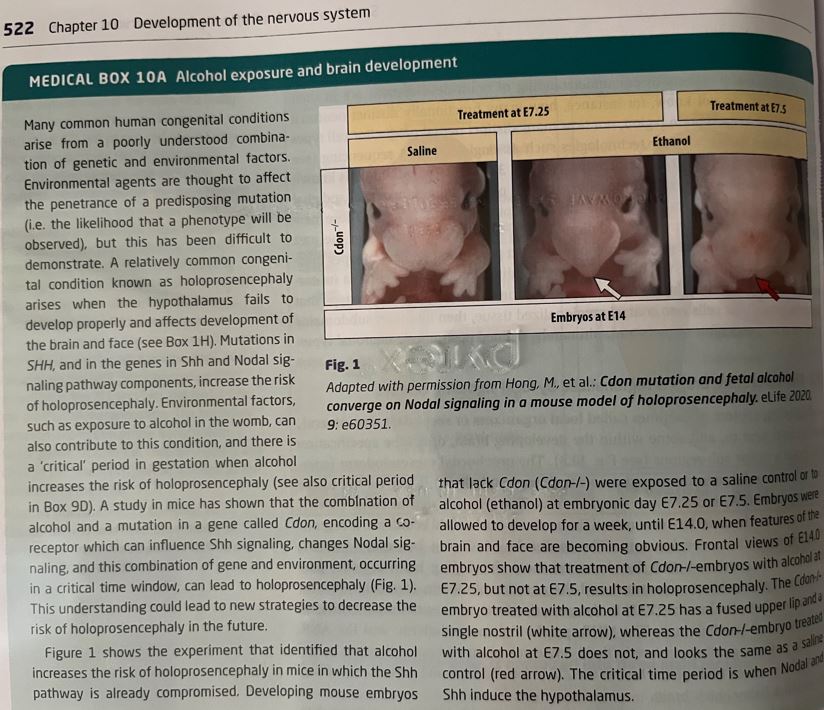
A paper by Robert Krauss, PhD, and colleagues in the journal eLife in 2020 was featured as a Medical Box in the chapter “Development of the Nervous System” in the textbook Wolpert’s Principles of Development, Seventh Edition, Oxford University Press, 2025.
Cdon mutation and fetal alcohol converge on Nodal signaling in a mouse model of holoprosencephaly
eLife. 2020 Sep 2. PMID: 32876567
| | |
TCI is pleased to host three medical students this summer who are participating in the Robert A. Winn Clinical Investigator Pathway Program (Winn CIPP), a national program out of VCU Massey Comprehensive Cancer Center designed to ignite a passion for community-engaged research. Deborah Marshall, MD, is mentoring Melissa Castillo from Michigan State University College of Human Medicine; Emanuela Taioli, MD, PhD, and Stephanie Tuminello, PhD, MPH, are team-mentoring Storm Alexander from the University of Virginia School of Medicine and Bishoy Yacoub from the Icahn School of Medicine at Mount Sinai. Janice Gabrilove, MD, and Layla Fattah, EdD, serve as champions for the program, matching faculty with the medical students, organizing curricular activities, and providing program oversight.
Winn CIPP Press Release
| | |
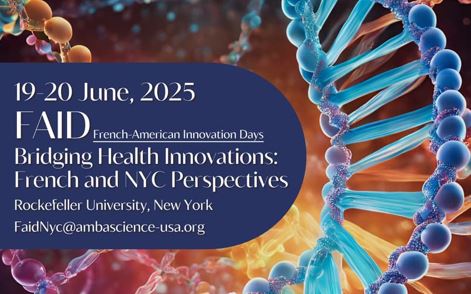
Sacha Gnjatic, PhD, presented on June 20 at Bridging Health Innovations: French and NYC Perspectives. Dr. Gnjatic spoke about OCCAM Immune in a session titled “From Campus to Company: A University Spin-Off Example.” The annual French-American Innovation Days symposium, organized in collaboration with the Office for Science and Technology of the French Embassy, aims to foster partnerships between France and the U.S. in innovation and research.
OCCAM Immune combines expertise and advanced biomarkers to optimize immunotherapy and enhance clinical trial outcomes.
| | |
Do you have news for the next issue of TCI Connections?
Please send to Janet.Aronson@mountsinai.org.
Remember to share breaking news and high impact news that might be appropriate for media coverage with Diego Ortiz Quintero in the Press Office. This may include pending FDA drug/device approvals, studies/trial results being published in high-impact journals, and patient stories. The more lead time you can give Diego, the better—ideally, four weeks or when a paper is accepted by the journal. Embargoes will always be honored and news will only be released with your approval. Contact Diego at diego.ortizquintero@mountsinai.org or 201-572-5703.
| | |
Ramon Parsons, MD, PhD, Director
Janet Aronson , Editor
| | | | |