Annual Meeting to Break Down Election Results and Transportation Implications | |
Wisconsin is entering a significant political transition. New gubernatorial and legislative leadership will bring fresh priorities and raise questions about how transportation fits into the next budget. Even as priorities shift and alliances change, economic pressures will test the state’s ability to balance competing needs. Potential changes in Washington, DC could add another layer of uncertainty.
Join us at the TDA Annual Meeting for a review of the Wisconsin and national election results, what they could mean for transportation in 2027 and beyond, and how they will shape our advocacy plan for next year.
| Registration opens soon. Watch for more information. | | Blatnik Bridge Replacement Moves Forward with Design Reveal and Groundbreaking | | |
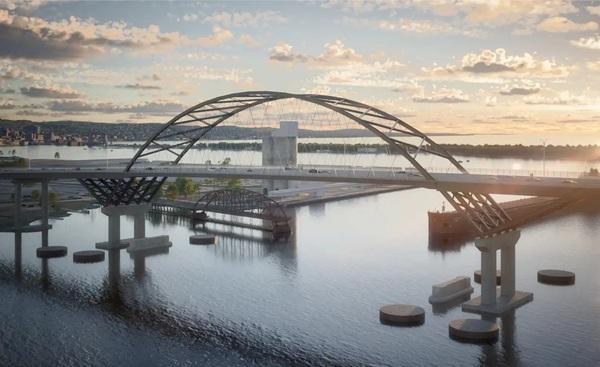
August was a big month for the John A. Blatnik Bridge. After years of planning and coordination, Minnesota and Wisconsin officials unveiled the design for the new $1.8 billion bridge, which will replace this aging link between Duluth and Superior. And on the final day of the month, state, local, and federal partners gathered to celebrate the project’s official groundbreaking.
The chosen design is a tied‑arch “delta frame” bridge with four traffic lanes, full shoulders, and a separated 12‑foot shared‑use path with five overlooks. Designed to support a major Great Lakes freight corridor, the new bridge will feature wider navigation spans, improved vessel‑impact protection, and a redundant structural system to avoid the safety issues of the current fracture‑critical bridge. Check out the Blatnik Bridge animation to see the design in action.
Opened in 1961, the Blatnik Bridge now carries more than 33,000 vehicles a day, including over 265,000 trucks each year moving nearly $4 billion in goods. Businesses across the Upper Midwest rely on this connection to reach the Port of Duluth‑Superior, the largest U.S. port on the Great Lakes. It also serves as a major link for U.S. trade with Canada, a top trading partner for Wisconsin, Minnesota, and the nation. After more than six decades of service, the structure has reached the end of its useful life.
The project, expected to employ 1,100 workers annually, will be funded with $400 million from both Wisconsin and Minnesota and more than $1 billion in federal support. This federal funding was jointly awarded to the Wisconsin Department of Transportation (WisDOT) and Minnesota Department of Transportation (MnDOT) under USDOT’s Nationally Significant Multimodal Freight and Highway Projects Program.
Final design work will conclude between late 2026 and early 2027, with phased construction beginning in 2026. A full bridge closure of up to 56 months is planned for early 2027. The project is slated for completion in 2032, with traffic expected to begin using the new bridge in 2031.
| | I-894 Project Earns Regional Award | | |
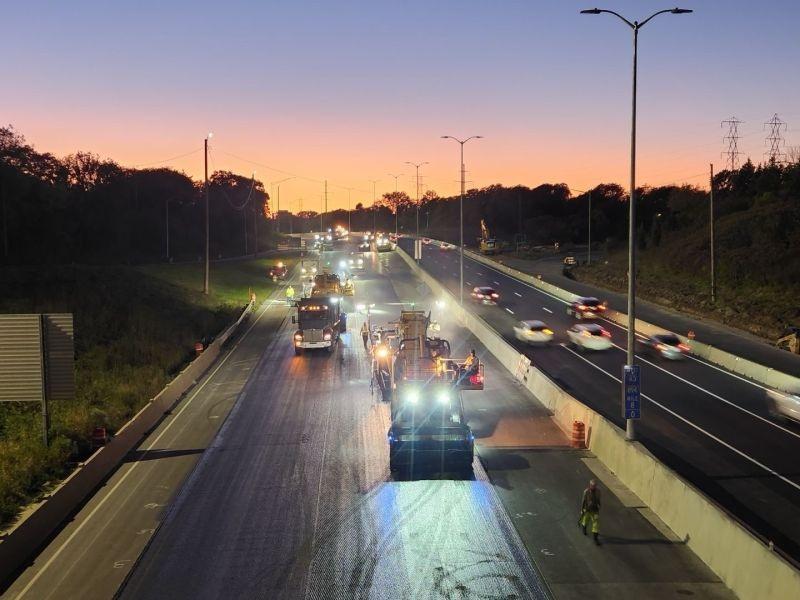
WisDOT’s I-894 resurfacing project in Milwaukee County has earned a regional America’s Transportation Award from the American Association of State Highway and Transportation Officials (AASHTO) in the Best Use of Technology & Innovation: Medium Project category.
The $61 million project rehabilitated 3.3 miles of I-894, an important Milwaukee-area corridor for commuters, freight movement, and local businesses. In addition to resurfacing the interstate, the work improved 10 service ramps and rebuilt the Loomis Road bridge.
To deliver the work more safely and efficiently, WisDOT and its construction partners used full directional closures over multiple weekends rather than working next to live interstate traffic. This approach created protected work zones that allowed continuous operations and reduced risks for crews. The project team also used echelon paving, operating multiple paving machines simultaneously, to produce a smoother driving surface, shorten the construction schedule, and lessen impacts on travelers.
Congratulations to all involved with this project!
| | Wisconsin Awards Grants for 42 New Fast‑Charging EV Stations Statewide | | |
Yesterday, Gov. Tony Evers and WisDOT announced that 42 communities across Wisconsin will receive grants to build new fast-charging electric vehicle stations. The awards are supported by $25 million in federal National Electric Vehicle Infrastructure (NEVI) funding provided by the Infrastructure Investment and Jobs Act. The new stations will expand Wisconsin’s growing EV network and help residents and visitors travel reliably across the state.
The state recently reached the milestone of funding charging stations every 50 miles along key interstates and highways, allowing it to award grants beyond the Alternative Fuel Corridor system. Wisconsin is also the first state to support NEVI projects on Tribal lands.
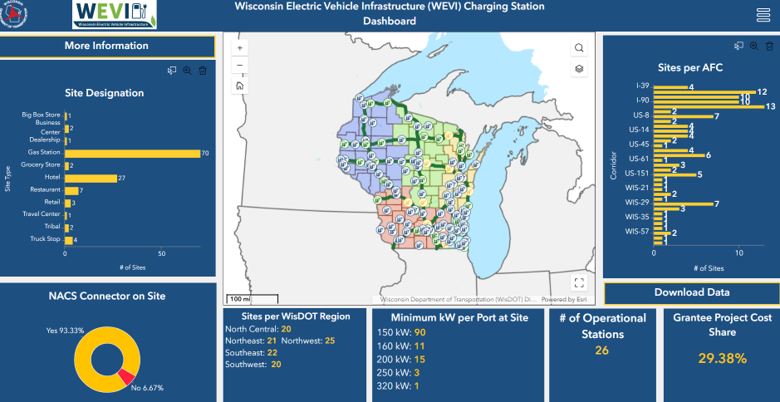
To date, WisDOT has awarded roughly $62 million for 120 projects statewide. Twenty-six stations are now operational, serving more than 43,000 EVs registered in the state as well as visitors and those traveling through Wisconsin. Strong usage at existing sites underscores the value of placing chargers where drivers can complete errands while their vehicles charge.
The 42 newly selected sites, awarded through the Wisconsin Electric Vehicle Infrastructure Connecting Corridors Program, will be located on U.S. and state highway corridors not previously eligible for funding. Site locations for all planned stations can be viewed on WisDOT’s EV charging dashboard.
| | I-43 Rest Area Upgrades Expand Truck Parking, Improve Safety | | |
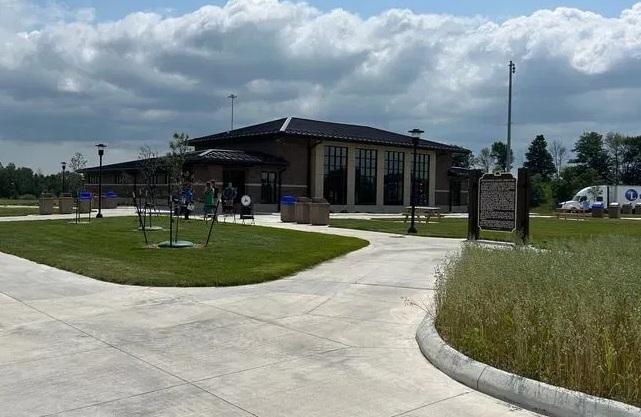
WisDOT has reopened two rebuilt safety rest areas along I‑43 near Maribel and Denmark in Manitowoc County, marking the completion of a $20.4 million modernization project. The facilities, originally built in 1980, reopened to travelers in August after construction began in April 2025.
The upgrades substantially expand safe parking for commercial drivers. Each location now provides 56 truck spaces—112 combined, up from 40 before reconstruction—along with a staging area for oversized and overweight vehicles. New advance signage on I‑43 alerts truck drivers to available parking as they travel through northeast Wisconsin.
In addition to supporting freight movement along this important corridor, the rebuilt, ADA‑accessible facilities give all travelers a safer, more comfortable place to stop and rest. The improvements are designed to enhance both safety and convenience for professional drivers and the public.
| | President Signs Stopgap Funding Bill; Measure Includes Surface Transportation Extension | | |
Earlier this month, President Trump signed a short-term continuing resolution (CR) to avert a federal government shutdown, including an extension of surface transportation programs. The measure maintains funding for federal agencies and ensures that surface transportation programs continue without interruption through Dec. 11.
The stopgap funding measure extends FY 2026 funding levels established in the annual appropriations acts. However, it does not continue the advance appropriations authorized under the 2021 Infrastructure Investment and Jobs Act (IIJA), including Division J funding, which has provided the USDOT with $36.8 billion annually from FY 2022 through FY 2026.
In a statement issued shortly after the CR's enactment, House Transportation and Infrastructure (T&I) Committee Chairman Sam Graves (R-MO) emphasized the importance of avoiding disruptions to federal transportation programs and government operations. He also reaffirmed that enacting a long-term surface transportation reauthorization before the end of this Congress remains a top committee priority.
Still, the possibility of passing a surface transportation reauthorization this year has become somewhat less likely after House Republican leaders announced last week that they were canceling the final two weeks of their September session. Lawmakers are heading home later this week and are not expected to reconvene until mid-November, unless the Senate passes a budget reconciliation package.
Following the Nov. 3 elections, the makeup of the next Congress will heavily influence the consideration of major legislation. If control of either chamber shifts, pressure could mount to postpone action on major bills until next year, when the new majority would have more power to shape their direction.
The House T&I Committee approved its reauthorization legislation, the BUILD America 250 Act, in May. The measure still requires a revenue package from the House Ways and Means Committee before consideration by the full House. Meanwhile, Senate committees with jurisdiction over portions of the next reauthorization have not yet released their proposals.
| |
September
Project Spotlights
| | Wisconsin Rapids Deploys Smart Rail Alerts to Improve Safety and Mobility | | |
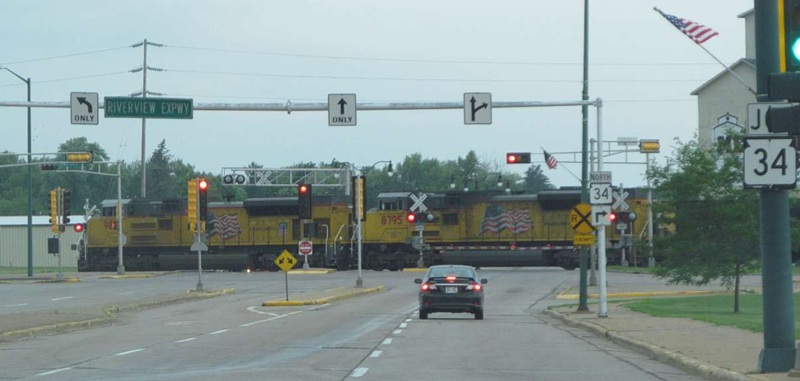
Wisconsin Rapids is using new technology to help reduce delays and improve safety at rail crossings. The city is installing a Predictive Mobility Rail Safety System at 12 crossings, using 14 sensors to monitor train movements and provide warnings through an app.
The information will help emergency responders choose routes around blocked crossings, while motorists can receive alerts and use electronic signs to avoid delays.
The $502,000 project is supported by a Wisconsin Department of Transportation grant covering 80% of the cost, with the city funding the remainder. The system is expected to be fully operational this month.
Read More
| | Gibraltar Trail Grant Moves Door County Connectivity Forward | | |
Northern Door County is one step closer to a connected trail system linking Egg Harbor, Fish Creek, Ephraim and Sister Bay.
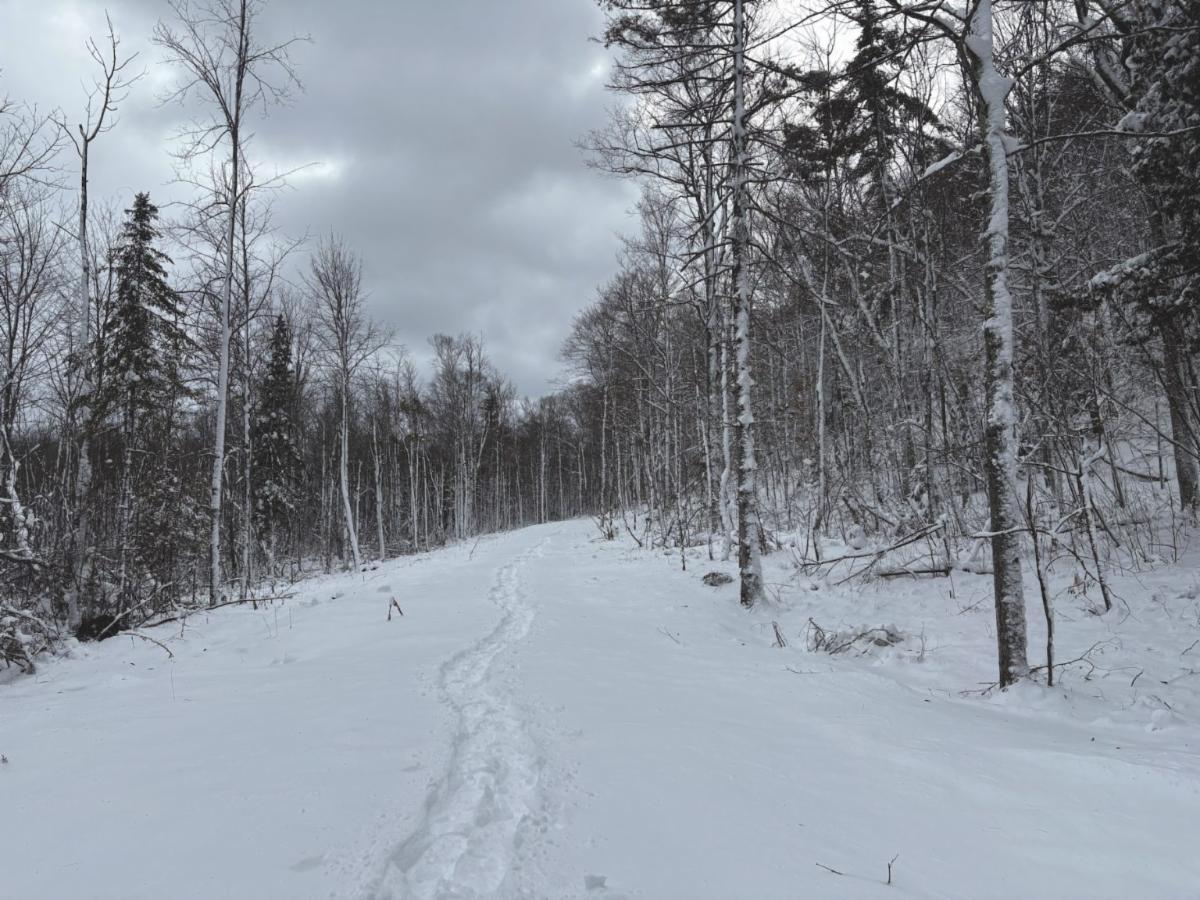
The Town of Gibraltar received a $4.74 million Wisconsin Department of Transportation grant to advance a multi-use trail between Fish Creek and Ephraim, passing through Fish Creek Park, Gibraltar Schools and Peninsula State Park.
The proposed segment would provide a safer option for walking and biking while helping reduce traffic on busy roadways. It represents about 25% of the envisioned 16-mile Bayshore Connectivity Trail, which would connect communities with schools, parks, jobs, and local businesses throughout northern Door County.
Read More
| | Thank You to Our 2026 Organizational Sponsors | | |
The Wisconsin Local Technical Assistance Program (WI LTAP) is providing Public Works Certification Courses for Fall 2026.
See the informational flyer for more details on the available courses.
| | |
Registration is open for the WTBA Fall Meeting taking place on Oct. 6 at the Madison Marriott South.
Visit the event page for more details, including the agenda and registration information.
| | |
The Wisconsin Airport Management Association will hold the 70th annual Wisconsin Aviation Conference (WAC) on Oct. 26-28 at the Chula Vista in Wisconsin Dells.
Looking to attend? Details and registration information are available here. Early bird registration ends on Sept. 14.
More information is available for those interested in exhibiting at or sponsoring the event.
| | |
Save the date for the WisDOT Annual Freight Railroad Conference, which is scheduled for Tuesday, Nov. 10, at the Madison Marriott West.
WisDOT’s annual railroad conference will cover recent projects, policies, and goals for rail safety, freight railroad operations, and Wisconsin's rail industry. It also covers topics such as shipping by rail, an overview of the state’s passenger rail program, and railroad maintenance and improvements in the state.
| |
The Wisconsin Asphalt Pavement Association (WAPA) 67th Annual Conference & Business Meeting will be Dec. 1–2, 2026, at the Kalahari Resort in Wisconsin Dells.
Visit the event page for more details.
| | If you would like TDA to consider including your organization's update or event in an upcoming newsletter, please forward information to Luke Pearson at luke.pearson@tdawisconsin.org. | |
Transportation Development Association of Wisconsin10 East Doty Street, Suite 201 | Madison, WI 53703
(608) 256-7044 | general@tdawisconsin.org
| |
| | | |