Summer fun! A read, watch, and listen list for leaders.
When I read The Godfather at thirty, I was a new mother, working as a chief of staff to a CEO, and fresh out of graduate school. I loved the book, but I didn't come away thinking about the Mafia. I came away thinking about leadership and organizational culture — succession, loyalty, how a founder's values crystallize into a system, how a family business decides who belongs and who doesn't. Mario Puzo wrote a crime novel. I read a case study.
| |
I've come to believe that's an orientation worth building — not reading more, or reading the "right" books, but reading across — looking for connections!
The leaders I admire most are voracious readers, watchers, and listeners: they explore widely, refuse to judge themselves for what they enjoy, and delight in the possibility of discovery. But they also look for patterns, analogies, and metaphors. They are open to making connections where connections may not be obvious. That's an orientation and skill well worth developing.
In other words, a great story is richly entertaining or soul-stirring — and that’s certainly enough. But it also can be a catalyst for so much more. Maybe I was destined to see Corleone-as-CEO because I was awash in leadership theory, seeing an organization through a CEO’s eyes, and thinking deeply about succession, leadership, and organization. I found similarities in John Dutton (a nod to Yellowstone fans). So this year's list from me curates just that: what I enjoyed first and then processed through another lens.
| | |
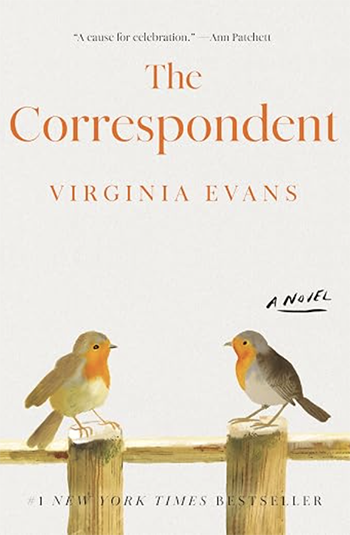
The Correspondent, a novel told in letters, quietly invited me to reflect on the power of civility, carefully chosen words, the withholding of judgement, and the discipline of really listening. As a mother who has lost a child, the book's protagonist exposed me to another, very different, experience of grief and suffering. And it was a beautiful reminder that the qualities essential to leadership are ones that cultivate hope and draw out the best in ourselves and others.
| |
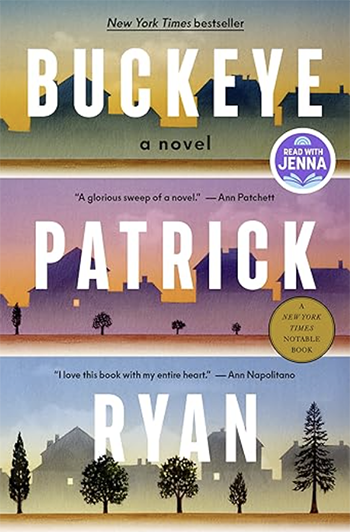
Buckeye reminded me of how a single choice can ripple and connect across generations. In this novel, it's a choice that shapes the stories of two families, and the individual perspectives, experiences, and memories that shaped outcomes over the years. It reminded me that organizations are similarly a web of human stories, shaped by choices leadership make that resonate through the system.
| |
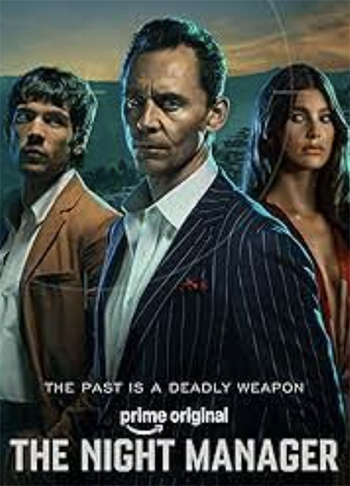
The TV adaptation of John le Carré’s The Night Manager, season one, is a masterclass in emotional intelligence: reading a room, discerning what matters most to another person, managing one's own emotions, constructing loyalty inside a powerful (and dangerous) inner circle, and confronting moral dilemmas with deeply held values.
| |
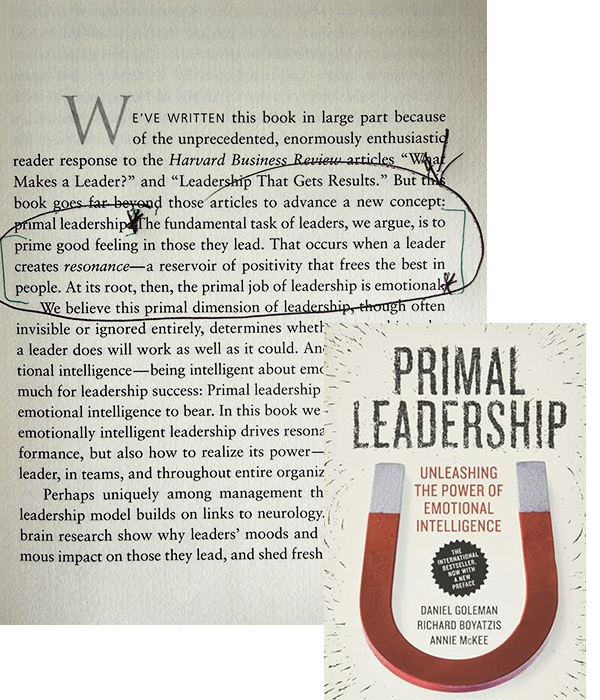
These stories all connect to how I think about leadership. A book on my shelf that I continually return to is Primal Leadership by Daniel Goleman, Richard Boyatzis, and Annie McKee. It’s full of pages I’ve marked, but this quote stands out as particularly relevant:
“The fundamental task of leaders, we argue, is to prime good feelings in those they lead. That occurs when a leader creates resonance — a reservoir of positivity that frees the best in people. At its root, then, the primal job of leadership is emotional.”
Stories create resonance, and leadership is, indeed, emotional work.
| |
I'll turn it over to the team now! Each of us has our unique take on some out-of-the-box suggestions — ones that touched both minds and hearts! We hope you find them interesting, too. Please tell us what made your list this summer, and let us know what any of our recommendations may have to say about what matters most to you.
- Stephanie
| | A few recommendations from the team | | |
Read: A substack I have been loving is Brown Professor Jacqueline Nesi’s Technosapiens. In a down-to-earth and easy to read way, she breaks down the latest technology research and focuses on parenting in the digital age. When there is so much fearmongering about technology and AI, particularly when it comes to kids, I appreciate that this never feels like I’m getting a lecture about what to do or not do, but more I am presented with data in a digestible way and can make what I will of it.
| | |
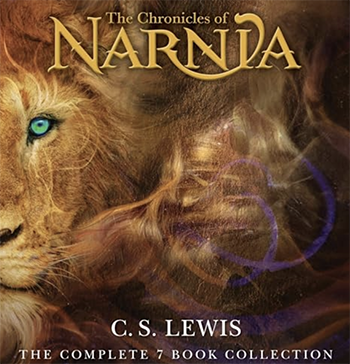
Listen: A desire to introduce my daughter to some of the books I loved as a child had me revisiting The Chronicles of Narnia this spring. As an adult, the magic was still there — I felt the adventure, wonder, and moral lessons in a different yet delightful way — particularly with the audiobook versions bringing the worlds to life. While it ended up being a little early to introduce them to my daughter, I look forward to trying more each year as I was reminded why these books endure across generations.
| | |
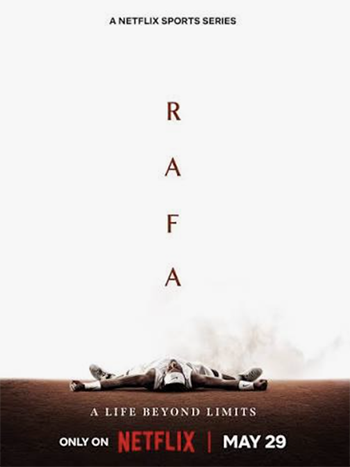
Watch: Though I've only seen the first part, I feel confident enough to recommend this docuseries — and lucky that I still have more left to watch! Tennis has always been one of my favorite sports to both watch and play, so I was quick to click play on Rafa, the four-part Rafael Nadal docuseries on Netflix. Tennis fan or not, the dedication, focus, and perseverance Nadal exemplifies are truly amazing. Pulling back the curtain to see the human side — the emotions, his family life, the physical toll — coupled with the relentless drive of a true competitor makes this a worthy watch.
| | |
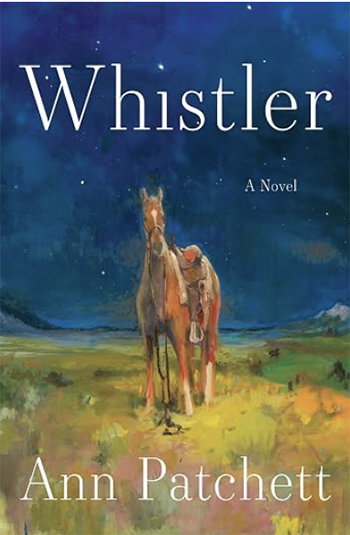
Whistler, by Ann Patchett
I recently, and by recently, I mean last evening, finished Whistler by Ann Patchett. Set between New York City, Bronxville, NY, and Winchester, MA, this book felt like coming home. The story follows a woman who accidentally reunites with her former stepfather in the Metropolitan Museum of Art and recounts their brief, loving, traumatic, and brave past. As the daughter of an amazing stepfather, and a northeast loyalist, the story pulled at my heart strings.
In navigating my twenties, I have felt this incessant pull between childhood and adulthood, and an increasing pressure to define who I am as an adult. This novel reminded me that we are all ever-evolving humans at our core, and that deep human relationships often transcend age and time. We all carry our childhood selves with us as we grow. Oftentimes when we lean into that younger self, we better understand ourselves and those around us — and those who raised us! There is more meaning and clarity there than I realized.
And if you also have an epic step-parent, you will certainly fall in love with Whistler.
| | |
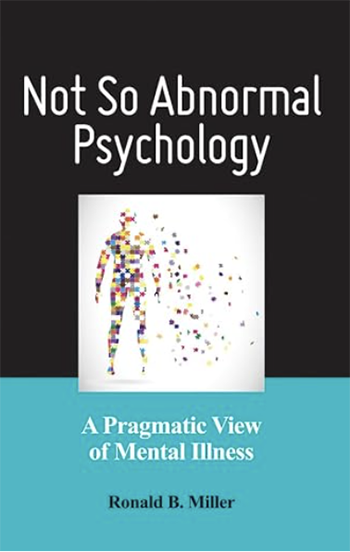
Not So Abnormal Psychology, Ronald B. Miller
Yes, this was a “textbook” I read for my first class of my Master's in Clinical Psychology graduate program this summer, but it is far from a normal textbook, and fits easily into your bag like any regular paperback. I read this book for my Adult Psychopathology course at Teachers College, which essentially is a course on mental illness in adulthood. I did find the content interesting generally speaking, and if adult mental health interests you, I am sure you would, too. What resonated most with me came from simply reading the title, the back blurb, and the preface.
The field of abnormal psychology suggests that there are two kinds of psychological states: normal or abnormal, or more simply put, right or wrong. Miller argues that the name of the field of study, and the name of many textbooks as a result, inherently categorizes, divides, ostracizes, and even dehumanizes those who are deemed abnormal.
Words matter. I often think of this in how I speak to my loved ones, especially in moments of anger or frustration. To closely consider language in major fields of study (textbooks), professional settings (corporate lingo), politics (propaganda), is to explore why and how words shape our shared narrative, sometimes with potential for harm. A good reminder to me that sometimes gets forgotten!
| | |
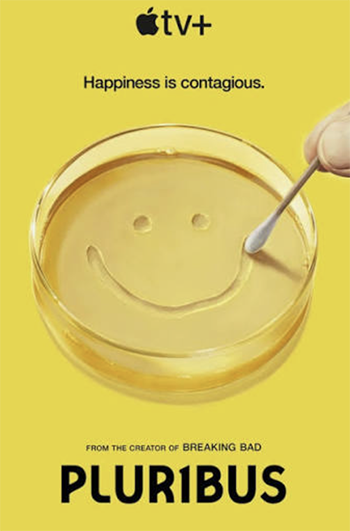
I’m currently watching Pluribus with my daughter, a post-apocalyptic story about one woman’s quest to preserve her independence and freedom after much of humanity becomes infected with an alien virus that connects its hosts through a collective hive mind. It’s a thought-provoking series that challenges viewers to consider what it truly means to be human, what we owe one another, what we expect in return, and how far we would go to preserve our identity, our relationships, and our freedom.
| | |
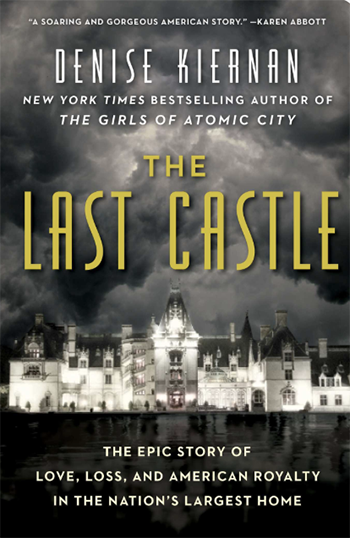
As a fan of architecture and historical fiction — especially stories involving the women of America’s founding families — I thoroughly enjoyed The Last Castle by Denise Kiernan. Meticulously researched, it is an epic tale of family, love, loss, and the creation of the Biltmore Estate, George Vanderbilt’s extraordinary legacy project. The book captures not only Vanderbilt’s grand vision but also the many people whose talent and determination brought it to life. Successes and setbacks unfold against a backdrop of family dynamics, shifting social expectations, and unforeseen economic and geopolitical events. I especially appreciated learning more about Edith Stuyvesant Vanderbilt Gerry, whose unwavering leadership and commitment helped ensure the long-term viability and enduring legacy of this remarkable American treasure.
| | |
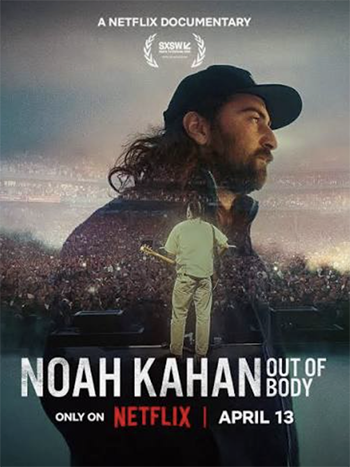
And finally, my guilty pleasure: rock documentaries! I recently enjoyed Noah Kahan: Out of Body, which explores the breakout artist’s struggles with mental health and body dysmorphia. He shares his experiences with remarkable honesty, both through the documentary and his music, as well as through his foundation, The Busyhead Project, which supports young people’s mental health. For anyone with a soft spot for ’90s music, I also recommend Music Box: Counting Crows: Have You Seen Me Lately? which explores the pressures artists face in sustaining their creative energy, along with Hate to Love: Nickelback, an engaging look at one of rock’s most polarizing bands. And of course, once you’re done watching, it’s lots of fun to queue up some throwback Spotify playlists!
| | |
Recently I've been fascinated by Formula 1 as a case study in brand reinvention — thanks to the F1 episode of Acquired. How does a legacy sport turn itself into a global entertainment brand? How can it keep longtime fans who care about technical performance while welcoming new fans who are drawn to the lifestyle and the celebrity?
| |
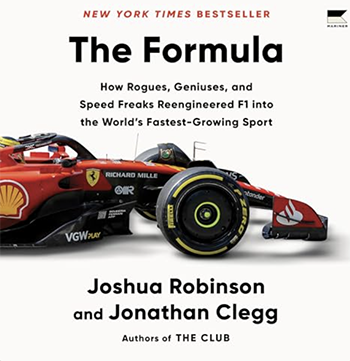
I started with reading The Formula, which traces F1 from its 1950s British origins through the 2017 Liberty Media takeover and its breakthrough in the US. Then Drive to Survive, the Netflix series which is credited with dramatically expanding the audience with its soap-opera-like approach to highlighting the individual personalities of the drivers and team principals — a wild contrast to F1's old approach (early in his career, Lewis Hamilton got a cease-and-desist whenever he tried posting his own race-day photos on Instagram).
| |
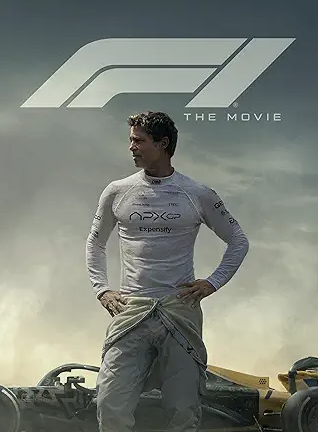
And finally F1 The Movie — beautifully filmed with unprecedented on-grid access with Brad Pitt lined up alongside all the actual F1 drivers just moments before lights-out at Silverstone. I enjoyed that a lot of care was put into the sound design to help audiences experience the race viscerally. Hamilton was an advisor on the film, and when they were finishing the sound for the final picture, Pitt recalls, “His knowledge is so spot on. He would go, ‘No, that’s fourth gear. You need to be in fifth gear here. Down the back straight there, there’s this reverb that comes off the left wall. Add that into the left channel.’”
My takeaway: never underestimate a good story. The podcast, the book, the doc series, the movie — and F1 as a media property — all have that in common. Show people the humans behind the helmets, give fans a sense of access and drama, and they'll invest.
| | Help us spread great ideas and new ways of thinking about governance, leadership and strategy! Forward The Blueprint to friends and colleagues who may find it helpful. And if you're not already on our mailing list and you'd like to receive future editions of The Blueprint, click the button below to subscribe! And don't forget to explore our Blueprint Archives. | | | | |