|
MARINERS DEPEND ON SCI.
SCI DEPENDS ON YOU.
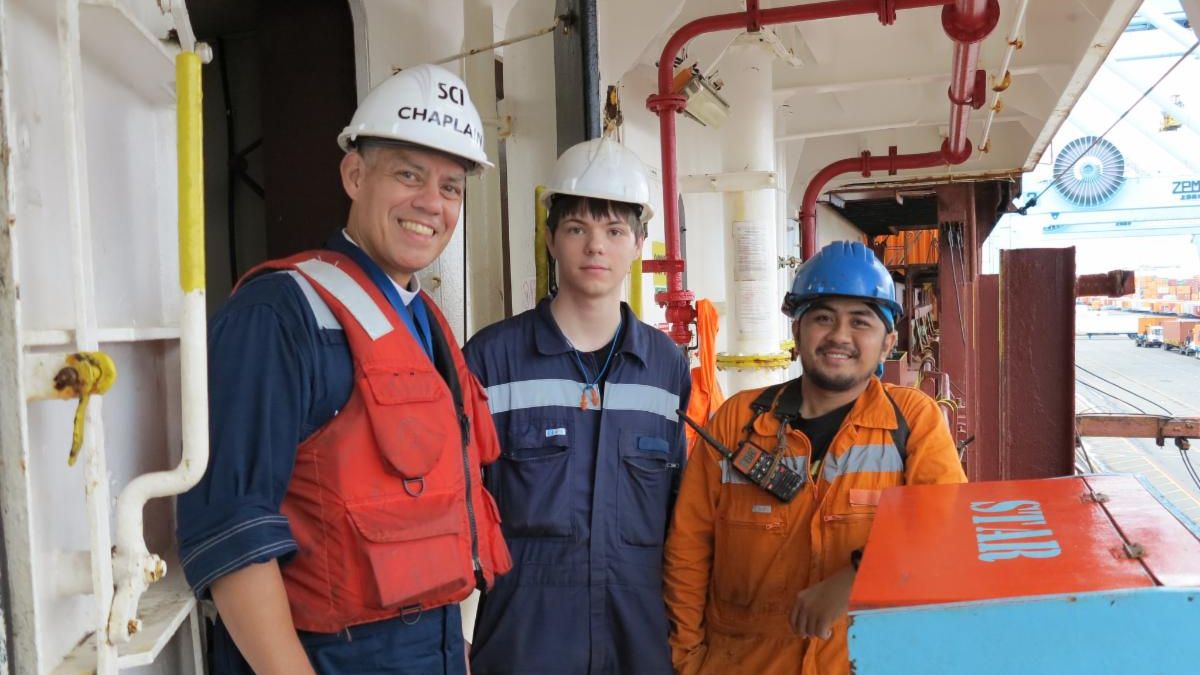
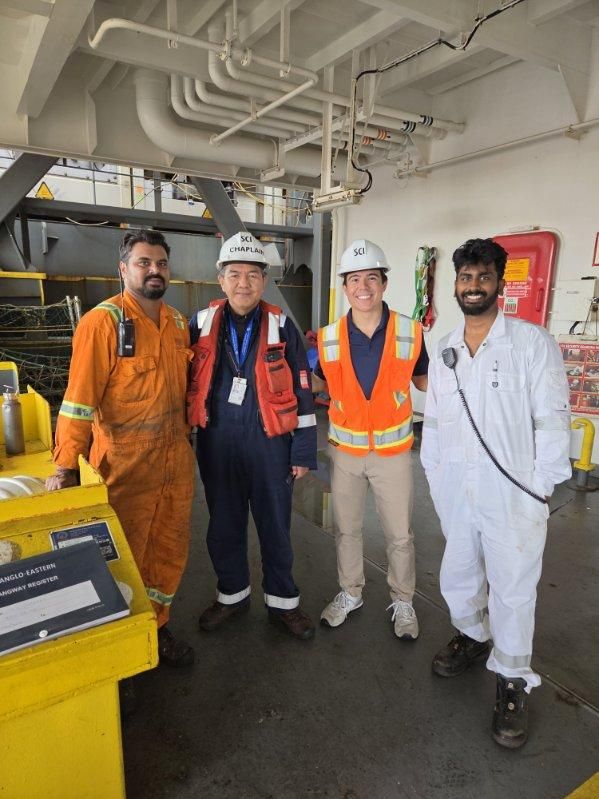
| | SCI Chaplain, the Rev. Dr. Bill Allport visits with seafarers aboard a ship docked in Port Newark this summer. | | |
IN THIS ISSUE – August 2026
- 26th Annual River Bell Awards Luncheon—Registration is Now Open!
- Partnering to Advance Inland Mariner Wellness
- Advancing Seafarer Welfare: SCI Leadership at NAMMA
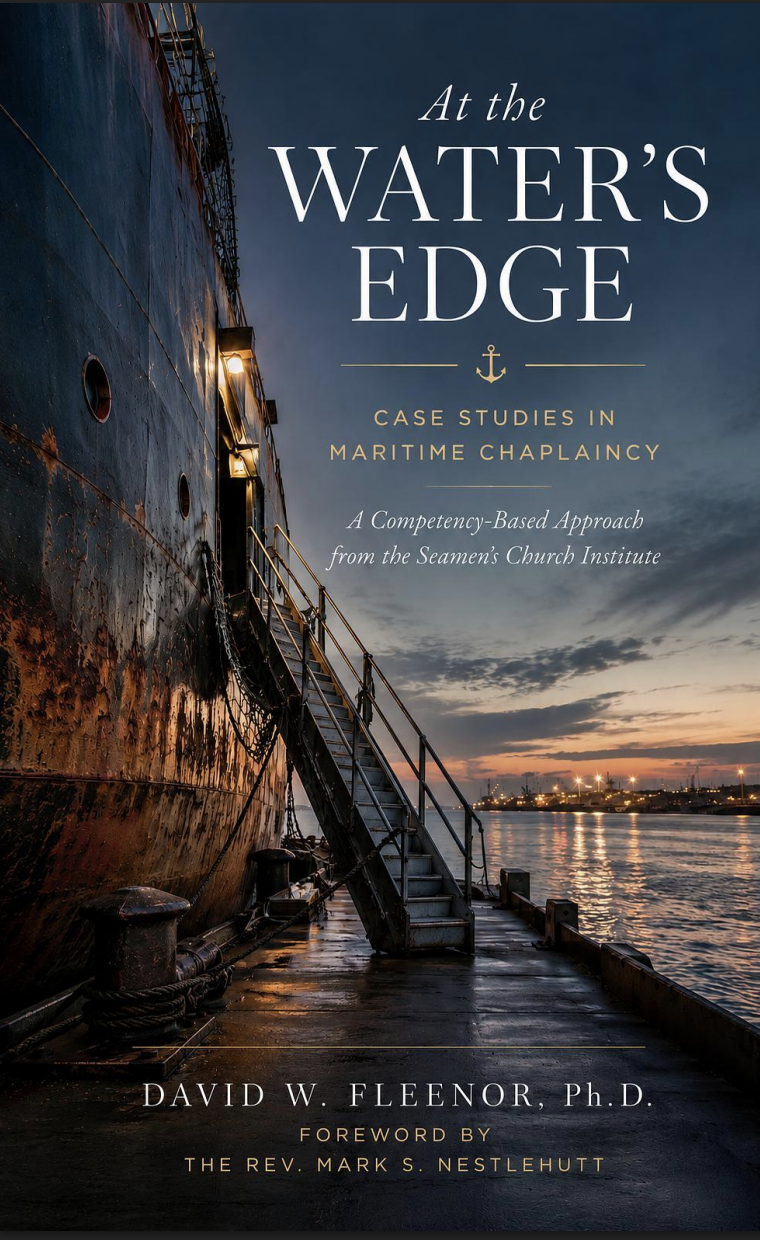
- At the Water's Edge: Advancing Maritime Chaplaincy Through Research and Training
- SCI’s Matthew Morse, Esq. Elected to NAMMA Board
- From Awareness to Action: Advancing Inland Mariner Wellness
- A Summer of Service and Advocacy: Noah Falk Reflects on His CMA Internship
- SCI Expertise at Work on America’s Waterways
- SCI Highlights Collaboration and Mariner Wellness at GICA Seminar
- Supporting the Next Generation of Mariners at Texas A&M Maritime Academy
- Responding to the Concerns of a Vulnerable Seafarer
- Christmas in July: WISTA Volunteers Pack 3,448 Gifts for Mariners
-
Available Now: The Knit Before Christmas—Summer 2026
-
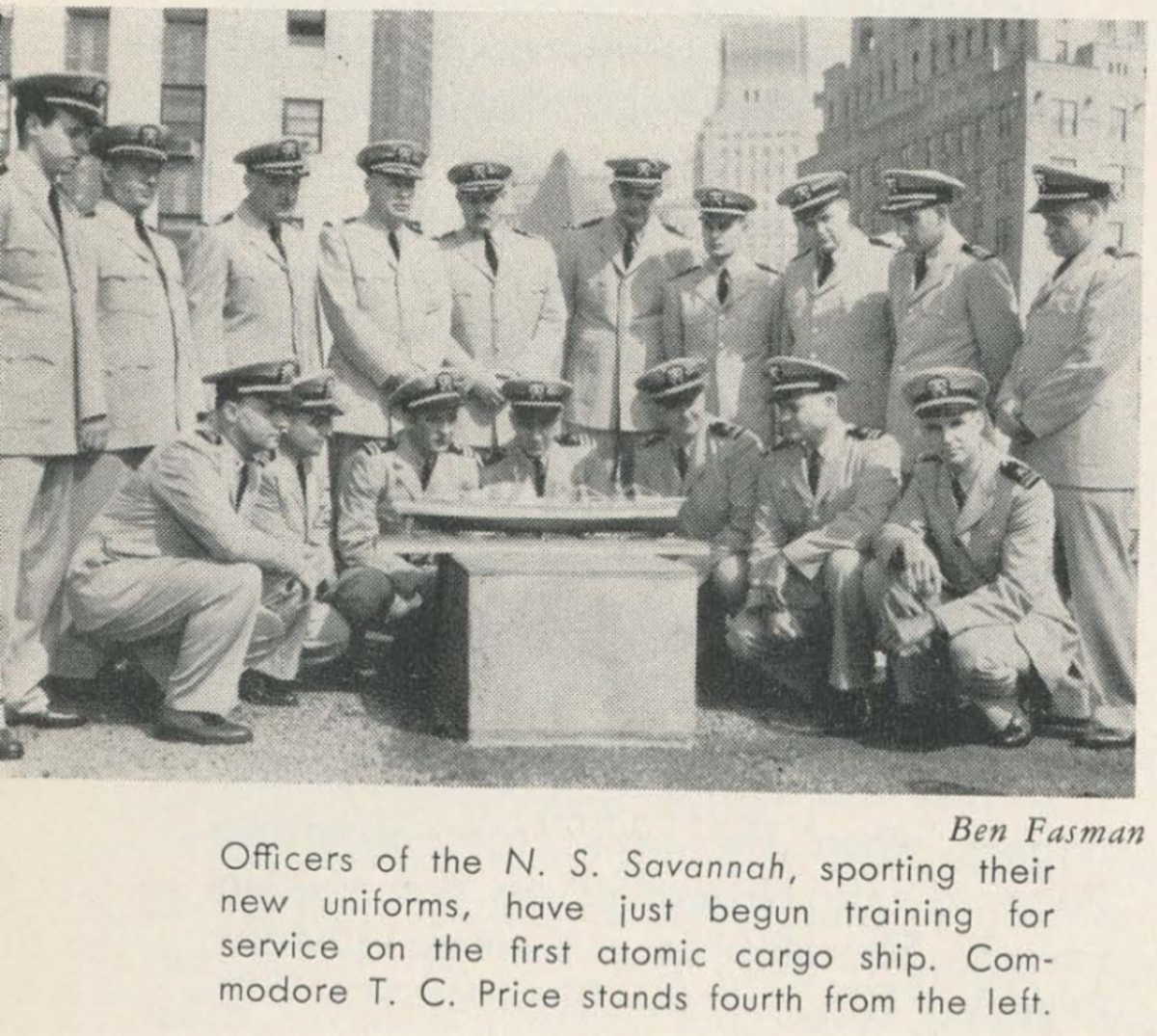
From the Archives—A Maritime Milestone: NS Savannah
| | THANK YOU TO OUR CORPORATE SPONSORS | |
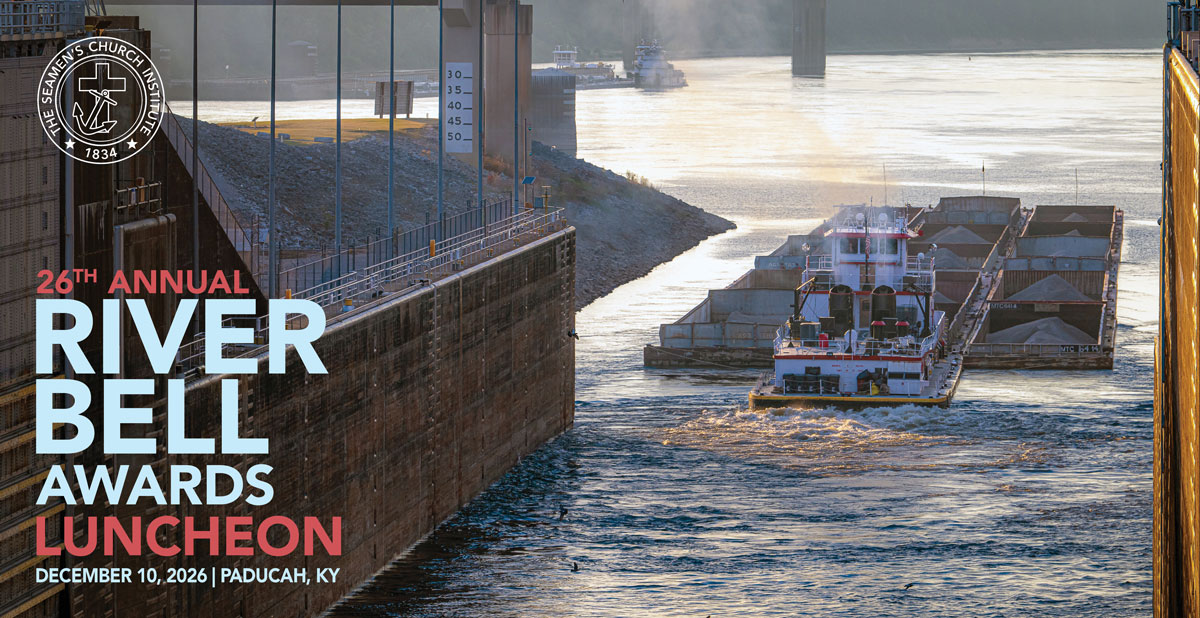
Join us for the 26th Annual River Bell Awards Luncheon!
Thursday, December 10, 2026
Paducah-McCracken County Convention & Expo Center
415 Park Street | Paducah, KY 42001
11:00 a.m. Check-In & Reception
12:00 p.m. Luncheon & Awards
2026 River Bell Honorees Coming Soon!
Please do not hesitate to reach out with any questions about the event!
202.719.8057 · RiverBell@SeamensChurch.org
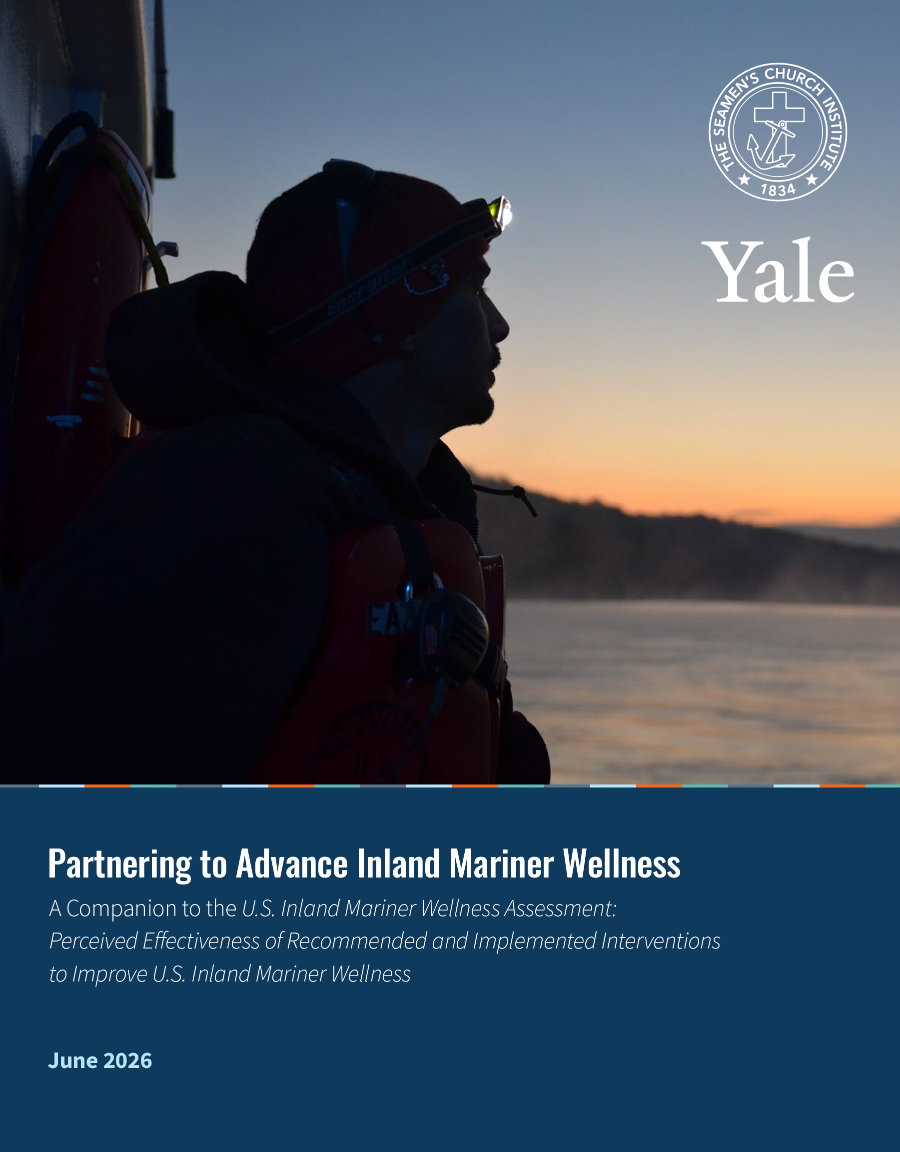
| | Partnering to Advance Inland Mariner Wellness | | |
Seamen’s Church Institute (SCI) has published Partnering to Advance Inland Mariner Wellness, a companion to the U.S. Inland Mariner Wellness Assessment, released in January 2026 in partnership with Yale School of Medicine.
The new publication builds on the Assessment’s findings by focusing on practical steps to support mariner wellness today and offering thoughts on how this work can continue to develop. It highlights work already underway across the industry and ways maritime organizations can partner with SCI to strengthen a shared culture of care for inland mariners.
A culture of care recognizes that physical health, mental well-being, family relationships, vessel life, and working conditions are interconnected. Supporting the whole mariner contributes to safer operations, stronger retention, and a more resilient workforce.
The report emphasizes that lasting progress requires collaboration among mariners, vessel operators, healthcare professionals, researchers, and maritime organizations to turn research into practical action.
View or download Partnering to Advance Inland Mariner Wellness at seamenschurch.org/partnering.
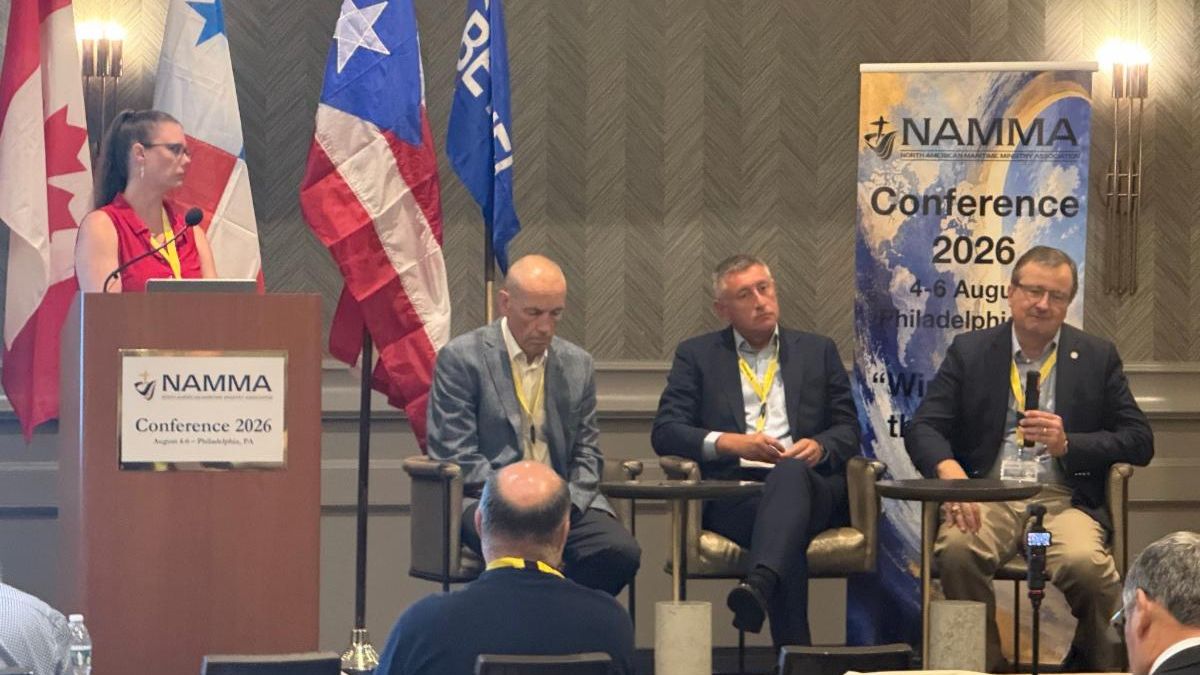
| | Advancing Seafarer Welfare: SCI Leadership at NAMMA | | From left to right: Chaplain Michelle DePooter, Montreal Ministry to Seafarers; Simon Grainge, Chief Executive, ISWAN; the Ven. Dr. Peter Rouch, Secretary General, the Mission to Seafarers; Phil Schifflin, Esq., Director of SCI's Center for Mariner Advocacy, participate in a panel discussion about advancing advocacy for seafarers on the second day of the NAMMA Annual Conference in Philadelphia. |
| |
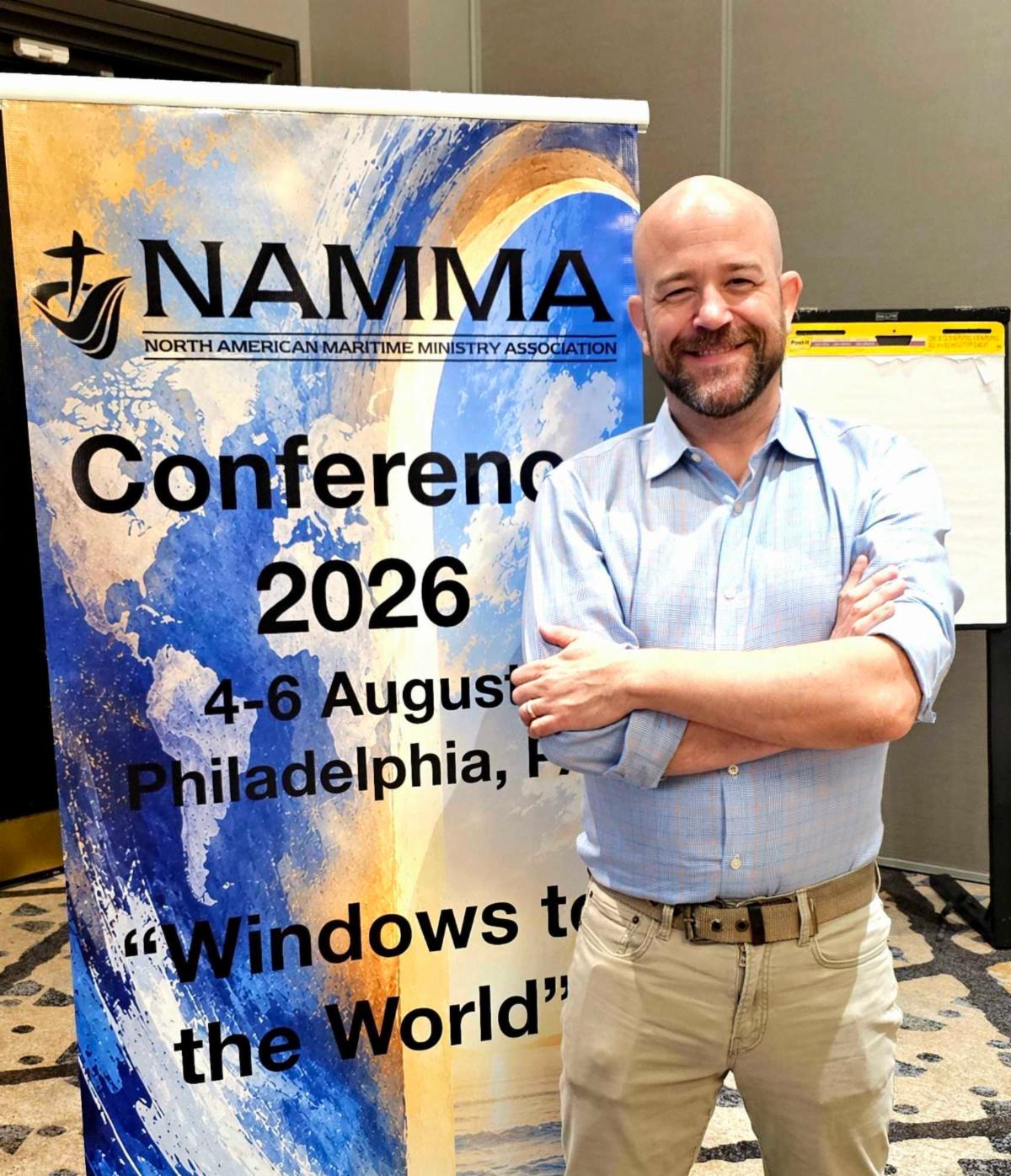
SCI leaders played a prominent role at the 2026 North American Maritime Ministry Association (NAMMA) Annual Conference held in Philadelphia from August 4–6, contributing their experience and perspectives to conversations about collaboration, advocacy, and the future of maritime ministry.
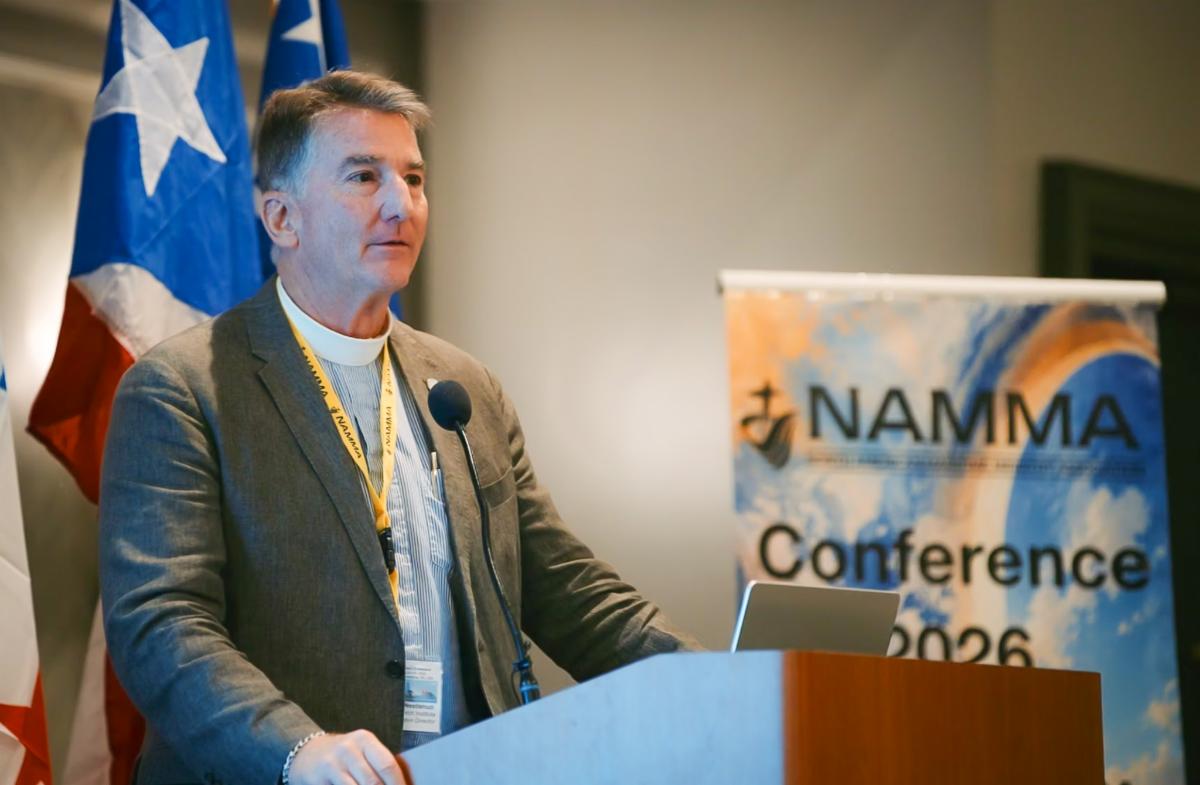
SCI President and Executive Director, the Rev. Mark Nestlehutt, who also serves as Chair of the International Christian Maritime Association (ICMA), spoke about the close relationship between NAMMA and ICMA and the importance of greater collaboration among maritime ministries and seafarer welfare organizations. He emphasized how opportunities like the NAMMA Conference allow chaplains and ship visitors to learn from one another, strengthen relationships, and work collectively to better serve mariners around the world.
Phil Schifflin, Esq., Director of SCI's Center for Mariner Advocacy, also took part in the conference, joining Dr. Peter Rouch (Secretary General, Mission to Seafarers) and Simon Grainge (CEO, ISWAN) for a discussion on Advocacy for Seafarers: Partnerships, Experience, and Increased Impact.
Their conversation explored how partnerships, shared expertise, and collective advocacy can amplify the voices of seafarers and strengthen the maritime welfare community.
Together, Mark and Phil’s participation reflects SCI’s continued leadership within the maritime ministry community and its commitment to building partnerships that advance the welfare of mariners and seafarers.
Watch Mark Nestlehutt’s and Phil Schifflin’s presentations from the 2026 NAMMA Conference.
| |
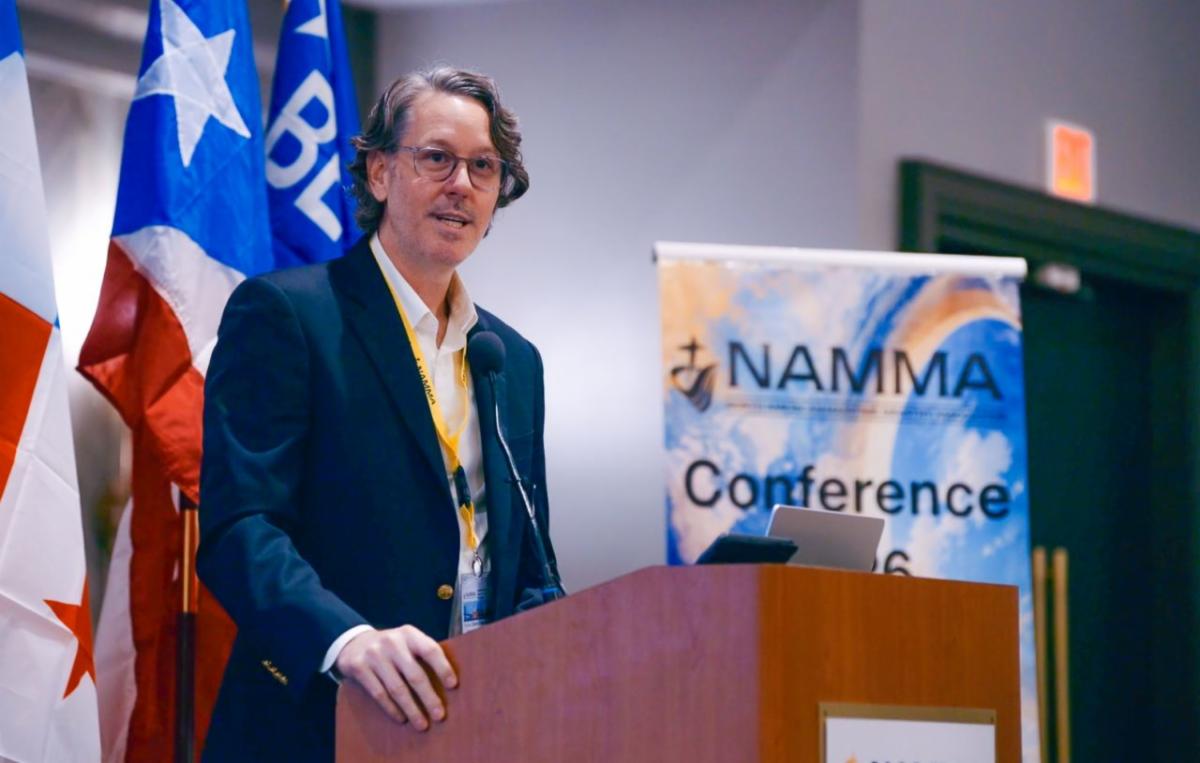
At the Water's Edge: Advancing Maritime Chaplaincy Through Research and Training | | The Rev. Dr. David Fleenor, PhD, presents at the NAMMA Annual Conference his findings from a study prepared for the Seamen's Church Institute, evaluating essential competencies for maritime chaplaincy. | | |
At the 2026 North American Maritime Ministry Association (NAMMA) Annual Conference, the Rev. Dr. David Fleenor, PhD. presented “Essential Competencies for Maritime Chaplaincy: Lessons Learned from Study Prepared for the Seamen’s Church Institute.”
Supported by a grant from The Episcopal Church’s United Thank Offering, Dr. Fleenor’s research explores the core competencies and practices that help maritime chaplains serve mariners and seafarers more effectively. The findings helped shape At the Water’s Edge, SCI’s new structured training resource designed to strengthen pastoral proficiency, support professional practice, and prepare chaplains for the complex realities of maritime ministry.
Watch Dr. Fleenor’s NAMMA presentation and learn more about the research behind this important resource.
At the Water’s Edge is also available for free through SCI’s website.
| | SCI’s Matthew Morse, Esq. Elected to NAMMA Board | | |
SCI is pleased to congratulate Matthew Morse, Esq., Director of SCI’s International Seafarers’ Center, on his election to the Board of the North American Maritime Ministry Association (NAMMA) at this year’s Annual Conference. Matt will serve a three-year term alongside maritime ministry leaders from across North America.
Reflecting on the appointment, Matt emphasized the opportunity to collaborate with colleagues across the maritime ministry community to address the needs of seafarers in thoughtful, forward-looking ways and strengthen the collective impact of their work.
Matt’s election recognizes his continued commitment to seafarer welfare and provides another opportunity for SCI to contribute its experience and perspective to the broader maritime ministry community.
Please join us as we congratulate Matt and look forward to the leadership and collaboration he will bring to NAMMA over the next three years.
| | From Awareness to Action: Advancing Inland Mariner Wellness | | |
By Philip C. Schifflin, Jr., Esq.,
Director, Center for Mariner Advocacy
The conversation around mariner wellness has gained momentum over the past year. And recently, at the American Waterways Operators (AWO) Summer Safety Meeting in Chicago on July 21, I had the opportunity to discuss where to take that conversation next. While SCI’s U.S. Inland Mariner Wellness Assessment, developed in partnership with Yale School of Medicine, helped define many of the physical, mental, and operational challenges facing inland mariners, the next phase will be about something equally important: determining which solutions actually improve mariners’ lives.
The assessment, released in January of this year, identified five broad categories of stressors affecting inland mariners: demanding work environments, organizational pressures, cultural barriers surrounding mental health, physical health concerns, and psychological challenges such as isolation and depression. Together, these factors contribute to issues ranging from fatigue and chronic health conditions to lower morale and reluctance to seek professional support. Understanding those challenges was an important first step, but identifying problems alone does not create meaningful change.
To keep the conversation moving, SCI recently published Partnering to Advance Inland Mariner Wellness, a companion report that distills the findings of the original assessment, highlights the work SCI is already doing alongside industry partners, and shifts the conversation from identifying challenges to advancing practical solutions. The report emphasizes that improving mariner wellness is a shared responsibility, one that requires SCI’s partnership with vessel operators, mariners, healthcare providers, and researchers. I believe lasting progress comes when we have a collective commitment to building a stronger culture of care across the inland maritime industry.
During my AWO presentation, I emphasized that one of the industry’s greatest opportunities is to develop stronger evidence on what works. Many companies have already invested in wellness initiatives, but relatively few have been evaluated through long-term research. Most studies have simply measured conditions at a single point in time. While those studies tell us what challenges exist, they cannot determine whether a specific intervention actually caused meaningful improvements.
To move beyond observation, SCI is proposing a research agenda guided by the people who know the industry best. One promising approach is the "Delphi Method," a structured consensus-building process that would bring together maritime stakeholders and prioritize the wellness questions that deserve the industry’s attention. The Delphi process builds shared agreement around the issues that matter most to those working on America’s inland waterways. Once those priorities are established, researchers can design rigorous longitudinal studies to evaluate specific interventions.
During the presentation, I shared examples such as examining whether different watch schedules influence sleep quality, mental health, and vessel safety, or whether expanding access to healthier food onboard improves physical health, job satisfaction, and employee retention. These are practical questions with practical implications for both mariners and employers. Are these topics we move forward on? Possibly, but that’s the discussion that lies ahead—how and where do we invest this research?
Ultimately, all of us in maritime understand that improving mariner wellness is about creating workplaces that better support the people who keep the inland waterways moving. Healthier crews can contribute to safer operations, improved job satisfaction, and a stronger maritime workforce. And the industry's consistent willingness to engage in this conversation has been encouraging. The next step is to continue building consensus around the issues that matter most, evaluate potential solutions through meaningful research, and share what we learn. By combining the experience of maritime and health professionals, along with sound research, we can better understand which approaches make the greatest difference and provide the industry with practical, evidence-based guidance to strengthen mariner wellness.
| | A Summer of Service and Advocacy: Noah Falk Reflects on His CMA Internship | | |
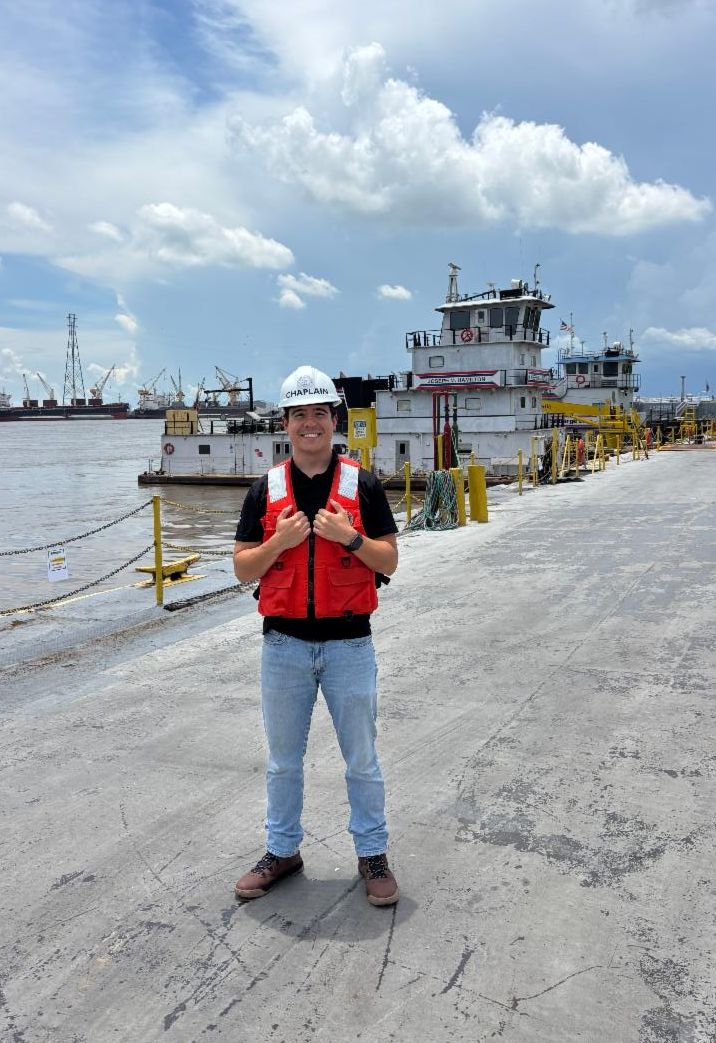
For over three decades, the Seamen’s Church Institute’s Center for Mariner Advocacy (CMA) has hosted summer interns from Tulane University School of Law (Admiralty and Maritime Law). This year, SCI was thrilled to welcome Noah Falk to the longstanding program.
This summer, Noah had the opportunity to experience SCI’s mission from multiple perspectives while working under CMA Director Philip Schifflin, Esq. in New Orleans. His internship combined maritime law, advocacy, mariner wellness, and hands-on exposure to life and work on the water. He conducted legal research in support of distressed seafarers, participated in IMO discussion spaces, helped organize presentations focused on mariner mental health, and accompanied the U.S. Coast Guard on vessel inspections.
For Noah, however, the most meaningful experiences came from joining SCI Chaplains on ship visits and speaking directly with international seafarers and inland mariners. “The most rewarding part of my summer was getting to join SCI Chaplains on ship visits, where I personally interacted with both international seafarers and inland mariners to learn about their livelihoods.”
| |
Those conversations gave him a deeper appreciation for the sacrifices mariners make. “My biggest takeaway from the internship was seeing firsthand how challenging a career on the water truly is,” Noah reflected. Time away from home and family, demanding working conditions, and strenuous responsibilities all underscored the importance of supporting those who make their living on the water. “I was deeply humbled to meet such hardworking mariners, and I’ll remember those interactions for years to come.”
The experience also strengthened Noah’s interest in maritime law as he continues through law school and his desire to remain connected to organizations serving the maritime community. Looking back on the summer, he shared, “I have so much respect and adoration for the mission of this organization, and I am truly grateful to have been a small part of it.”
His advice to future SCI interns is simple: make the most of the people you encounter. “I would encourage all future interns to be intentional with their conversations and interactions, especially with the mariners you have the privilege of serving.”
On behalf of everyone at SCI, we thank Noah for his contributions, enthusiasm, and commitment throughout the summer. We wish him all the best as he continues his studies at Tulane Law School and pursues his interest in maritime law. We look forward to seeing where his journey takes him and hope he remains connected to the SCI community for years to come.
| | SCI Expertise at Work on America’s Waterways | | |
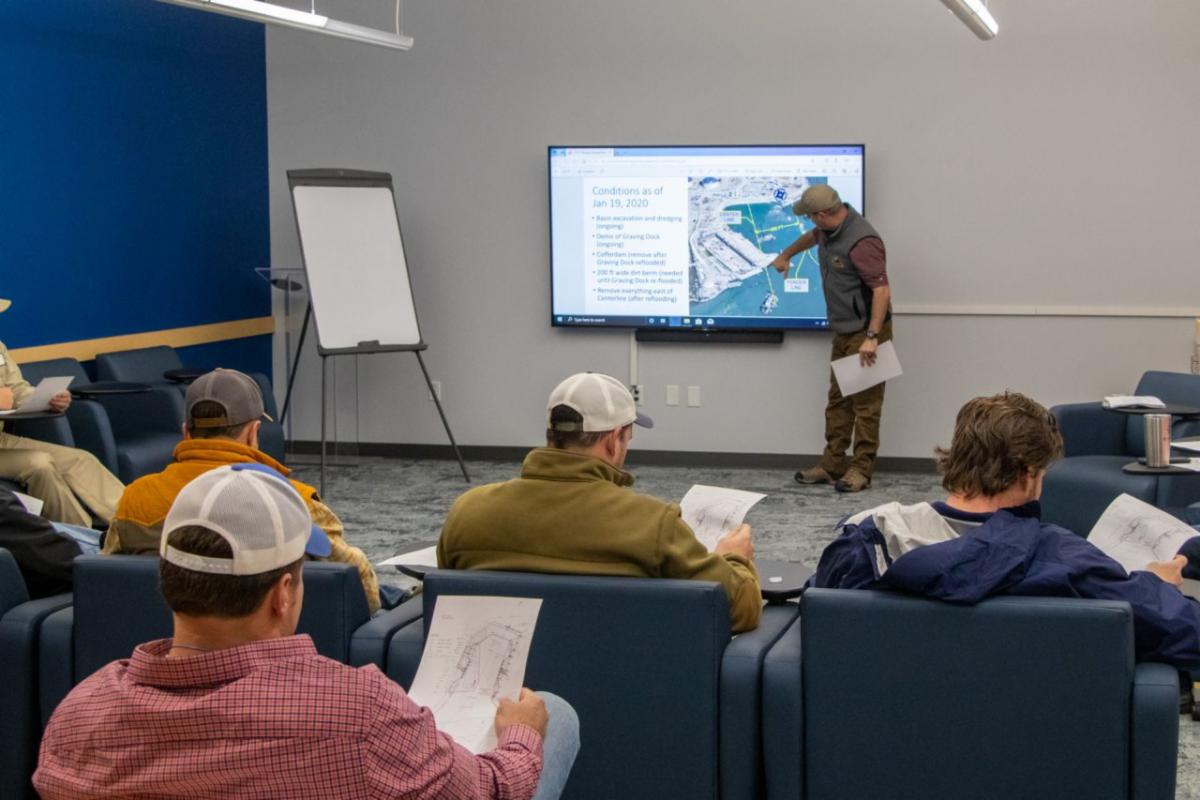
Since 2004, SCI’s Center for Maritime Education (CME) has completed 28 major feasibility studies supporting bridges, ports, docks, terminals, channel modifications, and other waterway navigation projects across the United States.
Using full-mission simulation, CME helps engineers, agencies, and operators understand how proposed projects may affect vessel movement and navigation before construction begins.
Licensed captains bring real-world experience into the simulator to evaluate factors such as navigation clearance, traffic flow, vessel handling, environmental conditions, and operational risk. CME’s feasibility study work, which is included within its ISO 9001:2015-certified quality management system, has supported state departments of transportation, the U.S. Coast Guard, the U.S. Army Corps of Engineers, and leading engineering firms.
By identifying potential challenges early, SCI helps project teams strengthen designs, streamline permitting, incorporate meaningful mariner feedback, and make more informed decisions before changes become costly or difficult to implement.
| | SCI Highlights Collaboration and Mariner Wellness at GICA Seminar | |
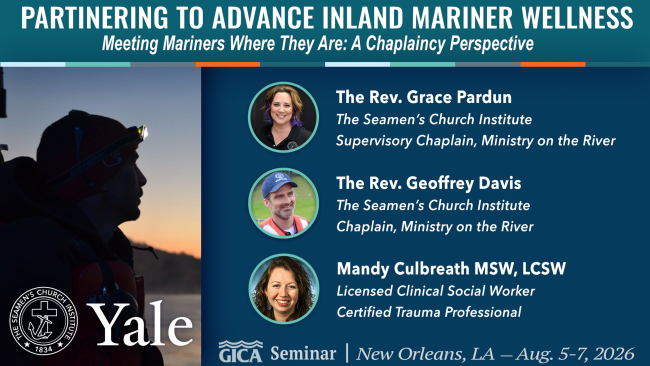
The Seamen’s Church Institute brought a message of collaboration and care to the 121st Annual Gulf Intracoastal Canal Association (GICA) Seminar, held August 5–7, 2026, in New Orleans.
SCI Supervisory Chaplain the Rev. Grace Pardun joined SCI Chaplain the Rev. Geoffrey Davis and licensed clinical social worker and certified trauma professional Mandy Culbreath, MSW, LCSW, for "Partnering to Advance Inland Mariner Wellness: Meeting Mariners Where They Are — A Chaplaincy Perspective."
Pardun shared findings from SCI’s recent study while emphasizing the importance of collaboration in strengthening the maritime industry’s existing culture of care. She highlighted how SCI Chaplains work alongside industry partners to support mariners’ mental, emotional, and spiritual health through resources, stress management, leadership training, and a consistent ministry of presence.
Davis shared his experience and commitment as a chaplain, while Culbreath offered a clinician’s perspective on mariner wellness and trauma.
Audience questions prompted an important discussion about when to call an SCI Chaplain following a stressful or critical incident. Pardun encouraged companies not to wait until an incident appears “serious enough.” Because individuals respond to stressful experiences differently, reaching out early allows SCI and industry partners to determine together whether chaplaincy support would be beneficial.
The conversation also identified opportunities for even more practical wellness resources, including vessel-appropriate exercise and meal plans, sleep strategies for mariners working square watches, and clear procedures for engaging chaplains following critical incidents.
Pardun closed by thanking the maritime community for its continued hospitality and for welcoming SCI Chaplains aboard its vessels. That access and trust allow SCI to meet mariners where they are and remain a steady source of support for the people at the heart of the industry.
The seminar reinforced a simple but important message: supporting mariner wellness is a shared effort, and strong relationships make that work possible.
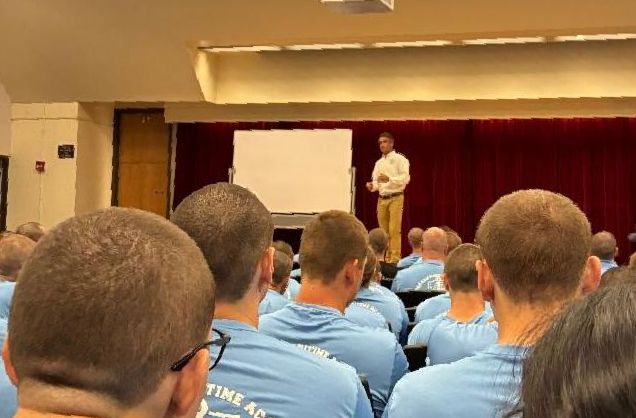
| Supporting the Next Generation of Mariners at Texas A&M Maritime Academy | | SCI Chaplain, the Rev. Geoffrey Davis, speaks to the incoming class of cadets at Texas A&M Maritime Academy during O-Week. | | |
Earlier this month, the Seamen’s Church Institute (SCI) reaffirmed its commitment to supporting mariners throughout every stage of their careers through its participation in O-Week at Texas A&M Maritime Academy.
O-Week introduces incoming cadets to the routines and traditions of the Corps of Cadets while building the skills and discipline essential to maritime life. Throughout the week, cadets receive instruction in military bearing and customs, basic seamanship, engineering and nautical science, formations, marching, teamwork, and hands-on seamanship.
Representing SCI was Chaplain the Rev. Geoffrey Davis, a Texas A&M Maritime Academy alumnus who returned to his alma mater 20 years after beginning his own maritime journey there. Speaking with the incoming freshman class, he introduced cadets to SCI and its mission to support mariners throughout their careers.
Drawing on both his professional experience and his own challenges at sea, Davis spoke about the importance of caring for the whole mariner—physically, mentally, emotionally, and spiritually. He also shared insights from SCI’s recent U.S. Inland Mariner Wellness Assessment, produced with Yale School of Medicine, helping cadets understand that personal well-being is an essential part of building a sustainable maritime career.
For Davis, returning to the academy offered an opportunity to give back to the maritime community that has shaped much of his life. For SCI, participating in O-Week reflects a broader commitment: ensuring that the next generation of mariners knows from the very beginning of their careers that support and resources are available to them.
SCI is proud to engage with maritime academies and cadets as they prepare for careers at sea and ashore, helping foster a maritime community in which mariners can thrive throughout their working lives.
| | Responding to the Concerns of a Vulnerable Seafarer | | |
By Michelle McWilliams, MSW
Chaplain, International Seafarers’ Center, Port of New York & New Jersey
From the June 2026 Quarterly Activity Report
During this quarter, one of the more significant interactions I had was with Pat, a Filipino OS aboard a car carrier. Back at the end of March, Aileen, the ISC’s evening driver, called to inform me that a seafarer had reached out through our WhatsApp number and wanted to speak to a Chaplain. I asked Aileen to have the chat sent to me in an email and include their WhatsApp contact as well.
Pat provided a detailed account of an incident aboard the ship involving him and an AB (Able Seaman).
“An AB physically attacked me; he pushed and kicked me,” Pat said. “Earlier that morning, I was painting the ventilators while the AB was removing rust nearby using a jet chisel. When I approached his area, I asked if I could paint the adjacent ventilator. He responded, ‘Do not shout!’ But I was not shouting. I only raised my voice so he could hear me because the area was very noisy and he was operating the jet chisel.” Pat continued: “Then, at approximately 11:55 a.m., near the deck store by the basketball court, the AB pushed me. The OS tried to stop him. Because he had become very aggressive, I immediately went to the bridge. The Third Officer was there, and I briefly explained the situation. He then called the Captain. I informed the Captain about the incident, and he asked me why it happened. I explained what the AB had said: that he became angry because he believed I had shouted at him."
After reaching out by email and WhatsApp, Pat responded late in the evening. During the conversation, we were able to safety plan further and discuss his mental and physical health. While we messaged back and forth, his main concerns following the assault were fear for his safety, emotional distress, and uncertainty about how to proceed while still at sea. He described feeling isolated, very anxious about retaliation, and unsure of his rights when back in the Philippines. Also, the imbalance he felt from his own countrymen, all unlicensed crew like himself, made the environment feel confined and particularly high-risk for him.
As a chaplain, this situation highlighted both the ongoing vulnerabilities faced by maritime workers and the importance of timely remote psychosocial support. Fortunately, the Chief Officer and Captain were very supportive of Pat, although such support is not always present in similar situations. Access to internet connectivity at sea proved vital, as it helped overcome the isolation experienced onboard and allowed chaplains to provide care and support from a distance. It also created a safe and confidential space where Pat could openly share his experience without fear of judgment. My role involved active listening, providing emotional and spiritual support in keeping with my chaplaincy ministry, and offering practical guidance related to safety planning and appropriate referrals.
Pat intended to complete his contract due to financial reasons. Once this was established, I provided guidance, and several key steps were taken, including a risk assessment to evaluate both the immediate and ongoing threats, such as concerns related to physical safety, mental health, and the potential for further escalation of the conflict. Safety planning was also undertaken, building upon the protections already in place while identifying trusted individuals onboard (including the Captain, Chief Officer, and Third Officer, all of whom were Ukrainian) as points of contact for support and for reporting any further incidents.
In addition, I encouraged Pat to safely document all encounters by preserving photographs, timelines, and witness accounts in order to maintain evidence. I also advised him to prioritize personal safety by maintaining radio communication with the bridge at all times. To help manage anxiety and trauma symptoms while still at sea, I recommended short-term coping strategies such as grounding techniques, cognitive distraction, and maintaining regular contact with family back home through available technology.
I also referred him to Phil Schifflin, SCI’s advocacy lawyer, as well as to the International Transport Workers’ Federation (ITF), in order to help ease his fears of possible retaliation upon returning home. Lastly, I assured Pat of ongoing follow-up support through periodic check-ins via WhatsApp over the following months to monitor his situation, adjust safety plans as needed, and continue providing emotional support and pastoral care.
While all of these steps were impactful, the human and relational aspect of active listening and reflection proved most meaningful for him. Being reminded that he was doing everything within his power and taking the appropriate steps seemed to resonate with Pat. He shared that he needed to hear those affirmations — to feel acknowledged, reassured, and genuinely heard. I am happy to report that, as of yesterday, he stated that he is doing “a lot better now.” All protective measures onboard have remained in place despite officer contract rotations, and he still has four months remaining on his contract. Throughout our interactions, he has continued to express deep appreciation and gratitude for the support provided. His resilience and sense of agency have remained strong throughout this experience. This intervention further reinforced the importance of accessible welfare and support services for seafarers who often work under isolated and high-pressure conditions.
This case reminded me of the unique pressures of life at sea: limited escape options and the potential for conflicts to escalate quickly. Providing support through WhatsApp demonstrated both its limitations (lack of in-person presence) and its strengths (immediacy and accessibility across vast distances). I felt a deep sense of responsibility and empathy during the exchanges. Challenges included ensuring sensitivity and clear communication and expectations, as well as managing my own emotional response to hearing distressing accounts without visual cues. I am grateful for the opportunity to be there for Pat during a vulnerable time and will continue to prioritize responsive, compassionate support in my chaplaincy and social work role. This intervention aligns with our organization’s mission to uphold the dignity and well-being of those who work at sea.
| | Christmas in July: WISTA Volunteers Pack 3,448 Gifts for Mariners | | |
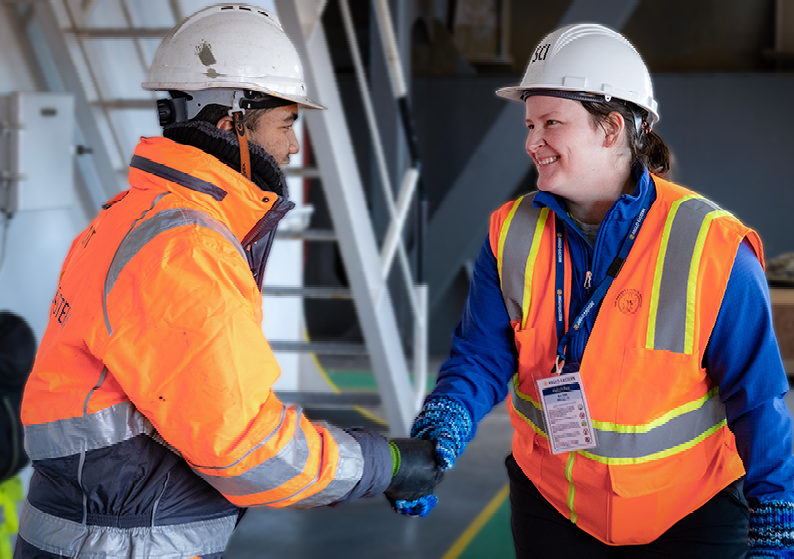
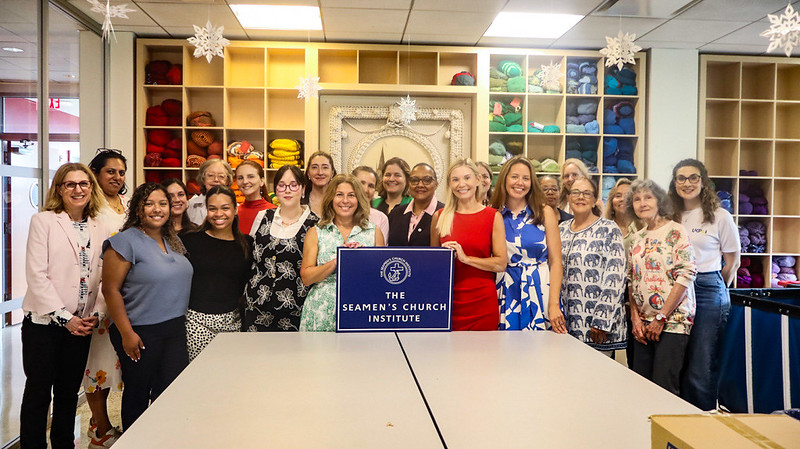
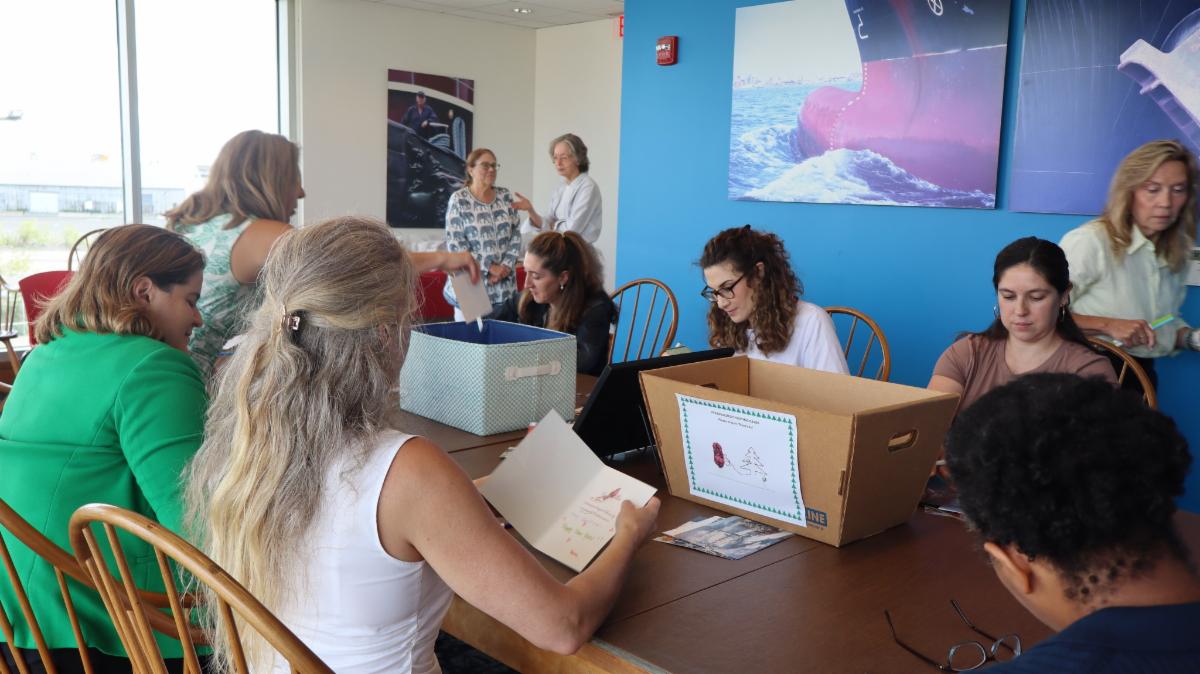
SCI recently welcomed members of the CT and NY/NJ chapters of WISTA to the International Seafarers’ Center in Port Newark for the annual “Christmas in July” event, a special day of volunteering with Christmas at Sea. Together, volunteers packed 3,448 handmade gifts in record time—2,941 gifts for mariners in Paducah, KY, and 507 knitted and crocheted items for mariners in and around Vicksburg, MS—to be distributed during the holiday season.
Volunteers are at the heart of Christmas at Sea. Throughout the year, individuals and groups both within and beyond the maritime community knit and crochet handmade gifts, send them to SCI, and help prepare thousands of packages for distribution. The recent WISTA gathering brought together members from multiple chapters in support of the mariners who keep our waterways moving.
We are grateful to WISTA and all of our Christmas at Sea volunteers—knitters, crocheters, and ditty bag makers—whose time, talent, and generosity help SCI share warmth and appreciation with mariners each holiday season.
| | Available Now: The Knit Before Christmas—Summer 2026 | | |
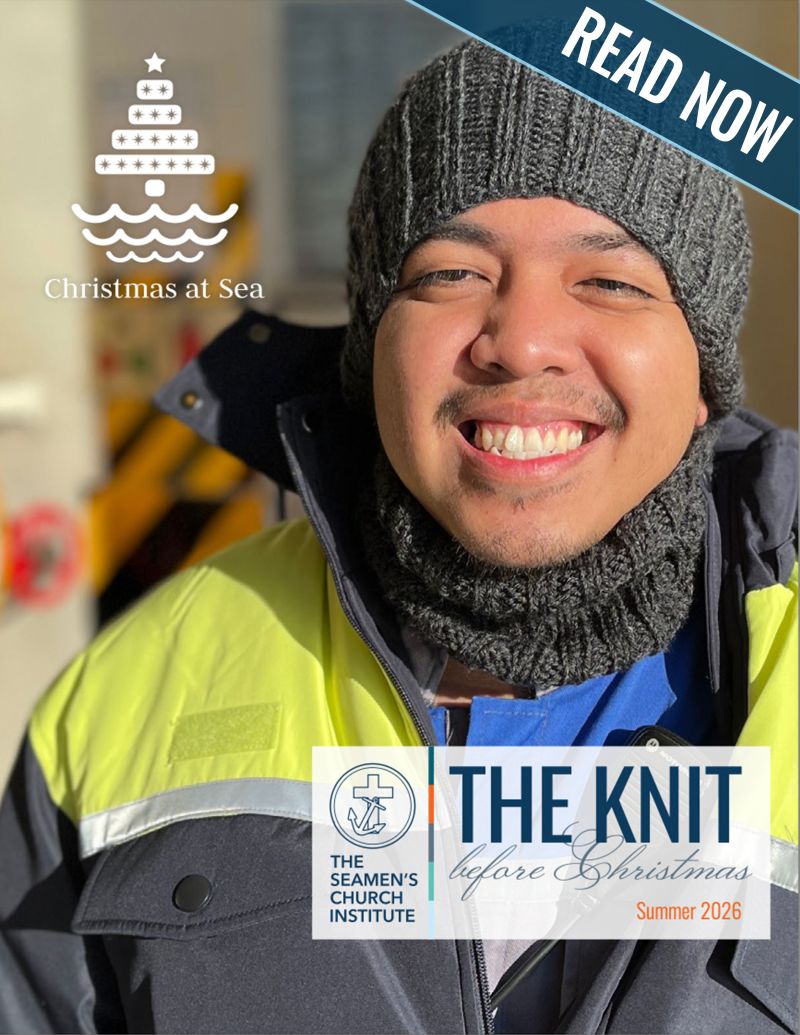
The latest edition of SCI's signature The Knit Before Christmas publication is here!
The Summer 2026 edition is now available online. This issue is filled with inspiring stories, Christmas at Sea program updates, and a look at how your dedication continues to bring comfort and care to seafarers around the world.
Whether you're a longtime volunteer or new to the Christmas at Sea community, there's something for everyone inside.
Click here to read now.
| | A Maritime Milestone: NS Savannah | |
On August 20, 1962, the nuclear-powered NS Savannah embarked on its maiden voyage. Named for the SS Savannah—the first hybrid steamship to cross the Atlantic—it was envisioned as the beginning of a new era in commercial ship propulsion that ultimately never came to pass.
Built as part of President Dwight D. Eisenhower's Atoms for Peace program, the Savannah was designed to demonstrate the peaceful use of nuclear technology rather than operate as a commercially profitable vessel. Launched in 1959, it was retired from service in 1971. Today, it remains open for monthly guided tours in Baltimore.
This photo shows the Savannah's officers posing with a model of the ship as they began training for one of the most ambitious experiments in maritime history.
| | |
Engage in the Conversation
If you received this newsletter as a forwarded email from a friend or colleague, or regularly receive our emails and would like a complimentary subscription to our print magazines, please click on the button below to complete an online subscription form.
| | | | |