|
MARINERS DEPEND ON SCI.
SCI DEPENDS ON YOU.
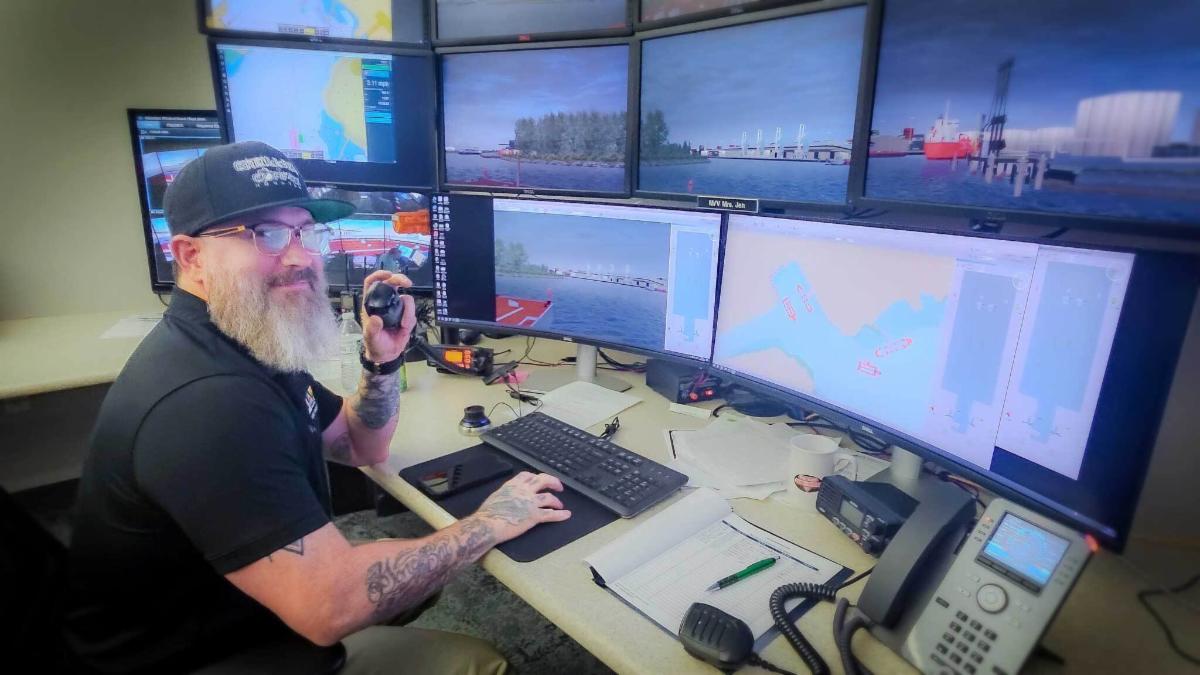
| | Capt. Jess Laywell, Instructor, at the Center for Maritime Education in Houston, TX. | | |
IN THIS ISSUE – November 2026
- SCI Chaplains Respond to Maritime Emergency on Mississippi River in New Orleans
- 26th Annual River Bell Awards Luncheon—Register Now!
- Putting Mariners First: SCI’s Mark Nestlehutt Talks with Marine Log
- CME Explores Solutions at Kongsberg Conference
- Center of Excellence Certificates Arrive at CME
- Protecting Seafarers When Ships Are Arrested
- SCI Chaplain the Rev. Grace Pardun Delivers Keynote at Lumera Healthcare Collective
- When the Room Grows Quiet
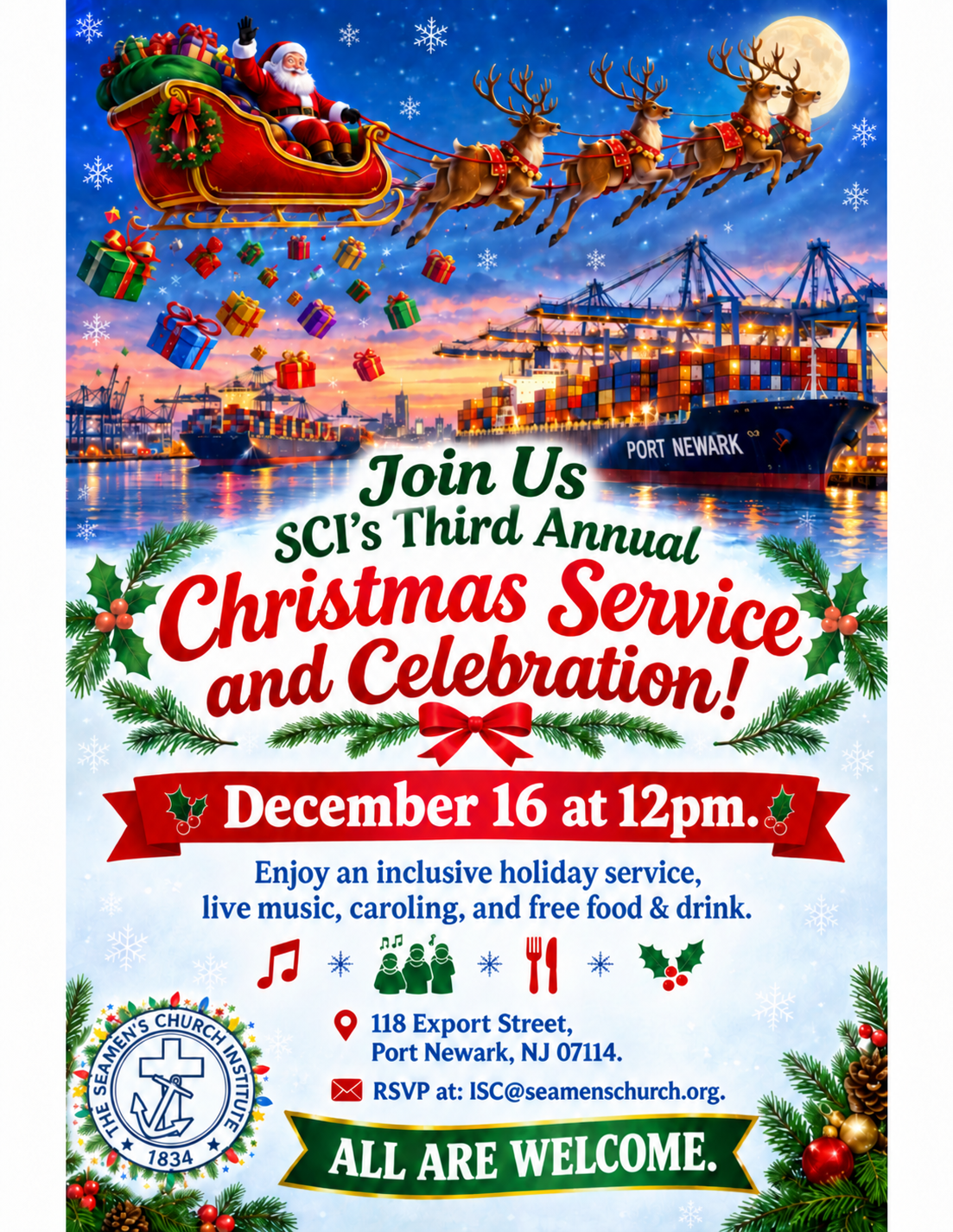
- Join Us: SCI's Third Annual Christmas Service and Celebration
- Future Mariners Pack Holiday Gifts for Today's Crews
- Port Packing Day 2026
- The Lookout—Fall 2026
- From the Archives—Ellis Island and the Challenges of Shore Leave
| | THANK YOU TO OUR CORPORATE SPONSORS | | SCI Chaplains Respond to Maritime Emergency on Mississippi River in New Orleans | | |
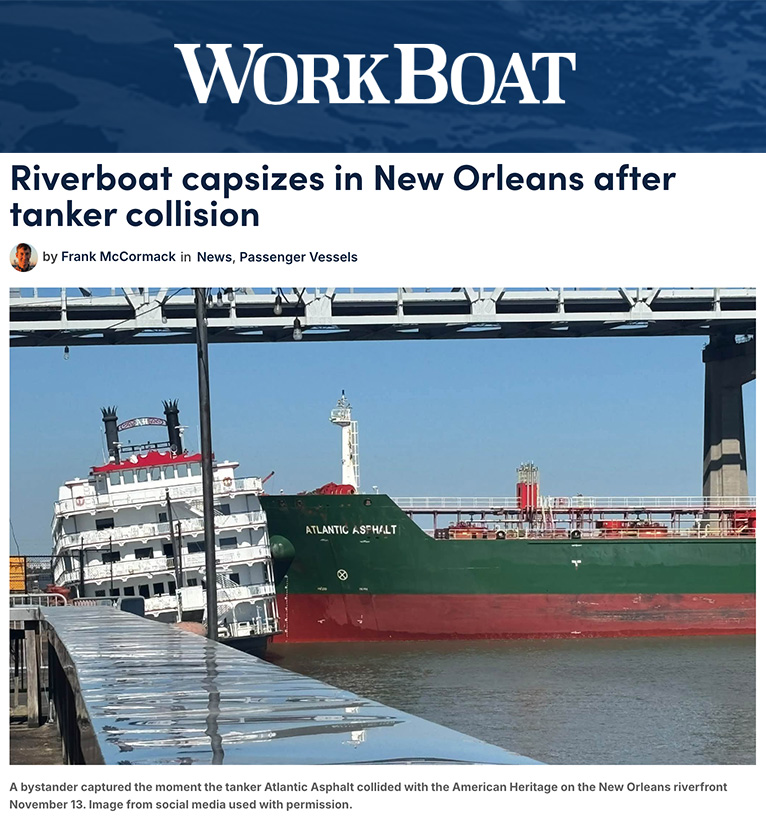
The Seamen’s Church Institute responded quickly to the November 13 allision involving a tanker and a cruise ship on the Mississippi River in New Orleans, joining first responders and mariners in assisting those caught up in the incident.
SCI Ministry on the River Chaplain, the Rev. Geoff Davis, was nearby when the incident occurred and arrived within minutes, working alongside the Louisiana State Police and other emergency responders. SCI Chaplain Associate Joy Manthey joined him later at the scene.
In an article published by WorkBoat, Davis described how SCI Chaplains helped coordinate meals, assisted people in wheelchairs, and provided trauma support using Critical Incident Stress Management (CISM) techniques. Reflecting on the coordinated response, Davis remarked, “This was a real case of unity of purpose.”
That cooperation was also evident on the river, where mariners aboard towboats, tugboats, and other harbor-assist vessels rushed to the scene. Together, they helped maneuver the tanker away from the capsized cruise ship and rescue passengers from the water. Their actions demonstrated the importance of emergency preparedness, the training maritime operators invest in, and the commitment of mariners and first responders to work together when lives are at stake.
Thankfully, all cruise ship passengers were reported accounted for, with no serious injuries. SCI extends its gratitude to everyone who responded and offers its thoughts and prayers to all who endured this harrowing experience.
| |
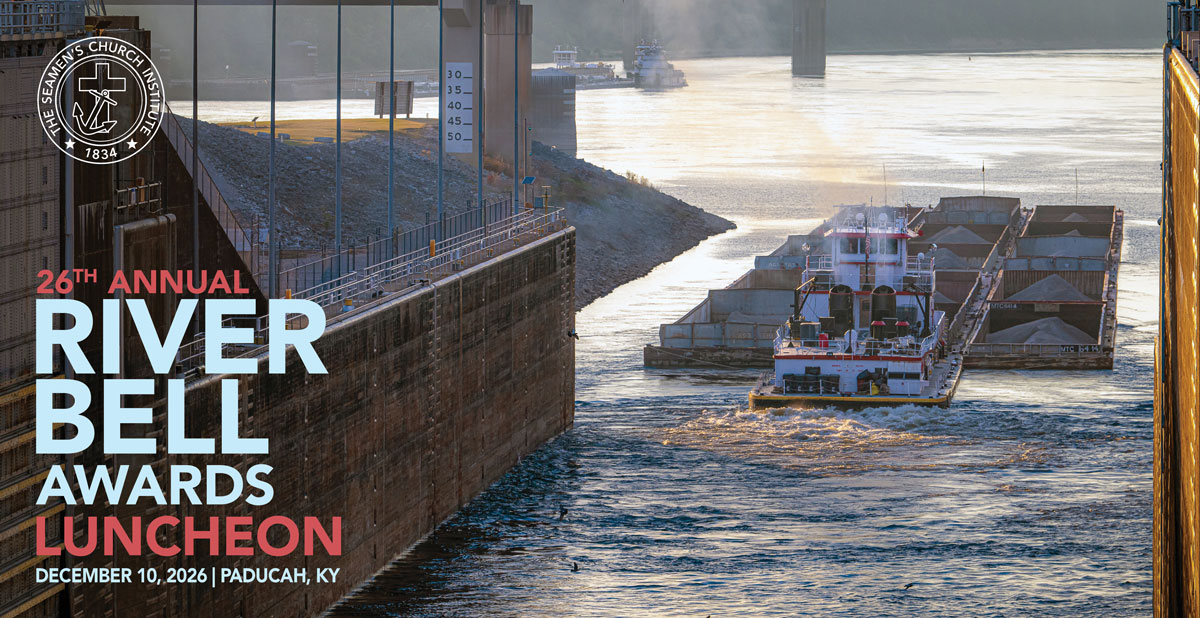
Join us for the 26th Annual River Bell Awards Luncheon!
Thursday, December 10, 2026
Paducah-McCracken County Convention & Expo Center
415 Park Street, Paducah, KY 42001
11:00 a.m. Check-In & Reception
12:00 p.m. Luncheon & Awards
__________________________________________________
Please join us in celebrating the
2026 River Bell Honorees
Distinguished Service Award
Deb Calhoun
Waterways Council, Inc.
River Bell Award
Lee Nelson
Upper River Services, LLC
River Legend Award
Bruce McGinnis
McNational, Inc.
Lifesaving Award
The Crew of the M/V George King (Marquette Transportation Company) & The Crew of the M/V Donna York (Crounse Corporation)
The Crew of the Miss Amanda M (Strategic Towing Services)
__________________________________________________
Please do not hesitate to reach out with any questions about the event!
202.719.8057 - RiverBell@SeamensChurch.org
| | Putting Mariners First: SCI’s Mark Nestlehutt Talks with Marine Log | | |
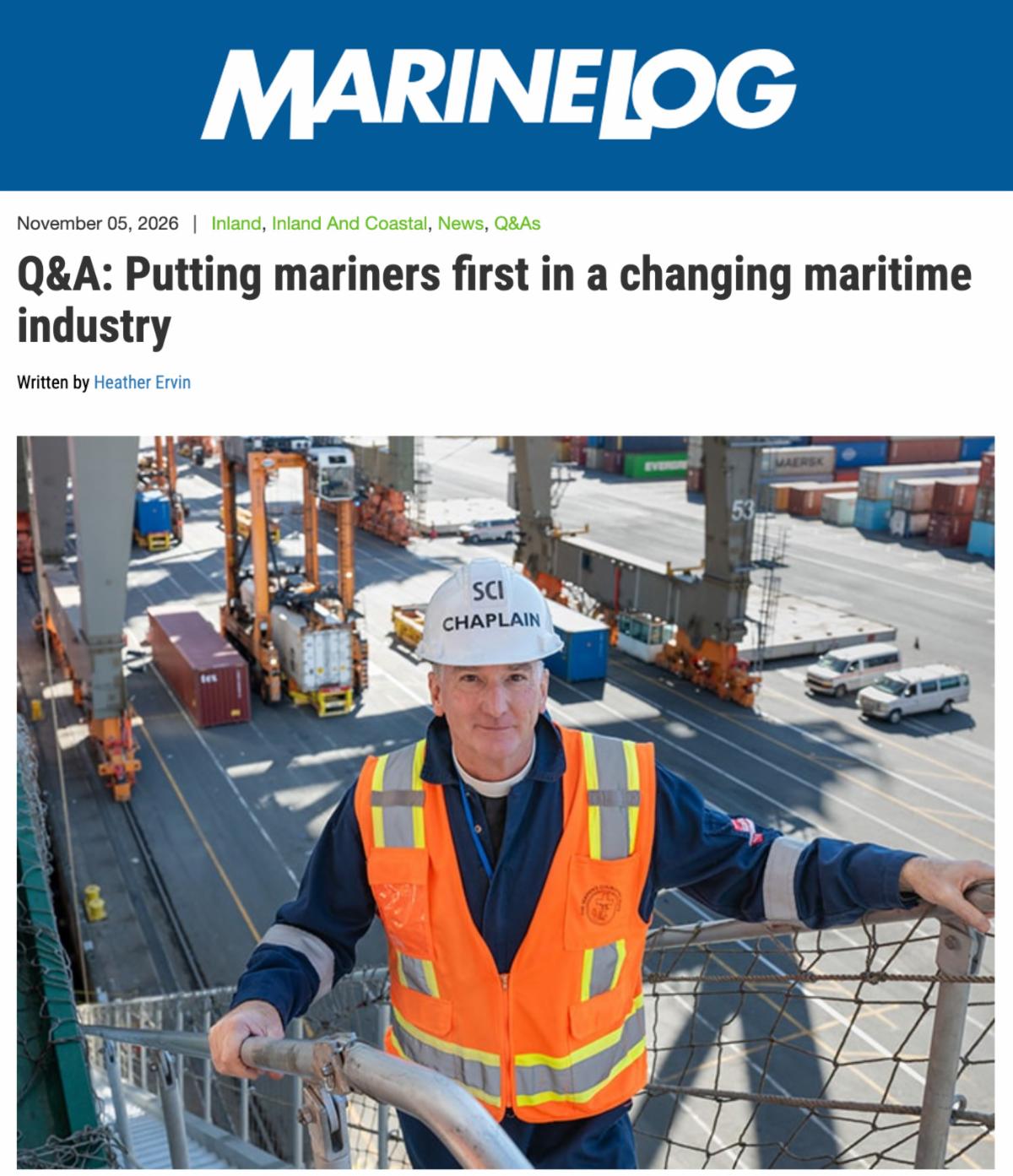
As the maritime industry navigates workforce challenges and technological change, investing in mariners remains essential. In a recent Q&A with Marine Log, SCI President and Executive Director, the Rev. Mark Nestlehutt discusses how supporting the people who work on the water can help build a stronger maritime future.
The conversation explores recruitment and retention, mental health, evolving training needs, and the distinct challenges facing inland mariners and international seafarers. Nestlehutt emphasizes the importance of supportive workplace cultures, professional development, and recognizing mariners for who they are as well as what they do.
He also highlights how SCI’s mission areas work together to meet these needs. Chaplains provide connection and care, the Center for Maritime Education helps mariners strengthen their skills through simulation training, and the Center for Mariner Advocacy supports their rights and professional needs.
The interview also addresses SCI’s collaboration with Yale School of Medicine on the U.S. Inland Mariner Wellness Assessment and the ongoing effort to translate its findings into practical improvements.
Throughout the discussion, Nestlehutt underscores a consistent priority: ensuring that advances in maritime technology are accompanied by meaningful investment in mariners’ safety, dignity, and well-being.
Read the full Q&A in Marine Log.
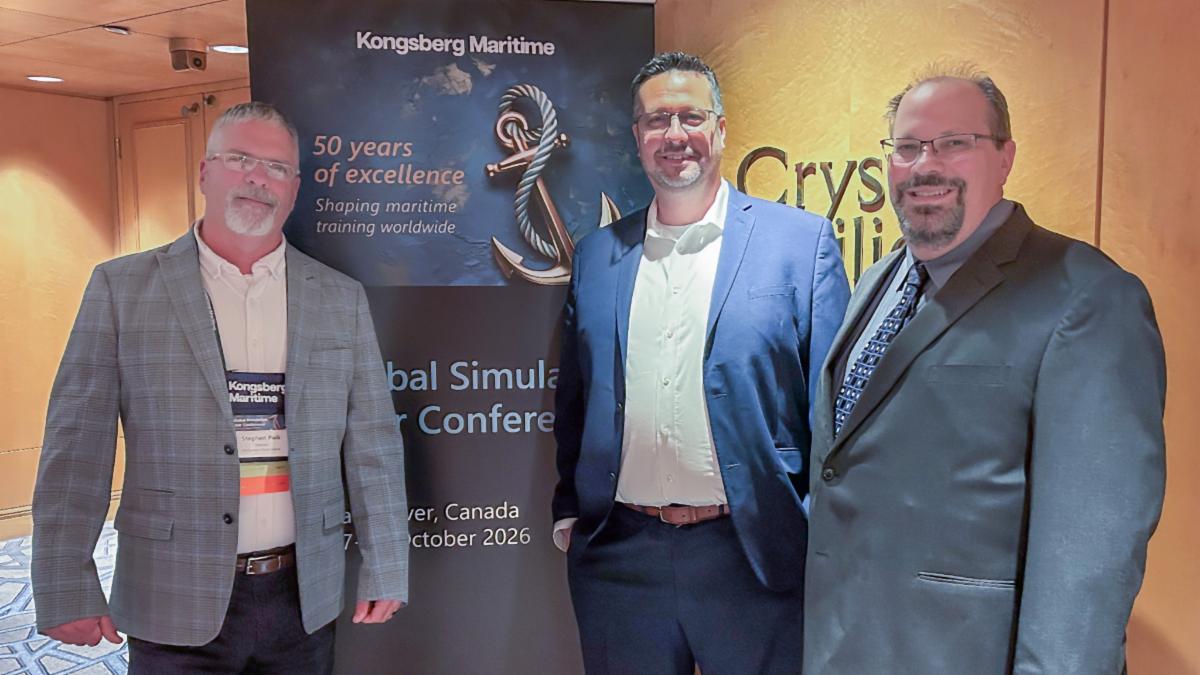
| | Attending the 2026 Kongsberg User Conference 2026 in Vancouver, Canada, were CME Director Capt. Stephen Polk, Deputy Director Jonathan Burson, and Simulation & Database Manager Matthew Hyner. | | CME Explores Solutions at Kongsberg Conference | | |
How accurately can a maritime simulator reproduce a vessel's behavior under real-world conditions? It's an increasingly important question for an industry that relies on simulation not only to train mariners but also to assess navigational risks, evaluate vessel performance, and plan maritime infrastructure projects.
That question was central to discussions at Kongsberg Maritime's Global Simulation User Conference, held October 27–29, 2026, in Vancouver, Canada. Representatives from The Seamen's Church Institute's Center for Maritime Education (CME) joined maritime training professionals, simulator developers, and industry experts to explore improvements in simulation technology.
A key takeaway was Kongsberg's progress in improving the accuracy and reliability of vessel modeling. Building on feedback from previous conferences, the company has invested in additional personnel and development tools to strengthen its modeling capabilities.
Of particular interest to CME was the mathematical accuracy of simulated vessel behavior, especially when accounting for tug forces and complex maneuvers. This directly supports CME's ongoing simulator validation initiative, which seeks to establish greater confidence in how accurately simulated inland vessels reproduce real-world performance. Such improvements could strengthen both professional mariner training and navigational studies used to evaluate proposed bridges, ports, and other maritime infrastructure projects.
The conference also previewed new technology, including Seaview R7, a visual engine expected in 2028, and plans to incorporate artificial intelligence into Kongsberg's instructor interface to improve training workflows.
CME representatives also met directly with Kongsberg to discuss technical challenges, model accessibility for testing and validation, and opportunities for continued collaboration. While some matters remain under consideration, the conversations were encouraging and reflected progress in addressing simulation users' needs.
For CME, the conference reinforced an important principle: the value of maritime simulation depends not simply on how realistic it looks, but on how accurately it performs. Continued improvements in modeling, technology, and validation will help CME provide maritime operators and engineers with more reliable tools to train mariners, evaluate navigational challenges, and make informed decisions before putting them into practice on America's waterways.
| | Center of Excellence Certificates Arrive at CME | | |
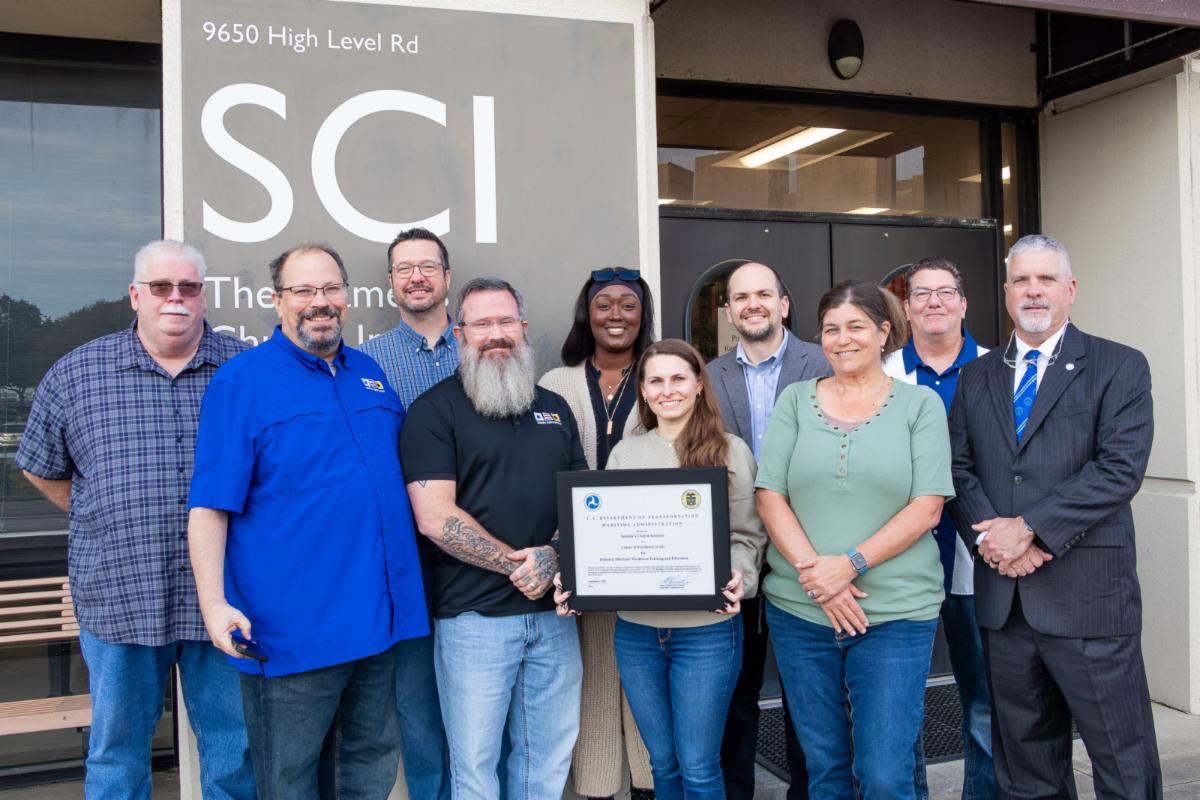
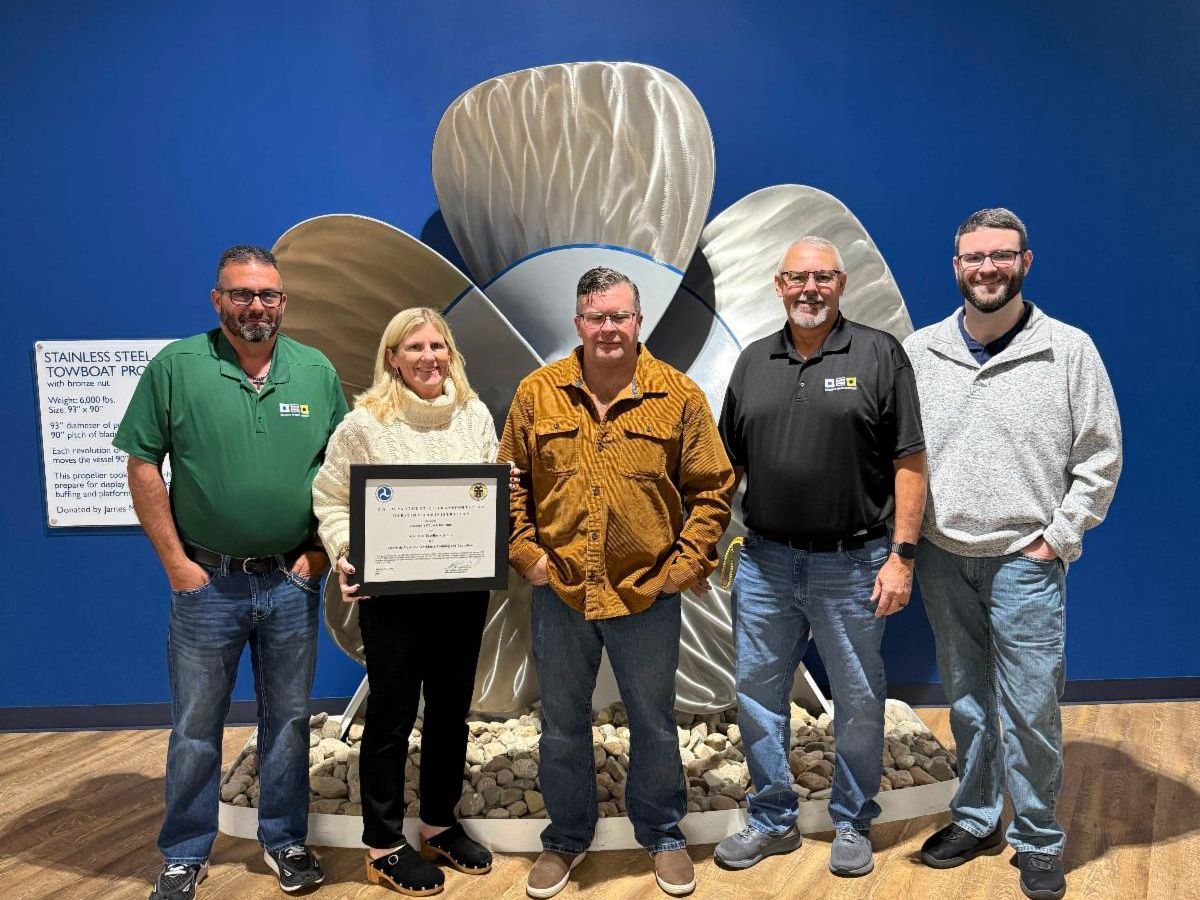
In October, the U.S. Department of Transportation’s Maritime Administration (MARAD) designated SCI's Center for Maritime Education as a 2026 Center of Excellence for Domestic Maritime Workforce Training and Education, recognizing its contributions to maritime training and workforce development. The certificates arrived! Congratulations again to the CME team.
| | CME—Houston, from left to right: Capt. David Howell, Matthew Hyner, Jonathan Burson, Capt. Jess Laywell, Yonni Tompkins, Capt. Kelly Fitzpatrick, Capt. Alex Pipchenko, Ph.D., Lisa Nally, Capt. Joshua Puckett, Capt. Stephen Polk. | | CME—Paducah, from left to right: Capt. James "Jim" Ferguson, Kelly Butts, Capt. Stephen Douglas, William "Buck" Viniard, and Tom Watson. | | Protecting Seafarers When Ships Are Arrested | | |
By Phil Schifflin, Esq.
Director, Center for Mariner Advocacy
From the October 2026 Quarterly Activity Report
Seafarers too often become the “collateral damage” of circumstances they neither created nor control. Commercial disputes, vessel arrests, abandonment, geopolitical conflicts, criminal investigations, regulatory actions, and the financial failure or misconduct of shipowners and other parties can all negatively impact seafarers.
The Seamen’s Church Institute’s Center for Mariner Advocacy (CMA) works to ensure that the human consequences of these situations are not overlooked. Through direct assistance, legal and policy advocacy, and collaboration with government agencies, industry stakeholders, and international organizations, CMA helps protect the rights, dignity, and welfare of seafarers caught in the middle of events beyond their control.
One such situation recently occurred when a vessel was arrested in a U.S. port. While some readers may be familiar with what it means for a vessel to be arrested, a brief explanation helps, especially given the distinction between a vessel arrest and a vessel detention.
When a court orders a vessel's arrest, the vessel is legally held so it cannot leave the jurisdiction, usually to secure a maritime claim against the vessel or its owner. Importantly, arresting a vessel does not mean its crew has been arrested.
A vessel arrest is distinctive in maritime law because, under certain circumstances, a ship can be proceeded against in rem, meaning the legal action targets the vessel itself. A vessel might be arrested in connection with a maritime lien or other maritime claim involving unpaid seafarers’ wages, salvage, collision damage, certain supplies or services furnished to the vessel, or a ship mortgage. A federal court can issue a warrant for the vessel’s arrest, which the U.S. Marshals Service generally executes.
A vessel arrest differs significantly from a vessel detention. A detention by the U.S. Coast Guard or another government agency is generally an administrative or regulatory action, often taken because of safety or regulatory deficiencies or as part of a criminal investigation.
The distinction between an arrest and a detention is sometimes overlooked by those making decisions about how to treat the crew aboard an affected vessel. For example, when a vessel is detained as part of a criminal investigation, there may be legitimate reasons to closely monitor crew members, including concerns that someone might try to leave the vessel without permission. By comparison, when a vessel is arrested in a commercial dispute, there is generally no reason to assume the crew is more likely to attempt to leave without authorization, absent other circumstances. This distinction appears to have been overlooked in a recent case involving CMA.
Following the vessel's arrest, government officials ordered guards to be stationed aboard to ensure that no seafarers left the vessel. They also required the entire crew to muster every four hours so that everyone could be accounted for.
Understandably, the crew became frustrated. The four-hour muster requirement interfered with their ability to get adequate, uninterrupted sleep, and no one indicated when these restrictions might be relaxed. The seafarers were already dealing with the uncertainty of their vessel's arrest, and now they faced additional restrictions affecting their rest and well-being.
Once I learned of the situation, I contacted a local chaplain to ensure the crew received regular visits and support. The chaplain offered spiritual care to those who were interested, along with practical assistance, including purchasing and delivering items the seafarers wanted but could not obtain because they were not permitted to go ashore.
I also contacted the local International Transport Workers’ Federation (ITF) inspector to make sure they were aware of the situation. Through our conversation, I learned that the inspector had established relationships with the government officials involved. I asked the inspector to engage those contacts and help ensure the officials understood an important distinction: the vessel had been arrested, not detained, and the circumstances did not necessarily justify treating the crew as if they were detained. As a result of these efforts, the requirement to muster every four hours was ultimately relaxed.
Through the local chaplain's regular visits and our advocacy with government officials, we helped mitigate the consequences of the vessel's arrest for the crew. What might otherwise have been viewed simply as a legal or commercial matter had very real implications for the people living and working aboard that vessel.
Situations like this happen every day in ports around the world, where seafarers often find themselves affected by decisions and disputes over which they have little or no control. CMA works to mitigate these impacts on individual seafarers and crews while also advocating for policies and practices that recognize the human consequences of maritime legal, commercial, and regulatory actions. Our goal is to encourage the parties involved to consider how their decisions affect seafarers and to take reasonable steps to minimize unnecessary hardship.
While seafarers may have no role in creating these circumstances, they should not be left to bear the consequences without support.
| | SCI Chaplain the Rev. Grace Pardun Delivers Keynote at Lumera Healthcare Collective | | |
“When we turn towards the suffering and show up for each other, the miracle of healing begins.”
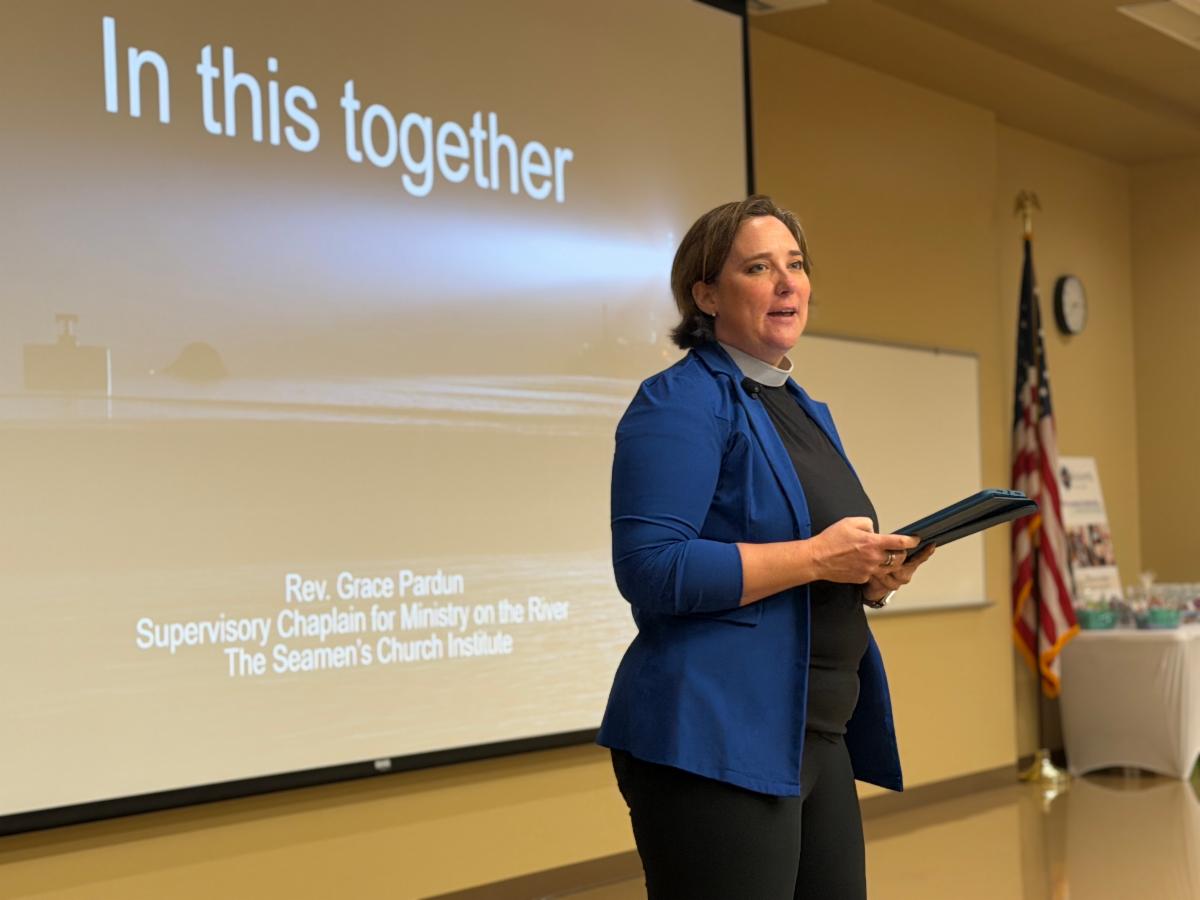
SCI Supervisory Chaplain, the Rev. Grace Pardun, shared this message during her keynote address at the Lumera Healthcare Collective, highlighting the power of presence, compassion, and connection in caring for others.
The gathering, hosted by the Western Kentucky-based mental healthcare provider, brought health experts together and offered an opportunity for SCI to engage healthcare professionals in its work to advance inland mariner wellness. For mariners navigating extended time away from home and the demands of life aboard a vessel, access to care and meaningful support is essential.
These conversations support the next steps outlined in Partnering to Advance Inland Mariner Wellness, the companion publication to the assessment developed by SCI and Yale School of Medicine earlier this year. Connecting maritime experience with healthcare expertise is an important part of translating that research into practical support for mariners’ physical, mental, and emotional well-being.
SCI thanks Lumera Healthcare for welcoming its perspective into the conversation and creating opportunities to strengthen connections across professions. Through continued collaboration, SCI is working to help turn shared knowledge into care that responds to the realities of mariners’ lives.
| | When the Room Grows Quiet | | |
By Michelle McWilliams, LSW
SCI Chaplain, International Seafarers' Center
From the October 2026 Quarterly Activity Report
Aboard the Santa Loretta, it felt very much like the ship visits of old. More than 15 crew members gathered in the mess room at lunchtime, talking and laughing while video from their latest basketball tournament played on the television.
Everyone is expected to participate in these tournaments, whether as a player or a manager. Kevin, the third officer, had even turned the footage into a real production with his impressive editing skills.
There was a strong sense of camaraderie throughout the ship. The crew was saying goodbye to Otto, a young German cadet they had clearly embraced as one of their own, while eight others prepared to head ashore for some well-earned leave. Several crew members credited the captain with creating this family atmosphere. They looked out for one another, kept each other present in the moment, and always seemed to have a lighthearted joke ready.
As the mess room emptied, I stayed behind talking with Gabriel, the steward. He told me he had recently returned to the vessel after an extended leave at home with his wife.
Then he pulled out his phone. On the screen was a photograph of his wife in a hospital bed, holding a tiny baby. “This is my beautiful son,” he told me.
Gabriel explained that his son had been born at seven months following complications from a placental abruption. He had already died. The loss was especially painful because Gabriel and his wife had previously experienced a miscarriage.
As we continued talking, Gabriel spoke about the role his faith had played in carrying him and his wife through their grief. “It is all part of God’s plan,” he said.
He stayed home with his wife for 10 months after their loss. He knew that he needed to be there for her. If she wasn’t okay, he explained, how could he be? Gabriel believes he will one day be reunited with his son. Until then, he knows he needs to continue living his own life—a life his son never had the opportunity to experience.
Gabriel isn't comfortable discussing this with many of his crewmates. There had been so much hope surrounding the arrival of their son after the earlier miscarriage, followed by the grief of losing not only their child, but all the moments they had imagined sharing with him: watching him crawl, seeing his first steps, and discovering the person he would become.
Gabriel seemed to see my visit as simply an opportunity to talk, and he was grateful for it. He reflected on his son, let himself feel the emotions that came with those memories, and shared what his journey forward has been like. There are still difficult days, he said. With the anniversary of his son’s birth approaching, those feelings were particularly close to the surface.
You never quite know what a vessel visit will bring. Not long before, the mess room had been filled with crew members laughing over basketball videos, trading jokes, and preparing for shore leave. Now it was quiet, and I was sitting with a mariner who needed a place to share his grief. Sometimes, as Chaplains, the most important thing we can do is be present when the room grows quiet, when a routine visit becomes something more, and a seafarer needs to be heard.
| | Future Mariners Pack Holiday Gifts for Today's Crews | | |
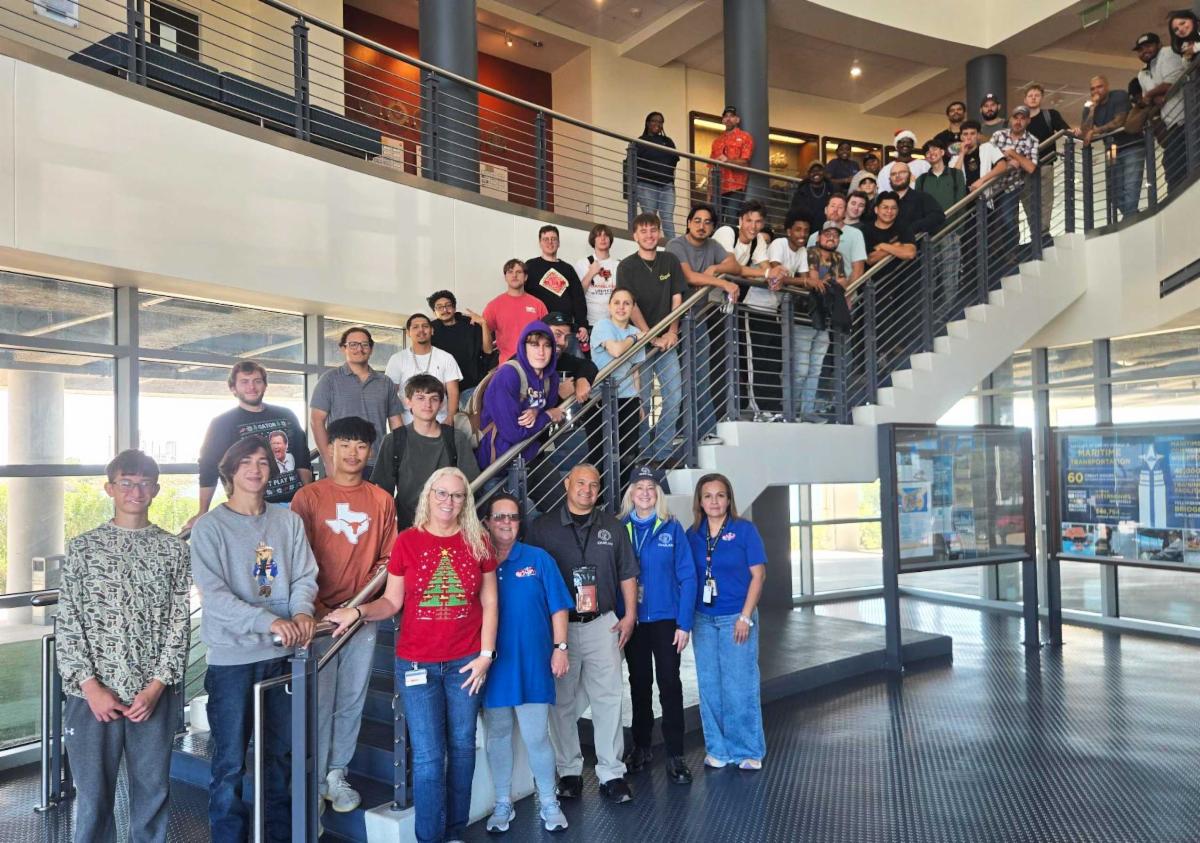
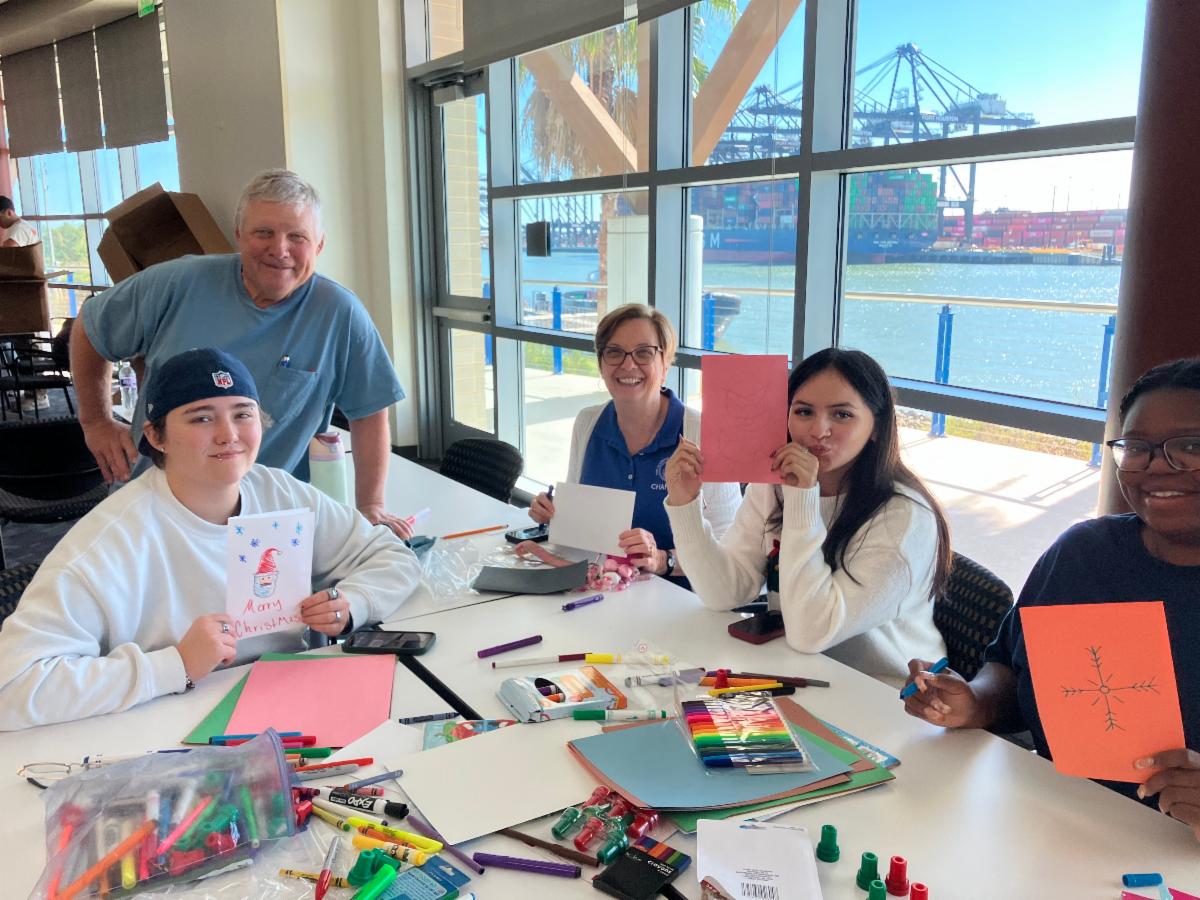
Students in San Jacinto College’s maritime program welcomed the Seamen’s Church Institute (SCI) to La Porte, TX, for its annual Christmas at Sea packing event, preparing holiday gifts for mariners working aboard tugs and towboats.
Joining the students were SCI’s Center for Maritime Education Director Capt. Stephen Polk, Chaplain Nancy Simpson, and Chaplain Associate Diane Burson. Together, they packed boxes containing handmade items and holiday cards, which will be delivered to regional maritime operators for distribution to their crews.
The event holds special meaning for these future mariners. Many will soon be working alongside the crews receiving their gifts, and one day may find themselves opening a Christmas at Sea package prepared by the next generation of maritime students.
SCI thanks San Jacinto College for hosting the event and Capt. Amy Arrowood for her leadership in organizing this annual tradition.
| | |
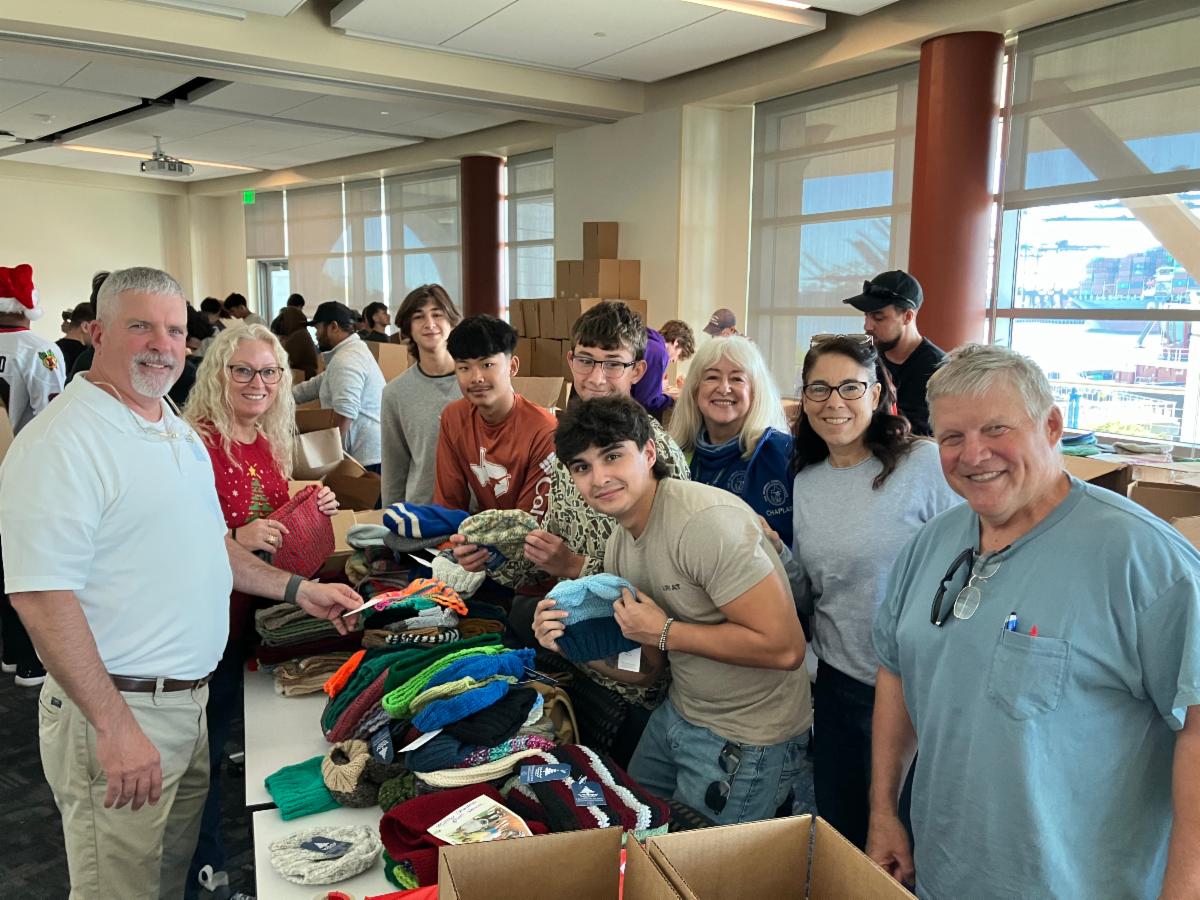
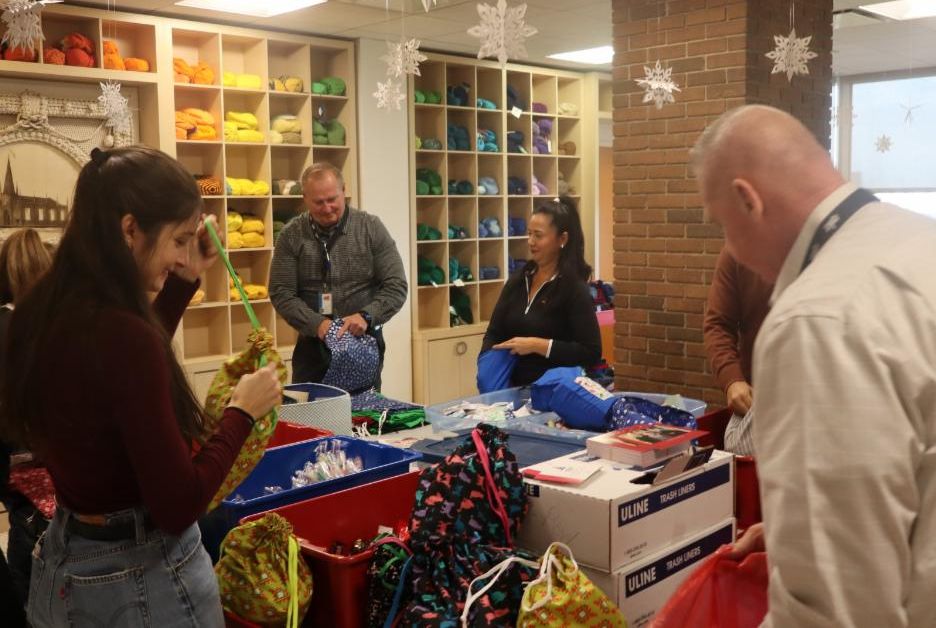
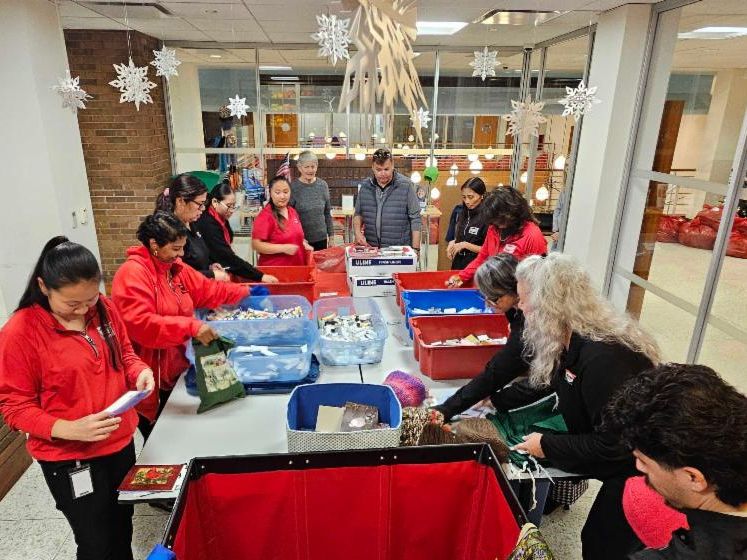
Familiar faces and new volunteers gathered at SCI’s International Seafarers’ Center in Port Newark on November 12 for Port Packing Day 2026. Led by Joanne Bartosik, Associate Director of Development and Christmas at Sea, the event brought together volunteers from maritime companies and port partners to prepare holiday gifts for seafarers.
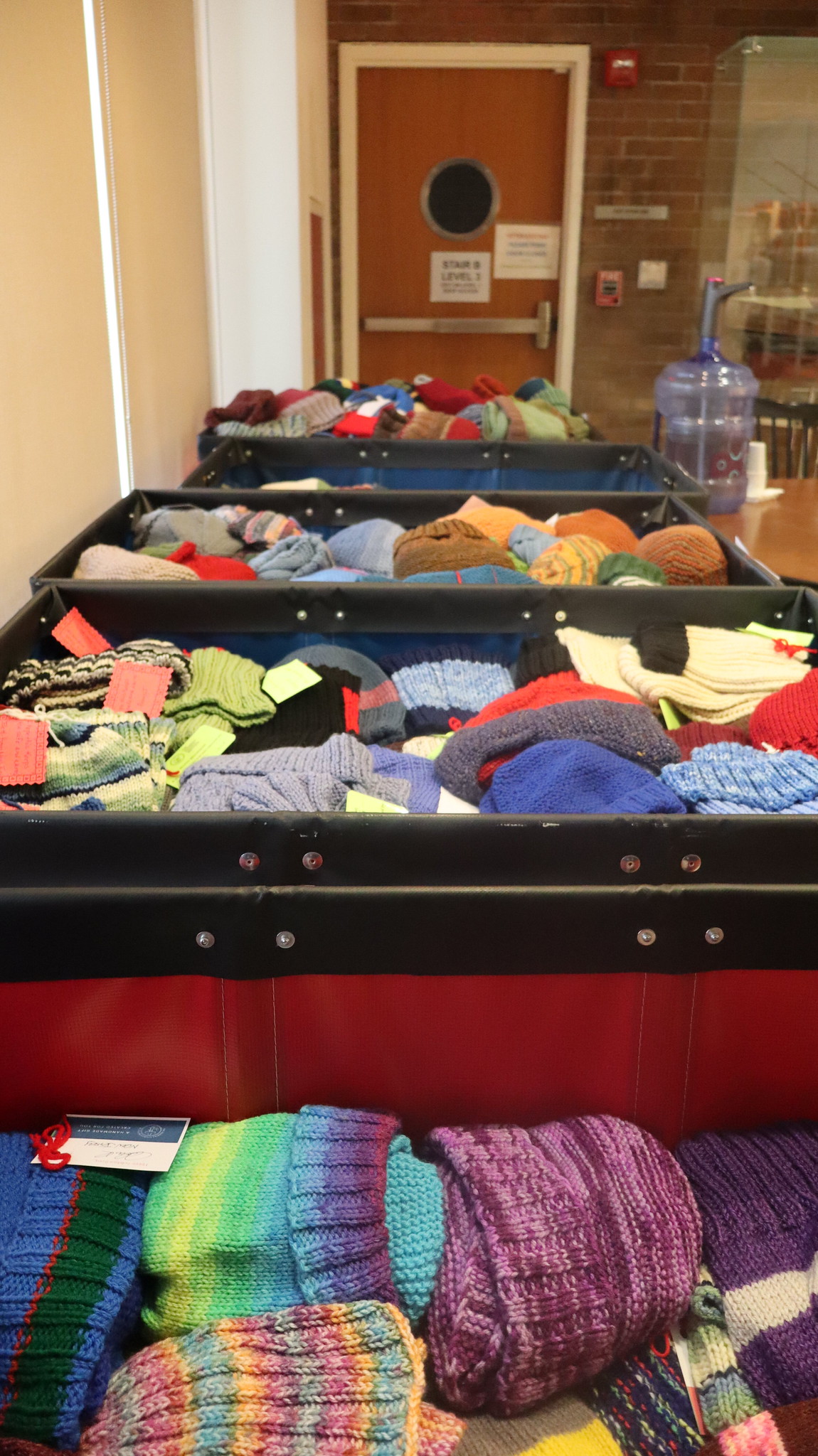
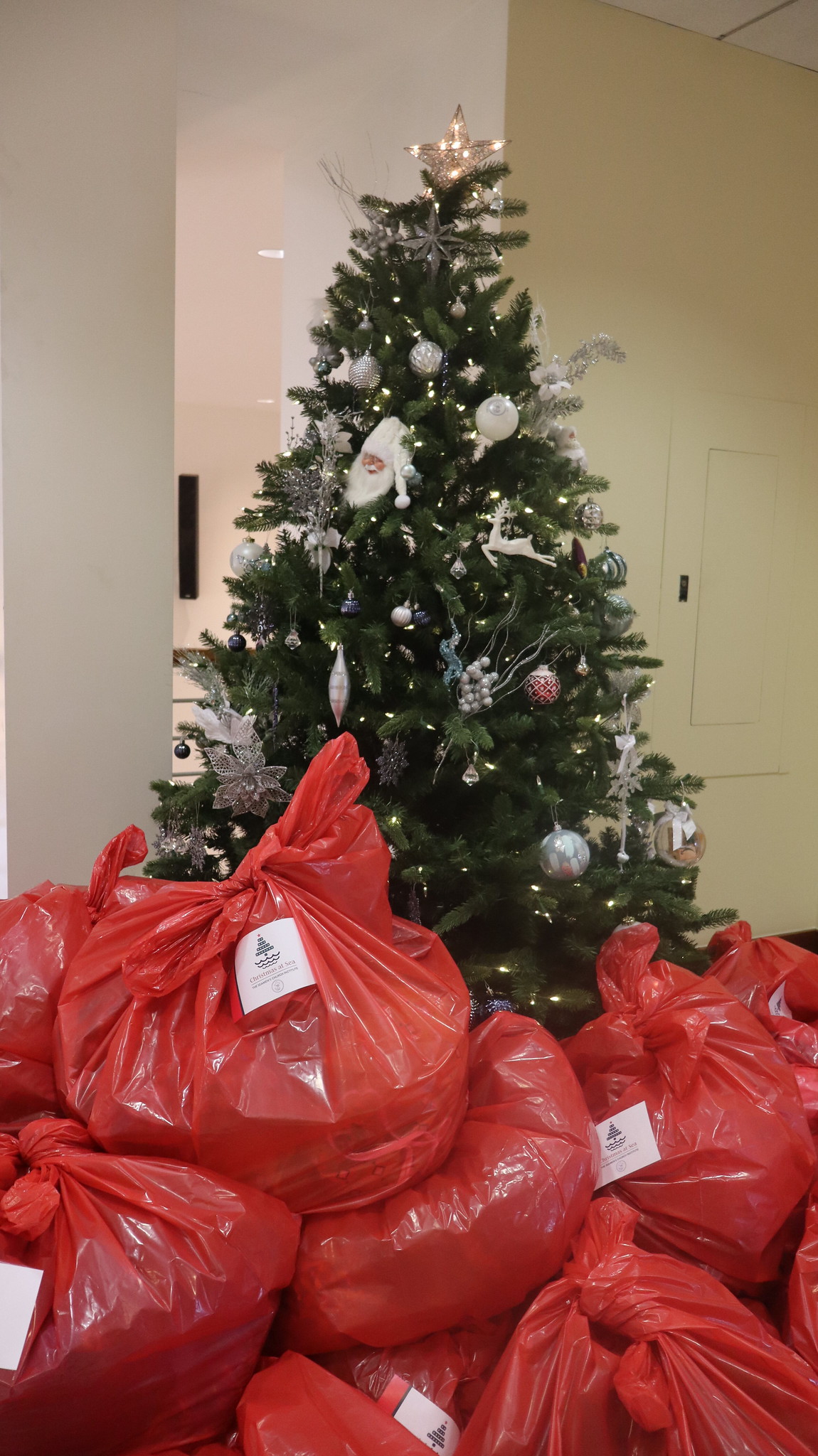
Throughout the day, volunteers packed hand-knit and crocheted hats and scarves into 2,052 ditty bags alongside donated toiletries and treats in 171 Santa Sacks. Each gift represents the time, skill, and care of the many crafters and supporters who contribute to Christmas at Sea throughout the year.
Beginning in December, SCI Chaplains and Chaplain Associates will deliver red Santa Sacks filled with these gifts to visiting vessels, bringing warmth and a reminder of connection to seafarers spending the holidays far from home. These visits also offer an opportunity to listen, check in, and share the support SCI provides year-round.
Thank you to everyone who helped make this year’s Port Packing Day possible, including our returning volunteers, first-time participants, maritime companies, and port partners.
A special thank you to Cindy and Tom, who traveled from Ohio to lend a hand, and to the crafters and donors whose generosity makes this tradition possible.
| | |
The Fall 2026 edition of SCI's semiannual magazine is available now!
In this edition of The Lookout, explore why shore leave is essential to seafarer well-being, revisit SCI’s response to 9/11, and learn how a $500,000 grant is strengthening Ministry on the River. This issue also highlights the next steps in advancing inland mariner wellness and celebrates the Center for Maritime Education’s designation as a MARAD Center of Excellence.
Read these stories and more to see how your support helps SCI serve mariners and seafarers through advocacy, education, and pastoral care.
| | Ellis Island and the Challenges of Shore Leave | | |
On November 12, 1954, Ellis Island closed after 62 years of processing approximately 12 million immigrants seeking a new life in the United States.
The last immigrant to leave was a seafarer, Arne Pettersen, who had overstayed his shore leave. Detained on the island for three days, he was then sent back to Norway.
His story offers a maritime connection to this landmark—and a reminder of the challenges seafarers face when stepping ashore. Today, shore leave is often much shorter, while legal restrictions and physical barriers can make even a few hours away from the isolation of a ship difficult to secure.
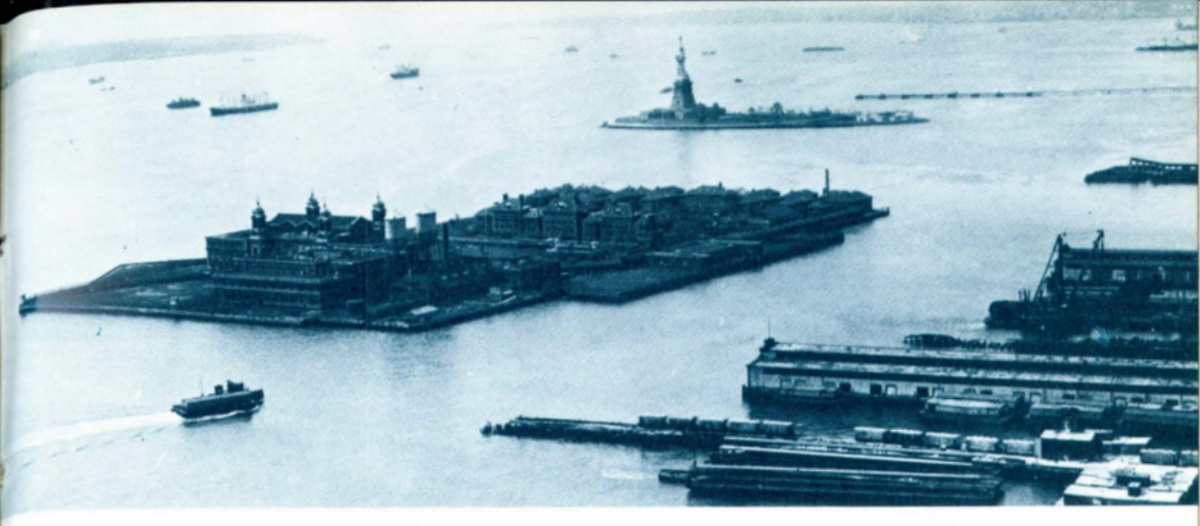
This photograph, published in the October 1971 issue of The Lookout, shows Ellis and Liberty Islands beyond the New Jersey railroad terminals that served the port. Brooklyn and Staten Island are just visible in the distance.
| | |
Engage in the Conversation
If you received this newsletter as a forwarded email from a friend or colleague, or regularly receive our emails and would like a complimentary subscription to our print magazines, please click on the button below to complete an online subscription form.
| | | | |