|
MARINERS DEPEND ON SCI.
SCI DEPENDS ON YOU.
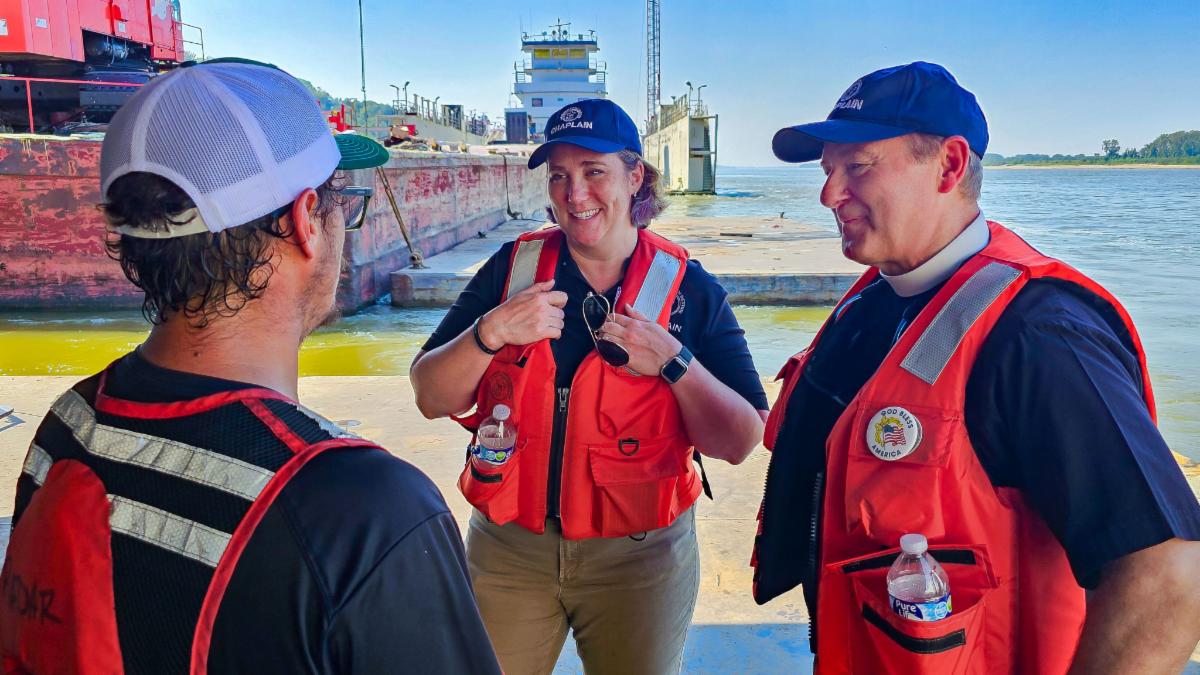
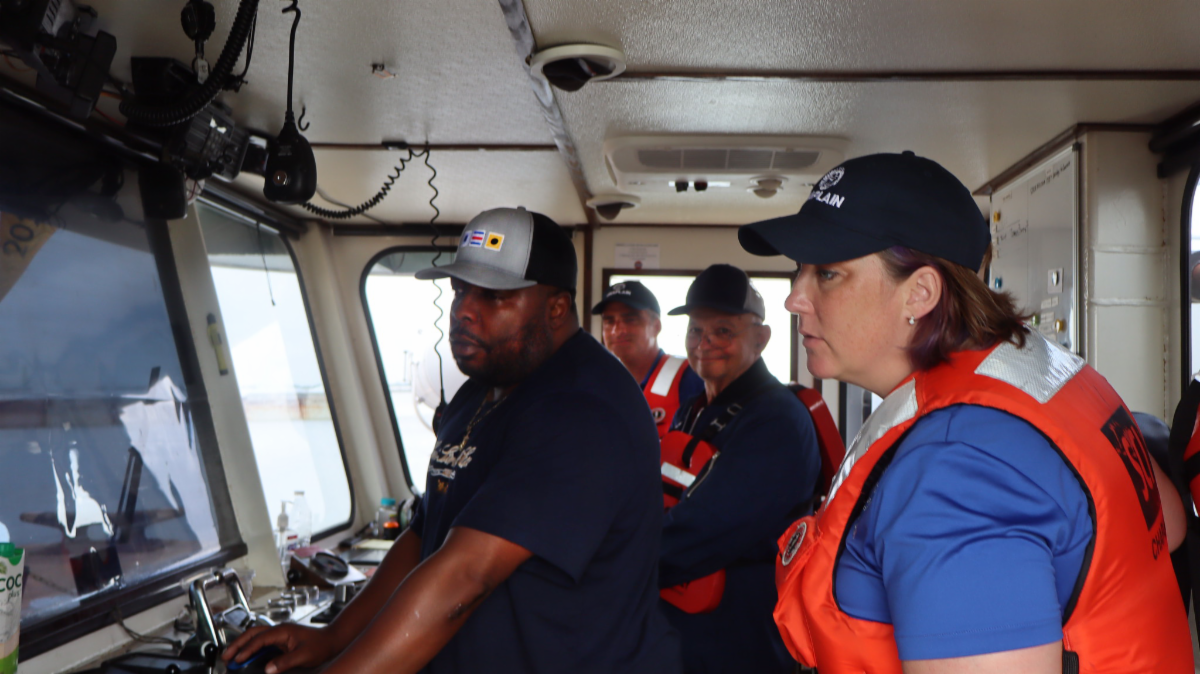
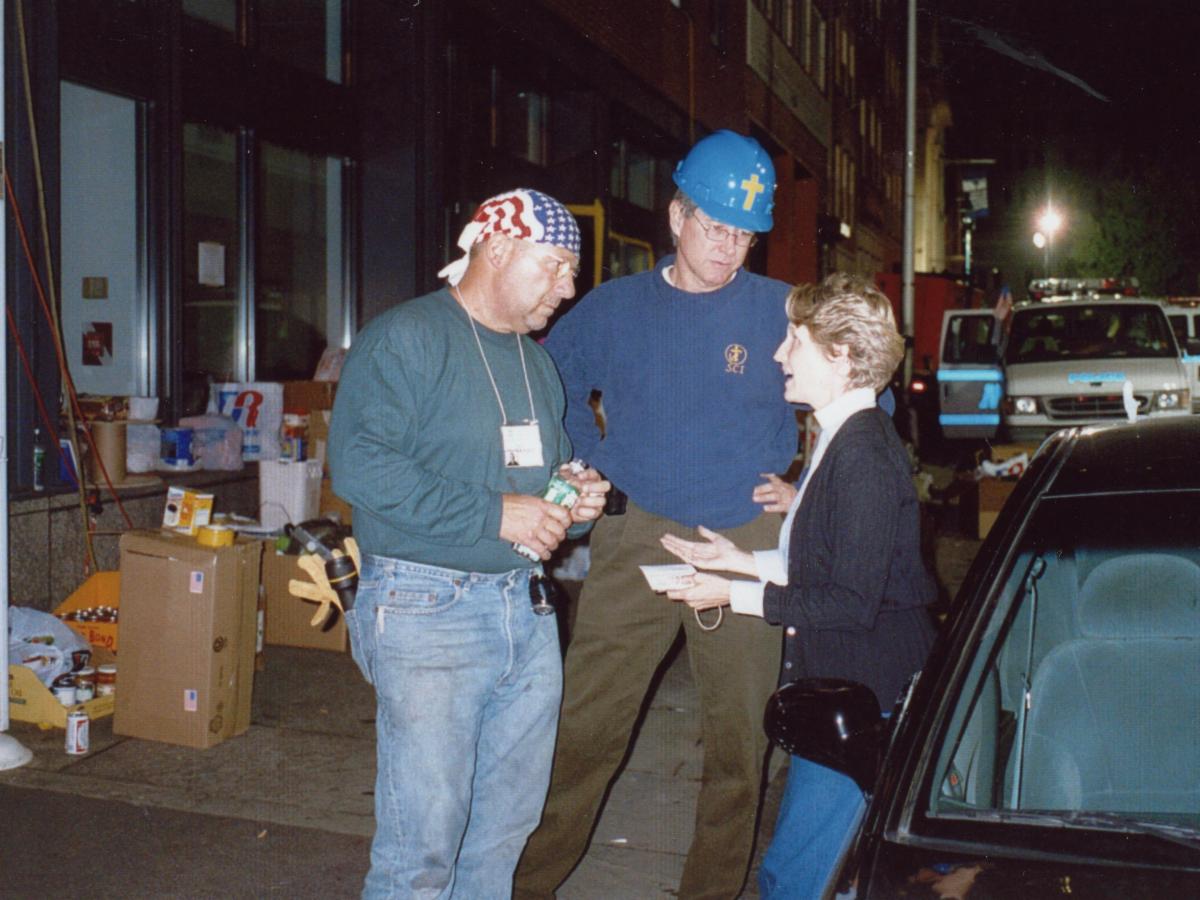
| | SCI Chaplain Grace Pardun and soon-to-be SCI Chaplain (St. Louis) Charles Uhlik, visit with a shipyard worker at JMI Marine along the Mississippi River in Wycliffe, KY. | | |
IN THIS ISSUE – September 2026
- 26th Annual River Bell Awards Luncheon—Registration is Now Open!
- SCI’s Center for Maritime Education Named a MARAD Center of Excellence
- Center for Mariner Advocacy featured on WiMOs Webinar: Supporting Mariners Through Advocacy, Research, and Reform
-
A Time to Work Toward Solutions: Working With the Inland Maritime Industry to Find Solutions to Mariner Well-being
- Redefining When to Call a Chaplain
- Empowering Mariners to Create Wellness Aboard
- Coming Together in Remembrance: SCI’s 9/11 Interfaith Service
-
Remembering 9/11, 25 Years Later: A Harbor of Courage and Care
-
From the Archives—A Historic Gift to SCI: The Legacy of the USS Constitution
| | THANK YOU TO OUR CORPORATE SPONSORS | |
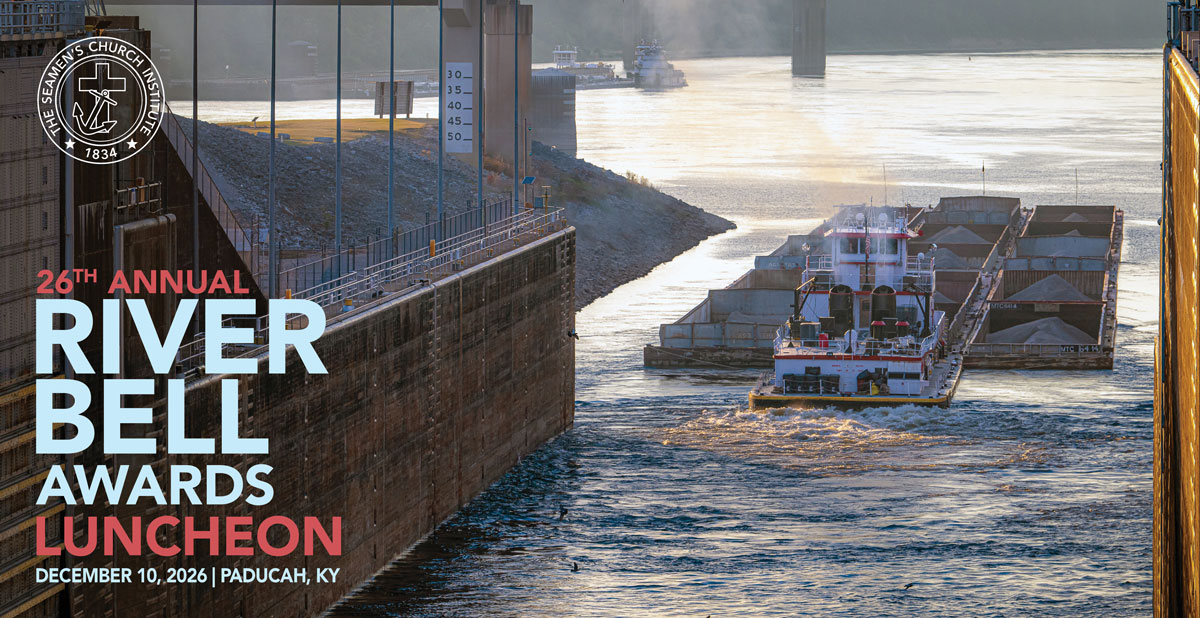
Join us for the 26th Annual River Bell Awards Luncheon!
Thursday, December 10, 2026
Paducah-McCracken County Convention & Expo Center
415 Park Street | Paducah, KY 42001
11:00 a.m. Check-In & Reception
12:00 p.m. Luncheon & Awards
2026 River Bell Honorees Coming Soon!
Please do not hesitate to reach out with any questions about the event!
202.719.8057 · RiverBell@SeamensChurch.org
| | SCI’s Center for Maritime Education Named a MARAD Center of Excellence | | |
By Evan Brown
SCI Director of Communications
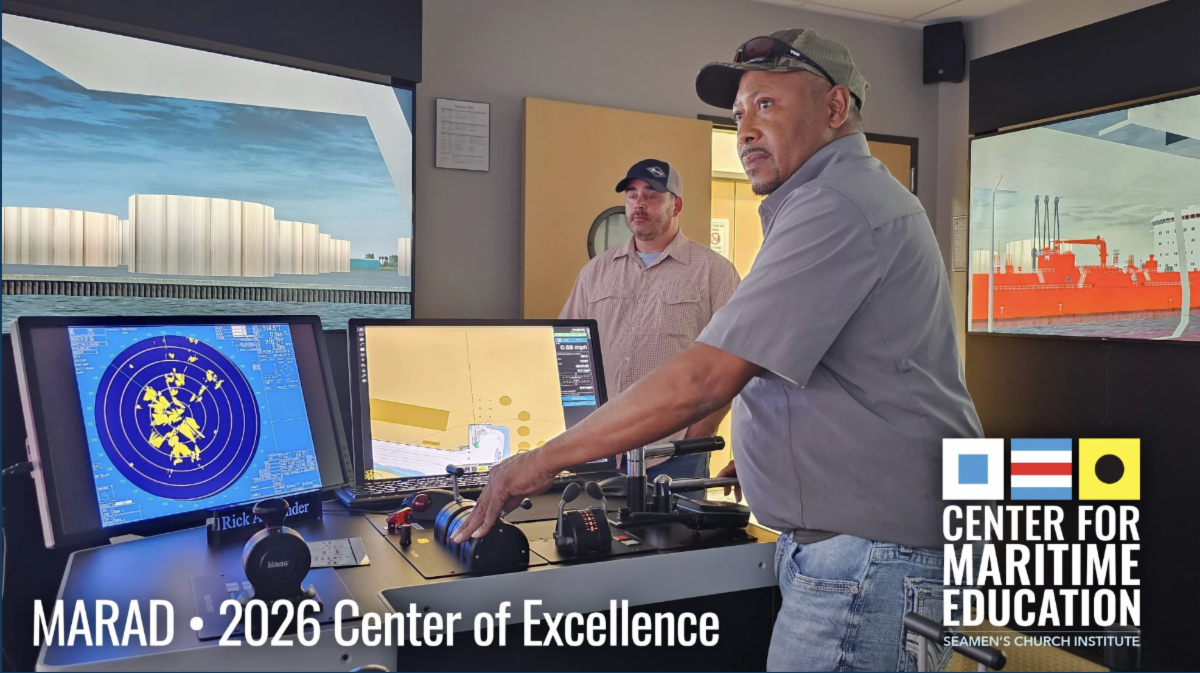
The Seamen’s Church Institute’s (SCI) Center for Maritime Education (CME) has been designated a Center of Excellence for Domestic Maritime Workforce Training and Education by the U.S. Department of Transportation’s Maritime Administration (MARAD), recognizing CME’s demonstrated success in training and developing the nation’s maritime workforce.
The five-year designation places CME among maritime training and education organizations recognized by MARAD for their role in preparing mariners with the skills needed to support the U.S. maritime industry.
For SCI, the recognition reflects decades of investment in practical, industry-driven maritime education. Through training centers in Paducah, Kentucky, and Houston, Texas, CME works closely with maritime companies and active mariners to provide training that reflects the vessels, operating environments, and challenges mariners encounter on the job.
“Our approach has always been to listen to the industry and to the mariners doing the work every day,” said Capt. Stephen Polk, Director of SCI’s Center for Maritime Education. “The closer our training reflects the vessels they operate, the waterways they navigate, and the challenges they face on the job, the better prepared they are to operate safely and confidently. This recognition affirms an approach CME has been committed to for decades.”
At the center of that work is advanced simulator-based training. CME’s full-mission bridge simulators allow mariners to practice navigation, vessel handling, bridge resource management, and other complex operations in realistic environments where skills and decision-making can be developed without putting crews, vessels, or infrastructure at risk.
MARAD highlighted the scope of that work in announcing the designation. From 2023 through 2026, CME recorded 5,840 participant completions across 715 training sessions, including approximately 3,600 completions associated with advanced captain and pilot pilothouse operations.
But CME’s work increasingly extends beyond the classroom. SCI collaborates with vessel operators, naval architects, engineers, government agencies, technology providers, and experienced mariners on projects that use simulation to examine real-world maritime challenges. These partnerships include vessel modeling, navigation and infrastructure feasibility studies, simulator research and validation, and evaluating proposed waterways and infrastructure before construction begins. That collaborative approach reflects a fundamental principle behind CME’s work: maritime education is strongest when it remains connected to the people and organizations operating vessels every day.
For SCI, the Center of Excellence designation places CME within a broader national effort to strengthen the maritime workforce. As the industry works to recruit, train, retain, and advance mariners, CME remains committed to connecting education with real-world operations and working alongside the companies and mariners it serves.
“At the heart of SCI’s mission is a commitment to the men and women who build their lives and livelihoods on the water,” said the Rev. Mark Nestlehutt, President and Executive Director of the Seamen’s Church Institute. “Through CME, we have the privilege of helping mariners develop the skills and confidence they need to work safely, advance in their careers, and return home to the people who depend on them. We are grateful for this recognition and remain committed to preparing today’s mariners—and the generations who follow—for safe, rewarding careers in the maritime industry.”
For more than a century, SCI has stood alongside mariners and seafarers, supporting their safety, wellbeing, and professional lives. MARAD’s Center of Excellence designation recognizes CME’s important role within that continuing mission and the work it does to serve inland and near-coastal mariners. It is recognition of the quality and integrity of CME’s training and a meaningful affirmation of SCI’s enduring commitment to the people at the heart of the maritime industry.
| | Center for Mariner Advocacy featured on WiMOs Webinar: Supporting Mariners Through Advocacy, Research, and Reform | | |
Women in Maritime Operations (WiMOs) recently hosted a timely conversation with Philip C. Schifflin Jr., Esq., Director of the Center for Mariner Advocacy at The Seamen’s Church Institute. The webinar examines the personal, professional, and legal challenges mariners face throughout their careers, with particular attention to the experiences of women working at sea.
Drawing on research conducted by the Seamen’s Church Institute and the Yale School of Medicine, the discussion explores issues affecting mariner safety, well-being, and workplace culture. It also highlights the laws, regulations, policies, advocacy efforts, and potential reforms shaping the maritime industry.
Watch the webinar →
| | |
A Time to Work Toward Solutions
Working With the Inland Maritime Industry to Find Solutions to Mariner Well-being
| | |
In this Waterways Journal article, Phil Schifflin, Director of SCI’s Center for Mariner Advocacy, outlines how the Seamen’s Church Institute is moving from identifying challenges facing inland mariners to developing practical, collaborative solutions. Building on the U.S. Inland Mariner Wellness Assessment and its companion publication, SCI identifies three pathways for action: health and safety, human resources, and chaplaincy.
Concerning health and safety, SCI plans to convene vessel operators, healthcare professionals, researchers, and other partners to identify priority research questions grounded in the realities of inland maritime operations. The human resources pathway focuses on learning from existing industry practices, making wellness resources easier for mariners to understand and access, and reducing stigma around seeking help. The chaplaincy pathway builds on SCI’s Ministry on the River, using trusted relationships and direct engagement with mariners to learn what has been working, better understand emerging needs, and share those insights with the industry.
The article’s central message is that improving mariner wellness requires industry-wide collaboration. SCI sees its role as bringing people together, sharing what is already working, building consensus, and helping translate the Assessment’s findings into practical approaches that improve mariners’ health, safety, and well-being.
| | Redefining When to Call a Chaplain | | |
In a recent editorial published in The Waterways Journal, SCI emphasizes that pastoral care is all-encompassing—not limited to emergencies, tragedies, or moments of crisis. Chaplains are here to support the whole person and to offer a compassionate, confidential presence whenever something is weighing on a mariner’s mind or heart.
A concern does not have to reach a certain level of seriousness before someone reaches out. It might involve stress on the vessel, difficulties at home, emotional or spiritual struggles, concern for a crewmate, or simply the need to talk with someone who understands life on the river. No matter how big or small the issue may seem, SCI’s chaplains are available to listen, offer guidance, and help connect mariners, their families, and shoreside personnel with additional resources when needed.
Whatever a mariner may be going through, no one has to face it alone. The SCI Chaplaincy Line is available 24 hours a day, seven days a week, at 800-708-1998 or mor@seamenschurch.org.
Read the full editorial in The Waterways Journal.
| | Empowering Mariners to Create Wellness Aboard | | |
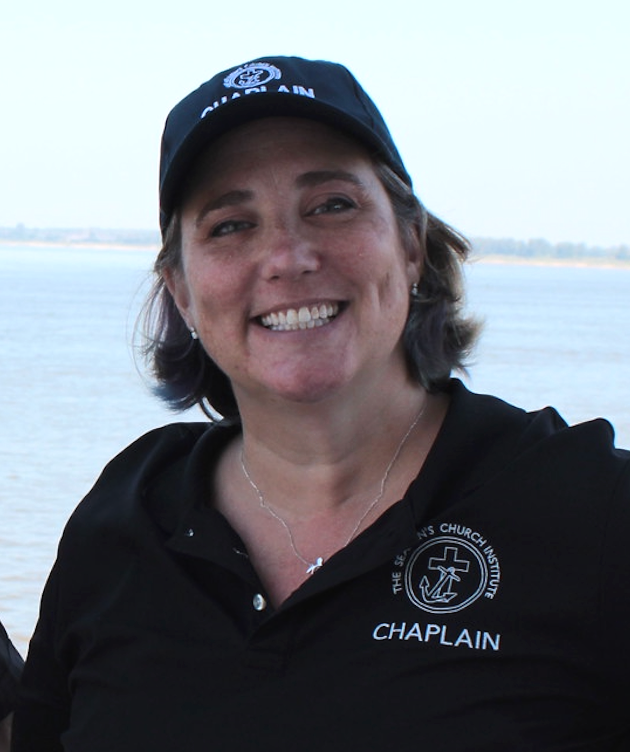
By the Rev. Grace Pardun
SCI Supervisory Chaplain, Ministry on the River
“They let you do that?” I asked the first mate as he showed me the fish tank in the galley.
“I know, right?” he responded. “This is actually the second fish tank I’ve brought on board! The first one was a bit smaller.”
He had noticed that members of his crew were feeling stressed, so he set up the aquarium to bring a sense of calm to the vessel. On rough days, he told me, he would find one or two crew members taking a break and watching the fish explore their enclosure and chase flakes of food through the water.
The U.S. Inland Mariner Wellness Assessment, released earlier this year, highlighted several aspects of maritime work that directly affect mariners’ well-being, including work-environment, organizational, cultural, physical, and psychosocial factors. What the research did not fully capture, however, were the unique and creative ways mariners themselves manage stress and foster peace, connection, and camaraderie aboard their vessels while spending long stretches of time away from home.
One afternoon, I walked out of the training barge and saw a woman standing on the deck of her vessel, which was tied up at the dock. I introduced myself, and we began talking about her career on the water and her experience working as a cook.
“We did a cake-decorating contest a few months ago,” she told me.
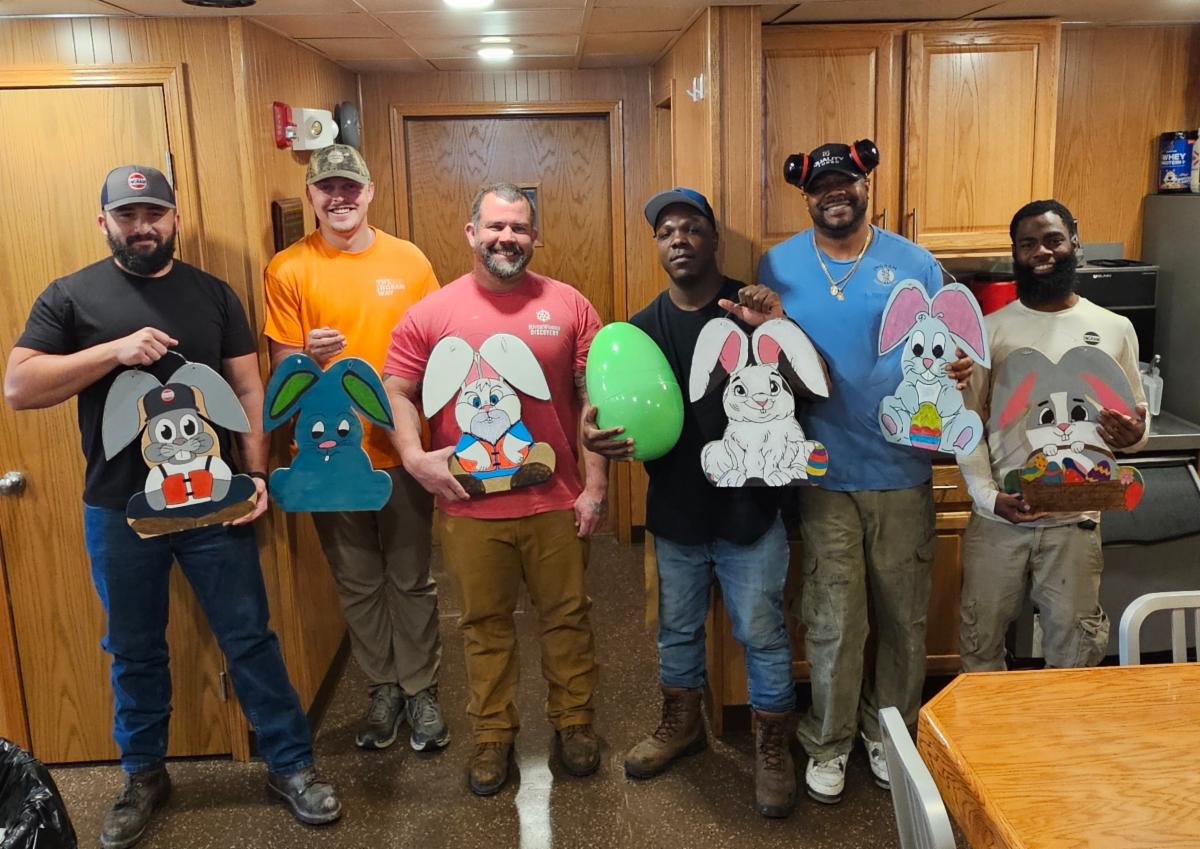
My ears perked up, and I immediately wanted to know everything. Cake decorating was only one of the many creative activities Connie had brought aboard. She and the crew work on holiday-themed projects, celebrate birthdays and holidays, and decorate the boat with festive, handmade creations.
Connie sees her role aboard the vessel as extending beyond preparing meals. She nourishes the crew through healthy food, but she also supports them by creating opportunities for fun, fellowship, and creative expression. Before the river called her aboard, Connie worked as an elementary school teacher. Today, she brings the same enthusiasm and creativity that served her students in the classroom to the mariners aboard her vessel.
The results have been encouraging. Her crew’s turnover rate is below the industry average, and her captain has expressed how much he values her efforts. He recognizes the importance of her work to crew cohesion, retention, and overall functioning. Connie’s creative ideas and activities help the mariners build stronger relationships and become more resilient during stressful times.
Connie’s enthusiasm has also inspired a friend to begin working as a vessel cook. I met her friend on the first day of new-hire orientation and asked about her interests. When she mentioned that she loved singing karaoke, we began brainstorming ways she might organize karaoke nights once she is assigned to her own crew.
As industry leaders consider the findings of the Wellness Assessment, we encourage them to continue empowering mariners to develop solutions that help manage stress and strengthen crew cohesion in ways that fit life aboard their particular vessels.
The first mate trusted his instincts when he brought an aquarium on board, and he has seen how its soothing presence helps his crew cope with stressful days. Connie followed her inspiration and has more than a decade of experience demonstrating how simple activities—from crafts to cake decorating—can support mariner wellness and bring a crew together. Now, a new hire has the opportunity to make her own special contribution to her crew, perhaps through karaoke nights or through an idea she has yet to discover.
These efforts are possible when industry leaders listen to mariners, value their insights, and empower them to create solutions that work for their crews.
|
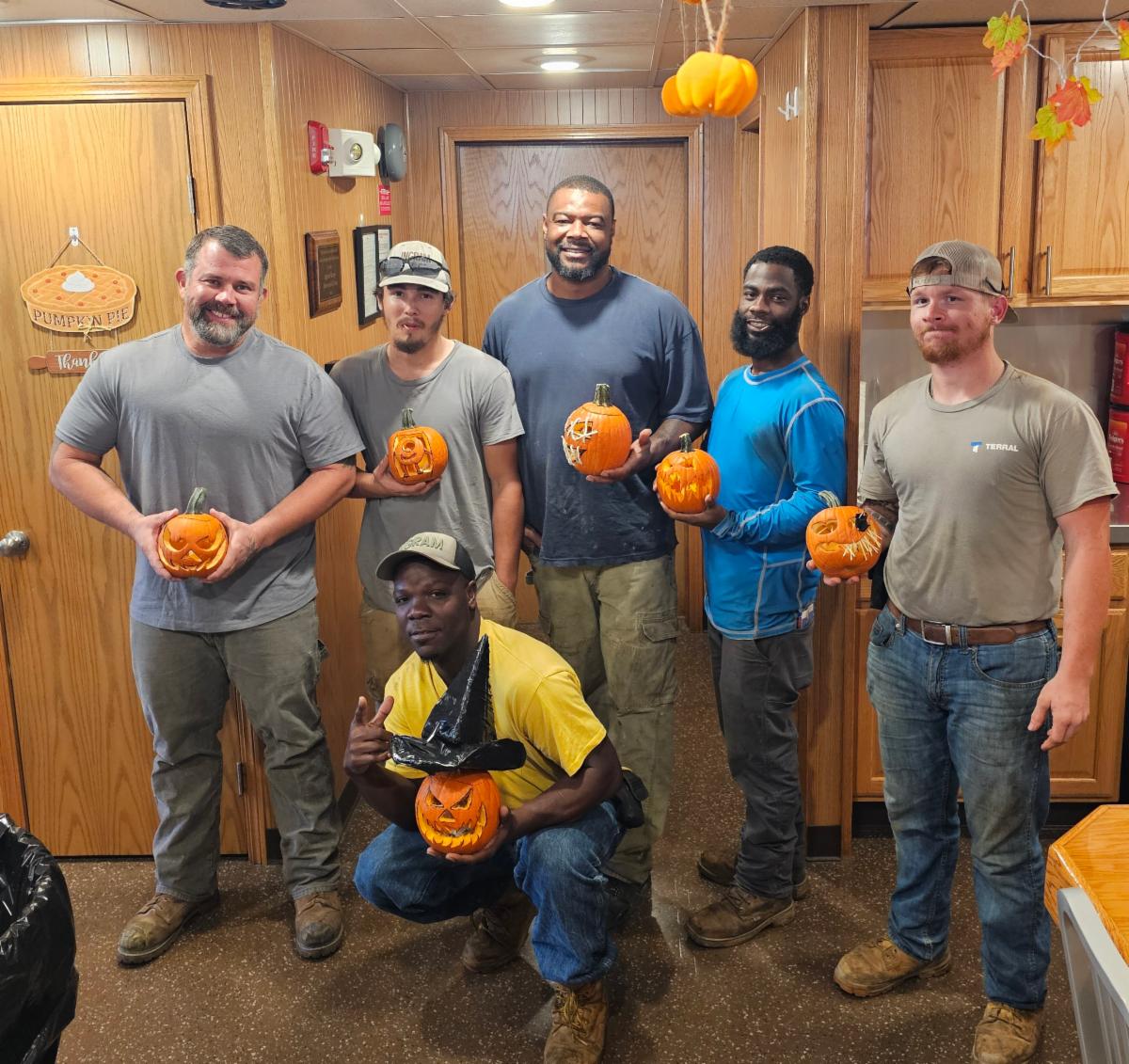
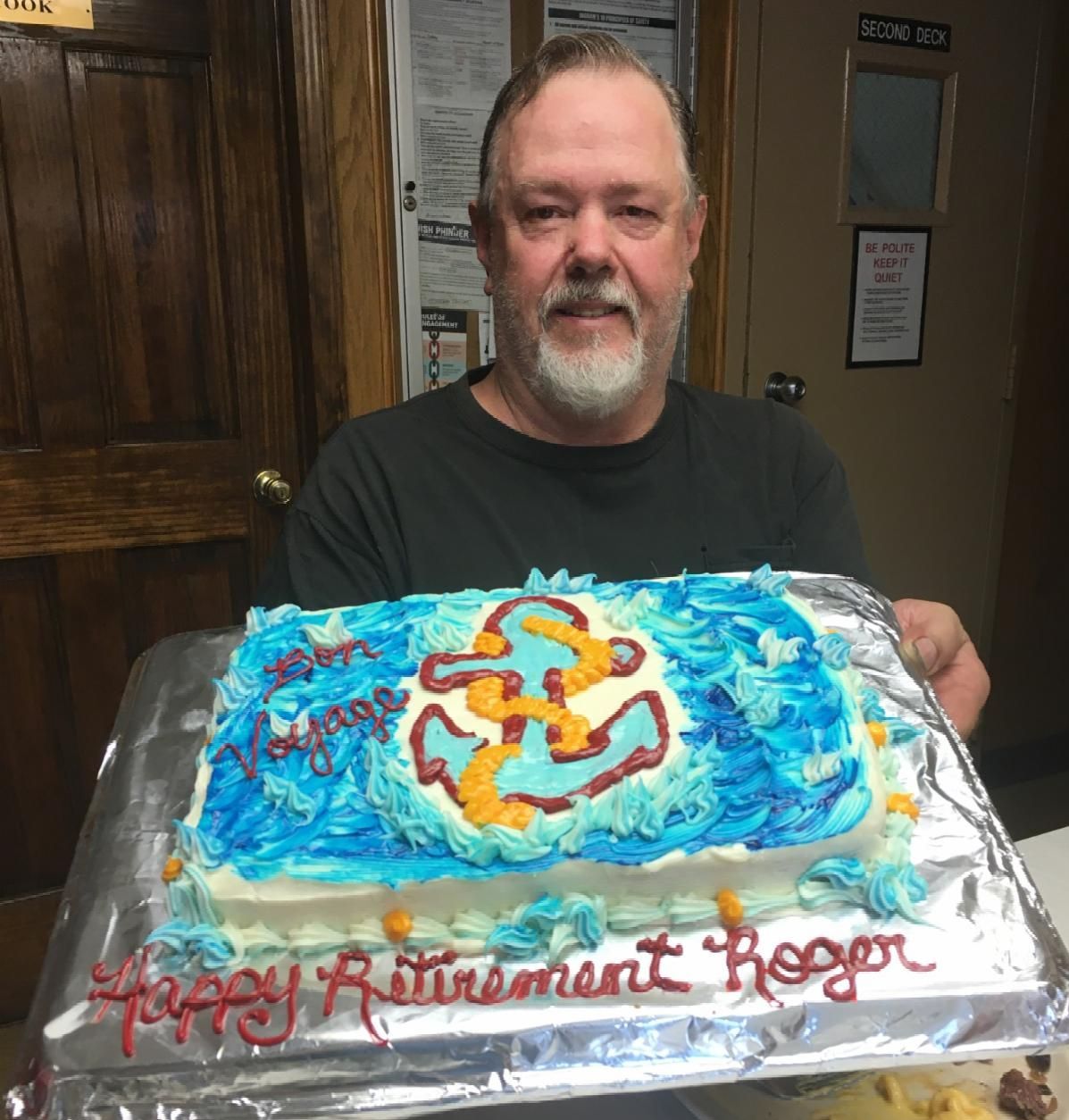
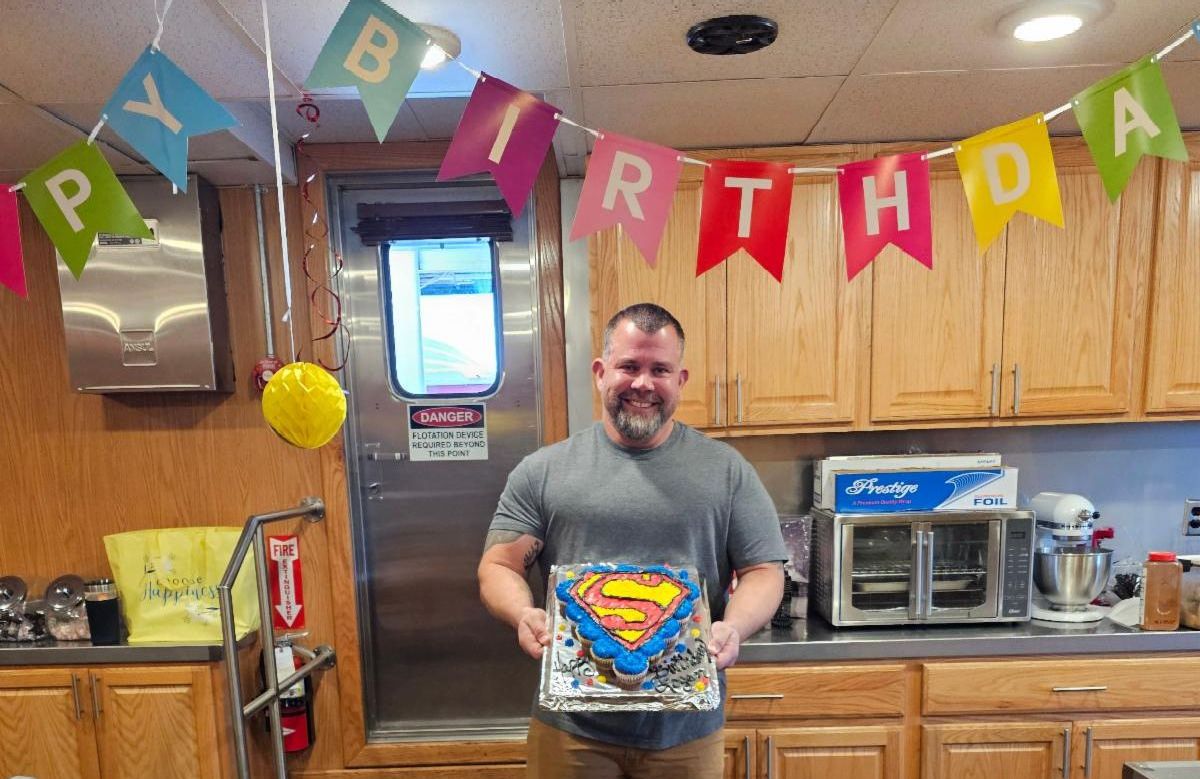
| Photos of mariners enjoying festive activities and celebrations courtesy of Connie | | Coming Together in Remembrance: SCI’s 9/11 Interfaith Service | | |
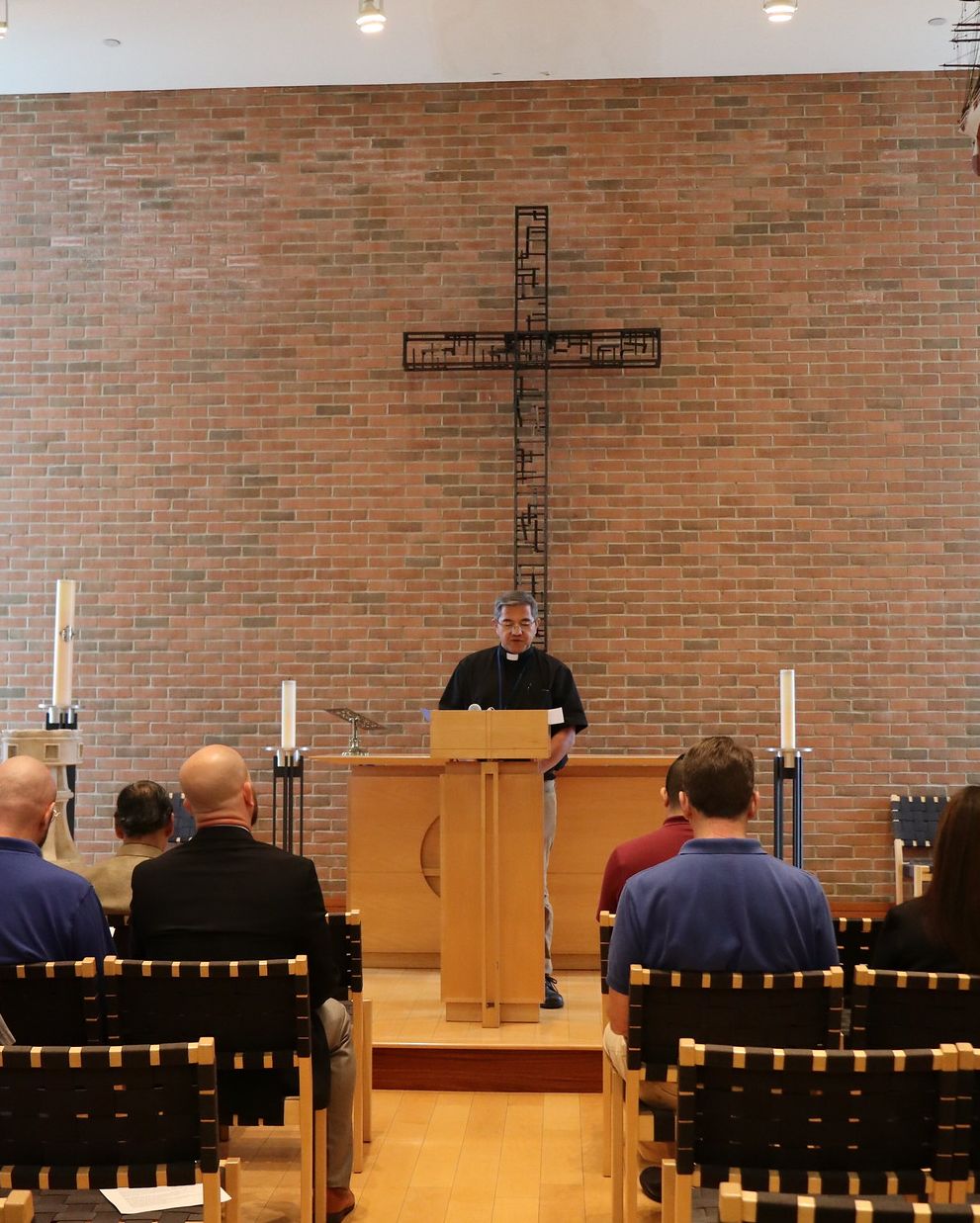
On September 11, 2026, SCI’s International Seafarers’ Center held a commemorative interfaith service marking the 25th anniversary of the September 11 attacks. Led by the Rev. James Kollin and the Rev. Dr. Bill Allport, the service included readings from several faith traditions, honoring the diverse individuals and communities affected by the tragedy.
The gathering offered a time for quiet reflection, remembrance, and prayer—for those whose lives were lost, for the families and communities forever changed, and for the first responders and others whose courage and compassion emerged that day and in the days that followed. By coming together across faiths, organizations, and roles within the port community, attendees reaffirmed the strength found in shared remembrance and mutual care.
Director Matt Morse reflected, “It was a privilege to be joined by representatives from the PAPD, the Port Authority, PNCT, Maher, Seafrigo, Gemini Shippers, and other valued members of our community. We thank them for choosing to spend a portion of this day in community with us. We hold those who died on September 11 in prayer, and we hold the deepest respect for the heroes who emerged that day and in the days that followed.”
| | Remembering 9/11, 25 Years Later: A Harbor of Courage and Care | | |
In this article, SCI reflects on the courage and compassion that emerged across New York Harbor following the September 11 attacks. It remembers the mariners who helped carry nearly 500,000 people to safety and recounts SCI’s round-the-clock relief efforts at its Water Street headquarters, where first responders found hot meals, rest, prayer, and a listening ear.
Read the full article here.
| | A Historic Gift to SCI: The Legacy of the USS Constitution | | |
September 17 was Constitution Day, marking 239 years since delegates signed the U.S. Constitution in 1787 at Independence Hall (then called the Pennsylvania State House), in Philadelphia, Pennsylvania. A decade later, the USS Constitution began its storied service.
During the ship’s first restoration, the U.S. Navy removed one of its breasthooks and presented it to the Seamen’s Church Institute in February 1930.
The gift, highlighted the following month in The Lookout, was both a distinguished honor and a recognition of SCI’s standing in the maritime world. By entrusting SCI with a tangible piece of “Old Ironsides,” the Navy acknowledged the Institute as a respected steward of America’s seafaring heritage and an enduring part of the nation’s maritime community. The artifact connects SCI not only to one of the country’s most celebrated naval vessels, but also to the broader history of service, resilience, and commitment that has shaped American life at sea.
| | |
Engage in the Conversation
If you received this newsletter as a forwarded email from a friend or colleague, or regularly receive our emails and would like a complimentary subscription to our print magazines, please click on the button below to complete an online subscription form.
| | | | |