|
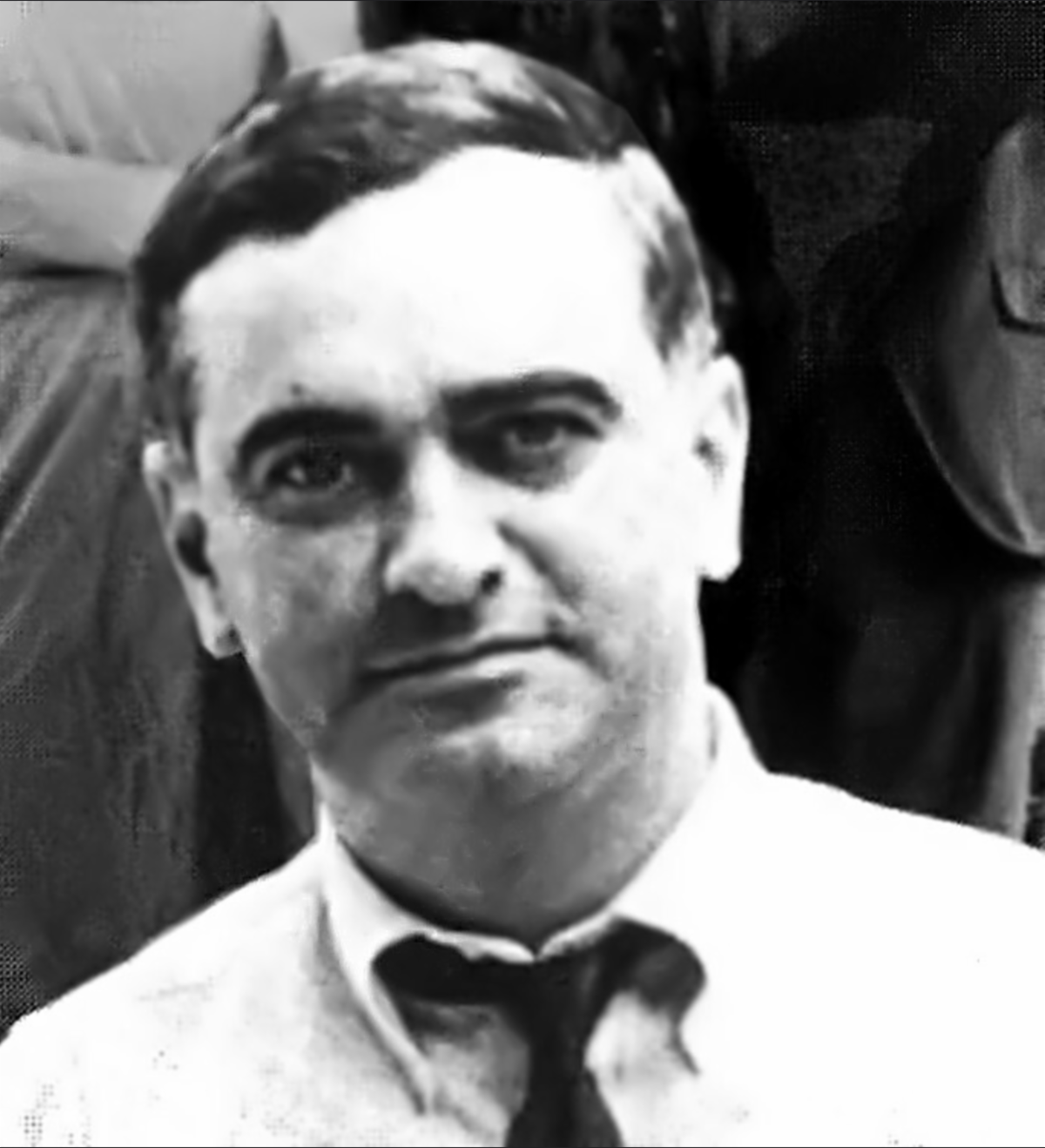
Nikos Psacharopoulos, theater producer, director and educator, was born in Athens in 1928. At the age of 15, he organized his first theatrical troupe under Nazi occupation. He moved to the US in 1947 and in 1954 he received a Master of Fine Arts Degree in theater direction from the Yale School of Drama.
It's 1967 and I’m at the Yale School of Drama in my favorite directing class with seven other MFA students. Strutting around the stage is the world-renowned Nikos Psacharopoulos. Even though he puts me on edge, I love being here. I love his passion, his commitment, his love of directing. With his thick Greek accent, I have to really concentrate to understand what he is saying. Am I intimidated? You bet. Humbled? You bet. And I don’t want to be anywhere else.
Wiry, intense and brusque, suffering no fools, he snaps instructions and critiques in a slightly frustrated tone like a drill instructor.
“Is what you're teaching us written down somewhere?” Someone asks.
Nikos scoffs,”Impossible. It's never been written down and never will be. It has to come from here (pounding his chest), not from there" (tapping his head).
The class is coming to an end as he finishes his critique of the last scene. He pulls a chair on stage and says, “Okay, time for your stupid questions. Let's get it over with.”
I raise my hand tentatively. My stupid question has been rumbling in my mind for weeks now. It’s not going to go away until I spit it out. Nikos points at me, “Mr. Travis.”
Addressing us as Mr. Travis or Mr. Gould or Ms. Worthington is not a sign of respect, but rather a signal that you still haven’t earned the right to be addressed by your first name. We’ve been studying with him for over three months now and I'm not sure if he even knows our first names.
“Mr. Travis.”
“Sir, I have a question.”
“That's not a question. That's a statement.”
"Oh, I'm sorry, sir."
"And that's an apology."
"Right. Okay. Right. Sorry, sir. Uh, you keep telling us we need to avoid Result Directing.”
"Ahso, you've been listening." He mocks.
Completely rattled now. I leap in.
“How do I deal with an actor who won't do what I want? You know, like an actor who pushes his own idea of how the scene should go and how it should be staged and how his character would behave. All I want is for him to try it the way I see it. And do it with enthusiasm. Not with the intention of proving how stupid my idea is."
I'm on a roll now and he's listening ... to me ... keep going Mark ...
"And then his scene partner starts agreeing with him and now I’m up against both of them and I've lost all my authority as a director and ...”
Nikos’ finger shoots straight at me, signaling me to stop. I do. I wait. Holding my breath. The room is silent. Oh shit. We’re not allowed to speak badly of the actors at Yale and I just crossed that line. I can tell by the look on his face that I'm in deep trouble.
Nikos rises from his chair, finger now poised in the “be silent” position. He heads straight to me and plants himself right in front of me.
“Stand up,” He says.
I do.
“What’s your first name?”
I’m shocked. My name? I really must be in trouble.
“Mark.”
“Mark, do you have any idea what you've done?"
"You've asked the question that plagues every director, every day. Now sit down.”
Oh shit. Here it comes. I'm finished.
Back on stage he pulls his chair to the front edge to get closer to us.
“Listen closely. Everything I teach you, everything you learn about directing here at Yale ... all of that ...
The finger goes up again, stressing the importance of what he is going to say.
“All of that is only 50% of the skills you'll need to become a good director. 50%. That’s all. The other 50% has nothing and everything to do with directing. That other 50%, which we are NOT teaching here at the our distinguished Yale School of Drama, has to do with psychology. The psychology of human behavior. Relationships. Trust. Collaboration. That other 50% needs to come from YOU. How well you can read other people. Actors. Writers. Designers. Producers. What are they not saying? What are their agendas? What are they hiding?"
He lasers back to me.
"Mr. Travis. Mark, it's not your job to convince your actors to do the scene another way. Your job is to understand why they're resisting your suggestions. You know why? They're all scared. Just like you. Your job is to find a way past those fears. Your fears and their fears are your biggest obstacles.”
I'm stunned. I keep thinking, 50%. 50%. Not taught here. Maybe not taught anywhere. Fears. I’m feeling new fears right now. Resistance. Relief. Excitement. I want to thank Nikos. But I can't find the words.
He rises from his chair and without warning, turns and walks out of the room. Class is over.
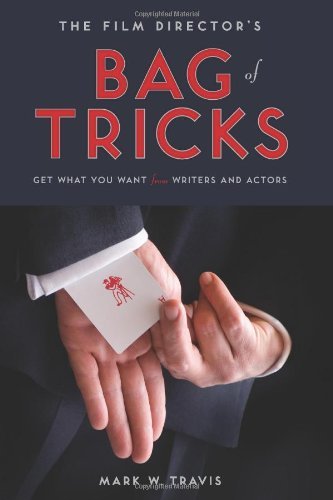
Forty years later, I wrote my book, "The Film Director's Bag of Tricks:
How to Get What You Want from Writers and Actors."
Thank you, Nikos.
|