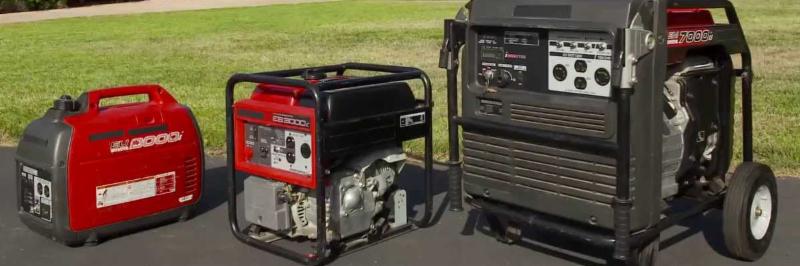
Most Texans weather severe storms and are willing to ride out brief power outages in the process. But some homeowners experience longer and more frequent outages and are looking to be prepared for the next inevitable power failure. There are two basic options for home generators: standby and portable.
Standby generators
offer a steadfast solution to extended outages. Unlike portable generators, they're installed permanently on a concrete pad in your yard and will provide uninterrupted backup for days. Standby generators are safer and operate automatically but come with a much higher price tag.
Many of us live where power outages are less frequent and may only last a few hours. In this case a
portable generator
can be an excellent option. Portable generators are capable of powering your home’s essential appliances. They are considerably less expensive than standby generators—and all in all, they are fairly user-friendly—but a portable generator does require manual operation and close monitoring.
A portable model will work right out of the box, meaning you can add gas and oil, fire it up, and plug in the equipment you want to power. With either standby or portable models you will need to hire a electrician to install a transfer switch, a device that allows you to connect your generator to your home’s circuit breaker panel. That pre
paratory step means you can power entire circuits rather than using extension cords to plug in equipment and devices one at a time.
Consumer Reports has done extensive testing on the portable generators available out there now. Their best rated portable generators and top picks for keeping the lights on during the next power outage
can be found here
.