|
The doctor (Dr. Robert F. Thomas) who delivered Dolly Parton in a one-room Tennessee cabin in 1946 was paid with a sack of cornmeal. Her father farmed other people's land and could not read or write.
But there is far more to this story:
- Thomas made as many as 1,000 house calls a year across the Smoky Mountains, on foot, by Jeep, and on horseback. Some families met him at the door with a gun: if my wife dies, you die too.
- Dolly was one of many babies he brought into that county. Around 1972 she recorded a song named after him. It is an odd sort of tribute for a man who mostly set broken legs on kitchen tables, but the nearest hospital sat in Knoxville and Knoxville was too far to reach in an emergency. Her father had paid him in cornmeal. She spent the next fifty years settling the rest of that bill.
- Thomas died in 1980, having practiced in those mountains for most of a century. A foundation carrying his name was set up three years later to hold together the struggling county hospital, and Parton took the honorary chair. She kept that title for more than forty years, long after she could have bought the building outright. When the old hospital was replaced by LeConte Medical Center, she put $1 million into the construction. The campus opened in 2010 with a wing called the Dolly Parton Center for Women's Services and a maternity ward called the Dolly Parton Birthing Unit.
- She put another million dollars into the Vanderbilt's children's hospital in 2017. Another million followed in 2022, aimed at how infections take hold in children specifically rather than in adults.
- In February of this year, East Tennessee Children's Hospital in Knoxville announced it was becoming Dolly Parton Children's Hospital. She was 80 and made the announcement herself in a video. The hospital declined to say what she gave but sources say it was close to $50 million. Its chief executive described the commitment as generational and transformational, said it went past anything the organization had expected, and called it a lifeline for the mission for years to come.
- Babies in her home county are now delivered in a unit that carries her name. The doctor who brought her into the world was paid for the job in cornmeal.
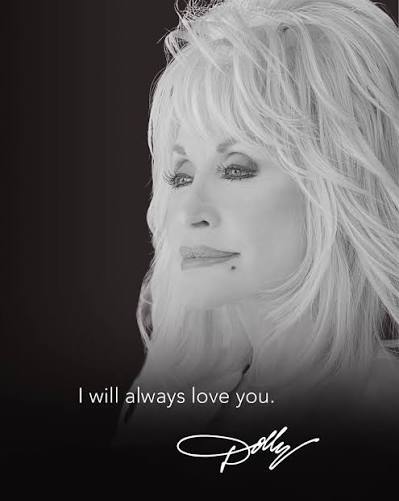
Her song writing skills and credits were phenomenal. She wrote "I Will Always Love You" on the same afternoon she wrote "Jolene," as a goodbye to Porter Wagoner, and released it in 1974.
Elvis wanted "I Will Always Love You". The night before the recording session Elvis' notorious manager Colonel Tom Parker called her and said Presley would only record it if they got half the total publishing rights, meaning half of everything the song would ever earn, forever.
She had been in Nashville just about ten years by then. Her team said "My God, it's Elvis! You have to agree!"
She said "No", and as one of her sisters tells it, Dolly cried all night. Whitney Houston cut her version in 1992, it held #1 for fourteen weeks, and Forbes magazine estimated that put Parton's royalties from it near $10 million. She put some of that money into an office complex in Nashville and new house, which she called "The Place That Whitney Built".
She opened her theme park Dollywood in 1986. He accounting team told her to open it in Nashville because of the money draw. She said no. She opened in Pigeon Forge, Tennessee because she wanted to employ as many people as she could in the county where she was born. Around 4,000 people work there now. Three million visitors come every year. The University of Tennessee put its economic impact at $1.8 billion, and it is the largest employer in Sevier County.
Plus, since 2022, the company has paid tuition, fees, and books in full for every worker from their first day, seasonal hires included.
Wildfires tore through the county in November 2016, killing fourteen people and destroying more than 2,400 buildings. Her foundation was handing out recover money to victims within 48 hours. Every family that lost a home got $1,000 a month for six months, regardless of income. The final check was $5,000. Total delivered: $8.9 million.
- At the time of the fires, roughly 40 percent of the families surveyed carried no homeowners or renters insurance. By the end of 2017 that share had fallen to 30 percent. Given unrestricted money after losing everything, a tenth of the sample bought protection against the next disaster instead of replacing what burned. Nobody told them to do that.
In April 2020 she sent $1 million to Vanderbilt for coronavirus research. When Moderna's vaccine results ran in the New England Journal of Medicine that November, her fund appeared in the footnotes. The money was an entirely philanthropic gift.
On the income/charity page of her life:
- The Dollywood Foundation reported revenue of $55 million in 2022. By 2024 that had climbed to $89.8 million, against $84.1 million in expenses and $67.8 million in total assets. Its tax filings list about a dozen staff. She sat as chair of the board and drew nothing for it, a zero printed next to every other officer's salary.
- She held publishing rights to her own songs going back to the 1960s, when Nashville writers routinely signed theirs away for a shot at getting recorded. That catalog now runs past 3,000 compositions and pays out whether or not anyone books a tour.
- She bought back the Locust Ridge farm her family had sold.
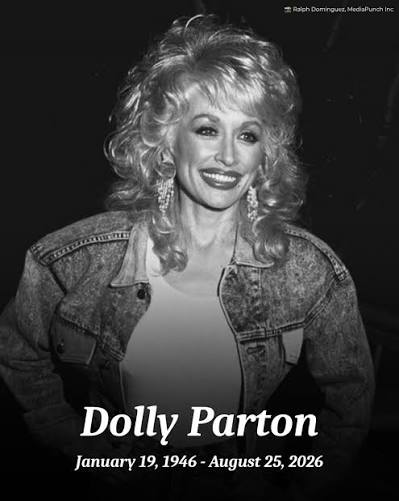
- She took a co-ownership stake in the theme park instead of licensing her name to it, and the same partnership built a 245-room hotel and a 20,000 square foot museum in downtown Nashville. Both open this fall, a few weeks after her death.
- She and Carl Dean had no children. A catalog, a 50% percent stake in a theme park, and an unfinished hundred million dollar giving commitment now sit with other people. Running the foundation cost $84.1 million last year.
Carl Dean, her husband of nearly 60 years, died in March 2025. The note she wrote to fans afterward ended with the same five words she wrote for Porter Wagoner back in 1974 - "I will always love you".
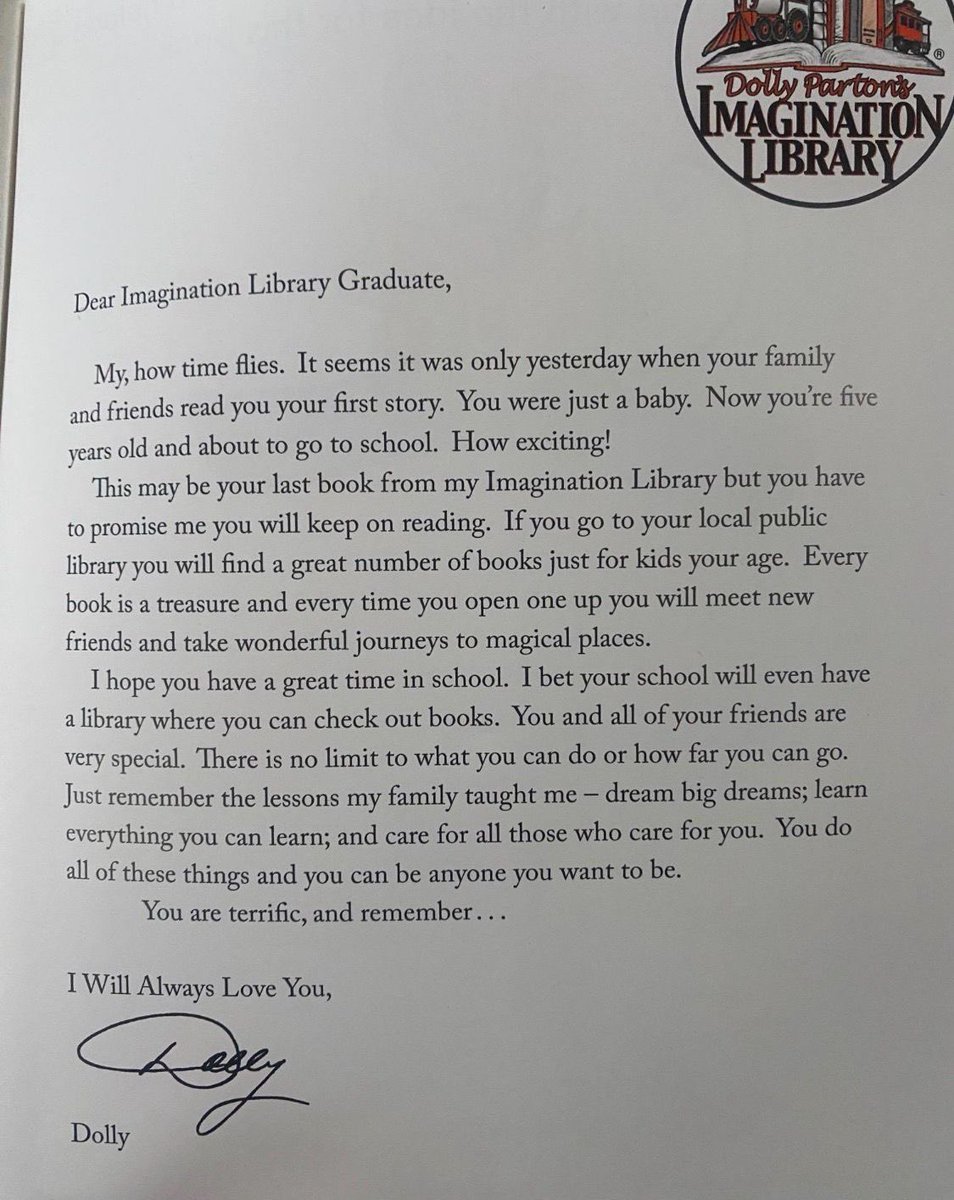
When he died in Nashville yesterday, her family asked that instead of flowers people should give to the Imagination Library, which will still mail 3.4 million books a month to children who will never get to meet her.
|