|
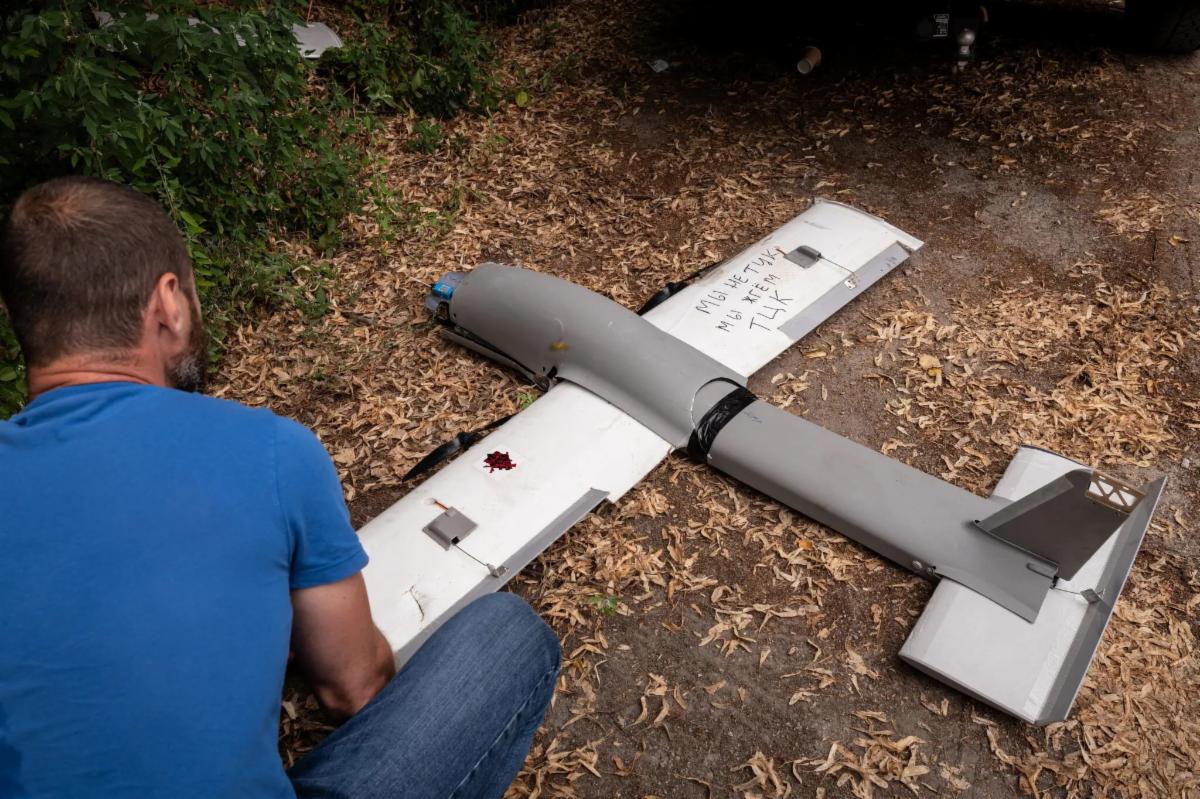
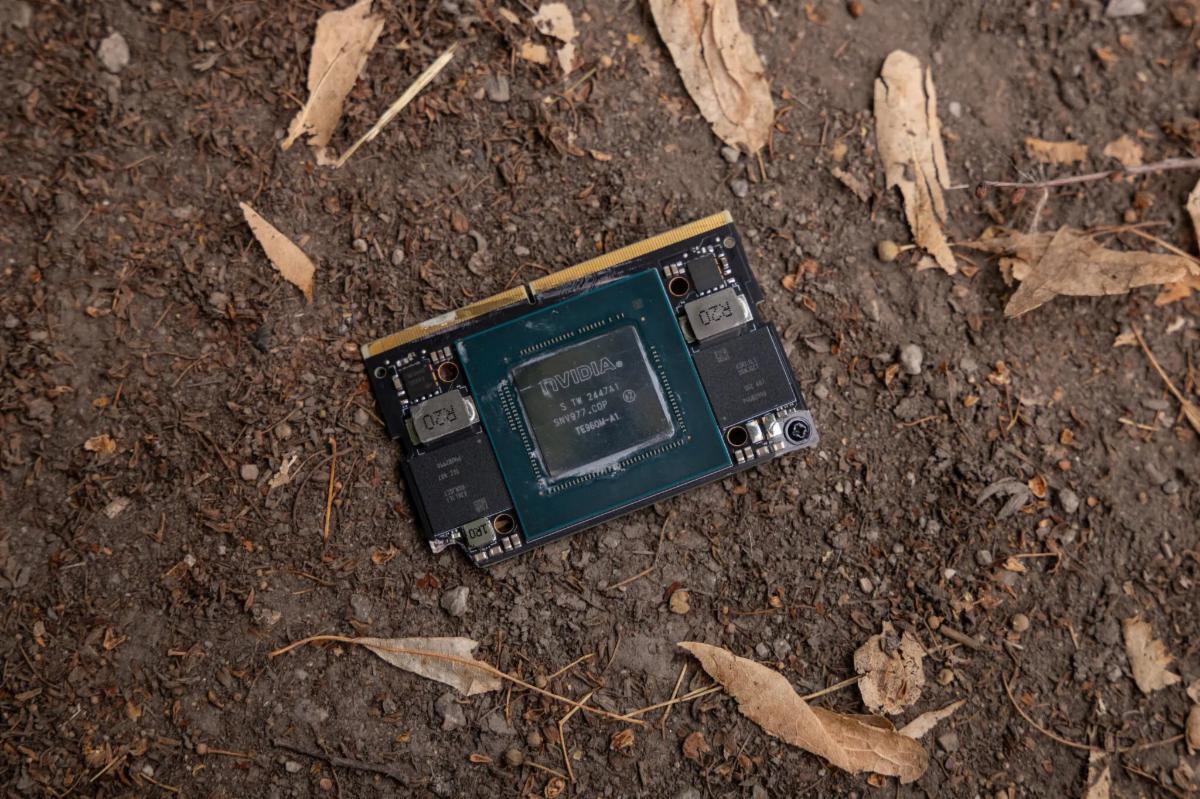
While some of the AI-guided drones tested by Russia have detonated on impact, others have not and remained intact, Ukrainian officials said. They have showed the debris from two such drones to reporters. Those reporters photographed the Nvidia computer module inside the drones and sent the images to the company.
Nvidia confirmed that the photos showed a Jetson Orin minicomputer. Such modules, which cost only a few hundred dollars, have been found on several types of Russian weapons.
In a statement, the company said that the minicomputer was a consumer-grade product “sold to students, developers and start-ups for a wide range of beneficial applications.” Nvidia sells the computer in many countries but not in Russia. It is, though, widely available through resellers, the statement said.
Ukraine, too, has tested self-targeting AI systems. Mykhailo Fedorov, the defense minister who was recently ousted, said in an interview late last month that Ukraine tested an entirely autonomous AI system in Russian-occupied Crimea over the past several months. Fedorov said that the devices targeted fuel storage sites and military equipment and that no civilians had been killed.
While the drones in the Zaporizhzhia attack had no antennas to send back data on the tests, Russian forces often fly reconnaissance drones that can record strikes. The city is also believed to harbor Russian spies who report battlefield damage assessments.
The absence of an antenna would not by itself prove that a drone was self-targeting. It could be preprogrammed to fly a route, with computer algorithms like those used for decades in auto-piloting systems for aircraft. But that drone would not need an Nvidia chip.
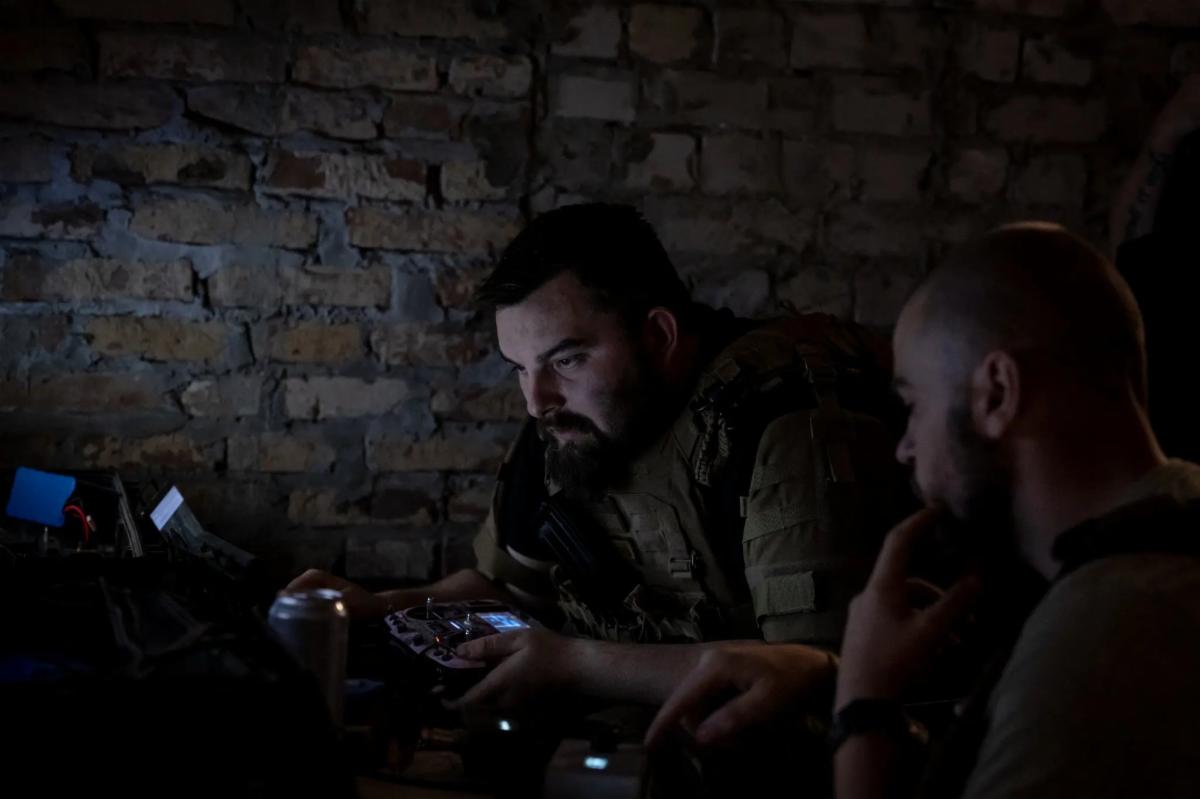
Russia began test flights of AI-guided Molniya drones - a mass-produced fixed-wing model - in May, and started testing self-targeting systems in the V2U, another fixed-wing drone, several months before that, Ukrainian air defense experts said. Some of the V2U tests were only for “last mile” targeting.
In interviews, some residents of Zaporizhzhia, which lies just nine miles from the front, said that the thought of devices buzzing over the city, making their own decisions to kill, brought chills. But Ukrainian cities have been so heavily bombarded for years that life had already been reshaped by less sophisticated drones.
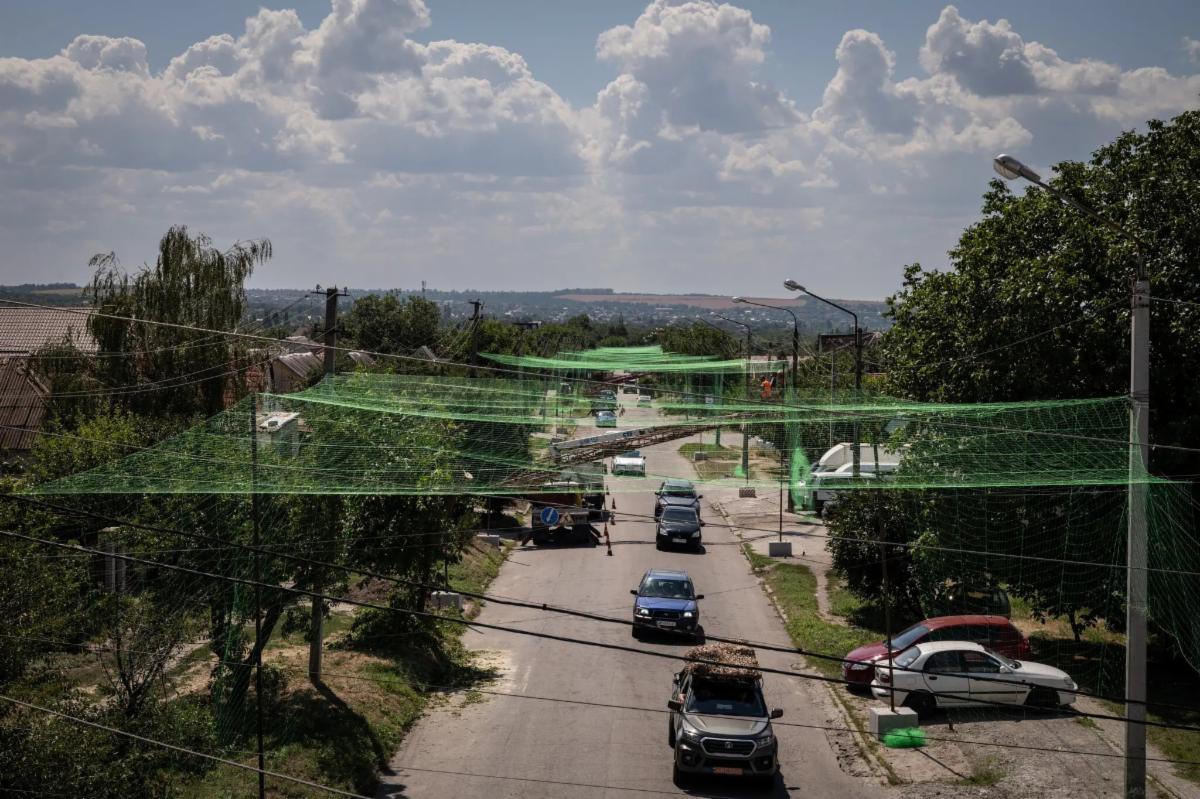
Interceptor drones, piloted (for now) by men and women who are local heroes, are one answer to the drone threat. Anti-drone nets are another, covering about 240 miles of roads in and around Zaporizhzhia.
Another defensive measure is camouflage. Plastic sheeting, for example, is propped at odd angles around propane tanks at gas stations, in an effort to fool AI image recognition systems.
Moments before the exploding drone barreled toward the gas station on last month, a group of people huddled by the wall of a nearby apartment building for safety, having already heard blasts as the drones came in waves. Oksana Ishenko, a station attendant, stood beside Bubynets. “She was crying from fear,” Ishenko recalled.
Then some in the group started to shout, “A plane! A plane!” Ishenko said. The drone was heading their way. Bubynets and several others bolted, fanning out in a parking lot. After the drone failed to make its way around the apartment building, it detonated before reaching its target.
Bubynets was hit. She lay on the pavement, unmoving, with blood flowing from her nose. She was declared dead at a hospital. The two others killed, Oleksiy Svirin, 41, and Roman Karpiy, 48, died later of their wounds.
Colonel Minaiev, the city’s air defense commander, said:
“The Russians are training their AI technology. The AI is good but not yet perfect. They are looking for mistakes and will fix them. And they will".
|