Issue #8 | September 2025 | | |
50% Randomized!
On July 24, we reached our milestone of consenting and randomizing 50% of our target number of patients, 6,500 of 13,000. This was more than three months ahead of schedule!
Congratulations and thank you for your hard work!
| |
Operational Update
Target Randomization: 13,000
Randomization counts as of September 8, 2025
| | | Institution | Total Randomized | Institution | Total Randomized | | Brigham and Women’s Hospital | 177 | University of California San Francisco | 1,377 | | Dartmouth-Hitchcock Medical Center | 109 | University of Michigan | 710 | | Duke University Hospital | 340 | University of Pennsylvania | 55 | | Henry Ford Detroit | 185 | University of Utah | 505 | | Massachusetts General Hospital | 123 | University of Virginia Health System | 176 | | MD Anderson | 680 | University of Washington | 158 | | NYU Langone Medical Center | 106 | Wake Forest School of Medicine | 160 | | Oregon Health Science University | 110 | Washington University | 825 | | Stanford University | 7 | Weill Cornell Medical College | 484 | | University of Arkansas | 128 | Yale New Haven Hospital | 624 | |
|
| TOTAL: | 7,039 | | | | |
99.4%
POD1 or POD30 Brice
| | To Withdraw or Not to Withdraw...After Randomization | |
If a patient is already randomized, there are very few valid reason to withdraw the patient. Per clinical trial best practices, we MUST report the trial outcomes for all randomized patients in the final analysis.
Don't Withdraw!
If a patient is randomized, then the anesthesia clinician or surgeon decide they do not want the patient to receive the randomized result, DO NOT WITHDRAW the patient. Keep the patient in the study and complete follow up surveys as normal. The patient can still contribute valuable information to the study and receive compensation for their participation.
Other invalid reasons for withdrawing after randomization:
- Non-responsive to outreach
- PI Concern
- Research team logistics
- Post-consent screen fail
Withdraw!
Valid reasons to withdraw a patient after randomization:
- Patient request
- Deceased
- Case or general anesthesia cancelled
- Post-randomization screen fail
| | Fire Drill! Where (and What) is Your Downtime Packet? | |
Do you know where your downtime packet is? What about the newest members of your team?
Every site was mailed a packet of paper documents and envelopes for use in the event that randomization or other time-sensitive activities could not be completed in MQUARK or MyDataHelps.
Each packet includes:
- 10 sealed envelopes for manual randomization
- MQUARK DOS form
- SAE forms
- UB-CAM survey
- 3D-CAM survey
- EQ-5D-5L survey
- WHODAS 2.0 survey
- QoR-15 survey
- Modified Brice survey
| Coordinators received invitations to optional office hours, scheduled for 30 minutes every week on Wednesdays. These meetings are a chance for CRCs to get data systems questions answered by the DCC, work through issues, and hear your ideas. It's also an opportunity to meet coordinators from other institutions and share knowledge. | | |
A Meta-Analysis Comparing Total Intravenous Anesthesia (TIVA) and Inhalational Anesthesia (IA)
Researchers in Canada completed a meta-analysis of randomized control trials. A meta-analysis is a review of a number of independent studies of the same subject, in order to determine overall trends. The goal was to compare the safety and recovery profile of patients after inhalational anesthesia versus total intravenous anesthesia via two different delivery mechanisms.
They found that there was no significant difference in adverse events between the two groups. Inhalational anesthesia was favored in recovery time and costs, while the incidence of post-operative nausea and vomiting, and agitation on emergence were lower with total intravenous anesthesia.
Read the full article here.
| | Getting to Know the Team - Dartmouth Hitchcock Medical Center | |
Stacie Deiner, MD
Dartmouth Hitchcock Medical Center
Dr. Deiner is a neurosurgical anesthesiologist; her research interests focus on postoperative cognition and frailty in older surgical patients. She is a National Institute of Aging and American Federation of Aging Research Beeson K23 alumna; her project focused on identifying risk factors and outcomes associated with postoperative cognitive dysfunction and whether intraoperative anesthetic depth affects long term cognitive outcomes. She was a co-investigator on an R01 funded randomized trial of the use of dexmedetomidine and one which focused on cognitive effects of anesthesia (without surgery) in healthy volunteers. She has served as the executive lead for the ASA Brain Health Initiative. In 2019 she was recruited to Dartmouth to be the LeRoy Garth Vice Chair for Research. In 2020, she received a Levy Incubator Grant at Dartmouth Hitchcock to implement multidisciplinary care for older surgical patients. Dr. Deiner has a long track record of successful mentorship including support for T32 scholars, summer and year-long student and resident FAER awardees, and faculty projects. She is Vice President of the Board of Directors for the American Board of Anesthesiology. Currently, she is site PI for the PCORI THRIVE Trial, PCORI Anesthesia My Choice, and a Hitchcock Foundation Pilot grant to study postoperative nutrition. THRIVE was the first clinical trial at Dartmouth Hitchcock in the past 5 years. Dartmouth Anesthesiology has enjoyed participation in MPOG and the PCRC committee and wanted to deepen our participation in research that would involve the entire department. Dr. Deiner states that THRIVE has been an extremely positive experience. Clinical anesthesia providers are invested in the question of whether INVA or TIVA is better for patients. Our
research group learned a lot from the implementation of the regulatory aspects of the trial, and the opportunity to work with MDs, CRNAs, and surgeons to navigate a research protocol.
| |
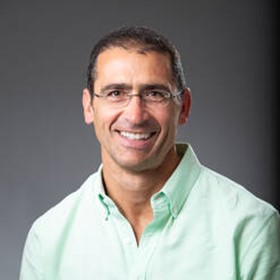
Alexander Abess, MD
Dartmouth Hitchcock Medical Center
Xan Abess, MD is an Assistant Professor of Anesthesiology & Perioperative medicine at Geisel School of Medicine, Dartmouth. He practices mostly as a generalist, but with additional involvement in the perioperative clinic as well as obstetric-, geriatric-, and neuro-anesthesia. He is the founder and director of an innovation lab at Dartmouth which brings together people and resources from the medical center and Dartmouth’s medical, engineering, business, and graduate schools. His research interests include the impact of neurocognitive conditions on surgical outcomes in geriatric patients as well as medical device development. He is super excited to be part of THRIVE as it addresses such a fundamental question in anesthesia – is gas or propofol better? When not at work, Xan tries to spend as much time as possible outside and on the water with his family in Maine.
| |
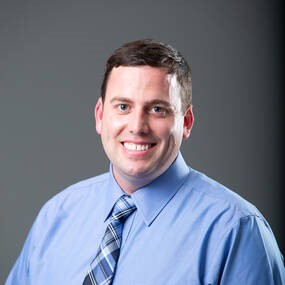
Jonathan Bailey, CRNA
Dartmouth Hitchcock Medical Center
Jonathan Bailey, CRNA, is the Chief CRNA at Dartmouth Hitchcock Medical Center and is a site co-investigator for THRIVE. He is committed to advancing patient care through evidenced-based practice and collaborative research, with a passion for improving perioperative outcomes. His decision to join THRIVE was influenced by the opportunity to contribute to elevating the quality of perioperative care for our patients. Jonathan has found the most rewarding aspect of participating in this study to be the community that has developed, across the healthcare landscape, to support the mission of improving anesthetic care.
|
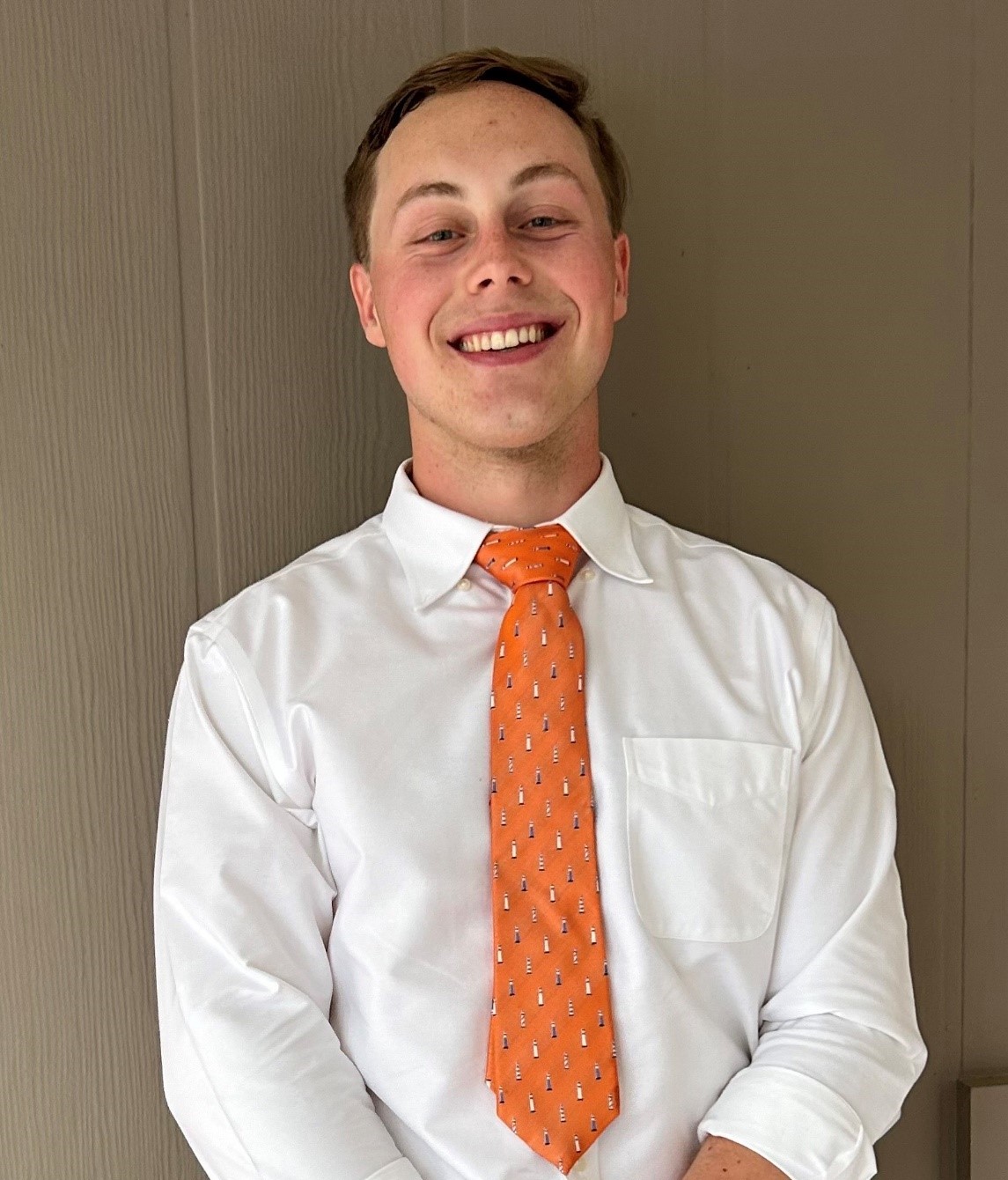
Alex Roth
Dartmouth Hitchcock Medical Center
Alexander Roth is the lead research coordinator for the THRIVE study at Dartmouth Hitchcock Medical Center. He has been part of DHMC’s THRIVE team since graduating from Vassar College in 2024. Alex appreciates the opportunities that THRIVE provides to connect with people, many of whom grew up in his home state of New Hampshire. Alex loves talking with patients and appreciates that THRIVE allows him be a friendly, helpful face for patients undergoing stressful surgeries. Alex is excited to continue building clinical experience with THRIVE while preparing to (hopefully) attend medical school next year! Outside of research, he loves mountain biking, backpacking, rowing, and playing with his Newfoundland dog Bug.
| | |
Suggestion Box
We would love to hear from you! Please let us know if there is a team member you would like to recognize or celebrate in the next newsletter, or if there are other updates you would like to know about.
| | | |
Funded by
Contract 2020C3-21106
| | | | | |