AN IMPORTANT MESSAGE FROM TIABC | | |
Dear TIABC Members,
TIABC, together with our tourism sector partners, is closely monitoring the wildfire situation across British Columbia.
We are sharing emergency preparedness resources to support you, your business, visitors to your region, and your community. Please review these materials and share them with your teams, local partners, and networks. We also encourage you to share relevant information through your networks and social media channels to help visitors access timely and reliable updates.
If your community is currently being impacted by wildfires, please stay safe, follow the direction of local authorities, and continue to monitor official sources for the latest conditions, evacuation alerts, and evacuation orders.
Thank you for helping keep British Columbia’s tourism operators, visitors, and communities informed and prepared.
Sincerely,
The TIABC Team
| | |
WILDFIRES IN BRITISH COLUMBIA
EMERGENCY PREPAREDNESS RESOURCES
| | |
A. Alertable App
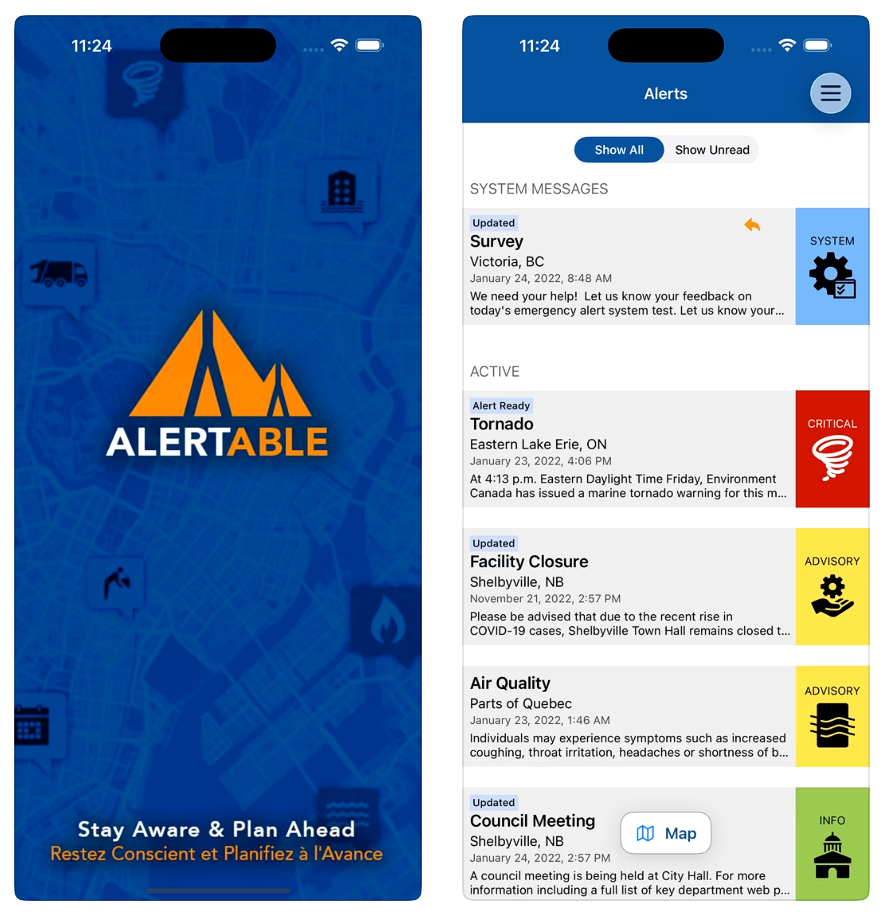
One of the easiest ways to help visitors and your staff stay informed is to connect them with trusted sources of emergency information before they need it.
The Alertable app delivers location-based notifications for evacuations, road closures, wildfires, severe weather, and other public safety alerts. Consider including a link to the app in pre-arrival emails, guest information packages, visitor guides, and front desk materials so visitors can stay informed throughout their stay.
| |
B. Share Trusted Information from Official Sources
Visitors often look to tourism businesses for timely and reliable information during an emergency. To help ensure their safety, always rely on verified sources rather than rumours or unconfirmed social media posts. Bookmark trusted resources such as EmergencyInfoBC, DriveBC, the BC Wildfire Service, and WeatherCAN, and use them as the basis for any updates shared with visitors, staff, or partners.
Providing clear, accurate, and consistent information helps people make informed decisions and reinforces trust when it matters most.
| |
C. Put Visitor Safety First
During an emergency, tourism businesses play a vital role in helping visitors access timely, accurate information and make informed decisions. Think ahead about the questions your guests may ask and ensure staff know where to direct them for trusted updates. Keeping visitors informed about local conditions, transportation impacts, nearby visitor centres, and available services can help them feel supported, safe, and confident during uncertain situations.
| |
D. Keep Future Visitors Informed
Proactive communication can help visitors make informed travel decisions and build confidence before they arrive. Rather than waiting for guests to reach out, share timely, factual updates about local conditions and what they can expect during their visit. If your destination is operating as usual, let them know. If there are disruptions, be transparent about the impacts and offer practical alternatives where possible.
The goal is to provide reassurance through accurate, up-to-date information, not to create unnecessary concern or minimize the situation. Let visitors know you're monitoring conditions, keeping them informed, and are committed to helping them enjoy a safe and memorable experience. Thoughtful communication before arrival can make the difference between a cancelled trip and a confident, well-prepared visitor.
Note: Picture is an example of proactive outreach in 2023 from Pacific Sands Beach Resort, Tofino.
| |
E. Stay Connected and Coordinate with
Local Tourism Partners
Strong local partnerships are invaluable during an emergency. Stay connected with your local visitor centre, destination management organization (DMO), sector association, Indigenous tourism organization, and municipality to ensure your contact information is current and that you're receiving timely emergency updates and industry communications.
Maintaining these connections helps businesses access reliable information, coordinate consistent messaging, and stay informed about evolving conditions across their destination. It also strengthens collaboration among tourism partners, creating a more seamless and supportive visitor experience.
In many emergencies, BC's tourism organizations are called upon by first responders and emergency management officials to share local knowledge, assist with communications, or help support evacuees and affected visitors.
| | |
As seasons change, you are encouraged to review your emergency plans, update key contacts, refresh communication procedures, and identify any gaps. The best emergency plan is one that's in place before it's needed.
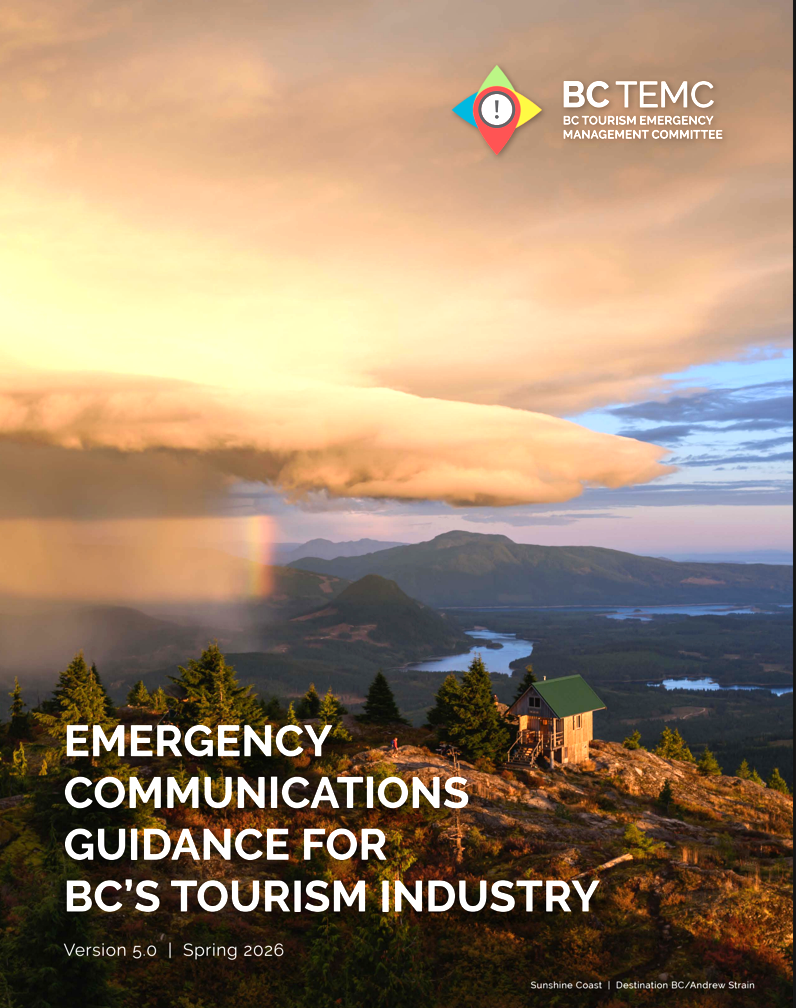
Destination BC's Learning Centre offers free, self-paced crisis and emergency communications resources, including practical guides, templates, worksheets, and case studies to help tourism businesses prepare for, respond to, and recover from emergencies.
Tourism Supports Community Resilience
BC's tourism industry has a long history of supporting communities during emergencies by assisting visitors, evacuees, and first responders with accommodation, transportation, meals, local knowledge, and other essential services. By working together and responding quickly, tourism businesses play an important role in helping communities recover and remain resilient.
| | TIABC recognizes that our members, stakeholders and staff occupy the ceded, unceded and traditional territories of Indigenous Nations across British Columbia. We sincerely appreciate the opportunity to live, work and play on the lands that our Indigenous friends and First Nations ancestors honour and care for. | | | | |