|
Regional partners gather to share progress and possibilities along the Middle Schuylkill.
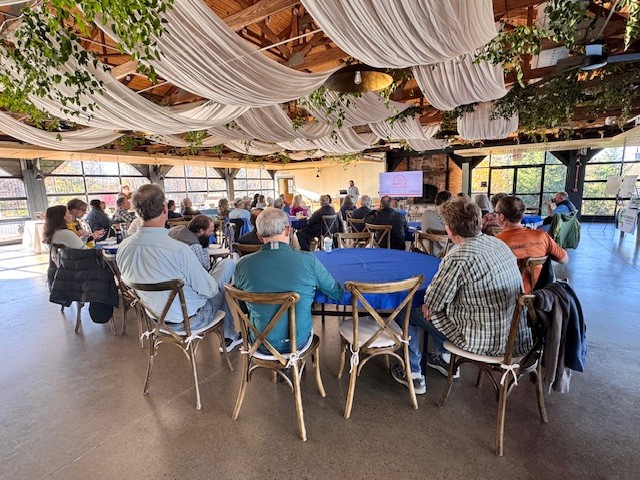
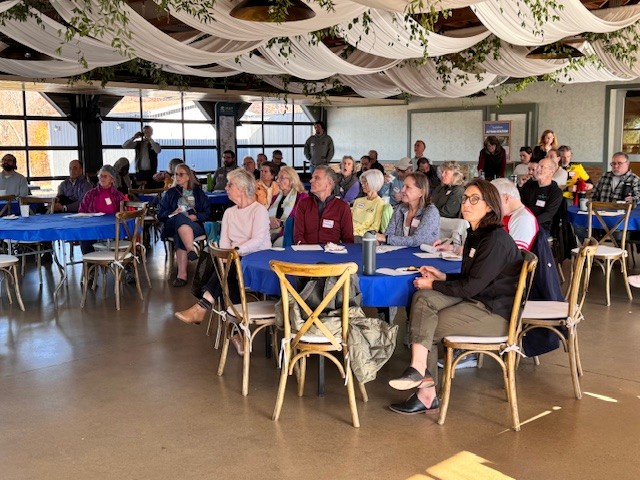
Sunlight filled the John James Audubon Center on Saturday, November 7, as more than 50 participants from across the region gathered for the Middle Schuylkill Trails Summit. Outside, a crisp, beautiful fall morning offered a fitting backdrop for a conversation about connecting more people to the outdoors and to one another.
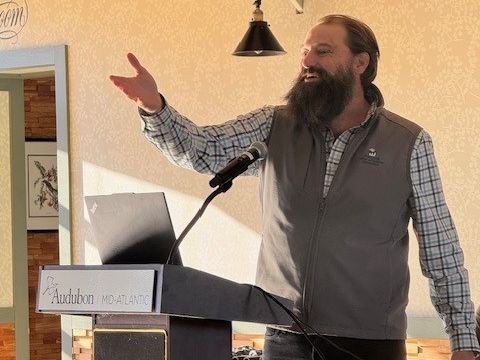
Emilia Crotty of the Pennsylvania Environmental Council welcomed the group, followed by brief remarks from Nathan Reigner, Ph.D., Pennsylvania’s first director of outdoor recreation. The morning brought together planners, advocates and transportation professionals whose work is helping turn individual trail projects into a connected regional network.
Partners included PEC, the Chester and Montgomery County planning commissions, the Bicycle Coalition of Greater Philadelphia, Audubon, Schuylkill River Greenways, Schuylkill Highlands, The Circuit Trails, and the GVF, Partnership and Chester County transportation management associations.
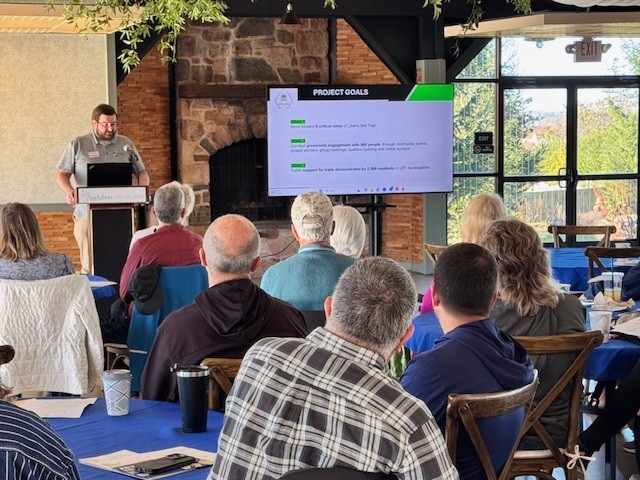
Presentations highlighted progress across that network: updates on The Circuit Trails; Montgomery County’s trail work, including the Trail Junction Center; the Liberty Bell Trail from The Partnership for Transportation; the Valley Forge Gateway Trail from the King of Prussia Business Improvement District; and the Schuylkill River Trail and Water Trail from Schuylkill River Greenways.
John Meisel and I shared the vision for the Devault Trail, championing the connection on behalf of our municipal partners on this project: East Whiteland, Charlestown, Schuylkill, Borough of Phoenixville, and Upper Providence. Our presentation contributed to a broader conversation about how local projects can expand regional access and mobility.
Between presentations, participants exchanged ideas, compared challenges and explored opportunities to work together. Afterward, some joined a guided walk of the grounds, while others rode out for a sneak peek at the Norristown Trail Junction.
It was a morning of connectivity, both on the map and among the people working to fill its gaps. TMACC is grateful to the organizers, presenters and partners whose collaboration continues to move these connections forward.
|