The latest updates on trial regulation and clinical ethics optimization in Africa
Optimizing ethical and regulatory systems
for high quality clinical research in Africa
August 2026
Issue 3
TRACE Project Quarterly Newsletter
FOREWORD MESSAGE
Welcome to the third edition of the TRACE Project newsletter. As we enter the final phase of the TRACE Project, it is encouraging to see countries moving beyond planning and into implementation. Across Kenya, Nigeria, Rwanda, Tanzania and Zimbabwe, national teams are strengthening ethics and regulatory systems through practical reforms that improve the efficiency, transparency and quality of clinical trial oversight.
Our recent face-to-face Core Group Meeting in Zimbabwe marked an important milestone in this journey. Bringing together regulators, ethics committees and technical partners from across the participating countries, the meeting provided an opportunity not only to review progress but also to openly share experiences, discuss common challenges and learn from one another. Member countries showcased significant advancements in digital platforms, review timelines, capacity building and financial sustainability.
Dr. David Mukanga
Deputy Director for Africa Regulatory Systems
Gates Foundation
Crucially, these discussions highlighted TRACE’s greatest strength: our collaborative network. By actively exchanging tools and strategies to address shared challenges, participants demonstrated that regional progress is rapidly accelerated through mutual support and peer learning.
As we look ahead, our immediate priority is to cement these collaborative victories into sustainable institutional change. With the operational groundwork now in place, we must focus on meticulously documenting the lessons emerging from the TRACE consortium. By translating our regional blueprints into accessible frameworks, we can actively empower and inform broader regulatory strengthening efforts across the entire continent.
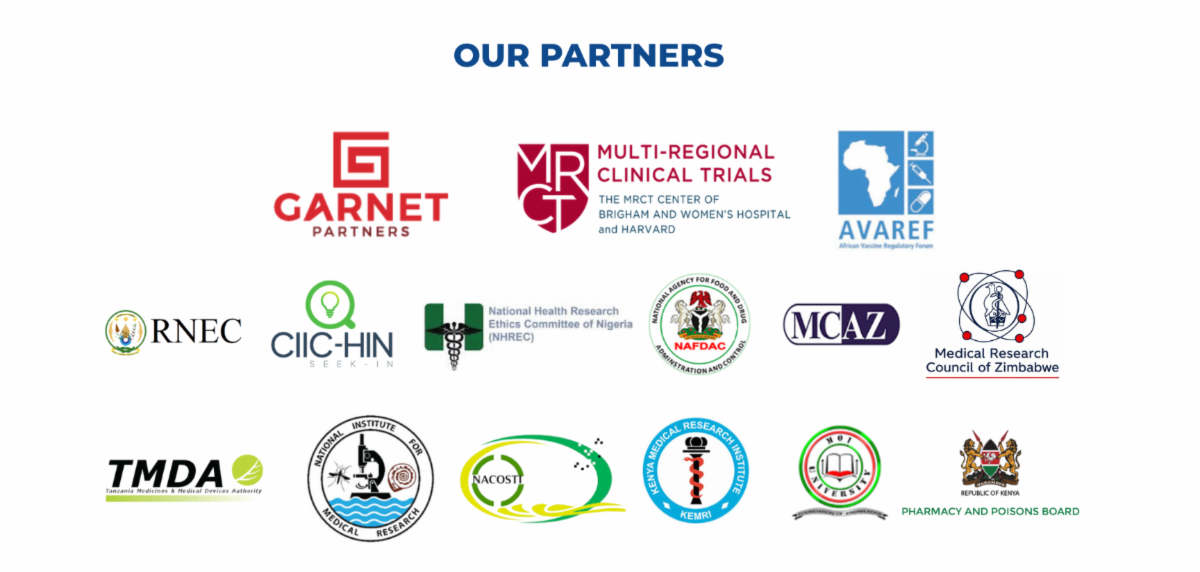
I would like to thank all participating countries, our technical partners, Garnet Partners, MRCT, CIIC-HIN and the many institutions and individuals whose commitment continues to drive this initiative forward. Together, we are laying the foundations for stronger and more resilient ethics and regulatory systems that will benefit researchers, participants and communities across Africa.
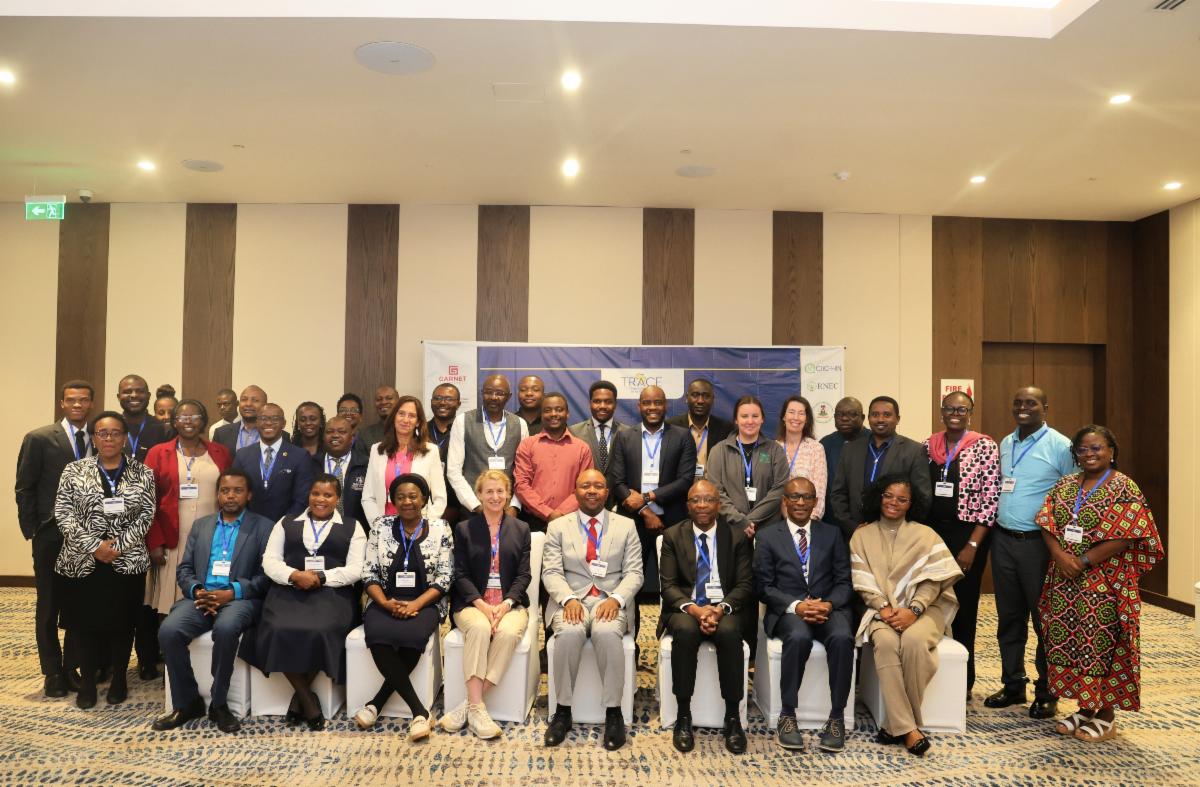
The TRACE consortium, alongside key local stakeholders—including Dr. Aspect J.V. Maunganidze, Permanent Secretary of the Ministry of Health and Child Care, and Richard Tendayi Rukwata, Director General of the Medicines Control Authority of Zimbabwe (MCAZ) —gather at the face-to-face core group meeting in Harare, June 2026.Read the full meeting highlights on our website.
The TRACE Project Takes the Global Stage in the DIA Global Forum
The TRACE Project’s rapid momentum in strengthening African clinical research systems has been officially featured in a global Q&A spotlight for the June/July 2026 issue of the Drug Information Association (DIA) Global Forum (Volume 18, Issue 6).
Titled "Building National Foundations to Support Clinical Research in Africa", the feature unpacks how the TRACE framework is breaking down institutional silos across Nigeria, Rwanda, Tanzania, Zimbabwe, and Kenya. By replacing fragmented workflows with unified, highly predictable digital review ecosystems, the project is establishing an inspiring blueprint for regional research sovereignty.
A special thank you goes to TRACE Project Secretariat leads Dr. Elly Kourany-Lefoll and Dr. Collins Mitambo for their featured insights, and to DIA Managing Editor Chris Slawecki for spotlighting the evolution of clinical trial ethics in sub-Saharan Africa.
ZIMBABWE: Achieving Global Regulatory Excellence and Digital Innovation
Zimbabwe has demonstrated the profound impact of local technical ownership by achieving 83% completion of its joint Electronic Ethics and Clinical Trials Application System (e-ECTAS) portal. Developed entirely in-house by the Medicines Control Authority of Zimbabwe (MCAZ) Information and Communication Technology team with continuous input from the Medical Research Council of Zimbabwe (MRCZ), this single-entry review system seamlessly links both regulatory and ethics workflows to streamline submissions. To complement these digital efficiency gains, the country is actively advancing its capacity-building rollout, having already successfully conducted targeted training sessions for six local institutional review boards. Zimbabwe is actively sharing the lessons learned from this initiative with the Nigeria team, including the National Health Research Ethics Committee (NHREC) and the National Agency for Food and Drug Administration and Control (NAFDAC). This reciprocal peer mentoring directly supports similar system-strengthening efforts across the regional consortium.
Compounding this technical momentum, the TRACE consortium proudly congratulates Zimbabwe on a truly monumental milestone achieved just after the Harare meetings. Zimbabwe has officially become the first country in Africa and only the fourth globally to achieve the World Health Organization Maturity Level 4, representing the highest international standard for medicines regulation. For the TRACE Project, this internationally validated achievement firmly anchors our cross-border reliance frameworks and provides a proven, world-class operational model to accelerate African research sovereignty.
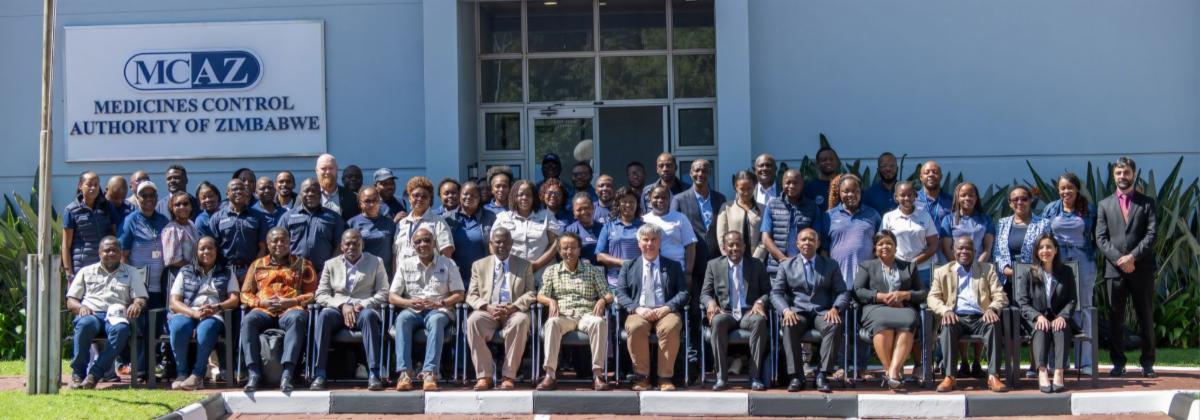
The MCAZ team, alongside representatives from WHO, WHO AFRO, and the Ministry of Health and Child Care, at the close of the critical five-day benchmarking mission that led to Zimbabwe’s ML4 status.
KENYA: Streamlining Pathways and Scaling Institutional Alignment
Kenya joined the TRACE Project in April 2026 and has made good progress in a relatively short period. Recognizing that a fragmented technical ecosystem across disconnected databases creates tracking blind spots for researchers, Kenya is working towards improved interoperability and coordination . A major operational milestone was achieved through a joint stakeholder design forum bringing together the Pharmacy and Poisons Board (PPB), Kenya Medical Research Institute (KEMRI), and Moi Teaching & Referral Hospital (MTRH). This meeting advanced planning for a coordinated parallel clinical tiral application (CTA) submission pilot aimed at eliminating the sequential administrative bottlenecks that previously slowed down approvals.
The Kenyan institutions are currently identifying dedicated institutional data officers to transition this auditing process into a permanent, quarterly tracking model. Ultimately, uncovering these institutional bottlenecks through a data-driven approach will directly inform the country's upcoming technical optimizations.
Key stakeholders from the Pharmacy and Poisons Board (PPB), Kenya Medical Research Institute (KEMRI), and Moi University convened in Machakos County from 25 to 26 May 2026 to strategize on streamlining regulatory pathways through parallel CTA submission.
NIGERIA: Expanding Decentralized Review and Financial Autonomy
Nigeria is working to translate policy reforms into more sustainable operational systems. Securing a landmark victory for long-term institutional permanence, the National Health Research Ethics Committee (NHREC) officially operationalized its newly allocated, dedicated office space within the Federal Ministry of Health and Social Welfare.
To support decentralized oversight, NHREC has registered all Health Research Ethics Committees across the country, making the complete national directory publicly available on their website. Alongside this milestone, Nigeria continues to advance its long-term financial sustainability. The government officially granted approval for NHREC to open a dedicated bank account and authorized the committee to charge administrative fees for protocol reviews.
To anchor these structural achievements, comprehensive capacity building remains underway. This includes newly completed training sessions for committee members and the establishment of formal quarterly coordination meetings with the National Agency for Food and Drug Administration and Control (NAFDAC). Furthermore, driven by the core TRACE objectives of transparency and predictability, NHREC has launched a brand-new institutional newsletter series featuring a complete breakdown of recent protocol reviews.
To review these metrics and preview upcoming publication schedules, explore the latest newsletter issue here: NHREC Nigeria Official Newsletter.
RWANDA: Modernizing Workflows and Electronic Integration
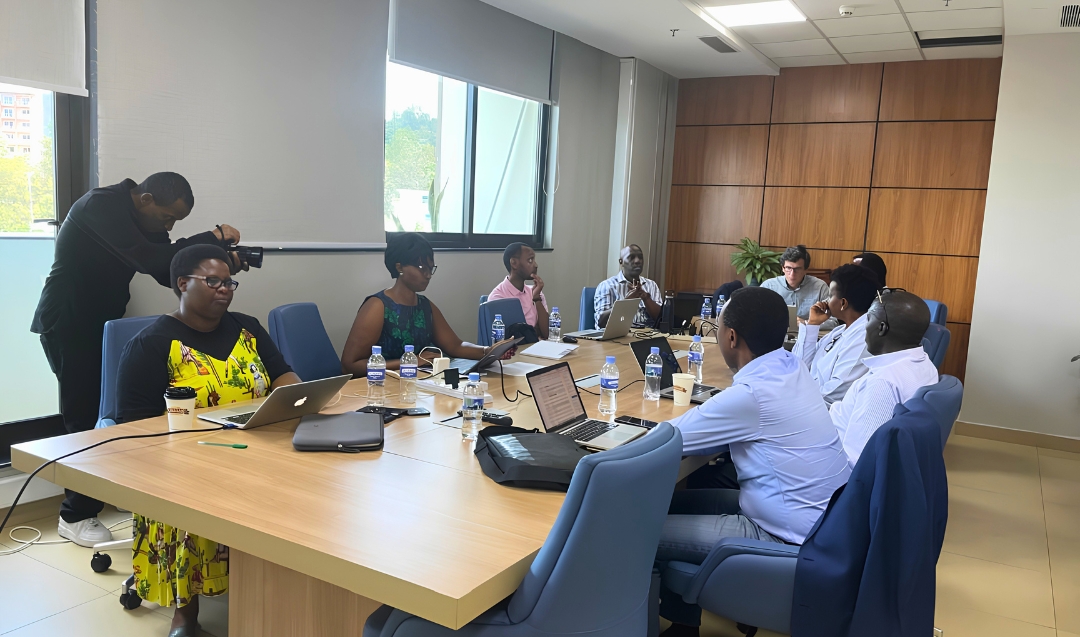
Capturing new visuals at the latest Rwanda National Ethics Committee (RNEC) meeting to feature on the newly revamped RNEC website.
Rwanda has set a new benchmark for transparency and operational predictability with the official launch of the revamped Rwanda National Ethics Committee (RNEC) website. Moving far beyond a basic web interface, the new site provides a guided submission pathway that actively embeds 38 newly developed Standard Operating Procedures alongside 10 critical tools and standardized clinical trial templates. Crucially, the platform introduces a public tracking meeting calendar that allows investigators and researchers to instantly identify hard submission deadlines and see exactly when the committee will review their protocols, completely eliminating administrative guesswork.
This robust digital expansion highlights the true collaborative value of the TRACE regional network. Rather than reinventing the wheel in isolation, the Rwandan technical team is actively exchanging insights with colleagues from Zimbabwe and Tanzania to develop its national digital ethics review platform. By analyzing the operational architectures of Zimbabwe's e-ECTAS and Tanzania’s NRIMS—both newly developed, comprehensive systems designed to manage and streamline national ethics and regulatory reviews—the country team is successfully leveraging proven regional expertise. This collaborative strategy empowers Rwanda to develop a highly optimized national oversight system that leverages AI capabilities and integrates seamlessly with key national systems, such as the Rwanda Food and Drugs Authority.
TANZANIA: Regulatory Synergy and Traditional Medicine Frameworks
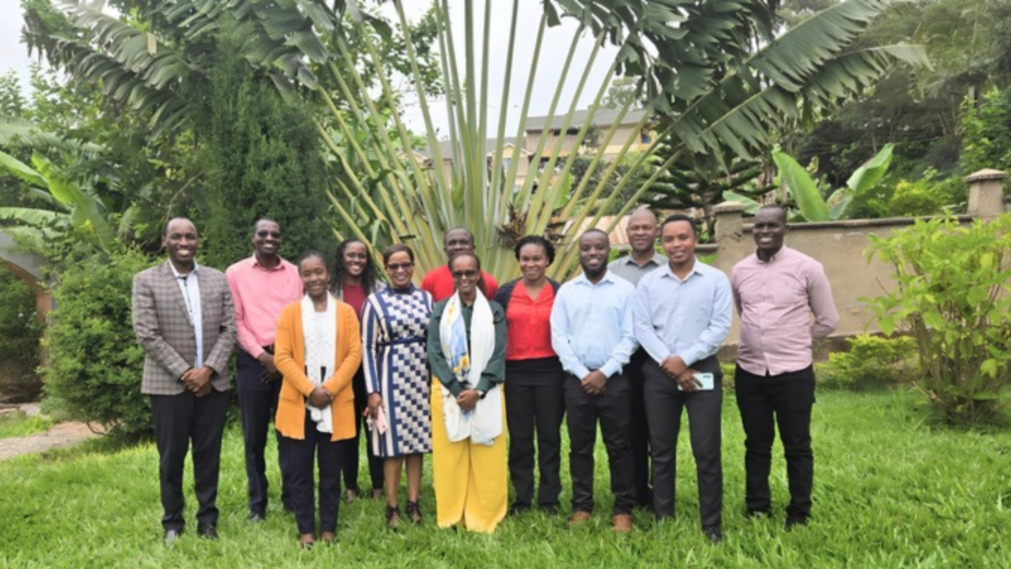
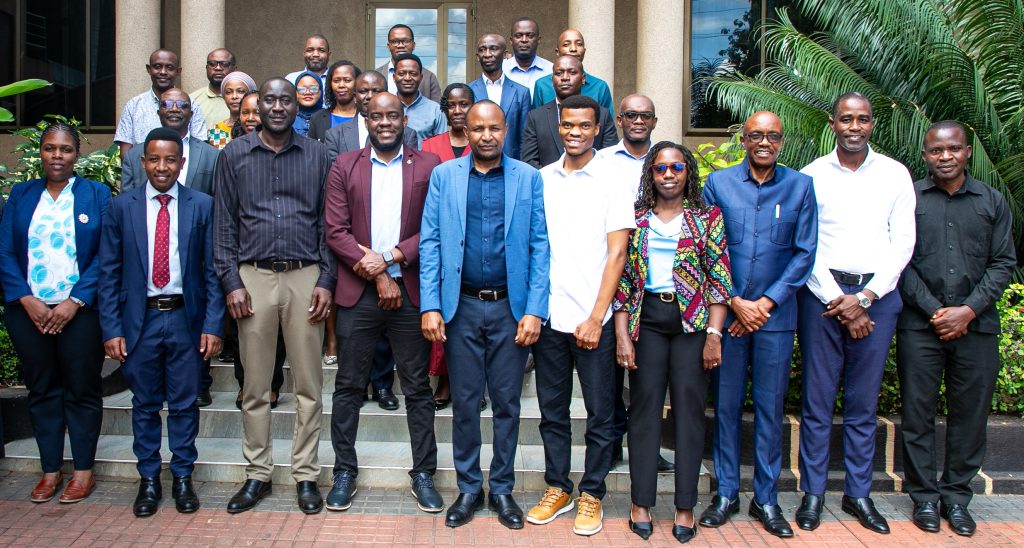
Representatives from the National Institute for Medical Research (NIMR), the Tanzania Medicines and Medical Devices Authority (TMDA), and the TRACE Project convene for an intensive three-day Clinical Trial Reviewers Training in Morogoro, June 2026.
Tanzania continues to strengthen its clinical trial oversight system through capacity building, digital transformation and regulatory collaboration. In Morogoro, the National Institute for Medical Research (NIMR), in close collaboration with the Tanzania Medicines and Medical Devices Authority (TMDA), executed an intensive three-day training program for clinical trial reviewers.
Building on this collaborative momentum, NIMR led a major multi-stakeholder consultation to harmonize the country's first-ever National Traditional Medicine Research Guidelines. This landmark regulatory framework bridges a critical gap—safeguarding indigenous knowledge while establishing the strict scientific rigor and ethical baselines required to safely integrate traditional medicine into the formal national health system.
Concurrently, Tanzania is rapidly dismantling digital operational silos to accelerate research lifecycles. Technical teams are currently upgrading the NREIMS ethics platform to establish direct, real-time interoperability with the TMDA RIMS regulatory system. To further reduce administrative burdens, this milestone upgrade automates the processing of Data Transfer Agreements (DTA) and Material Transfer Agreements (MTA), while locking in long-term operational autonomy through a direct integration with the Government e-Payment Gateway (GePG) for seamless, automated fee processing.
💡LEARNING ZONE
Your Dedicated Space for Continuous Professional Development
Equip your committee members, ethics reviewers, and research staff with on-demand training resources compiled by our global regulatory partners.
NEW| WHO Academy: Good Practices for Clinical Trial Design and Implementation
As the latest addition to the WHO Academy courses, this foundational course supports the practical application of core ethical and scientific principles needed to design, conduct, and oversee high-quality, impactful clinical trials. Access the Course Here
To explore our full, curated catalog of dedicated bioethics and clinical oversight courses, please visit our website using the button below.
✉️ We are always looking to highlight the incredible work happening across our network. If you have a milestone, insight, or update you would like to contribute to the next edition of the TRACE Project newsletter, we would love to hear from you. Please reach out and share your stories with us directly at connect@traceclinicaltrialethics.com
If you prefer not to receive future newsletters, please click the Unsubscribe button below or reply to this email, and your contact will be removed from our mailing list.