The latest updates on trial regulation and clinical ethics optimization in Africa
Optimizing ethical and regulatory systems
for high-quality clinical trials in Africa
October 2026
Issue 4
TRACE Project Quarterly Newsletter
FOREWORD MESSAGE
Welcome to the fourth edition of the Trial Regulation and Clinical Ethics Optimization (TRACE) newsletter. This quarter, TRACE's work reached new audiences through Nature Medicine and the Africa HealthTech Summit in Kigali. Both highlighted a practical priority for clinical research in Africa: making ethics and regulatory review more coordinated, transparent, and predictable. Catch up on earlier editions through this link.
Across Rwanda, Tanzania, Nigeria, Zimbabwe, and Kenya, the biggest gains in trial readiness have come from bringing ethics committees and regulators into closer coordination. Our joint Correspondence in Nature Medicine shares these lessons. On 1 October 2026, Rwanda took the discussion further at the Africa Health Tech Summit (AHTS), exploring how digital tools and artificial intelligence (AI) can improve review processes while protecting the quality of oversight.
This edition follows that work into practice. Rwanda is preparing to launch REMIS (Rwanda Ethics Management Information System), Kenya is piloting parallel submissions, and Nigeria is advancing its revised National Code of Health Research Ethics. Tanzania is strengthening traditional medicine research and ethics oversight, while Zimbabwe is making review requirements easier to navigate. As TRACE approaches completion, sustaining these reforms remains a shared priority. Country teams are already acting on this through fee structures, government co-funding, and digital review systems. They are also adopting standard operating procedures (SOPs), forms, templates, and guidelines for routine institutional use.
What would you like us to explore next? Share the questions that matter to your work with the TRACE team at connect@traceclinicaltrialethics.com.
Citation: [1] Neil KL, Condo J, on behalf of the TRACE Author Group. Strengthening clinical trial ethics and regulatory oversight in Africa: lessons from the TRACE initiative. Nature Medicine. Published online 7 September 2026. https://doi.org/10.1038/s41591-026-04645-7
Partner institutions include the Gates Foundation, the Centre for Impact, Innovation and Capacity Building for Health Information Systems and Nutrition (CIIC-HIN), Garnet Partners, and the Multi-Regional Clinical Trials Center of Brigham and Women's Hospital and Harvard (MRCT Center).
The central lesson is practical: coordination matters. Across the five countries, parallel ethics and regulatory reviews produced the fastest and most measurable gains in trial readiness. Examples include Zimbabwe's joint electronic platform linking the Medicines Control Authority of Zimbabwe (MCAZ) and the Medical Research Council of Zimbabwe (MRCZ), Kenya's parallel review pathways, and Rwanda's harmonized standard operating procedures (SOPs) and published review calendar. These approaches aim to reduce delays and help researchers plan their submissions with greater confidence.
The authors call for investment in the systems that connect national ethics committees and national regulatory authorities, alongside support for Institutional Review Boards (IRBs). Their call is directed to the African Union, the African Medicines Agency, the World Health Organization Regional Office for Africa (WHO AFRO), the African Vaccine Regulatory Forum (AVAREF), and global health funders.
Digital review in focus at the Africa HealthTech Summit
A live demonstration of REMIS brought digital research ethics review into focus at the Africa HealthTech Summit (AHTS) 2026 in Kigali. The TRACE breakout session, "Can Ethics and Regulation Keep Pace with Health Innovation? Digital Transformation of Ethics and Regulatory Review in Africa," examined how institutions can reduce delays while maintaining rigorous review. Dr. Felix R. Kitema, Managing Director of CIIC-HIN, moderated the discussion, which considered fragmented, sequential reviews and the AVAREF benchmark of 60 calendar days.
Dr. Kara Neil, Rwanda National Research Ethics Committee (RNEC) Vice-Chair and Chair of the TRACE Country Coordination Committee, explained the review gaps that TRACE seeks to address. Dr. Nathalie Umutoni, Managing Director of PACT Solutions and TRACE Project Lead for Rwanda, shared Rwanda's experience with parallel submissions and publicly accessible ethics procedures, templates and forms.
Prof. Tendayi Kureya, Executive Secretary/Director of MRCZ, described Zimbabwe's joint digital workflows between MRCZ and MCAZ. He also reported that MCAZ had attained WHO Maturity Level 4 status in 2026.
Mr. Blaise Mafende, REMIS Technical Lead, demonstrated how RNEC's digital review platform handles protocol submission, fee payment, reviewer assignment, and certificate generation.
The discussion explored how interoperable systems and responsible use of AI can support administrative screening, reduce avoidable queries, and improve transparency. Scientific and ethical decisions remain the responsibility of human reviewers.
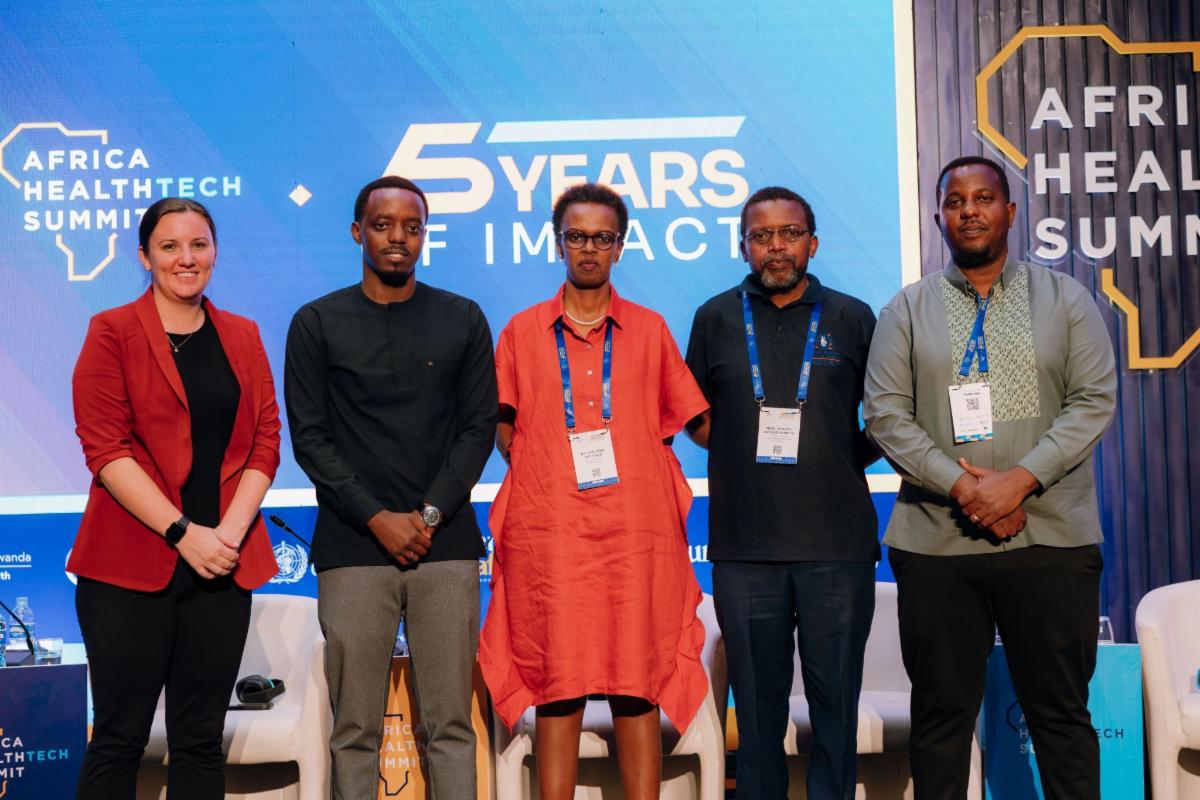
Photo: Participants at the TRACE breakout session during the Africa HealthTech Summit 2026 in Kigali, October 2026. Pictured are Dr. Kara Neil, RNEC Vice-Chair; Mr. Blaise Mafende, REMIS Technical Lead; Dr. Nathalie Umutoni, Managing Director of PACT Solutions; Prof. Tendayi Kureya, Executive Secretary/Director of the Medical Research Council of Zimbabwe (MRCZ); and Dr. Felix R. Kitema, Managing Director of CIIC-HIN.
RWANDA prepares to launch REMIS
Review capacity is advancing alongside the digital platform. On 16 and 17 July 2026, RNEC and CIIC-HIN brought together representatives from all registered research ethics committees (RECs) in Rwanda for a two-day workshop. Participants worked through the national research ethics framework, REC systems and SOPs, fees, accreditation and institutional maturity, research ethics, and an introduction to Good Clinical Practice (GCP). Participants also received access to self-paced modules for continued learning. Read the training highlights here.
RNEC's digital review platform, REMIS, has completed development and user acceptance testing, with a demonstration session offered to all TRACE countries ahead of its planned launch in late October 2026. It brings application submission, screening, review, payment, and post-approval monitoring into one system.
AI-supported tools guide applicants and give reviewers summaries and workload analytics, while human reviewers retain responsibility for decisions. Integration with the Rwanda Food and Drugs Authority (Rwanda FDA) system is under way.
KENYA puts parallel review into practice
Kenya's parallel-submission pilot is testing a coordinated route for clinical trial proposals, designed to reduce sequential reviews and duplication for investigators and sponsors. Launched on 18 August 2026, it brings together the Kenya Medical Research Institute (KEMRI), the National Commission for Science, Technology and Innovation (NACOSTI), the Pharmacy and Poisons Board (PPB), Moi University and Moi Teaching and Referral Hospital (MTRH). At the Core Group meeting on 30 September 2026, KEMRI reported 8 proposals received: 5 had been reviewed with comments shared, and 3 were scheduled for October meetings.
Inside KEMRI, the Scientific and Ethics Review Unit (SERU) is adapting its processes to support the pilot. An internal stakeholder meeting held from 10 to 13 August 2026 produced revised SOPs for investigators, reviewers, committee operations and the secretariat.
Clinical and non-clinical review pathways are now separate, and a dedicated clinical trials committee is being established. User testing of the new online review system took place on 7 and 9 October 2026; validation and training followed.
Kenya also hosted the third TRACE Bioethics Forum on 15 September 2026, focusing on Controlled Human Infection Model (CHIM) studies. The discussion examined community involvement and the risk that reimbursement could unduly influence participation in under-resourced communities.
Speakers also examined pre-submission engagement, regulatory oversight, Good Manufacturing Practice (GMP) compliance, and GCP inspections. Moi University, KEMRI, PPB, NACOSTI, and the Kilifi CHIM platform contributed perspectives, with the MRCT Center facilitating the exchange. The fourth TRACE Bioethics Forum is planned for November 2026, pending confirmation from Tanzania, to continue this exchange across country teams.
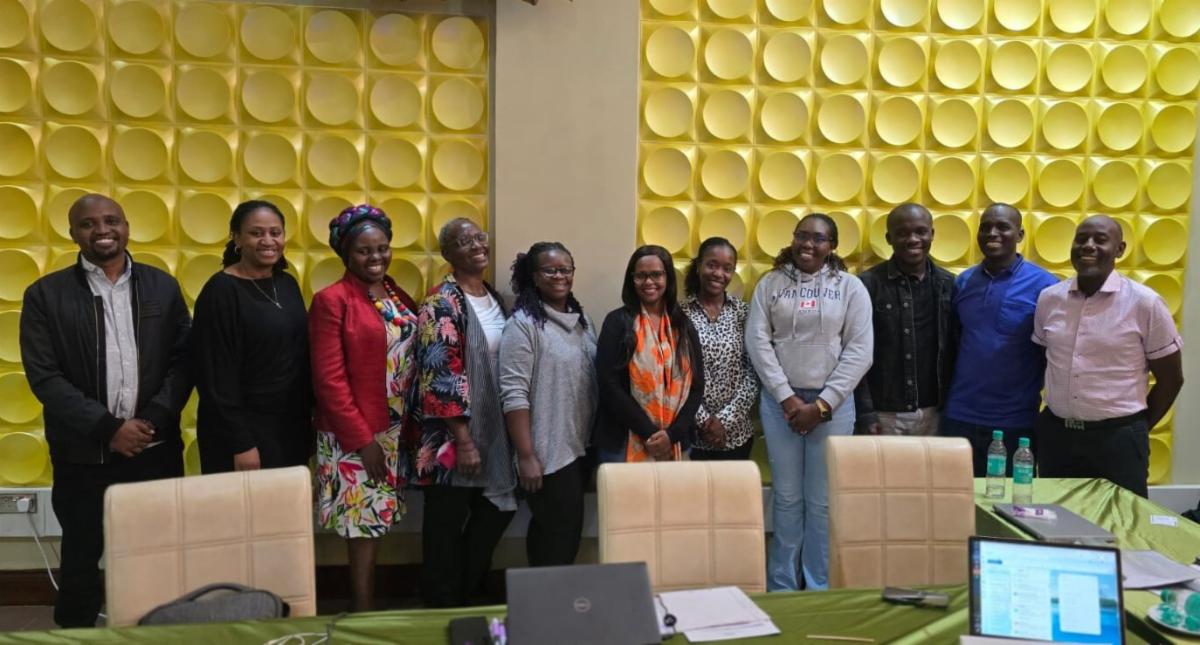
Photo: The KEMRI SERU team reviews internal processes in preparation for the parallel-submission pilot involving PPB and ethics committees, August 2026.
Photo: KEMRI SERU staff and other stakeholders during user testing of the online review system on 7 and 9 October 2026.
Nigeria prepares for a revised National Code.
Nigeria is preparing to launch its revised National Code of Health Research Ethics, with the physical stakeholder consultation and launch now targeted for November–December 2026. During a meeting on 8 October 2026 with Garnet Partners, TRACE's coordination and financial management partner, the National Health Research Ethics Committee (NHREC) confirmed that the Code required further revision. The virtual stakeholder consultation is ongoing, and updated drafts will be submitted to the Federal Ministry of Health and Social Welfare for clearance once the revisions are complete.
Accompanying SOPs are due for validation and adoption in the fourth quarter of 2026. They include a reliance SOP that enables committees to use assessments conducted by other committees. Read the story behind the revision here.
Financial sustainability is also taking shape. The National Health Research Ethics Committee (NHREC) has completed a stakeholder consultation on financial management, opened a dedicated account, and developed a financial framework. On 8 October 2026, NHREC confirmed that its fee structure has been approved and requires no further approval, with fees to be charged from January 2027 in line with the government financial year. The financial standard operating procedures (SOPs) have also been finalised and approved, with signed copies pending. NHREC’s digital platform is set up, and staff and reviewers have been trained. User manuals and reference guides are complete, and key performance indicators (KPIs) have been developed. The help desk is not yet functional, and full optimization of the platform is due by 30 December 2026. Discussions with the platform’s funder on extended support continue. Re-accreditation of state Health Research Ethics Committees is also under way, strengthening decentralized review capacity.
Photo: Stakeholders at the January 2026 meeting to discuss input to the revision of the National Code of Health Research Ethics (NCHRE).
Tanzania strengthens traditional medicine research
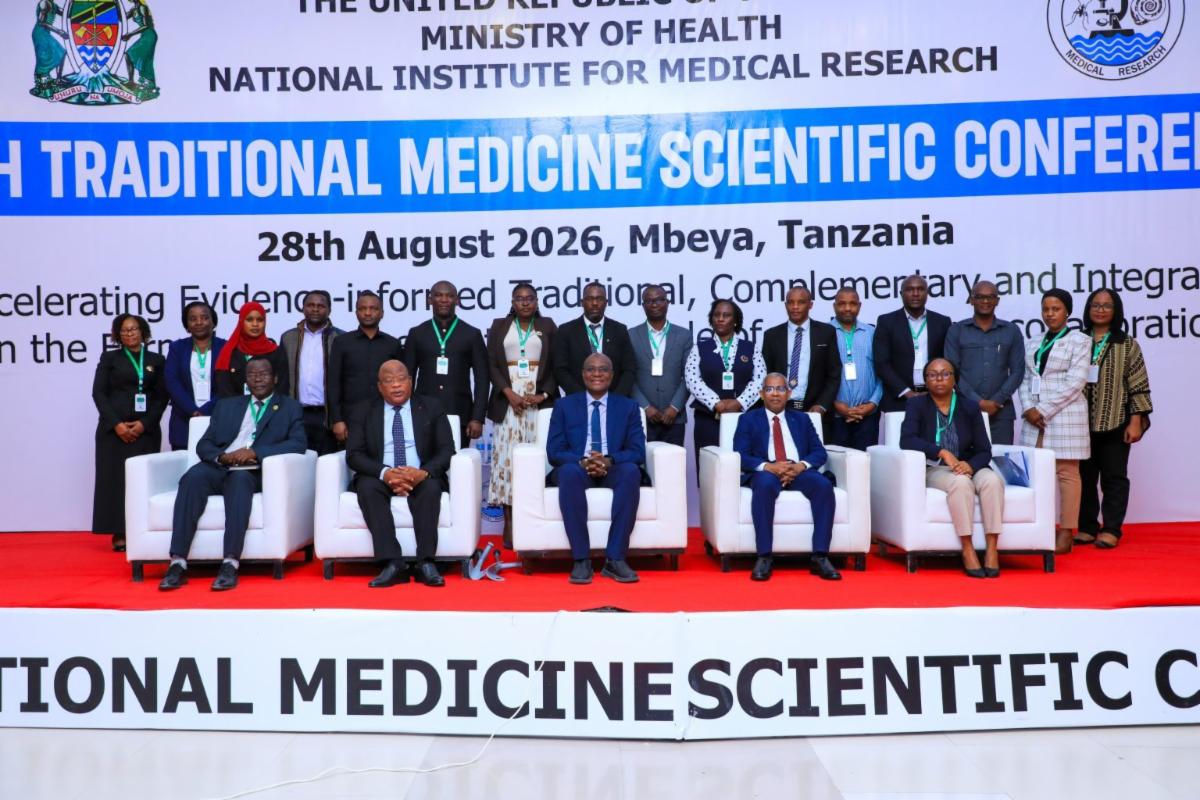
Bringing scientifically validated traditional medicines into the formal health system was the focus of the Fifth Scientific Conference on Traditional Medicine, convened by the National Institute for Medical Research (NIMR) in Mbeya on 28 August 2026. Supported by TRACE, the conference built on consultations on Tanzania's first National Traditional Medicine Research Guidelines. Speaking on behalf of the Ministry of Health, Ambassador Dr. Mpoki Ulisubisya called for accelerated research, scientific validation and investment to support this integration.
The discussion also highlighted the reach of existing services. NIMR Director General Prof. Said Aboud reported that laboratories at the Mabibo Traditional Medicine Research Centre monitor the quality of 45 medicines offered through an integrated service programme. The programme has reached more than 2,000 patients across 14 regional referral hospitals. The Mabibo factory is expected to open in the 2026/27 financial year.
With TRACE support, further ethics and regulatory work began in the week of 5 October 2026 to develop harmonized joint GCP inspection guidelines and assess and accredit Tanzania's 19 institutional research ethics committees using the national accreditation toolkit.
Of 12 clinical trial submissions received between January and September 2026, 6 had been approved, and 6 remained pending. The 6 approvals took a mean of 95.5 calendar days from receipt to approval, and only 1 of them (17%) met the 60-day target. Two of the six were approved in Q3 (in August and September), taking 194 and 97 days. To shorten these timelines, the team will keep following up with reviewers and investigators, revise its SOPs to allow decisions once reviews are complete, and plan quarterly online forums.
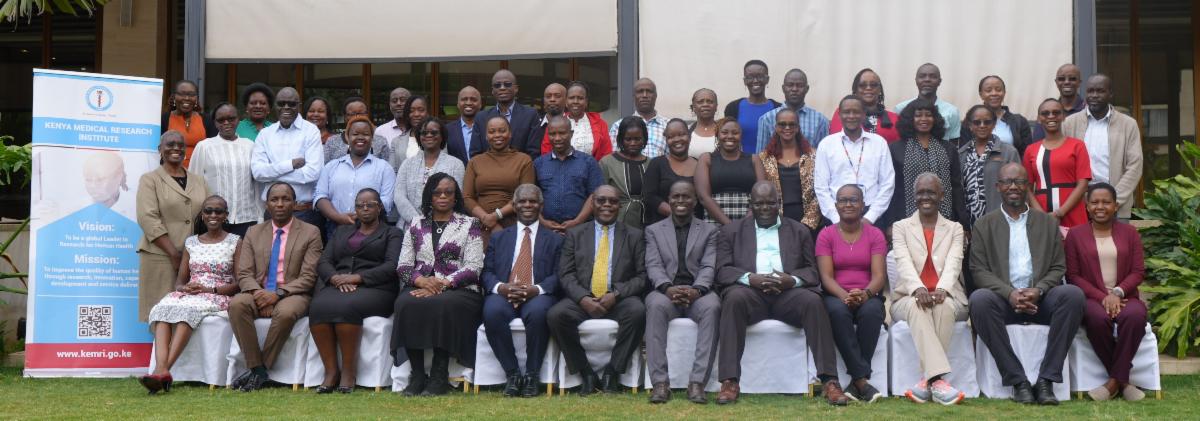
Photo: Delegates at the Fifth Scientific Conference on Traditional Medicine, convened by NIMR on 28 August 2026 in Mbeya, Tanzania.
Zimbabwe makes research oversight easier to navigate
Zimbabwe is advancing legislative and digital reforms alongside improvements in public information. MCAZ is expected to gazette its revised regulatory instruments by the end of 2026, while MRCZ is revising research ethics legislation.
The joint MCAZ–MRCZ electronic review platform is undergoing user acceptance testing. By connecting ethics and regulatory workflows, it is intended to reduce duplication and make clinical trial review more coordinated and predictable.
For researchers preparing applications, MRCZ's relaunched website offers clearer guidance on the review process. It provides application process maps, a REC calendar with meeting dates and submission deadlines, ethics guidelines, a public registry listing proposal titles, investigators, and approval dates, and an accreditation roadmap for institutional review boards (IRBs).
The update responds to a July 2025 baseline assessment using the WHO tool for benchmarking ethics oversight of health-related research involving human participants, which identified established REC structures alongside gaps in transparency and accountability. Explore the website update here.
Looking Ahead
TRACE institutions are expected to join the WHO institutional benchmarking pilot before the end of October 2026. The exercise will offer an opportunity to assess progress and identify priorities for further strengthening research ethics oversight.
TRACE is supported by the Gates Foundation. We thank our partner institutions and country teams for their collaboration and contributions throughout the project.
✉️ We are always looking to highlight the incredible work happening across our network. If you have a milestone, insight, or update you would like to contribute to the next edition of the TRACE Project newsletter, we would love to hear from you. Please reach out and share your stories with us directly at connect@traceclinicaltrialethics.com
If you prefer not to receive future newsletters, please click the Unsubscribe button below or reply to this email, and your contact will be removed from our mailing list.