Islamic State Quietly Creeping Up on the Syrian Oil Market | |
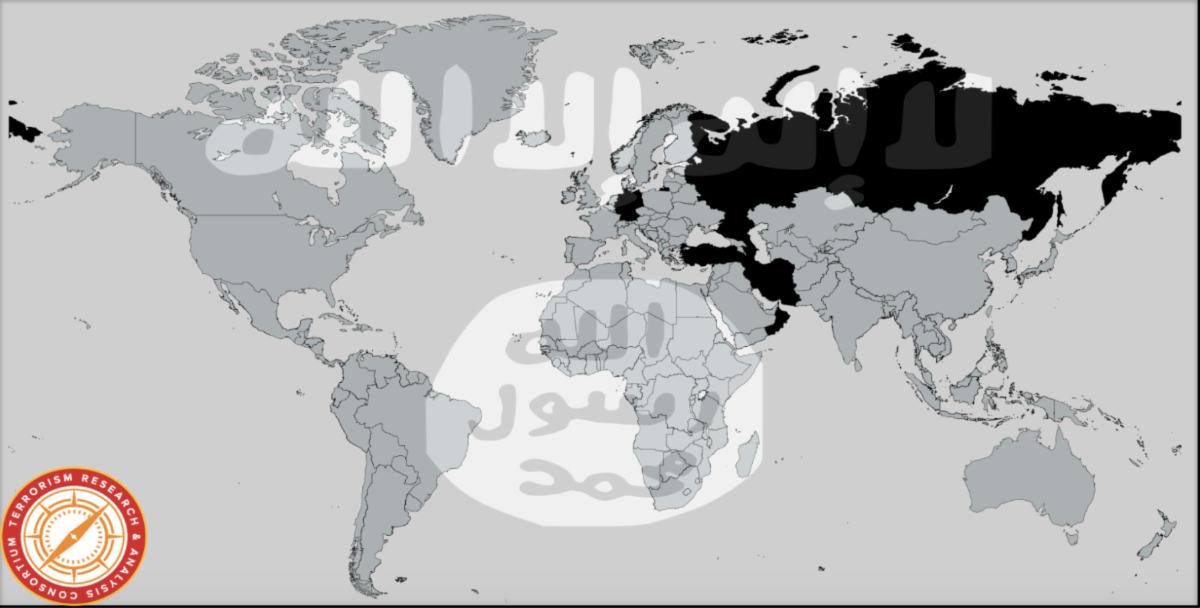
Since 10 July 2024, TRAC has documented a total of 47 Islamic State (IS) attacks targeting oil tankers across various Syrian governorates, with a significant concentration in Deir Ezzor (25 attacks), followed by Raqqa (9), Hasakah (7), and Homs and Aleppo (3 each). This pattern of assaults, while not formally claimed as a coordinated campaign by IS central command, appears to be a deliberate, strategic effort aimed at multiple objectives:
Economic Destabilization of the SDF: The Syrian Democratic Forces (SDF), which controls much of northeastern Syria, relies heavily on oil resources to fund its operations and provide essential services to areas under its control. By attacking oil tankers and supply routes, IS likely aims to cut off or severely limit this revenue stream, creating economic strain and weakening the SDF's ability to govern effectively. This approach impacts the SDF’s military capacities and the civilian population's perception of SDF governance, potentially fostering discontent and opening the door to IS influence.
Undermining Syria’s Local Oil Economy: Syria’s oil resources, particularly in Deir Ezzor and Hasakah, have been a focal point of competition between various factions, including the SDF and the Syrian government. IS’s attacks on oil infrastructure disrupt the flow of resources, creating instability and potential shortages in oil supply. This disruption weakens both local economic stability and the broader oil market in Syria, creating cascading economic effects that could pressure the SDF and Syrian government forces.
Undermining Rival Governance Models: By targeting the oil-dependent economy of the SDF-controlled areas, IS seeks to demonstrate that the SDF, with its reliance on foreign allies, cannot secure the basic resources and infrastructure under its jurisdiction. In regions like Deir Ezzor, which have historically seen IS influence, these actions may help to undermine local support for the SDF, as IS presents itself as an alternative force capable of resisting what it frames as foreign-backed governance.
Messaging and Propaganda: Though IS has not formally announced a campaign, the volume and frequency of these attacks can serve a propaganda purpose, signalling IS's continued relevance and capacity to disrupt. Each attack on oil assets sends a message of resilience to IS supporters, particularly in the context of resource warfare, which has historically been a critical element of IS’s strategy. The systematic nature of these assaults might also aim to attract new recruits by showing that IS is capable of sustaining pressure on its enemies.
In summary, while Islamic State’s attacks on oil tankers may not amount to a formally declared campaign, they reveal a deliberate strategy that serves multiple objectives, from economic disruption to influence-building. This ongoing assault on Syria’s oil infrastructure underscores IS’s adaptive insurgency tactics and its commitment to exploiting Syria’s vulnerabilities. Overall, IS’s current operations in Syria and Iraq signal a return to its foundational tactics, focusing on destabilization, strategic redeployment, and symbolic attempts to reclaim historic territories. These activities suggest a broader, long-term aim to reestablish a sustainable presence within the ideological core of its former caliphate.
| | |
TRAC Incident Report: Kurdistan Workers’ Party (PKK) Gunmen Target Turkish Aerospace Industries (TUSAŞ) Facility With Explosives and Small Arms, Kahramankazan, Ankara, Turkey | |
|
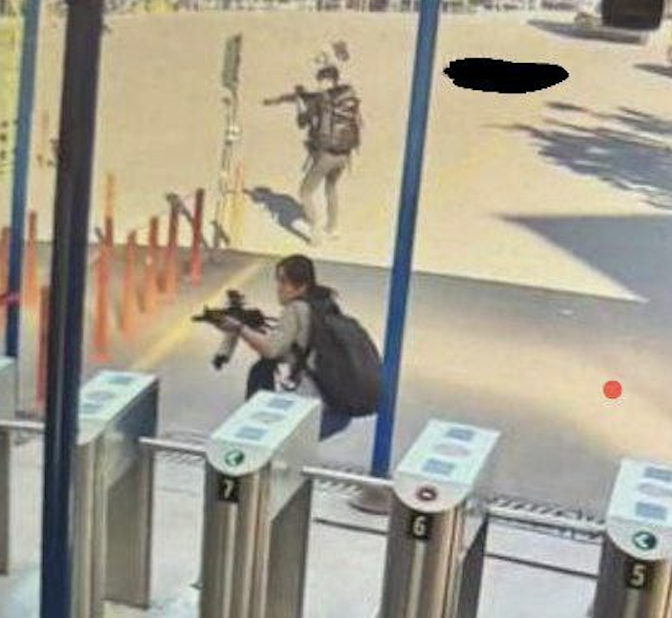
On 23 October 2024, two militants from the Kurdistan Workers’ Party (PKK) launched a coordinated assault on the Turkish Aerospace Industries (TAI) facility in Kahramankazan, Ankara. Armed with explosives and AK-type rifles, the attackers triggered three explosions, exchanged gunfire, and took several hostages. The assault led to five fatalities, including three civilians, and injured 22 others. All attackers were ultimately eliminated by Turkish forces. This incident marks a significant escalation in PKK tactics, featuring coordinated gunmen, hostage-taking, and multiple explosives—a style of operation not commonly seen in Turkey since 2016. Although the PKK has occasionally used suicide bombings, such complex, multi-layered attacks remain rare.
The PKK claimed responsibility for the attack through its People’s Defense Forces (HPG) Media Center, though it also sought to distance itself by attributing the operation to an independent unit called the "Immortal Battalion." The PKK emphasized that the operation was unrelated to recent peace overtures, instead framing it as a response to Turkey’s retaliatory strikes in Syria and Iraq, which the PKK claims caused no militant casualties.
This incident unfolded against a backdrop of potential rapprochement between the PKK and the Turkish government. Just a day prior, Devlet Bahçeli, leader of Turkey’s ultranationalist MHP party, suggested that PKK leader Abdullah Öcalan, imprisoned since 1999, could be eligible for parole if he formally apologized before the Turkish parliament. Despite years of setbacks since the 2015 collapse of peace talks, this attack could signify the PKK’s attempt to reassert its operational capability within Turkey.
By simultaneously claiming the attack and distancing it from peace negotiations, the PKK may be using this incident as a strategic bargaining tool—signaling both its willingness to negotiate and its operational strength. Given the complexity of the operation, it is unlikely the attack proceeded without the knowledge of PKK leadership in Qandil, suggesting it was a calculated move to prompt renewed dialogue with Ankara.
TAI is a cornerstone of Turkey’s military-industrial sector, producing the KAAN fighter jet, various helicopters, drones, and aviation components for both military and commercial use. TRAC suggests the facility was specifically targeted for its critical role in supporting Turkish Armed Forces operations, which have recently intensified against the PKK and Syrian Democratic Forces (SDF) in Iraq and Syria.
| |
TRAC Incident Report: People’s Anti-Fascist Front (PAFF) Ambush Security Forces Vehicle in Buta Pathri, Gulmarg, Baramulla, Jammu & Kashmir, India & Pakistan | |
|
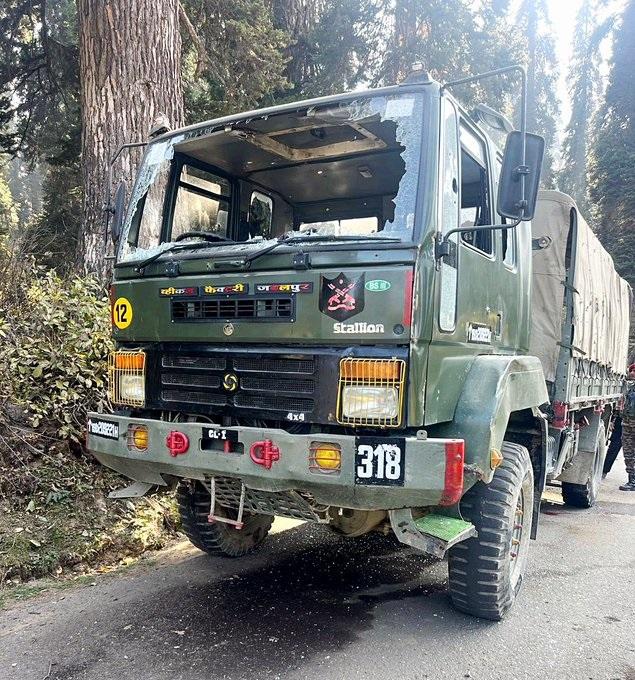
On 24 October 2024, People’s Anti-Fascist Front (PAFF) militants ambushed a military vehicle in the Butapathri area of Gulmarg, Baramullah. The vehicle was on its way to the Nagin post in the Afrawat range when the attack occurred, resulting in the deaths of five individuals, including three soldiers and two porters, while two others sustained injuries.
This attack marks the second significant incident in the region within a week. Earlier, The Resistance Front (TRF) had targeted workers at the Z-Morh tunnel construction site in Sonamarg, killing seven people, including six non-local workers and a doctor. While mainstream media and online sources report that PAFF has claimed responsibility for the Gulmarg ambush, TRAC has yet to confirm an official statement. However, a congratulatory post attributed to The Resistance Front (TRF) has been circulating on social media, lauding PAFF’s actions. The post criticizes the central government, referring to it as "Sanghi" (a term used for supporters of the Rashtriya Swayamsevak Sangh, RSS) and alleges that while the government plots against the Kashmiri people, militant groups are actively countering these efforts through targeted attacks on security forces.
These incidents reflect a coordinated strategy among militant groups in the region, using tactics common in asymmetric warfare: smaller, decentralized cells that exploit security vulnerabilities and exert continuous pressure on forces. PAFF is often associated with Jaish-e-Mohammed (JeM), a well-known Pakistan-based militant organization. Though presented as an independent group, PAFF is widely suspected to be a front or splinter group designed to enable covert operations by JeM and similar organizations in sensitive regions. By creating smaller, local cells that can quickly mobilize for attacks, such groups maintain operational flexibility and improve their security.
While neither PAFF nor JeM have formally acknowledged a direct affiliation, the timing, selection of targets, and similar operational methods strongly suggest collaboration or at least mutual awareness among regional militant groups. In this context, these attacks appear part of a broader, coordinated offensive aimed at destabilizing government-led projects and instilling fear within non-Muslim communities and security forces, especially in areas where infrastructure development, such as the Z-Morh tunnel, is underway.
| |
TRAC Incident Report: Marco Ebben, Dutch Criminal Wanted by Europol, Found Dead Following Skirmish Between Sinaloa Cartel (CDS) Rivals, Culiacán, Sinaloa, Mexico | |
|
On 22 October 2024, Marco Ebben, a 31-year-old international drug trafficker from Schiedam, Netherlands, was found dead in Culiacán, Sinaloa, following an internal skirmish among Sinaloa Cartel (CDS) rivals. Ebben, who reportedly arrived in Mexico a month prior, had aligned himself with the powerful CDS-Mayo Zambada faction, assuming a significant leadership position within the organization.
Known by his alias "Flaco Sombrero" ("Skinny Hat"), Ebben had a notable criminal history and was wanted by Europol since 2023, remaining a fugitive from Dutch authorities after being sentenced to seven years in prison in 2020 for orchestrating a complex cocaine-smuggling operation from Brazil to the Netherlands, concealing the drugs within shipments of pineapples. His expertise in international drug trafficking likely made him an invaluable asset to the Sinaloa Cartel, which sought to leverage his experience to enhance its smuggling networks into the United States.
TRAC sources on the ground indicate that Ebben was not merely an associate but held a leadership role within the cartel, overseeing a faction of sicarios, or hitmen. Images have surfaced of CDS-Mayo Zambada operatives wearing patches displaying the Netherlands flag—a potential signal of Ebben's command over this group. His presence as a foreign leader within the cartel emphasizes the growing trend of international operatives taking on advisory and operational roles in Mexican drug trafficking organizations.
TRAC has documented several cases of international figures providing tactical and consulting services to cartel members. Cartels such as the Sinaloa Cartel (CDS) and the Jalisco New Generation Cartel (CJNG) increasingly rely on foreign expertise to keep pace with rival groups and government forces. Ebben’s background in high-stakes trafficking and his recent elevation to a leadership role within the CDS-Mayo faction highlight how global expertise is shaping cartel operations, particularly in high-priority smuggling routes.
| |
TRAC Incident Report: Jama’at Nusrat al-Islam wa al-Muslimin (JNIM) Militants Led an Armed Assault on Burkinabe Militia Headquarters in Nagré, Gourma Province, Burkina Faso | |
|
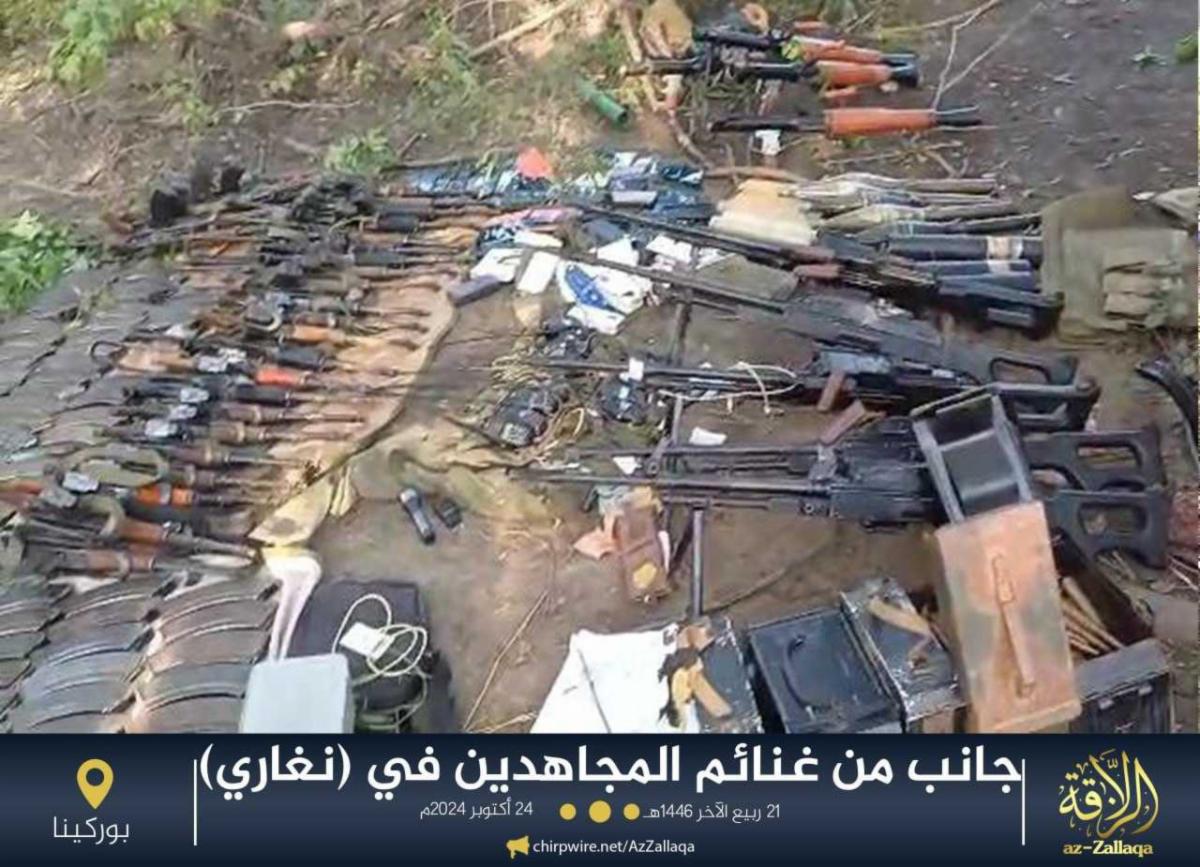
On 22 October 2024, Jama’at Nusrat al-Islam wa al-Muslimin (JNIM) militants launched an armed assault on a Burkinabe militia headquarters in Nagré, Gourma Province, Burkina Faso. Although JNIM has not disclosed specific casualty numbers, the attack underscores the escalating threat posed by the group in the region. This assault follows a previous attack in Gourma Province just two weeks earlier, indicating a sustained campaign to destabilize local defenses and establish control.
Gourma Province is strategically important to JNIM as it enables the group to push southward along the N18 highway toward littoral West African states. This southward expansion is concerning not only for the littoral states but for regional stability as a whole. As JNIM extends its presence across more borders, eradicating its influence becomes increasingly complex, requiring coordinated military responses across affected states—a challenging endeavor given regional political dynamics and fragmented security approaches.
Control over major roads, such as those in Burkina Faso, is crucial to JNIM’s strategy. Maintaining surveillance and influence over these routes allows the group to monitor and avoid security forces, whose movements may be easily detected due to the limited operational security (OPSEC) among local militias. This road control also enables JNIM to stage and execute attacks effectively, as seen in Nagré, exploiting the logistical weaknesses of the militia forces.
This incident also highlights the limitations of relying on militia forces for national defense in Burkina Faso. These militias, often under-resourced and insufficiently trained, contribute to a superficial sense of security, while the state delegates its duty to protect its citizens to local groups rather than fully equipped military forces. This reliance on militias results in security gaps that JNIM can exploit, ultimately leading to losses in personnel, weapons, and equipment that strengthen the group’s capabilities.
Notably, suspected JNIM militants launched an assault targeting civilians in Malgbangou, Togo, just days after this attack. Malgbangou lies less than 10 km from the Burkina Faso border, leading TRAC to speculate that both assaults were carried out by the same JNIM cell, likely operating from Burkinabe territory near Kompienga. This area, strategically located near a body of water, serves as a midpoint between the borders of Togo and Benin, offering a tactical base for cross-border operations.
| |
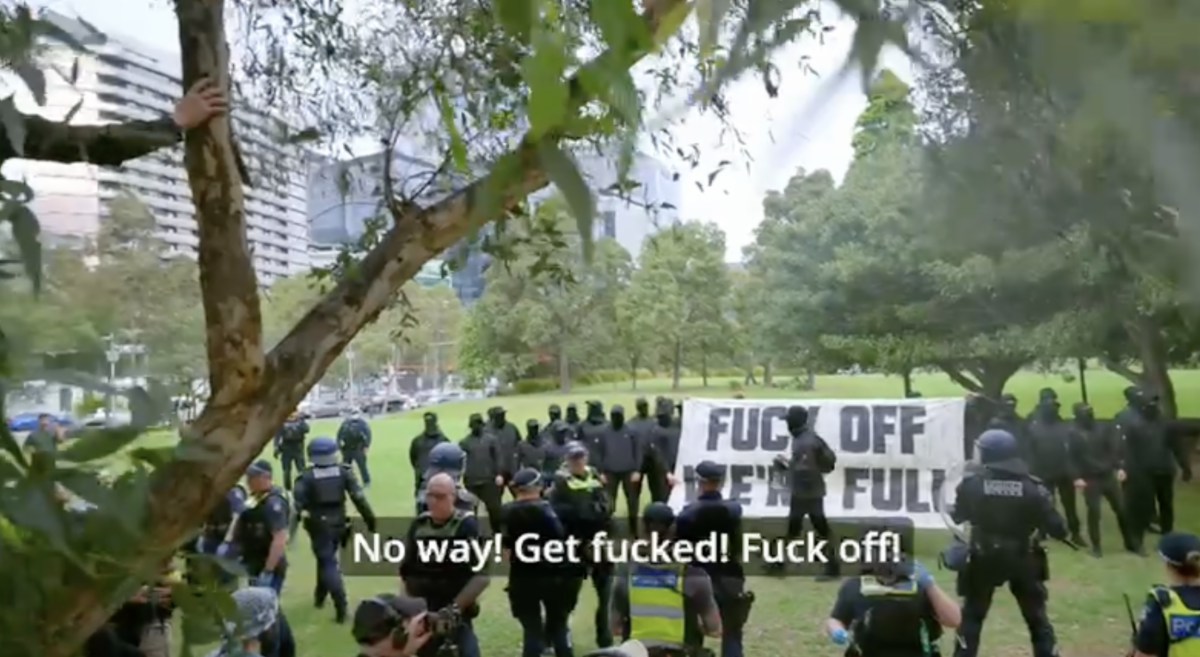
(Video/ Right Wing Extremism): National Socialist Network (NSN) Conduct Rally At Refugee Encampment in Docklands, Melbourne, Victoria, Australia | |
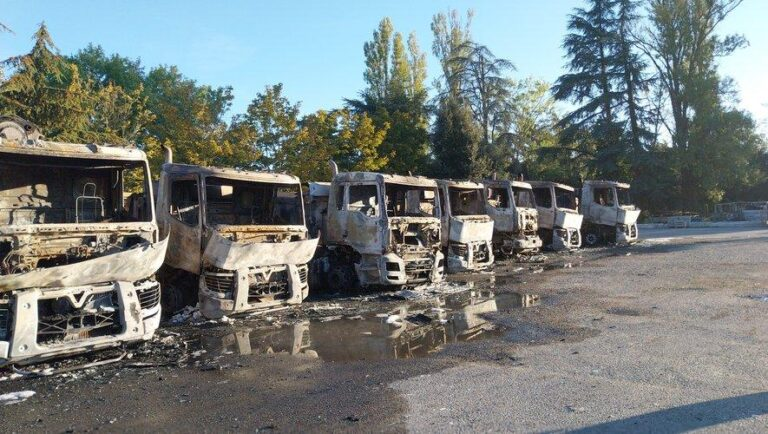
(Anonymous Anarchist) Anarchists Set Seven Trucks Ablaze in Protest of A69 Highway at Spie Batignolles, Toulouse, France | |
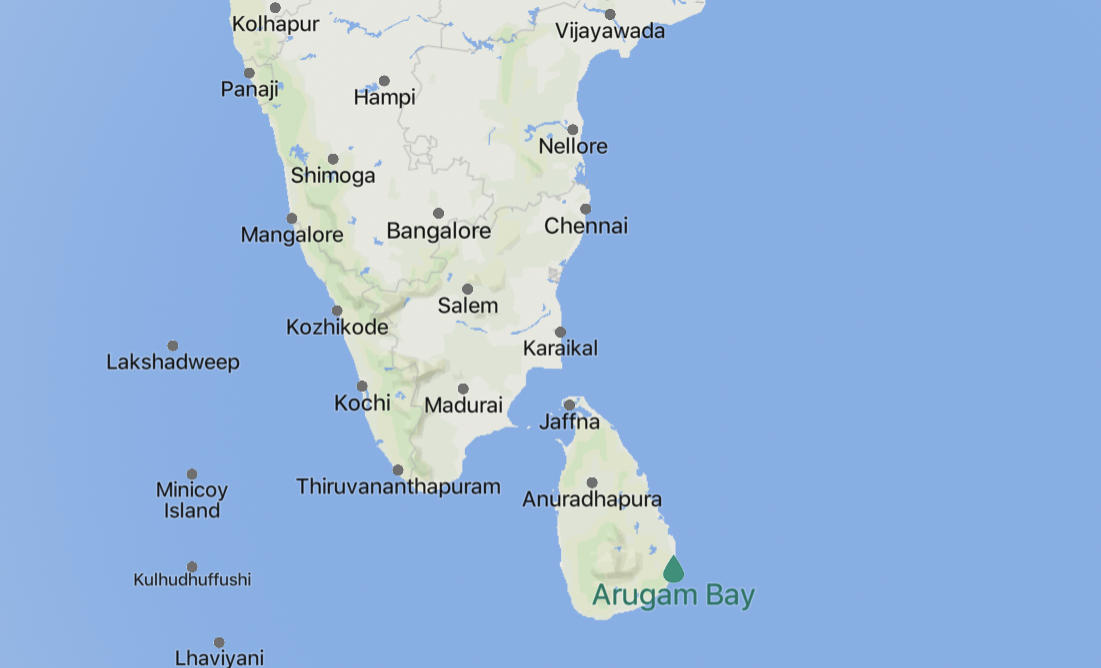
TRAC Incident Report: Authorities Arrest Two Suspects Accused of Plotting an Attack on Jewish Tourists in the Arugam Bay Area, Sri Lanka | | | | |