NewsletterHeader5.png

Weekly Analyst Review

24 September 2026


Bottom Line Up Front

Youth Violence Moves From Online Spaces Into European Schools: 14-Year-Old's Knife Plot as Latest Case


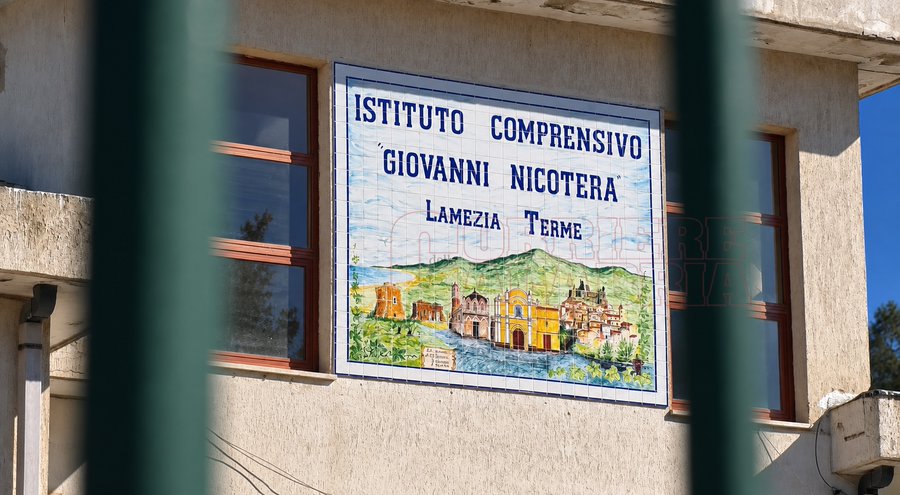
On 23 September 2026, Italian Carabinieri disrupted a planned knife attack by a 14-year-old student against his Italian-language teacher at the Nicotera-Costabile school in Lamezia Terme, Calabria. The teenager had hidden a knife inside a school bathroom and discussed the planned attack through a Telegram group. Crucially, it was other students who raised the alarm, allowing authorities to intervene before the attack could be carried out. Investigators have seized the teenager's phone and are examining whether the Telegram group consisted solely of fellow students or whether outside individuals encouraged the planned violence. The school principal has indicated that resentment over the teenager's failure in the previous academic year may have provided the immediate cause of the grievance.


For TRAC, however, the significance extends beyond another disrupted school attack. Throughout 2026, TRAC has increasingly tracked cases involving extremely young perpetrators in which personal grievance, fascination with violence, online communities and the performance or livestreaming of violence are beginning to converge. Schools and teachers have repeatedly emerged as accessible targets, while the perpetrators and plotters are increasingly so young that they are students themselves.


Italy: Four Cases in Six Months

The Lamezia plot is the fourth case tracked by TRAC since March involving an Italian student planning or conducting knife violence against a teacher, and the second within five days. On 18 September, a 13-year-old attacked a teacher at a middle school in Rome; investigators subsequently examined the violent online material consumed by the teenager and whether others had encouraged the attack. Earlier cases tracked by TRAC occurred in San Vito lo Capo on 20 May and Trescore Balneario on 25 March, both involving students attacking teachers while the violence was being recorded or livestreamed.


The recurrence is significant. The camera, livestream or online audience can transform violence from a private act of grievance into a performative event intended for consumption by others. The Lamezia attack was prevented before this could occur, and it remains unclear whether the suspect intended to record or livestream the violence. Nevertheless, his use of Telegram to discuss the attack and seek participation places the plot within the same increasingly important intersection between adolescent grievance, online social reinforcement and real-world school violence.


A Much Wider Youth-Violence Pattern

Italy is only one part of the picture. During 2026, TRAC has tracked an expanding series of cases involving minors planning or conducting attacks against schools, teachers and other young people across Europe and beyond. Recent investigations have included a 15-year-old in Lyon suspected of preparing a school knife attack, alongside cases involving teenagers in the Philippines and Turkey. Although these incidents do not constitute a single coordinated campaign, recurring characteristics are becoming increasingly difficult to ignore: very young perpetrators, personal grievance, violent online subcultures, fascination with previous attackers, schools as targets and an increasing desire to record, broadcast or otherwise perform violence for an online audience.


Of particular concern is the overlap with the True Crime Community (TCC), 764, No Lives Matter (NLM), The Com/Edgesphere and adjacent nihilistic and accelerationist online environments that TRAC has increasingly documented during 2026. These spaces are not interchangeable and cannot be attributed responsibility for every youth attack. However, they provide online environments in which school shooters and mass killers can be glorified, graphic violence normalised and vulnerable young users exposed to communities that reward increasingly extreme behaviour.


From Consuming Violence to Producing It

The 764 ecosystem is particularly relevant because its networks deliberately operate in online environments populated by minors, including Discord, Telegram and gaming communities surrounding platforms such as Roblox and Minecraft. Within overlapping 764, Com and TCC environments, TRAC has documented the convergence of sexual exploitation, coercion, self-harm, nihilism, mass-killer glorification and encouragement toward real-world violence. Connections with networks including Maniac Murder Cult (MKU/MKY) and the circulation of extremist instructional material further blur the boundary between online violent fantasy and actionable violence.


TRAC does not currently attribute the Lamezia plot to 764, TCC or any other extremist network. That distinction is important. The teenager's phone and Telegram contacts remain under investigation, and personal resentment toward his teacher may ultimately prove sufficient to explain the planned attack. What makes the case significant is that it emerges against a much wider pattern TRAC has been documenting throughout 2026. The warning is therefore larger than any single organisation. Young users are increasingly moving through online environments where personal grievance, nihilism, extremist ideology, mass-shooter culture and graphic violence can overlap and reinforce one another. 

Other Developments

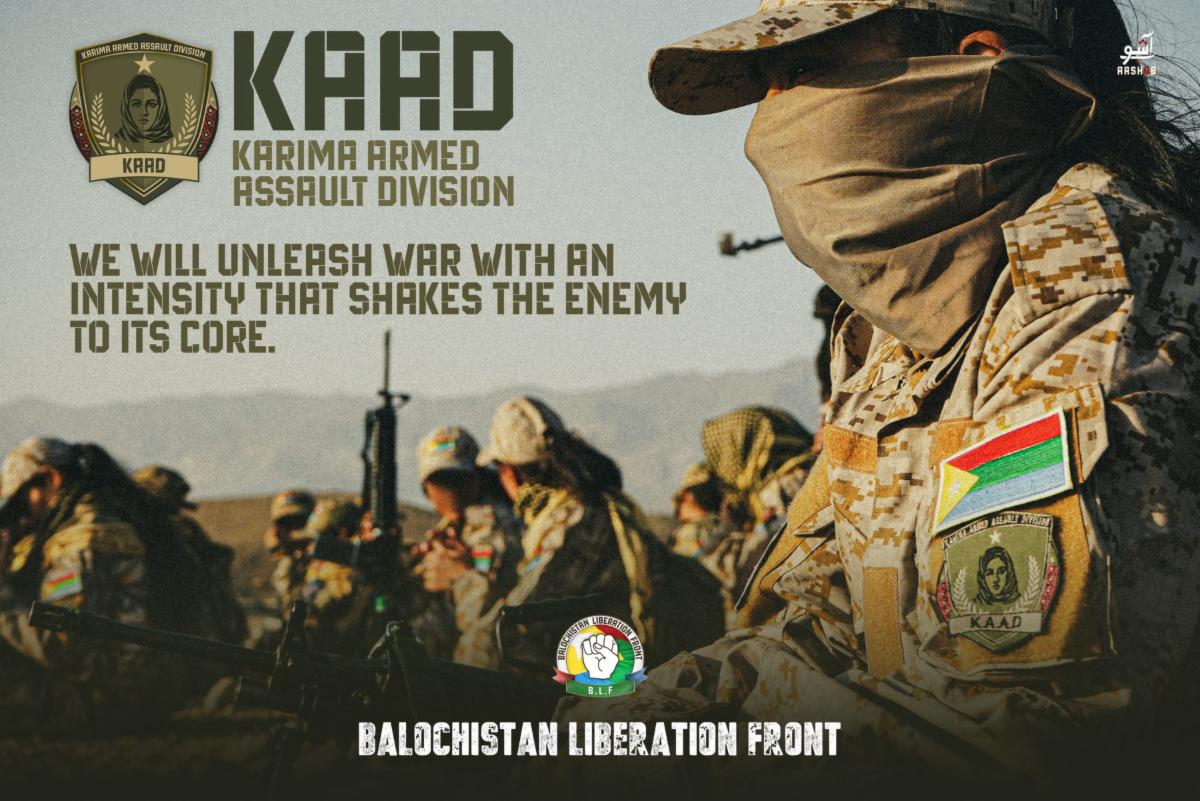
(Claim) Baloch Liberation Front (BLF)’s New Female Unit Karima Armed Assault Division (KAAD) Targets Pakistani Army Convoy on CPEC Highway near Jusak, Kech District, Balochistan, Pakistan

On 22 September 2026, the Baloch Liberation Front (BLF)’s newly formed Karima Armed Assault Division (KAAD) carried out its first claimed military operation near Jusak, outside Turbat in Kech District. The all-female unit conducted a coordinated, multi-point ambush against a Pakistani Army Action Task Force convoy travelling along the China-Pakistan Economic Corridor (CPEC) highway, causing casualties and damaging military vehicles.


In a subsequent statement outlining KAAD’s objectives, the BLF declared that its female fighters would operate on “two fronts”: militarily against the Pakistani Army, intelligence agencies and military infrastructure, and socially against patriarchy, class exploitation and what the organisation describes as regressive traditions within Baloch society. The statement makes clear that KAAD is intended to be both an operational formation and an ideological project. The BLF portrays its female members as predominantly highly educated and politically conscious, using their participation to present the insurgency as an intellectual and political movement rather than simply an armed or tribal rebellion. It further argues that female participation strengthens the movement’s legitimacy and can transcend regional, tribal and sectarian divisions. These claims reveal how the organisation intends to market KAAD: women are being positioned simultaneously as fighters, intelligence assets and symbols of a supposedly transformative Baloch nationalism.


That messaging is reinforced by the unit's name: Karima Baloch, the prominent Baloch nationalist activist and former chairperson of BSO-Azad whose 2020 death in Toronto became a rallying point for sections of the Baloch nationalist movement, provides KAAD with an immediately recognisable political symbol. By linking her legacy to women's armed participation, the BLF seeks to frame women's involvement not as an exceptional development but as a legitimate extension of the broader struggle for Baloch self-determination.


KAAD also reflects a broader development across the Baloch insurgency, where female militants have already assumed increasingly visible operational roles within the Baloch Liberation Army (BLA). The BLF's creation of its own named female formation shows that female participation is becoming increasingly institutionalised across Baloch armed organisations rather than remaining confined to isolated attacks or a single group. The BLF's decision to debut KAAD through an armed operation against Pakistani forces on the CPEC corridor further ensures that the unit enters the insurgent narrative through action rather than propaganda alone.


For TRAC, KAAD represents more than the addition of female fighters to the BLF's ranks: the BLF is attempting to turn female participation into a distinct military, recruitment and ideological pillar of its insurgency. Whether KAAD develops into a sustained operational formation will now depend on whether the Jusak ambush is followed by a consistent tempo of independently identifiable operations.

TRAC Incident Report: Islamic State (IS) Detonates Improvised Explosive Device (IED) Targeting Tribal Mobilisation Forces (PMF/PMU) Patrol, Rawa Desert, Anbar Governorate, Iraq

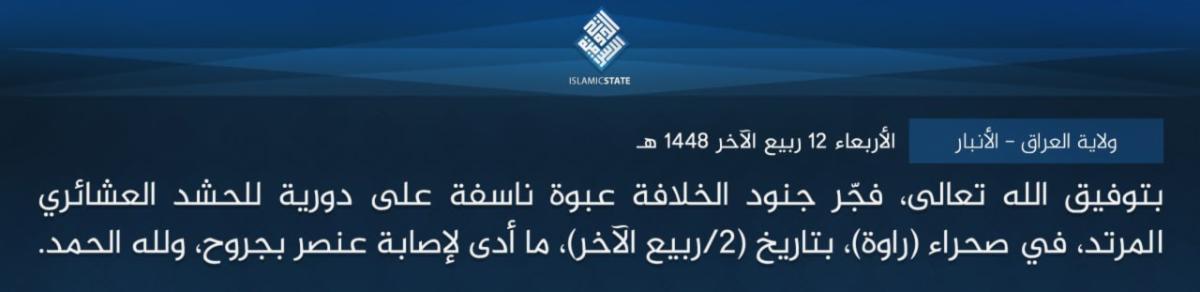
On 13 September 2026, Islamic State (IS) militants detonated an IED against a Tribal Mobilisation Forces (TMF) patrol in the Rawa desert, Anbar Governorate, injuring one person. Although limited in scale, the attack forms part of a much more significant development: a sudden resurgence of IS-linked operational activity across Iraq following months of relative silence.


TRAC has recorded six IS-related attacks between 3 and 18 September, including incidents across Anbar, Kirkuk, Diyala and the Salahuddin-Anbar corridor. Three were formally claimed by IS Central, while the remaining incidents are suspected IS operations. The activity has included IED attacks against security forces, armed assaults on military and PMF positions, an attempted kidnapping and attacks against electricity infrastructure. Particularly notable is the timing: the renewed activity follows an approximately five-month hiatus in IS claims from Iraq earlier in 2026. The geographic spread is equally important. Rather than indicating a concentrated resurgence in a single pocket, the incidents span several rural and peripheral environments where IS has historically retained freedom of movement. Rawa and the surrounding western Anbar desert remain particularly significant because of their position along the Euphrates River Valley and proximity to the Syrian border, providing routes through sparsely populated terrain that can support small, mobile militant cells.


The Rawa attack also illustrates the continued importance of local Sunni tribal forces as IS targets. Tribal Mobilisation Forces emerged during the campaign against IS and subsequently assumed local security and counterinsurgency responsibilities alongside the wider Iraqi security architecture. Their local knowledge and presence in rural communities make them an obstacle to militant freedom of movement, while simultaneously leaving patrols and isolated positions vulnerable to low-cost attacks such as IEDs.


In TRAC’s opinion, the individual attacks remain relatively small while the emerging pattern is not. Six IS-linked incidents over approximately two weeks, following a five-month hiatus in claims, represent a meaningful change in operational tempo. Whether September marks a temporary cluster or the beginning of a more sustained reactivation inside Iraq remains to be seen, but the combination of renewed claims, geographic dispersion and repeated targeting of security forces warrants close monitoring.

TRAC Incident Report: Multiple Coordinated Arson Attacks Along Highway 410 and Armed Assault Leave an Assistant Village Headman Dead, Ban Phong Yamu, Bannang Sata District, Yala, Thailand

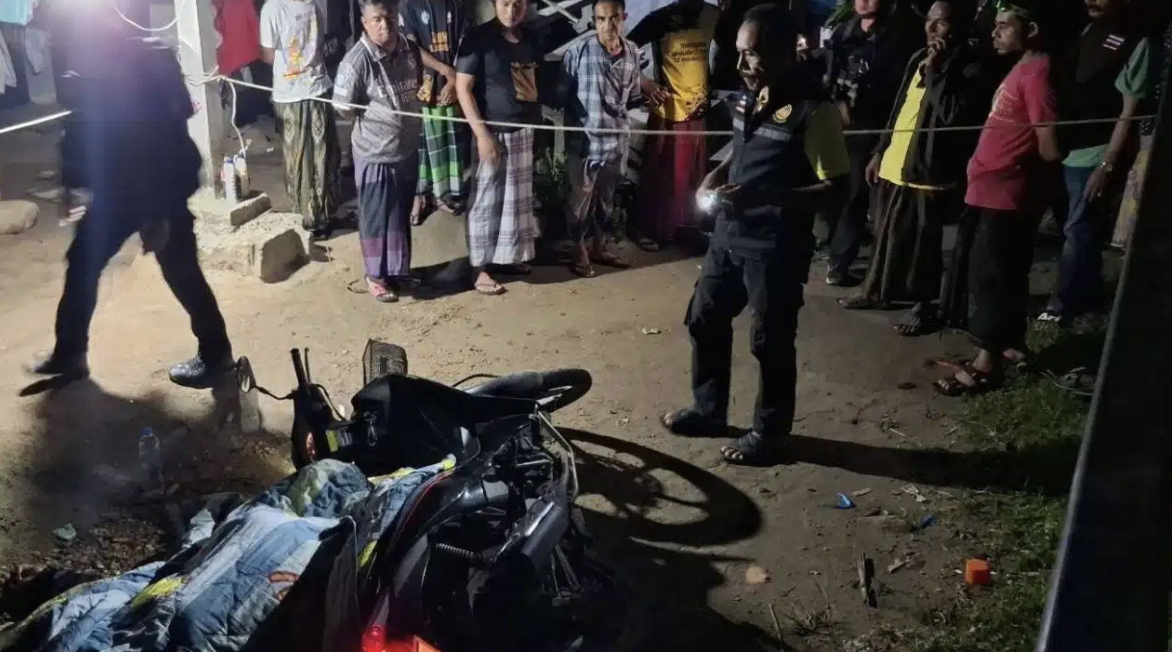
Between 19 and 20 September 2026, unidentified militants carried out a coordinated series of attacks around Ban Phong Yamu, Bannang Sata District, Yala Province. The violence began with the killing of 42-year-old assistant village headman Hamdi Jesoh, who was ambushed and fatally shot while travelling by motorcycle. Several hours later, attackers targeted Highway 410, burning tyres, scattering road spikes, placing a suspected IED and destroying two CCTV cameras. Three construction vehicles belonging to a contractor expanding the highway were also set on fire alongside a civilian vehicle. The operation follows a broader series of bombings and arson attacks against infrastructure across Thailand's southern provinces, including coordinated attacks on 22 August.


While no organisation has claimed responsibility, Thai authorities have historically attributed similar attacks in the Deep South to the Barisan Revolusi Nasional (BRN). TRAC additionally continues to monitor the activities of the Islamic State East Asia (ISEA)-Pattani network and potential interaction with elements of the Pattani insurgency, although responsibility for these attacks remains unconfirmed.


The combination of targets demonstrates a deliberate focus on disrupting mobility, surveillance and infrastructure development. Road spikes, burning tyres and a suspected IED disrupted Highway 410; destroying CCTV degraded monitoring; and burning construction machinery directly targeted the expansion of the route. Rather than destroying the highway itself, the operation appears intended to contest the state's ability to operate, monitor, and develop a strategically important transport corridor securely.

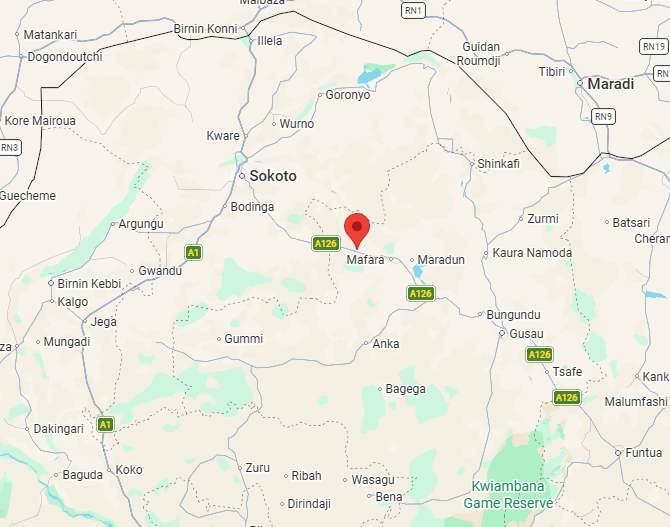
TRAC Incident Report: Bello Turji Bandits Abducted Six Islamic Clerics on Dakko–Damri Feeder Road, Bakura LGA, Zamfara State, Nigeria

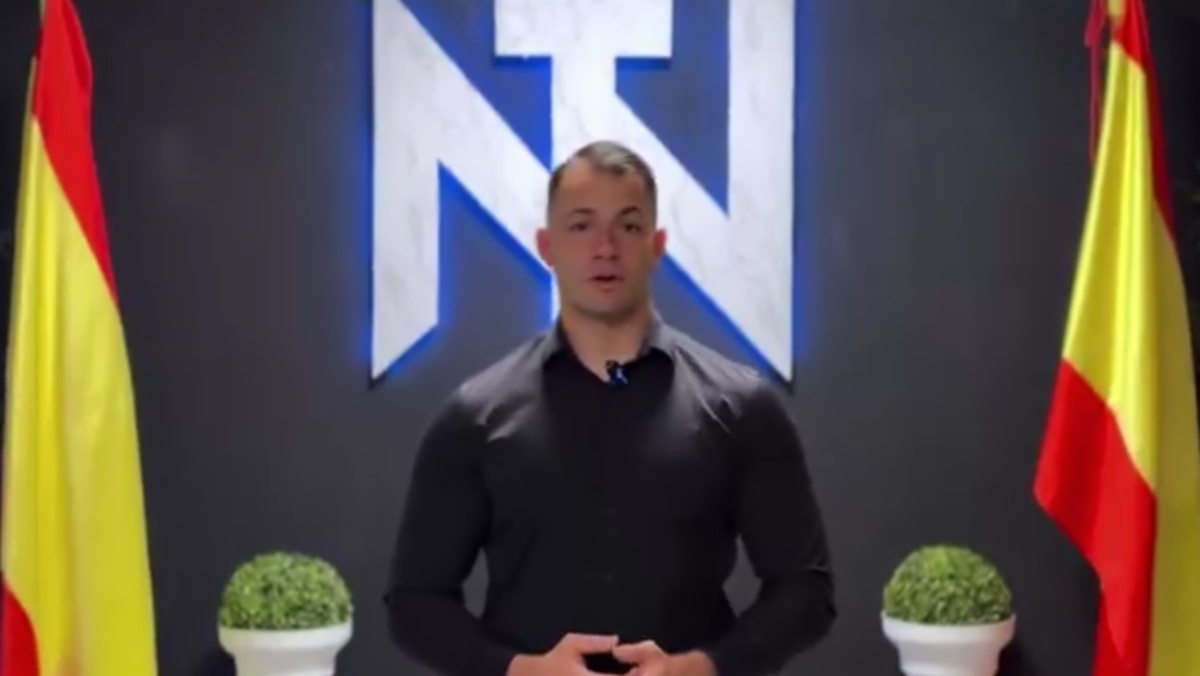
(Video/Right Wing Extremism) Núcleo Nacional Announces Opening Chapter in Murcia, Spain 

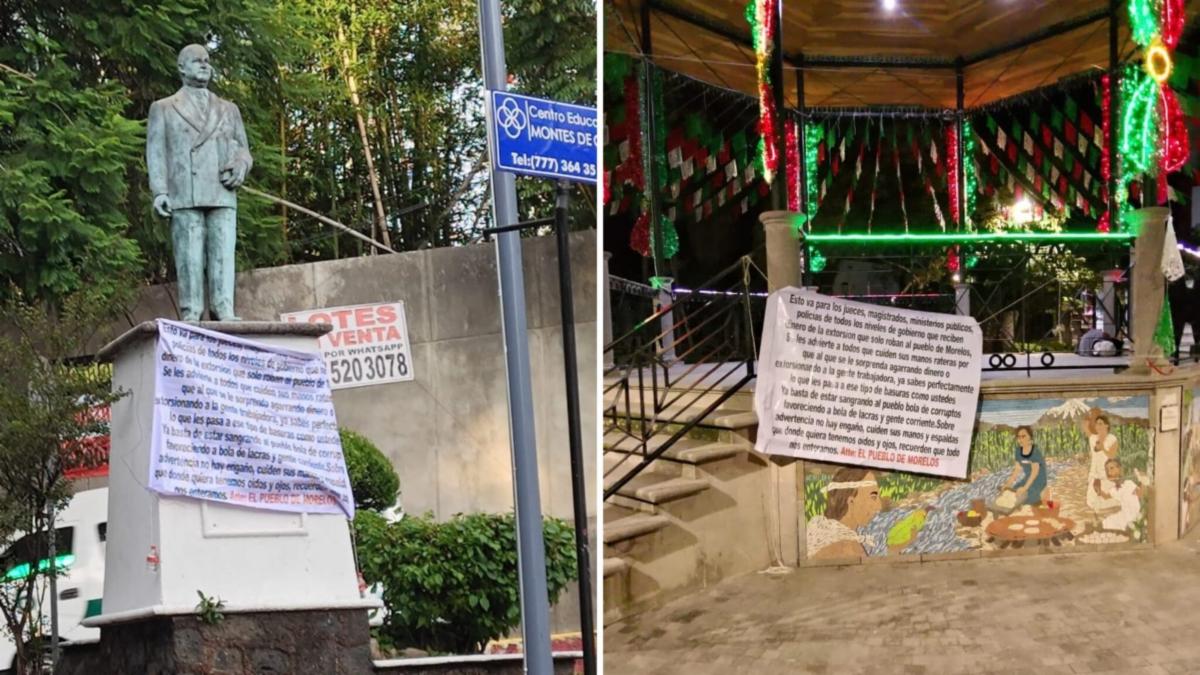
TRAC Incident Report: Narcomantas Threatening Judicial and Law Enforcement Officials Appear Simultaneously Across Morelos, Mexico


TRACFusion_Newsletter2.png

CLICK HERE FOR PAST WEEKLY BRIEFINGS

TRAC Logo_Primary_TransparentWhite.png
Facebook          X          Instagram