|
New Irish Republican Army (NIRA)-Linked Semtex IED Found in Car Near the Border with Northern Ireland
On 22 July 2026, an intelligence-led counterterrorism operation conducted by Ireland’s Gardaí in cooperation with the Police Service of Northern Ireland (PSNI) intercepted a vehicle on the N2 south of Carrickmacross, County Monaghan, approximately 10 km from the Northern Irish border. Officers arrested the driver, 25-year-old trainee barrister Isobella Perrie Sullivan, after discovering an assembled improvised explosive device (IED) containing a power source, detonator and military-grade explosive. A second suspect, 44-year-old Dublin museum employee Simon O’Donovan (Simon Ó Donnabháin), was subsequently arrested and charged in connection with the explosives investigation.
The device was intended for a New Irish Republican Army (NIRA)-linked attack in Northern Ireland. Unlike the relatively crude pipe bombs frequently encountered in dissident Republican activity, the recovered device was sophisticated, fully assembled and configured in a manner consistent with a booby-trap or under-vehicle attack. Most significantly, authorities confirmed that the explosive material included Semtex. The Irish military does not use Semtex, while substantial quantities were historically supplied by Libya to the Provisional IRA (PIRA), raising the possibility that the explosive originated from a legacy Republican cache concealed in Ireland. The interception point is also significant: Carrickmacross provides relatively rapid access towards the border and areas around Cullaville and Crossmaglen in County Armagh, historically important terrain for Republican militancy.
The seizure represents a significant escalation in the dissident Republican threat documented by TRAC throughout 2026. Northern Ireland has experienced an unusual concentration of IED incidents this year, ranging from pipe bombs and viable devices in Belfast, Derry/Londonderry, Omagh and Newry to attempted vehicle-borne attacks. Most notably, NIRA claimed responsibility for the 25 April VBIED attack against Dunmurry Police Station, while another suspected Republican VBIED targeted a police station in Lurgan on 30 March 2026. The 22 July 2026 seizure, therefore, is not an isolated incident; rather, the sophistication of the device and use of military-grade explosives suggest a progression in capability within an already escalating bombing campaign.
This case also provides further evidence of the cross-border infrastructure supporting dissident Republican activity. The device was intercepted in the Republic while being transported towards Northern Ireland, demonstrating how the open border can facilitate movement between logistical, manufacturing and operational environments. Besides being female, Sullivan's background is particularly relevant:
- She had previously come to police attention during a protest outside Maghaberry Prison, had prior involvement with Saoradh (the political organisation widely associated with the NIRA milieu);
- and had spent approximately two years in Syria.
Surprisingly, Sullivan was granted bail after claiming that she had merely been asked to transport "a bag" and had no idea of its contents. Conversely, O'Donovan was separately charged with possessing an explosive device. Reports that the pair were romantically involved remain unverified, but, if confirmed, would warrant further scrutiny of Sullivan's assertion that she unknowingly transported the device.
Sullivan's time in Syria also raises questions concerning whether external expertise may have contributed to the construction of the device, although TRAC stresses that there is currently insufficient evidence to conclude that a Syrian or Lebanese bomb-maker was involved. This nevertheless warrants investigation alongside the NIRA's previously reported international connections. British intelligence has identified contacts between NIRA-linked dissidents and Hezbollah dating from approximately 2017, including reported travel by Republican representatives to Lebanon, while Saoradh has publicly expressed support for Iran and Hezbollah. The combination of military-grade explosives, an advanced device and an individual with both Republican political associations and experience in Syria makes the potential transfer of knowledge an important investigative line, but not yet an established fact.
| | | TRAC Incident Report: Mass Prison Break Occurs At Laura Valencia Detention Facility in Popayán, Cauca Department, Colombia | | |
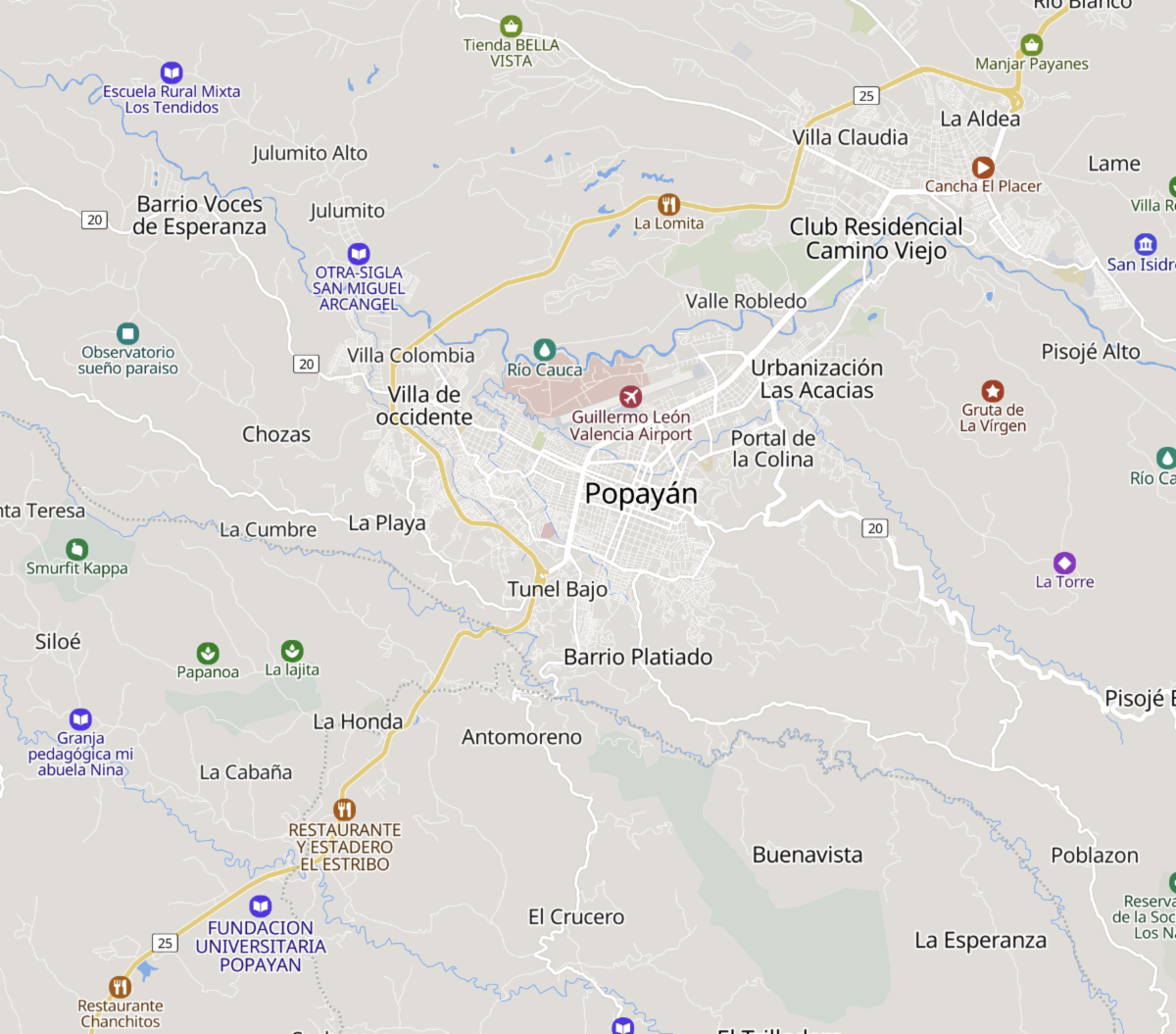
On 22 July 2026, a mass prison break occurred at the Laura Valencia Detention Facility in Popayán, Cauca Department, Colombia, after approximately 30 inmates escaped through the roof of the facility. At least two fugitives were subsequently recaptured, while one officer was injured during the incident. If the initial figure of 30 escapees is accurate, this means as many as 28 inmates remain at large, although authorities have yet to confirm the exact number. The scale of the escape, therefore, represents a significant security concern, particularly as the transit detention facility reportedly holds individuals accused of serious offences, including narcotics trafficking, terrorism and involvement with armed groups.
TRAC is more than certain that external assistance from organised armed or criminal networks helped make this prison break such a success, although this has not been confirmed. Cauca remains one of Colombia's most contested security environments, with FARC dissident structures, including the Central General Staff (EMC), and the National Liberation Army (ELN) maintaining substantial activity across the department. A large number of fugitives remaining at liberty creates an immediate challenge for local security forces and, depending on the identities and affiliations of those who escaped, could allow experienced criminal or militant personnel to reintegrate into existing networks, replenish local cells or provide operational knowledge and contacts.
The location further increases the significance of the incident. Popayán sits directly along the strategically important Pan-American Highway, a corridor repeatedly affected by militant attacks, roadblocks and sabotage. TRAC has previously documented both an EMC-linked IED attack on the Popayán–Cali road in April 2026 and an ELN-linked arson attack along the same corridor in December 2025. While this marks the first prison break documented by TRAC in Cauca during 2026, the prospect that more than two dozen potentially high-risk detainees remain unaccounted for compounds an already volatile security environment and places additional pressure on security forces operating around Popayán and the Pan-American Highway.
| | TRAC Incident Report: Afghanistan Freedom Front (AFF) Fighters Shoot Down Two Taliban (IEA)-Linked Drones, Zebak District, Badakhshan Province, Afghanistan | | |
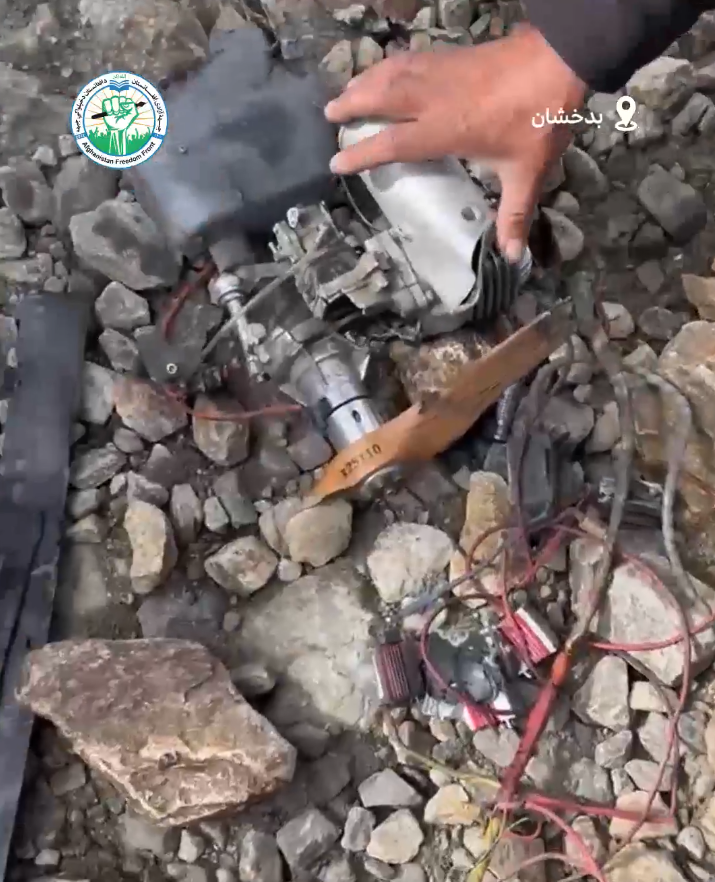
On 25 July 2026, Afghanistan Freedom Front (AFF) fighters shot down two Taliban (IEA) military drones over AFF-held positions in Zebak District, Badakhshan Province, as Taliban forces attempted to regain ground following several days of sustained fighting. The incident came one day after AFF fighters used heavy fire to prevent Taliban helicopters from landing reinforcements in Zebak, suggesting that the confrontation has expanded beyond ground engagements to include Taliban attempts to employ aerial surveillance and air mobility against resistance positions.
The fighting represents a continuation of the major AFF offensive launched on 23 July, when fighters mounted coordinated attacks from multiple directions against Taliban bases, military units and positions across Zebak. The AFF subsequently claimed to have seized strategic positions, killed at least 21 Taliban fighters and forced Taliban units to retreat. In response, the Taliban mobilised additional personnel and military resources in an effort to retake the lost territory. However, AFF claims that it has repelled subsequent counterattacks, disrupted helicopter reinforcement operations, and now downed Taliban drones indicate that resistance fighters have, at minimum, demonstrated an ability to sustain pressure beyond an isolated hit-and-run attack.
Significantly, TRAC has documented at least three additional AFF attacks since the opening of the Zebak offensive, including renewed fighting in Zebak on 27 July and separate attacks against Taliban positions in Qasan-e Andarab and Doshi districts of neighbouring Baghlan Province on 25 July. The geographic spread and rapid succession of these incidents suggest an increasingly active resistance campaign rather than a single localised confrontation. While the AFF remains substantially weaker than the Taliban militarily, its ability to conduct operations across multiple districts while maintaining pressure in Zebak suggests a more structured and sustained operational tempo.
The escalation is particularly significant because Badakhshan occupies strategically important terrain along Afghanistan's northeastern frontier, including its border with China. Taliban control of these peripheral areas has been complicated by longstanding local grievances, including resentment surrounding the deployment of non-local Taliban commanders, disputes over mineral resources and opposition to aggressive eradication of illicit crops. The latest fighting demonstrates how these grievances provide fertile ground for organised anti-Taliban resistance. If the AFF can continue holding or repeatedly contesting territory while simultaneously conducting attacks elsewhere, the Taliban will be forced to divert greater manpower and military resources towards northern Afghanistan, placing additional pressure on its ability to consolidate control over remote border regions.
| | TRAC Incident Report: Jama’a Nusrat ul-Islam wa al-Muslimin (JNIM) Takes Credit for an Improvised Explosive Device (IED) Attack on a Convoy of the Malian Forces (FAMa-Africa Corps) Between Hombori and Gossi, Cercle of Douentza, Mopti Region, Mali | | |
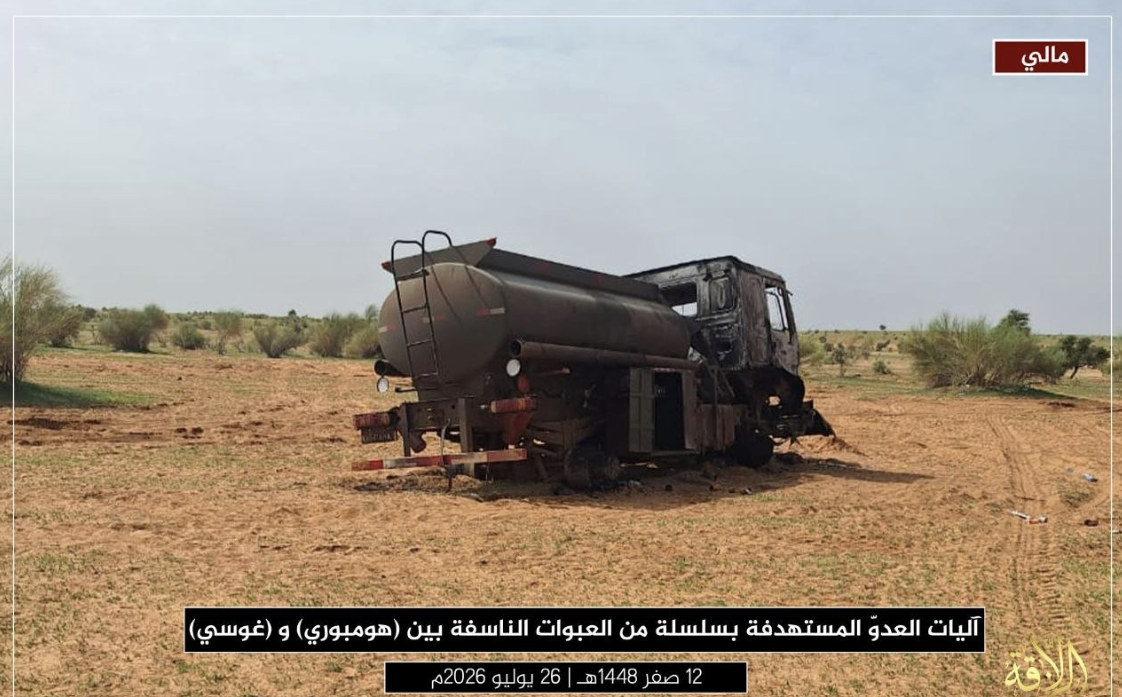
On 26 July 2026, during the nighttime hours, Jama’a Nusrat ul-Islam wa al-Muslimin (JNIM) militants detonated multiple improvised explosive devices (IEDs) against a FAMa/Africa Corps convoy travelling between Hombori and Gossi in Mali’s Mopti Region. The devices reportedly struck two military trucks and motorcycles, resulting in casualties and significant material damage. The attack came only one week after JNIM last targeted security forces in the wider Douentza area on 19 July, underscoring the persistent insurgent pressure being exerted against Malian and Russian-linked forces across this corridor.
The location is particularly significant. Hombori and Gossi sit along the strategically important RN16 corridor connecting central Mali with Gao and the country's north, making the route essential for the movement and resupply of FAMa and Africa Corps personnel. Repeated attacks along these arteries allow JNIM to disrupt military mobility without permanently controlling territory, while forcing security forces to dedicate additional resources to route clearance, convoy protection, and the defence of increasingly vulnerable supply lines.
More broadly, the 26 July attack reflects JNIM's increasingly sophisticated approach to confronting FAMa and Africa Corps forces. Rather than relying solely on isolated roadside bombings or small-scale ambushes, JNIM has increasingly combined IEDs, ambushes and coordinated assaults to target military movements and exploit predictable convoy routes. The use of multiple explosive devices against several components of the convoy demonstrates both advanced preparation and an ability to anticipate security-force movements.
The incident should therefore not be viewed in isolation. It forms part of a wider escalation in jihadist pressure across central and northern Mali, where JNIM continues to challenge the government's ability to securely move personnel and equipment between major population centres and military positions. The repeated targeting of the Hombori–Gossi axis is particularly concerning: continued disruption along this corridor risks further constraining FAMa/Africa Corps freedom of movement and demonstrates that, despite sustained counterinsurgency operations, JNIM retains the intelligence, explosives capability and operational reach necessary to contest strategically important transport routes across the country.
| | TRAC Incident Report: Teenage Student Detained for Plotting Islamic State (IS) -Inspired Knife Attacks on Sembawang Air Base Soldiers & LGBTQ Peers, Singapore | | (Video/Right-Wing Extremism): Neo-Nazi Extremist Channel Shares Propaganda Video ‘White Terror’ | | TRAC Incident Report: Islamic State West Africa (ISWA) Senior Finance Chief & 46 Other ISWA Militants Surrendered to the Nigerian Army in Borno State, Nigeria | | | | |