|
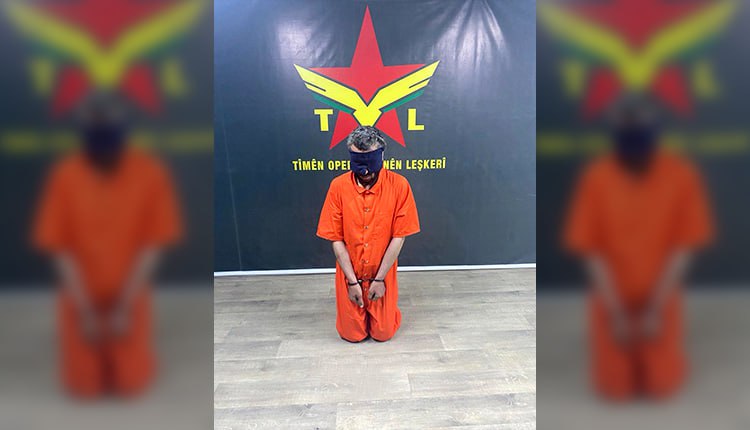
On 24 March 2025, the Syrian Democratic Forces (SDF), through their Military Operations Team (TOL), arrested a key Islamic State (IS) figure—Abu Suhaib al-Adnani, also known as Abu Hussein al-Qurashi, legal name Raafat Rahmoun—in Tabqa, west of Raqqa. The arrest was made in coordination with the US-led International Coalition. Notably, this operation comes amid growing US involvement in shaping a potential integration agreement between the SDF and the HTS-aligned Damascus government, possibly laying the groundwork for an eventual American withdrawal from eastern Syria.
A Veteran Jihadist With Deep Roots in IS
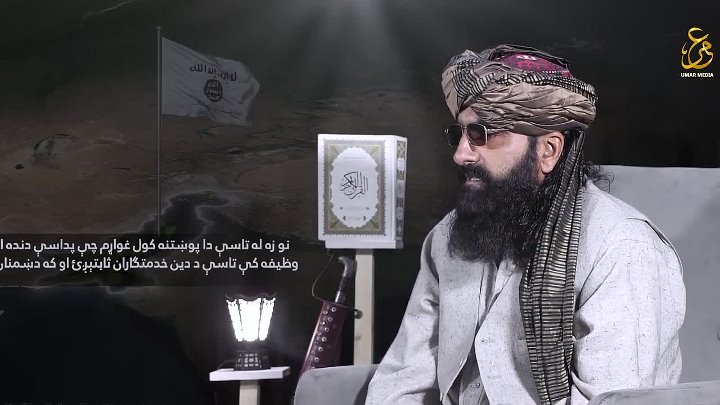
Rahmoun, an Idlib native, has been affiliated with IS since 2014. Between 2018 and 2022, he lived in Turkey—reportedly without issue—before relocating to eastern Syria, where he resumed a leadership role. Upon his return, Rahmoun was appointed emir of the Barakah and Khair Wilayah, two of IS’ most active zones in Syria. His recent capture reveals that he was overseeing planned attacks during Nowruz, a celebration marked predominantly by Kurds, further emphasising IS’ continued focus on sectarian and ethnic flashpoints.
The “Qurashi” Title: Coincidence or Calculated Signal?
Of particular interest is Rahmoun’s use of the name “Abu Hussein al-Qurashi.” The “Qurashi” nisbah is historically reserved for those claiming descent from the Quraysh tribe—a requirement for Caliphal legitimacy within IS. This naming convention mirrors previous IS leaders such as Abu Hussein al-Husseini al-Qurashi and the current caliph, Abu Hafs al-Hashimi al-Qurashi. Whether Rahmoun adopted this name independently or it was bestowed by IS leadership could indicate his importance. Rahmoun may have been groomed for a more prominent leadership role if officially sanctioned. It could point to internal fragmentation and individual ambition within IS’ Syrian ranks if self-assigned.
Significance of Regional Authority
Rahmoun’s past roles as emir of Deir Ezzor and Hasakah—regions with immense logistical and financial importance to IS—underscore his operational significance. Control of these areas would grant him access to the group’s recruitment, funding, and tactical networks. Given that Raqqa and Deir Ezzor were once the heart of IS caliphate, this further indicates that Rahmoun wasn’t a fringe figure but potentially a central strategist within the remaining IS infrastructure in Syria.
Turkey’s Role: A Logistical Hub?
His previous time in Turkey raises critical questions. The ease with which Rahmoun lived in the country and then reintegrated into IS leadership underscores a broader pattern: many IS operatives have used Turkey as a haven or transit point. His reentry into Syria and quick ascension to leadership suggests either strong preexisting IS ties or a concerted effort to restock the group’s Syrian command post-2019 territorial losses.
IS Presence Still Active and Threatening
Rahmoun disclosed that IS cells remain operational in northeastern Syria and near Damascus. This aligns with TRAC’s long-standing assessments that IS has not been eradicated but is instead operating covertly, biding time and rebuilding. The targeting of Nowruz celebrations also fits IS’ historical strategy of exploiting ethnic and sectarian rifts.
Caution on SDF’s Narrative
Despite Rahmoun’s apparent importance, TRAC acknowledges that the SDF may be inflating his significance for propaganda. In a context where international support—particularly from the US—is crucial, presenting high-profile arrests bolsters the SDF’s legitimacy. It is conceivable that Rahmoun was a mid-level figure or no longer strategically relevant. Overstating his role may serve a dual purpose: to intimidate IS remnants and to reassure international allies of ongoing counterterrorism success.
Conclusion
Regardless of whether Rahmoun was a key commander or an overhyped detainee, his arrest underscores several persistent realities: IS maintains operational networks in Syria; leadership turnover is more than survivable; it is expected and anticipated, as such, IS is prepared; and the geopolitical complexity of northeastern Syria continues to challenge all parties involved. Whether this arrest disrupts IS operations meaningfully or serves more symbolic ends remains to be seen.
|