|
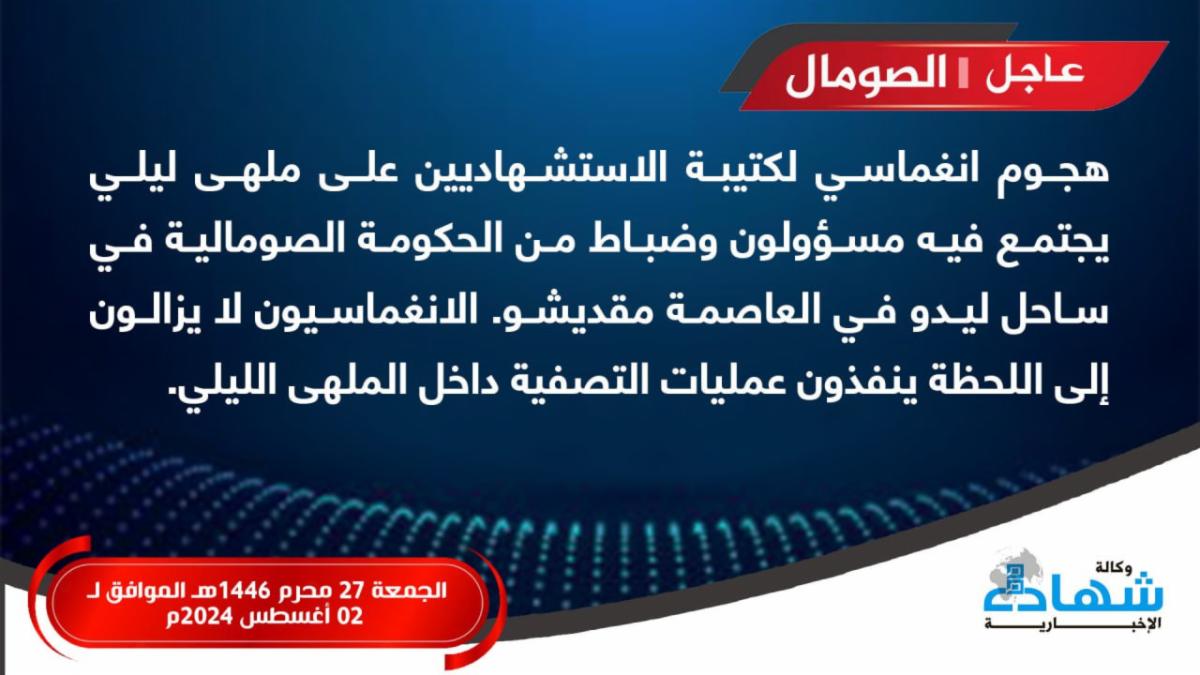
On the evening of 02 August 2024 at least one suicide bomber detonated himself at the front gate of a popular Liido Beach restaurant in Mogadishu, Somalia. This initial explosion was followed by a coordinated armed assault, where five gunmen stormed the area and specifically targeted a nearby hotel. The attack left at least 37 civilians dead and approximately 63 others injured. Al-Shabaab claimed responsibility for this assault through one of their affiliated radio stations. According to police reports, the five assailants were ultimately neutralized by responding officers, marking the end of the immediate threat.
This incident stands out as the deadliest al-Shabaab-linked attack in Mogadishu in the last two years, underscoring the persistent and evolving security challenges facing Somalia's capital. Despite government assurances that Mogadishu is one of the safest regions in the country, the city remains a prime target for al-Shabaab’s campaigns of violence, which aim to destabilize the already fragile government. The group has consistently focused its efforts on the most densely populated and frequented areas in the city center, seeking to cause maximum disruption and casualties.
The location of the attack—Liido Beach—was particularly significant. Situated less than two kilometers from the Bondhere District and Villa Somalia (the official residence of Somalia’s President), and just a short distance from the Turkish Embassy, this area represents a vital and symbolic part of the capital. The timing of the attack, on a Friday evening when the beach was crowded with locals enjoying the start of their weekend, further highlights the calculated nature of the assault. Liido Beach restaurants are especially popular among young residents of the capital, making it a strategic target for al-Shabaab. The group has a known history of attacking bars, restaurants, and hotels where government officials and politicians often gather, though this particular bombing occurred after dark, which is less common for al-Shabaab’s typically daylight operations.
An unsettling detail from the attack is that eyewitnesses reported the gunmen were dressed in government military uniforms. This suggests a possible breach of security, where the assailants either acquired these uniforms from corrupt military personnel within the city or stole them during previous attacks on security forces. By disguising themselves as soldiers, the attackers likely aimed to approach their targets without arousing suspicion, thereby maximizing the effectiveness of their assault.
This attack not only exemplifies al-Shabaab's ongoing capacity to conduct large-scale operations but also underscores the group's strategic shift towards targeting areas with symbolic and strategic value. It also highlights the urgent need for improved security measures and intelligence capabilities in Mogadishu, particularly in areas frequented by civilians and government officials alike.
| | |
TRAC Incident Report: Islamic State Khurasan (ISK) Claims Responsibility for an Armed Assault on a Bus Transporting Taliban (IEA) in PD-5, Kabul, Afghanistan | |
|
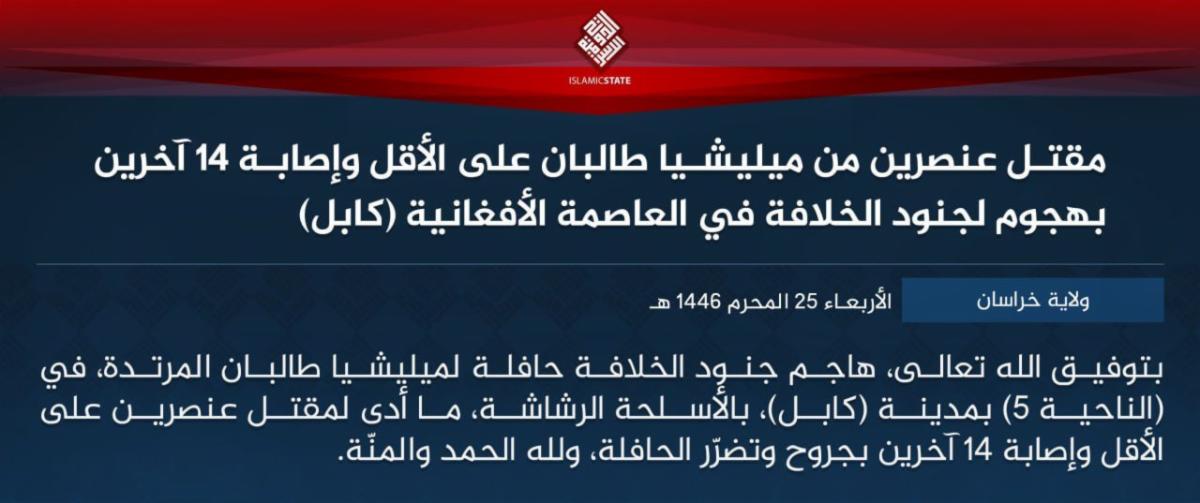
On 31 July 2024, Islamic State Khurasan (ISK) claimed responsibility for a targeted armed assault on a bus transporting members of the Taliban (Islamic Emirate of Afghanistan, IEA) in Kabul’s fifth security district. The attack resulted in the deaths of two Taliban members and left fourteen others injured. This incident marks a significant moment in ISK's ongoing campaign against the Taliban, as it was the first attack claimed by the group in Afghanistan since early June 2024.
Despite several unclaimed incidents suspected to be linked to ISK in recent weeks, the group's public acknowledgment of responsibility in Afghanistan had been notably absent until this assault. However, ISK's operations have not been entirely dormant. Since June, there has been a noticeable uptick in ISK activities, especially in Pakistan, with at least ten recorded incidents across the Khurasan Wilayat. These operations have primarily targeted traditional ISK adversaries, including security forces and religious minorities. This resurgence, while still on a smaller scale, indicates a deliberate and strategic shift in ISK's operational approach.
The apparent reduction in ISK’s operational tempo in Afghanistan and Pakistan could be attributed to a broader, strategically limited approach. The group appears to be focusing on consolidating its efforts, maintaining a lower profile while continuing to expand its recruitment networks. This cautious yet persistent recruitment effort suggests that ISK is actively working to broaden its operational scope beyond its traditional borders, engaging in a gradual process of internationalization. TRAC has long suspected that ISK has relocated its external operations branch, known as The Emni, to Khurasan, which could explain the decrease in visible operations while the group reorganizes and refocuses its efforts.
The location of this attack is particularly significant. It occurred in the same security district where Taliban forces had previously raided an ISK hideout, claiming to have dismantled an active cell involved in both military operations and strategic planning. The timing and location of this attack strongly suggest that it was an act of retaliation by ISK against the Taliban for their recent crackdown on ISK operatives.
Further details emerged following the attack, including the death of one of the ISK attackers at the scene. The Taliban released images of the deceased militant, who was reportedly delayed during the assault as he attempted to capture footage for propaganda purposes. This highlights ISK's ongoing focus on media and propaganda as a key component of their operations. Meanwhile, the second attacker managed to escape, further underscoring the potential threat of future retaliatory strikes or continued ISK activity in the area.
The attack in Kabul represents not just a tactical operation but also a symbolic gesture in ISK's broader strategy against the Taliban. It illustrates the group's resilience and its ability to continue challenging the Taliban's authority, even as it adopts a more restrained and calculated approach to its operations in the region.
| |
TRAC Incident Report: The Women’s Militias of Fire and the Sun (Ateşin ve Güneşin Kadın Milisleri) Announced their Formation through a Series of IED & Arson Actions against the Turkish State Forces, across Turkey | |
|
The Women’s Militias of Fire and the Sun (Ateşin ve Güneşin Kadın Milisleri) have announced their formation through a series of targeted actions against the Turkish state forces, which they describe as fascist and occupying.
The militia initiated their campaign with an IED attack on 15 July 2024, targeting police and soldiers marching on Gever’s İpekyolu Street. The group’s resistance continued on the night of 3 August 2024 in Gever, where they deployed homemade explosives in the Kışla, Cumhuriyet, and Orman neighborhoods, challenging the Turkish police blockade.
Their campaign is not confined to one region. On 18 July 2024, the militia claimed responsibility for an action in Wan’s Altıntepe neighborhood, which they conducted in response to what they describe as invasion attacks on Southern Kurdistan. In the Xaçort neighborhood, they blocked roads at three different points to protest attacks on traditional Kurdish weddings and halay dances. The arrival of armored vehicles was met with Molotov cocktails and homemade explosives, signaling their readiness to escalate.
In their declaration, the Women’s Militias emphasized the ongoing special war policies and occupation efforts in Kurdistan, framing their actions as a necessary and forceful response. They called for intensified resistance against those who aim to render Rojava uninhabitable—a region they describe as built with immense sacrifice and the blood of martyrs. They vowed to retaliate against those who use chemical weapons to undermine the bravest and most selfless members of their community and against those who attempt to thwart the Kurdish people’s democratic aspirations by undermining their autonomy.
TRAC strongly believes that the Women’s Militias of Fire and the Sun are linked to the Children of Fire (Ateshin Chuchuklari) initiative, given their modus operandi and motivations. The formation of such militias reflects an increasingly organized and militant response to perceived threats against Kurdish autonomy and identity, highlighting the deepening complexities and intensifying violence in the region.
| |
(Right Wing Extremism / Stochastic Instructional Advice) Eco-Fascist Share Reminder ‘Loose Talk Costs Lives’ | |
|
Extremist groups on Telegram within the racist scene frequently issue warnings to their members to help them avoid detection and stay under the radar of law enforcement. These warnings typically offer advice on steering clear of interactions with law enforcement (Feds), tips on identifying Feds, and general cautionary notes about what members discuss and where.
The poster in question emphasizes the importance of silence with a message that reads, “Happy SHUT THE FUCK UP Friday! Friendly reminder: Every day is STFU Friday!” It then provides a list of individuals members should never speak to, including “System pigs,” “Law enforcement,” and offensive terms for people outside of their group. The message concludes with a stark reminder that “The enemy is listening,” reinforcing the idea that any careless words could be used against them.
This type of propaganda serves a dual purpose: it not only reinforces a culture of secrecy and mistrust but also fosters a sense of paranoia within the group. By constantly reminding members that they are being watched, these extremist groups attempt to tighten their control over internal communications and ensure that their activities remain hidden from outside scrutiny.
| |
TRAC Incident Report: Indigenous People of Biafra (IPOB) / Eastern Security Network (ESN) Launches Major Assault on Owerri Including the Prison, Freeing Inmates, in Imo State, Nigeria | |
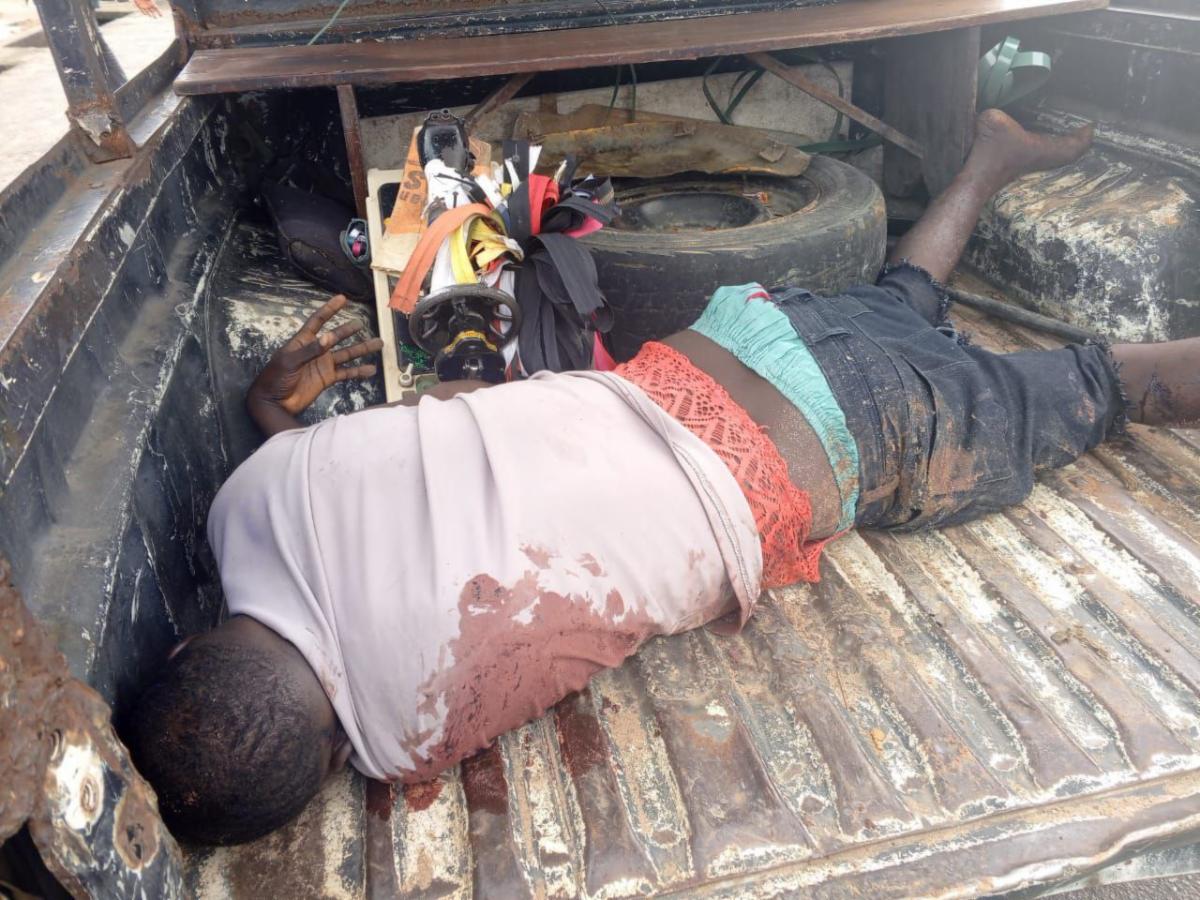 | |
On 31 July 2024, the Eastern Security Network (ESN), the militant arm of the Indigenous People of Biafra (IPOB), executed a coordinated assault on the town of Owerri in Imo State, Nigeria. This attack resulted in a major prison break and saw ESN operatives engaging in violent clashes with both civilians and military personnel. The attack marks a significant escalation in the group's operations, demonstrating a boldness and sophistication that poses a serious challenge to Nigerian security forces.
The staging area for the assault is believed to have been in Osisioma, a location that has seen prior military engagements between the Nigerian Army and ESN operatives. Reports suggest that in the days leading up to the assault, the Nigerian Army had killed several ESN members in Osisioma, which may have served as a catalyst for the subsequent attack on Owerri. This indicates a high level of planning and strategic foresight on the part of ESN, allowing them to exploit any perceived weaknesses in Nigerian security.
Initial signs of the impending attack emerged on 29 July 2024, when reports of gunfire surfaced as ESN operatives employed hit-and-run tactics to probe the defenses of security personnel around Owerri, including those guarding the prison. These skirmishes were likely intended to test the strength and responsiveness of Nigerian forces, gathering crucial intelligence that would inform their full-scale assault two days later. By 31 July, ESN members had effectively taken control of the streets, moving freely and engaging in widespread looting and indiscriminate acts of violence, including murder.
This attack is not the first time ESN has targeted a Nigerian prison in an effort to free detained IPOB members, but the scale and brutality of this operation represent a significant escalation. Unlike previous assaults that focused primarily on prison facilities, this operation extended its reach to the surrounding town, causing widespread chaos and fear. The indiscriminate killing of civilians and military personnel alike signals a shift in ESN's strategy toward more aggressive and high-profile actions, possibly in response to the Nigerian government's failure to effectively counter their earlier attacks, such as the 30 May assault in Aba.
The events of 31 July suggest that the assault was meticulously planned over several months. ESN’s use of guerrilla-style tactics, including surprise attacks on unsuspecting soldiers and strategic retreats into urban environments, reveals a sophisticated understanding of asymmetric warfare. The initial hit-and-run tactics served not only to destabilize the town but also to spread Nigerian security forces thin, making them more vulnerable to the larger, coordinated assault that followed.
The ESN's ability to execute such a well-organized and far-reaching attack underscores the growing threat they pose to Nigerian stability. The group's increasing boldness, coupled with their capacity to orchestrate complex operations across multiple days, indicates a dangerous escalation in their insurgency. This attack also highlights the Nigerian government's ongoing struggle to effectively combat separatist movements in the Southeast, raising concerns about the potential for further violence and instability in the region.
Moreover, the assault on Owerri represents a broader pattern of ESN's expanding operations, particularly in their willingness to target not only military installations but also civilian areas and critical infrastructure like banks. This tactic of creating widespread disruption in urban centers is designed to undermine public confidence in the government's ability to maintain order, thereby furthering the separatist agenda of IPOB.
| |
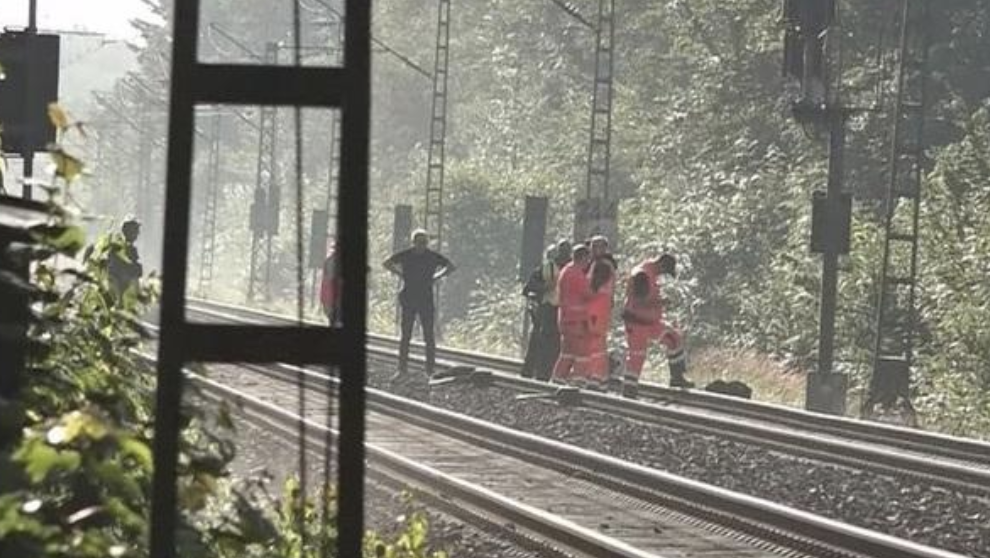
(Claim / Anonymous Anarchists) German Anarchists Arson of Railway Cables, in Bremen and Hamburg Areas, in the North of Germany | |
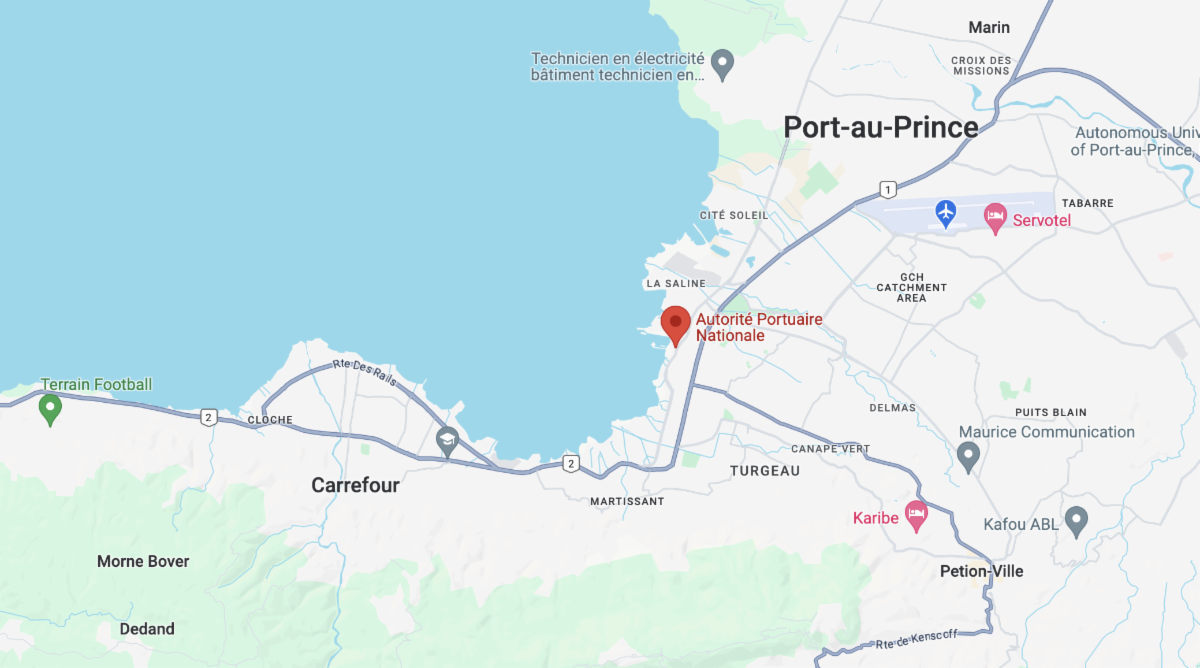
TRAC Incident Report: Armed Confrontation Between Haitian Gangs & Multinational Secuirty Support Mission (MSS) at Auorite Portuaire Nationale, Port-au-Prince, Quest Department, Haiti | |
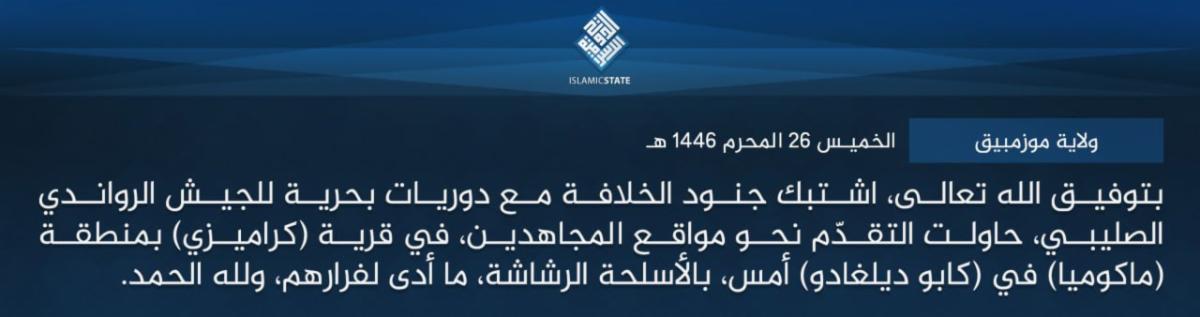
TRAC Incident Report: Islamic State Mozambique (IS-M / Shabaab Cult / Wilayat Muzinbik) Militants Clashed with Rwandan Naval Forces in Crimize, Macomia, Cabo Delgado, Mozambique | | | | |