Anarchists Saw Through 400,000 Volt Power Line Supplying Nuclear Research Facility France
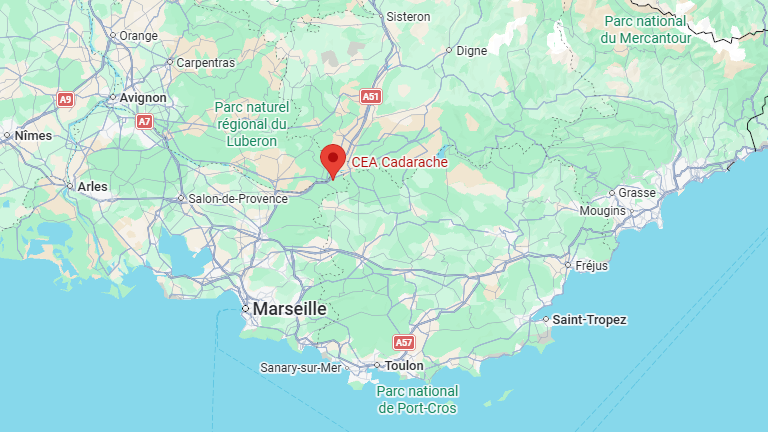
The claimed sabotage of a 400,000-volt transmission line supplying the CEA Cadarache nuclear research complex is highly significant given the site's strategic importance. In its claim, the anarchists explicitly acknowledged targeting infrastructure connected to a facility that played a central role in the development of France's nuclear submarine propulsion program, describing Cadarache as the place where "the nuclear propulsion of nuclear ballistic missile submarines, the flagship of France's nuclear deterrent, was developed." Today, the facility also hosts ITER, one of the world's most important nuclear fusion research projects. As a result, the attack targeted infrastructure linked not only to civilian scientific research but also to one of the most sensitive components of France's long-term nuclear ecosystem.
High-Risk Sabotage of Critical Infrastructure
The operation is particularly notable because cutting or destabilising a 400,000-volt high-voltage transmission line carries substantial risks. Such infrastructure is part of the backbone of the national electricity grid, and any disruption can cause cascading power outages, damage to equipment, or serious safety incidents for both operators and nearby communities. The militants themselves appeared aware of these risks, acknowledging in their statement that critics would consider the action dangerous and claiming they "left intact the other power line supplying the site" in order to reduce the risk of an accident. Nevertheless, the deliberate targeting of critical energy infrastructure marks a significant escalation beyond symbolic vandalism and demonstrates both intent and a willingness to conduct operations that could have had wider consequences had the sabotage been more successful.
Cadarache as a Symbolic Anti-Nuclear Target
The attack also highlights the continued vitality of France's anti-nuclear anarchist milieu, which has been reinvigorated by the ongoing "Hotter than Nuclear / Black Spring 2026" campaign. For decades, anti-nuclear activists have viewed Cadarache as a symbol of what they describe as the interconnected military, industrial, and scientific foundations of nuclear society. The claim rejects both military and civilian nuclear projects, portraying ITER as an attempt to promote the "fable of clean, renewable and infinite energy" while linking opposition to nuclear waste storage, reactor research, and France's nuclear deterrent under a single ideological framework.
Beyond Protest: Strategic Infrastructure Targeting
While attacks against nuclear-related infrastructure in France remain relatively uncommon, this incident demonstrates a continued willingness among some anarchist networks to move beyond protests and conduct direct action against strategic assets. The operation also illustrates why anti-nuclear sabotage receives heightened attention from security services. Regardless of whether the perpetrators intended only a symbolic disruption, attacks on infrastructure supplying nuclear facilities inevitably raise concerns about broader grid resilience, potential foreign influence, and the vulnerability of nationally significant energy and research installations. The group's decision to dedicate the action to deceased Italian anarchists Sara Ardizzone and Alessandro Mercogliano further situates the attack within a broader transnational anarchist militant milieu that increasingly celebrates sabotage as a legitimate form of political action.
More Anarchist Activity
The incident also occurred amid a broader uptick in anarchist direct-action activity recorded by TRAC over the past week. Recent incidents include the arson of a telecommunications antenna in Uruguay, the torching of six Deutsche Telekom vehicles in Berlin, vandalism targeting HSBC Bank in Bristol, attacks against electric vehicle charging infrastructure in Switzerland, sabotage against residential landlord assets in Germany, and anti-infrastructure actions in Canada. Italian authorities have additionally conducted multiple operations against anarchist networks linked to attacks on critical infrastructure and occupied social centres. Collectively, these incidents highlight the continued international reach of contemporary anarchist movements and their enduring preference for low-cost sabotage, arson, and attacks against infrastructure, communications, financial institutions, and symbols of state or corporate authority.
| | | TRAC Incident Report: Jama’at Nusrat al-Islam wa al-Muslimin (JNIM) Armed Assault on Diori Hamani International Airport, Killing 35, in Niamey, Niger | | |
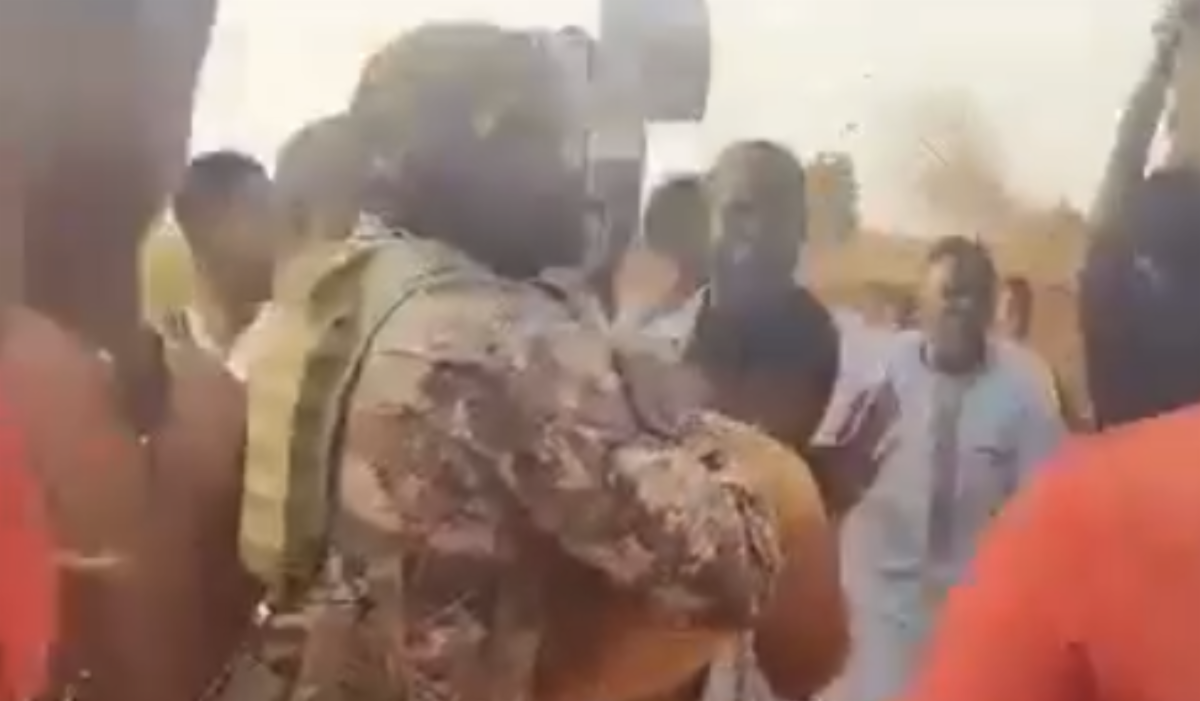
On 18 June 2026, at approximately 0500 local time, heavily armed Jama’at Nusrat al-Islam wa al-Muslimin (JNIM) militants launched a coordinated assault near the entrance of Diori Hamani International Airport in Niamey, triggering a major security response in the Nigerien capital. Intense gunfire reportedly continued for more than two hours as security forces engaged the attackers. Initial reports indicated that the assailants used both a taxi and a public transport bus to approach their targets, showing a degree of pre-operational planning designed to blend into normal civilian traffic. Authorities later announced that the situation had been brought under control, though few details were initially released.
Subsequent reporting revealed the scale of the attack was significantly greater than first understood. At least 35 people were killed, including 22 militants, 11 members of the security forces, and two civilians. Several attackers were equipped with explosive vests, highlighting the sophistication and determination of the assault force. This attack is easily one of the most significant attacks conducted inside the Nigerien capital in recent months.
The attack validates longstanding concerns regarding jihadist infiltration into Niamey. Less than three weeks earlier, authorities ordered the demolition of illegal housing in the Kobontafa neighbourhood amid fears that militant networks were using the area to establish support infrastructure and staging points for attacks against strategic targets, including Diori Hamani International Airport. The ability of a large militant force to reach and attack one of the country's most heavily secured facilities suggests that jihadist groups retain both operational reach and support networks capable of facilitating attacks deep inside government-controlled territory.
The incident also highlights the continued strategic importance of Diori Hamani International Airport, which serves as both a critical civilian transportation hub and a key security asset. Notably, on 29 January 2026, Islamic State Greater Sahara (ISGS) militants targeted the airport and an adjacent military drone facility, causing significant damage. The latest JNIM operation demonstrates that both of the Sahel's dominant jihadist organisations continue to view the airport and surrounding military infrastructure as high-value targets. More broadly, the attack reinforces concerns that Niger's security challenges are no longer confined to its border regions, with insurgent groups increasingly demonstrating the capability to project violence into the heart of the country's political and economic centre.
| | TRAC Incident Report: Two Teenagers Kill Three Students and Wound 13 Others in a Mass School Shooting, Tacloban City, Leyte Province, Eastern Visayas, Philippines | | |
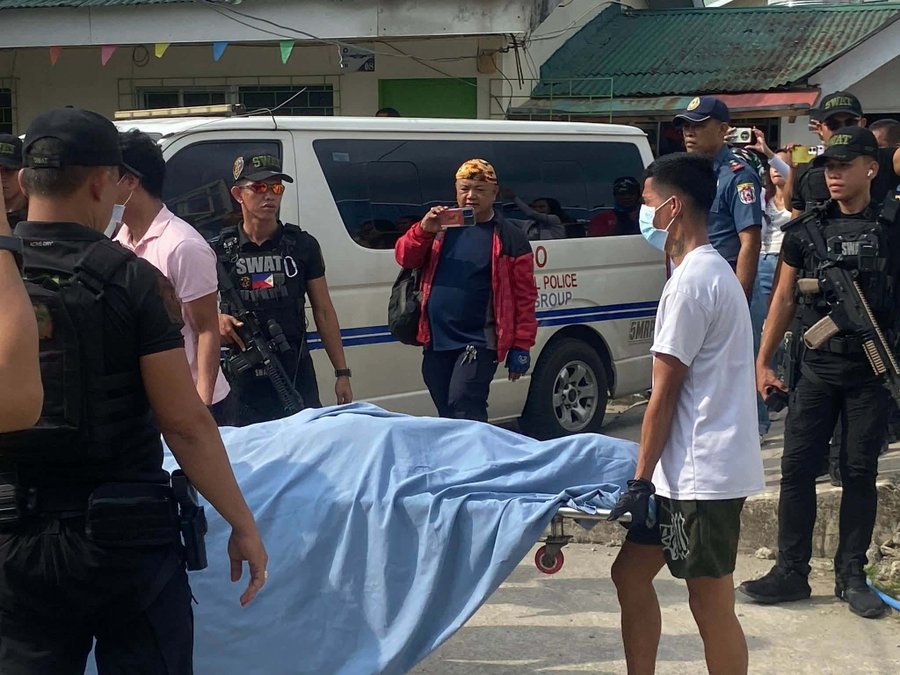
On 22 June 2026, two students aged 14 and 15 were arrested following a mass-casualty shooting at San Jose National High School in Tacloban City, Leyte Province, Eastern Visayas. The attack left three students dead and 13 others injured. One suspect was apprehended at the scene, while the second was later captured in a nearby barangay where he had reportedly gone into hiding.
The gunmen appear to have targeted specific individuals, suggesting many of the victims were likely unintended casualties caught in the crossfire. The shooting spread across two classrooms. Investigators revealed that the suspects, who had no known criminal history, used a pistol and a .38-calibre revolver. Notably, the pistol had been issued to a police officer assigned to the Eastern Visayas Region, while the revolver was registered to a security agency based in Cebu City.
The motive remains unclear. However, evidence emerging from the investigation suggests the attack was premeditated. One suspect allegedly posted on social media shortly before the shooting, writing: "Take a picture of them first before the disaster happens. Hahaha, those idiots." Early reports have pointed to a possible bullying-related grievance, while unconfirmed claims circulating online suggest the suspects were active on Discord prior to the attack and may have attempted to livestream the shooting on Facebook Live. If verified, this would indicate the attack was intended not only to inflict casualties but also to generate online attention.
Although firearm-related violence is relatively common in parts of the Philippines, school shootings remain exceptionally rare. The incident has inevitably drawn comparisons to international mass-casualty school attacks, including the 1999 Columbine High School shooting in the United States, due to the age of the perpetrators, the apparent planning involved, and reports of online activity preceding the attack.
The shooting also comes just three months after Philippine authorities disrupted a planned school attack involving seven minors linked to the online extremist ecosystem known as 764. While there is currently no evidence connecting the Tacloban suspects to 764, the case highlights growing concerns regarding online communities that glorify violence, mass-casualty attacks, and youth radicalisation.
| | TRAC Insight: Bello Turji Bandits are Expanding Operations, Adding Night Vision Goggles and Conducting Advanced Training Exercises to Expand Territory in Bafarawa and Bargaja, Sokoto-Zamfara Border, Nigeria | | |
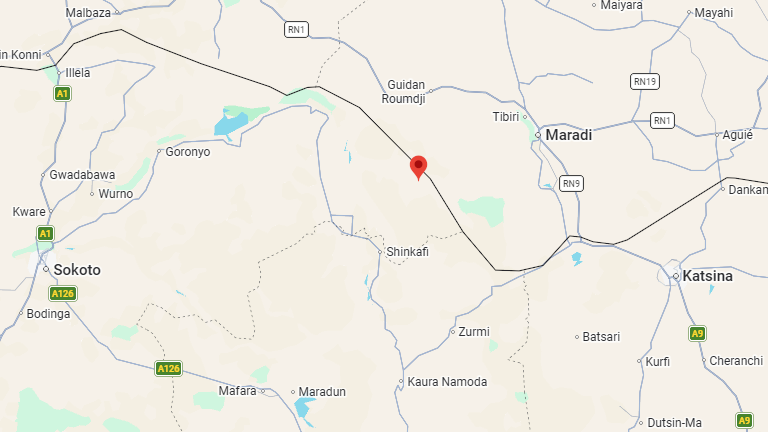
On 21 June 2026, it was discovered that Bello Turji’s bandits are conducting weapons training and tactical drills in communities in the Bingabale Kudu, Bafarawa East, and Bargaja areas.
Bello Turji’s fighters, undergoing weapons training in Sokoto, fit a longer pattern of territorial expansion and capability-building that has defined his rise from a relatively obscure cattle-rustling gang to one of northwestern Nigeria’s most feared armed groups. There are military-style drills taking place across the Bingabale Kudu, Bafarawa East, and Bargaja axis near the Sokoto-Zamfara border, with Turji associates Illa Manawa and Dodo overseeing the exercises; Illa Manawa is the bandit leader’s younger brother.
Newly recruited fighters bring advanced combat expertise tied to insurgent networks, such as ISWA, JNIM and Boko Haram, while two suspected commanders, Haru Dole and Ibrahim Chimo, are accused of facilitating the sourcing and movement of a fresh weapons consignment that includes night-vision equipment. This is being done with the vast wealth that Turji has built over the past several years. Two commanders, Haru Dole and Ibrahim Chimo, are accused of facilitating the sourcing and movement of a fresh weapons consignment that reportedly includes night-vision equipment. this as part of a tightening alliance between Chimo and Turji, suggesting Turji increasingly views Chimo as a valuable asset in expanding operational reach.
Throughout 2025, Nigerian security forces claimed a string of tactical wins, including the killing of a top Turji-linked commander and dozens of fighters in a January 2026 raid, and the death of his deputy Aminu Kanawa days later, yet Turji spent the year on the run while still leading a sizable force of several hundred men and remained capable of large-scale violence, showed by an ambush that killed dozens of soldiers near Shinkafi in mid-2025. That resilience under pressure, paired with a long-running extortion economy in which his fighters have demanded protection fees as high as 50 million Naira from farming communities, has given him both the financial means and the manpower incentive to keep absorbing new fighters and forging alliances with other armed actors. Due to his survival in 2025 when the Nigerian military was aggressively pursuing Turji, it has given him a perception boost amongst the locals to that of a man who cannot be killed by the Nigerian government. This, along with the stronger weapons and equipment he provides to his bandits, compared with those of other bandits, and his better pay, has allowed him to gain more experienced and trained bandits under his command.
Turji has a history of using periods of relative pressure to regroup, rebrand, and push outward rather than retreat. Turji built his original network out of family members and orphaned young fighters in Zamfara’s Shinkafi and Zurmi areas under the mentorship of established bandit figures, and from there leveraged his connections and relatively young age to recruit other young Fulani combatants from camps across Zurmi, Sabon Birni, and beyond. As his network grew, he extended influence eastward into Sokoto State, where he is known to have imposed levies on numerous villages and even appointed his own leaders in two eastern Sokoto communities.
| | TRAC Incident Report: Five People Injured in a Series of Lone Wolf Anti-Muslim Knife Attacks Across Edinburgh, Scotland, United Kingdom | | (Poster) Unofficial Islamic State (IS) Al Burhan Media Foundation: “Who Will be Crowned With the Title – 1” | | TRAC Insight: The Federal Government of Somalia & Autonomous Region of Puntland Relations Reach Breaking Point, Somalia | | | | |