Anarchist Published Call for Actions to Target ICE Facilities Across the United States:
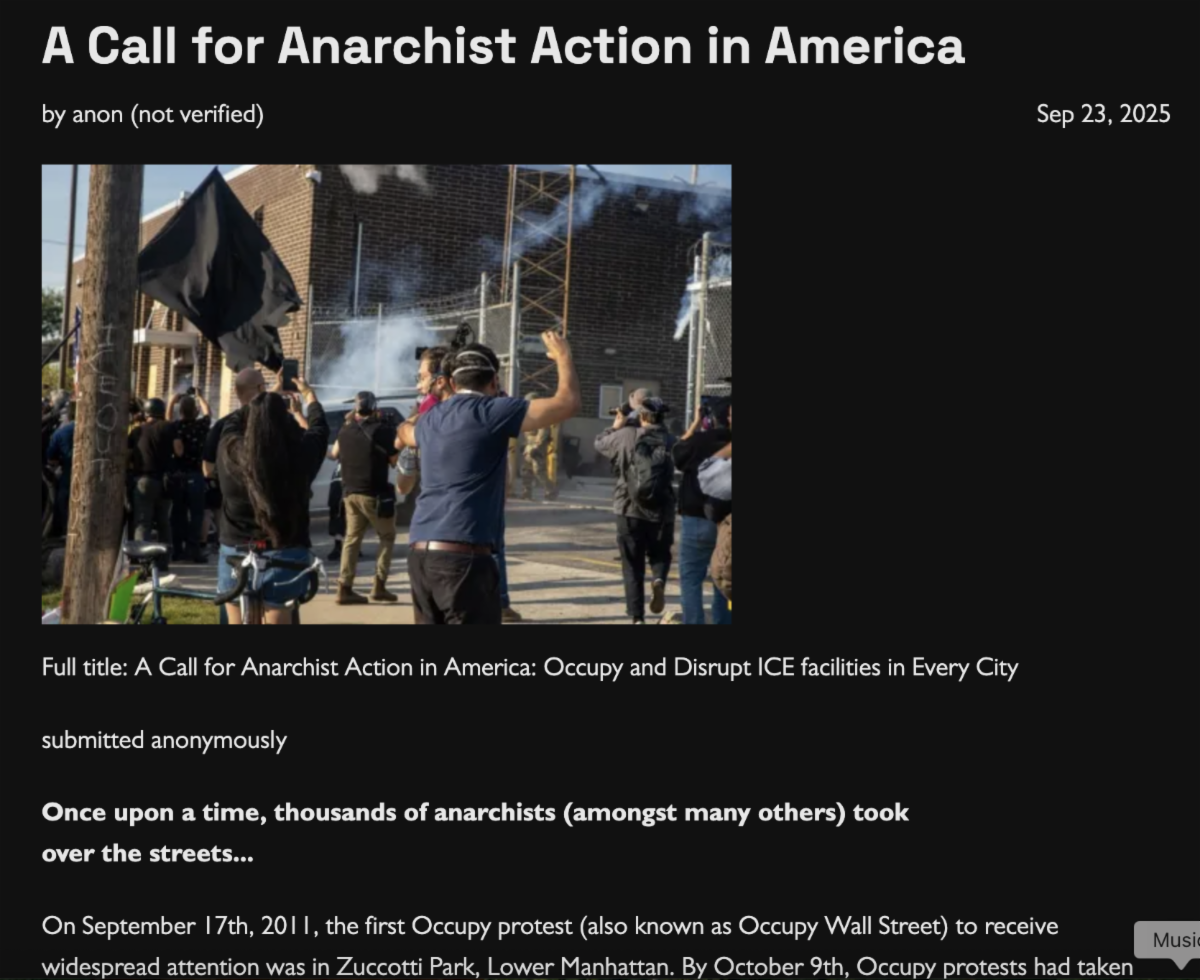
On 23 September 2025, an anarchist platform published a post titled “A Call for Anarchist Action in America”. The text explicitly urges anarchists across the U.S. to occupy and disrupt Immigration and Customs Enforcement (ICE) facilities in every city. The post frames such actions as not only direct resistance to ICE but also as a celebration of life “with fire against the death march of American law and order.” Ironically, this post was made a day before the lone wolf sniper attack targeting ICE agents in Dallas.
The article glorifies chaos, destruction, and spontaneous attacks on institutions as forms of “liberated creativity.” It rejects conventional political change and instead promotes illegal direct actions, including property damage, attacks on government buildings, and “nocturnal smash-and-grabs.” The piece positions ICE facilities as a key target for anarchists nationwide.
This publication signals an alarming escalation in anarchist rhetoric and a call for coordinated disruptive activity against ICE infrastructure. While anarchist and anti-ICE protests have been seen for years, this call to action differs by explicitly framing attacks on ICE facilities as both a moral duty and a form of creative liberation.
The use of language like “ignite a wildfire” and “wage a carnival of war” suggests a desire to normalise militant tactics rather than peaceful protest. The rejection of any “progressive politician” or “organisation” shows a decentralised, leaderless model, making law enforcement infiltration and disruption of these cells more difficult.
| | | (Videos) Suspected Jama’a Nusrat ul-Islam wa al-Muslimin (JNIM) Militants Loot Fuel Following the 22 September Armed Assault and Arson on Tanker Trucks Between Bamako and Bougouni, Sikasso Region, Mali | | |
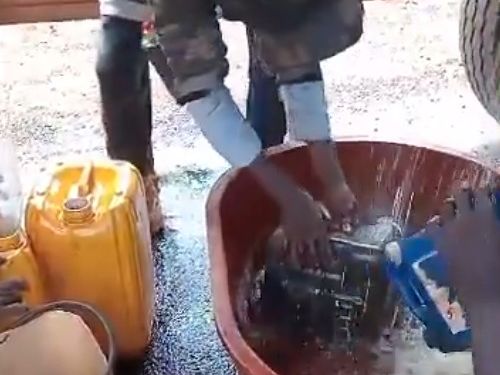
On 26 September 2025, footage circulated on social networks showing suspected Jama’a Nusrat ul-Islam wa al-Muslimin (JNIM) fighters looting fuel from tanker trucks they had attacked and set ablaze on 22 September 2025 along the Bamako–Sikasso Road (RN7), between Bamako and Bougouni in Sikasso Region.
The attack is notable not only for its immediate destruction but also for its strategic location. The RN7 is a critical artery connecting Bamako, the Malian capital, with Sikasso, one of the country’s largest cities and a vital commercial hub near the Ivorian border. By targeting this route, JNIM aims to disrupt fuel transport into urban centres, crippling economic activity and undermining public confidence in the junta’s ability to provide security.
The jihadists’ intent is clear: to engineer fuel shortages, drive up prices, and trigger social unrest. Such disruption has cascading effects on mobility, trade, and basic services, especially in a landlocked country where road supply chains are the lifeline of the economy. Already, Malian authorities have publicly confirmed fuel shortages and price hikes in Mopti Region, demonstrating the effectiveness of these attacks as a form of economic warfare.
This incident is part of a broader JNIM campaign of economic sabotage launched in September 2025, where there have been at least 5 attacks on fuel convoys in Mali and one in Burkina Faso, to weaken the junta By hitting both the supply chain and the population’s daily life, JNIM seeks to accelerate discontent, delegitimise the military regime, and expand its own influence in southern Mali, an area traditionally less affected by jihadist activity but critical for the state’s stability.
| | TRAC Incident Report: Suspected Jalisco New Generation Cartel (CJNG) Sicarios Conduct Wave of Bar Attacks & Executions Across Northern Veracruz, Mexico | | |
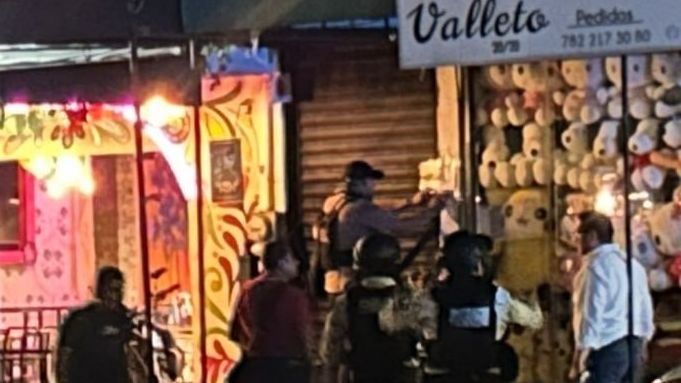
Between 24–25 September 2025, sicarios targeted several municipalities in Veracruz, leaving at least eight people executed within 24 hours. The sicarios attacked bars in Álamo, Poza Rica, and Cerro Azul, while coordinated killings also occurred in Río Blanco, Rafael Delgado, Ixtaczoquitlán, and other towns. Victims included two law enforcement officers, civilians ambushed in vehicles, and individuals executed in public. The incidents prompted a large-scale mobilisation of security forces across the northern region of the state.
The attacks in northern Veracruz bear the hallmarks of organised crime turf wars, specifically the ongoing conflict between the Jalisco New Generation Cartel (CJNG) and local rivals such as Los Zetas Vieja Escuela and Grupo Sombra. Poza Rica and Álamo have long been strategic hotspots for oil theft, drug trafficking, and extortion rackets, making them frequent targets for CJNG incursions. The use of bar shootings, public executions, and attacks on police suggests a campaign of intimidation designed to weaken rivals and terrorise communities.
CJNG is the most likely actor behind this violence, as it has intensified efforts in Veracruz to consolidate control over smuggling routes and illicit markets. Historically, CJNG has used mass attacks on bars and simultaneous executions to send a message of dominance. By targeting both law enforcement and civilians, the cartel aims to undermine state authority while spreading fear among populations that may support or shelter rival groups.
This surge highlights Veracruz’s status as a contested corridor, where CJNG’s expansion clashes with entrenched local groups.
| | (Poster / Right Wing Extremism) Neo-Nazi Telegram Channel shared a Stochastic Meme Promoting the Idea of Sabotaging Artificial Intelligence (AI) Data Center Infrastructure | | |
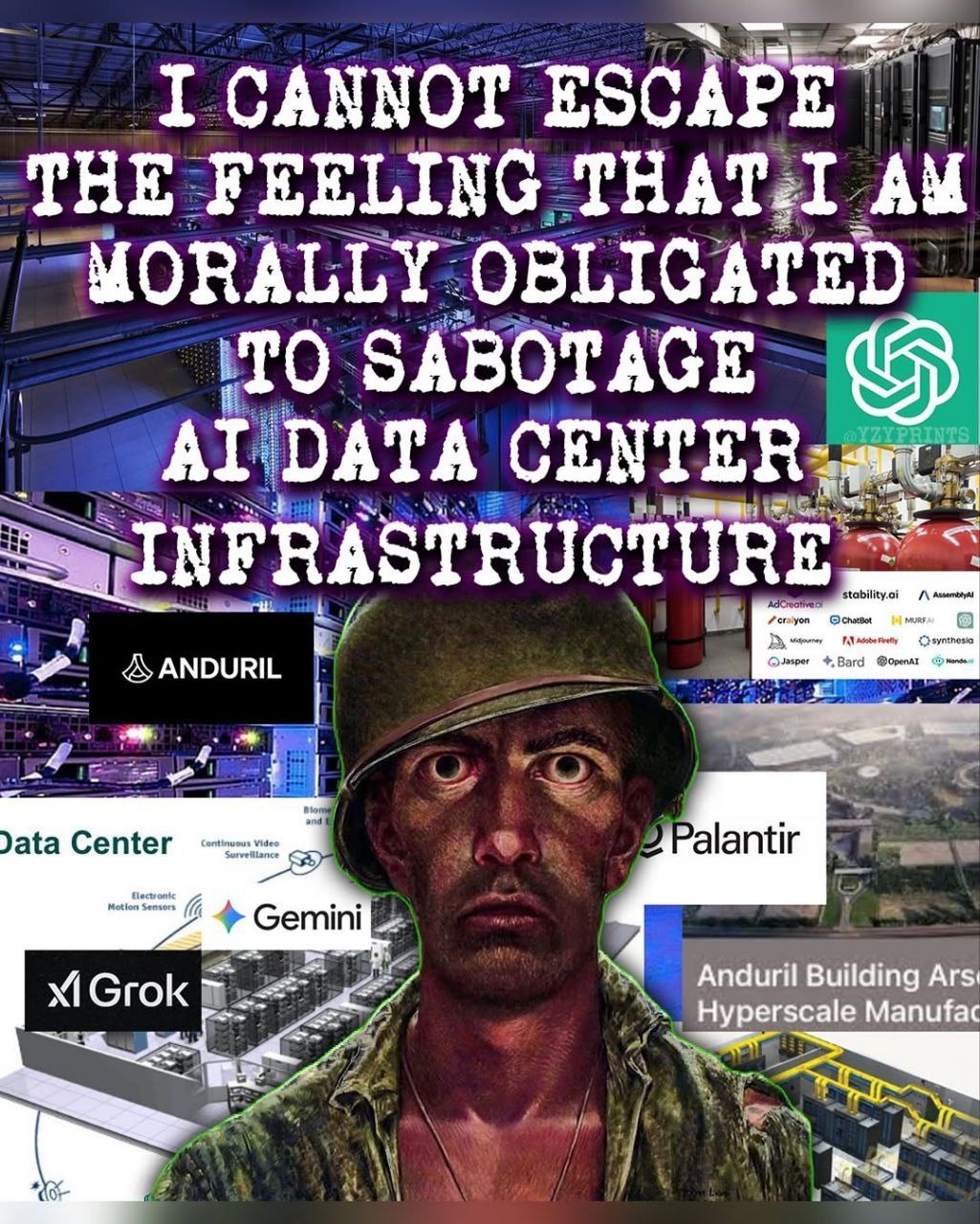
On 28 September 2025, a neo-Nazi Telegram channel shared a stochastic meme promoting the idea of sabotaging AI data centre infrastructure. The image features logos of prominent tech and defence-related companies (such as Anduril, Palantir, Grok, Gemini, and Stability AI) overlaid on visuals of server farms and industrial facilities. In the foreground is a distressed-looking soldier, paired with text reading: “I cannot escape the feeling that I am morally obligated to sabotage AI data centre infrastructure.”
This meme is not a direct operational instruction, but is a form of stochastic incitement, using humour or ‘edgy’ imagery to normalise violence against critical infrastructure and potentially inspire lone actors or cells to act independently.
This meme reflects a growing convergence of extremist ideology with anti-technology narratives, particularly among far-right accelerationist groups. By framing AI data centres as morally illegitimate targets, such content attempts to justify attacks under a pseudo-ethical or ‘defensive’ rationale, a classic tactic to radicalise followers into viewing sabotage as an obligation rather than a crime.
Importantly, the meme’s focus on data centres echoes the early stages of the 2022–2023 wave of attacks on U.S. electrical grid infrastructure, which TRAC tracked and analysed extensively. Those attacks began with similar stochastic propaganda on Telegram and fringe forums, framing the grid as a symbol of “ZOG” (Zionist Occupied Government) power or as a weak point to destabilise society. In several cases, individuals inspired by such narratives attempted or carried out actual attacks on substations across multiple states.
The inclusion of AI-focused companies also signals a shift. Instead of only targeting traditional utilities, extremist narratives are now expanding to encompass the digital and technological backbone of the U.S. This represents an evolution of the target set from physical energy infrastructure to critical digital infrastructure.
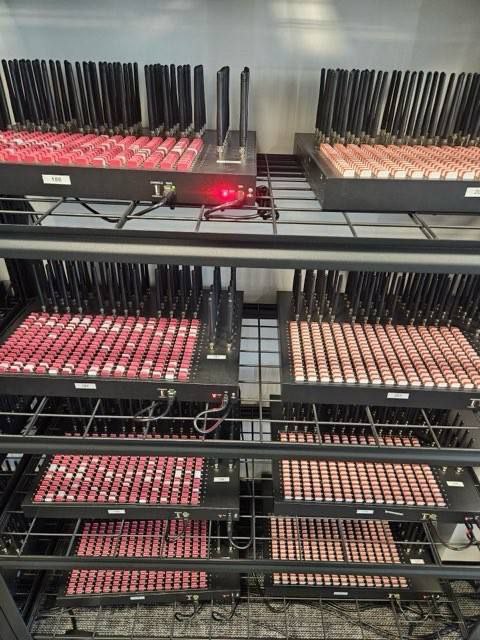
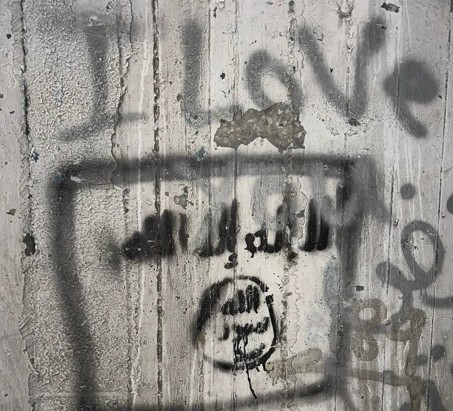
| | TRAC Incident Report: U.S. Secret Service Uncovers SIM Farm Network Near United Nations Headquarters in New York, United States | | TRAC Incident Report: Islamic State (IS) Emblem Discovered in a Booby-Trapped Hamas-Linked Building, Gaza City, Gaza Strip | |
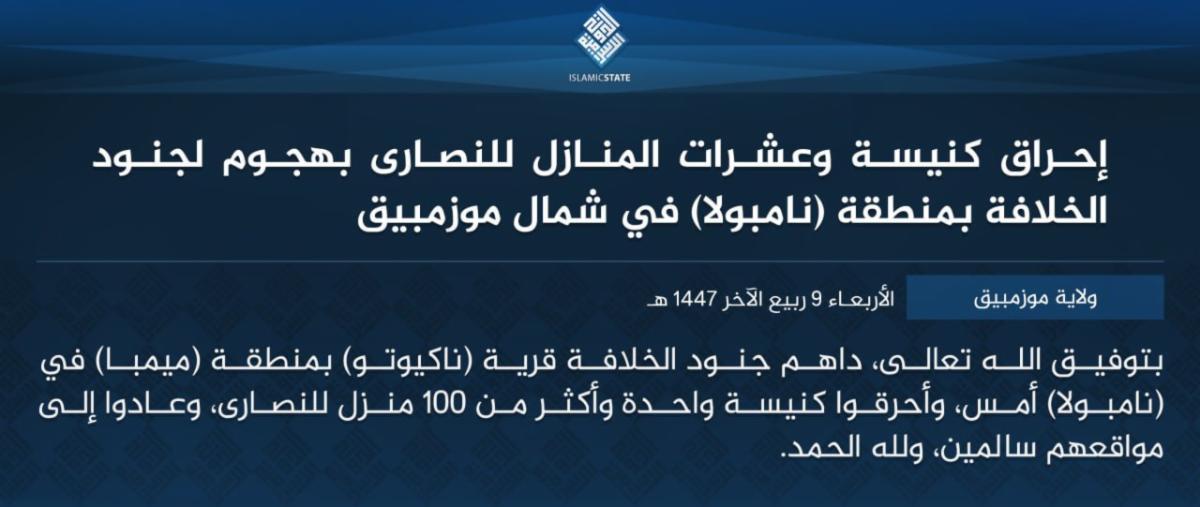
TRAC Incident Report: Islamic State Mozambique (IS-M/Shabaab Cult) Militants Led an Armed Assault on Christians in Nakioto, Memba District, Nampula Province, Mozambique
| | | | |