|
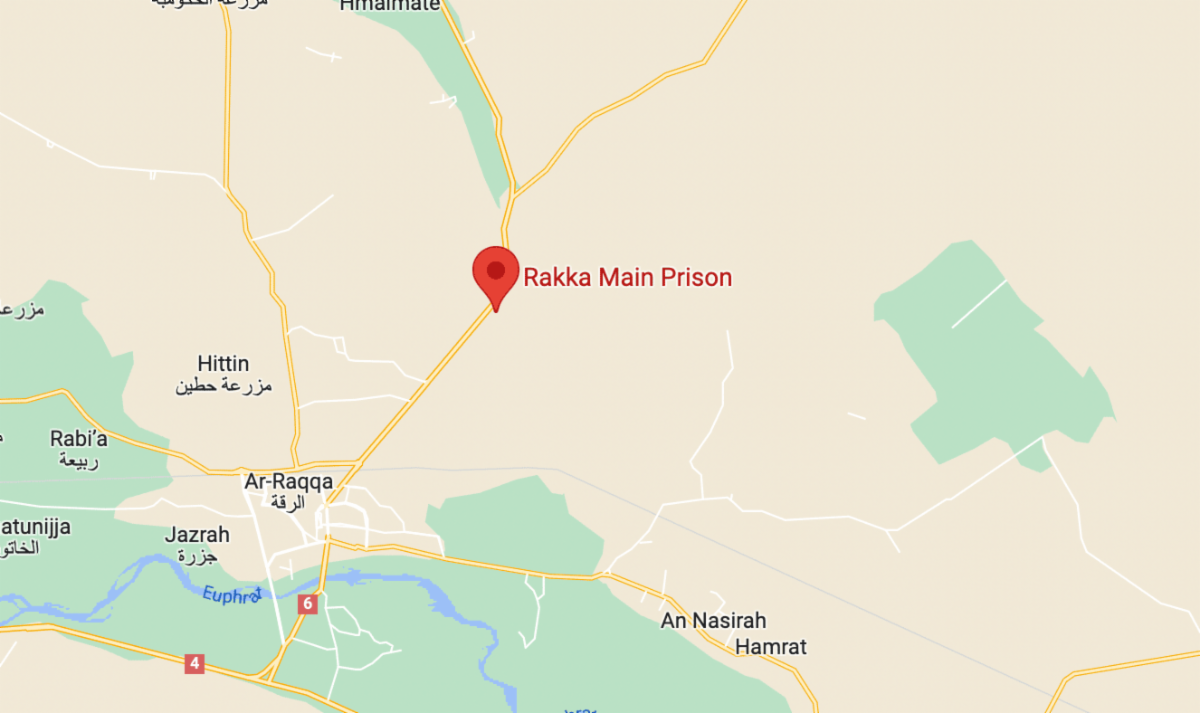
On 31 August 2024, several Islamic State (IS) militants attempted to escape from the Raqqa Central Prison, also known as al-Tabqa Prison, in Raqqa City. One day later, U.S. Central Command, in coordination with the SDF, captured Khaled Ahmed al-Dandal, an IS facilitator found to be assisting the escapees. Two more escapees had since been recaptured: Imam Abdulwahed Akhwan, a Russian national, and Muhammad Noh Muhammad, a Libyan. The remaining fugitives are Timor Talbrken Abdash, another Russian national, and Shuab Muhammad al-Abdli and Atal Khaled Zar, both from Afghanistan.
Background of Raqqa Central Prison and Its Vulnerabilities
The escape occurred at Raqqa Central Prison, a facility that once served as a torture center under IS control during the height of its Caliphate. The prison is now managed by the Syrian Democratic Forces (SDF/PKK). While specific details regarding how the escape was orchestrated remain unclear, IS insiders have confirmed that the attempted breakout involved five inmates. Given the considerable damage sustained by the Raqqa main prison over time, TRAC suggests that it may not have robust security measures in place to prevent any prison break.
Security Measures and Response to the Escape
In response to the escape, security forces, including units belonging to the SDF/PKK and the Asayish (Internal Security Services), have set up checkpoints and initiated extensive search operations in the vicinity of the prison, particularly in the nearby Ramila neighborhood. The facility itself has been severely damaged following years of conflict in Syria, contributing to potential vulnerabilities in security. TRAC also highlights the possibility of corruption among prison personnel and inadequate security measures by the under-resourced SDF/PKK staff as factors contributing to the successful escape.
The ongoing manhunt underscores the persistent threat posed by IS elements in the region and highlights the challenges faced by local authorities in securing detention facilities amid a complex post-conflict landscape. The incident also raises concerns about the state of the prison infrastructure and the adequacy of resources and personnel dedicated to countering such threats in northeastern Syria.
Recent History of Prison Breaks by IS Militants in Syria
This incident marks the third prison break by suspected IS militants in Syria in 2024. In March, IS detainees at a juvenile detention center rioted, setting some dormitories on fire, while in January, seven IS militants escaped from a prison in ar-Ra’i, northern Aleppo. Furthermore, in July 2023, TRAC noted that a prison break in the al-Hasakah Governorate involved an IS operator in contact with IS Emirs in the Turkish-controlled town of Sere Kaniye (Ras al-Ayn). These IS Emirs are believed to be orchestrating operations related to prison breaks and activities at the al-Hol Camp in the Governorate.
| |
Islamic State in Iran?
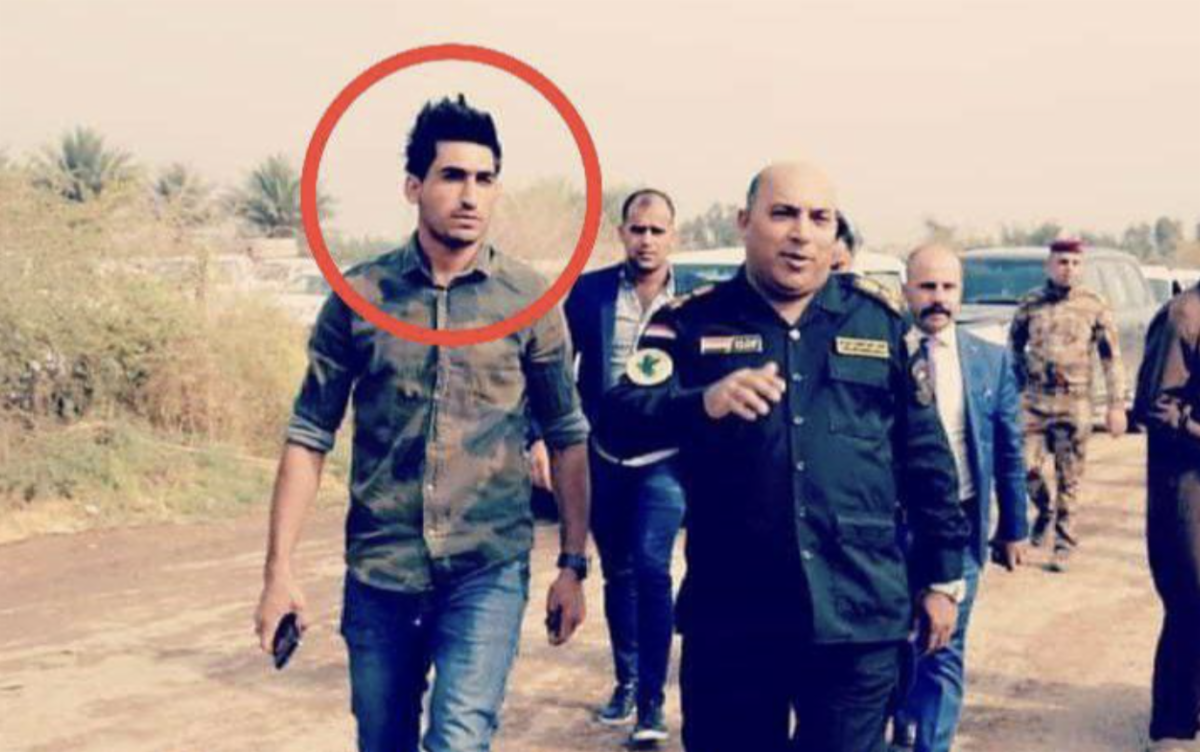
At this point, TRAC underscores Islamic State's (IS) strategic expansion eastward, exemplified by the suspected execution of a Popular Mobilization Forces (PMF) soldier and an Iraqi police official in Qara Tapa on 31 August 2024. This attack signals IS's increasing operational focus on the Diyala Governorate, a critical region bordering Iran and located northeast of Baghdad, which is considered an IS stronghold. Diyala's rugged terrain and complex geography provide a significant tactical advantage to IS militants, allowing them to entrench themselves deeply and evade Iraqi security forces. These conditions make it challenging for security forces to conduct effective counter-terrorism operations (CTOs), turning the region into a key operational epicenter for IS activities.
The recent incident in Qara Tapa not only highlights IS's growing activity in Diyala but also suggests a potential shift in its strategic priorities towards expanding its influence into territories adjacent to Iraq, particularly Iran. Given Diyala's proximity to the Iranian border, TRAC does not rule out the possibility that IS militants may already be operating within Iranian territory. This proximity could facilitate cross-border incursions and allow IS to exploit any gaps in border security or capitalize on any local grievances that could be leveraged to establish a foothold in Iran.
| | |
TRAC Incident Report: Saudi Arabia-Backed Yemeni Military Successfully Intercepted Three Houthi (Ansarallah) Launched Suicide (Weaponised) Drones Targeting an Oil Facility, in Marib Province, Yemen – 27 August 2024 | |
|
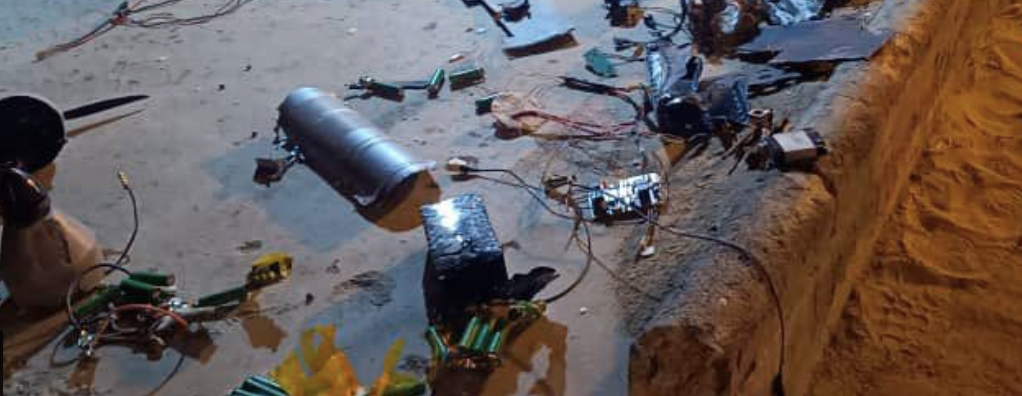
On 27 August 2024, Saudi Arabia-backed Yemeni military successfully intercepted three Houthi (Ansarallah) launched suicide (weaponised) drones targeting an oil facility, in Marib province, Yemen. Based on the analysis of the drone debris, the intercepted drones were identified as Khatif 2 models, a type commonly used by the Houthi forces in their ongoing conflict against the Saudi-led coalition and the Yemeni government. Despite this attempted attack, no reports have surfaced from Houthi-controlled media or resources confirming the operation or acknowledging any strikes in the Marib province.
The interception of these suicide drones highlights the ongoing tension and instability in Yemen, despite a relative lull in the broader conflict. For the past two years, Yemen has experienced a fragile truce between the Saudi-backed government forces and the Houthis. This truce has generally held, with both sides avoiding a return to full-scale hostilities. However, sporadic violations of the ceasefire have occurred, and this incident suggests that the underlying conflict remains unresolved.
The attempted attack on an oil facility in Marib underscores the continued risk to Yemen’s critical infrastructure. Marib is not only a vital economic hub but also a strategic location that has seen significant conflict throughout the Yemeni civil war. Any successful attack on its oil facilities could have severe economic repercussions and potentially trigger a broader escalation in the conflict.
On 11 March 2021, the Houthi held a quite impressive military exposition featuring weaponized drones and its new arsenal of ballistic missiles. The gala affair garnered little international attention, yet, the consequences of acquiring such an arsenal have been seen over the past years.
| |
TRAC Incident Report: Islamic State West Africa (ISWA/Wilayat Gharb Afriqiyah) Militants Led an Armed Assault Targeting Schoolchildren at the Shia Faudiya School, Geidam LGA, Yobe State, Nigeria – 29 August 2024 | |
|
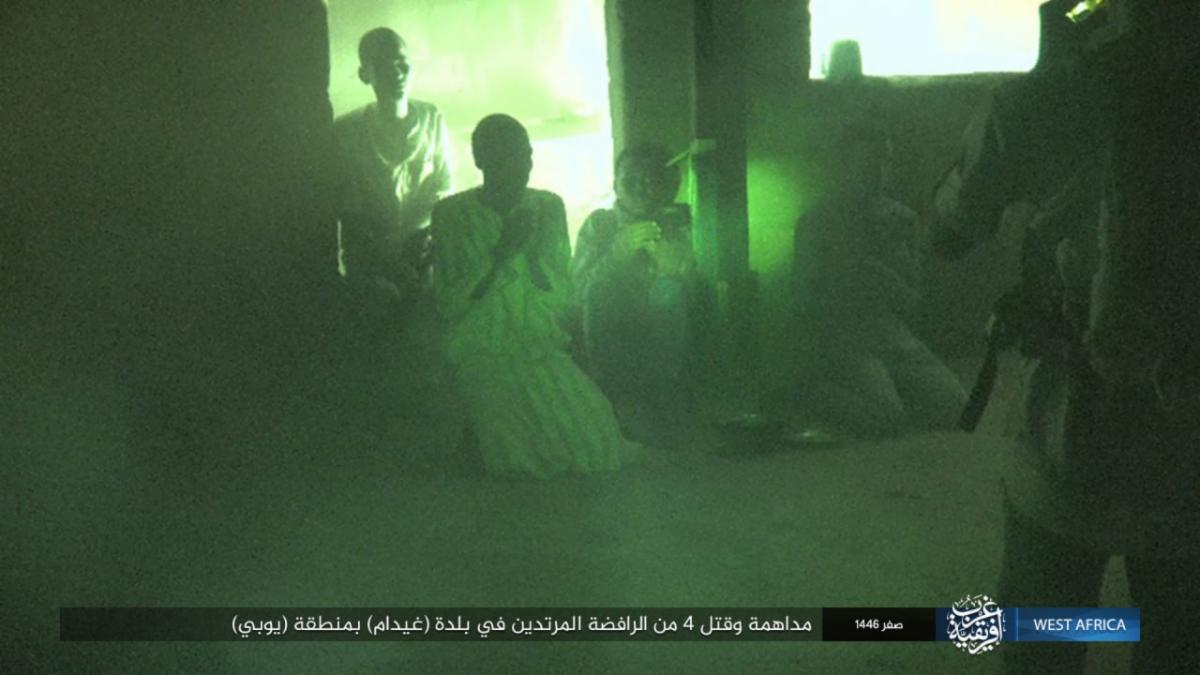
On 29 August 2024, Islamic State West Africa (ISWA) militants led an armed assault on school children at the Shia Faudiya School, Geidam LGA, Yobe State, Nigeria. The militants reportedly targeted the school in the early hours of the morning and killed 4 children.
While Shia Muslims are common targets for other Islamic State branches, TRAC notes that this is the first claimed ISWA attack on Shia in Nigeria. ISWA has largely concentrated its efforts on government forces, military targets, and local militias. The choice to attack Shia civilians indicates a potential shift in ISWA’s strategy, aligning more closely with the broader anti-Shia sentiment present in other parts of the Islamic State’s global network.
It is exceedingly rare to see ISWA militants not only target civilians, let alone school children, and on top of that, claim the event. In contrast to some of their other African Islamic State brother organizations, ISWA usually avoids claiming events where they target civilians due to the bad press and support backlash that they suffer from. Despite its brutality and the clear effect it will have on the local population, It should be noted that this is not the primary reason for its presence in the region as well, likely being the result of a lack of security forces in the region.
ISWA is rather in the region due to its strategic location. The Geidam cell is located just below the Niger border at the intersection of routes F128 and F128-3. These two roadways as well as the Niger-Nigeria border are critical for the group to support its Nigerien N1 cell. Ensuring these roadways are clear allows them to move militants and resources freely between the two cells.
This escalation in civilian targeting and expansion of attack focus to include Shia Muslims could indicate a new phase in ISWA’s operational strategy.
| |
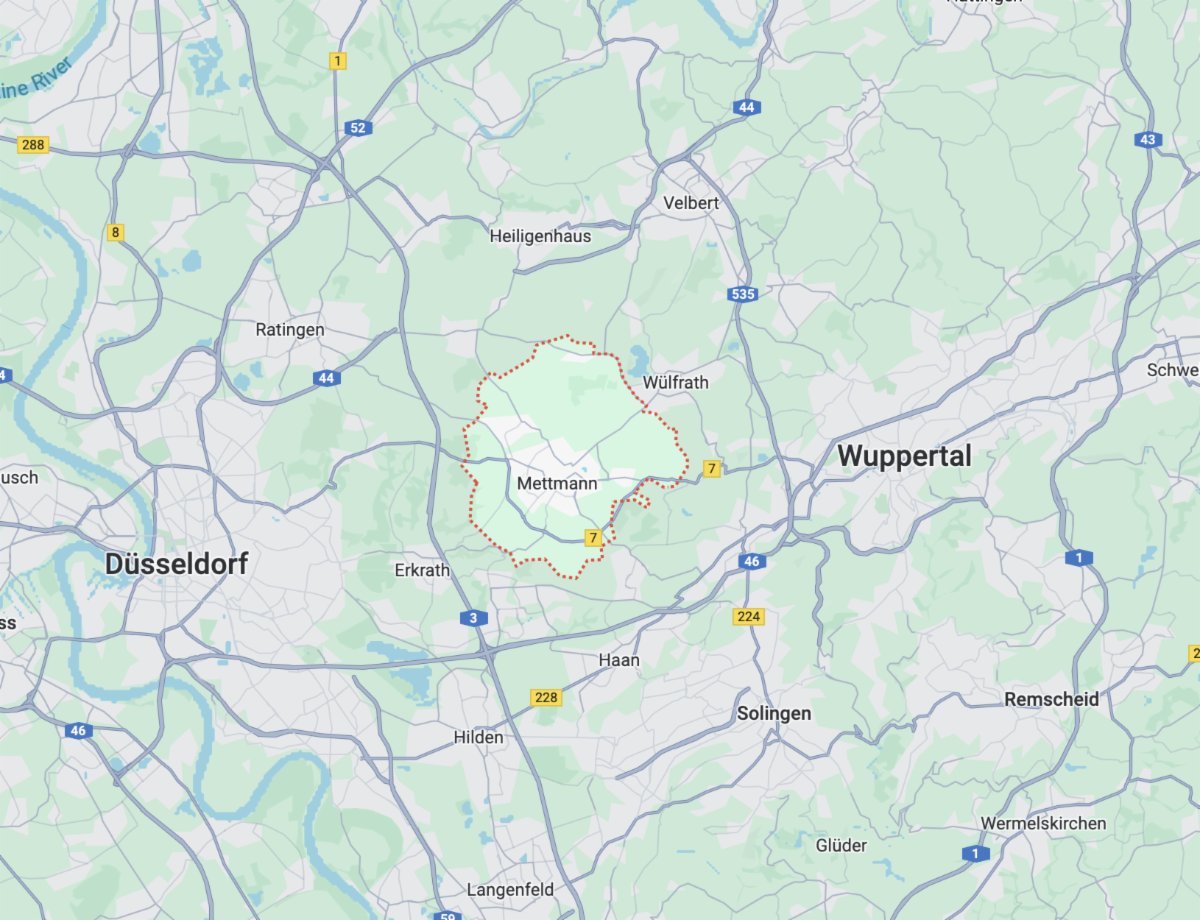
(Claim / Anarchists) ‘Angry Birds Commando’ Anarchist Group Arson Railway Signal Cables, in Mettmann, North Rhine-Westphalia, Germany – 21 August 2024 | |
|
On 21 August 2024, the anarchist group ‘Angry Birds Commando’ carried out an arson attack on railway signal cables in Mettmann, North Rhine-Westphalia, Germany. The group used incendiary devices to ignite fires, causing significant damage to the railway infrastructure. This is not the first attack attributed to the 'Angry Birds Commando.' TRAC first recorded the group's activities on 15 May 2023, when they conducted five incendiary device attacks on railway signaling cables in the Düsseldorf area. Additionally, the group claimed responsibility for another incident targeting railway traffic in the Düsseldorf area in January 2024, notably using a poem to announce their actions.
The 'Angry Birds Commando' anarchists justify these attacks as a form of protest against what they perceive as environmental, emotional, and ecological harm caused by railway construction and operation. They argue that the constant building and expansion of railways disrupts the natural environment, displaces wildlife, and drives away both local residents and animals due to the noise and destruction associated with these projects. The group views these railways as a symbol of capitalist infrastructure expansion, which they believe is responsible for uprooting ecosystems and degrading the environment.
Despite the fires set by the group, there were no reported impacts on passenger train services; however, the attack did result in infrastructural damage. Such actions reflect a broader pattern among anarchist groups, who often target railroads and highways as these are vital yet largely unprotected components of capitalist infrastructure. Anarchists view these targets as ideal for direct action because they symbolize industrial expansion that they argue violates natural spaces and contributes to broader social and environmental injustices.
The ‘Angry Birds Commando’ group's choice to use creative methods like poetry to claim responsibility for their attacks also indicates a strategy of blending propaganda with direct action to draw attention to their cause. Their actions suggest a continued focus on infrastructure sabotage, aiming to disrupt the operations they see as contributing to capitalist and ecological exploitation. Given this group's recent history of attacks and their explicit motivations, further acts of sabotage against similar targets in the region can be expected.
| |
Suspected Jama’at Nusrat al-Islam wa al-Muslimin (JNIM) Militants Restrained and Executed 26 Men in a Catholic Church During Mass, Kounla, Banwa Province, Burkina Faso | |
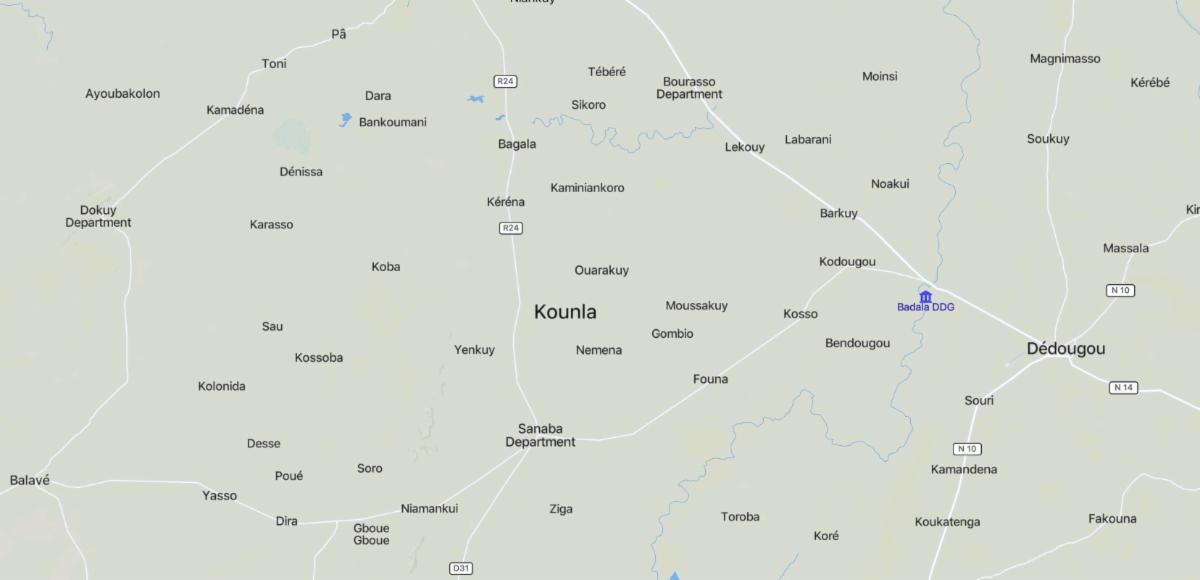 | |
On 25 August 2024, suspected Jama’at Nusrat al-Islam wa al-Muslimin (JNIM) militants launched a deadly armed assault on a Catholic church during Sunday Mass in the village of Kounla, located in Banwa Province, Burkina Faso. Sources on the ground indicate that the militants entered the church, forcibly removed women and children, and detained 26 men before executing them in a series of summary killings. Following the massacre, the attackers looted and set fire to houses and stole livestock in the village. Notably, two of the militants were reportedly killed after accidentally triggering an improvised explosive device (IED) they had previously planted.
This incident took place on the same day that JNIM militants carried out another large-scale attack in Barsalogo, Sanmatenga Province, marking the deadliest civilian mass killing by a militant group in Burkina Faso. The coordination of these attacks on the same day suggests that a separate JNIM cell was operating in Banwa Province. Banwa’s strategic location in northwestern Burkina Faso facilitates collaboration and coordination with other JNIM cells across the border in Mali. Although Banwa has experienced relatively few attacks, with only two incidents recorded in the last five months, this event underscores JNIM's intent to consolidate its influence in the region. The group exploits the limited capacity of the Burkinabe military and security forces, who often lack sufficient training and resources, further exacerbating the region's insecurity.
It is also important to note that JNIM is unlikely to claim responsibility for this church attack publicly. The group frequently attempts to position itself as a protector of civilians, and acknowledging such a brutal attack on a place of worship could severely damage its image and alienate potential sympathizers. Despite jihadist undertones in targeting "infidels," attacks on religious sites are often perceived as distasteful and could provoke backlash, even among those who might otherwise support or sympathize with JNIM's cause.
| |
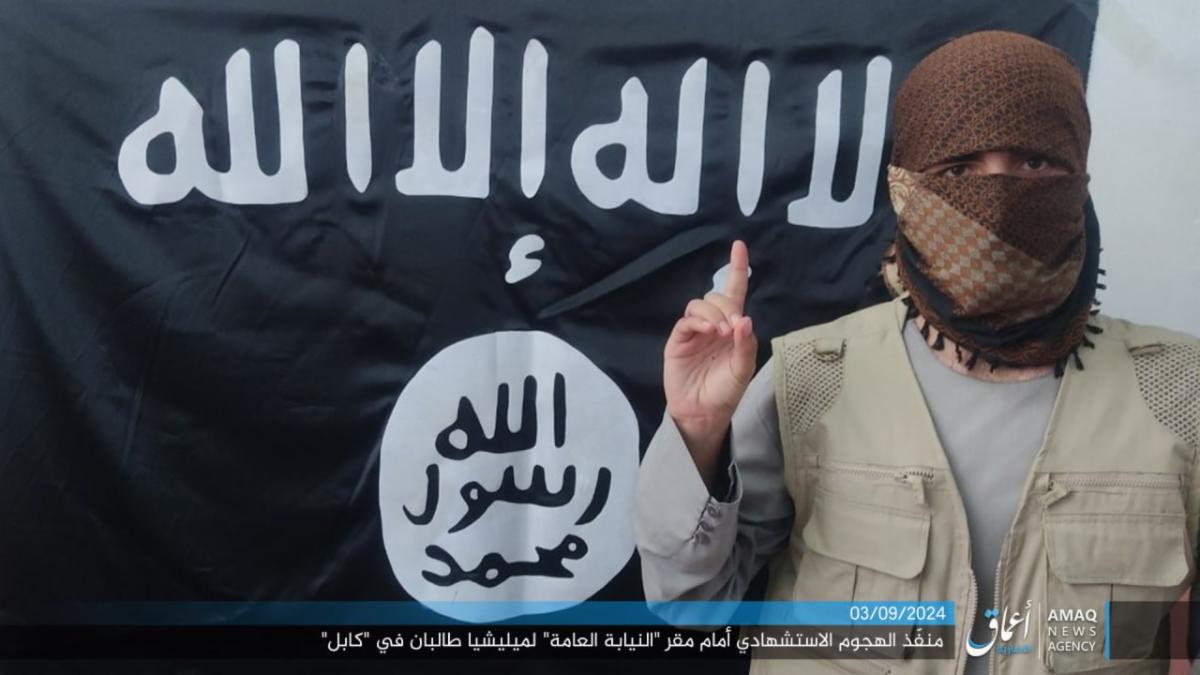
TRAC Incident Report: Islamic State Khurasan (ISK) Suicide Bomber Blows Himself Up, Killing & Wounding 45 Others, PD-6, Kabul, Afghanistan | |
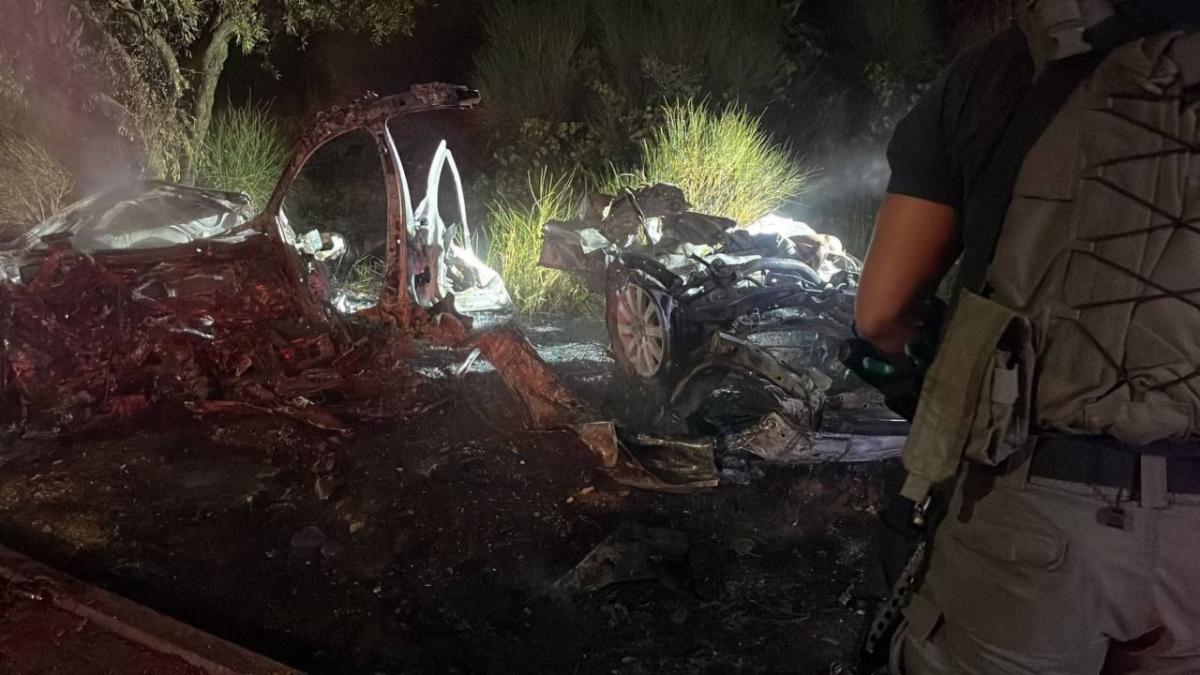
TRAC Incident Report: Al-Aqsa Martyrs Brigades Militants Conduct Two Coordinated VBIED & Armed Assault/Car Ramming Attacks near the Gush Etzion Junction, West Bank | |
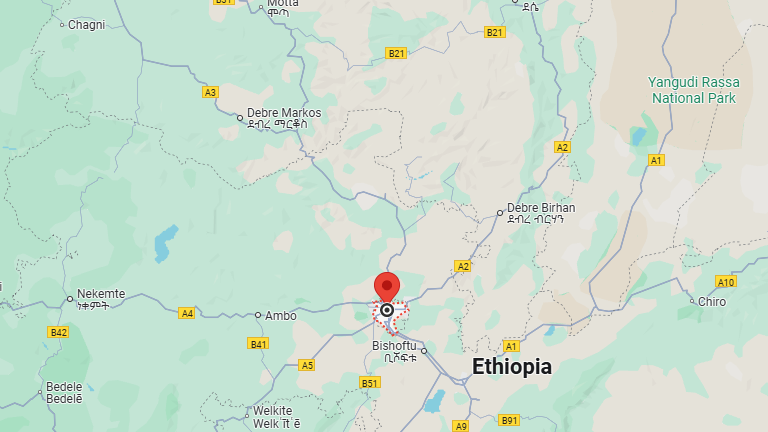
TRAC Incident Report: Oromo Liberation Army (OLA) Assaults Passenger Bus & Kidnaps Several Travellers, Addis Ababa, Ethiopia | | | | |