|
San Antonio Mother Arrested for Aiding Son’s White Supremacist-Inspired Mass Shooting Plot
On 12 May 2025, law enforcement officials in San Antonio, Texas, arrested 33-year-old Ashley Pardo in a profoundly rare case of parental involvement in a child’s terrorist plot. Pardo is accused of actively assisting her 13-year-old son in preparing for a mass shooting at Rhodes Middle School, including purchasing tactical gear and live ammunition to facilitate the attack. The boy, dressed in a camouflage jacket, tactical pants, and a mask, was dropped off at school by his mother and later apprehended. He has since been charged with terrorism-related offences.
What makes this case especially noteworthy is the ideological grooming involved. The boy’s grandmother, alarmed after discovering him striking a live round with a hammer, reported him to the authorities. Subsequent searches of his belongings uncovered a disturbing arsenal: magazines loaded with rifle and pistol rounds, a crude improvised explosive device (IED), and a note referencing known mass shooters. The IED bore the words “For Brenton Tarrant”, a reference to the white supremacist responsible for the 2019 Christchurch mosque massacre, as well as neo-Nazi “SS” symbols and the white nationalist “14 Words” slogan.
Ashley Pardo's complicity goes beyond mere negligence. Investigators revealed she took her son shopping for military-grade gear, including a tactical vest, helmet, and magazines. When questioned, she claimed she had bought these items in exchange for her son babysitting his siblings—a statement that belies the severity and intent behind the purchases. TRAC assesses that Pardo may have been actively indoctrinating her son with violent white supremacist ideologies, fostering a belief system rooted in hatred and violent accelerationism.
Accelerationism, the belief that societal collapse should be hastened through escalating acts of violence, has been a consistent ideological current among extreme-right terror networks. TRAC points out that the boy’s references to “being famous” before the attack and his documented admiration for Tarrant suggest he and his mother were both aligned with this ideology. The evidence suggests not only a radicalised youth but a mother who acted as an enabler—or even co-conspirator—further deepening the alarm surrounding this case.
Adding to the picture is a tattoo seen on Ashley Pardo's neck following her arrest, reading “1992.” While likely her birth year, TRAC notes that specific numerological patterns like "9" and "2" are also sometimes used symbolically in white supremacist circles, including references to alleged white population percentages and Aryan Brotherhood codes.
This case is particularly rare in the landscape of American domestic terrorism. While family members—especially parents—often serve as the first line of defence in preventing youth radicalisation, here the mother appears to have played the opposite role: fostering, equipping, and potentially inciting her son’s descent into planned mass violence. Even more chilling is the fact that earlier this year, the same child had drawn up plans for a school shooting, including maps marked with a “suicide route,” and had researched the Christchurch shooting online using a school-issued device. His suspension led to a suicide attempt—a clear sign of distress that tragically went unaddressed or, worse, was manipulated for ideological ends.
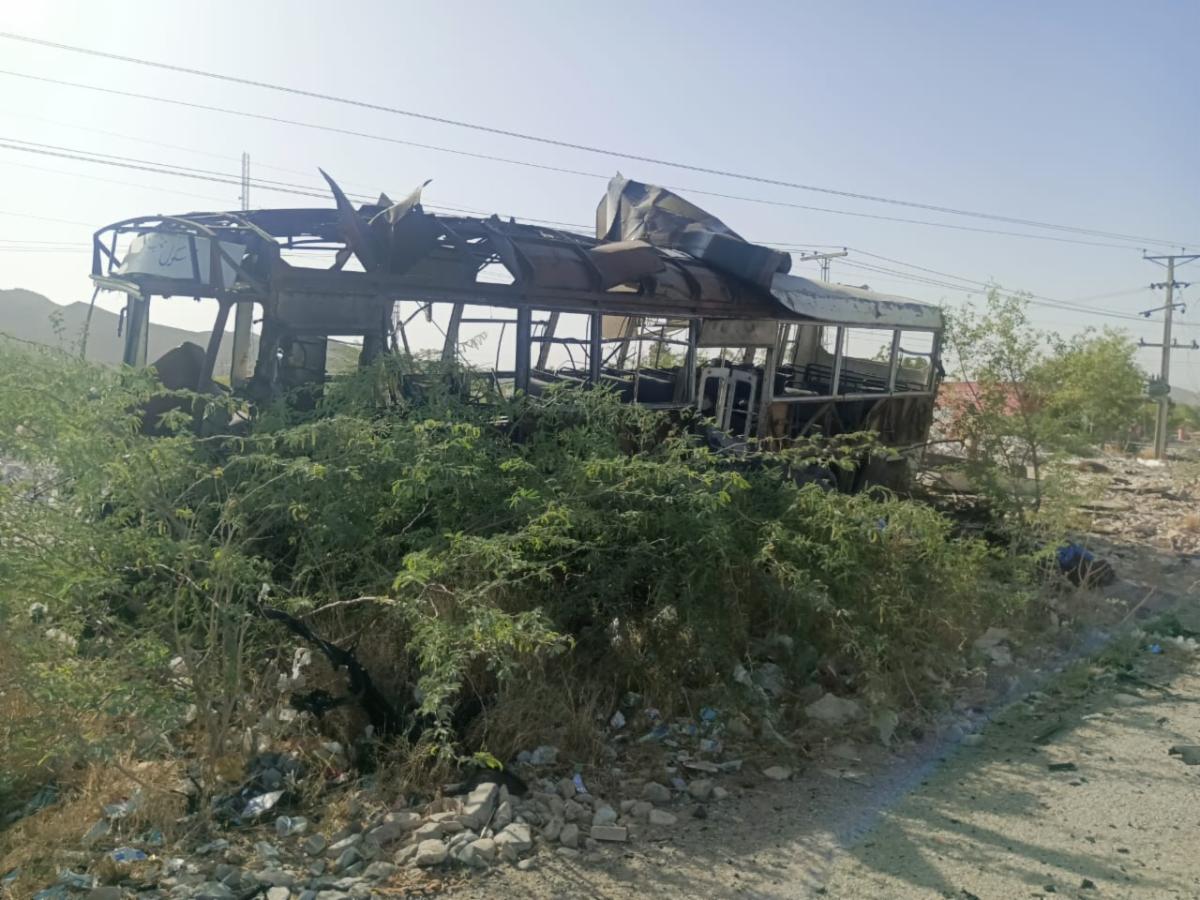
| | | TRAC Incident Report: Unknown Militants Target Army Public School Bus in a Suicide Vehicle-Borne Improvised Explosive Device (SVBIED) Attack, Killing 6 & Injuring 43 (Majority Children), near the Zero Point Area of Khuzdar District, Balochistan, Pakistan | | |
On 21 May 2025, a Suicide Vehicle-Borne Improvised Explosive Device (SVIED) detonated near a school bus associated with the Army Public School in the Zero Point area of Khuzdar District, Balochistan, Pakistan. The explosion resulted in six confirmed fatalities, including three schoolgirls and two boys, and 43 others injured, among them 18 schoolgirls, 12 boys, and several women and men. The death toll may rise, as at least 12 of the wounded remain in critical condition.
This attack marks one of the deadliest assaults on schoolchildren in Balochistan in recent memory, sparking outrage and fear across the province. Although no group has yet claimed responsibility, the location, target, and method of the attack strongly point toward local insurgent actors. Khuzdar is a long-standing centre of Baloch separatist militancy, and both the Baloch Liberation Front (BLF) and Baloch Liberation Army (BLA) have a documented history of attacking infrastructure tied to the Pakistani state, including roads, security forces, and educational institutions with military affiliations.
Targeting the Army Public School bus may have been intended as a symbolic strike against perceived state indoctrination mechanisms, given that such schools are operated under the administrative control of Pakistan’s military and are viewed by insurgents as soft extensions of military presence. However, the attack’s high civilian toll, particularly among children, raises critical questions. If this was a deliberate targeting, it could indicate a troubling shift in tactics toward more indiscriminate violence, which risks further alienating local communities. If the attack was instead a misfire, miscalculation, or premature detonation, it would suggest operational failure or poor intelligence on the part of the perpetrators.
Other, though more speculative, alternative theories have also surfaced. Some observers have pointed toward Islamic State Khurasan Province (ISKP) as a potential actor. While ISKP is less active in Balochistan than in eastern Afghanistan or KP, the group has previously targeted schools, particularly if perceived as promoting secular or military-backed curricula. For ISKP, children affiliated with state institutions may be deemed legitimate targets, particularly if they are seen as future military cadres or symbols of state “apostasy.”
Meanwhile, conspiratorial narratives circulating on social media suggest the possibility of a false flag operation carried out by elements within the Pakistani security apparatus to blame India or discredit Baloch insurgents. Such theories, while unproven and politically charged, reflect the deep mistrust between local populations and state authorities and underscore the high-stakes information warfare accompanying physical violence in the region.
In either case, the targeting of schoolchildren, whether intentional or collateral, represents a deep moral and strategic fault line in the ongoing conflict in Balochistan. If Baloch insurgents are confirmed to be behind the attack, they risk eroding any remaining legitimacy by violating community red lines. In the absence of a clear claim, the incident will likely deepen regional instability, fuel conspiracy narratives, and harden positions on all sides.
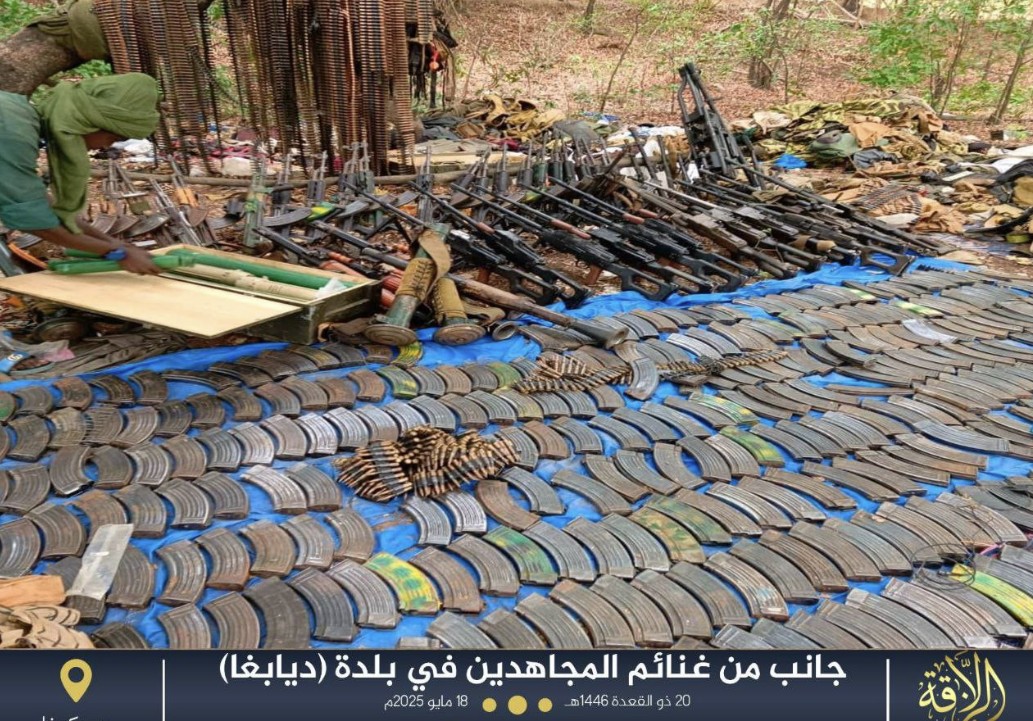
| | TRAC Incident Report: Jama’at Nusrat al-Islam wa al-Muslimin (JNIM) Militants Disguised in Military Uniforms, Take Over a Military Base in the City of Diapaga, Freeing Inmates, Tapoa Province, Burkina Faso | | |
On 13 May 2025, around 8:00 PM local time, Jama’at Nusrat al-Islam wa al-Muslimin (JNIM) militants launched a large-scale, coordinated assault on a military base in the city of Diapaga, Tapoa Province, Burkina Faso. The militants overran the facility and took control in a calculated operation with multiple strategic objectives. Notably, this assault came just 48 hours after a similarly high-profile attack by JNIM in Djibo, signalling a significant escalation in the group’s operational tempo and ambition. Emerging details from the Diapaga raid reveal that JNIM also targeted the Diapaga Detention and Correctional House, reportedly freeing inmates during the chaos. TRAC assesses that the prison may have held high-value detainees affiliated with JNIM, which would explain the group’s premeditated and well-organised attack. This reinforces the theory that the operation was not merely opportunistic but strategically designed to achieve specific logistical and symbolic goals.
Social media footage from the attack shows some JNIM fighters wearing Malian army uniforms, which TRAC believes were likely looted from previous raids in Mali. The use of these uniforms is emblematic of JNIM’s transnational strategy: leveraging porous borders and smuggling routes between Mali and Burkina Faso to infiltrate and strike across national lines. It also serves a psychological warfare purpose by blurring identities and instilling confusion among local security forces and civilians.
The attackers also destroyed an AES-branded roundabout—symbolising the Alliance of Sahel States, a political and military bloc formed by Mali, Niger, and Burkina Faso. This mirrors the recent JNIM attack in Djibo, where fighters also posed at another AES roundabout. Such actions are highly symbolic: by desecrating these landmarks, JNIM is making a deliberate statement against the regional confederation and asserting its ability to challenge the legitimacy of state-backed alliances.
While the Diapaga base was guarded not only by regular military units but also by elements of the Rapid Intervention Battalion (BIR) and the Volunteers for the Defence of the Homeland (VDP), it still fell. This underlines both the increasing sophistication of JNIM’s battlefield tactics and the continuing vulnerabilities of Burkina Faso’s overstretched defence architecture. The fact that both Djibo and Diapaga, urban centres of strategic importance, fell so quickly further exposes the limits of the AES security model.
The implications of these twin offensives are profound. TRAC assesses that these attacks reflect a shift in JNIM’s strategy from operating primarily in rural insurgency zones to targeting key urban and semi-urban strongholds. This urban push suggests the group is confident in its manpower, coordination, and access to weapons and vehicles, including two drones reportedly seized during the Diapaga operation. JNIM’s success in Diapaga also has regional consequences. Located just 25 kilometres from the border with Togo, the city historically served as a security buffer zone against jihadist infiltration. With this buffer now compromised, the risk of militant spillover into northern Togo and Benin increases sharply. This threatens not only Burkina Faso’s internal security but also the broader stability of the Gulf of Guinea region.
Ultimately, JNIM’s back-to-back victories in Djibo and Diapaga are a warning signal: the group is not only resilient but expanding its territorial ambitions. These assaults mark a turning point in the trajectory of jihadist insurgency in the Sahel, from persistent rural attacks to a more conventional campaign aimed at territorial control and state erosion.
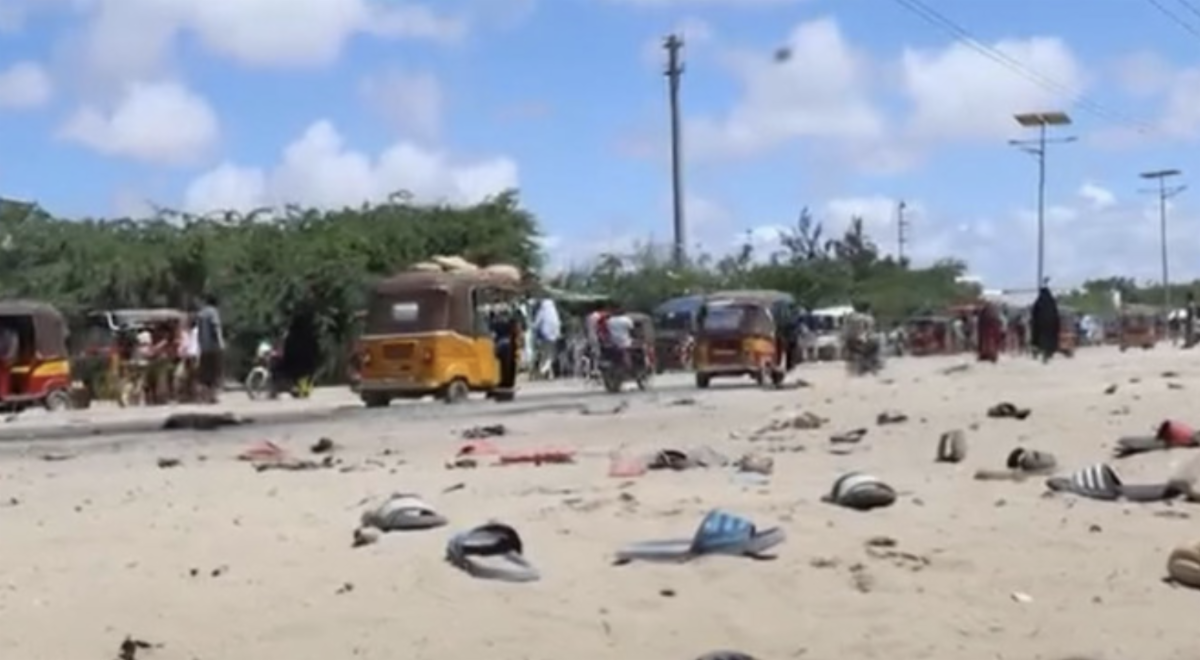
| | TRAC Incident Report: Al-Shabaab Suicide Bomber Detonates Improvised Explosive Device (IED) Targeting Somali Army Recruitment Center, in Damanyo Army Camp, Mogadishu, Somalia | | |
On 18 May 2025, Al-Shabaab carried out a devastating suicide bombing targeting the Damanyo Army Camp in Mogadishu, Somalia. The attacker detonated himself among hundreds of young men lined up to enlist in the Somali National Army (SNA). According to Al-Shabaab’s official claim, the blast killed at least 30 would-be recruits and injured more than 50 others. The scale, location, and timing of the attack mark it as one of the group’s most high-profile and strategically effective suicide operations in recent months.
The bombing comes at a time when the Somali government is actively ramping up recruitment efforts to bolster its forces, which are stretched thin amid Al-Shabaab’s intensifying insurgency across southern and central Somalia. The strike was not random; it was calibrated to disrupt this process at its core by directly targeting youth before they could even begin military training. By hitting a recruitment site in the capital itself, Al-Shabaab delivered a chilling message: not only are government institutions incapable of protecting their citizens, but even the act of aspiring to serve in the national army is punishable by death.
This attack underscores a broader pattern in Al-Shabaab’s tactics—strategic, media-conscious, and psychologically destabilising violence that undermines public confidence in the state. TRAC assesses that this incident will almost certainly deter future recruitment, slow the expansion of the SNA, and force the government to divert resources toward internal security at a time when frontline operations are already faltering. Moreover, it reflects Al-Shabaab’s operational maturity and the group's capacity to plan and execute high-casualty attacks in highly secured areas.
Of particular concern is the leadership behind this operation. The current head of Al-Shabaab’s suicide bombing division, Yahye Ahmed Mohamud, shares close familial ties with Somali Minister of Information Abdirahman Yusuf Al-Adaala, having grown up in the same household and once partnered in business. This detail not only raises the spectre of insider risks and state infiltration but also reflects the complex social fabric within which Al-Shabaab thrives. The group has historically exploited clan loyalties and familial links to gain access, intelligence, and legitimacy within Somali society.
Globally, Al-Shabaab is often overshadowed by more publicised jihadist movements like the Islamic State or Al-Qaeda branches in the Sahel or Syria. Yet TRAC strongly contends that this perception underestimates Al-Shabaab’s actual strength. The group maintains a robust territorial presence, exacts regular taxation, controls illicit trade networks, and effectively governs large swathes of rural Somalia. As Somalia’s federal government continues to show institutional weakness and international support wanes, TRAC contends that Al-Shabaab is positioning itself for a long-term campaign to seize Mogadishu—possibly within the next few years.
This latest bombing is not just another act of terror; it is a data point in a broader trajectory that points toward Al-Shabaab’s evolution from insurgent movement to proto-state actor. The group’s ability to destabilise the very process of state-building—targeting recruits before they even become soldiers—shows a calculated effort to dismantle the Somali state from the inside out. The international community must no longer treat Al-Shabaab as a peripheral threat; it is a central player in the future of Somalia and arguably one of the most successful jihadist groups operating today.
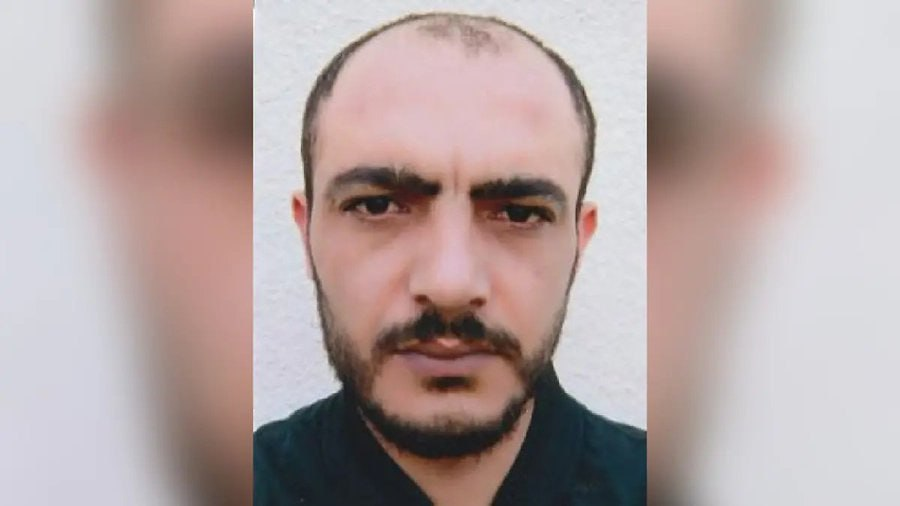
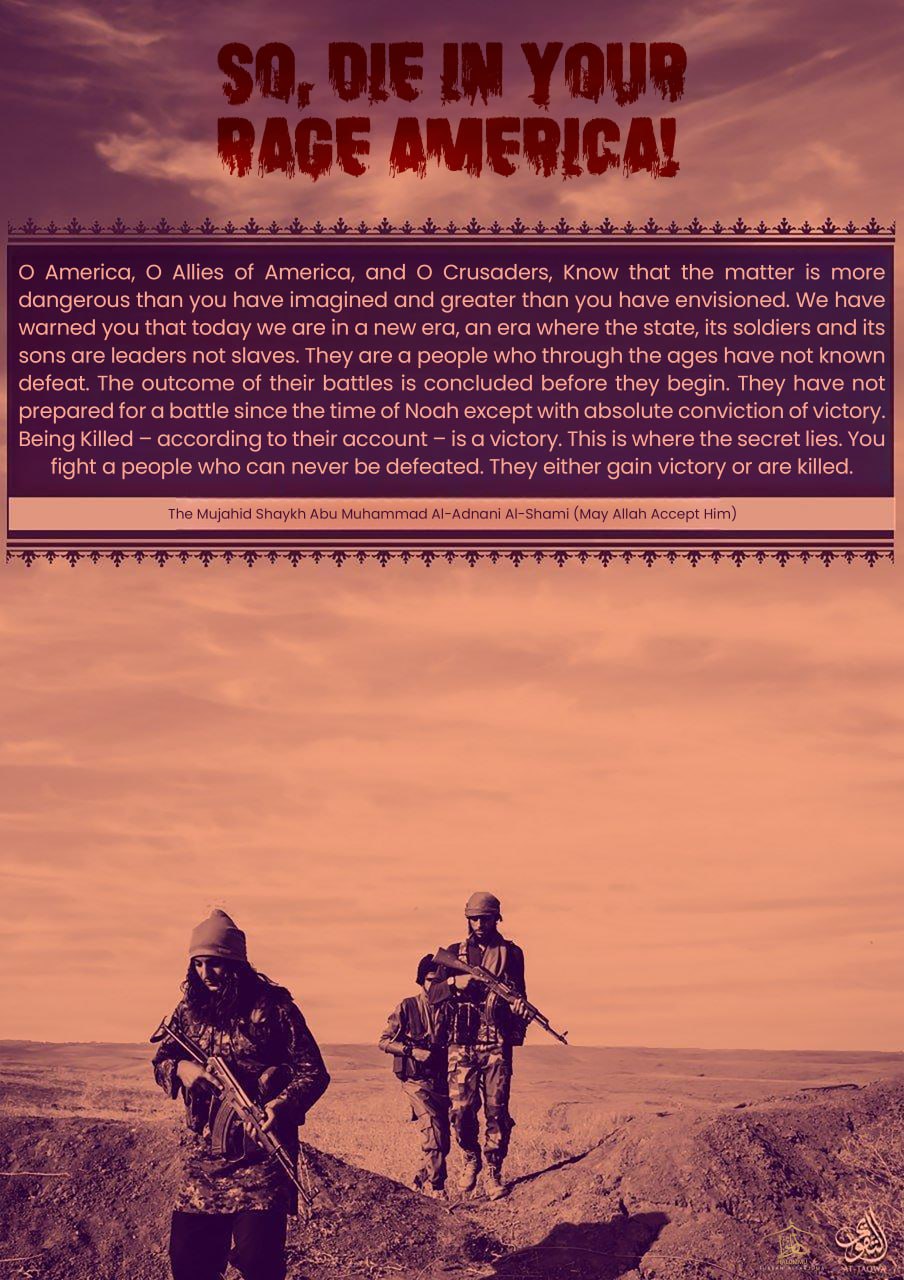
| | TRAC Incident Report: 35-Year-Old Syrian Immigrant Mahmoud Mhemed Injures Five Football Fans with Cane Concealing Hidden Blade [Knife Attack] Outside Cutie Student Bar in Bielefeld, North Rhine-Westphalia, Germany | | (Poster) Unofficial Islamic State (IS) Halummu Media: ‘So, Die in your Rage America!’ | |
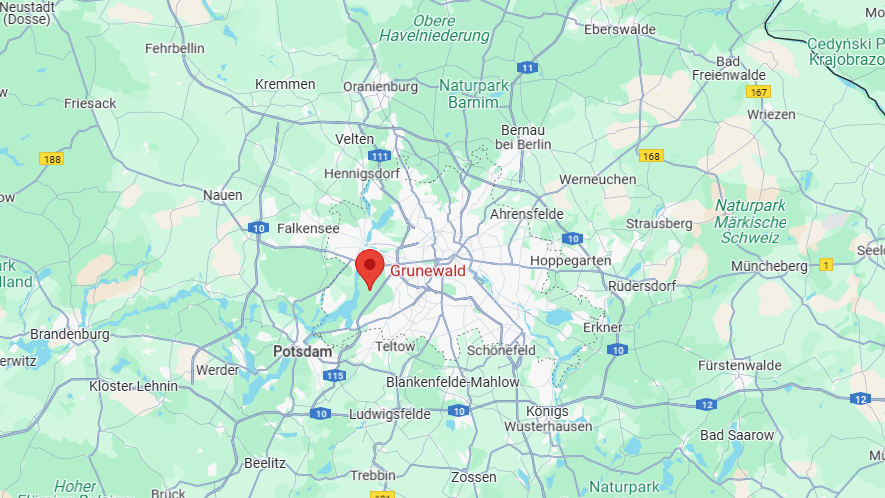
TRAC Incident Report: Anarchists of the ‘Vulkangruppe’ Sabotage Several Electrical Transformers Causing Power Outages under their Declared ‘Eat the Rich’ Uprising, Grunewald & Schmargendorf Areas, Berlin, Germany
| | | | |