|
Clashes Erupt in Suwayda Between Druze Militias & Bedouin Tribes Backed by Damascus
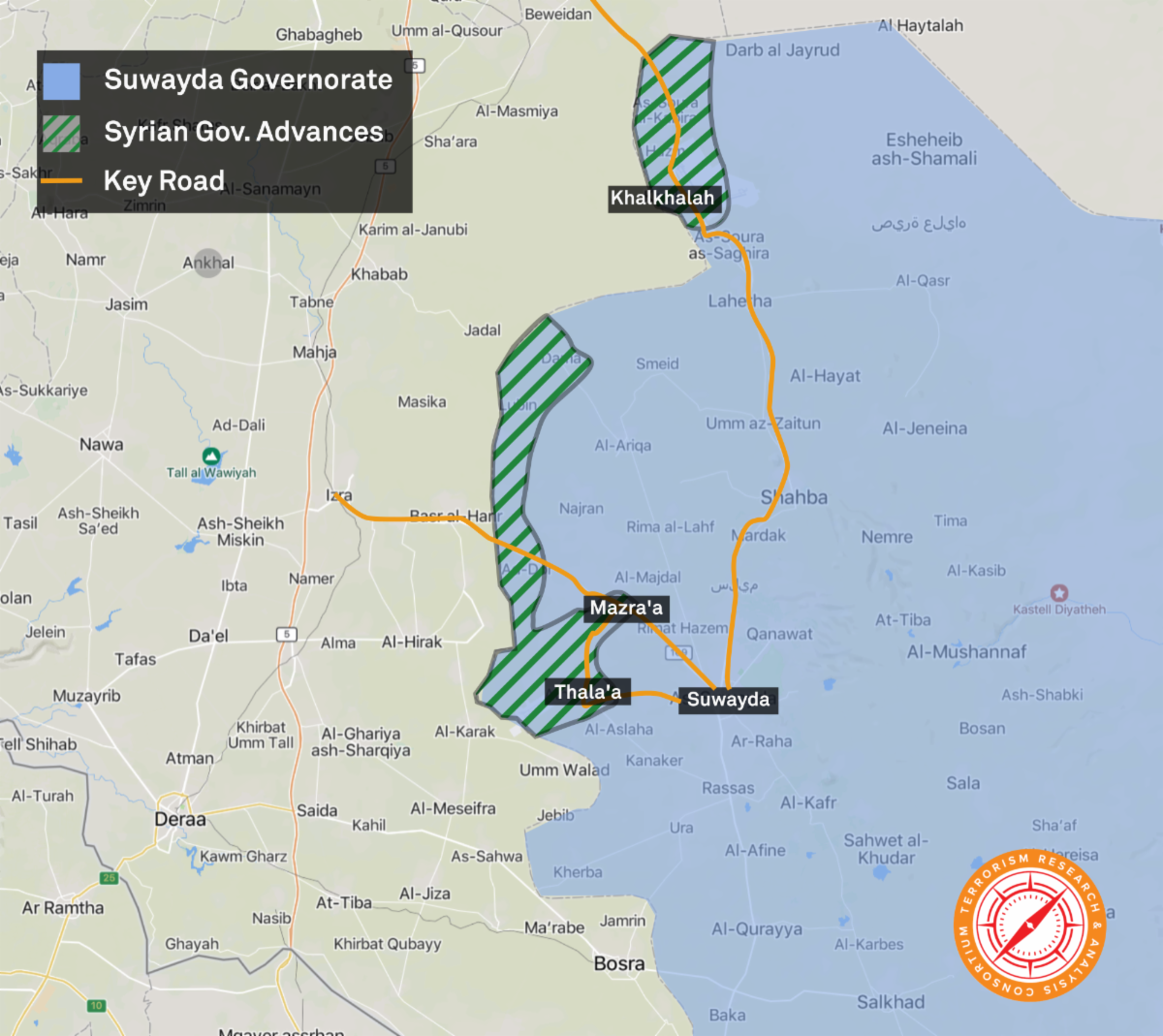
On 13 July 2025, heavy fighting broke out between Bedouin tribes and the Suwayda Military Council (SMC) in the al-Maqous neighbourhood of Suwayda city. Bedouin forces also launched attacks on SMC checkpoints, including one at Al-Sourah Al-Kabirah, a key entrance to Suwayda Governorate. The violence quickly escalated, with signs of coordination across multiple fronts.
By 14 July, forces from the Syrian Arab Army (SAA) and the General Security Service (GSS) intervened on the side of the Bedouin fighters, helping them seize control of several villages on the border of Suwayda Governorate. Druze factions, including Rijal al-Karama and Sheikh al-Karama (led by Layth al-Balous), mobilised in support of the SMC. The initial clashes were between Bedouin militias aligned with the HTS-led government and the SMC, which has drawn inspiration from the Syrian Democratic Forces’ military council structure but is primarily composed of former SAA officers. Notably, the SMC has openly called for Israeli intervention in the conflict.
Deployment of Heavy Forces and Problematic Allies
Regular army units, including the 52nd, 54th, 72nd, 82nd, and 86th Divisions, along with armoured vehicles, tanks, and MLRS systems, were deployed. Among them was Ahrar al-Sharqiya, a former Syrian National Army (SNA) faction notorious for committing war crimes against Kurdish activists in Turkish-controlled zones and Alawite civilians during the March coastal massacres. However, Israeli airstrikes on advancing government columns have slowed Damascus’ ability to project force, highlighting Tel Aviv’s significant influence over developments in southern Syria.
Sectarian Humiliations and Rising Atrocities
Disturbing incidents have emerged during this latest wave of fighting. Videos have circulated showing captured Druze fighters being humiliated, most notably by having their moustaches shaved, echoing scenes previously documented during fighting in Jaramana. In retaliation, Druze militias have reportedly humiliated captured opponents by cutting their long hair, a common mujahideen practice. The overt use of religious symbolism by pro-government forces and the reciprocal sectarian rituals suggest a deepening sectarianization of a region that had largely avoided the worst of the Syrian civil war.
While large-scale violence against Druze civilians has not yet materialised, unlike the massacres targeting Alawites on the coast, the tone of state rhetoric and its militarised response to Suwayda’s autonomy risks triggering another humanitarian crisis. Damascus’ reliance on loosely controlled, radicalised militias with no effective command structure or disciplinary oversight further fuels this dangerous escalation. The recent involvement of previously neutral Druze factions has intensified the conflict. What began as localised skirmishes has now morphed into a broader regional confrontation, with Druze militias uniting against what they perceive as illegitimate central interference in their affairs. Damascus, rather than restraining the Bedouin factions, has actively backed them, using the unrest as cover to seize territory from local Druze authorities.
Strategic Gains: Damascus Closes In on Suwayda Capital
Government-aligned forces have now captured Khalkhalah and the main northern road into Suwayda province, along with the town of Mazra’a, the home base of Sheikh al-Karama. They also seized nearby Thala’a Airport, placing them less than 10 kilometres from the provincial capital. These gains position Damascus and its Bedouin allies for a possible push deeper into the governorate. HTS may also seek to use this momentum to dismantle the self-policing accord it agreed to with Druze militias earlier in 2025.
This is not the first time tensions between the HTS-led government and Druze factions have turned violent. Following the collapse of the Assad regime, early attempts by HTS forces to enter Suwayda triggered clashes, leading to an agreement allowing Druze factions to manage their internal security. That fragile arrangement has been tested repeatedly. On 28 February 2025, a new government patrol attempting to enter the Druze-majority suburb of Jaramana was blocked, sparking another round of violence. In late April, additional clashes erupted in Jaramana, Sahnaya, and Ashrafiyah Sahnaya after Damascus again tried to assert its authority through force.
| | | |
TRAC Incident Report: Balochistan Liberation Front (BLF) Launches “Operation Baam” Conducting 84 Attacks Across Balochistan, Pakistan
| | |
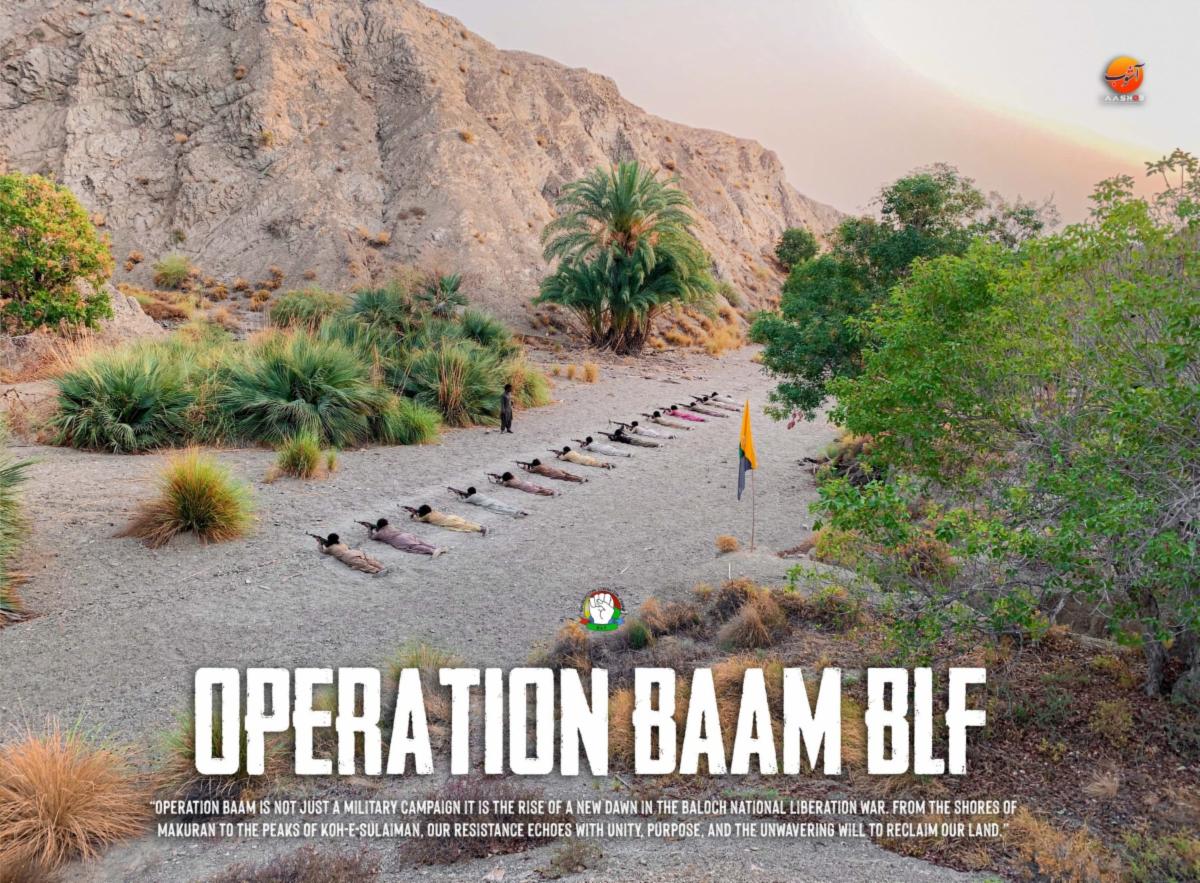
In just three days, between 9–11 July 2025, the Balochistan Liberation Front (BLF) launched “Operation Baam” (Dawn), executing 84 attacks across Balochistan in a show of both geographic reach and ideological renewal. Framed as a campaign that stretched “from the Makuran coast to the mountains of Koh-e-Sulaiman,” the operation asserted the group’s ability to coordinate across Balochistan’s vast expanse, from the ports of Gwadar and Kech to the rugged mountains of Dera Bugti and Kohlu. Labelling the operation a 'new dawn' positions it as more than just a tactical surge. It represents a shift in narrative, from reactive insurgency to proactive, ideologically driven warfare. This framing appears designed to reinvigorate support, reestablish legitimacy, and overcome recent stagnation or attrition.
The operation demonstrated notable command cohesion, with the ability to strike targets across varied terrain, from urban hubs to remote mountainous strongholds. BLF spokesperson Gwahram Baloch emphasised that attacks were deliberately planned against military, economic, and symbolic state infrastructure. Units deployed reportedly included snipers, IED teams, and direct assault squads. By attacking government infrastructure, including NADRA offices, banks, Levies outposts, and assistant commissioners' offices, the BLF employed a textbook guerrilla warfare approach: “Hit, control, speak, and withdraw.” These actions weren’t just about material disruption; they also sought to fill temporary power vacuums with their messaging, building local legitimacy and signalling that the insurgency is disciplined, not indiscriminate.
The use of “84 attacks in three days” functions as quantitative symbolism, intended to communicate omnipresence, coordination, and resolve. This numerical density serves as a psychological force multiplier, affecting both supporters and adversaries. It marks a rhetorical transition from resistance to retribution. The phrase “Balochistan will no longer remain the goose that lays golden eggs” redefines the region from a passive resource colony to a battlefield of justice and vengeance. Terms like “fire and blood” replace imagery of compliance with revolution, irrevocability, and sacrifice. The messaging constructs the BLF’s campaign as not just strategic, but spiritually and morally righteous.
BLF’s declaration directly challenges the ideological foundation of the Pakistani state. By denouncing “Punjabi chauvinism and fascism” and rejecting the state’s use of Islamic brotherhood as a unifying tactic, the group reframes the conflict in secular, ethnonationalist terms. This mirrors other post-colonial struggles, where religion was viewed as an instrument of imperial control rather than a means of communal solidarity. In doing so, the BLF positions its insurgency as one of ethnic liberation, not sectarian rebellion, underscoring a deliberate ideological rupture from Islamabad’s preferred framing of unity through Islam.
Operation Baam’s statement may stand as a defining entry in the canon of Baloch nationalist political literature. It is equal parts threat, political declaration, and call to arms. Framing the movement as a national awakening, it reinforces an image of the BLF as righteous, unrelenting, and increasingly unified.
In a parallel development, prominent Baloch human rights figures remain detained without a legal basis. Dr. Mahrang Baloch, head of the Baloch Yakjehti Committee (BYC), and activist Beebow Baloch were arrested on March 22, 2025, under the Maintenance of Public Order Ordinance (MPO). Although their three-month detention period expired on 22 June, they remain in custody without judicial review. Other BYC members, including Bibagar Baloch, Sabghatullah Shah Ji, Gulzadi Baloch, Mama Ghaffar Baloch, and Imran Baloch, are also being held in violation of Article 10(4) of Pakistan’s Constitution, which mandates judicial oversight for any preventive detention exceeding 90 days. On 8 July 2025, a judicial board was scheduled to review their extended detentions. However, the activists were diverted instead to Quetta’s Anti-Terrorism Court (ATC), which handed down a fresh 10-day remand based on new FIRs, widely seen as a procedural manoeuvre to prolong their detention without evidence.
These ongoing violations have inflamed tensions across Balochistan, further legitimising the insurgent narrative that Islamabad’s legal and political structures are weaponised tools of repression rather than justice.
| | TRAC Incident Report: Clashes Between Rival Moro Islamic Liberation Front (MILF) Factions Erupt in Barangay Panadtaban, Radjah Buayan, and Barangay Kilangan, Pagalungan, Maguindanao del Sur, Philippines | | |
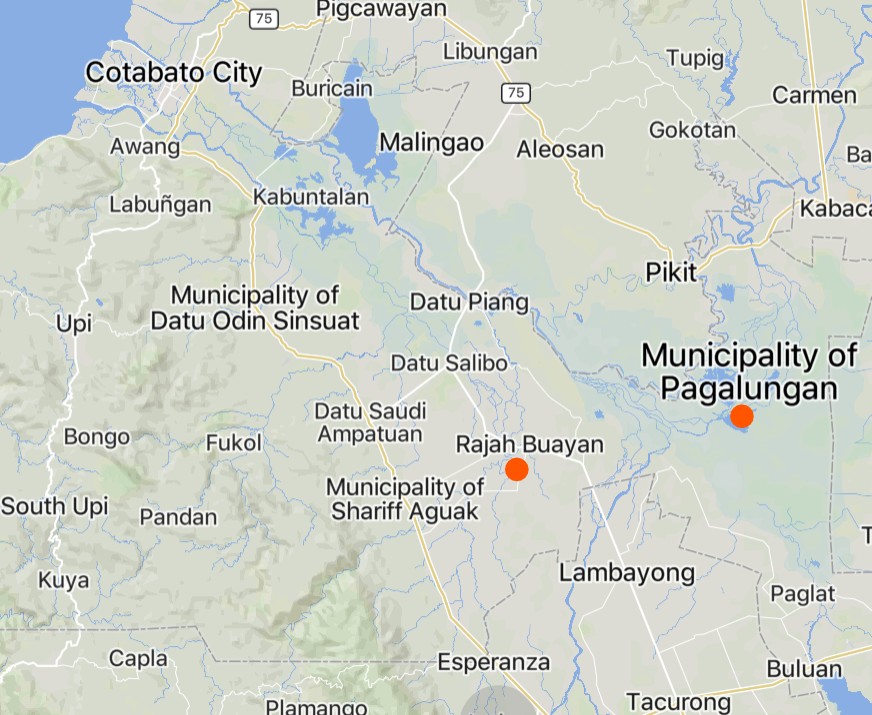
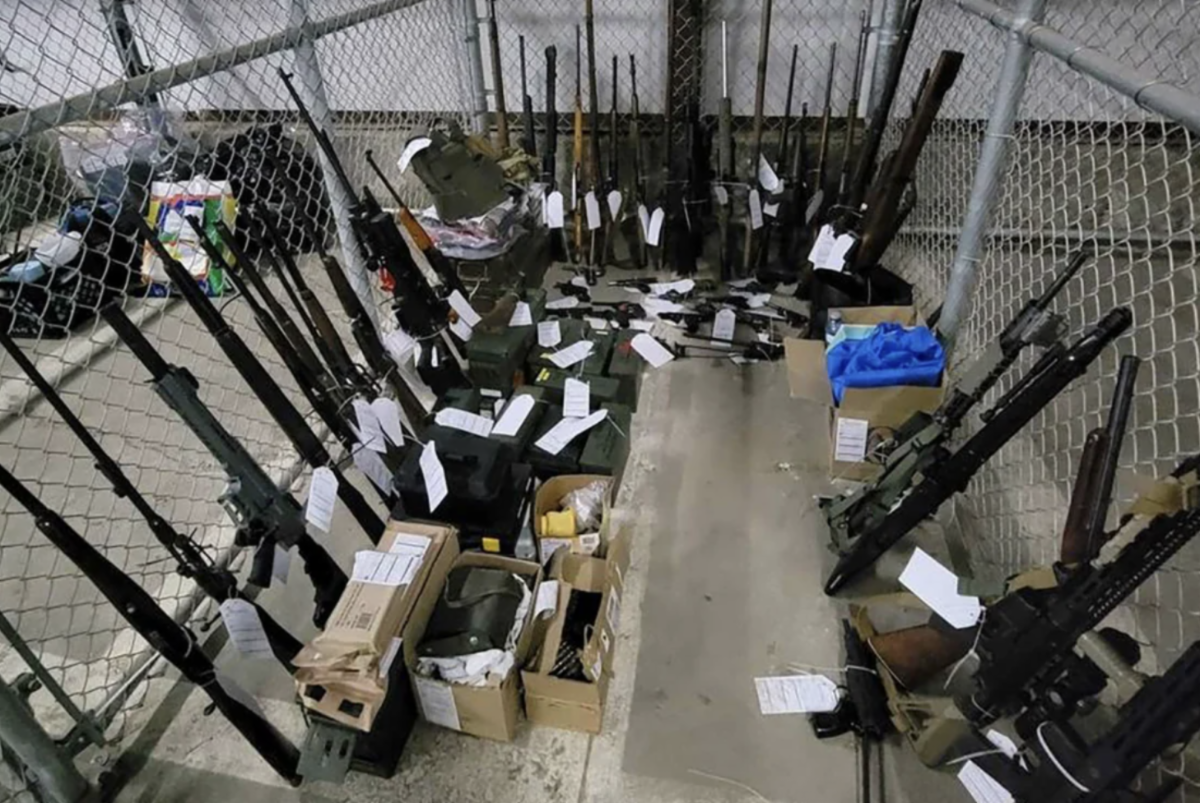
On 07 July 2025, security forces arrested three members of the Moro Islamic Liberation Front (MILF) following an armed confrontation with a rival faction in Barangay Panadtaban, Radjah Buayan, Maguindanao del Sur. The operation was conducted after a clash erupted between two competing MILF groups, highlighting ongoing internal fractures within the organisation. During the arrest, troops confiscated a cache of weapons, including an M14 assault rifle, a .45 calibre pistol, an improvised 20-gauge shotgun pistol (commonly referred to as a ghost gun), assorted ammunition for high-powered firearms, and several Improvised Explosive Devices (IEDs). These seizures underscore the increasing militarisation of rival factions, even as the MILF remains nominally committed to the peace process with the Philippine government.
The incident in Panadtaban is not an isolated case. Other barangays in the region, such as Masigay (Datu Piang), Damatulan (Nabalawag), and Lomopog (Midsayap, Cotabato), have experienced similar outbreaks of violence in recent days. These armed confrontations are linked to longstanding intra-MILF tensions, part of a broader phenomenon locally known as “rido” (clan or familial feuds), often rooted in land disputes, historical rivalries, and local political competition. In TRAC’s opinion, this recent surge in violence is directly connected to the outcome of the 12 May 2025 elections. Several MILF factions are believed to have supported opposing candidates, and the current wave of retaliation represents an effort to settle perceived betrayals through force. Such patterns of post-electoral retribution are common in areas where armed actors and political allegiances intersect, further destabilising already fragile local governance structures. Tensions escalated further on 08 July 2025, when two other MILF factions engaged in a firefight in Barangay Kilangan, Pagalungan, Maguindanao del Sur. The gun battle caused widespread panic among residents, prompting temporary displacement and heightening fears of a broader conflict spiral.
The persistence of MILF factionalism, despite the formal decommissioning process under the Bangsamoro peace agreement, raises concerns about the group's cohesion and the effectiveness of the disarmament process.
| | TRAC Incident Report: Bandits Use Motorcycles to Surround Town Before Killing Six and Kidnapping 20 People, Rijau, Niger State, Nigeria | | |
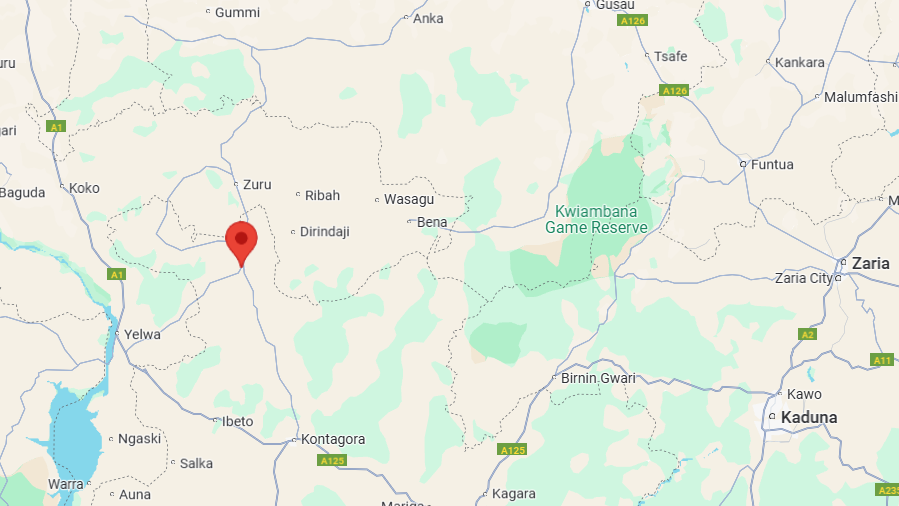
On 14 July 2025, bandits riding over 200 motorcycles, often with three armed men per bike, surrounded and invaded the community of Rijau in Niger State, Nigeria. The attackers killed at least six farmers, abducted 20 women, and looted homes, camps, and food stores, while also rustling livestock. According to sources on the ground, the bandits ransacked everything, not only valuables but essential food supplies, ensuring survivors would go hungry while the assailants remained well-fed at their forest camps.
What shook Rijau’s residents the most wasn’t only the gunfire, but the sheer visual terror of hundreds of armed men on motorcycles encircling the town. This encirclement tactic is now a hallmark of rural bandit warfare across northwestern Nigeria. By sealing off all routes, roads, footpaths, and bush trails, the bandits turn open land into a death trap. There’s no way to flee, and no way for reinforcements to arrive. The creeping realisation of entrapment spreads panic faster than bullets. In that confusion, residents and local defenders become disoriented and vulnerable, exposing their homes, families, and livestock to looting and abduction.
Motorcycles are key to the bandits’ dominance. Fast, agile, and capable of navigating rugged terrain, they allow gangs to move in synchronised waves, some riders scouting ahead, others securing the perimeter, and strike teams moving in to execute the core raid. In Rijau, locals described the bandits as moving like a swarm, emerging from the surrounding countryside to overwhelm the town with speed and coordination. However, it’s not just the machines, it’s the intimidating choreography of their use. When hundreds of motorcycles arrive in tight formation, the psychological effect is crushing. Even if only a small portion of the attackers actively engage, the illusion of a vast, disciplined force overwhelms local vigilantes and paralyses community resistance. The fear itself becomes a weapon, eroding morale, disrupting communications, and breaking down the will to defend.
The attack began in the afternoon, in broad daylight, a clear indicator that the bandits operate with near-total impunity. Even more disturbing is that the assault lasted over two hours, without interruption from security forces. Such a protracted and confident operation highlights the growing power and reach of rural bandit networks, who are now able to invade towns at will, terrorise populations, and disappear into forests with hostages and plunder, all without significant resistance.
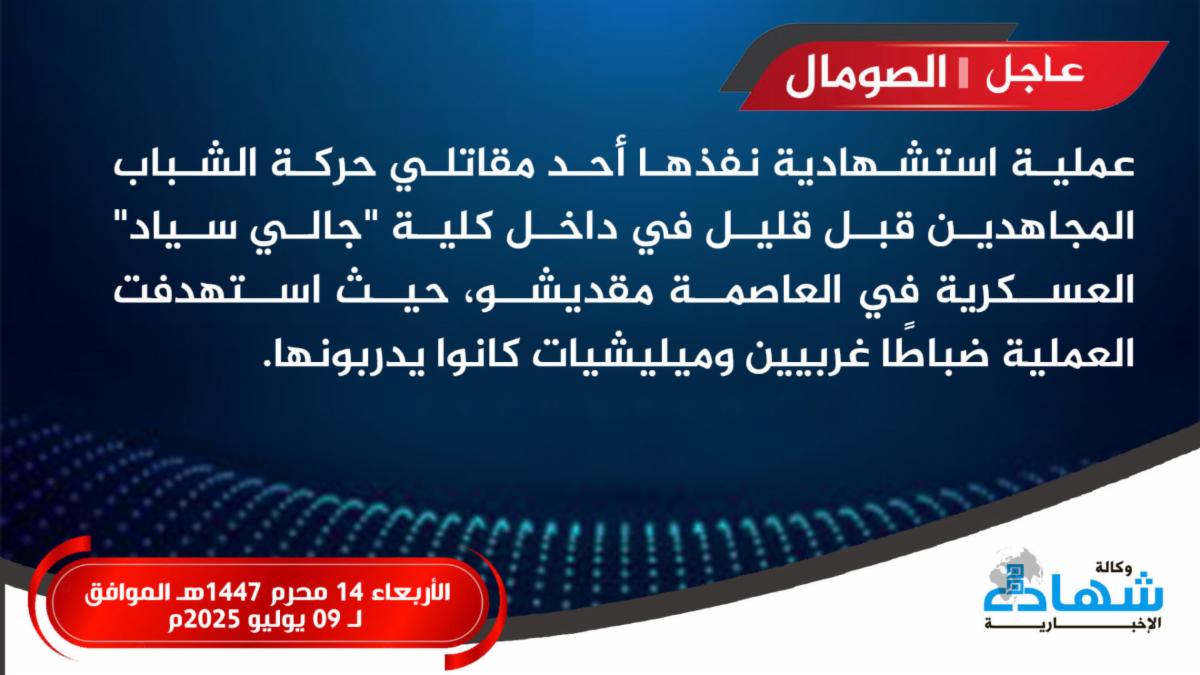
| | TRAC Incident Report: Al-Shabaab Militants Detonated a Suicide IED Targeting the Jaalle Siyaad Military College in Mogadishu, Somalia | | TRAC Incident Report: Chainsaw-Wielding Man Wearing a Gas Mask & Body Armour Neutralised by the Police, Park Gate Inn, Hollingbourne, Kent, England, United Kingdom | | TRAC Incident Report: Four Individuals Charged in Plot to Seize Land For Anti-Government Purposes Near Quebec City, Quebec, Canada | | | | |