|
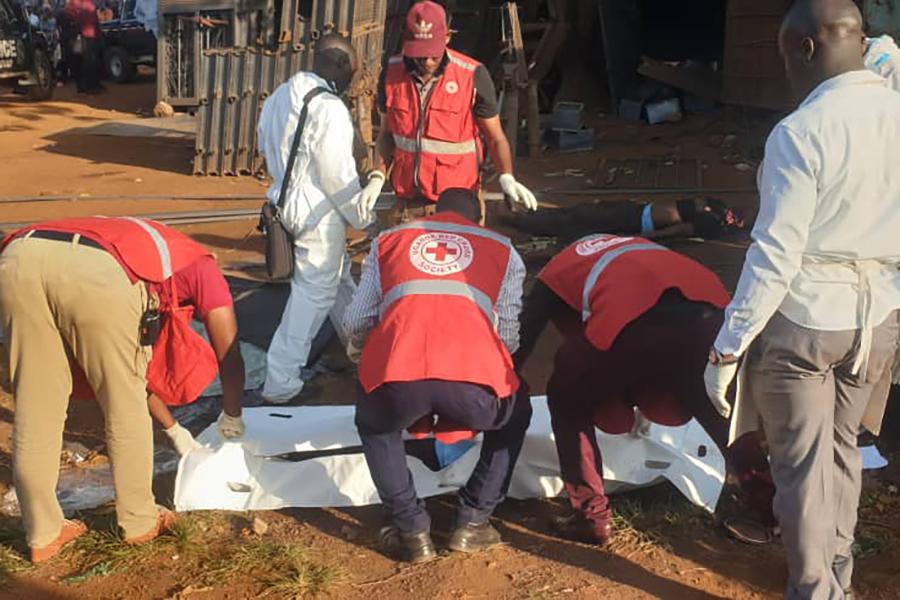
On 13 January 2025, Islamic State Central Africa Province (ISCA) militants detonated an improvised explosive device (IED) targeting Christians in Triangle, Buikwe District, Uganda. The IED was reportedly detonated in a shop, killing two individuals and causing significant damage to the building. This attack marks a stark escalation in ISCA's operational reach and capability within Uganda.
A Shift to Urban Targeting
This incident is particularly notable for its urban setting. Triangle, part of the larger Njeru-Jinja metropolitan area, lies just 45 miles (73 km) from Kampala’s capital. Unlike ISCA’s traditional focus on remote villages, this attack in a bustling urban centre represents a clear shift in strategy. Urban operations carry significantly higher risks of exposure and interdiction but also potently demonstrate ISCA's ability to strike at the heart of Uganda. If this urban targeting continues, ISCA may refine its methods to strike larger gatherings, such as church congregations, raising the threat level considerably for Ugandan authorities.
Unusual Target and Tactical Shift
The choice of a shop as the attack site signals a departure from ISCA's usual modus operandi. Typically, ISCA targets remote villages, often involving raids or massacres. This incident mirrors tactics more commonly associated with al-Shabaab, which frequently targets shops, restaurants, and hotels to strike both civilians and security forces. This shift to a high-profile urban environment should act as a wake-up call for the Ugandan government to adapt its counter-terrorism measures accordingly.
Militants Escape: Uganda’s Interdiction Challenges
The militants responsible for planting and detonating the IED reportedly escaped, compounding the threat. Their continued presence in the area underscores Uganda’s challenges with effective interdiction and intelligence gaps. This incident also lends credence to TRAC’s long-standing suspicion that ISCA’s bomb-making operations have a foothold in Uganda. A skilled ISCA bomb maker actively operating in the region would not only facilitate such attacks but also heighten the overall threat of recurring incidents. The ability of the attackers to evade capture highlights the urgent need for a coordinated and robust counter-terrorism response to neutralise this growing urban menace.
| | |
TRAC Incident Report: Spanish Tourist Allegedly Kidnapped by Islamic State Greater Sahara (ISGS) Near Tamanrasset, Southern Algeria | |
|
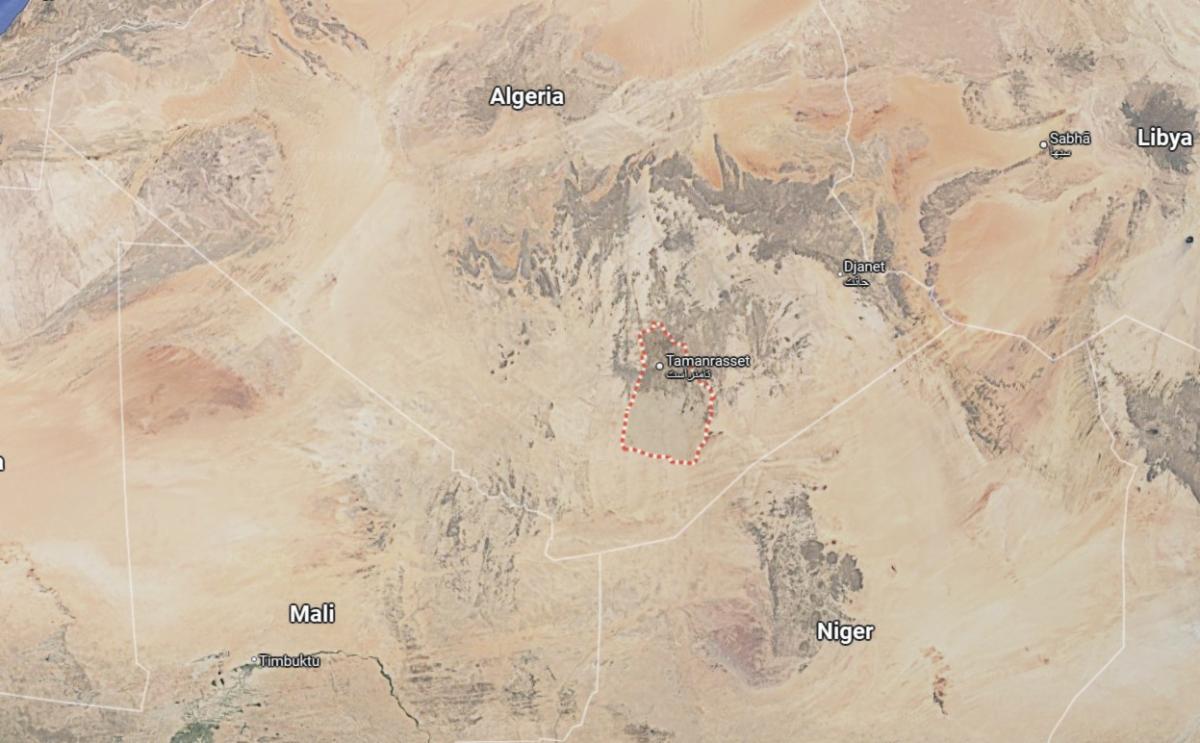
On 15 January 2025, suspected militants of the Islamic State in the Greater Sahara (ISGS) reportedly abducted a Spanish tourist near Tamanrasset, southern Algeria. The victim, a Spanish man in his sixties, was taken by five armed men disguised in military uniforms resembling those of Algeria’s national army. According to local sources, the militants transported him toward Ménaka, Mali, an ISGS stronghold. The kidnappers freed other individuals accompanying the Spanish tourist. Spain’s foreign ministry confirmed the abduction on 16 January but provided minimal details regarding the victim’s identity.
This incident followed the abduction of an Austrian woman, 75-year-old Eva Gretzmach, in Agadez, Niger, on 13 January. Jama’a Nusrat ul-Islam wa al-Muslimin (JNIM) denied involvement in the Niger kidnapping, leading TRAC to assess that ISGS is likely responsible for both abductions. The proximity of these incidents and ISGS's history of operating in areas like Tahoua, Agadez, and Ménaka further strengthens this theory.
This abduction highlights ISGS’s ability to strike across multiple borders, targeting foreigners with a focus on Western nationals whose governments are known to pay ransoms. The operation represents a significant threat to Algeria’s tourism sector, especially in the Tamanrasset region, which is already reeling from security challenges. ISGS has demonstrated an alarming capability to exploit border regions and utilise disguises to evade detection, raising concerns about their growing operational reach in the Sahel.
A few days later, on 21 January 2025, the Azawad Liberation Front (FLA) announced that it had liberated the Spanish tourist from his captors after he was transported into Azawad territory. The victim, reportedly in good health, awaits handover to Algerian authorities. While the FLA has denied involvement in the kidnappings, TRAC assesses that a ransom was likely paid, with the FLA mediating between ISGS and external parties. It is plausible that the FLA received a share of the ransom for permitting ISGS to operate in Azawad’s territory following the abduction.
Notably, Algeria has recently announced plans to boost gold production by reactivating abandoned mines in Amesmassa and Tirek, located in Tamanrasset. The 15 January abduction may be tied to these developments. ISGS and JNIM have a history of targeting mining operations by either siphoning gold or extorting mining companies. TRAC believes ISGS may leverage kidnappings as a strategic tool to pressure Algerian authorities into allowing them access to these lucrative operations. The kidnapping highlights the group’s dual objectives: securing short-term ransom payouts and exerting influence over regional economic activities like gold mining.
| |
TRAC Incident Report: Suspected Islamic State Yemen (ISY) Militants Clash with Houthis (Ansarallah) During an Operation in al-Bayda Governorate, Yemen | |
|
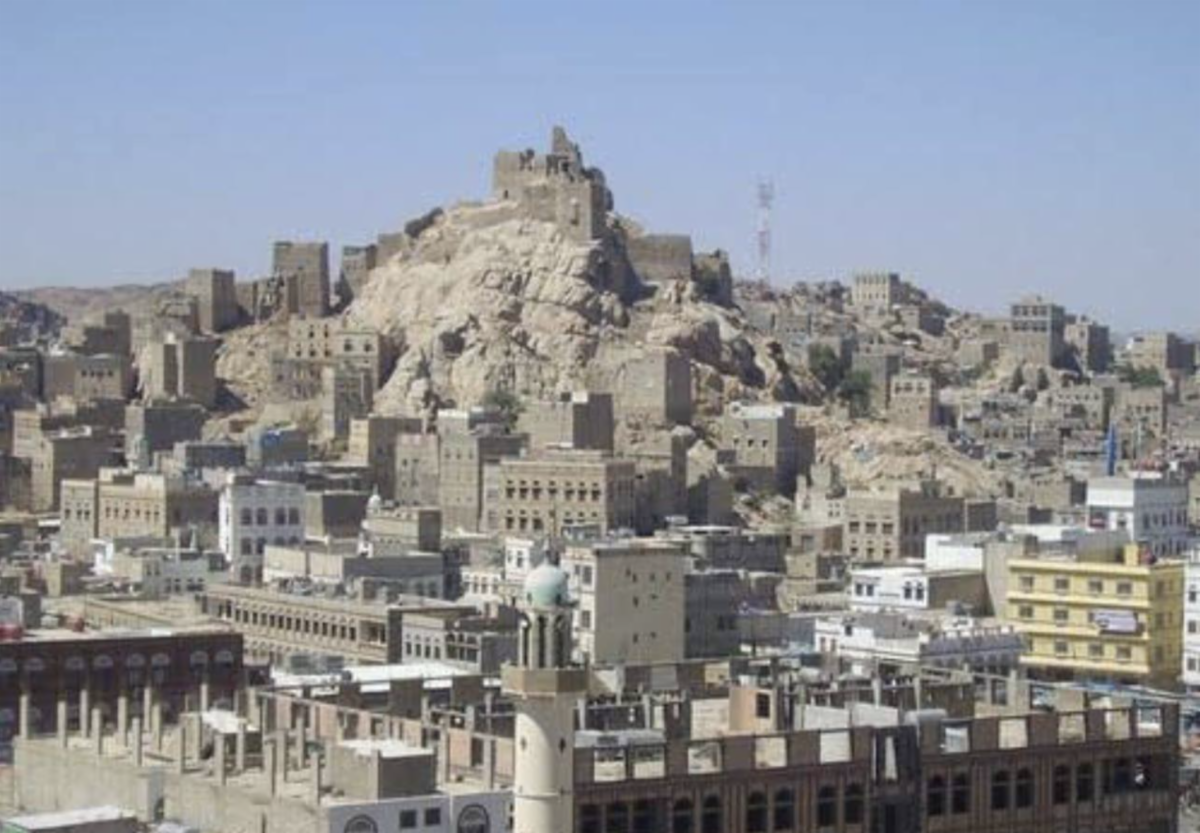
On 15 January 2025, Islamic State (IS) insiders reported that Houthi forces (Ansarallah) attempted to detain an Islamic State Yemen (ISY) militant, identified as Khaizum al-Khabazi, in the al-Bayda Governorate. During the operation, al-Khabazi detonated an explosive belt, resulting in the deaths and injuries of multiple members of the arresting force. This action sparked immediate clashes between ISY and the Houthis.
In retaliation, ISY militants launched a series of counterattacks, including the deliberate burning of agricultural fields owned by Houthi loyalists. They further ambushed and killed several members of the Houthi central security apparatus using improvised explosive devices (IEDs) and machine guns. Among the casualties was senior Houthi commander Muhammad Abdullah al-Rubaa. In a dramatic escalation, ISY militants attacked a Houthi security facility, killing all personnel inside and setting the building ablaze.
In response, Houthi forces implemented a communications blackout by cutting internet access in the region and conducted indiscriminate airstrikes targeting suspected ISY hideouts. Tragically, these strikes caused significant civilian casualties, including women and children.
This incident highlights the enduring, though understated, presence of ISY in Yemen. While the group has shown operational capabilities in high-profile attacks like this, their activities have remained relatively restrained. ISY has primarily operated in the shadows, avoiding the scale and publicity associated with groups such as Ansar al-Sharia in Yemen (ASY/AQAP) or the Houthis. Their last significant acknowledgement from IS Central occurred in August 2023, when ISY militants were featured in a photo pledging bay’ah (oath of allegiance) to the new Caliph, Abu Hafs al-Hashimi al-Qurashi. This suggests a deliberate strategy by ISY to remain low-profile and preserve its resources.
The al-Bayda Governorate is a strategically important and contested region. It is home to frequent clashes between the Houthis, ISY, AQAP, and local tribal factions. Its geographical significance within Yemen’s broader civil war amplifies the impact of this incident. ISY’s ability to operate in such a volatile environment underscores its focus on survival and strategic guerrilla tactics rather than direct and sustained confrontation.
ISY's cautious approach in Yemen reflects its prioritisation of preservation over expansion. While its attacks, such as ambushes and IED strikes, reveal operational capabilities, the group operates on a smaller scale than AQAP or the Houthis. The Security Belt Forces (SBF) captured ISY supporters in May 2023 and discovered ISY training camps in Luhij Governorate, indicating ongoing efforts to consolidate their forces discreetly. However, ISY’s limited resources and isolated cells suggest it will unlikely engage in large-scale operations shortly. Instead, if they attack again, they will continue using guerrilla tactics to weaken adversaries while minimising the risk of confrontation. IS Central is unlikely to formally endorse ISY’s operations unless the group significantly expands its influence and operational reach in Yemen.
| |
TRAC Incident Report: Bello Turji Releases all Captives in a Bid to Relieve Pressure from Advancing Nigerian Military, Zamfara State, Nigeria | |
|
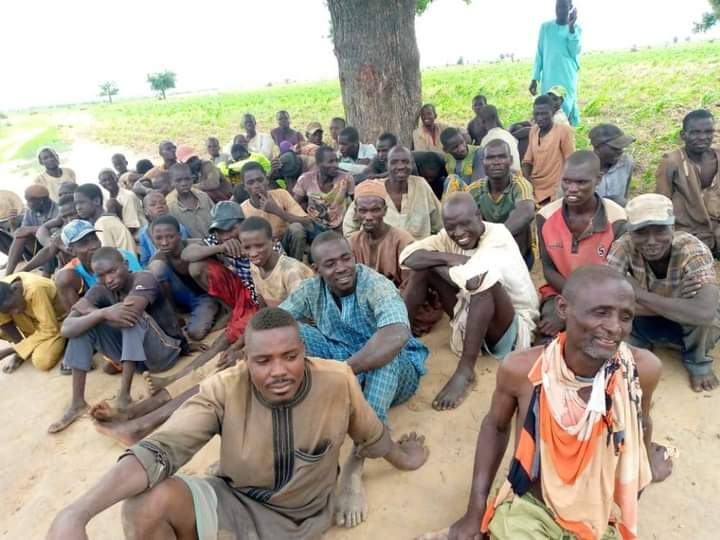
On 21 January 2025, notorious bandit leader Bello Turji released all captives held by his group as Nigerian military forces intensified operations aimed at dismantling his network in Zamfara State and surrounding regions. Turji’s decision to release the hostages appears to be a direct response to mounting pressure from the Nigerian Armed Forces under Operation Hadarin Daji and Operation Forest Sanity. Sustained airstrikes and ground offensives on his strongholds in Fakai, Shinkafi, and nearby areas have significantly weakened his group's operational capacity, forcing them to retreat.
TRAC is confident that Turji’s release is calculated to divert attention and buy time as the Nigerian military closes in. By releasing the captives, Turji likely hopes to slow the momentum of the military’s offensive, as authorities will now have to focus resources on processing and attending to the freed hostages. However, this manoeuvre comes with significant risks, leaving Turji without the protective buffer of human shields—an advantage he has previously relied on to deter strikes.
Military personnel involved in the operations remain resolute in their pursuit of Turji, vowing to apprehend him "dead or alive." While Turji’s release of hostages signals desperation, it also highlights his strategic thinking as he attempts to regroup and assess the evolving situation. Nevertheless, his position remains precarious, as the Nigerian authorities have demonstrated their willingness to conduct high-risk strikes, even at the potential cost of civilian casualties, to eliminate him.
| |
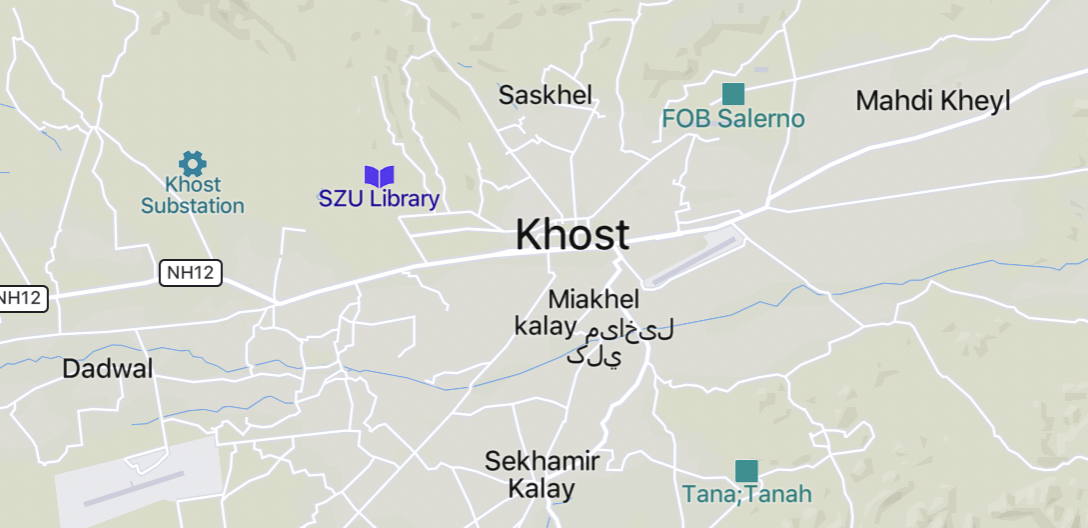
TRAC Incident Report: Tehreek-e-Taliban Pakistan (TTP) Engages in Fierce Firefight with Hafiz Gul Bahadur (HGB) Group Amidst Escalation of Intra-Rivalry in Birmil, Khost, Afghanistan | |
|
On 18 January 2025, fierce clashes between Tehreek-e-Taliban Pakistan (TTP) militants and Hafiz Gul Bahadur (HGB) group erupted in Birmil, Khost, Afghanistan, leaving 17 dead—11 from TTP and six from HGB. This marks the first documented ground confrontation between the two factions in 2025, following months of propaganda-driven rivalry over dominance through mergers and alliances.
The roots of this conflict date back to November 2024, when HGB accused TTP of targeting its Bettani-aligned militants, leading to the collapse of their fragile alliance. HGB’s growing independence was evident with the launch of its “Al-Fatah bi al-Nusratul Rehman” campaign in mid-2024, which showcased its ability to operate autonomously and challenge TTP's dominance. Meanwhile, TTP sought to maintain a unified structure under Mufti Noor Wali Mehsud, emphasising cohesion and centralised command. The recent confrontations highlight this fragmentation as both factions manoeuvre for influence and resources.
The rivalry escalated in January 2025, with TTP securing a merger with Commander Ali Dawar’s Jaish-e-Umari faction and HGB absorbing the Hakimullah Mehsud Karwan group. Both sides continued strategic mergers to bolster their ranks, with HGB’s recent alliance with Lashkar-e-Islam (LeI) marking a significant shift. Historically aligned with TTP, LeI’s new partnership with HGB could reshape urban security dynamics, especially in the Khyber District and Peshawar.
Amid these developments, the TTP intensified its efforts to assert territorial control, expelling HGB members from North Waziristan and forcing them to retreat to South Waziristan. This strategic recalibration underscores the existential stakes for HGB, which is now consolidating its strength in less TTP-dominated areas.
The fractured militant landscape in Pakistan poses significant risks for regional stability. The rivalry reflects internal disarray within the TTP and growing desperation among factions like HGB. Both groups leverage psychological warfare and public mergers to project strength, but their deepening rifts could undermine long-term cohesion. As these rivalries unfold, the likelihood of heightened violence in both tribal and urban areas increases, complicating counterterrorism efforts and exacerbating Pakistan’s security challenges. TRAC warns that dwindling resources and intensified state actions may drive these groups toward increasingly desperate and destabilising tactics.
| |
TRAC Incident Report: Trinity White Knights of Ku Klux Klan (TWK-KKK) “Leave Now, Avoid Deportation” Flyers Found Across Tri-State (Ohio-Kentucky-Indiana), United States | |
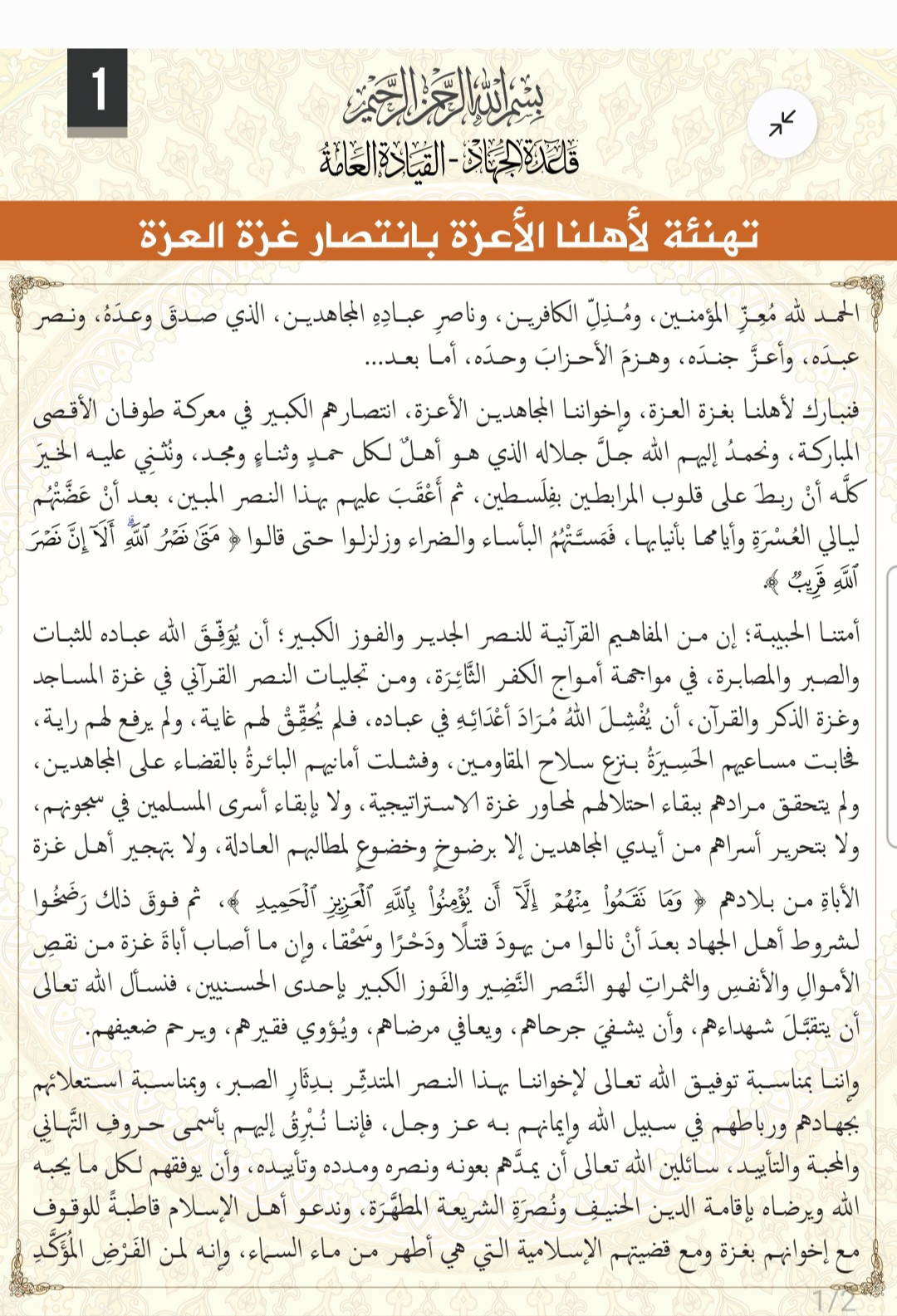
(Statement) Al-Qaeda Central Command (AQC) Congratulates the ‘People of Gaza’ for Their ‘Victory’ Against Israel, Cyberspace | |
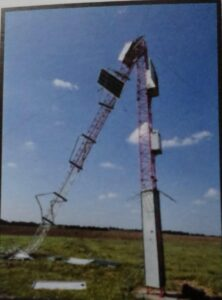
(Claim/ Left Wing Anarchist) Anarchists Destroy Wind Measuring Mast Destroyed Halting the Construction of a Wind Farm in Thiaucourt American Cemetery, Bouillonville, France | | | | |