|
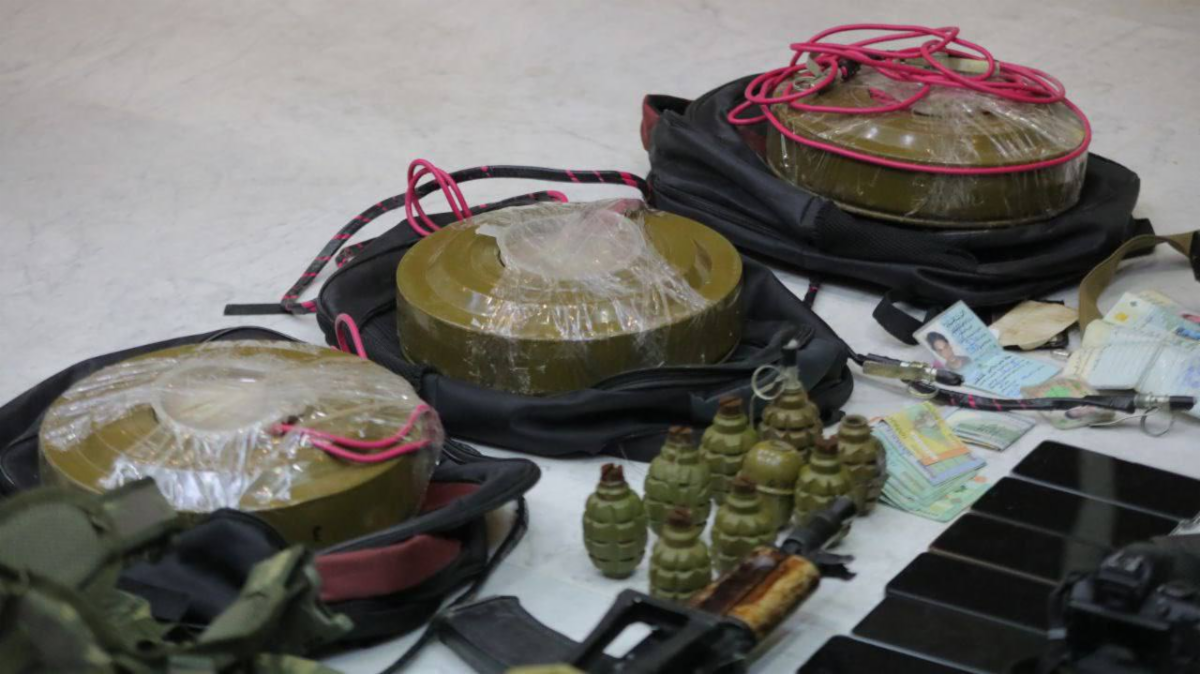
On 11 January 2025, the Hayy’at Tahrir al-Sham (HTS)—controlled General Intelligence Service successfully disrupted a suspected Islamic State (IS) plot to target the revered Sayyidah Zaynab Shia shrine in Damascus. Security forces detained four suspected IS militants carrying Lebanese IDs and Palestinian refugee documents. During the operation, authorities seized a cache of firearms, grenades, IEDs, mobile phones, and a professional camera. This interception underscores the persistent threat posed by IS to sectarian and religiously significant sites in Syria.
Significance of the Shrine
The Sayyidah Zaynab shrine in southern Damascus holds profound importance for Shia Muslims as a major pilgrimage destination. Its religious prominence has historically made it a target for sectarian violence, particularly by IS. The group frequently exploits Shia religious gatherings, such as Muharram, to carry out attacks aimed at inflaming sectarian tensions. The shrine has endured numerous assaults, including two bombings in July 2023 during Muharram, which killed or injured around 50 people. In 2016, IS claimed responsibility for a devastating dual suicide bombing at the shrine, further solidifying its strategy of targeting Shia religious symbols.
HTS’ Role and Emerging Dynamics
HTS’ ability to thwart this attack marks a pivotal moment in Syria’s shifting political landscape. Following the fall of Damascus, HTS has positioned itself as a transitional governing authority. Preventing an attack of this scale bolsters HTS’ claims of being capable of ensuring security, a critical aspect of governance. The incident highlights HTS’ attempt to present itself as a stabilising force, especially in areas with deep sectarian divisions.
However, HTS’ history complicates this narrative. While it has rebranded as a governance-oriented entity, its past involvement in targeting Shia sites and communities raises scepticism about its intentions. Many view its actions as calculated efforts to improve its international standing and local legitimacy rather than genuine concern for minority communities. Consequently, mistrust among Shia groups toward HTS persists despite such security interventions.
Uncertainty Around IS Affiliation
Although TRAC finds it likely that the detained individuals were linked to IS, specific details create ambiguity. Notably, the absence of IS flags or other explicit indicators of affiliation in the images released by HTS raises questions about the attackers’ identities. However, given IS’ documented history of targeting the Sayyidah Zaynab shrine, it remains plausible that IS militants orchestrated this plot. The shrine's symbolic importance to Shia Muslims and its recurrent targeting by IS strongly align with the group’s sectarian agenda.
A Continued Threat to Shia Worshippers
The ongoing threat to the Sayyidah Zaynab shrine underscores the broader vulnerabilities of Shia worshippers in Syria. As evidenced by past attacks, IS continues to leverage the symbolic weight of such sites to incite sectarian violence and further its extremist narrative. This latest foiled plot highlights the enduring dangers and the complex dynamics of governance, security, and sectarianism in post-Damascus Syria. While HTS’ intervention may strengthen its claim to authority, its history and the persistent threat of IS ensure that the road to stability remains fraught with challenges.
| | |
TRAC Incident Report: Al-Shabaab Militants Target Cargo Plane Carrying Military Equipment While Landing at Wajid Airport, Forcing Plane to Retreat, in Wajid, Bakool State, Somalia | |
|
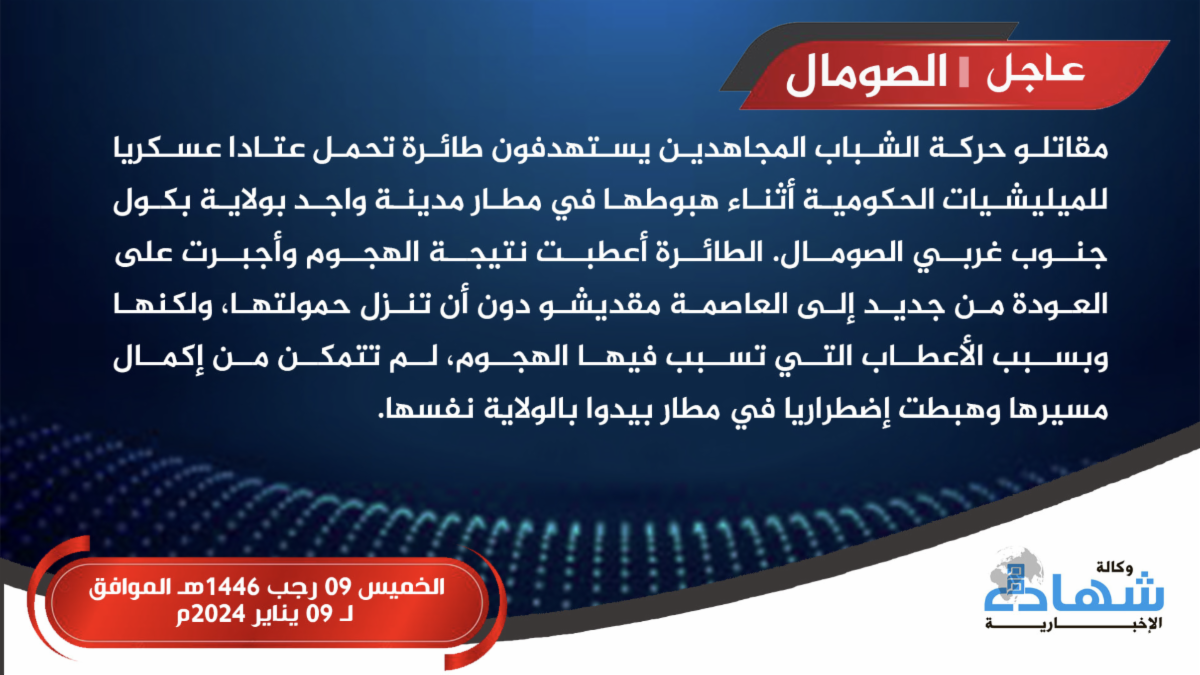
On 9 January 2025, Al-Shabaab militants launched a coordinated attack on a cargo plane transporting military equipment as it attempted to land at Wajid Airport in Bakool State, Somalia. The militants ambushed the aircraft during its landing, causing significant damage that prevented the unloading of its military cargo. The plane was forced to abort its landing and return to its original destination, Mogadishu. However, due to the damage sustained during the assault, the aircraft made an emergency landing at Baidoa Airport before it could reach Mogadishu.
This incident underscores a notable pattern in Al-Shabaab’s evolving tactical approach to countering military operations in the region. Just a day earlier, on 8 January 2025, the group ambushed a Ugandan Forces military convoy transporting military equipment using five improvised explosive devices (IEDs). These back-to-back attacks reveal Al-Shabaab's strategic focus on disrupting military supply lines, a critical lifeline for Somali and international forces fighting the group.
By targeting military supply chains, Al-Shabaab weakens its adversaries' operational capabilities by depriving them of vital equipment and seizing advanced weaponry and military-grade supplies. This tactic gives the group a dual advantage: it weakens government forces while simultaneously bolstering its military capabilities.
Al-Shabaab’s success in these operations highlights its ability to exploit Somalia’s fragile security environment. The Somali government’s divided focus—split between counterterrorism efforts and broader regional disputes—has allowed the group to strengthen its foothold. Notable factors contributing to the instability include:
-
International Disputes: The ongoing debate over the new African Union (AU) mission in Somalia and tensions stemming from the Ethiopia-Somaliland memorandum have diverted attention from domestic counterterrorism efforts.
-
Domestic Clashes: Hostilities between Mogadishu-based troops and Jubaland forces further exacerbate internal instability, providing Al-Shabaab with the space to manoeuvre and expand its operations.
The Wajid incident also reveals Al-Shabaab’s increasing military sophistication. The group successfully gathered intelligence—potentially through corrupt government officials—on the timing and location of a high-value military shipment, demonstrating its deep infiltration into Somalia’s security apparatus. This intelligence allowed them to launch a precise and damaging assault, forcing the military cargo plane to retreat and ultimately ground itself.
TRAC analysts emphasise the growing risks associated with transporting military equipment in Somalia as Al-Shabaab continues to focus on supply line interdictions. The group’s ability to inflict damage, gather intelligence, and exploit Somalia’s divided governance underscores its expanding influence and operational capability. These incidents signal an urgent need for Somalia and its international partners to prioritize safeguarding supply lines and addressing the vulnerabilities in military logistics.
| |
(Right Wing Extremism / Video) Goyim Defense League (GDL) Linked Telegram Channel Memewaffen Shares Video ‘Make America White Again’ | |
|
On 6 January 2024, the Goyim Defense League (GDL)-linked Telegram channel Memewaffen circulated a propaganda video titled “Make America White Again”. The video and messaging of it reflects white supremacist ideology, combining vintage fascist aesthetic with modern extremist symbols to promote a racist and antisemitic agenda.
This videos purposes is twofold: 1) It employs a combination of nostalgic nationalist imagery and modern meme culture to appeal to younger, digitally active audiences. The “#MAWA” slogan, mirroring Trump’s “Make America Great Again” (MAGA), rebrands mainstream nationalist rhetoric with overt white supremacist messaging; 2) The visual distortion of Trump with a rainbow filter and the Star of David seeks to portray him as compromised, suggesting globalist or Jewish influences, a common trope in far-right conspiracies control him.
“Memewaffen” is a direct reference to Atomwaffen Division (AWD). The choice of name underscores the group’s efforts to mimic AWD’s extremist branding while adapting it for online meme warfare. This trend mirrors the rise of other similarly inspired offshoots, such as Rapewaffen, which TRAC has previously documented for its misogynistic and accelerationist content.
| |
(Poster) al-Azaim Media (Unofficial Islamic State Khurasan/ISK): ‘Don’t Wait!’ | |
|
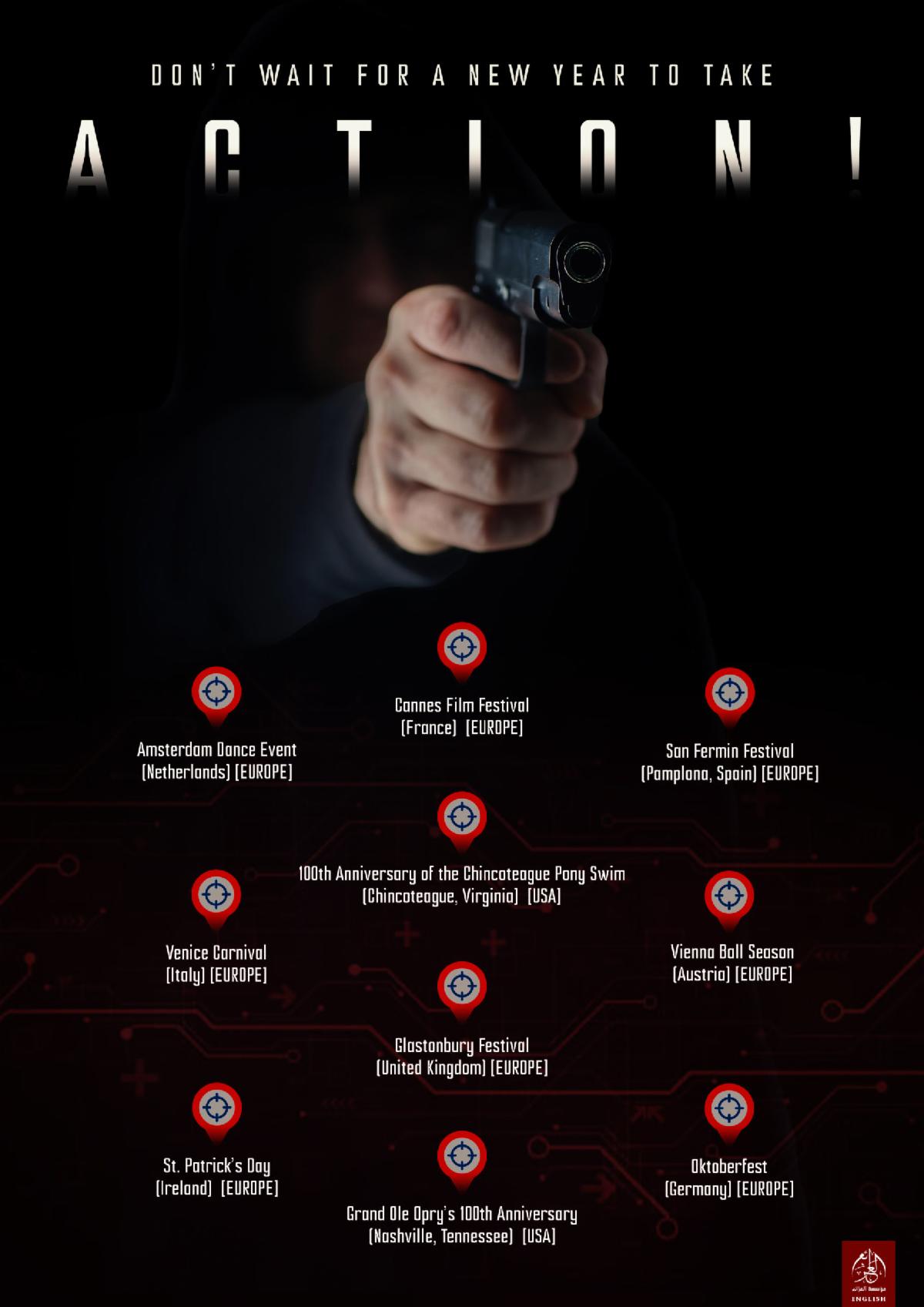
This al-Azaim Media poster titled “Don’t Wait!” urges immediate action from Islamic State Khúrasan (ISK) supporters. The central figure of a gunman, paired with marked event locations across Europe and the United States. This strategic focus on festivals, concerts, and public celebrations aligns with ISK’s historical approach of targeting symbolic, densely populated civilian spaces to maximise impact, media attention, and psychological disruption. Islamic State has nearly planned out the entire year of 2025 for lone wolf attacks.
By naming specific venues such as the Cannes Film Festival, Amsterdam Dance Event, and Oktoberfest, the propaganda attempts to inspire decentralized, lone-actor attacks. The emphasis on both European and American targets reflects ISK’s broader ideological goal of extending their influence beyond regional conflicts into global spheres. This poster reinforces ISK’s ongoing digital strategy of leveraging high-profile public events for recruitment and incitement, often counting on self-radicalized individuals to act independently without formal operational support.
| |
TRAC Incident Report: Islamic State Central Africa (ISCA/Wilayat Wasat Afriqiyah) Militants Captured and Executed 13 Christians in Ofaye Otto Maber, Ituri Province, Congo (DR) | |
|
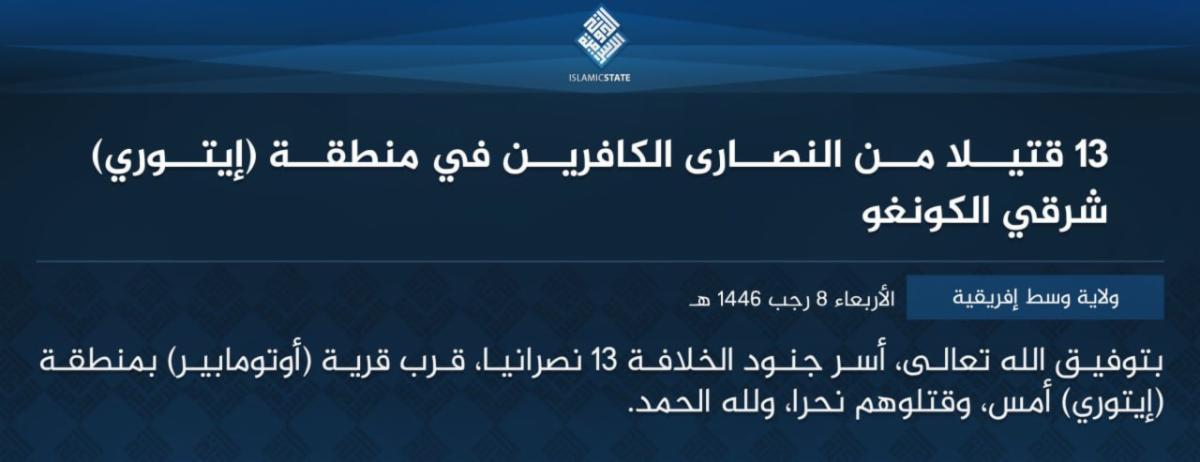
On 7 January 2025, Islamic State Central Africa (ISCA) militants captured and executed 13 Christians in the village of Ofaye Otto Maber, located in the troubled Ituri Province of Congo (DR). Using brutal methods, the militants reportedly slit the victims’ throats, underscoring the group's relentless targeting of the Christian population in the region. This latest massacre marks ISCA's sixth attack on Ofaye Otto Maber in just two weeks, a pattern that highlights the group’s systematic strategy of terror.
ISCA’s repeated assaults on Christian civilians exploit the absence of a consistent security presence in the region. While security forces occasionally operate in the area, their deployments are typically temporary and poorly coordinated. This inconsistency allows ISCA to strike with impunity, often retreating before any meaningful response can be mounted. Moreover, as seen in many parts of Africa, local military forces frequently retreat at the first sign of conflict, leaving vulnerable communities to endure the consequences. This lack of deterrence has created a cycle of violence, with ISCA repeatedly targeting the same villages, including Ofaye Otto Maber, to erode public trust in security institutions further.
ISCA’s tactic of successive attacks on the same village exacerbates the psychological toll on residents. By revisiting recently targeted areas, the group ensures an ongoing state of fear and insecurity among survivors. This strategy often results in higher casualties as panicked civilians struggle to navigate the aftermath of consecutive assaults. Many residents, still grappling with the devastation of an earlier attack, are left even more vulnerable during follow-up strikes. This calculated timing is designed to amplify the sense of helplessness and force communities into submission or displacement.
The attack’s location near the RN4 roadway further illustrates ISCA’s operational priorities. Alongside other key roads such as RN27, RS431, and RN44, the RN4 is part of the so-called “regional triangle of death” spanning North Kivu and Ituri provinces. ISCA’s control over these routes enables the movement of its roving cells and facilitates its ability to strike at will. These roadways serve as vital supply lines and areas of influence for ISCA, underscoring their significance in the group’s broader territorial strategy.
The execution of 13 Christians in this incident is particularly notable given the scale of casualties. ISCA attacks on Christian civilians typically result in around five deaths, making this incident a striking escalation. This increase lends credence to theories that ISCA is amassing forces and resources to carry out higher-impact operations. The group’s ability to mobilise for such a significant attack further highlights the inadequacies of the region’s security apparatus and the persistent vulnerabilities of the local population. ISCA’s activities in Ituri Province are a stark reminder of the group’s growing capabilities and strategic acumen.
| |
Tehreek-e-Taliban Pakistan (TTP) Releases Footage of 18 Abducted Atomic Energy Mine Project Workers Pleading for Release in Exchange for TTP Demands in Qabul Khel, Lakki Marwat, Khyber Pakhtunkhwa, Pakistan | |
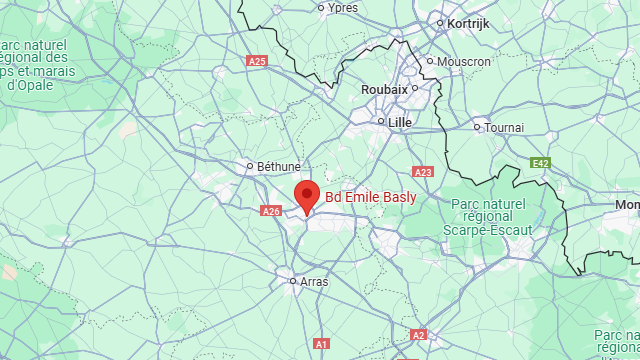
TRAC Incident Report: Anarchists Vandalized and Tarred National Rally MP’s Office Boulevard Émile Basly, Lens, France | |
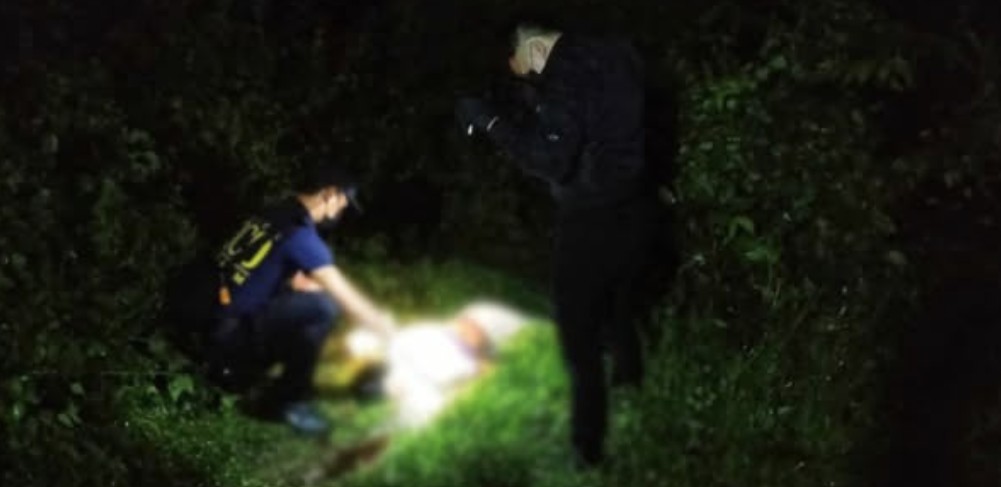
TRAC Incident Report: Suspected ISEA-Linked Gunmen Assassinate Councillor Michael Virallo in Sitio Mangga, Barangay Upper Dumalinao, Dumalinao, Zamboanga del Sur, Philippines | | | | |