|
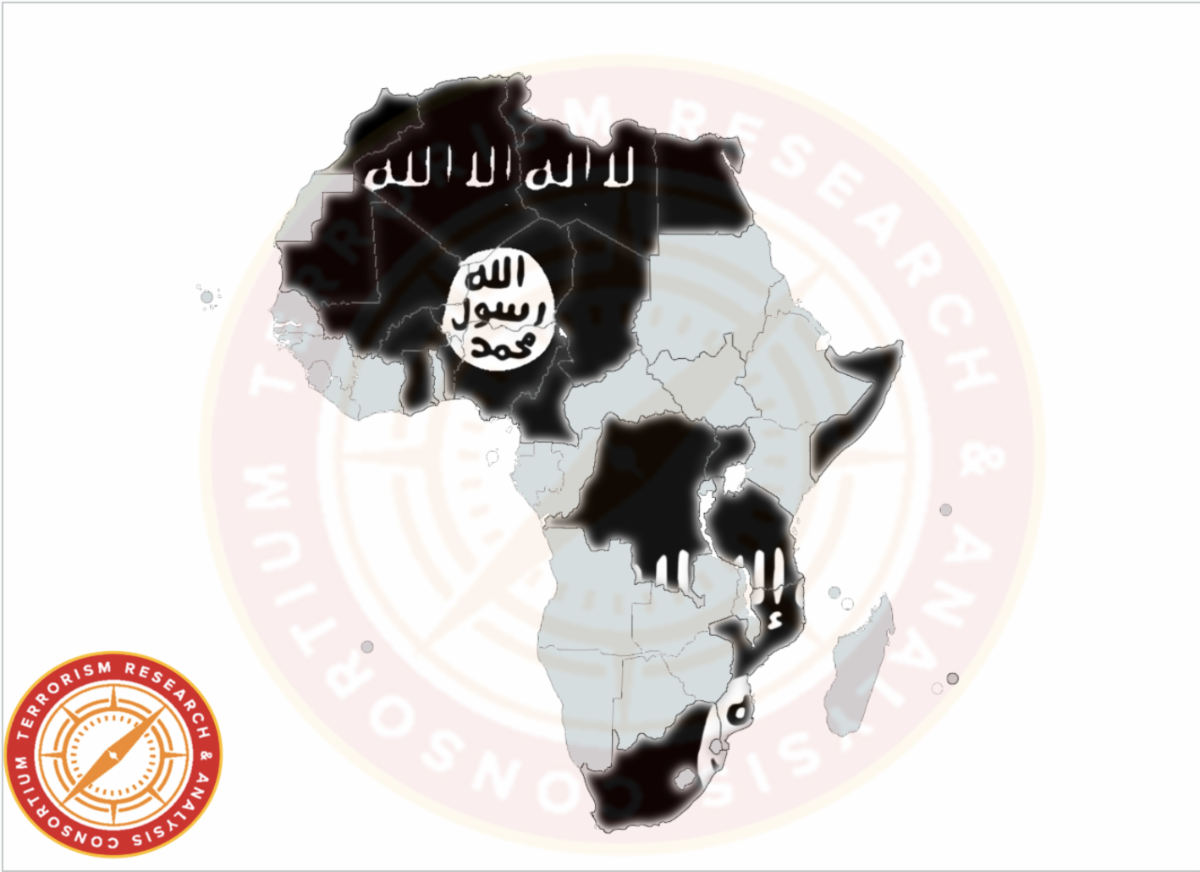
On 8 March 2025, IS insiders reported that Islamic State Central (IS Central) is deploying senior leaders to reinforce affiliates in Afghanistan, Pakistan, and Central Africa. This development signals more than routine support—it suggests an effort by IS Central to directly shape operations, enhance command-and-control structures, and strengthen its global network in regions that have become critical to its expansion and propaganda strategies. The selection of these specific locations—Islamic State Khurasan (ISK) and Islamic State Central Africa Province (ISCA)—is highly strategic, as both groups have demonstrated growing operational capabilities and escalated violence, making them increasingly vital to IS' global agenda.
ISK: The Leading Global Threat in the IS Network
ISK has positioned itself as one of the most aggressive IS branches, orchestrating high-profile attacks not just in South Asia but also targeting Europe and other international locations. Its ability to conduct sophisticated, high-casualty bombings, assassinations, and complex urban warfare strongly suggests a direct operational link with IS Central, beyond mere ideological alignment. The deployment of senior IS figures to ISK could indicate an upcoming coordinated escalation in violence, possibly leveraging Afghanistan’s fragile security environment and Pakistan’s porous border regions as platforms for international operations. This move could also reflect IS Central's view that ISK remains its most viable global proxy, particularly as the Taliban (IEA) continues to struggle with neutralising the group amid regional geopolitical tensions.
ISCA: Strengthening an African Front
The decision to reinforce ISCA’s presence in the Democratic Republic of Congo (DRC) and Mozambique is particularly telling. IS Central’s decision to send senior leaders to the region suggests an ambition to turn a once-peripheral affiliate into a significant operational force. The region’s weak state control, vast ungoverned spaces, and porous borders make it an attractive location for IS to expand its influence. If IS Central aims to mold ISCA into an African stronghold, similar to ISWA (West Africa), ISGS (Sahel), and IS-M (Mozambique), then the continent may see a significant escalation in transnational jihadist activity, including cross-border attacks into neighboring states.
Propaganda, Perception, and IS Central’s Strategic Messaging
Beyond military reinforcement, these deployments carry significant propaganda value. IS has long thrived on the perception of strength and global connectivity, and sending senior figures to the battlefield reinforces the illusion of a unified, expanding caliphate despite its territorial defeats in Iraq and Syria. This move is as much about projecting power and inspiring recruitment as it is about strengthening military capabilities. It signals to supporters, rivals, and Western intelligence agencies that IS remains a highly coordinated, adaptable global threat.
Towards a New IS Global Strategy?
These deployments suggest a strategic evolution—IS Central appears to be investing in regional affiliates capable of conducting complex cross-border operations. This raises the possibility that IS is laying the groundwork for a new phase of global jihad, using ISK as a gateway to attacks in Europe and ISCA as a launchpad for expanding its African insurgency. If IS Central reasserts direct influence over its strongest affiliates, we may witness the early stages of a revamped global IS strategy—one that relies on decentralised but well-connected regional hubs to maintain its relevance and operational reach.
| | |
TRAC Incident Report: Balochistan Liberation Army (BLA) Militants Hijack the Jaffar Express Train with 400 People Onboard in the Sibi Area, Balochistan, Pakistan | |
|
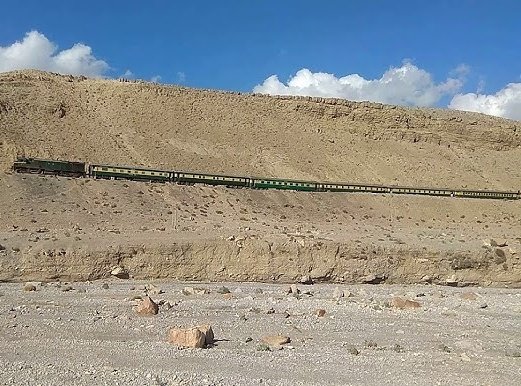
On 11 March 2025, fighters of the Balochistan Liberation Army (BLA) executed one of their most ambitious attacks to date by hijacking the Jaffar Express train near Sibi, Balochistan. The nine-coach train, traveling from Quetta to Peshawar, carried approximately 400 passengers, including Pakistani soldiers. The BLA claimed responsibility, asserting that over 30 military personnel were killed, and 214 individuals—including both soldiers and civilians—were taken hostage after the militants selectively released women, children, and the elderly. The BLA further warned Pakistani security forces against attempting a rescue operation, threatening severe consequences if such an action was launched.
This attack is unprecedented in scale and significance for the BLA, marking the first time in decades that such a large number of hostages—400 people—have been taken in a single operation. It is also the most high-profile execution of the Baloch Raaji Aajoi Sangar (BRAS)’s newly adopted militant strategy, which aims to escalate attacks on state infrastructure, security forces, and economic projects to increase pressure on Islamabad. The BLA’s ability to halt a major passenger train, overpower security personnel, and transport hundreds of hostages represents an alarming level of operational capability and coordination. Furthermore, by explicitly targeting a passenger train carrying Pakistani soldiers, the BLA has directly challenged the state’s security apparatus, showcasing both logistical strength and intelligence gathering capabilities.
Balochistan has long been a battleground for separatist movements, with ethnic Baloch militants accusing the Pakistani government of resource exploitation, economic marginalisation, and human rights abuses. The region, rich in minerals and strategically vital for the China-Pakistan Economic Corridor (CPEC), has seen an increase in separatist attacks against security forces and Chinese nationals involved in economic projects. This latest train hijacking—on a railway line that had only resumed operations in October 2024 following another BLA attack—demonstrates the rebels’ sustained focus on critical infrastructure and their capability to disrupt national transit routes.
The Pakistani military has repeatedly vowed to eliminate Baloch separatist groups, yet the scale and sophistication of the Sibi train hijacking reveal critical security gaps. The ability of dozens of BLA fighters to board, hijack, and detain hundreds of people—including military personnel—without immediate security intervention is a significant failure for Pakistan’s counterinsurgency strategy. If security forces opt for a military response, the risk of civilian casualties increases, which could further inflame tensions and bolster BLA’s recruitment efforts. Additionally, if hostages are executed or used in negotiations, this could set a dangerous precedent for future large-scale abductions targeting both state and civilian infrastructure.
| |
TRAC Incident Report: Al-Shabaab Double-Tap Car Bombing & Ambush Meeting of Prominent Local Elders & Government Officials at Qahira Hotel, in Beledweyne, Hiran, Somalia | |
|
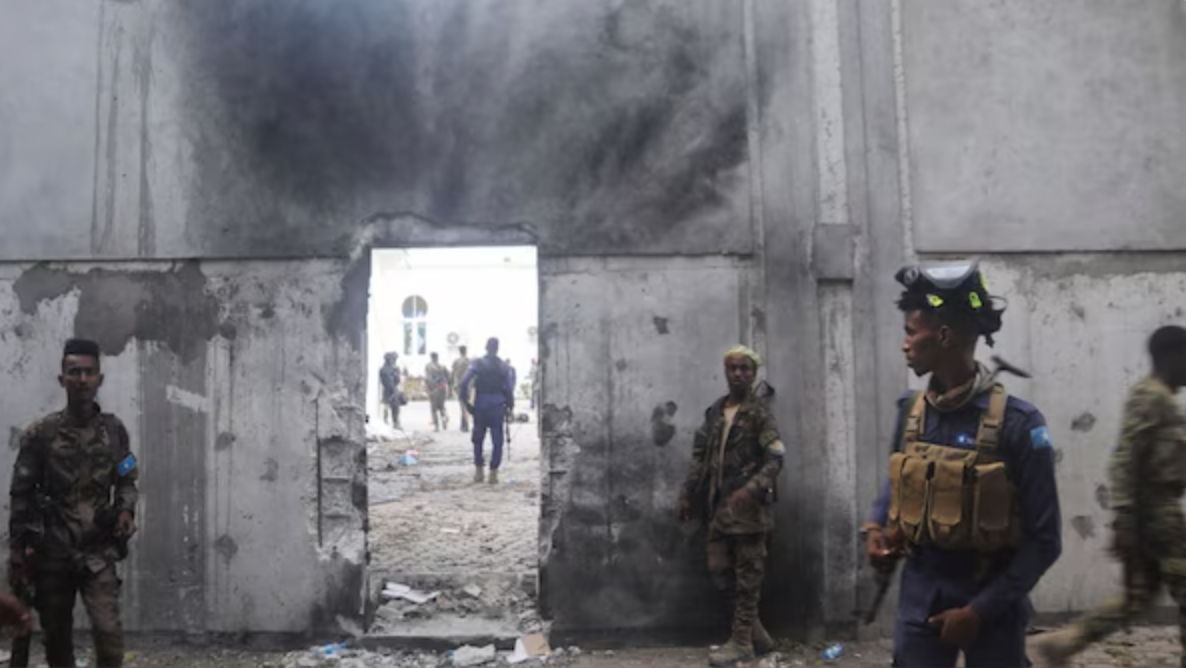
On 11 March 2025, Al-Shabaab militants executed a complex double-tap attack involving a car bombing followed by a coordinated armed assault on the Qahira Hotel in Beledweyne, Hiran, Somalia. The attack targeted a high-profile gathering of Somali politicians, prominent local elders, security officials, and government representatives who were reportedly discussing an offensive military strategy against Al-Shabaab in central Somalia. According to initial reports, at least 10 Somali officials and five militants were killed during the ambush, with ongoing clashes expected to increase the casualty count.
This is the first large-scale assault on civilian infrastructure in months and the first hotel attack since August 2024—one of the deadliest Al-Shabaab attacks in years. The militants began with a powerful car bomb explosion outside the Qahira Hotel, which destroyed large portions of the building, killing multiple people in the initial blast. The explosion created chaos and structural vulnerability, allowing seven heavily armed Al-Shabaab militants to storm the hotel. This double-tap tactic—car bombing followed by an armed siege—is a hallmark of Al-Shabaab's urban warfare strategy, aimed at maximising casualties and destruction while forcing security forces into prolonged engagements.
Following the car bombing and storming of the hotel, intense gunfire broke out between Somali security forces and the militants. A federal lawmaker from Beledweyne, Dahir Amin Jesow, confirmed the presence of at least seven attackers, while local security officials reported heavy clashes continuing for hours. Somali police officially reported only four deaths, but eyewitnesses claim at least 10 Somali troops were killed, highlighting a potential underreporting of casualties by authorities. Given Al-Shabaab’s pattern of prolonged sieges, further casualties are anticipated as security forces conduct clearing operations.
The attack on Qahira Hotel is not an isolated incident but part of Al-Shabaab’s renewed military strategy, which aims to expand its influence and undermine Somali government control. In recent months, the group has reinforced its offensive operations by systematically seizing control of rural villages, including Elder, Halgan, War Ciise, and Adale, while actively working to capture strategic locations such as Berdale, Beled Hawo, Masagaway, and Bulobarde.
| |
TRAC Incident Report: Islamic State West Africa (ISWA/Wilayat Gharb Afriqiyah) Militants Led an Armed Assault on Cameroonian Army Forces in Darak, Far-North Region, Cameroon | |
|
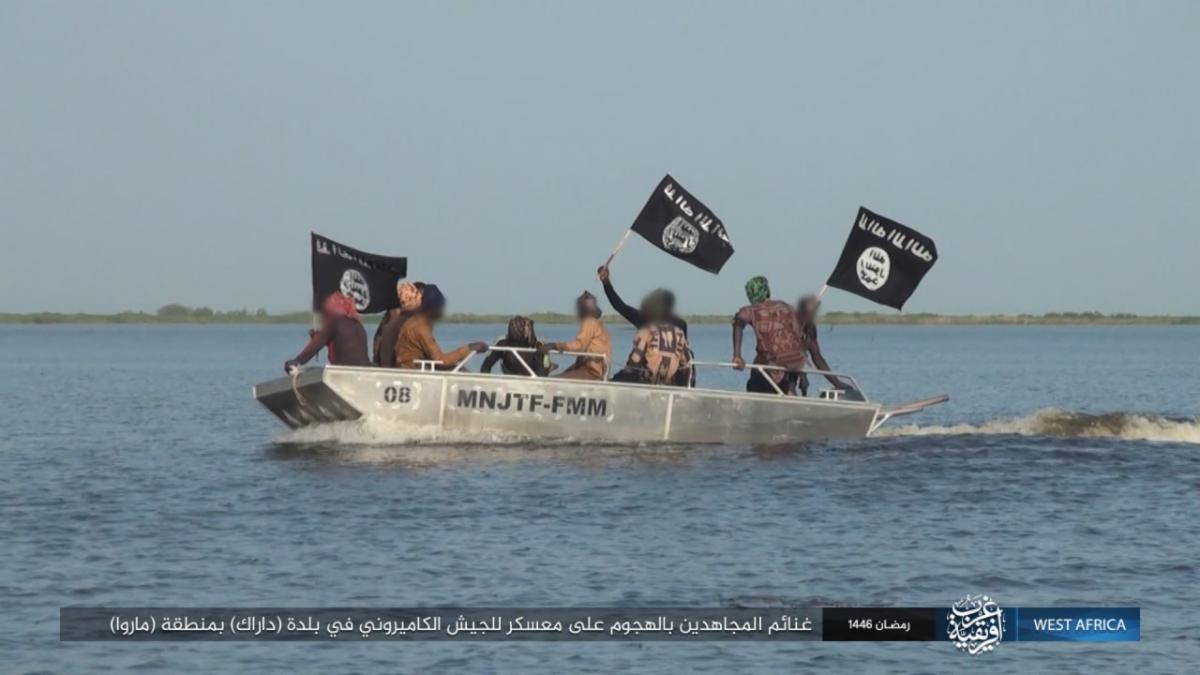
On 7 March 2025, Islamic State West Africa (ISWA) militants launched a targeted armed assault on Cameroonian Army forces stationed in Darak, Far-North Region, Cameroon. The attack resulted in multiple injuries among soldiers, allowing ISWA fighters to burn down the military camp and seize seven boats. This assault marks a significant re-emergence of ISWA activity in Cameroon, as the group has largely been dormant in the country for nearly two months.
Lake Chad has long been a strategic ISWA stronghold, offering natural advantages for militant operations. The labyrinth of the region’s waterways, marshlands, and islands provides ideal cover, making it difficult for security forces to track and eliminate ISWA fighters. Alongside Sambisa Forest, the Lake Chad region has historically served as a key insurgent hub, allowing the group to launch attacks across Nigeria, Chad, Niger, and Cameroon. However, since September 2024, militant activity in the region has declined sharply, mainly due to devastating floods that impacted Borno State—ISWA’s primary operational base.
The flooding not only displaced thousands of civilians but also crippled ISWA’s logistical and operational capacity, forcing many of its fighters into temporary retreat. The seizure of boats and other materials in Darak is therefore highly significant, as it suggests that ISWA is actively rebuilding its mobility and operational infrastructure in the region. Given that the group relies on Lake Chad for transport, smuggling, and cross-border movements, these newly acquired assets will likely bolster ISWA’s ability to conduct further raids, expand its territorial influence, and reinforce its presence along the Cameroon-Nigeria border.
The capture of boats also has profound economic implications, particularly for local fishing communities. ISWA has a long history of exploiting fishermen, extorting illegal taxes, and seizing their equipment to enforce economic control over Lake Chad’s waters. The group’s ability to disrupt the local fishing industry has destitute many residents. With these recent developments, local fishermen and traders will likely face increased financial hardship.
| |
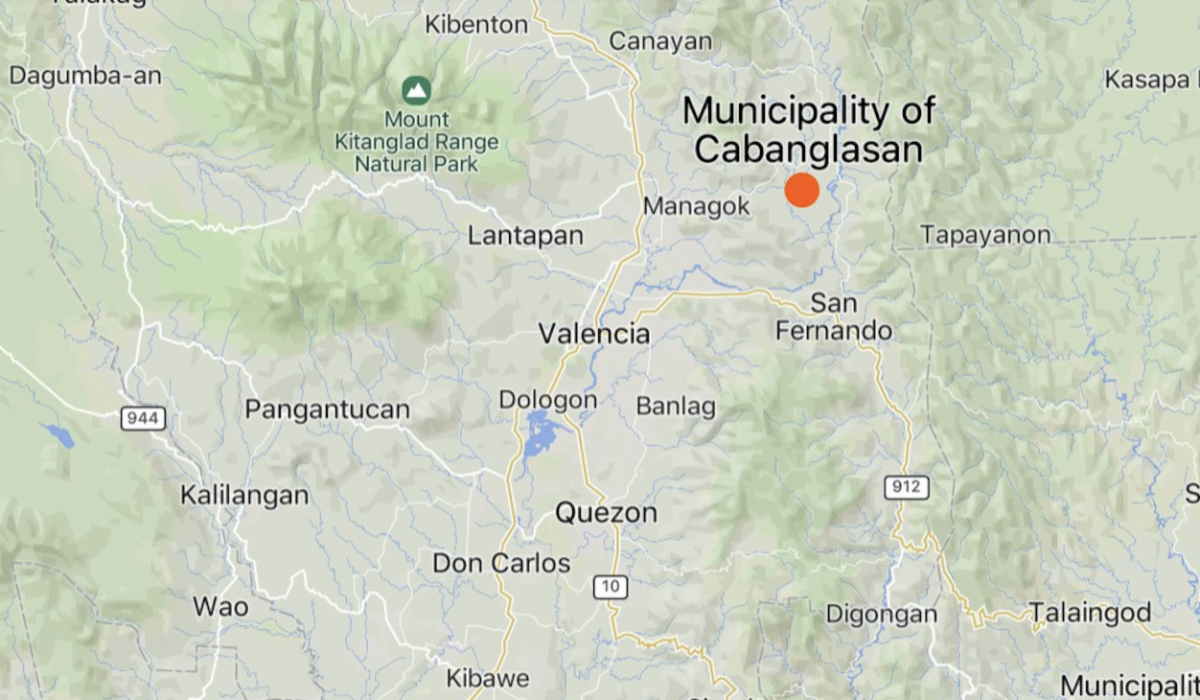
TRAC Incident Report: Heavy Clashes Erupt Between New People’s Army (NPA) Militants and Security Forces in Cabanglasan Municipality, Bukidnon Province, Philippines | |
|
Between 03 and 04 March 2025, an armed confrontation erupted between Philippine government forces and New People’s Army (NPA) rebels in Cabanglasan municipality, Bukidnon Province, a mountainous region known for its historical insurgent activity. To support ground operations, the Philippine Air Force (PAF) deployed airstrikes, escalating the intensity of the skirmish. However, during the operation, a PAF fighter jet reportedly went missing, triggering a large-scale search mission involving extensive aerial and ground reconnaissance.
Following the disappearance of the PAF fighter jet, authorities launched an intensive search operation, focusing on the Kalatungan Mountain range in Bukidnon. Notably, the United States Army deployed a Challenger 650 jet to assist Philippine forces in locating the missing aircraft, highlighting ongoing U.S. military cooperation and intelligence-sharing in the region.
This incident occurred just days after Philippine authorities officially declared Don Carlos, Bukidnon—located only 40km from Cabanglasan—“NPA-free.” The proximity of this clash to an area previously considered cleared of insurgents raises concerns about the resurgence of NPA activity and the potential for ongoing rebel strongholds in neighbouring territories.
The involvement of the U.S. in aerial reconnaissance efforts is not new; Washington has long provided intelligence, surveillance, and reconnaissance (ISR) support to Philippine military operations against insurgents. Just weeks before this incident, a U.S.-linked defense contractor’s aircraft crashed near Ampatuan, Maguindanao del Sur, while on a routine surveillance mission for Philippine authorities. This recurring pattern indicates an ongoing and increasing reliance on U.S. aerial surveillance and operational assistance, particularly in counterinsurgency efforts against both communist and Islamist militant groups.
This latest confrontation underscores the continued volatility in Bukidnon Province despite government declarations of NPA-free zones. While insurgent activity has declined in recent years, this incident demonstrates that NPA factions remain active in strategic mountainous areas, potentially regrouping or resisting government forces' advances. The missing PAF fighter jet raises additional security concerns, as the circumstances surrounding its disappearance remain unclear. This fuels speculation about the NPA’s possible involvement or operational mishaps during the airstrikes.
| |
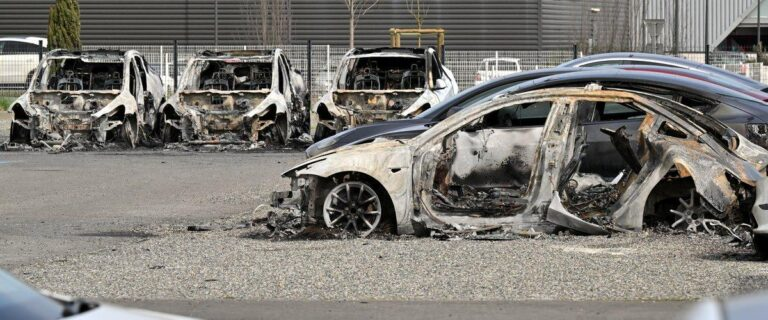
(Claim/Anonymous Anarchists) Anarchists Burn Tesla Cars in Protest of Elon Musk and Techno-Facists, Plaisance-du-Touch, Toulouse, France | |
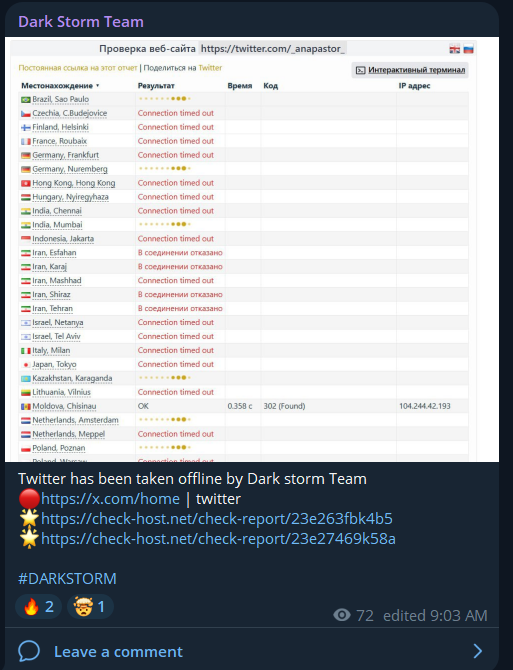
TRAC Incident Report: Hackers of the Dark Storm Team Group Target Elon Musk’s ‘X’ Social Media Platform in a Cyberattack, Cyberspace | |
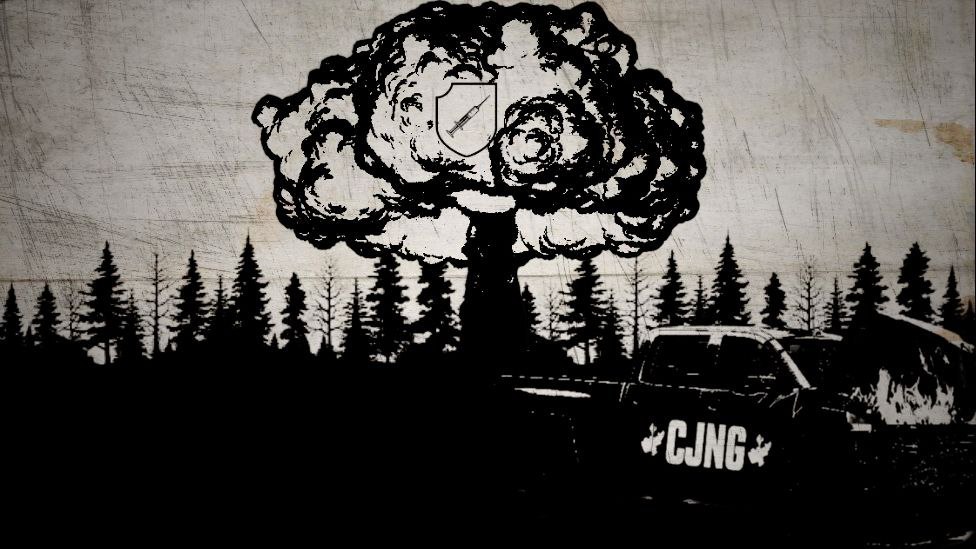
(Poster/ Right-Wing Extremism): InJekt Division Circulate Stochastic Terror Poster ‘Death To The Cartel’ | | | | |