|
Islamic State East Asia (ISEA) Leadership in Flux Amid Abu Turaifie's Reported Surrender
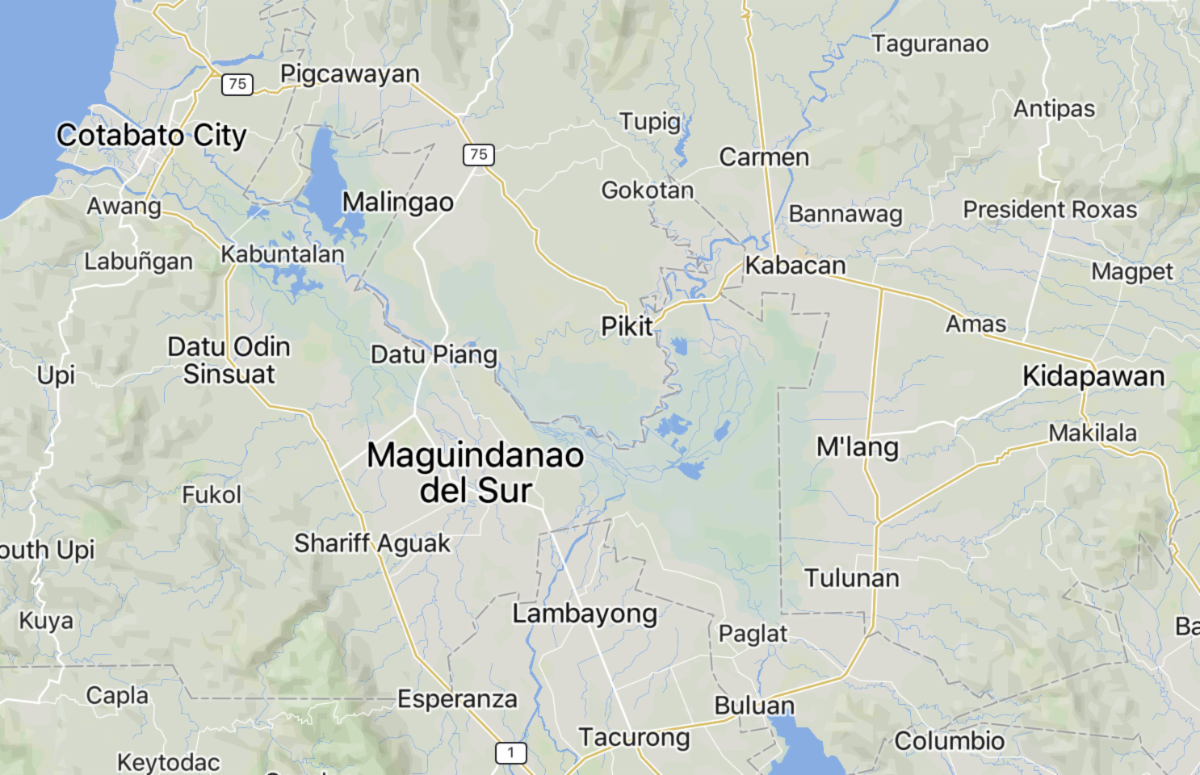
Islamic State East Asia (ISEA) insiders have recently reported the surrender of Abu Turaifie, who had been regarded as the group’s overall emir following the death of Abu Zakariya in June 2023. This represents the first major internal update on ISEA leadership since last year and suggests a critical shift in the group’s command structure. Abu Turaifie’s departure from the leadership scene comes during a growing operational strain for the group. Compounding this news is the reported emergence of a new figure—Abu Osama—who has assumed a regional leadership role as the emir of Maguindanao del Sur. However, this position appears to be strictly provincial in scope and does not match the broader authority previously held by Abu Turaifie.
These leadership changes unfold under sustained counterterrorism pressure from Philippine security forces, particularly in Mindanao. Years of targeted operations have disrupted ISEA’s logistics networks, eliminated key figures, and drastically reduced its operational visibility. A notable indicator of this degradation is the prolonged silence of al-Faris Media—the group's primary propaganda wing, which has not released new content since early 2023. Insider reports suggest that the media outlet’s leader was either killed or captured. Speculation also persists that Abu Turaifie had connections to al-Faris Media, formerly known as East Asia Knights (EAK). If true, his surrender may reflect a personal capitulation and the disintegration of ISEA’s centralised propaganda and messaging apparatus.
While there are signs that ISEA is attempting to preserve regional command by installing local leaders like Abu Osama, the Islamic State Central Command has yet to recognise or endorse these changes officially. This absence of formal acknowledgement may indicate a growing disconnect between IS Core and its East Asia affiliate, potentially rooted in physical and technological limitations. Communication breakdowns, intelligence setbacks, and leadership attrition have all contributed to a growing decentralisation trend within IS's global network, with local branches often left to manage themselves autonomously.
In sum, the reported surrender of Abu Turaifie signals a significant loss for ISEA, effectively removing a key unifying figure within the group’s chain of command. The rise of figures like Abu Osama reflects an effort to retain control locally. Still, the lack of strategic cohesion and silence from IS Central suggests that ISEA is now operating under far more constrained conditions. Leadership transitions appear to be driven less by strategic foresight than necessity, underscoring the group’s weakened posture. Though ISEA retains the capacity for localised violence, its current trajectory indicates a group that is increasingly fragmented, reactive, and diminished in its broader strategic influence.
| | | TRAC Incident Report: Jama’at Nusrat al-Islam wa al-Muslimin (JNIM) Leaders Gathered Near Nampala, Ségou Region, Central Mali | | |
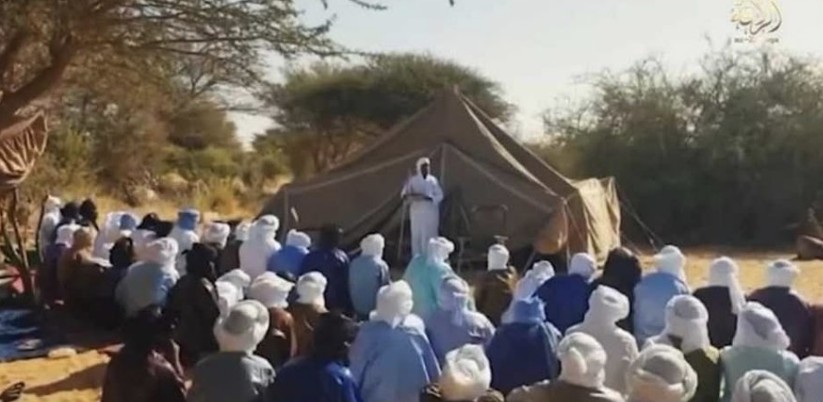
On 12 April 2025, reports emerged that Jama’at Nusrat al-Islam wa al-Muslimin (JNIM) leaders held a rare and high-level strategic meeting on Eid al-Fitr (30 March 2025) near Nampala, in Mali’s Ségou region—approximately 300km from the capital, Bamako. This gathering in broad daylight and deep in the Macina zone—JNIM’s stronghold—demonstrates the group's complete operational freedom and territorial control in central Mali, particularly where state presence is virtually nonexistent.
The meeting brought together several of JNIM’s top commanders, including Iyad Ag Ghali, Amadou Koufa, Talha al-Libi, Ag Hitta, Abou Hamza al-Chinqiti, and Mahmoud Barry. That such prominent figures could convene publicly underscores the group's internal cohesion and the failure of counterterrorism efforts to contain its leadership. According to sources on the ground, the commanders discussed recent civilian casualties caused by Malian military drone strikes—carried out using Turkish-supplied UAVs—and condemned the Malian government for allowing foreign actors, specifically Wagner Group (now under the Africa Corps banner), to exploit the country’s natural resources under the guise of providing military support.
Mahmoud Barry, the deputy commander of the Macina Katiba, reportedly declared, “The time for work has come.” This phrase, in the context of jihadist strategic rhetoric, is widely interpreted by TRAC as a signal for escalation, likely a shift toward higher-profile attacks on urban and political targets. Barry also named Niamey and Ouagadougou—the capitals of Niger and Burkina Faso—as potential future targets, signaling JNIM's regional ambitions. This aligns with a notable uptick in JNIM operations around Bamako since the beginning of 2025, reinforcing concerns that the group may be preparing to extend its insurgency from rural strongholds into key urban centres.
| | TRAC Incident Report: Revolutionary Class Struggles Anarchist Group Detonate Improvised Explosive Device (IED) Near Hellenic Train Offices in Athens, Greece | | |
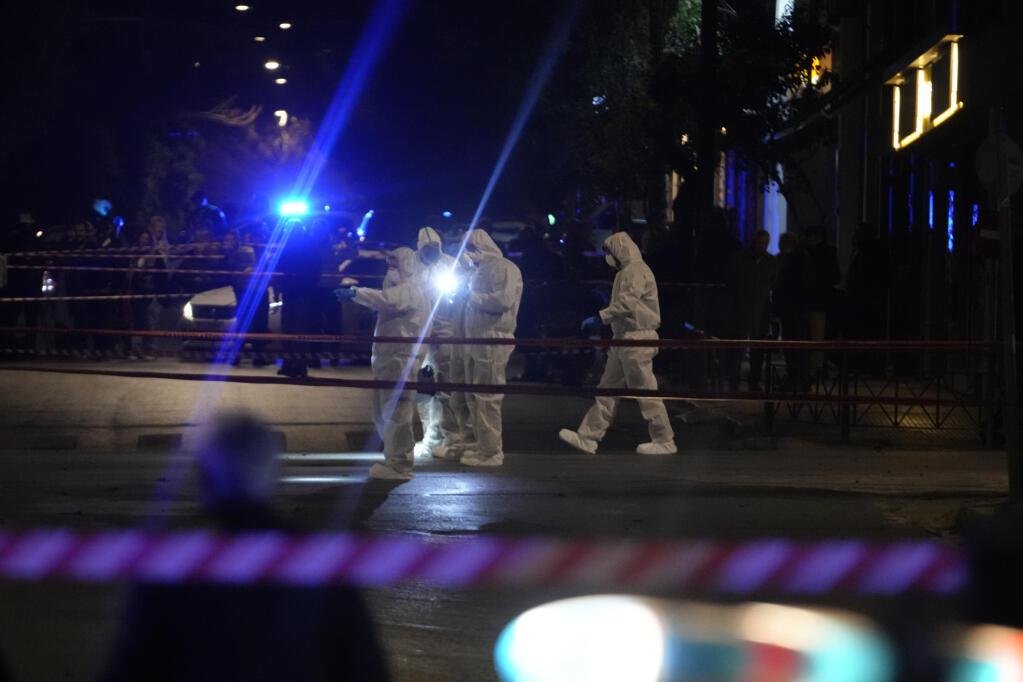
On 13 April 2025, a localised explosion occurred near the Greek Railway Company (OSE) headquarters in Athens. Shortly after, the anarchist group Revolutionary Class Struggle publicly claimed responsibility. In their communique, the group delivered a searing critique of capitalism and state negligence, linking the attack directly to the 2023 Tempi train disaster that killed 57 people. They denounced the tragedy as a "state-capitalist crime," asserting that the deaths—and others like them in the workplace—were not accidents but the inevitable outcome of systemic exploitation, austerity, and greed fostered through privatisation. The group argues that the degradation of public infrastructure, particularly Greece’s railway network, is a direct result of deliberate political choices made by the ruling class. According to the statement, years of underfunding, bureaucratic corruption, and the eventual handover of public assets to private interests are part of a larger capitalist agenda prioritising profit over human life. They accuse both the government and corporate leadership of knowingly sacrificing the working class for financial gain, while shielding themselves through a facade of parliamentary democracy that ultimately serves to uphold class domination.
The perpetrators dedicated the bombing “to the Palestinian people and their heroic resistance,” situating the act within the broader framework of internationalist militant solidarity. They also honoured Kyriakos Xymitiris, a local anarchist who died in 2024 while attempting to construct an explosive device, portraying him as a martyr of the class struggle. Through these references, the attack becomes more than just a localised act, forming part of a broader transnational narrative of left-wing insurrection, linking domestic unrest in Greece to global causes like the war in Gaza.
One of the more striking tactical elements was the warning call placed to local media approximately 40 minutes before the blast. This is a common hallmark of far-left militant operations across Europe, designed to avoid civilian casualties while ensuring maximum media exposure.
Although anarchist groups generally do not regularly employ explosives, Greek anarchist factions are notable exceptions. In particular, the Direct Action Cell has claimed responsibility for thirteen IED attacks over the past two years, with a consistent focus on state and corporate targets. TRAC has also tracked activity from the Revolutionary Self-Defense Organisation, another anarchist entity known for bombings in Athens.
| | TRAC Incident Report: Unknown Militants Kidnap a Swiss Woman From Her Home in the Dagamanet Area of Agadez, Northern Niger | | |
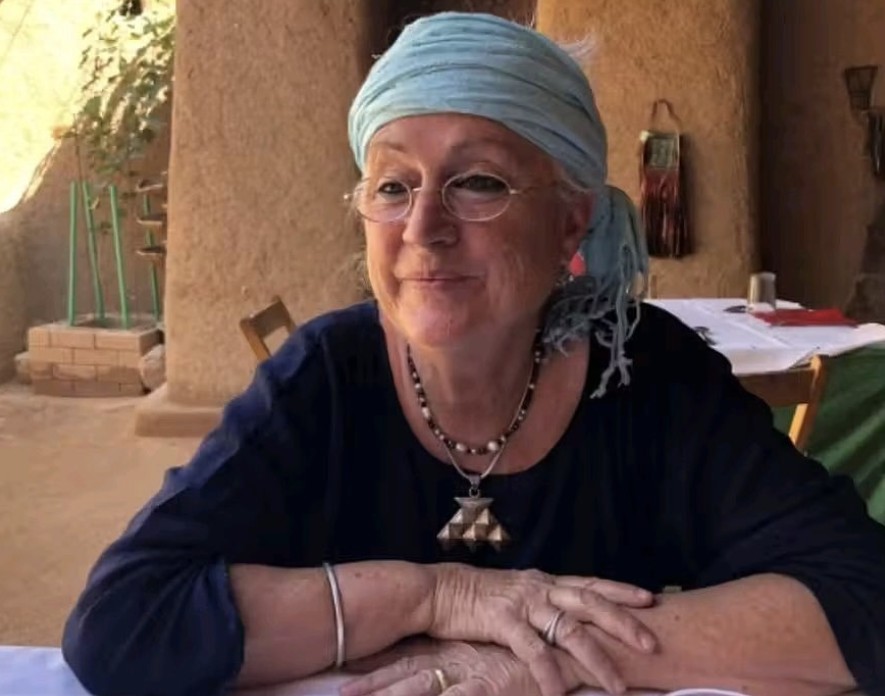
On 13 April 2025 at approximately 10:00 PM local time, unidentified armed individuals abducted 67-year-old Swiss national Claudia Abbt from her residence in the Dagamanet neighborhood of Agadez, Niger. Abbt, originally born in Lebanon and trained in linguistics and ethnology, had been residing in Agadez for several years with her Nigerian husband after working in Algeria’s tourism sector. In Agadez, she is known for founding and running an organisation that supports local artisans. Following the abduction, the perpetrators reportedly fled westward toward Ingall. They continued in the direction of the Malian border—an area frequently associated with the movement of militant groups, particularly the Islamic State in the Greater Sahara (ISGS).
This kidnapping marks the second such incident involving a Western woman in Agadez in 2025. On 13 January, an Austrian woman was also abducted from her home by suspected ISGS militants. The similarities in timing, targeting (Western female residents), and escape routes suggest a potential operational pattern, leading TRAC to consider the possibility that both kidnappings were carried out by the same cell. Furthermore, in a separate but relevant incident on 14 January 2025, a Spanish tourist was kidnapped near Tamanrasset, Algeria, with the assailants also heading toward Ménaka, Mali—indicating a broader regional tactic employed by jihadist groups operating in the Sahel.
Although no group has yet claimed responsibility for the abduction of Abbt, the profile of the victim, particularly her Western nationality, makes it likely that the attack was financially motivated. The perpetrators may have assumed that her family or the Swiss government would be willing to pay a substantial ransom.
| | (Right Wing Extremism) Patriot Front Suggests ‘White Identity Politics Should Be Run Like a Political Party’ in the United States | | |
On 09 April 2025, a detailed post attributed to Jason Kessler, a known figure affiliated with Patriot Front, signalled a significant strategic pivot for the broader white nationalist movement in the United States. In the post, Kessler critiques the current landscape of far-right activism, particularly its over-reliance on decentralised online personalities and influencer-style leadership. He argues that this reliance has fostered infighting, erratic messaging, and a lack of continuity, ultimately undermining the movement’s credibility and longevity.
Instead of continuing with this fragmented and often volatile model, Kessler calls for establishing a unified organisational structure modelled after traditional political parties. This includes building a coherent hierarchy with clearly defined roles, professionalising outreach, and implementing disciplined campaign strategies to influence real-world politics. His vision prioritises long-term stability over spontaneous activism, proposing a move away from what he describes as "cult-of-personality-driven chaos."
Key to this restructuring is a call for greater legal and financial foresight. Kessler recommends the creation of legally distinct entities to shield participants from lawsuits, protect donor identities, and attract leaders with personal financial stability. This approach is aimed at insulating the movement from the reputational and legal blowback that has previously crippled high-profile far-right figures and groups.
At its core, the post reflects an effort to rebrand and reframe the movement, not as a loose network of extremist influencers, but as a politically savvy, organised bloc capable of contesting power in more traditional arenas. Kessler’s proposals acknowledge that lasting impact requires the trappings of legitimacy, even if the ideological foundation remains extremist. His suggestions highlight a broader trend in far-right circles: the growing desire to infiltrate mainstream politics through image control, legal insulation, and strategic discipline rather than raw provocation alone.
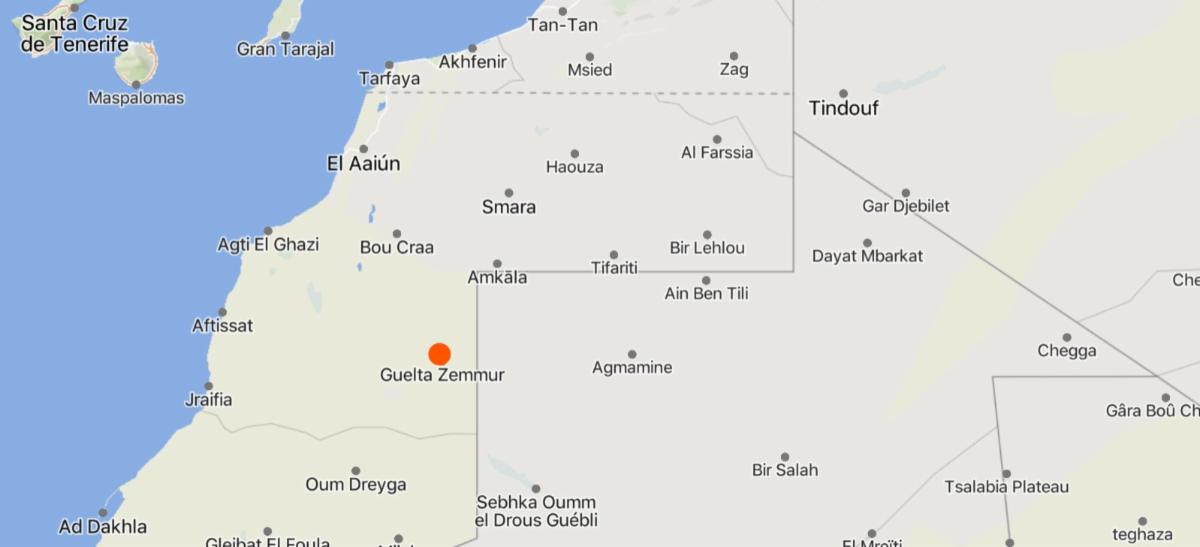
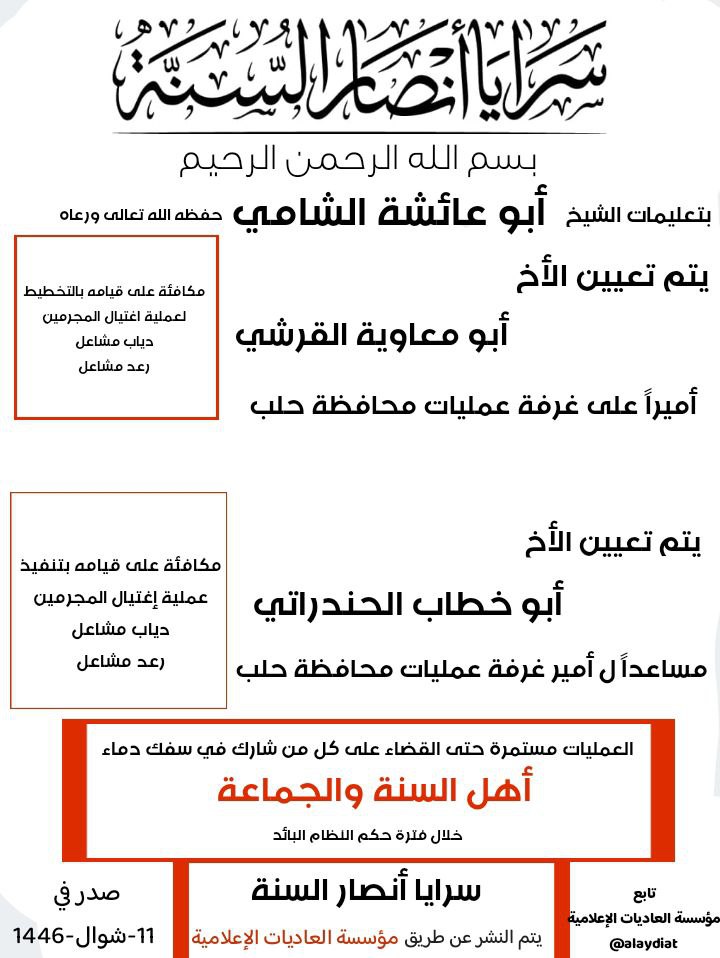
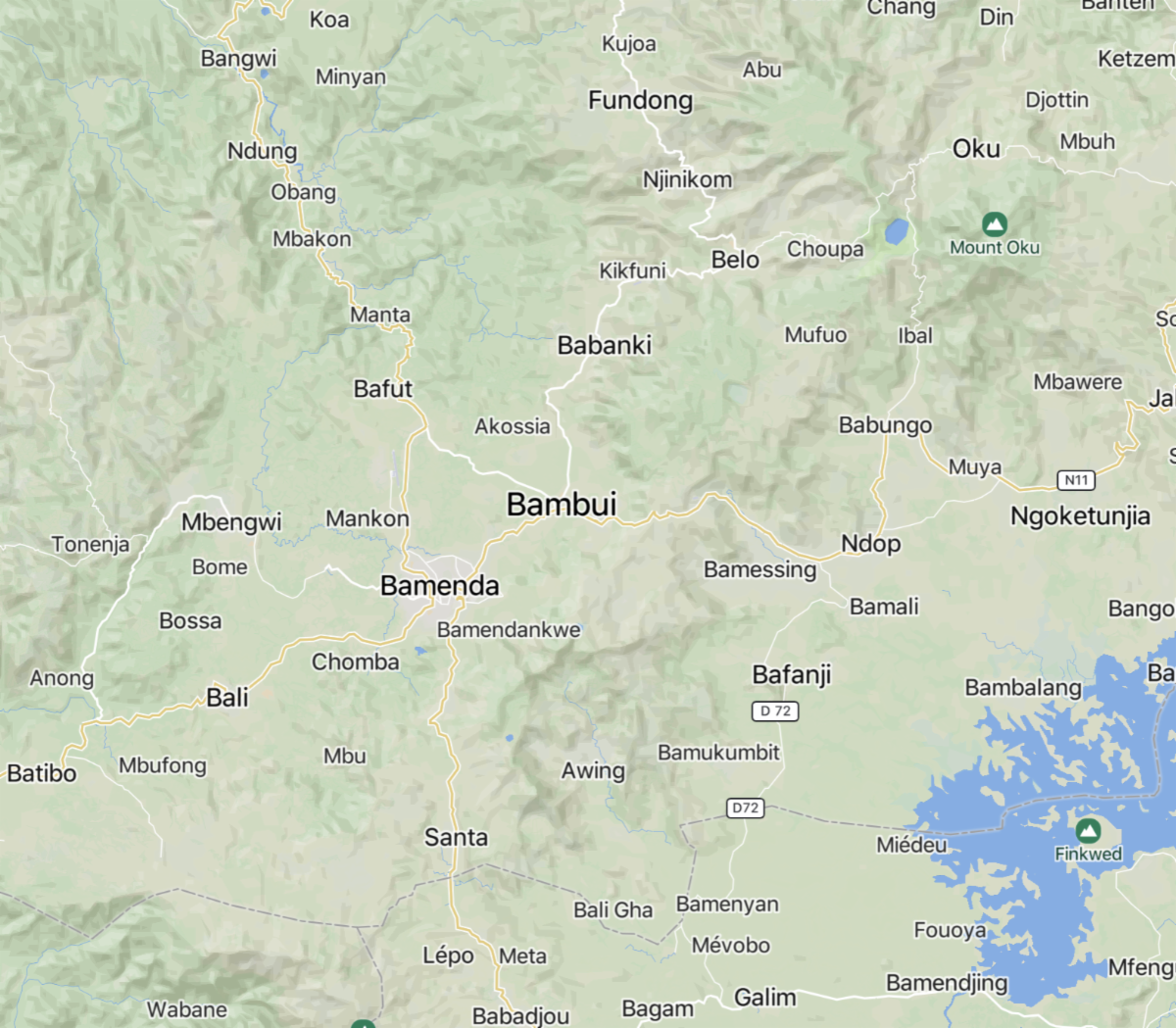
| | TRAC Incident Report: Militants of the Polisario Front Lead Strikes on Multiple Moroccan Military Installations, Guelta Zemmur, Western Sahara | | (Statement) Ansar al-Sunnah Brigades Declare New Aleppo Emir and Vice Emir For Successful Assassination Attack | | TRAC Incident Report: Suspected Ambazonia Militants Kidnapped and Released an 83 Year Old Missionary in Bambui, Northwest Region, Cameroon | | | | |