|
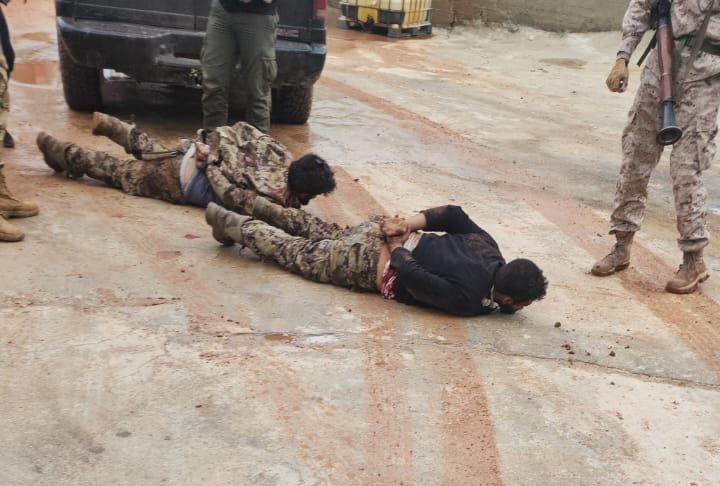
On 6 February 2025, at approximately 21:00 local time, violent clashes erupted between Hayy’at Tahrir al-Sham (HTS) and its allies against alleged Hezbollah elements near the Syrian-Lebanese border. The engagement took place as HTS-led forces, supported by armored vehicles, launched a campaign to eliminate Hezbollah’s presence in key border settlements, including Jurood, Akum, al-Fadeliya, Bilyuza, and Khawik. These villages, historically controlled by Hezbollah since its intervention in the Syrian Civil War in 2012, serve as crucial nodes in the smuggling routes between Syria and Lebanon, connecting Hezbollah’s broader Axis of Resistance. The offensive was framed as an effort to curb Hezbollah’s drug smuggling operations and "cleanse" the region of its influence. However, HTS forces encountered unexpected resistance from local militias aligned with Hezbollah, leading to significant hostilities and a temporary retreat in some areas.
The clashes escalated as locals repelled HTS-led forces from Khawik, capturing two militants and seizing their weapons and vehicles. In retaliation, HTS fighters abducted 16 women and children from Khawik and launched artillery, rocket, and drone strikes on the village and its surroundings. Pro-HTS propaganda also claimed that rockets were fired toward the Lebanese town of Hermel, though the Syrian state news agency (SANA) refuted this. This confrontation represents a significant shift in the region’s conflict dynamics, as previous skirmishes in January 2025 were limited to minor exchanges of fire. The involvement of the ‘Syrian Border Security Department’ in these hostilities, despite being composed mainly of HTS militants and irregular local forces, signals an evolving strategy to consolidate control over the Syrian border. Visual evidence from the battle suggests the presence of Salafi-jihadist elements within HTS ranks, as some fighters displayed patches bearing the Prophet’s seal, commonly associated with the Islamic State (IS) and other jihadist factions.
By 22:00 local time, a mediated prisoner exchange occurred at the Josiah al-Qaa Crossing between Hezbollah and Syrian forces, facilitated by the Lebanese Red Cross and Lebanese Army. Two Syrian fighters captured by Hezbollah, along with the corpse of another, were returned in exchange for the release of 16 women and children abducted from Khawik. On 7 February, pro-HTS media announced the group’s capture of Akum and Wadi al-Hourani in the al-Qusayr region, marking a significant setback for Hezbollah’s cross-border operations. The Lebanese government has pledged to remove any remaining Hezbollah fighters from Syrian territory, though whether it can enforce this remains uncertain. The fact that Hezbollah successfully extracted HTS captives into Lebanon before the exchange indicates direct involvement in the battle, countering claims that the clashes were merely between HTS and local militias. This mirrors Hezbollah’s historical hostage-taking strategy, particularly its 2006 conflict with the Israel Defense Forces (IDF), reinforcing its role as a key actor in shaping the region’s security landscape. Moving forward, further escalations between HTS and Hezbollah are likely, as control over this strategically vital border remains in contention.
This development underscores the precarious security landscape along the Syrian-Lebanese border, where HTS, Hezbollah, and local factions vie for dominance. Hezbollah, which relies on these border regions for its smuggling and logistical networks, faces mounting pressure as both the new Syrian government and HTS seek to dismantle its cross-border operations. Meanwhile, Israeli airstrikes across the Bekaa Valley on the same night suggest that Israel views Hezbollah’s weakening grip in the region favorably and may indirectly benefit from HTS’s operations. Despite Israel’s historical enmity toward HTS, its military dominance in the air may inadvertently aid the group's efforts. Additionally, the new Syrian government—unable to challenge Israeli or Turkish military presence in the country—seems intent on asserting its sovereignty by dismantling Hezbollah’s control over al-Qusayr and seeking cooperation with the Syrian Democratic Forces (SDF) in the east.
| | |
TRAC Incident Report: Attempted Islamic State Kavakaz (ISK/ISQ) Riot & Prison Break at the Penal Colony No. 3/2 in Vahdat, Tajikistan | |
|
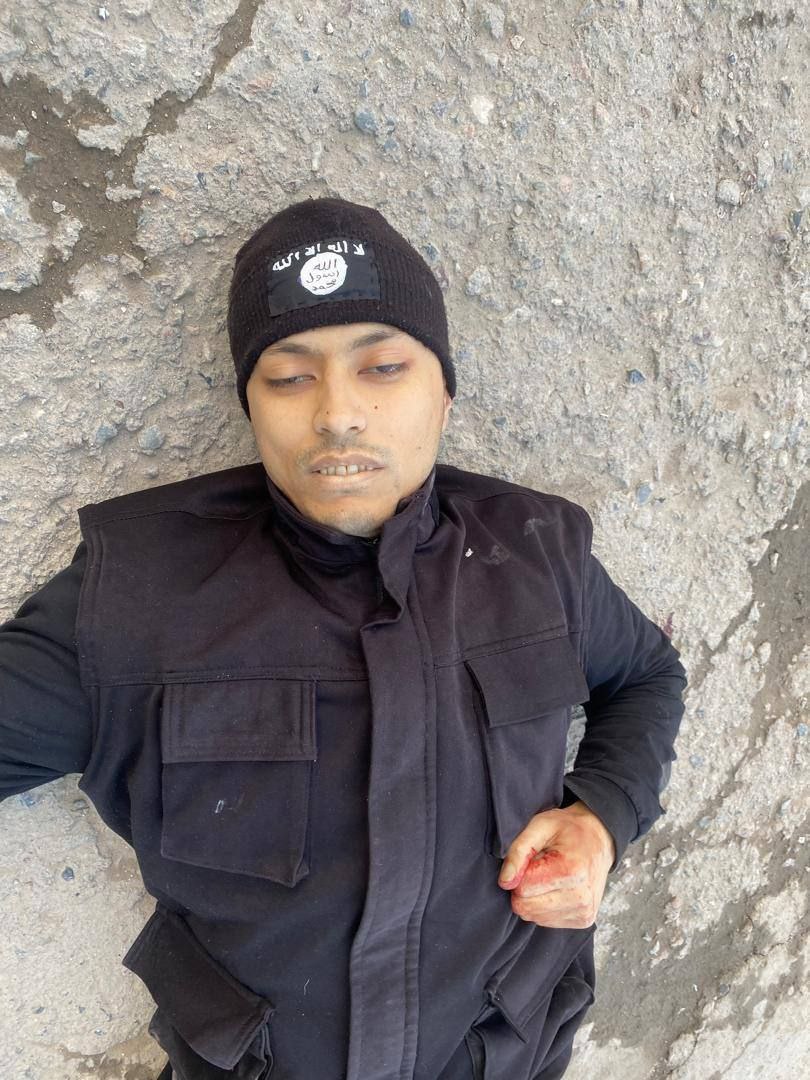
On 3 February 2025, security forces suppressed a violent riot and an attempted prison break by suspected Islamic State Kavkaz (ISK/ISQ) supporters at Penal Colony No. 3/2 in Vahdat, Tajikistan. A group of nine inmates, armed with improvised knives, launched an attack on prison guards in a bid to escape. Three prison guards sustained serious injuries before special forces arrived at the scene. Security personnel ordered the rioters to surrender, but after their refusal, the situation escalated, leading to the use of live ammunition. Official reports state that three inmates were killed, and the remaining six were subdued and detained. However, photographs circulating online suggest the actual death toll may be higher, raising concerns over the authorities’ transparency regarding the incident.
Among the rioters was Jamaliddin Khasanov, a convicted extremist with a history of inciting prison violence. In 2019, he was sentenced to additional prison time for his role in previous riots at the same facility. That earlier unrest was notably led by Behruz Khalimov, the son of Gulmurod Khalimov, a former Tajik OMON (special forces) commander who defected to the Islamic State and became one of its top military strategists. His involvement reinforces concerns that ISK/ISQ has deep-rooted networks inside Tajikistan’s prison system, where incarcerated extremists continue to radicalise and coordinate violent actions. With ISK/ISQ showing an increasing willingness to stage disruptive prison operations, authorities may face further uprisings, raising the risk of additional jailbreaks that could bolster the ranks of jihadist groups operating in Central Asia.
This riot is part of a broader pattern of ISK/ISQ activity in Tajikistan, as the group has increasingly targeted prison facilities to free its incarcerated members. In 2024 alone, ISK/ISQ supporters orchestrated three prison breaks, underscoring the group’s growing capability and intent to undermine state control. The timing of this latest attempt is particularly significant, coming ahead of the anniversary of the devastating Crocus City Hall attack, which left over 145 people dead. This suggests a notable shift in ISK/ISQ’s operational strategy—moving beyond guerrilla tactics and isolated attacks to coordinated prison uprisings and large-scale urban assaults. Tajik authorities have been on high alert following these events, indicating the group's expanding reach and ability to mobilise supporters within the country’s correctional facilities.
| |
TRAC Incident Report: Goma Jail Set on Fire, Leading to Prison Break and Mass Rape and Murder in Goma, North-Kivu Province, Congo (DR) | |
|
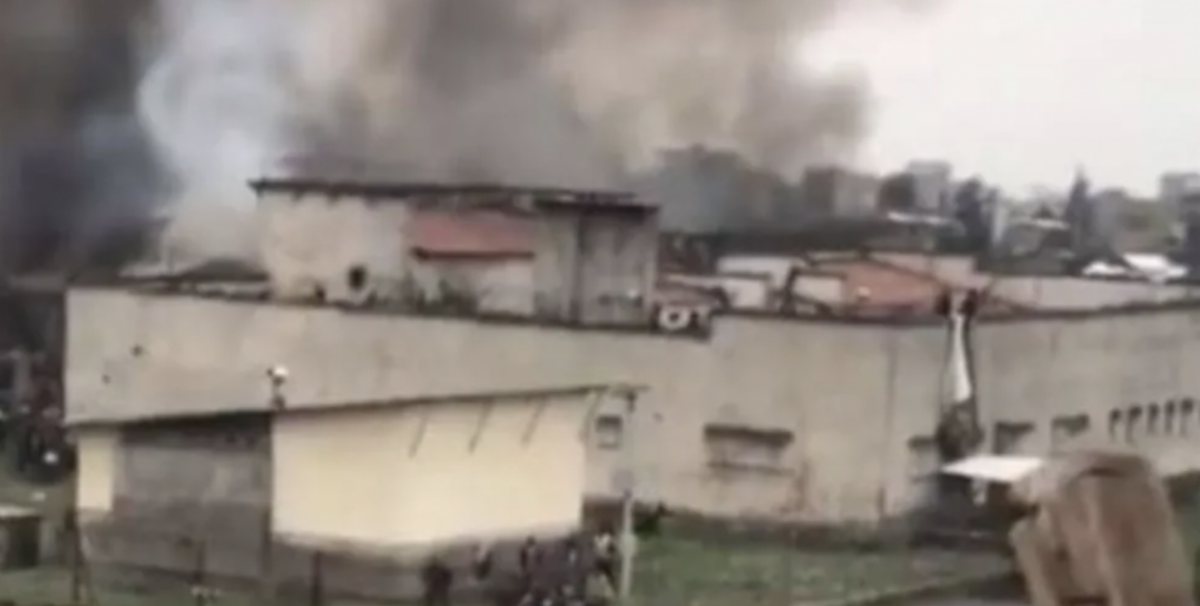
On 27 January 2025, a massive prison break at Goma Jail in North-Kivu Province, Democratic Republic of the Congo (DRC), escalated into a humanitarian disaster. The facility was set ablaze during the escape, leading to reports of mass murder, sexual violence, and destruction. Over 100 female inmates were raped and burned alive, while an estimated 167 other women suffered brutal assaults at the hands of male prisoners. The collapse of law and order in Goma, already predicted following the city’s fall to the March 23 (M23) Movement, has rapidly worsened the humanitarian crisis, leaving the region in turmoil.
Goma is not just a strategic city but a vital economic hub for the entire region. Its loss represents a severe setback for the Congolese government and highlights M23’s ability to destabilise the region with swift, coordinated offensives. This latest assault bears striking similarities to M23’s 2012 takeover of Goma, underscoring the group's operational capabilities and its persistent threat. The prison break is particularly concerning as many of the escaped inmates are likely to be recruited by M23, given the nature of their crimes and the near impossibility of reintegration into society. The ensuing chaos has provided a fertile ground for these individuals to be absorbed into militant ranks, further strengthening the rebel group’s forces.
Moreover, the prison housed not only violent criminals but also militants from groups such as the Islamic State Central Africa Province (ISCAP) and the Cooperative for the Development of the Congo (CODECO). The indiscriminate nature of prison arrangements in the DRC has facilitated the radicalisation of inmates, with ideological divisions largely ignored in detention facilities. This oversight has created an environment where extremist networks thrive, as former prisoners form new alliances and return to their respective militant factions with strengthened ties and broader operational knowledge. The likelihood that these newly freed militants will reintegrate into ISCAP, CODECO, or M23 is exceptionally high, further escalating the conflict and compounding the instability in eastern DRC.
| |
TRAC Incident Report: Security Forces Seize 17 Assault Rifles Following an Armed Confrontation Between Two Moro Islamic Liberation Front (MILF) Rival Factions in Barangay Damabago, Radjah Buayan, Maguindanao del Sur, Philippines | |
|
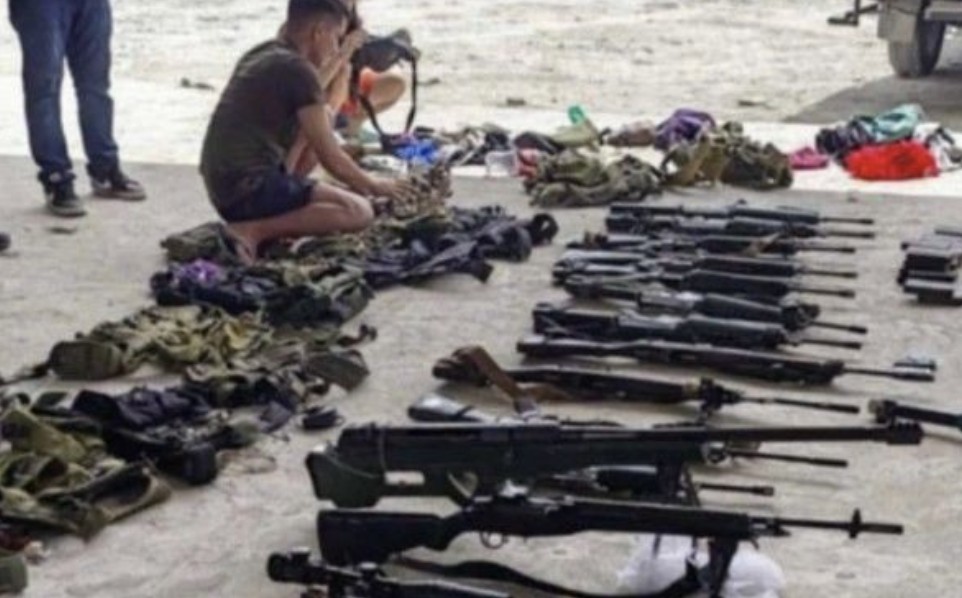
On 06 February 2025, violent clashes erupted between two rival factions of the Moro Islamic Liberation Front (MILF) in Barangay Damabago, Radjah Buayan, Maguindanao del Sur, highlighting ongoing factional disputes within the MILF. The gunfight, involving factions reportedly led by MILF commanders Marato Felmin and Baguindali Felmin, resulted in the displacement of local villagers who fled to safer areas. Security forces intervened following the confrontation, seizing 17 assault rifles from both warring groups, underscoring the persistent challenge of armed political conflicts in the region.
The conflict is reportedly rooted in territorial control and political rivalry, which has intensified ahead of the May 2025 elections. Notably, authorities had already implemented a nationwide gun ban on 12 January 2025 to ensure a peaceful electoral process, yet this incident illustrates the ineffectiveness of such measures in regions plagued by armed insurgencies and intra-group tensions. The ongoing power struggle between MILF factions in Maguindanao del Sur, Maguindanao del Norte, and Cotabato has been raging since December 2023, indicating a broader instability that extends beyond this singular event.
This is not the first violent confrontation between MILF factions in Radjah Buayan. In June 2024, rival groups clashed in Datu Unsay, just 10km away, reinforcing the long-standing history of internal divisions within the MILF. Furthermore, in July 2024, two MILF-affiliated arms dealers were arrested in Radjah Buayan, reflecting the continued proliferation of illicit firearms despite disarmament efforts following the 2014 peace agreement between MILF and the Philippine government. This latest incident further exposes the fragility of MILF’s internal unity, raising concerns over its ability to maintain order within its ranks and navigate the region’s shifting political landscape ahead of the elections.
| |
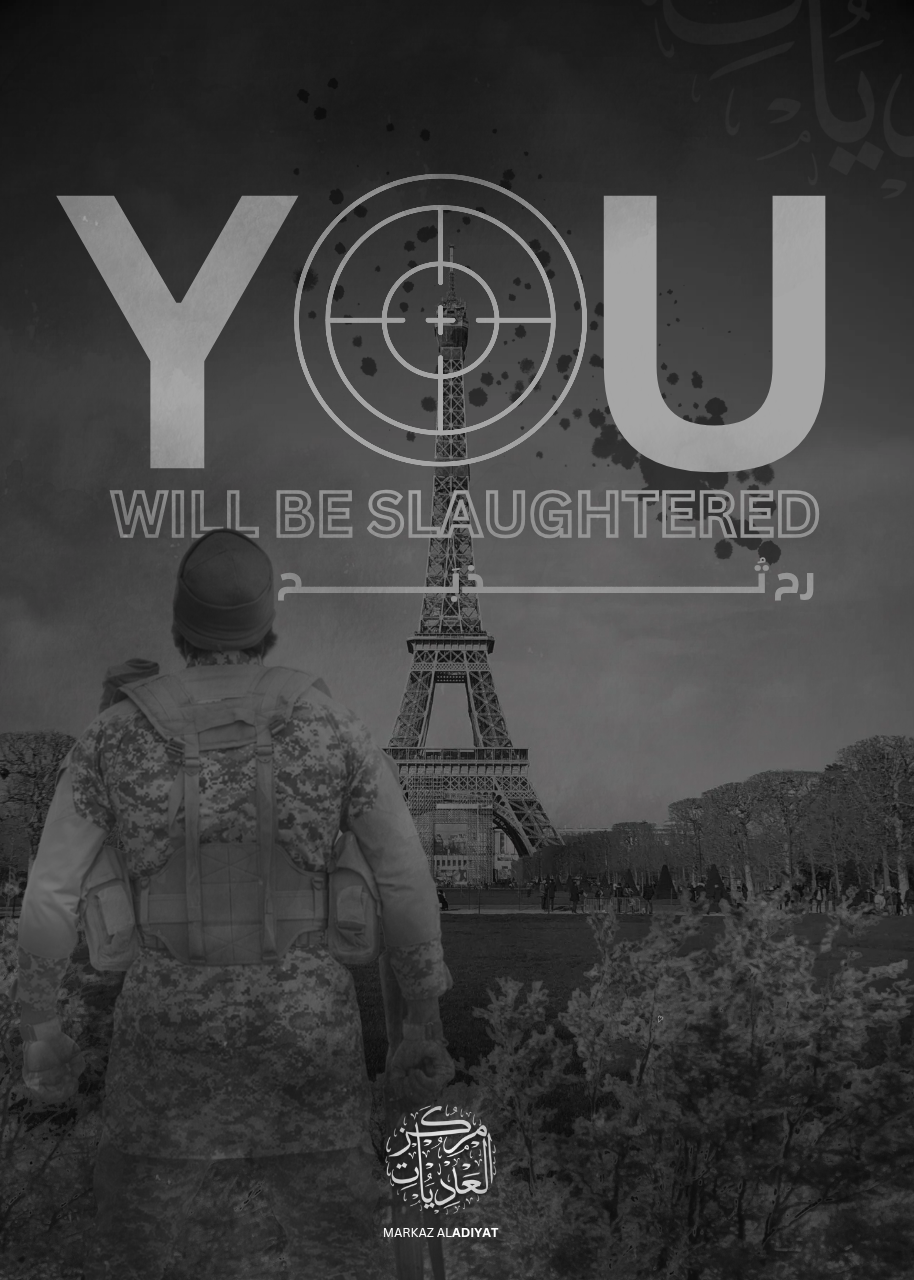
(Poster) Markaz Aladiyat Media (Unofficial Islamic State): ‘You Will Be Slaughtered’ | |
|
This poster, titled "You Will Be Slaughtered," is a propaganda piece from Markaz Aladiyat media, explicitly threatening violence against France, symbolised by the Eiffel Tower caught in the crosshairs of a sniper's scope. The imagery of an armed militant facing the iconic landmark reinforces Islamic State's ongoing narrative of targeting Western nations, particularly France, which has frequently been the subject of IS attacks, threats, and propaganda. The group's hostility toward France stems from its military interventions in the Middle East and Africa, its secular policies, and perceived offenses against Islam, including restrictions on religious symbols, particularly affecting Muslim communities. France’s historical role in global counterterrorism efforts and its firm stance against Islamist extremism have also made it a prime IS adversary.
The provocative tone of this poster seeks to incite fear, amplify psychological warfare, and portray an image of imminent danger. By using highly charged language and stark visual symbolism, IS aims to motivate its supporters to act, either by carrying out lone-wolf attacks or by engaging in more significant, coordinated assaults. The Eiffel Tower, as a symbol of Western culture and French identity, has been a recurring element in IS propaganda, reinforcing its intent to strike high-profile targets that carry deep national and cultural significance.
This poster serves as both a direct threat and a call to action, urging IS sympathisers to perpetrate attacks within France while simultaneously attempting to intimidate the French public and government. The message aligns with Islamic State’s broader strategy of inspiring decentralised violence, using propaganda to fuel radicalisation and self-initiated attacks by individuals who align with their ideology. Given France's long-standing position as a primary target, this type of propaganda is likely to continue, particularly amid ongoing tensions related to anti-terrorism laws, social policies, and France’s role in the global fight against jihadist groups.
| |
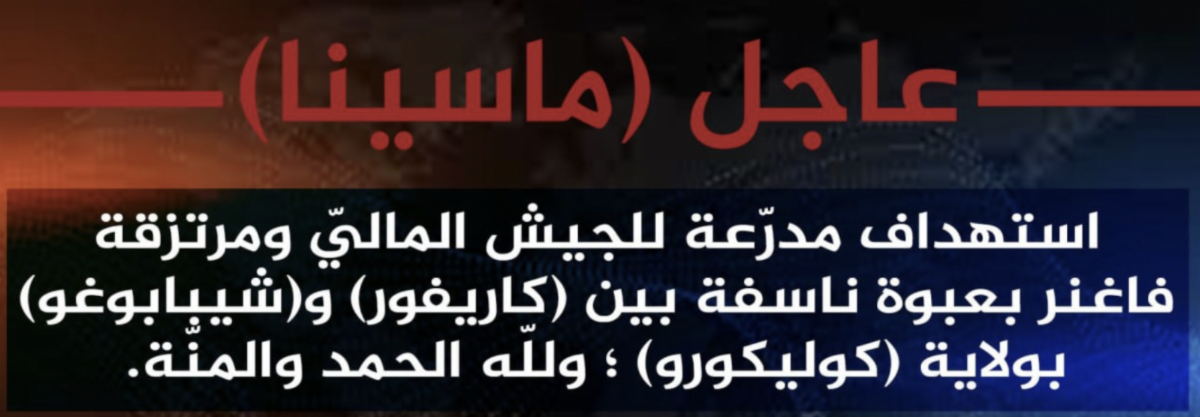
TRAC Incident Report: Jama’a Nusrat ul-Islam wa al-Muslimin (JNIM) Militants Target a Vehicle of the Malian Forces (FAMA/Wagner) with an IED in the Sébabougou Area, Koulikoro Region, Mal | |
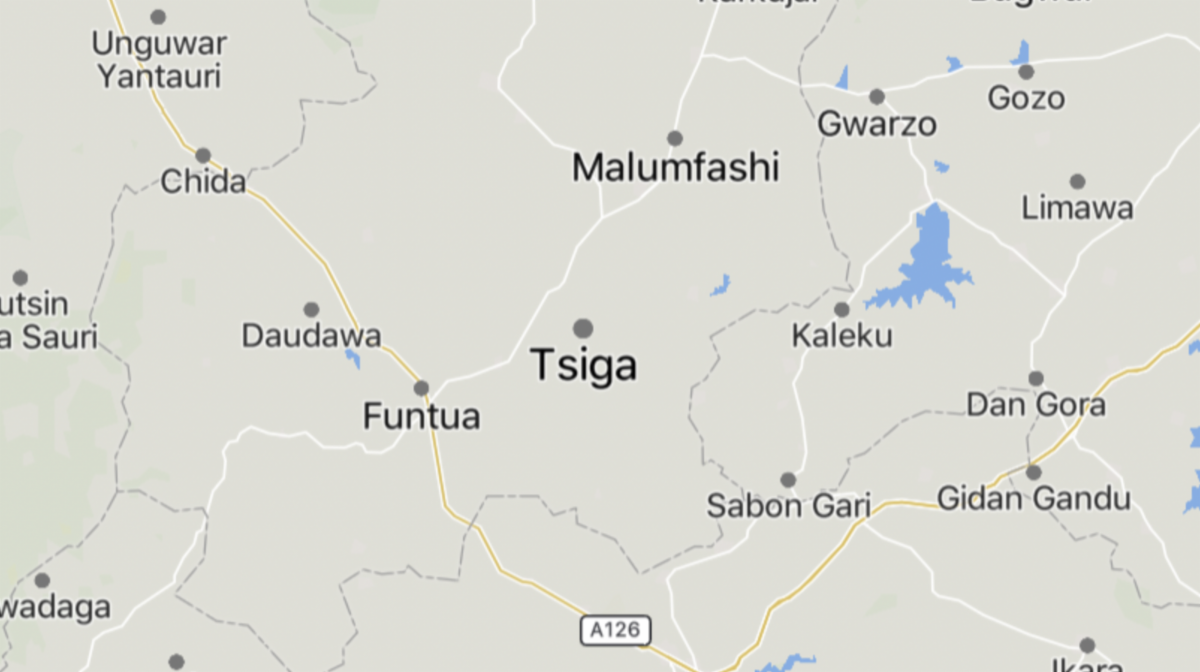
TRAC Incident Report: Bandits Led an Armed Assault and Kidnapped Civilians in Tsiga, Bakori LGA, Katsina State, Nigeria | |
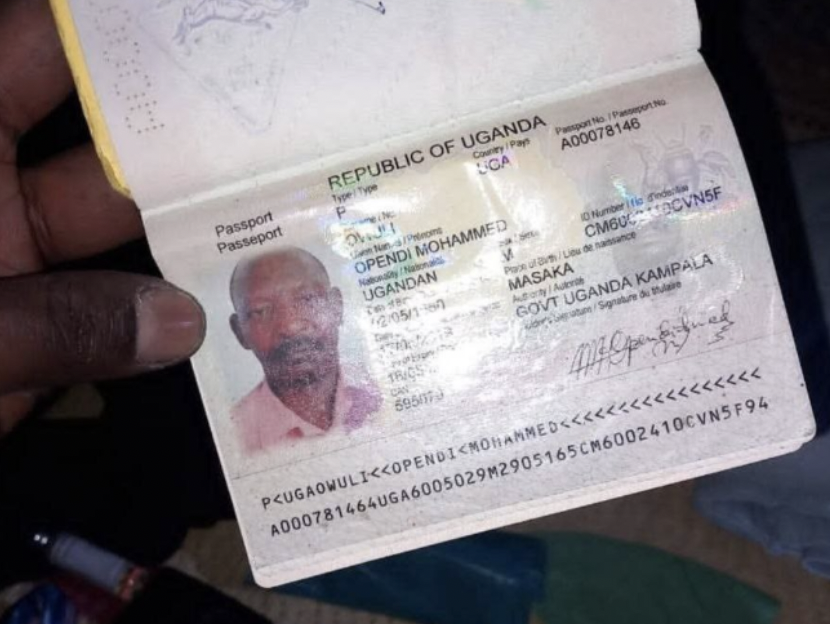
TRAC Incident Report: Puntland Forces Detain Ugandan Citizen Amid Crackdown on Foreigners Allegedly Joining Islamic State Somalia (ISS/Abnaa ul-Calipha) in Puntland, Somalia | | | | |