|
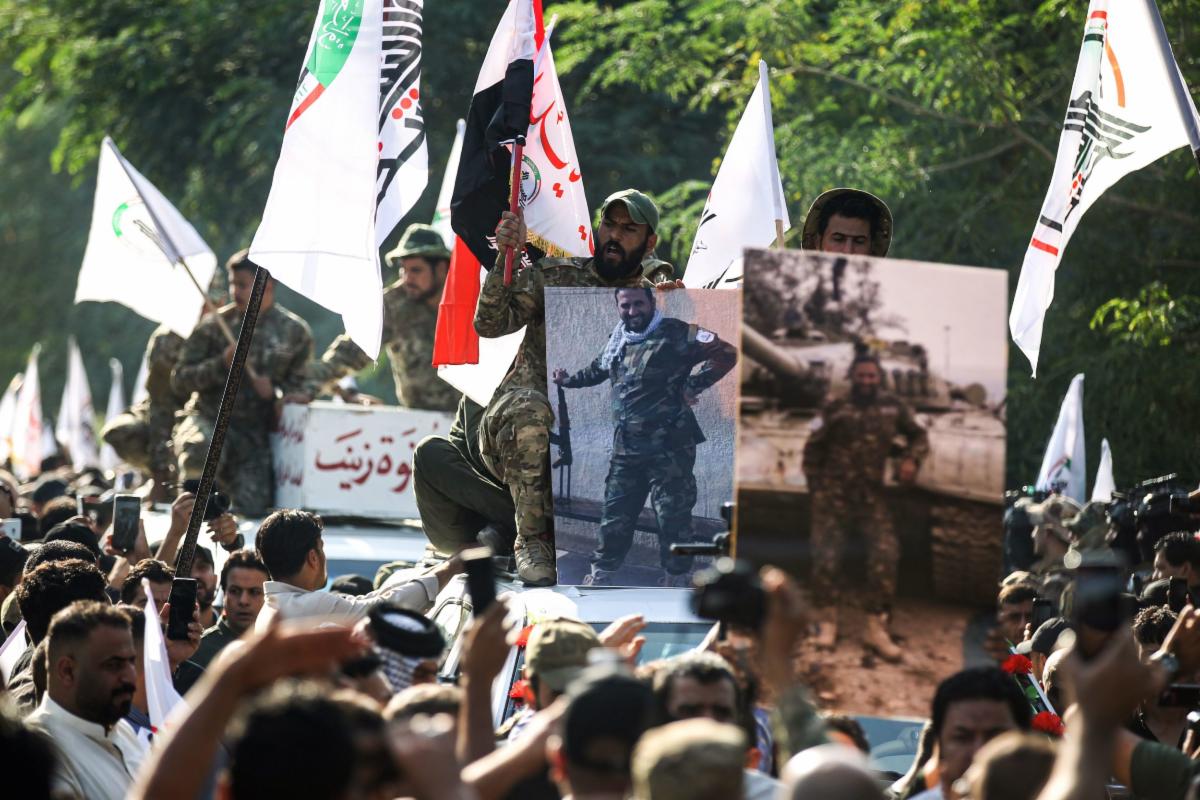
Armed factions in Iraq tied to Iran have responded warmly to the Iraqi government’s calls to disarm after rejecting a similar request three months earlier. The first calls this year came immediately after Donald Trump assumed power in the United States and were denied by the factions outright as an American demand mediated through the Iraqi state. Since then, the US has persistently sent private warnings to Baghdad that if the issue were not resolved, airstrikes would be used on the non-complying groups.
Now, according to reports from within Iraq’s Shia-dominated political coalitions point to disarmament being back on the table. Iran’s strategic losses in Syria and Lebanon, a significant recalibration of relations between Baghdad and Damascus, and plain fear point to Iraq’s militias losing their weapons as part of a wider Iranian pursuit of new living arrangements with the US and Israel.
Iraq in the US’ New Iranian Strategy
Iran finds itself at a serious strategic disadvantage. Hezbollah, its most potent regional proxy, suffered setbacks in its clashes with Israel and was forced to halt operations. Syria, once a reliable bridge between Iran and Hezbollah in Lebanon, has effectively collapsed, undermining Iran's decade-long investment in the region’s military and logistical infrastructure. The U.S. has seized this opportunity to offer Tehran a stark choice: direct negotiations under new terms or continued military and economic pressure. Iran has avoided formal talks but engages through intermediaries like Oman, indicating a reluctance to escalate. Military posturing by Iranian leaders—such as General Mohammed Bagheri—appears more about maintaining domestic and regional credibility than signalling true strength.
U.S. strategy is focused on dismantling Iran’s regional networks, beginning with its allied militias. Pressure has intensified on Iraq’s armed groups to disarm, while similar demands have been made of Hezbollah in Lebanon. Iran’s IRGC, understanding the shifting balance of power, has reportedly encouraged these groups to act cautiously and avoid confrontation with U.S. or Israeli forces. Yet not all Iranian allies are aligned with this de-escalatory stance. For Example, in Yemen, Iran is allied with the Houthis (Ansarallah), which, however, act with greater autonomy. Their decision to maintain the Red Sea blockade—despite a Western-backed Iranian proposal delivered via former Iraqi PM Adil Abdul Mahdi—demonstrates Tehran’s limited control. This contrast highlights Iran’s selective ability to rein in regional proxies.
Tehran’s approval of Iraqi militia disarmament reflects its urgent need to stabilise relations with Washington. With Hezbollah’s ceasefire and Syria’s collapse, Iran is scrambling to preserve what influence it can. Iraq’s militias, once essential to Iran’s regional strategy, are now expendable in a recalibrated policy focused on concessions rather than confrontation. The broader Axis of Resistance is showing cracks, and Iran appears to be sacrificing lesser allies to save face and buy time. By facilitating disarmament, Tehran sends a message that it is willing to compromise where it holds leverage—especially in Iraq, where its influence is most potent and most entrenched.
Regional Shifts from an Iraqi Perspective
From Baghdad’s perspective, the shift is both political and practical. Iraqi militias like Kataib Hezbollah and Harakat al-Nujaba have shown they will retreat under credible threats to leadership. This was evident in early 2024 when targeted assassinations by the U.S. and Israel led to a sudden cessation of attacks on American and Israeli positions. The fall of the Syrian regime leader Assad, Iraq's neighbor, dealt a heavy blow to these militias. These groups had spent years building influence by sending fighters and weapons into Syria, establishing cross-border networks, and profiting from control over key routes like the al-Bukamal crossing. With Assad’s fall and no intervention from Iraq or Iran to support him, these factions were forced to withdraw and abandon their profitable operations, returning to Iraq with diminished regional power and economic leverage. As Damascus pursues new security cooperation with Baghdad, the Sudani government aims to limit militia interference, primarily as former foes now represent Syria’s new ruling elite.
The Sudani government, aligned with the Shia Coordination Framework, is pursuing state-to-state diplomacy with Syria. This approach is incompatible with the militias’ extraterritorial ambitions. At the same time, Washington continues to push for their integration into official security structures—another step toward neutralising their autonomy. Though some factions have transitioned into political parties, they’ve struggled electorally. The Fatah Alliance, composed of many Iran-aligned groups, lost significant ground in Iraq’s 2021 elections. Their reduced political capital and increased dependence on al-Sudani’s coalition allow the government to enforce disarmament more effectively.
Conclusion: Disarmament Now Feasible(?)
A convergence of factors makes Iraqi militia disarmament more plausible than ever. Iran’s diplomatic outreach, military setbacks, and shifting priorities have weakened its ability—and willingness—to maintain armed proxies in Iraq. The militias, lacking deep ideological motivation, appear ready to trade arms for political survival. Iran is recalibrating its regional strategy, trading hard power assets for diplomatic breathing room. Iraqi factions, meanwhile, are adjusting to a new reality where U.S. threats are credible, Iranian support is conditional, and armed resistance offers fewer rewards than ever before.
|