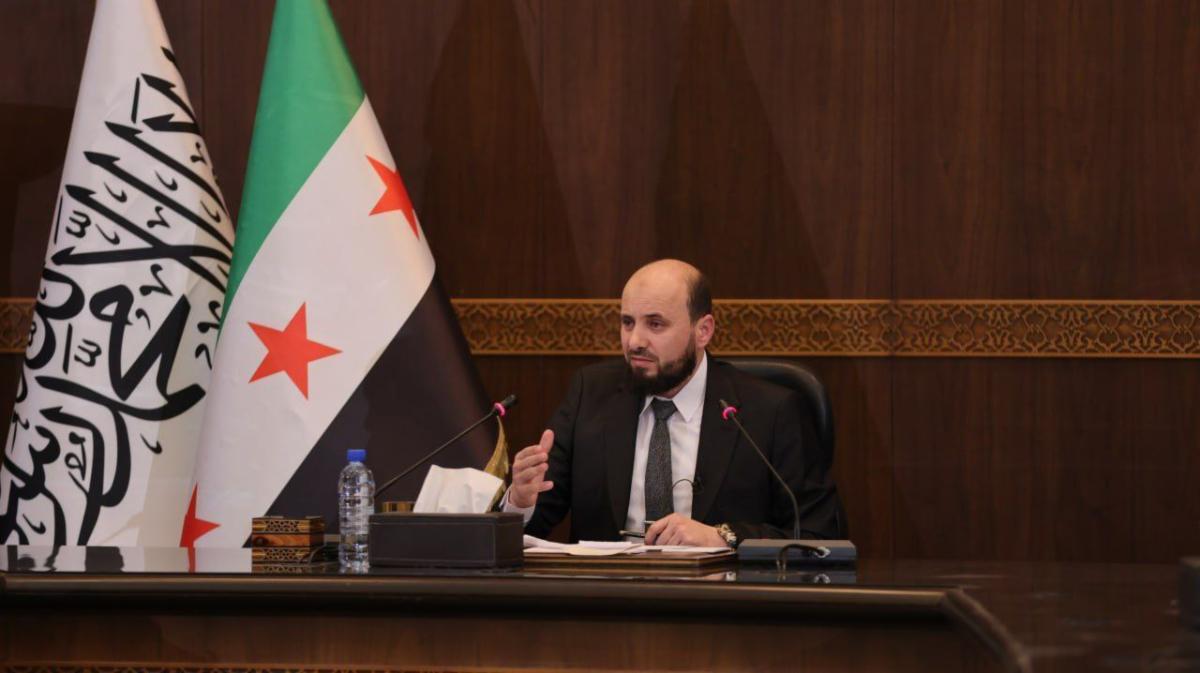
| | Hayy’at Tahrir al-Sham (HTS) is making significant strides in presenting itself as a viable, comprehensive governing body in Syria, with its arrival in Damascus symbolising the next phase of its transformation from an armed Salafi-Jihadist organisation to a political force aiming to fill the void left by the Assad regime. Unlike earlier arrivals of fragmented groups from southern Syria, HTS is leveraging its shadow governance experience from Idlib, spearheaded by the Syrian Salvation Government (SSG), to position itself as a legitimate contender for Syria’s future government. Central to this effort is its dual-symbolism approach—displaying both the Salafi-Jihadist shahada flag and the nationalist Free Syrian tricolour during a high-profile meeting between former Assad officials and SSG representatives. These two flags symbolise the ideological spectrum HTS is attempting to straddle: the pan-Islamist aspirations of its core Salafi-Jihadist supporters and the more nationalist sentiment popular among ordinary Syrians opposed to Assad.
The Shahada Flag and the Free Syrian Tricolor: A Dual Strategy
The Shahada flag reaffirms HTS’ Islamist roots, borrowing from a legacy of global jihadist movements such as al-Qaeda and the Islamic State (IS). While its association with transnational Salafi-Jihadist ideology is undeniable, HTS has sought to adapt this image, maintaining Islamist credentials while simultaneously downplaying controversial internationalist ties. In parallel, its cautious acceptance of the Free Syrian tricolour marks a pragmatic pivot to broaden its appeal. While Syrians widely embrace the tricolour as a symbol of opposition to Assad, it contrasts sharply with HTS' doctrinal disdain for nationalist symbols. HTS’ dual-flag strategy reflects its effort to reconcile these opposing forces and mitigate criticisms that it remains a foreign-dominated entity with Salafi-Jihadist ambitions. Yet, the reluctance to fully embrace nationalist symbols highlights the persistent tension between its Islamist ideology and its ambition to govern a diverse, fractured Syria.
Authoritarian Governance and Persistent Contradictions
Despite these symbolic shifts, HTS’ credibility as a governing entity is undermined by its authoritarian practices, including suppressing dissent, deploying morality police, and running torture prisons. While adopting nationalist rhetoric and symbols may placate some, it cannot erase the group’s Salafi-Jihadist origins or its track record of human rights abuses. Efforts to merge Islamist internationalism with Syrian nationalism—such as the brief experiment with the "Shahada tricolour"—failed to resonate with either camp. Instead, the two-flag approach now serves as a calculated compromise, allowing HTS to appear inclusive without alienating its hardline base. However, such symbolic concessions belie the reality that HTS’ legitimacy remains deeply tied to its Islamist ideology and its support from foreign fighters committed to a broader Islamic caliphate. This dual identity is both HTS’ strength and its limitation as it seeks to transition from a militant group to a political force.
Technocratic Modernism and Concessions to Turkish Influence
Beyond flags, HTS has used its governing body, the SSG, to promote an image of technocratic modernism, employing logos and designs that blend Islamic art with contemporary aesthetics. These visual elements underscore the SSG’s claim to administrative competence and a vision of modern Islamic governance. However, omitting contested territories such as Hatay Province from its stylised maps suggests a quiet acceptance of Turkish sovereignty—a concession likely driven by HTS’ dependency on Turkish logistical support. This implicit acknowledgement of Turkey’s dominance, coupled with HTS’ muted response to other sovereignty challenges like Israeli airstrikes, raises doubts about its capacity to protect Syria’s territorial integrity or assert meaningful independence on the global stage. Ultimately, while HTS has refined its political messaging, its attempts to rebrand itself as a legitimate government remain fraught with ideological contradictions and practical vulnerabilities that call into question its long-term viability.
| | |
TRAC Insight: Iranian Official Warns Iraqi Authorities of 11,000 Islamic State (IS) Militants Ready to Strike, Iraqi-Syrian Border, Deir Ezzor Governorate, Syria | |
|
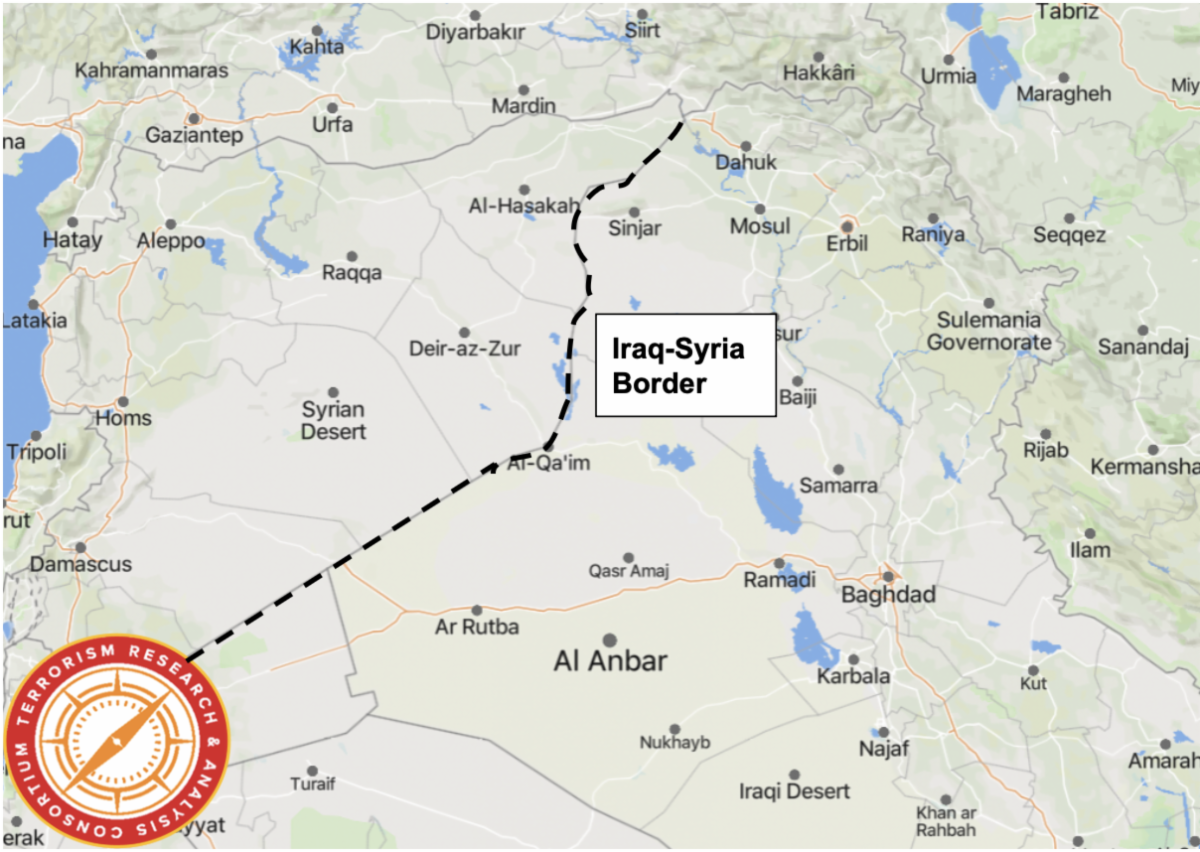
On 11 December 2024, an Iranian official issued a stark warning to Iraqi authorities regarding the presence of approximately 11,000 Islamic State (IS) militants amassed along the Iraq-Syria border near Deir Ezzor, poised to strike at any moment. This announcement coincided ironically with Iraq's "Victory Day," commemorating the nation’s liberation from IS control. However, this revelation underscores a sobering reality: IS has not been defeated but steadily regrouping. TRAC has long warned of this resurgence, highlighting the group’s strategic use of asymmetric warfare and exploitation of regional instability to consolidate power in Iraq and Syria. While IS’ current focus appears to be Syria, Iraq remains a vital component of its long-term strategy to reestablish territorial dominance.
During Ramadan 2023, IS launched a targeted campaign against Iraqi forces and government personnel in Anbar Province, briefly seizing control of key routes such as the M1 highway. However, this flurry of activity was followed by a sudden silence, with the group withholding operational details and creating the illusion of diminished influence. TRAC consistently assessed this as a calculated move to lull authorities into complacency while preparing for more significant operations. The Iranian warning aligns with these assessments, suggesting that IS has used this period to gather strength and plan a resurgence. The reported mass of militants along the border indicates IS’ readiness to reclaim lost territory, with Anbar Province likely being a strategic target due to its proximity to Deir Ezzor and its symbolic importance in IS’ vision of a unified caliphate that erases national borders between Iraq and Syria.
The fall of Damascus and broader regional instability have created a power vacuum that IS is primed to exploit. Should the 11,000 militants cross into Iraq, they could reignite widespread violence, undermining years of progress in stabilising the region. This threat is exacerbated by the diminishing likelihood of U.S. military support for Iraq or the Syrian Democratic Forces (SDF) in containing IS advances. Without external assistance, Iraq faces a daunting challenge in defending its borders and preventing IS from regaining its foothold. These developments highlight IS’ adaptability and long-term resilience, positioning the group to capitalise on chaos and reassert itself as a dominant force in Iraq and Syria.
| |
(Poster/ Right-Wing Extremism): Satanic Neo-Nazis Utilize the Defunct National Socialist Resistance Front (NSRF) Iconography To Announce Formation of the ‘Satanic Futurist’ | |
|
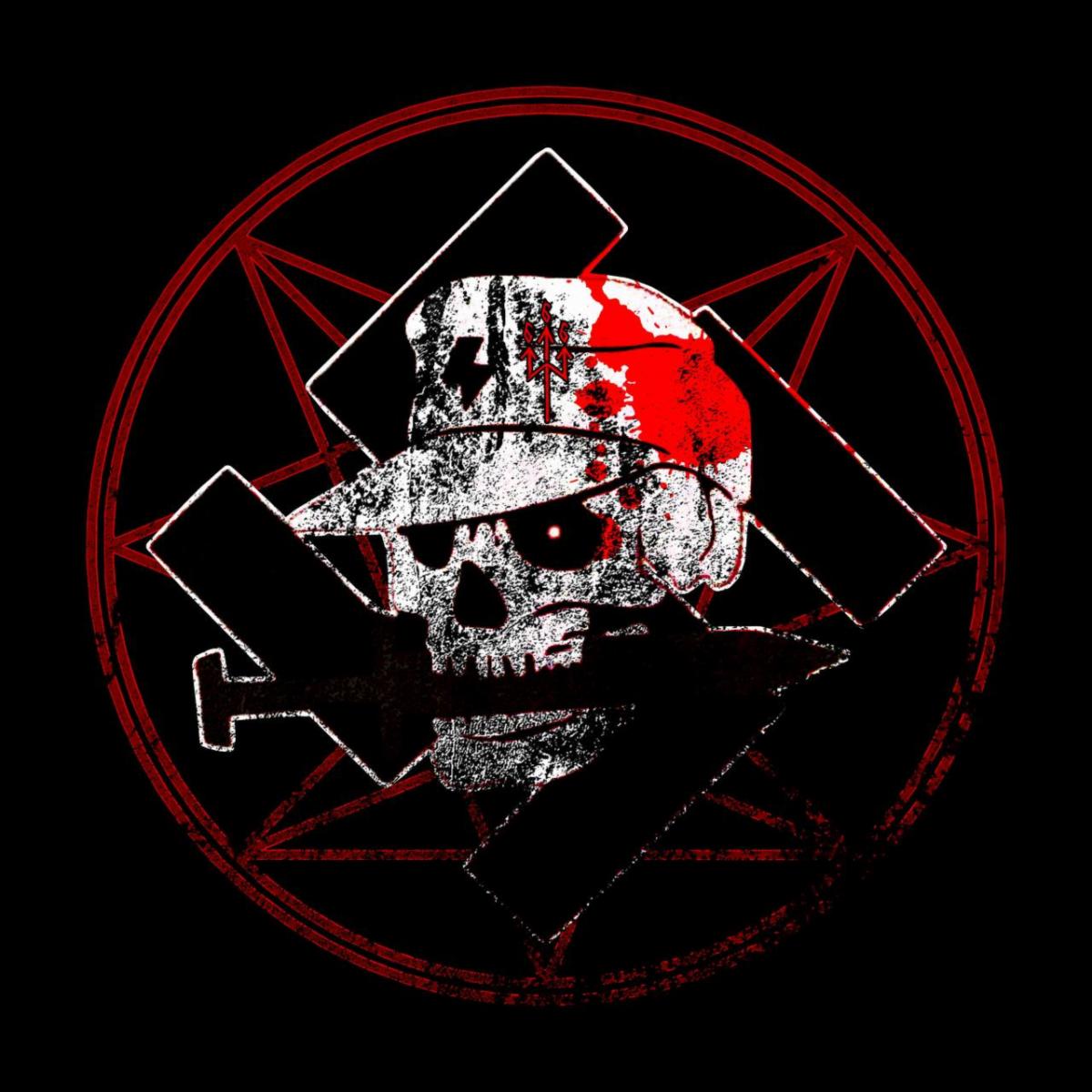
On 12 December 2024, a prominent Satanic Neo-Nazi channel disseminated a stochastic terror poster featuring the symbol of the Atomwaffen Division (AWD) successor, formerly known as the National Socialist Resistance Front (NSRF). Since its dissolution in 2020, NSRF has fragmented into various groups under different organisational names following high-profile arrests and infiltration by the satanic Order of the Nine Angles (ONA/O9A). This recent poster, however, strongly indicates that remnants of those Satanists who were reportedly purged during the National Socialist Order (NSO) split have persisted despite attempts to remove their influence. The integration of a satanic pentagram into the imagery—alongside a Nazi swastika and the NSRF’s signature skull-with-knife emblem—points to the lingering presence of satanic ideology within the NSRF's ranks, challenging earlier claims of their purification from such elements. The poster was released in coordination with a statement infused with esoteric and satanic language, referencing the "Vanguard of the Aeon" and urging members to embrace a decentralised, "fluid" structure aligned with the principles of the "Dark Gods." The statement’s emphasis on rejecting the “Magian Order” and dismantling traditional hierarchies resonates with ONA doctrines, which prioritise the individual’s sinister will and alignment with occult principles. This rhetoric underscores the enduring ideological interplay between neo-Nazi accelerationism and esoteric Satanism, despite the apparent dissolution of NSRF.
The NSRF’s dissolution appears to have driven its members toward fringe extremist organisations like InJekt Division and Aryan Freedom Network, further decentralising their ideological footprint. The poster’s reference to a “fluid, decentralised, and infused” organisation reflects the dynamic nature of online extremist communities, which thrive in decentralised environments that allow for greater adaptability and survivability. This structure fosters a robust ecosystem for stochastic terrorism, wherein propaganda like this poster serves as both a recruitment tool and a catalyst for inspiring lone-wolf attacks.
Nazi iconography, while central to many Neo-Nazi groups, is often sidelined in favour of aesthetically striking propaganda designed to attract wider attention. The poster’s inclusion of both traditional Nazi and satanic symbols demonstrates an effort to blend these ideologies into a cohesive narrative that appeals to a niche yet highly radicalised audience. The attempt to resurrect the NSRF’s legacy closer to its original satanic-leaning iteration, as seen in NSO, underscores the continued fragmentation and reorganisation within the Neo-Nazi accelerationist movement. However, without a clear pattern of collaboration or repetition of such propaganda, TRAC is sure that this poster is an outside attempt to co-opt the NSRF’s legacy and aesthetic appeal. The overlap between satanic and Neo-Nazi ideologies within these splinter groups poses a unique threat, as their combined esoteric and militant rhetoric can drive unpredictable and decentralised acts of terror.
| |
(Chatter) First-Ever Alleged Picture of the Emir of Hafiz Gul Bahadur Group (HGB) Hafiz Gul Bahadur Taken During the Funeral Prayer of Khalil-ur-Rehman Haqqani, in Paktia, Afghanistan | |
|
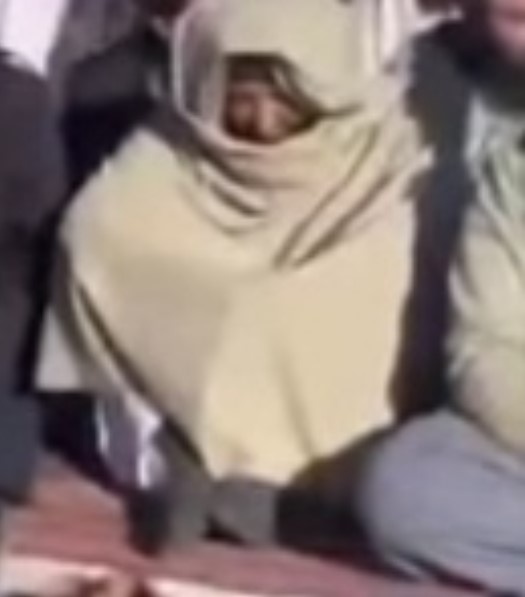
The purported circulation of the first-ever photograph of Hafiz Gul Bahadur, Emir of the Hafiz Gul Bahadur (HGB) group, at Khalil ur Rehman Haqqani’s funeral in Paktia, Afghanistan, represents a momentous development with far-reaching security implications. Hafiz Gul Bahadur, a historically elusive figure, has been pivotal in orchestrating attacks on Pakistani security forces, contributing to instability in Pakistan’s northwestern regions. For TRAC, his presence at this high-profile funeral offers a rare visual confirmation of his ongoing influence and the intricate web of connections between militant networks in the region.
This public appearance signals a potential shift in Bahadur’s strategic approach. Traditionally operating in secrecy to safeguard his operational security, his decision to attend a public event despite the risks of detection marks a significant departure from his usual covert methods. TRAC assesses that this visibility reflects his intent to reassert authority over the HGB, particularly amid increasing autonomy within the group and tensions with the Tehreek-e-Taliban Pakistan (TTP). His presence alongside senior figures from the Haqqani Network and Afghan Taliban at the funeral underscores a potential alignment aimed at leveraging these powerful alliances to counter TTP aggression or consolidate his own faction's standing.
Furthermore, Bahadur’s appearance highlights the enduring use of Afghan territory as a sanctuary for militant groups like HGB. His ability to participate openly in a high-profile gathering within Afghanistan, despite his group’s continued cross-border operations against Pakistan, underscores the challenges posed by such safe havens. It demonstrates the confidence of militant leaders in the protection offered by elements within the Afghan Taliban, further complicating regional counterterrorism efforts.
| |
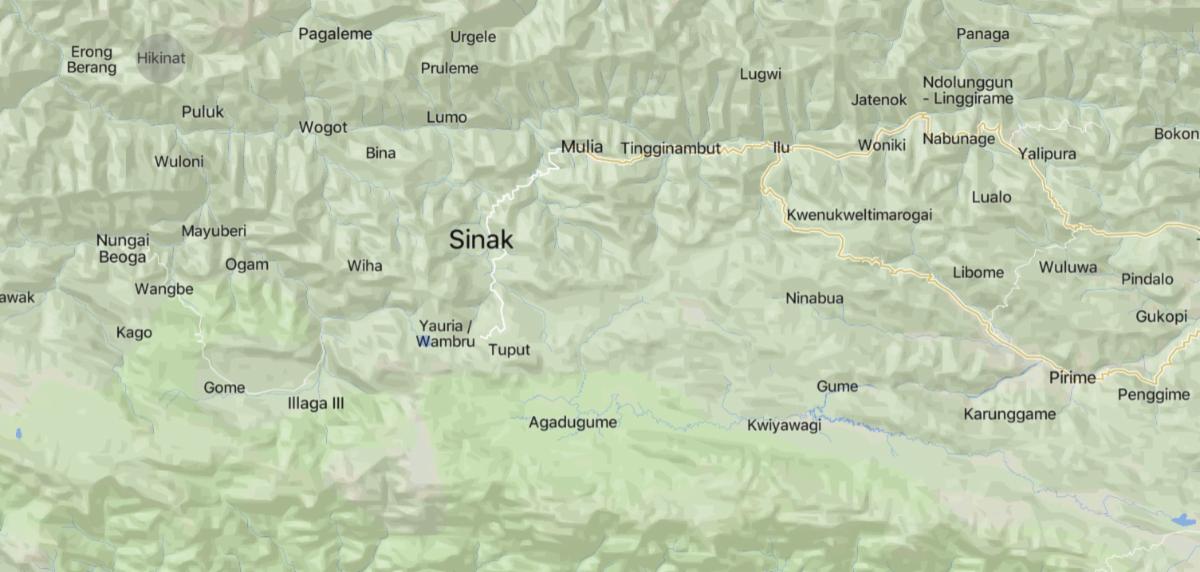
TRAC Incident Report: Free Papua Movement (OPM) Armed Assault on Schools and Houses in Sinak District, Puncak Regency, Central Papua, Indonesia | |
|
On 10 December 2024, at approximately 7:30 PM local time, a coordinated assault was carried out by a group of at least 10 Free Papua Movement (OPM) militants, targeting schools and residential properties across three separate locations in Sinak District, Puncak Regency, Central Papua. Security forces responded with return fire and deployed a surveillance drone to monitor the situation. Fortunately, no casualties were reported during the attack.
In the aftermath, authorities launched investigations to determine the motive behind this brazen act of violence. TRAC assesses that this incident is very likely a retaliatory action in response to the killing of two OPM militants by security forces on 4 December 2024, also in Sinak District. The coordinated nature of the attack, spanning three distinct locations, suggests a dual-purpose strategy: to intimidate the local population and to demonstrate OPM’s operational capability to the security forces.
Notably, the timing of the attack, carried out in the evening when schools were not in session, underscores a potential calculated effort to avoid immediate civilian casualties. However, this does not preclude the possibility of more aggressive actions in the future, including attacks during working hours or in crowded settings. Historical precedence reinforces this concern. On 13 July 2024, OPM militants burned down a school in Pegunungan Bintang Regency in broad daylight, showcasing their willingness to escalate violence in high-profile settings.
This latest assault underscores the persistent threat posed by OPM militants in Central Papua, as well as their intent to maintain psychological dominance through both targeted violence and acts of intimidation.
| |
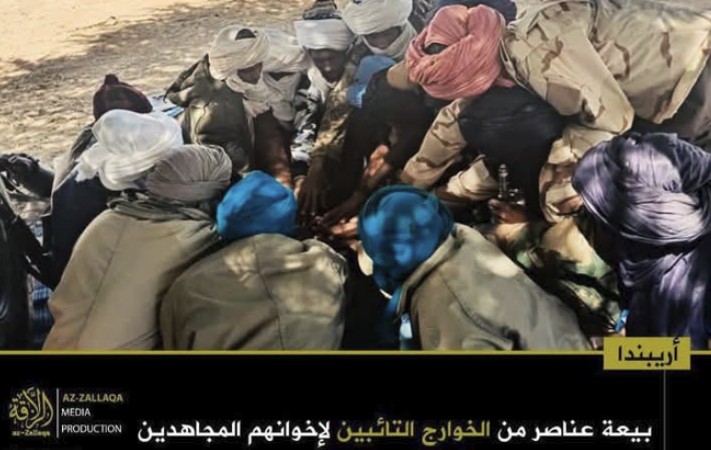
(Photos) Jama’at Nusrat al-Islam wa al-Muslimin (JNIM) Photoset Showing Defectors from the Islamic State Greater Sahara (ISGS) Pledging Allegiance to JNIM, Arbinda, Soum Province, Burkina Faso | |
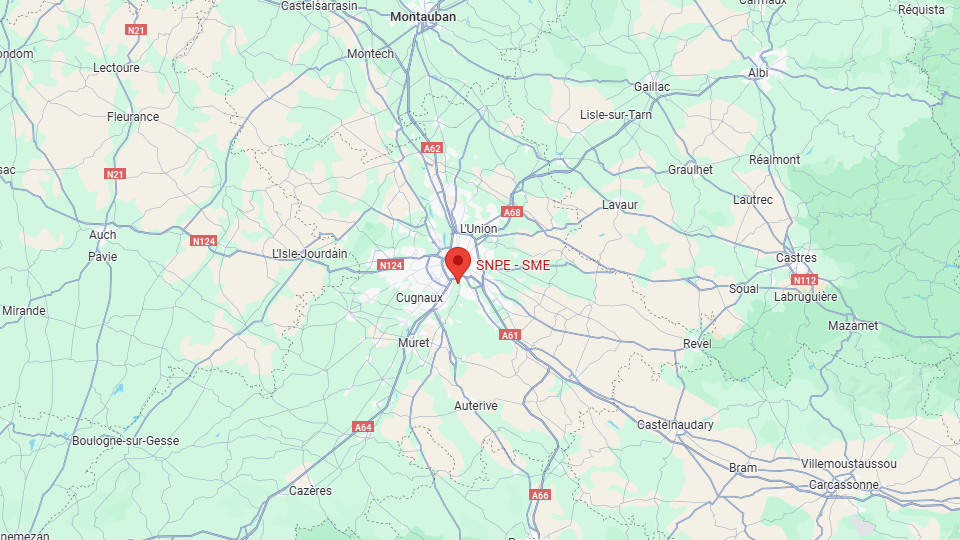
(Claim/Anonymous Anarchists) Anarchists Target Aerospace Industry with Transformer Sabotage in Toulouse, France | |
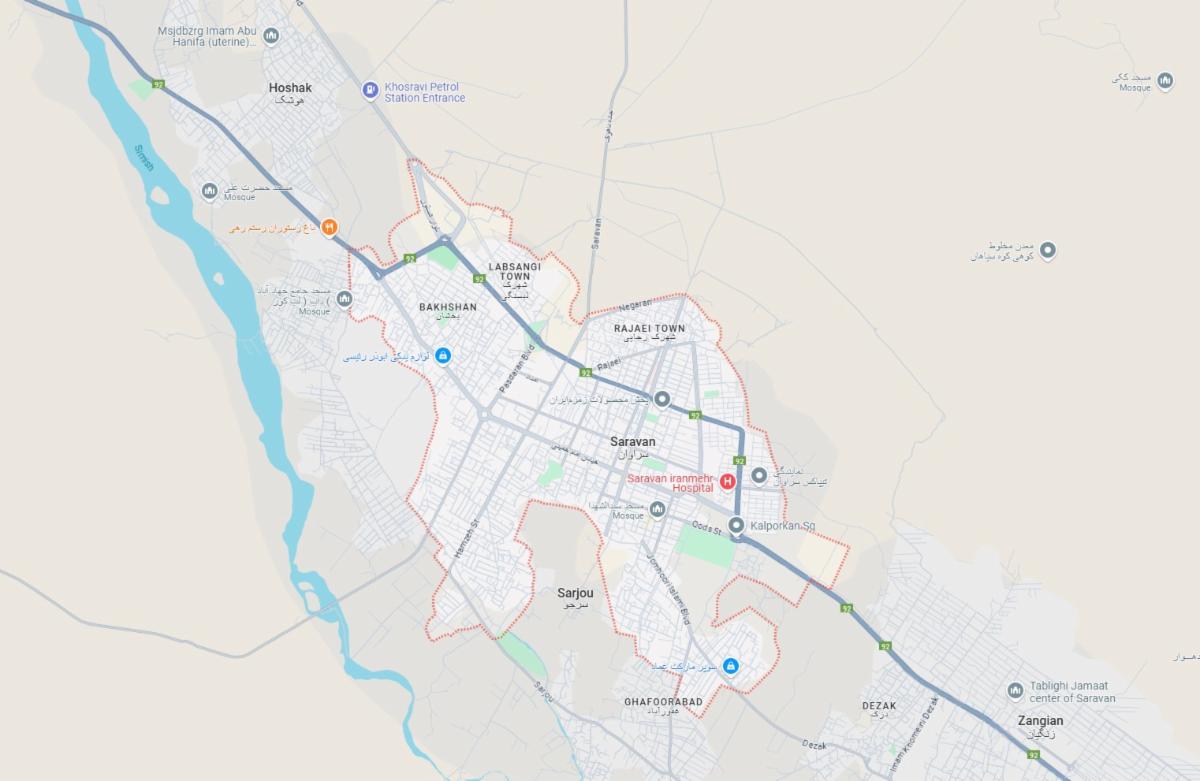
TRAC Incident Report: Jaish al-Adl (Army of Justice) Militants Ambush Iranian Revolutionary Guard Corps (IRGC) Personnel in Saravan, Sistan and Balochistan, Iran | | | | |