|
Anti-ICE Suspect Arrested After Incendiary Device Ignited Outside Federal Plaza in Lower Manhattan
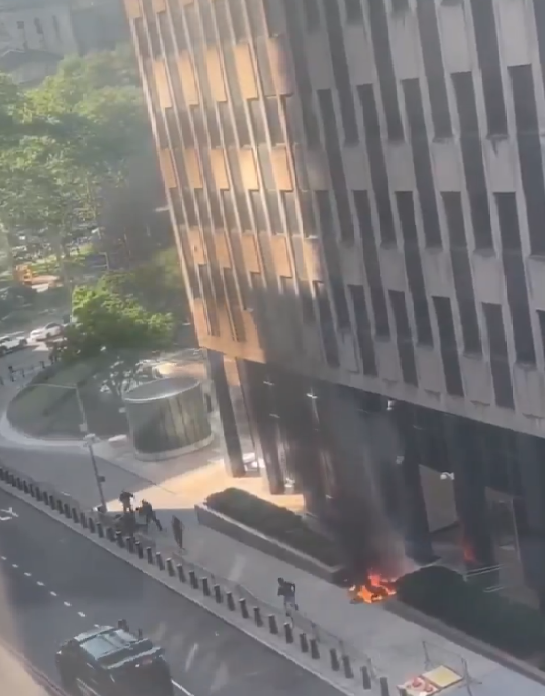
On 20 July 2026, at approximately 8:20 am local time, authorities arrested 43-year-old U.S. Army veteran Andrew Arrabaca outside 26 Federal Plaza in Lower Manhattan, New York City, after he ignited an improvised incendiary device constructed from fireworks and flammable liquid. The resulting fire and heavy smoke prompted evacuations and sidewalk closures at the federal building, which houses offices of the FBI, the Department of Homeland Security (DHS), and Immigration and Customs Enforcement (ICE).
Arrabaca arrived, pushing a cart displaying the message “ICE Off Our Streets.” A firearm was recovered at the scene, while additional weapons found in his cart included two axes, a hammer, a machete, three knives, additional fireworks and incendiary materials. One person sustained minor injuries, while Arrabaca was detained without further casualties. The FBI Joint Terrorism Task Force (JTTF) is leading the investigation.
Ideological Indicators & Target Selection
Arrabaca served in the U.S. Army from 2001 to 2005 as a mechanic for Patriot missile systems. His target selection, protest signage, and online activity strongly suggest that opposition to ICE and the Trump administration’s immigration policies should be examined as a potential motivating grievance. His online footprint included engagement with NYC Antifa and other far-left accounts, support for Luigi Mangione, descriptions of President Donald Trump as a “fascist,” pro-Palestinian material, and criticism of Elon Musk. However, at the time of writing, no formal organisational affiliation or definitive ideological motive has been established.
The combination of an incendiary device, multiple additional weapons and explicitly anti-ICE messaging at a federal building housing ICE and DHS offices makes the target appear unlikely to have been randomly selected. Of particular concern is the presence of additional incendiary materials, which raises questions regarding whether Arrabaca intended further acts beyond the initial ignition.
Part of a Wider Anti-ICE Threat Environment
The incident comes amid heightened hostility toward federal immigration enforcement under the Trump administration and follows other attacks against DHS and prospective ICE infrastructure. On 19 February 2026, a masked individual stole an ambulance from St. Luke’s Hospital in Meridian, Idaho, loaded it with gasoline cans and rammed it into the Portico North building housing DHS offices. TRAC has also previously documented an arson attack by an unidentified woman against a warehouse intended for conversion into an ICE detention facility.
Taken together, these incidents demonstrate how ICE and DHS facilities are increasingly functioning as symbolic targets for individuals angered by federal immigration policy. While the ideological and organisational circumstances differ between cases, the 20 July incident is particularly significant because the suspected perpetrator combined an explicit anti-ICE grievance with an incendiary attack and a substantial cache of weapons. The targeting of 26 Federal Plaza, therefore, reflects not simply wider protest activity surrounding immigration enforcement, but the risk that highly polarised anti-government grievances can escalate from political opposition into acts of targeted violence against federal personnel and infrastructure.
| | | TRAC Incident Report: Two Severed Heads Found Alongside Narcomanta Near Main Square in Ometepec, Guerrero, Mexico | | |
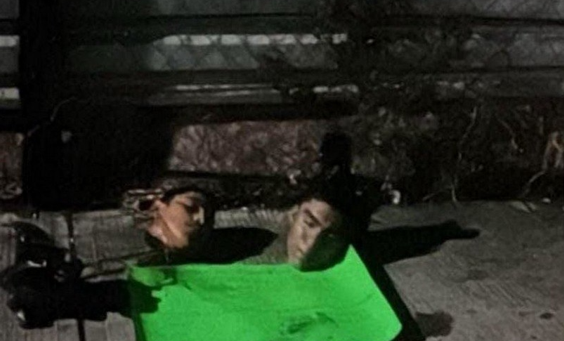
On 18 July 2026, at approximately 11:00 p.m. local time, authorities discovered the severed heads of two young men on Juan García Jiménez Street, approximately 500 meters from Ometepec’s main square in Guerrero. A narcomanta was left beside the remains, making it crystal clear that the killers intended to communicate a message rather than simply dispose of the victims. Notably, the discovery occurred on the same day that 10 bodies were found across three municipalities in Zacatecas, highlighting the continued prevalence of highly visible cartel violence across Mexico.
Guerrero’s Costa Chica region remains contested by criminal organisations, including La Familia Michoacana (LFM), Los Tlacos, and Los Ardillos, which compete for control of trafficking routes, extortion networks, and local territory. While responsibility has not been confirmed, TRAC assesses Los Ardillos as the most plausible perpetrator, given their presence in the region and established use of decapitation, dismemberment, and public displays of bodies to intimidate rivals and civilian populations.
The decision to leave the heads only 500 meters from Ometepec’s main square is particularly significant. The perpetrators appear to have selected a location close enough to the town’s civic centre to guarantee public discovery, fear, and media attention, while avoiding the greater police presence, surveillance, and pedestrian traffic associated with the square itself. This balance between visibility and operational security suggests the disposal site was deliberately selected to maximise psychological impact while limiting exposure. The victims, aged 25 to 30, may have been rival criminal actors or individuals accused of disloyalty, defection, collaboration, or violating internal rules; however, their affiliations and the precise motives remain unknown.
| | TRAC Incident Report: Suspected Tehreek-e-Taliban Pakistan (TTP) Improvised Explosive Device (IED) Attack Destroys Government Middle School in Mamund Tehsil, Bajaur District, Khyber Pakhtunkhwa, Pakistan | | |
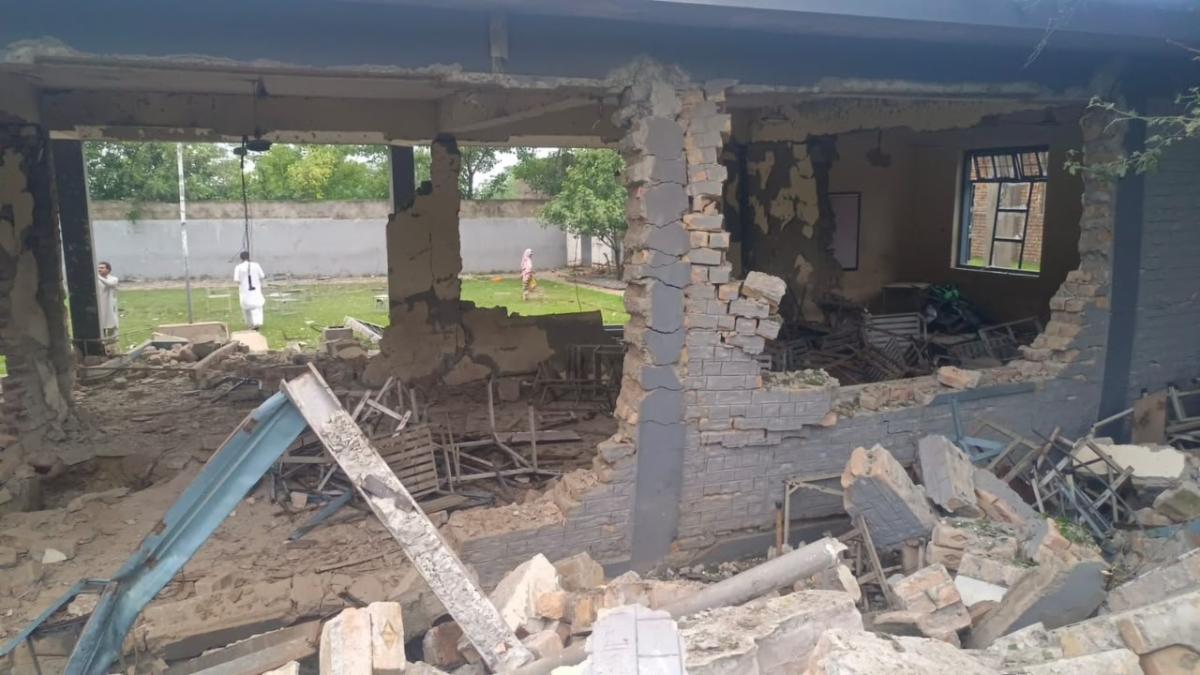
On 21 July 2026, suspected Tehreek-e-Taliban Pakistan (TTP) militants planted an improvised explosive device (IED) inside the Government Middle School Loi Kharki in Mamund Tehsil, Bajaur District, causing extensive damage to the facility. No casualties were reported. The incident marks the 14th such attack against an educational facility since the beginning of 2026, demonstrating a sustained pattern of militant pressure against schools.
The targeting of a government school in Bajaur, a longstanding area of TTP activity along the Afghanistan-Pakistan border, is particularly consistent with the group’s established targeting strategy. State-run schools carry both practical and symbolic value: they represent the presence and authority of the Pakistani government at the community level while providing education that militants may regard as incompatible with their ideological worldview. At the same time, schools are comparatively accessible soft targets, allowing militants to inflict significant infrastructure damage and generate fear without requiring a complex operation. The absence of casualties does not therefore diminish the significance of the attack; destroying the facility itself may have been the primary objective.
More broadly, repeated attacks on educational infrastructure have effects that extend far beyond the immediate physical damage. They can discourage attendance, force temporary or permanent school closures, undermine confidence in the government’s ability to protect civilian institutions, and ultimately restrict educational access for entire communities. With 14 incidents recorded in less than seven months, TRAC assesses that the targeting of schools represents a sustained campaign rather than a series of isolated attacks, and warns that educational facilities in militant-affected areas are likely to remain at elevated risk in the near term.
| | TRAC Incident Report: Ku Klux Klan (KKK) Affiliated Group Drops Flyers Threatening “Teen Chain Gangs” on 1600 Block of Thames Street in Fells Point, Baltimore, Maryland, United States | | |
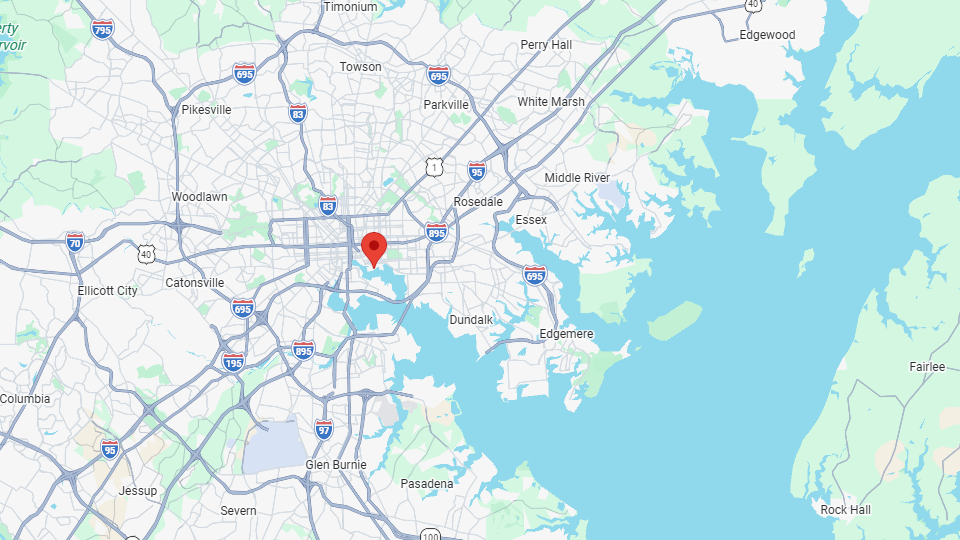
On 18 July 2026, businesses in Fells Point, Baltimore, Maryland, received threatening notes accompanied by bags of rocks and signed by a Ku Klux Klan (KKK)-affiliated group. The message declared that “teen takeovers should result in teen chain gangs,” responding to teen meet-ups organised through social media around the United States, especially the East Coast, which have resulted in fights, vandalism, and disruption in commercial areas. The targeting of Fells Point is particularly significant given the neighbourhood’s concentration of restaurants, bars, and businesses dependent on pedestrian traffic, which means threats of disorder can have an outsized economic and psychological impact.
The reference to “chain gangs” is overtly racialised rather than simply a call for harsher juvenile punishment. Historically, chain gangs subjected prisoners, disproportionately Black men in the post-emancipation South, to shackled forced labour, including road construction and rock breaking, and became closely associated with systems that perpetuated coerced Black labour after slavery. Invoking “teen chain gangs” in response to gatherings frequently associated in local discourse with Black teenagers, therefore, deliberately draws on this history. The inclusion of bags of rocks further reinforces the symbolism, visually referencing the hard labour traditionally performed by chain-gang prisoners. TRAC assesses that the combination of the wording, physical props, and KKK affiliation was designed primarily as racial intimidation and propaganda, exploiting local concerns over youth crime to introduce an explicitly white supremacist message into a wider public-safety debate.
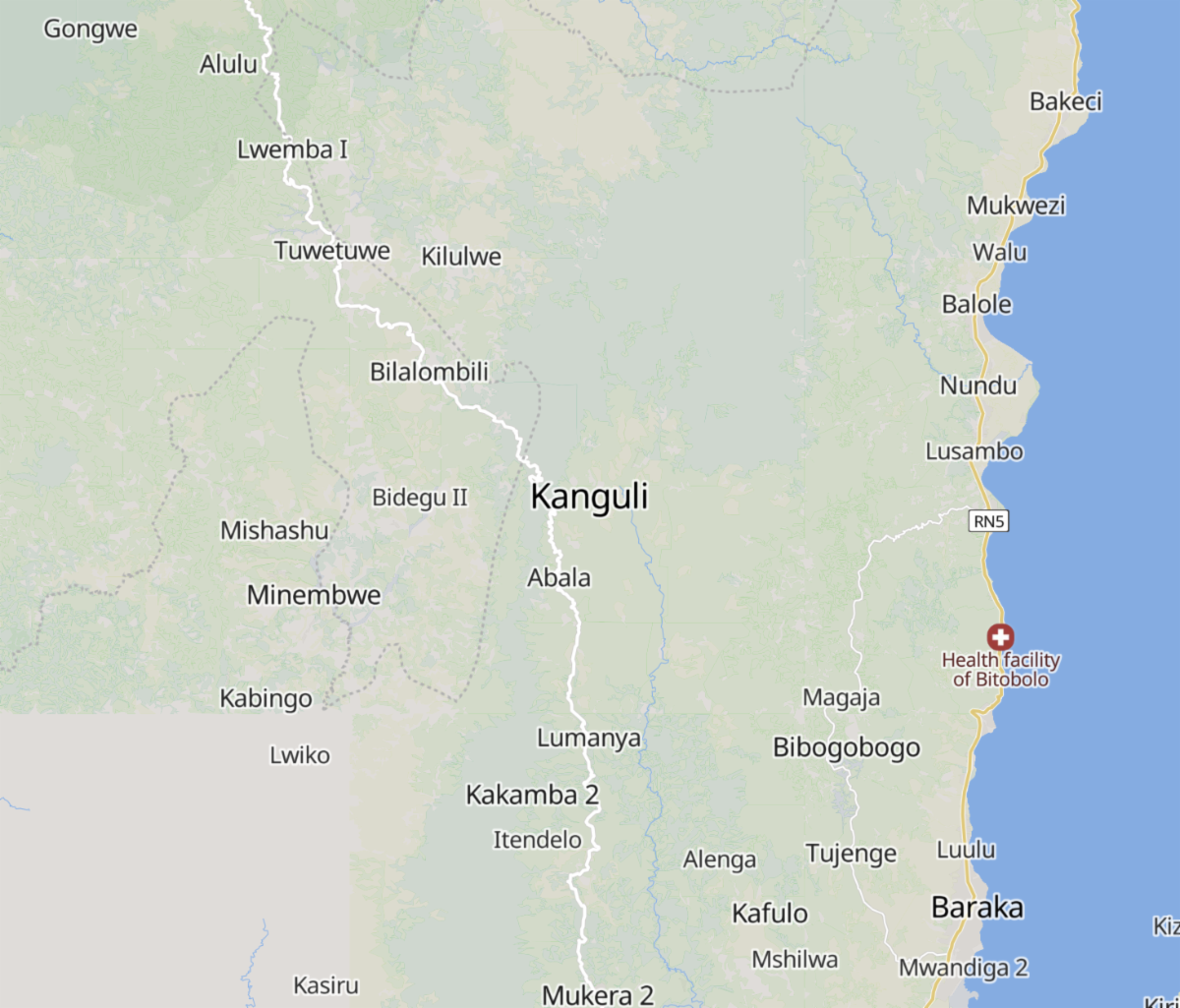
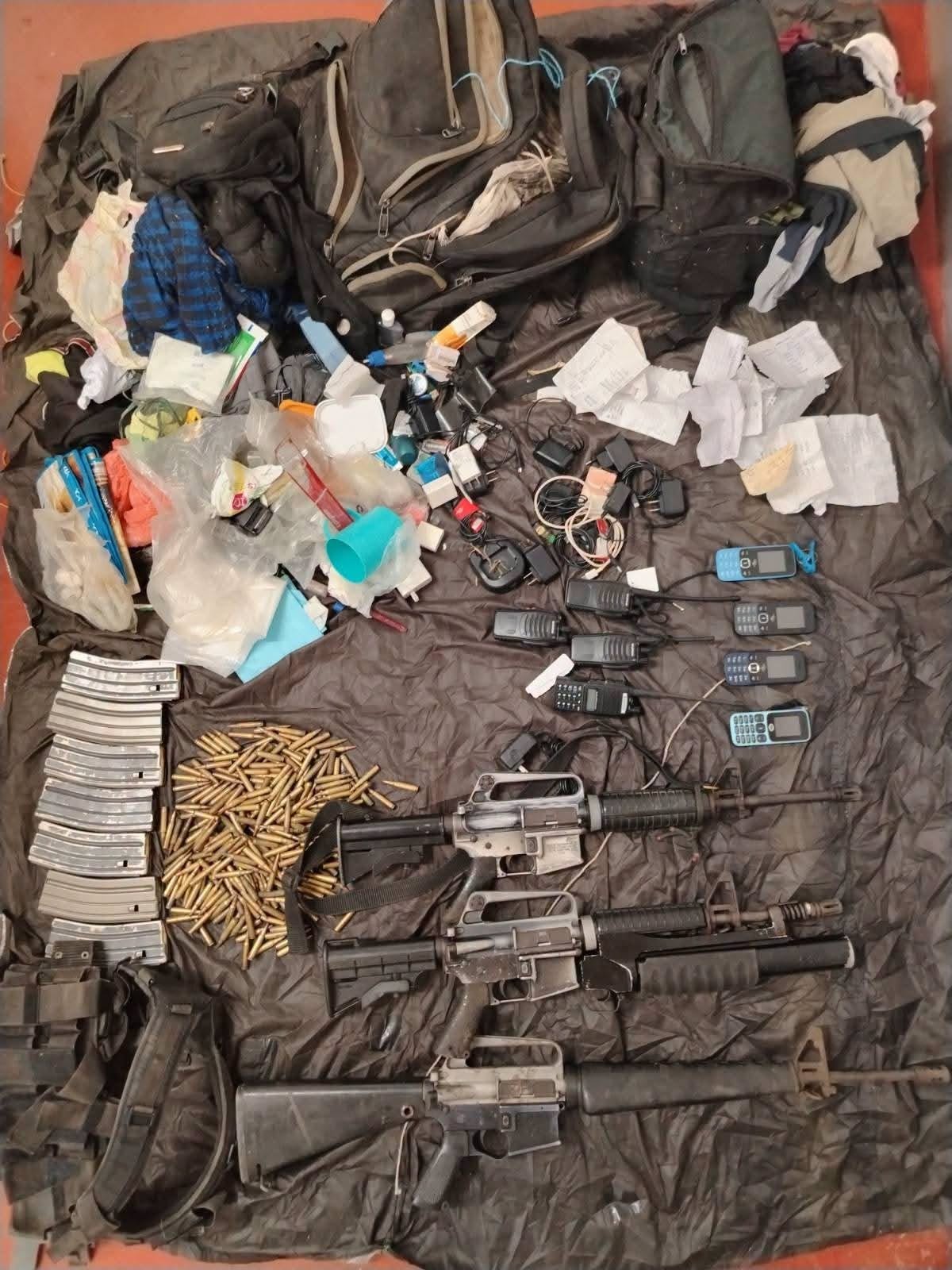
| | TRAC Incident Report: Twirwaneho (M23 Ally) Militants Clashed With Congolese Army Forces in Kanguli, Fizi District, South-Kivu Province, Congo (DR) | | TRAC Incident Report: One New People’s Army (NPA) Leader Killed and Arms Recovered in Clashes with the Security Forces in Barangays Matanglad and Buyo, Pio Duran, Albay, Bicol Region, Luzon Island, Philippines | |
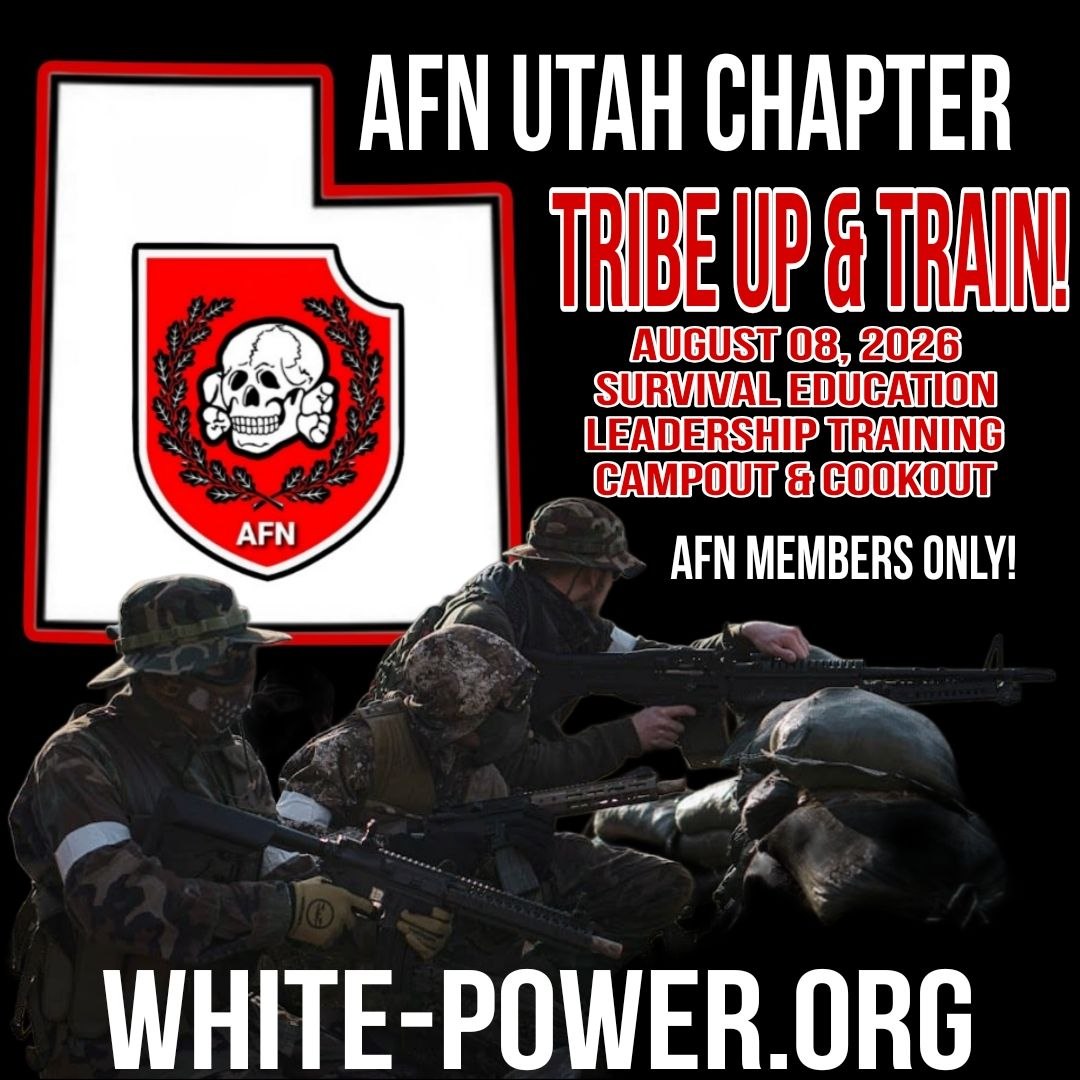
(Poster/Right-Wing Extremism): Aryan Freedom Network (AFN) Release Poster Discussing Utah Wolves Chapter Event, Utah, United States
| | | | |