|
The recent string of violent attacks and beheadings by the Tehreek-e-Taliban Pakistan (TTP) and affiliated groups, such as the Hafiz Gul Bahadur (HGB) faction, marks a troubling escalation in militant operations within Pakistan's tribal regions. Beginning on 18 November 2024, an ambush in the Tirah region of Khyber District killed eight Pakistani soldiers and injured seven others. This assault, involving snipers, IEDs, and crossfire from multiple angles, underscored the TTP’s growing tactical sophistication. The subsequent public circulation of graphic images depicting the beheaded bodies of an army officer and a soldier signals a deliberate shift by the TTP back to symbolic acts of brutality aimed at psychological warfare. TRAC has assessed that this reintroduction of beheadings, halted for years due to opposition from the Afghan Taliban and religious leadership, highlights a calculated strategy to amplify fear and project strength both locally and internationally.
Two days later, on 19 November 2024, the Jabhat Ansar al-Mahdi Khorasan (JAMK)—a TTP faction—executed a coordinated attack on the Mali Khel security checkpoint in Bannu District. The operation, initiated with an SVBIED detonation followed by an armed assault, killed 12 security personnel, injured seven, and inflicted significant damage to infrastructure, including the destruction of military vehicles and a checkpoint roof collapse. The timing of this assault, coinciding with high-level government discussions in Islamabad about rising violence, highlights JAMK’s intent to disrupt state operations and assert its relevance. The act of beheading an officer during the attack further reflects the faction’s alignment with the TTP’s psychological warfare tactics. Such operations demonstrate JAMK’s increased operational capacity and the TTP’s strategic pivot toward acts that maximise psychological and propaganda impact.
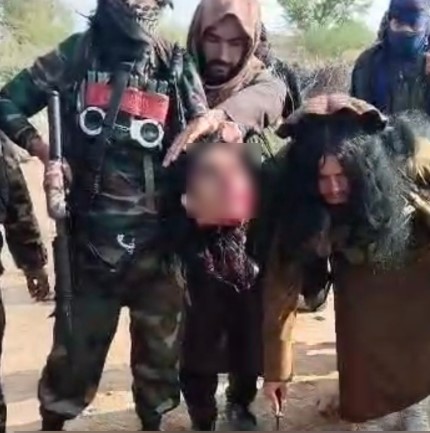
The escalation continued on 23 November 2024, when the HGB group publicly executed two former Taliban fighters in North Waziristan, accusing them of espionage. This act, conducted in a public space and widely publicised, underscores a broader pattern of increasing brutality among militant groups operating in Pakistan’s tribal regions. TRAC assesses that this act serves dual purposes: consolidating HGB’s local control through intimidation and signalling a convergence of tactics with the TTP’s broader strategy of fear-based dominance. The targeting of former Taliban fighters may also reveal intensifying rivalries within the militant ecosystem as groups compete for influence, resources, and public recognition.
These incidents illustrate the evolving tactics of militant factions in Pakistan’s tribal regions, with a resurgence of beheadings as a psychological weapon. TRAC highlights the significance of this shift, noting that the TTP’s reintroduction of such practices is aimed at undermining the state’s authority and destabilising border areas like North Waziristan, where weak governance and chronic insecurity provide fertile ground for extremist operations. By disseminating graphic content through sophisticated propaganda networks, these groups seek to demoralise security forces, erode public confidence, and strengthen their global image as resilient and ruthless actors.
| | |
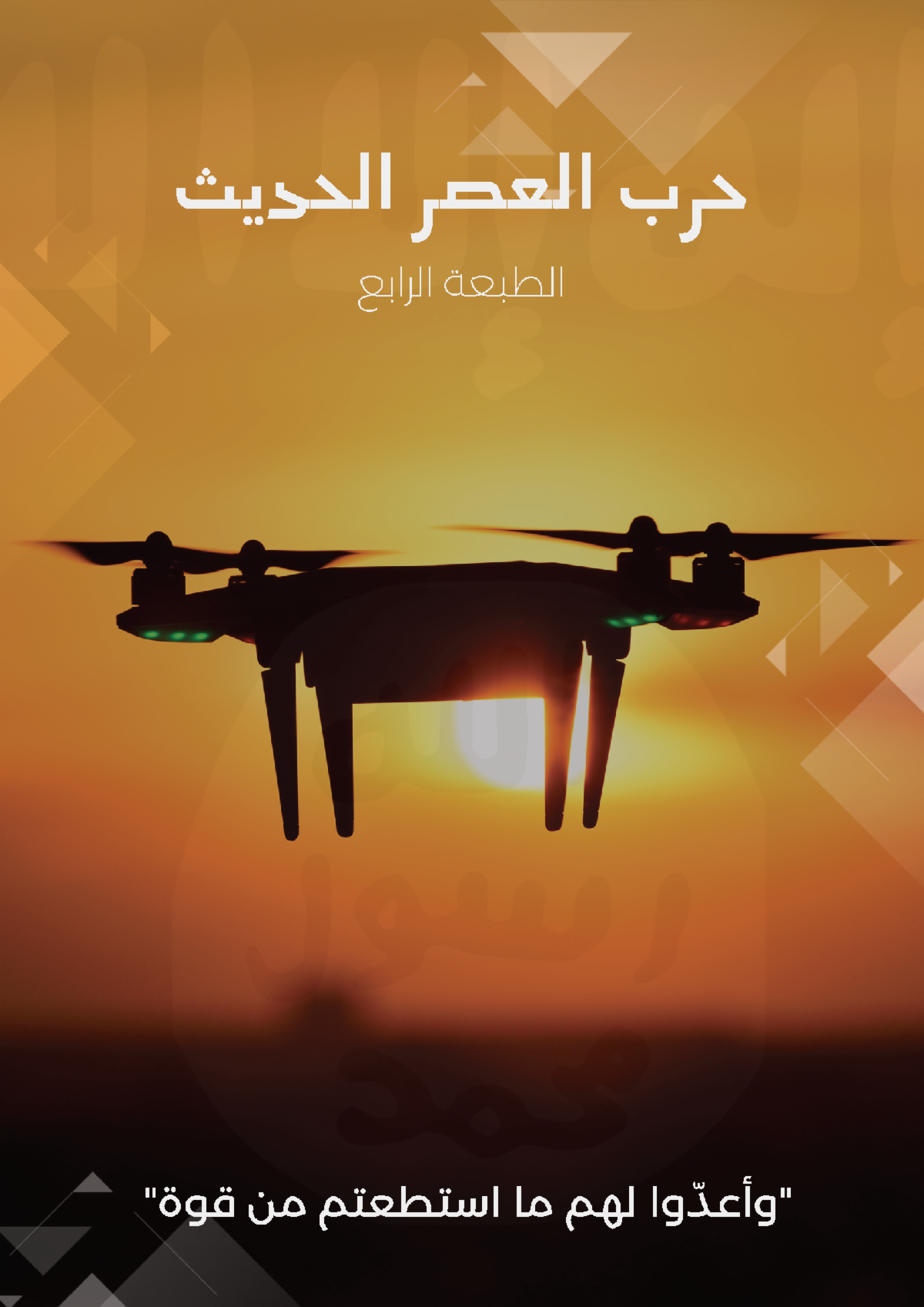
(Instructional Guide/PDF) Islamic State (IS) Supporter ‘Professional Cook’ Releases the 4th Issue of “Modern Warfare: And Prepare Against Them Whatever You are Able of Power” Series with a Focus on Weaponized Drones | |
|
The fourth issue of “Modern Warfare: And Prepare Against Them Whatever You Are Able of Power”, authored by an Islamic State (IS) supporter known as "Professional Cook," was recently released on RocketChat. This detailed instructional guide provides step-by-step instructions for constructing and deploying weaponized drones, underscoring their strategic significance in asymmetrical warfare. The publication highlights the cost-effectiveness and versatility of FPV (First-Person View) drones, positioning them as multipurpose tools capable of conducting surveillance, delivering payloads, and executing precision attacks.
The guide meticulously details how to build an FPV drone, from assembling the frame and installing motors to wiring the flight controller and integrating cameras and antennas. It emphasises the accessibility of custom kits and readily available components, reducing technical barriers for self-starter followers with limited expertise. Practical insights on wiring management, payload security, and drone optimisation ensure readers can maximise their drones’ efficiency and operational effectiveness.
The manual focuses heavily on weaponizing drones, explicitly discussing carrying and deploying explosives or similar payloads. It also specifies payload capacities, such as lifting up to 4 kilograms, and offers instructions for designing custom 3D-printed accessories like landing gear and drop mechanisms. This focus on enhanced functionality reflects a clear intent to position drones as lethal tools for targeted strikes, amplifying their potential in combat scenarios.
Furthermore, the manual is framed within an ideological and religious context, referencing Islamic teachings and including prayers for the success of IS fighters. This legitimises the technical instructions within the group’s extremist framework, seeking to inspire followers to view the use of drones as both a practical and religiously sanctioned act of warfare.
| |
(Chatter) Anarchists Create New Website Aiming to Centralize Resistance Against Global Mining Projects Around the World | |
|
On 21 November 2024, a new website was launched to support and connect anarchists opposing mining projects globally. The platform explicitly targets mining initiatives, particularly those tied to “green” technologies like electric vehicles, wind turbines, and lithium batteries, which it perceives as hypocritical exploitations of the environment. Its first primary focus is on the proposed lithium mine in Échassières, France, but it aims to serve as a hub for anti-mining activism worldwide. This highlights the anarchist movement’s disdain for the mining industry, which they see as a symbol of environmental destruction and capitalist greed.
The website offers a variety of resources, including updates on mining projects, detailed environmental and social impact analyses, and strategies for resistance. It also shares accounts of activist repression, attempting to rally support and solidarity among like-minded individuals. Anarchists have long targeted the mining industry due to its environmental toll, and even small-scale attacks, such as arson or sabotage, can cause enormous financial losses, sometimes reaching hundreds of thousands of dollars due to the destruction of heavy equipment or disruption of operations. The site’s publication of a comprehensive list of potential targets demonstrates its intent to inspire decentralised, autonomous acts of resistance against extractivist projects.
Websites like these are invaluable to anarchists because they provide manuals, fliers, and other instructional materials that make activism more accessible and actionable. By democratising resistance tactics, these platforms enable individuals or small cells to operate autonomously, planning and executing actions while remaining in the dark. This decentralised model makes it exceptionally difficult for law enforcement to track or prevent attacks. As a result, even seemingly small-scale acts, such as damaging equipment or disrupting operations, can quickly escalate into significant financial and logistical burdens for mining companies.
| |
TRAC Incident Report: Driver Rams His Vehicle into Children Outside a Primary School in a Suspected Intentional Act, Changde, Hunan, Central China | |
|
On 19 November 2024, at approximately 8:00 am local time, a driver rammed his SUV into a crowd of children and adults outside Yong’an Elementary School in Changde, Hunan Province, injuring dozens. Eyewitnesses detained the man at the scene, and police arrested him shortly after. While the details surrounding the incident remain unclear, it is uncertain whether the attack was intentional. However, bystanders reportedly dragged the driver from the vehicle and beat him violently after the crash. Given the typically slow driving speeds near schools, early indications suggest the possibility of a deliberate act rather than an accident.
If confirmed as intentional, the driver’s actions may have been motivated by frustration stemming from economic hardships or as a protest against government policies. Rising economic instability and growing social tensions in China have been driving individuals to commit extreme acts of violence. This incident follows another violent attack just three days earlier when a 21-year-old former student killed and injured 25 individuals in a knife assault at the Wuxi Vocational Institute of Arts and Technology in Jiangsu Province. Both incidents are part of a broader trend of mass casualty attacks across China in recent months, underscoring a critical security challenge fueled by widespread discontent, distress, and societal instability.
China's growing unrest is tied to economic challenges, including record-high youth unemployment rates, which the government has not disclosed publicly. This secrecy aligns with broader censorship policies under China's Great Firewall, which blocks access to most Western social media platforms and search engines like Google while controlling public information. The Chinese government heavily regulates internet content, often censoring politically sensitive material to manage dissent. Despite these efforts, protests and violent outbursts have emerged as expressions of growing dissatisfaction with the regime, prompting concern among international investors who are now tracking unrest rather than relying on China's unreliable economic data.
Additionally, rising anti-foreign sentiment, particularly toward Japanese citizens, reflects deep-seated nationalist ideologies fostered by the Chinese government. Recently, Japan's embassy in China advised its nationals to exercise caution and avoid speaking loudly in Japanese, citing the country’s ongoing anti-Japanese sentiment. While financial issues are often linked to recent mass casualty attacks, TRAC highlights the possibility that the 19 November perpetrator could belong to the Uyghur ethnic minority. Uyghurs, a predominantly Muslim Turkic group native to Xinjiang, have long faced systemic persecution by the Chinese government. Accusations of forced re-education, inhumane conditions in internment camps, and genocide in Xinjiang amplify tensions and could also be a factor in such violent incidents.
| |
TRAC Incident Report: Iranian Regime-Linked Perpetrators Suspected to Be Behind the Abduction and Assassination of Israeli Rabbi Zvi Kogan, Al Ain, United Arab Emirates | |
|
On 24 November 2024, authorities in Al Ain, United Arab Emirates (UAE), discovered the body of Israeli rabbi Zvi Kogan, who was reportedly kidnapped and murdered by a group of three Uzbek nationals: Olimpi Tohirovich, 28, Makhmudjon Abdurrahim, 28, and Azizi Kamilovich, 33. The perpetrators allegedly followed Rabbi Kogan from his kosher supermarket, “Rimon,” in Dubai to Al Ain, located about an hour and a half away. The suspects were intercepted and arrested after the murder. Kogan’s killing highlights rising security threats for Israeli nationals and Jewish figures in the UAE, a country previously identified by Israel’s National Security Council as being at high risk for Iranian-sponsored attacks.
TRAC strongly suspects Iran’s involvement in the assassination, pointing to Tehran’s history of targeting Israeli nationals and assets across various countries, including Greece, Cyprus, Turkey, Georgia, and the UAE. The murder of Rabbi Kogan—who had a military background as a member of the Israeli Givati Brigade during operations in Gaza—may have been both ideologically and politically motivated, tied to his Jewish identity and former role in the Israeli armed forces. Additionally, his position as the director of a prominent kosher supermarket in Dubai could have made him and his business a dual target for orchestrators. This incident also holds significant familial resonance, as Rabbi Kogan was the nephew of Rabbi Gavriel Holtzberg, a victim of the 2008 Mumbai terror attack on the Chabad House, further underscoring the ongoing risks faced by prominent Jewish figures globally.
| |
TRAC Incident Report: Simon Ekpa Leader of Indigenous People of Biafra (IPOB) Arrested and Disowned for Inciting Violence, Finland | |
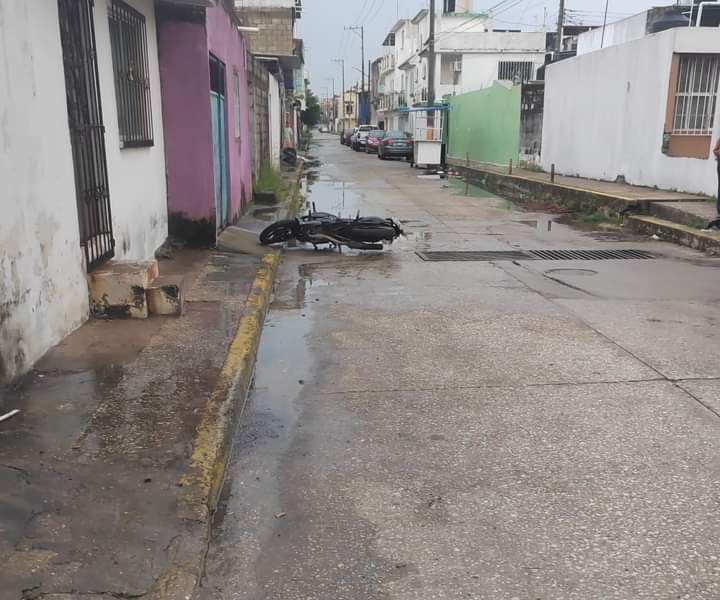
TRAC Incident Report: Two Suspected Jalisco New Generation Cartel (CJNG) Members on Motorcycle Open Fire on Security Forces, Causing Damage to Residences, Villahermosa, Tabasco, Mexico
| |
(Poster / Right Wing Extremism) Neo-Nazi Satanists Circulate Rapewaffen Divison Poster “We Want You – Join The Terror" | | | | |